
Industry News
Curation by industry experts
Hot Articles
Popular Tags
Where Green Tech Investment Opportunities Are Shifting in 2026
Where green tech investment opportunities are moving now
In 2026, green tech investment opportunities look more selective than they did only a few years ago.
Capital is still flowing, but it is no longer chasing broad climate language alone.
The stronger pull is toward assets tied to compliance, industrial continuity, and measurable operating value.
That shift matters because infrastructure-grade environmental systems now sit closer to core business risk.
Water scarcity, waste liability, air emissions, and nuclear stewardship are no longer peripheral issues.
They shape plant uptime, export access, financing quality, and long-term license to operate.
This is why green tech investment opportunities are increasingly clustering around heavy-duty treatment and recovery platforms.
From the perspective of ESD’s ecological engineering coverage, the pattern is especially visible.
Large water treatment, solid waste recovery, flue gas control, desalination, and nuclear waste management are gaining structural attention.
These are not fast-fashion technology stories.
They are long-cycle markets where technical reliability, permitting certainty, and standards compliance increasingly drive investment decisions.
Why the shift is becoming clearer in 2026
One reason is that regulation is getting more operational and less symbolic.
Environmental compliance is now embedded in procurement, trade, project finance, and industrial policy.
CBAM, discharge rules, landfill limits, and emissions enforcement all reward verifiable performance.
That favors equipment and systems with clear technical outputs over vague sustainability narratives.
Another reason is that critical infrastructure is under pressure from climate volatility.
Drought, salinity shifts, urban waste loads, and industrial retrofit needs are making treatment capacity more valuable.
More importantly, many green tech investment opportunities now offer dual value.
They reduce environmental exposure while also protecting resource access or recovering lost material value.
The strongest green tech investment opportunities are now more industrial
The center of gravity is moving toward sectors where environmental technology is inseparable from production continuity.
In water treatment, interest is rising in high-concentration wastewater systems and Zero Liquid Discharge pathways.
This is driven by stricter discharge limits and by water reuse becoming a board-level issue.
Projects linked to membrane durability, brine minimization, and digital process control are attracting deeper scrutiny.
In solid waste, the market is rewarding recovery logic rather than simple disposal volume.
AI sorting, pyrolysis integration, and urban mining networks are drawing attention because they connect waste cost with materials value.
That changes how green tech investment opportunities are evaluated across municipal and industrial ecosystems.
Flue gas treatment is also being reassessed.
Heavy industry needs lower-temperature SCR performance, more stable scrubber efficiency, and cleaner retrofit economics.
This is less about optional decarbonization branding and more about preserving operating permission.
Seawater desalination remains one of the most strategic green tech investment opportunities where water insecurity is accelerating.
Yet the real focus is shifting to energy intensity, membrane life, pretreatment robustness, and financing durability.
Nuclear waste management is a smaller market by volume, but not by strategic weight.
Interest is increasing in vitrification stability, containment reliability, and long-term stewardship systems.
That reflects a broader change in 2026.
Capital is giving more credit to technologies that solve difficult liabilities others prefer to postpone.
What separates durable opportunities from crowded narratives
Not every clean technology story will convert into resilient returns.
In 2026, the better green tech investment opportunities tend to share several traits.
- They solve a regulated problem with quantifiable performance thresholds.
- They fit existing industrial assets through retrofit or modular deployment.
- They improve resource security, not only emissions reporting.
- They can defend margins against supply-chain volatility and permitting delays.
- They are supported by technical intelligence, not just market storytelling.
This is where specialized sector intelligence becomes more important than generic sustainability coverage.
A platform like ESD is relevant because these markets hinge on details that broad climate commentary often misses.
SWRO membrane nanostructures, low-temperature catalyst kinetics, and vitrification stability are not niche academic footnotes.
They influence project bankability, operating costs, and long-horizon risk.
In practical terms, green tech investment opportunities are shifting toward technologies with technical depth and institutional staying power.
The impact is spreading across more than one business layer
The consequences of this shift are not limited to project developers or equipment suppliers.
They touch strategy, financing, engineering design, and market access at the same time.
Where environmental systems were once treated as support functions, they are becoming strategic control points.
That is especially true in sectors exposed to export rules, public infrastructure bidding, and high environmental scrutiny.
For EPC ecosystems, better intelligence around environmental equipment can directly strengthen bid positioning.
For industrial operators, it can reduce the risk of stranded upgrades or underperforming retrofits.
For investors, it creates a clearer lens for distinguishing short-term policy excitement from long-cycle utility.
This also changes time horizons.
Some of the most attractive green tech investment opportunities now require patience, engineering discipline, and careful compliance mapping.
But they may also offer stronger defensibility once installed and validated.
Signals worth tracking over the next planning cycle
- Whether wastewater projects are framed as treatment cost or water security infrastructure.
- How quickly waste recovery models move from pilot economics to stable feedstock contracts.
- Whether desalination projects improve energy-performance ratios under real operating conditions.
- How emissions-control retrofits respond to lower-temperature and variable-load environments.
- Which nuclear waste solutions gain confidence through materials stability and regulatory durability.
How to read the next wave of green tech investment opportunities
The next phase will likely reward those who evaluate environmental technology as strategic infrastructure, not symbolic positioning.
That means looking beyond headline climate themes and into the mechanics of resilience.
A useful starting point is to compare projects through three filters.
- Regulatory durability: Will tighter standards make this system more necessary over time?
- Operational centrality: Does this technology protect throughput, water access, or waste liability control?
- Technical defensibility: Can performance be verified through hard parameters, not promises?
This framework helps clarify why some green tech investment opportunities are strengthening even in cautious capital environments.
They are attached to unavoidable needs.
They answer for environmental limits while supporting industrial continuity.
That combination is becoming harder to ignore.
Over the coming quarters, the most useful move is not chasing every green headline.
It is building a clearer map of where compliance pressure, engineering maturity, and resource scarcity now intersect.
That is where the next generation of green tech investment opportunities is taking firmer shape.
A disciplined next step is to review exposure by application scenario, compare critical performance parameters, and track which standards are moving fastest.
From there, investment judgment becomes less abstract and far more actionable.
Recommended News
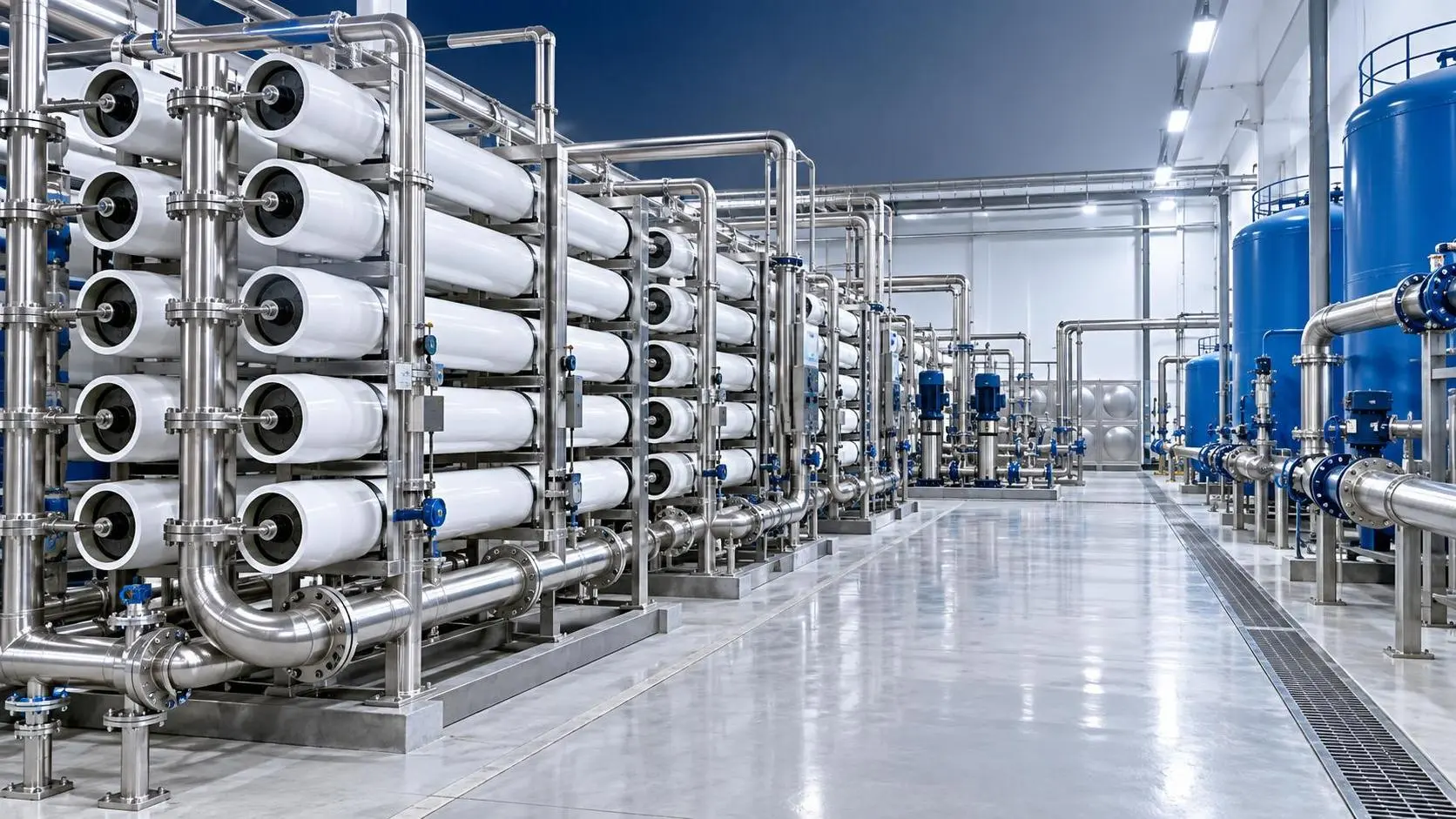
When high flux membrane water treatment justifies a larger footprint
High flux membrane water treatment can justify a larger footprint when variable feedwater, fouling risk, and uptime demands require resilient, lower-flux operation.
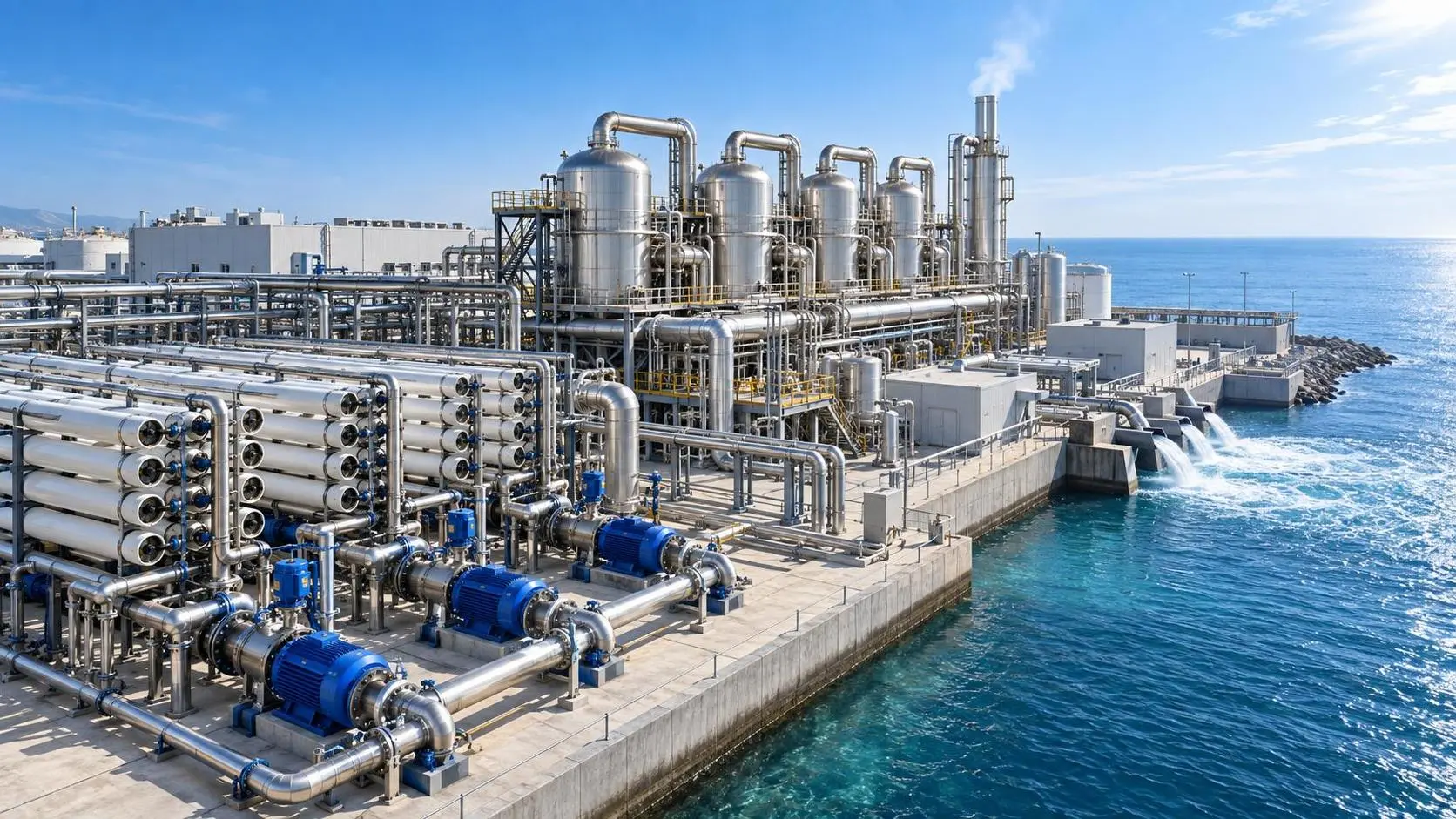
RO vs MED desalination: which is more energy-efficient at scale?
Desalination technology comparison: RO vs MED at scale. See how energy use, waste heat, feedwater, carbon, and flexibility determine the best choice.
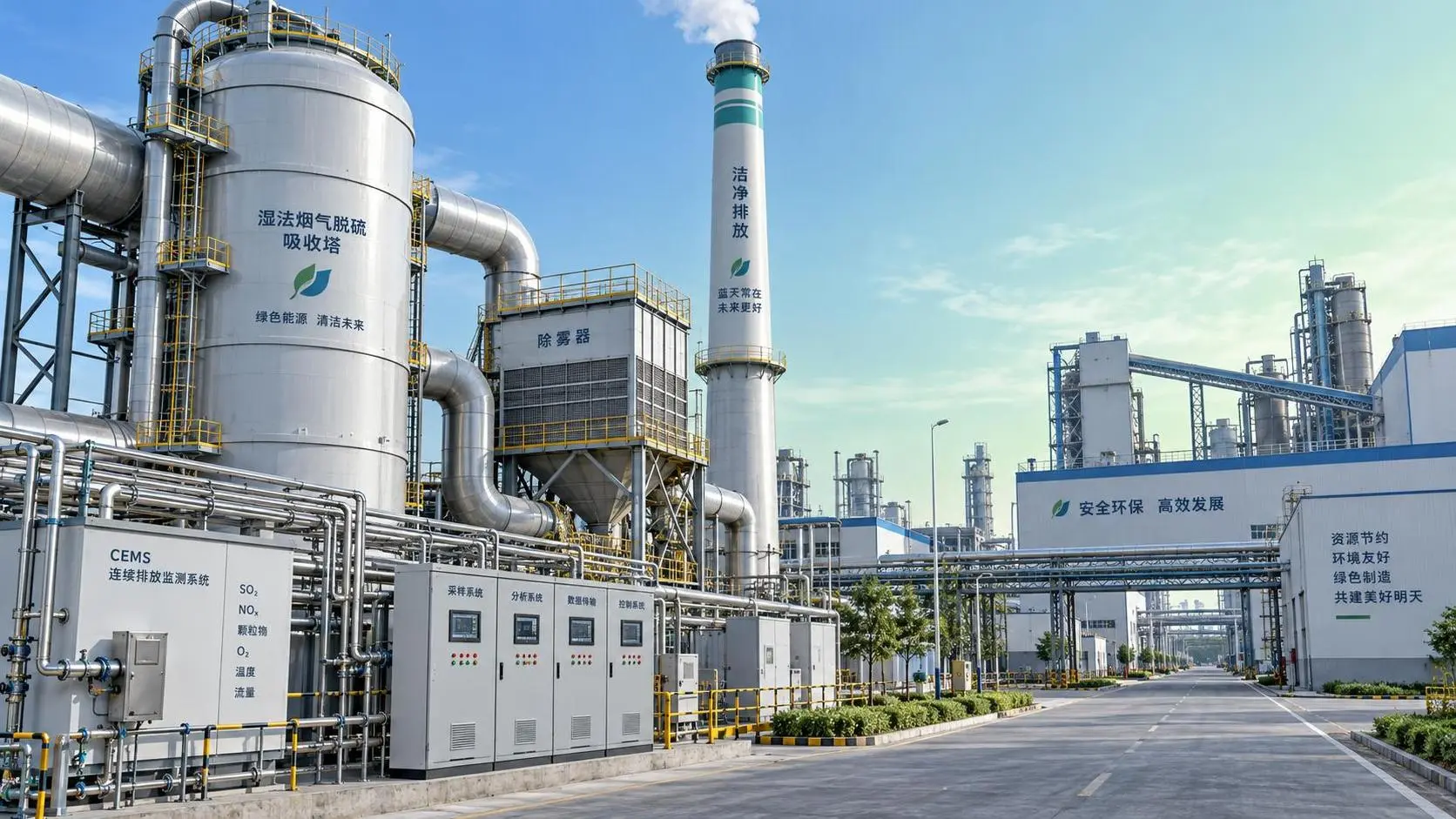
Which ISO standards apply to flue gas treatment systems?
Flue gas treatment systems ISO standards: explore key requirements for emissions testing, CEMS, safety, fabrication, corrosion control, and compliant project evaluation.

When corrosion resistant purification systems are needed for brine treatment
Corrosion resistant purification systems for brine treatment: assess chloride, heat, scaling, materials, and lifecycle reliability for demanding water projects.

How preventive maintenance reduces seawater desalination equipment downtime
Seawater desalination equipment maintenance reduces downtime through proactive monitoring, pretreatment protection, and planned repairs. Explore practical strategies for reliable RO performance.
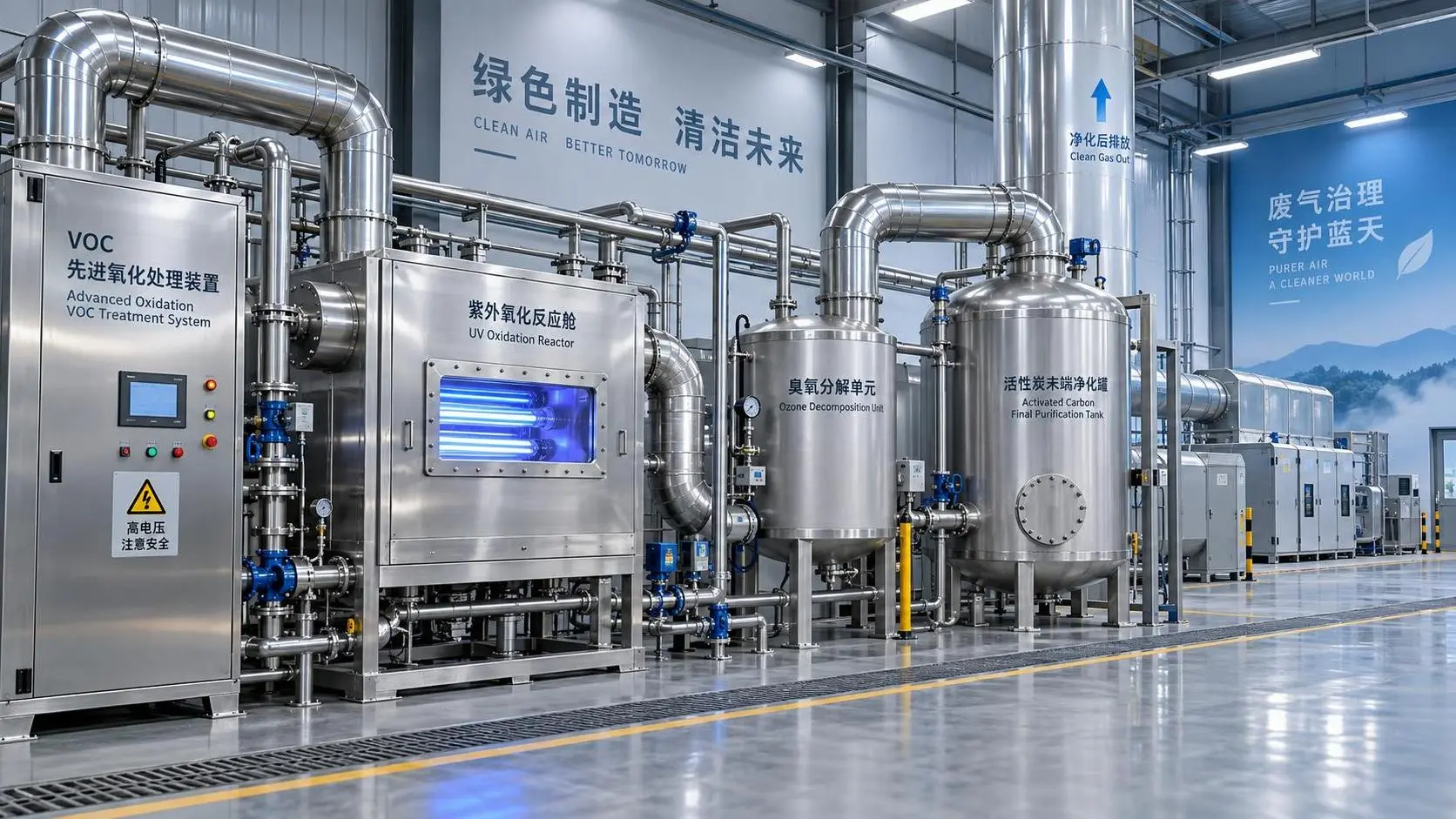
When are advanced oxidation processes the right choice for VOC control?
Advanced oxidation processes for VOC control: learn when AOPs outperform conventional options, manage by-products, and achieve reliable compliance.
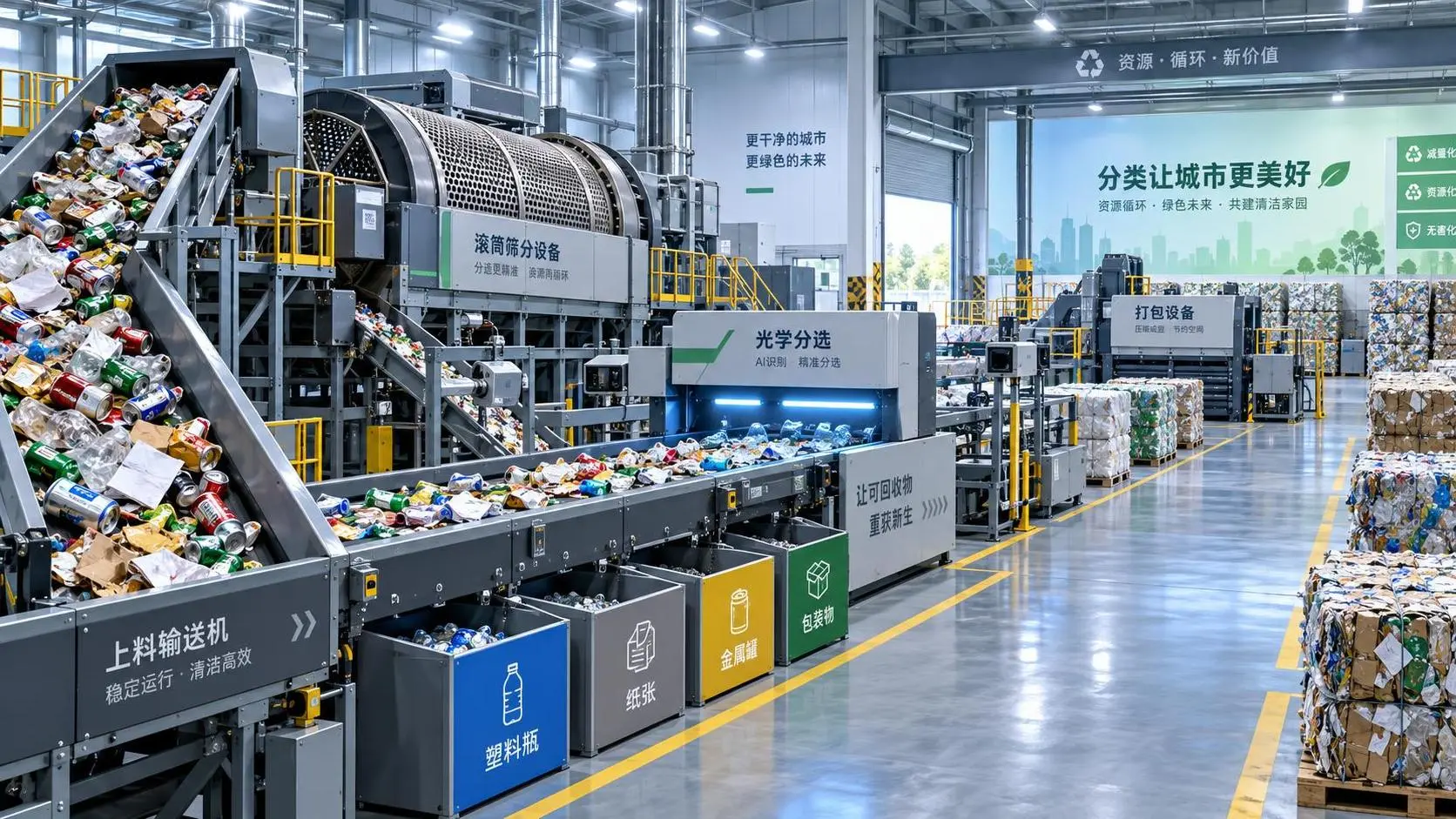
What throughput should municipal waste sorting equipment deliver?
Waste sorting equipment for municipal waste: learn how to set reliable throughput based on peak loads, material quality, uptime, and recovery targets.
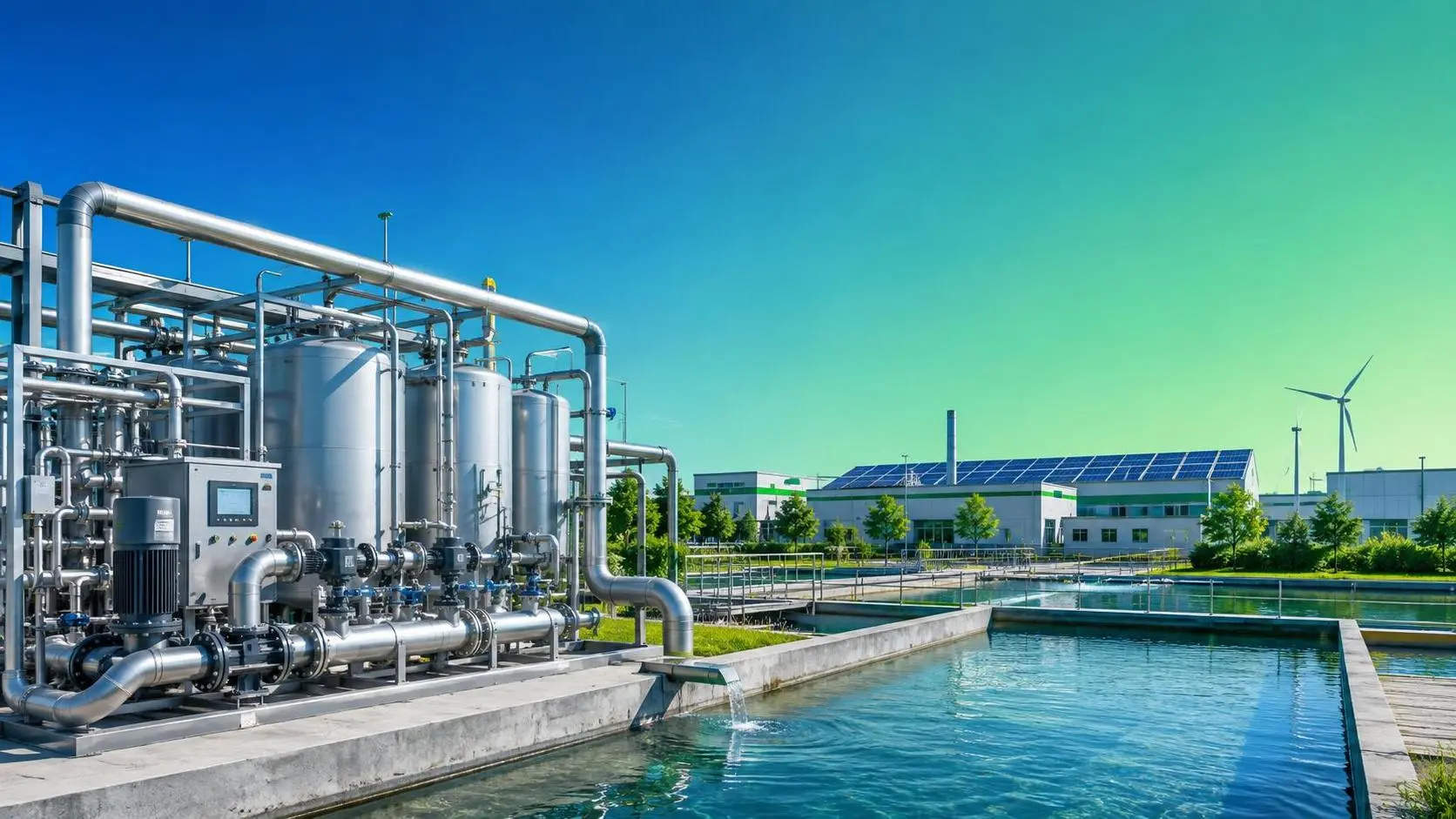
What carbon neutrality means for corporate investment decisions
Carbon neutrality is transforming corporate investment decisions. Explore how lifecycle economics, efficiency, compliance, and resilience can drive measurable returns and lasting advantage.
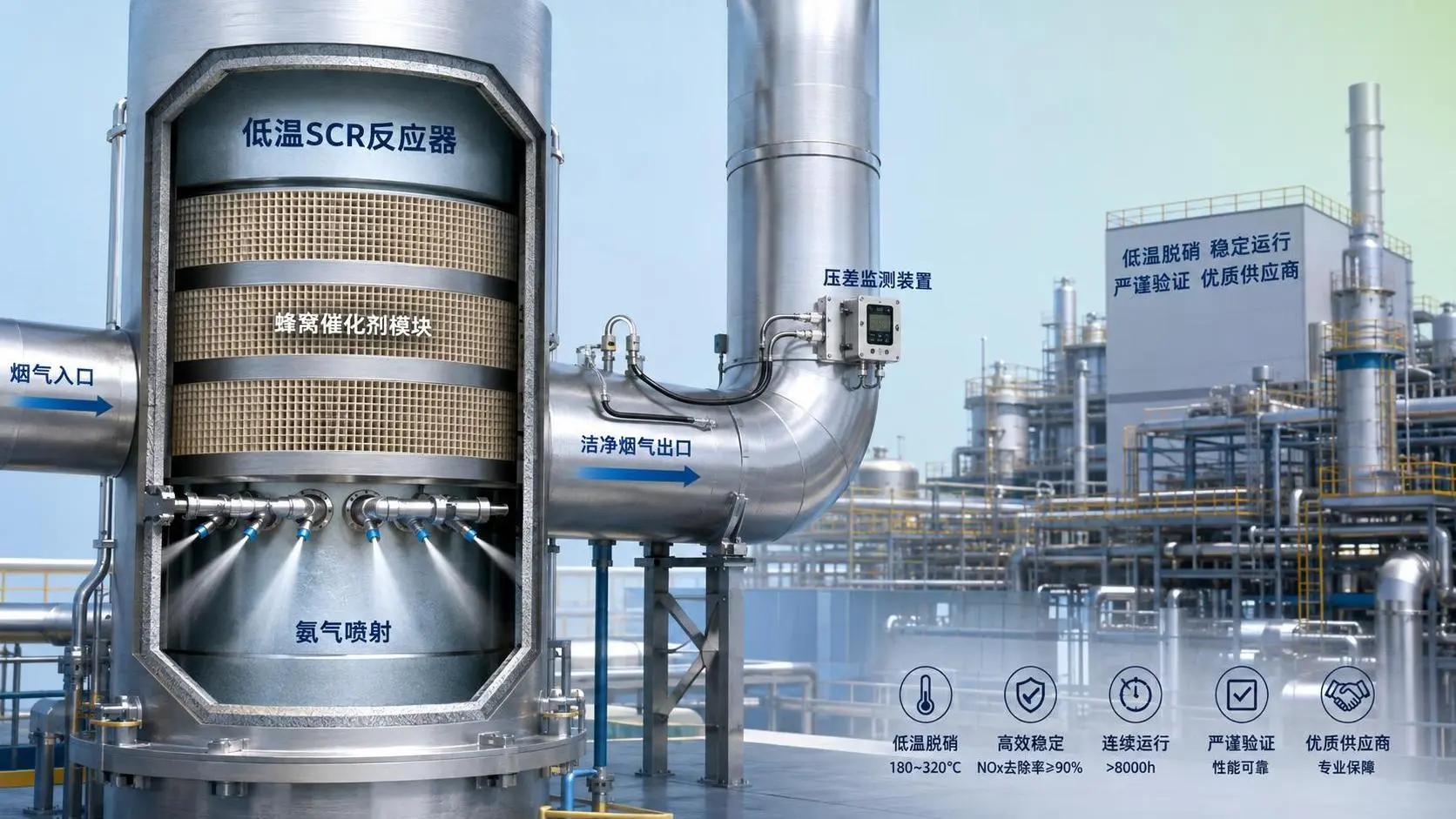
What to verify before choosing a low temperature SCR supplier
Low temperature SCR supplier checklist: verify catalyst temperature range, sulfur resistance, ammonia slip, pressure drop, lifecycle cost, and support before award.