
Industry News
Curation by industry experts
Hot Articles
Popular Tags
SCR Catalysts: Key Selection Risks for 2026 Projects
For 2026 industrial and environmental projects, selecting SCR catalysts is no longer a routine procurement decision—it is a strategic risk control point.
Stricter emissions limits, lower-temperature flue gas conditions, fuel variability, and lifecycle cost pressure are reshaping how project specifications are evaluated.
This article highlights key selection risks affecting compliance, uptime, and EPC bidding confidence before specifications become costly operational constraints.
SCR Catalysts in the 2026 Compliance Landscape
SCR catalysts enable selective catalytic reduction, converting nitrogen oxides into nitrogen and water through controlled ammonia or urea injection.
They are central to flue gas treatment in power generation, cement, glass, steel, waste-to-energy, refining, and chemical processing.
For 2026 projects, SCR catalysts must perform under tighter emission windows and more unstable operating profiles.
The core decision is not only initial NOx conversion efficiency. It includes durability, poisoning resistance, pressure drop, and regeneration strategy.
A catalyst that looks competitive in procurement can create long-term exposure if temperature, dust, sulfur, or alkali assumptions are incomplete.
In large environmental infrastructure, SCR catalysts connect process chemistry with regulatory certainty and operational resilience.
Market Signals Changing Catalyst Selection
Several industry signals are changing how SCR catalysts are specified, compared, and validated in major environmental projects.
These signals are especially relevant where assets face load cycling, mixed fuels, or cross-border environmental scrutiny.
These changes make laboratory data useful but insufficient. SCR catalysts require project-specific interpretation and operating-envelope validation.
Risk One: Temperature Window Mismatch
Temperature mismatch is one of the most common selection risks for SCR catalysts in retrofits and low-load operations.
Many units now operate below traditional design ranges because of energy transitions, flexible dispatch, or process heat recovery.
If SCR catalysts are chosen for ideal temperatures, real-world NOx conversion can fall sharply during partial-load conditions.
Low temperatures also increase ammonia slip risk, sulfate deposition, and plugging in downstream equipment.
A strong specification should define minimum continuous temperature, transient ranges, and expected time distribution across load bands.
For 2026 projects, low-temperature SCR catalysts may be valuable, but only when deposition and regeneration pathways are understood.
Risk Two: Catalyst Poisoning and Fouling
Poisoning reduces active sites and shortens the effective life of SCR catalysts, even when design activity appears adequate.
Common poisons include arsenic, alkali metals, phosphorus, lead, zinc, sulfur compounds, and fine particulate matter.
Waste-to-energy, biomass, cement kilns, and metallurgical lines usually require stricter fouling evaluation than clean gas applications.
SCR catalysts should be reviewed against complete fuel chemistry, ash composition, upstream filtration performance, and dust loading trends.
Ignoring trace contaminants can cause premature deactivation, higher ammonia consumption, and unplanned outage costs.
Supplier claims should be supported by case evidence from comparable fuels, temperatures, dust loads, and cleaning regimes.
Risk Three: Pressure Drop and System Integration
SCR catalysts are part of a larger flue gas architecture, not isolated consumables.
Module geometry, pitch, wall thickness, and catalyst volume influence pressure drop and fan energy consumption.
Excessive pressure drop can erode operational margins, especially in retrofits with limited ductwork or existing fan constraints.
A low-price offer may carry hidden energy penalties if hydraulic resistance is not assessed across the full operating range.
The best evaluation compares SCR catalysts using total system impact, including fans, soot blowing, access space, and maintenance logistics.
Integration review should also include ammonia injection grid performance and mixing uniformity before gas reaches the catalyst face.
Risk Four: Ammonia Slip and Secondary Pollution
Ammonia slip is increasingly important as environmental compliance expands beyond single-pollutant NOx control.
Poorly matched SCR catalysts can require higher reagent dosing, increasing unreacted ammonia in downstream gas streams.
This can cause ammonium salt deposition, visible plume issues, catalyst masking, corrosion, and particulate formation.
In waste incineration or industrial boilers, slip risk often rises during rapid load changes or uneven gas distribution.
Selecting SCR catalysts therefore requires balanced review of activity, selectivity, injection control, and outlet monitoring capability.
A reliable design sets realistic slip limits under both stable and transient operating conditions.
Risk Five: Incomplete Lifecycle Cost Analysis
Initial catalyst price is only one part of the economic picture.
SCR catalysts affect reagent usage, fan power, outage frequency, disposal cost, regeneration options, and compliance risk reserves.
A lifecycle model should include guaranteed activity decay, expected replacement intervals, and sensitivity to contaminant excursions.
Regeneration may reduce replacement cost, but its feasibility depends on poison type, mechanical integrity, and remaining activity.
Disposal and recycling pathways also matter as circular economy expectations influence environmental project evaluations.
For major infrastructure, SCR catalysts should be compared through net present cost rather than purchase price alone.
Typical Application Scenarios and Selection Focus
Different industrial scenarios create different risk profiles for SCR catalysts.
A practical classification helps align catalyst chemistry and module design with operating reality.
This mapping prevents generic procurement from overlooking high-impact operating differences.
Supplier Evaluation Beyond Datasheets
Datasheets rarely show how SCR catalysts behave after thousands of hours in contaminated, fluctuating gas streams.
Supplier evaluation should therefore include technical evidence, service depth, manufacturing consistency, and failure-response capability.
Important documents include activity test protocols, deactivation curves, reference installations, quality control records, and regeneration case studies.
For critical projects, third-party testing can reduce uncertainty around low-temperature performance and poison resistance.
The supplier should also explain how SCR catalysts are sampled, inspected, cleaned, replaced, and documented during service.
Reliable support reduces operational ambiguity after commissioning, when compliance deadlines become immediate obligations.
Specification Practices That Reduce Project Risk
Strong specifications translate operating uncertainty into measurable requirements for SCR catalysts.
They should avoid vague performance promises and define the actual boundary conditions behind compliance.
- Define flue gas temperature ranges, including minimum continuous and transient values.
- Require contaminant profiles for fuel, ash, dust, and upstream process streams.
- Set NOx removal, ammonia slip, and pressure drop guarantees together.
- Specify catalyst life assumptions and acceptable activity decay curves.
- Include inspection, sampling, regeneration, and replacement procedures.
- Request comparable references, not only general industry installations.
These practices make SCR catalysts easier to compare and harder to misrepresent during competitive bidding.
Strategic Value for Environmental Infrastructure
In modern ecological engineering, SCR catalysts support more than stack compliance.
They protect plant availability, stabilize environmental reporting, and reduce uncertainty in long-term operating budgets.
They also influence carbon-linked project competitiveness when energy penalties and reagent consumption are included.
For integrated water, waste, desalination, and industrial emission portfolios, reliable flue gas treatment strengthens the overall ecological shield.
SCR catalysts therefore belong in early engineering discussions, not late-stage procurement adjustments.
Early alignment improves space planning, duct design, digital monitoring, and lifecycle cost certainty.
Practical Next Steps Before Final Selection
Before finalizing SCR catalysts, project documents should be checked against real operating data and credible future scenarios.
The review should connect emissions limits, process variability, maintenance access, and supplier guarantees into one decision framework.
- Build a verified flue gas profile using current and expected operating modes.
- Identify temperature, dust, sulfur, alkali, and poison risk envelopes.
- Compare SCR catalysts through lifecycle cost and compliance resilience.
- Validate supplier claims with comparable references or independent testing.
- Document inspection, regeneration, replacement, and performance-monitoring plans.
For 2026 projects, the safest catalyst decision is evidence-based, scenario-specific, and lifecycle-oriented.
SCR catalysts selected under that discipline can reduce compliance risk, protect uptime, and support stronger environmental project execution.
A structured pre-selection audit is the most practical next step before technical specifications become commercial commitments.
Recommended News
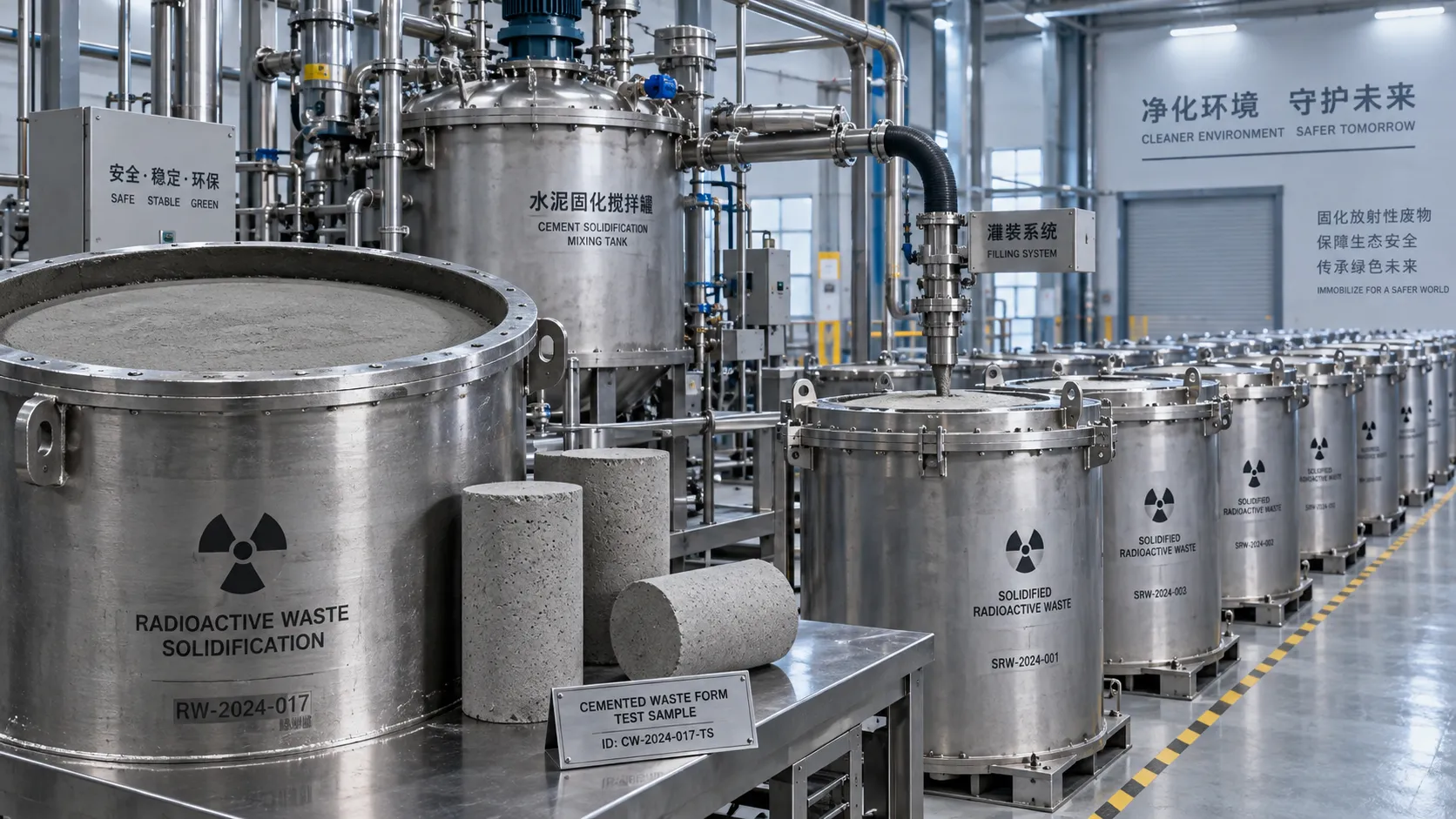
When is cementation suitable for nuclear decommissioning waste?
Explore nuclear waste treatment technology for decommissioning: learn when cementation fits, which risks to assess, and how disposal criteria guide an effective treatment choice.
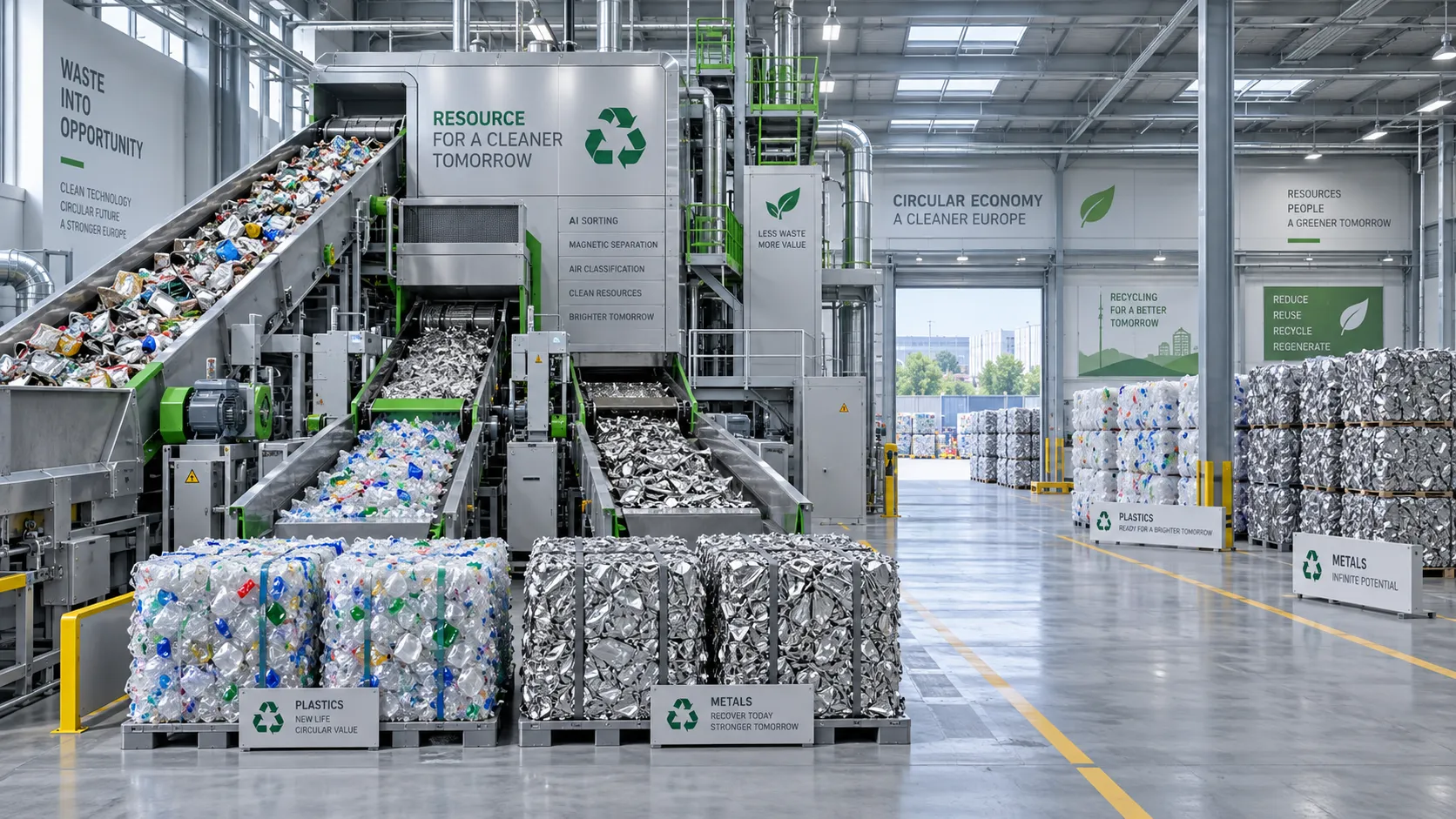
What determines payback for waste-to-resource systems in Europe?
Assess waste-to-resource systems Europe-wide: compare feedstock, recovery yields, costs and contracts to uncover payback drivers and make smarter investment decisions.
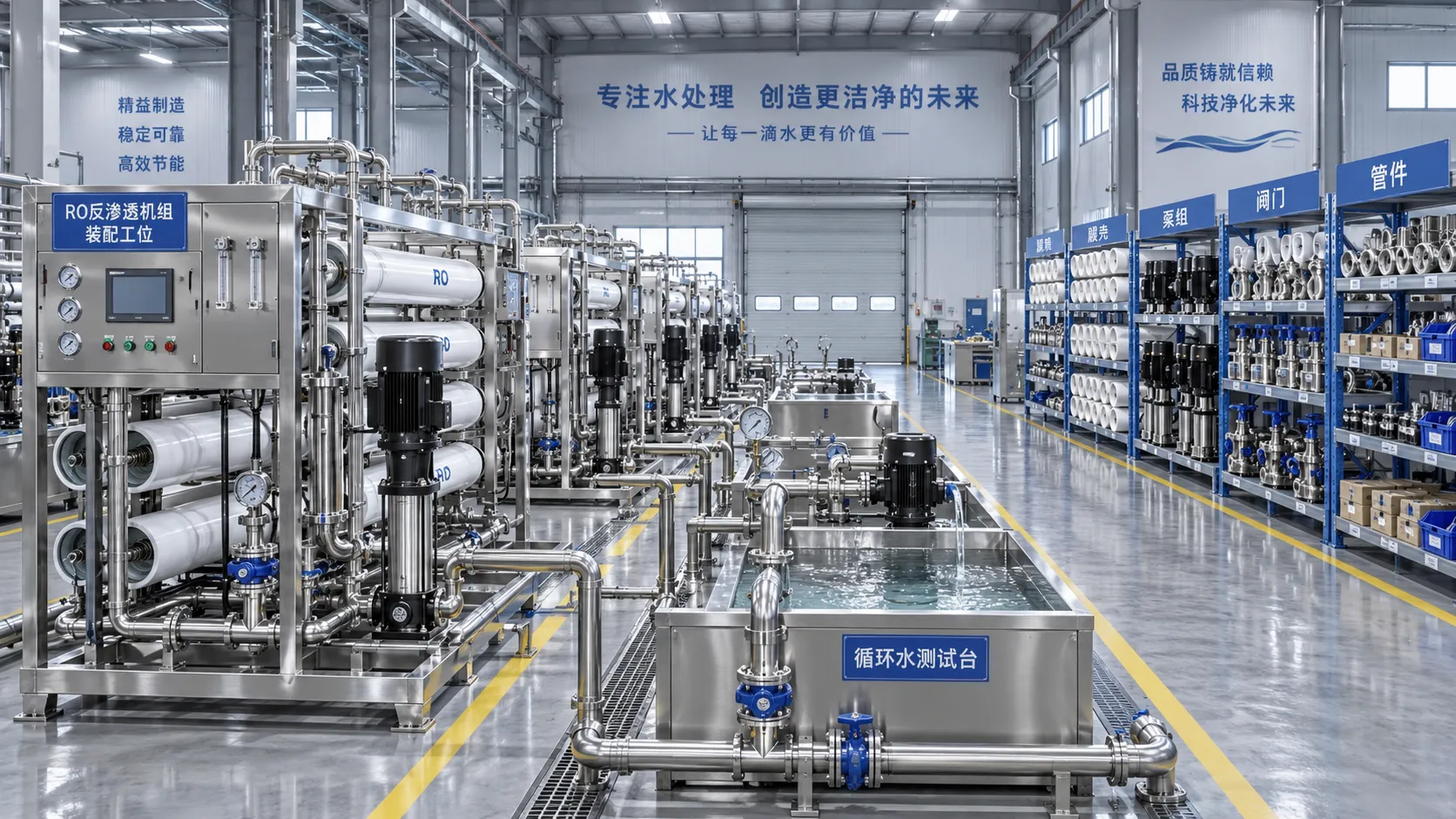
How to verify a water treatment system factory’s production capacity
Verify a water treatment systems factory’s production capacity through records, bottlenecks, component availability, and testing. Learn what to check before accepting a delivery promise.
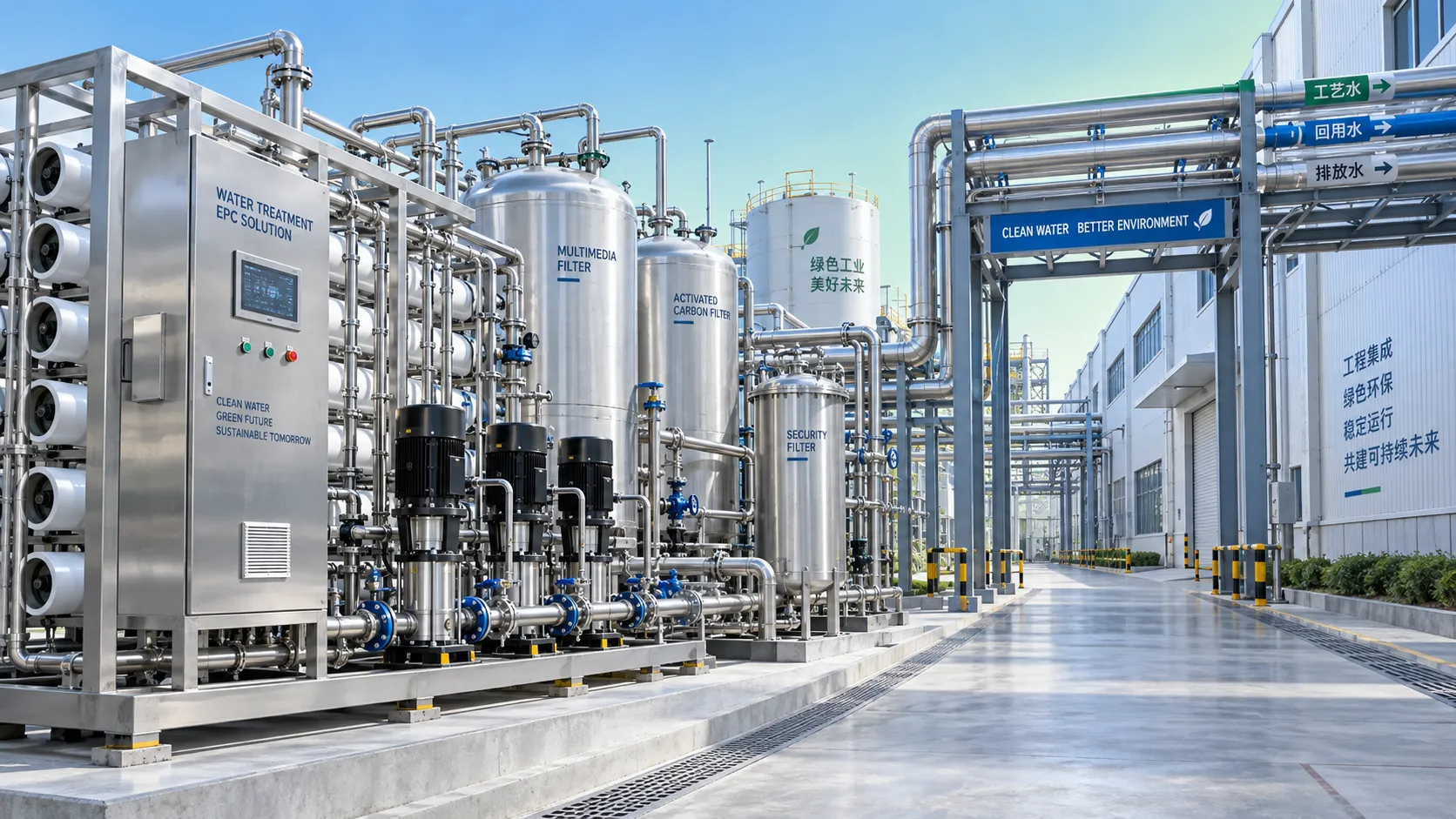
When does EPC environmental project support reduce delivery risk?
EPC environmental project support engineering reduces delivery risk by aligning design, procurement, compliance, construction, and commissioning decisions.
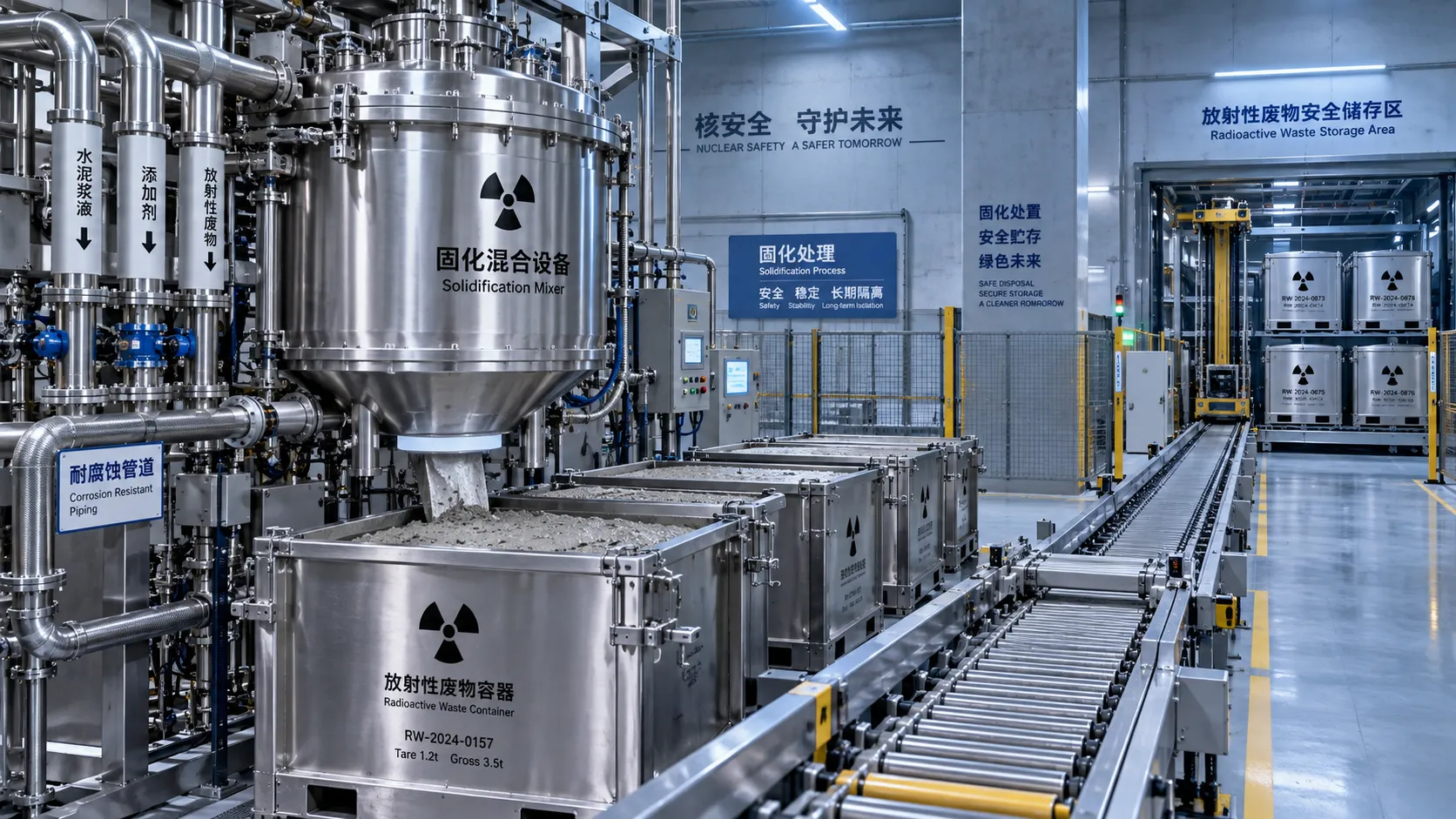
How nuclear plants select a radioactive waste solidification method
Radioactive waste management for nuclear plants: compare vitrification, cementation, polymers, and ceramics to select a compliant, durable solidification solution.
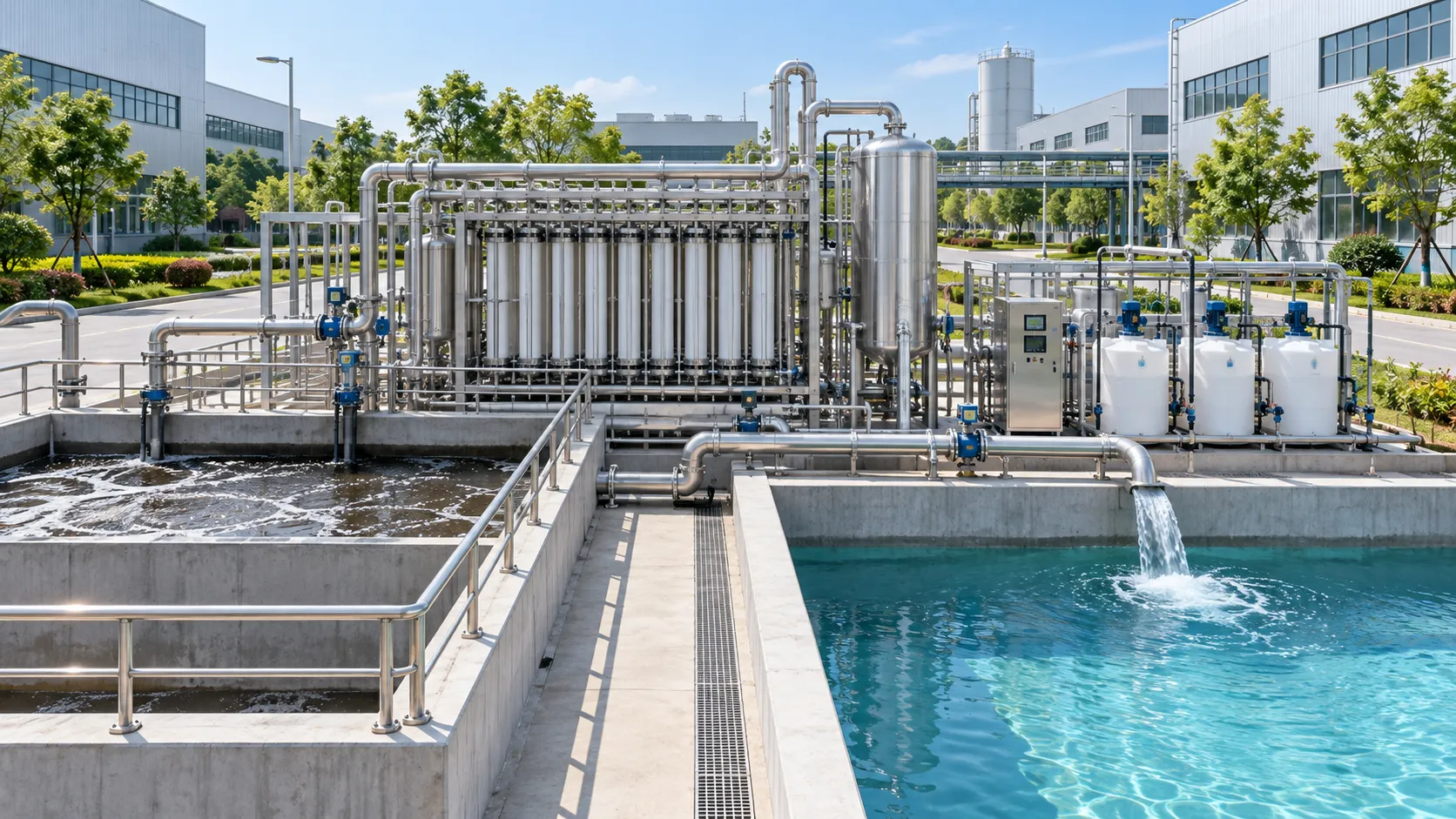
Comparing Upgrade Costs for Industrial Park Wastewater Treatment Systems
Compare costs for wastewater system upgrades in industrial parks with a lifecycle view of CAPEX, OPEX, compliance, resilience, and future expansion.
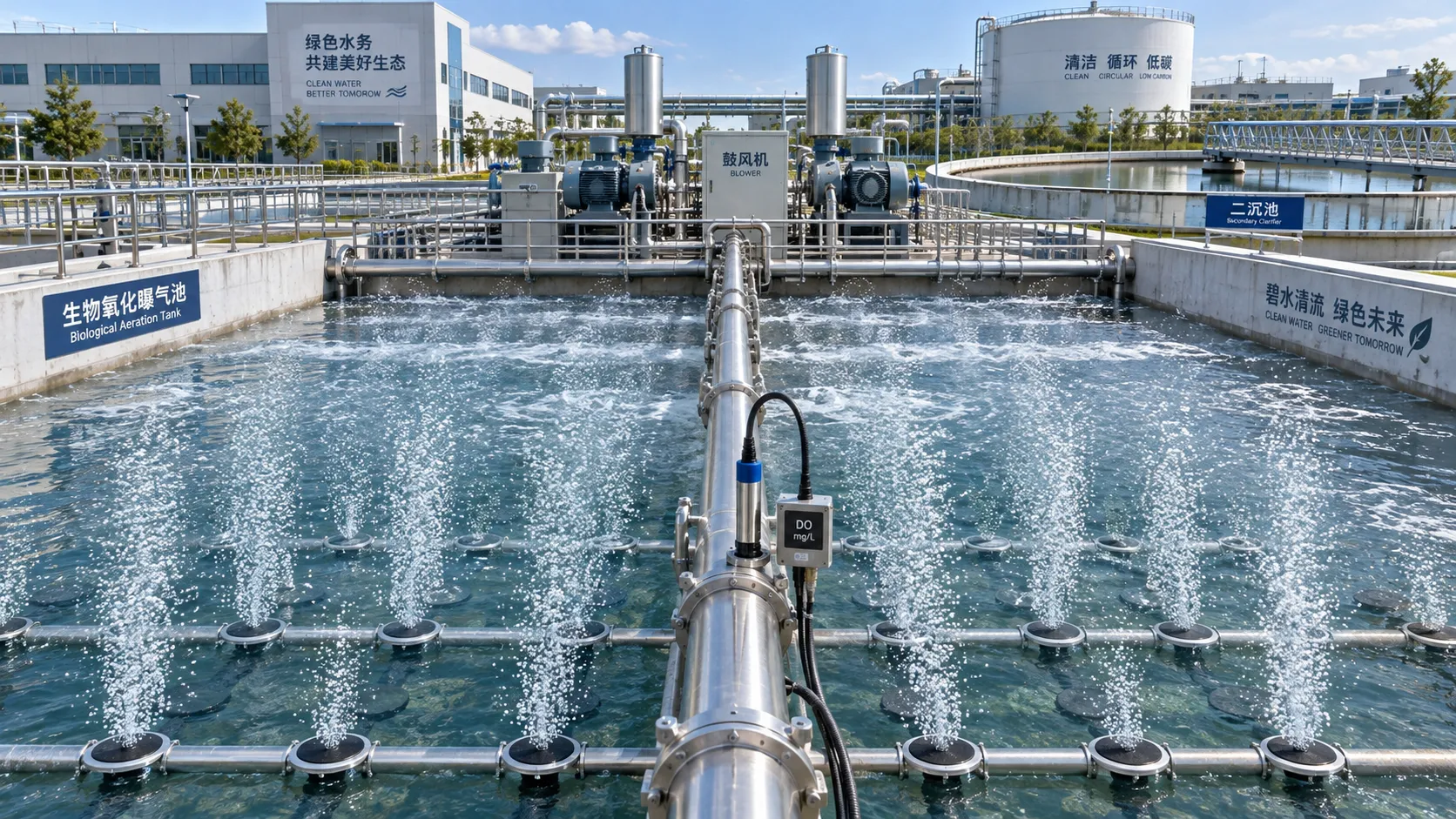
Biological Wastewater Oxidation Explained: Aeration Demand and Process Control
Biological wastewater oxidation explained: optimize aeration demand, DO control, nitrification, and sludge age for stable effluent quality and lower energy costs.
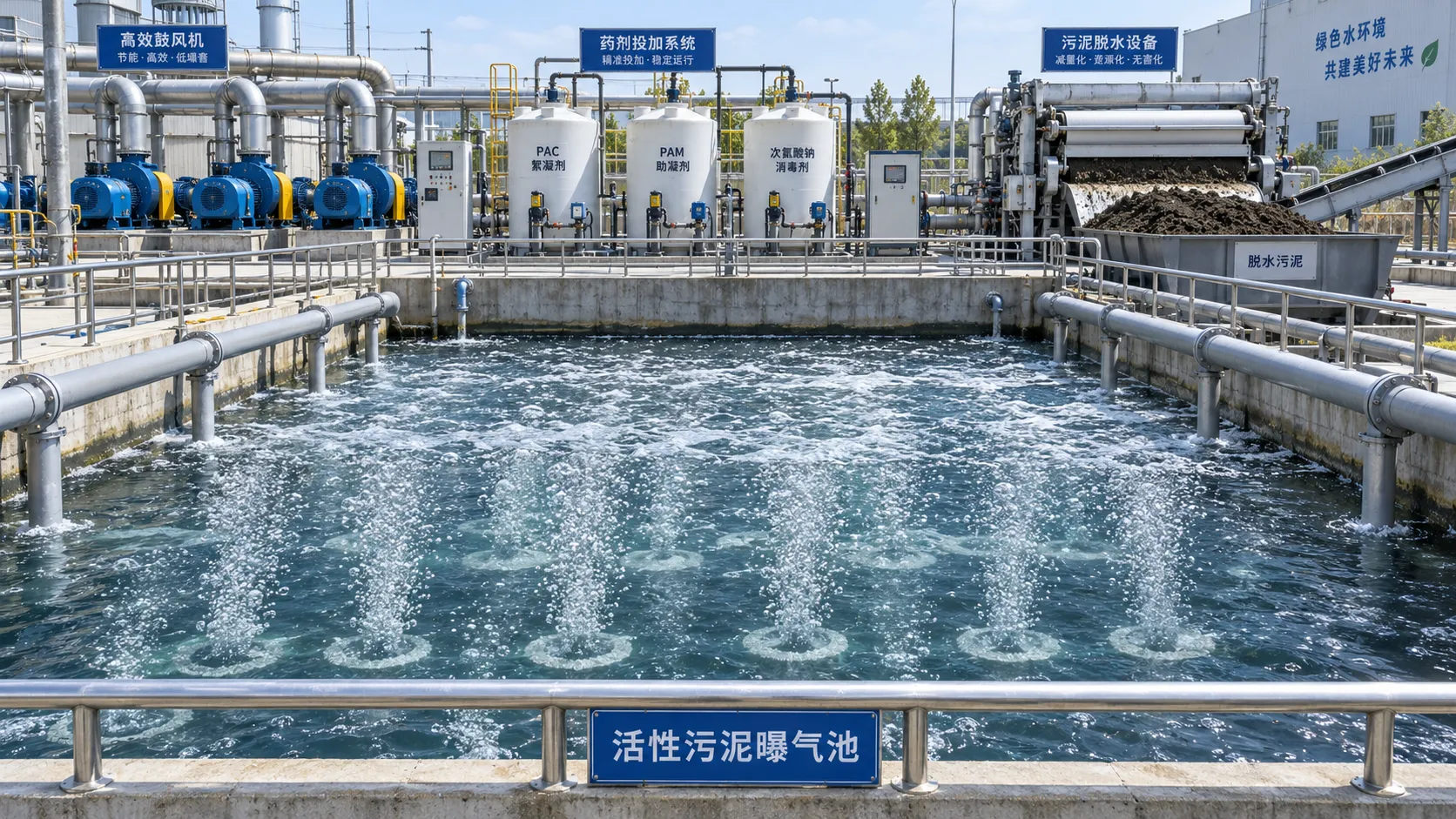
Activated Sludge Cost: Budgeting Energy, Chemicals, Sludge, and Labor
Activated sludge cost explained: compare energy, chemicals, sludge disposal, labor, and compliance risks to build a reliable lifecycle budget.
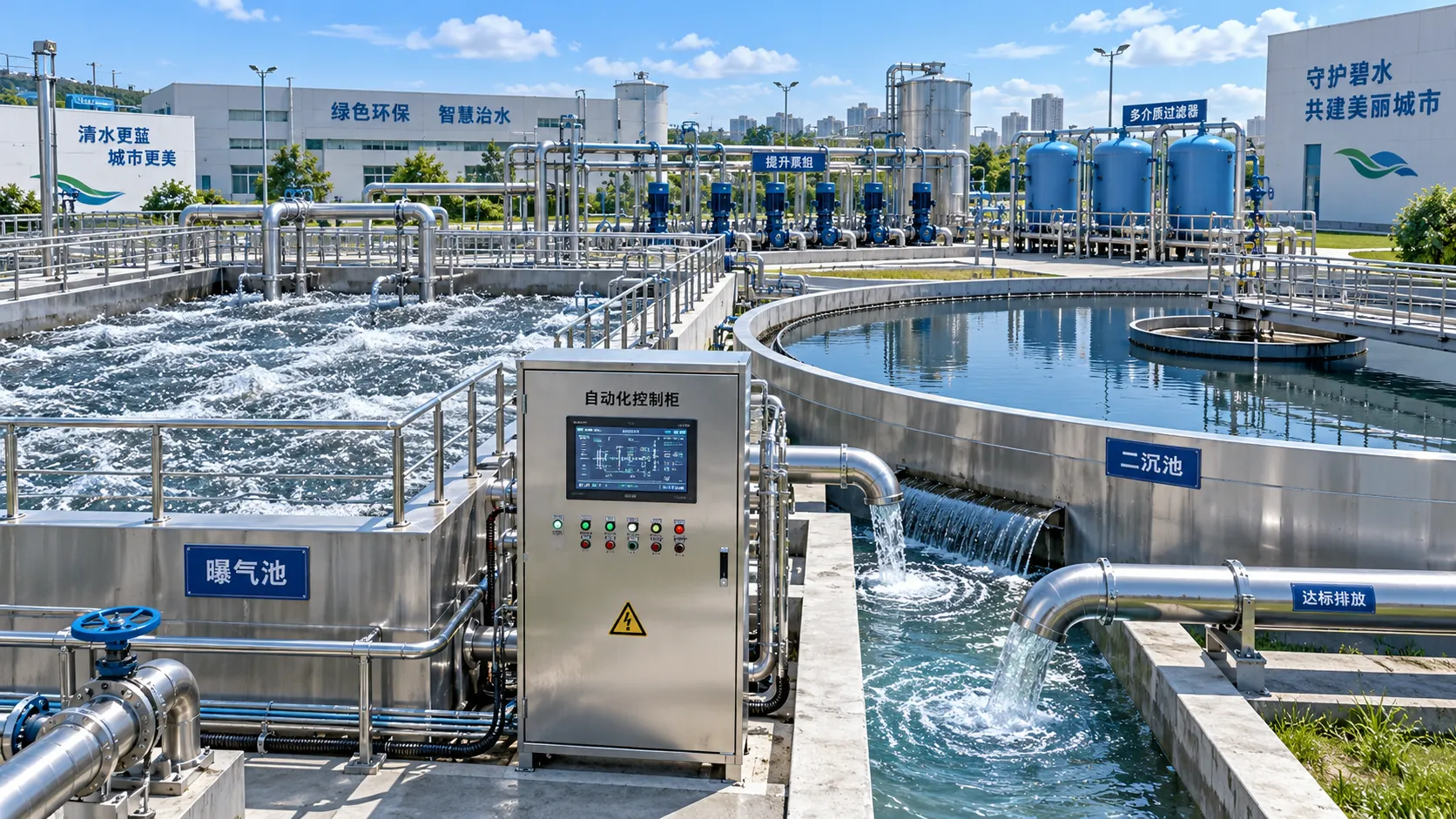
When Should Municipal Wastewater Plants Upgrade Treatment Capacity and Controls?
Municipal wastewater treatment upgrades: learn when capacity, controls, and resilient planning are needed to protect compliance and optimize plant performance.