
Industry News
Curation by industry experts
Hot Articles
Popular Tags
Industrial Wastewater Recycling: Cost Drivers to Watch
For financial approvers, industrial wastewater recycling is no longer just an environmental compliance line item—it is a capital allocation decision shaped by energy intensity, membrane lifespan, sludge handling, chemical demand, automation, and regulatory risk. As discharge limits tighten and water scarcity raises the cost of dependency, understanding the true cost drivers behind recycling systems can determine whether a project becomes a resilient asset or a budget drain. This article highlights the key financial variables to watch before approving investment.
The financial case becomes more complex when wastewater composition changes daily, production schedules fluctuate, and discharge permits impose tighter thresholds for COD, TDS, ammonia, metals, or color.
A well-scoped industrial wastewater recycling project can reduce freshwater purchases, stabilize compliance costs, and support circular economy targets. A poorly scoped one can lock the facility into avoidable operating expense.
Why Industrial Wastewater Recycling Has Become a Finance-Level Decision
Industrial wastewater recycling converts treated process water into reusable water for cooling towers, boilers, washing, utilities, or specific production steps. The value is not only environmental.
For CFOs, procurement directors, and capital committees, the decision often depends on 3 linked variables: avoided water cost, avoided discharge risk, and controllable lifecycle cost.
The hidden cost of water dependency
Many industrial sites still evaluate water as a low-cost utility. That view weakens when municipal tariffs rise, groundwater permits tighten, or drought limits supply for 2–6 months.
A recycling system sized for 500–5,000 m³/day may materially reduce exposure to supply volatility, especially in electronics, chemicals, textiles, food processing, mining, and power generation.
The compliance angle that finance cannot ignore
When effluent standards shift from simple discharge control to resource efficiency, financial approvers face new costs: monitoring, reporting, contingency treatment, and emergency hauling.
Industrial wastewater recycling can reduce these exposures, but only if the technology train matches actual influent variability, not only average laboratory values.
- Review at least 12 months of flow and contaminant data before fixing design capacity.
- Separate high-salinity, high-COD, and metal-bearing streams where possible.
- Model operating cost under normal, peak, and upset conditions.
- Include off-spec water handling in the approval budget, not only the base system.
A practical screening question
Before approving capital, ask whether the project protects production continuity for at least 5–10 years under tighter discharge and water availability scenarios.
Core Cost Drivers Behind Recycling System Economics
The price of industrial wastewater recycling is not defined by equipment purchase alone. It is shaped by energy, chemistry, replacement parts, sludge, automation, and labor intensity.
Financial evaluation should compare CAPEX and OPEX together over 7–15 years, because lower initial cost can increase lifecycle exposure through downtime or frequent replacement.
The following table summarizes common cost drivers and the questions financial approvers should raise during feasibility review and vendor comparison.
The table shows why industrial wastewater recycling should be approved through lifecycle modeling, not purchase price comparison. Concentrate management is often underestimated in early budgets.
Energy: the most visible operating cost
Energy demand can vary widely. Low-pressure filtration may remain below 1 kWh/m³, while high-salinity RO or thermal concentration can be much higher.
For finance teams, the key is sensitivity analysis. A 15–25% electricity price increase can change payback timing for energy-intensive designs.
Chemicals and cleaning cycles
Chemical demand depends on influent variability, scaling tendency, biological load, and pretreatment strength. Oversimplified dosing assumptions can distort annual OPEX.
Clean-in-place frequency is another marker. If membranes require CIP every 2–4 weeks instead of quarterly, labor, chemicals, and downtime rise.
Sludge, brine, and residue classification
Water recovery does not eliminate waste; it concentrates it. A project targeting 90% recovery still leaves a 10% stream needing treatment or disposal.
If that residual stream contains heavy metals, solvents, fluorides, or persistent organics, disposal pricing and regulatory documentation can become decisive cost factors.
Technology Selection: Matching Treatment Trains to Financial Risk
No single industrial wastewater recycling technology fits every site. The most bankable system combines proven process steps according to contaminants, reuse targets, and reliability needs.
Financial approvers should avoid evaluating equipment in isolation. Pretreatment quality can determine whether downstream membranes last 6 years or fail after 18 months.
Common treatment train options
Technology combinations typically move from solids removal to organic reduction, membrane separation, polishing, and residuals management. Each step changes both risk and cost.
Use this comparison to frame discussions with EPC contractors, equipment suppliers, and internal engineering teams before issuing a final approval memo.
The financially strongest option is rarely the most complex route. It is the route that meets reuse quality at the lowest controlled risk.
Do not skip pilot testing
Pilot trials lasting 4–12 weeks can reveal fouling behavior, chemical demand, permeate stability, and residual handling challenges before full-scale procurement.
For variable wastewater, a pilot is not a luxury. It is a financial risk control tool that supports realistic guarantees and acceptance criteria.
Minimum pilot outputs to request
- Feed water profile across normal and peak production conditions.
- Expected recovery rate, typically modeled at 70–95% depending on salinity.
- Projected membrane flux decline and cleaning frequency.
- Sludge, brine, or crystallized salt quantity per m³ treated.
- Power, chemical, and labor assumptions used in the OPEX model.
Approval Framework: From Budget Request to Bankable Project
Industrial wastewater recycling approvals work best when finance, operations, EHS, and engineering evaluate the same cost model. Misalignment causes scope gaps.
A useful approval process includes 5 stages: baseline mapping, technical screening, pilot validation, lifecycle cost modeling, and contract risk allocation.
Stage 1: Establish the baseline
Start with current water intake, wastewater discharge, treatment chemicals, sludge disposal, compliance testing, and production downtime costs for the latest 12–24 months.
The baseline should include tariff escalation assumptions. Even a modest 5–8% annual increase can improve the economics of recycling over time.
Stage 2: Define reuse quality
Not every water loop needs ultrapure quality. Cooling makeup, floor washing, boiler feed, and process reuse may require different conductivity or microbial limits.
Over-specifying reuse quality increases CAPEX and OPEX. Under-specifying it can create corrosion, scaling, product defects, or safety risk.
Stage 3: Build a lifecycle cost model
A reliable model should include at least 10 cost lines: equipment, civil works, installation, energy, chemicals, membranes, labor, sludge, monitoring, and contingency.
For major projects, include depreciation, financing cost, tax treatment, spare parts inventory, and the cost of lost production during planned maintenance.
Contract clauses finance teams should review
- Performance guarantees tied to influent envelope, not vague average conditions.
- Clear acceptance tests for flow, recovery rate, conductivity, COD, or target contaminants.
- Defined responsibility for off-spec water, brine disposal, and commissioning chemicals.
- Response time commitments, such as 24–48 hours for critical technical support.
- Spare part availability and pricing review intervals for the first 3–5 years.
These clauses convert technical promises into financial safeguards. They also prevent warranty disputes when wastewater composition falls outside agreed operating limits.
Common Financial Missteps and How to Avoid Them
Many industrial wastewater recycling projects fail financially because early approval papers focus on headline recovery rate instead of operational resilience.
A 95% recovery target may sound attractive, but the last 5–10% of water recovery can require disproportionate energy, chemicals, and residual treatment.
Misstep 1: Treating average wastewater as design reality
Average values hide shock loads. A weekly cleaning cycle, seasonal raw material change, or batch discharge can double COD or salinity for several hours.
Design envelopes should define maximum, minimum, and typical conditions. Finance should ask what happens when influent exceeds those limits.
Misstep 2: Ignoring the people cost
Advanced systems require trained operators. If the site lacks 2–3 qualified staff per shift pattern, automation and remote monitoring become more valuable.
Operator training, standard operating procedures, and alarm response workflows should be included before commercial operation, not added after repeated failures.
Misstep 3: Underfunding instrumentation
Reliable online monitoring for pH, conductivity, turbidity, ORP, flow, pressure, and sometimes TOC helps protect membranes and document compliance.
Instrumentation may represent a smaller share of CAPEX, yet it can prevent shutdowns that cost far more than the sensors themselves.
Misstep 4: Assuming regulations remain static
Environmental compliance is moving toward stricter discharge limits, carbon accounting, water stewardship, and cross-border supply chain scrutiny.
Facilities exporting into regulated markets should examine whether recycled water systems support broader sustainability disclosures and customer audit expectations.
Strategic Value for Finance, ESG, and Competitive Positioning
Industrial wastewater recycling increasingly supports more than utility savings. It can strengthen business continuity, ESG reporting, tender qualification, and long-term asset resilience.
In water-stressed regions, facilities with secure reuse loops may gain an advantage when authorities prioritize production allocations during drought or infrastructure constraints.
Where ESD-type intelligence supports better approval
Financial approvers need more than supplier brochures. They need structured intelligence connecting purification performance, circular resource logic, and evolving environmental compliance.
A decision framework informed by treatment science, equipment reliability, and regulatory direction helps separate durable projects from over-engineered or under-specified proposals.
High-value questions before signing approval
- Does the design match the plant’s worst 10% operating conditions?
- Is the payback model tested against water tariff, electricity, and disposal sensitivity?
- Can the system scale by 20–30% if production expands?
- Are replacement membranes, pumps, sensors, and critical spares locally available?
- Will monitoring data support audits, permits, and internal sustainability reporting?
These questions turn industrial wastewater recycling from a compliance purchase into a structured investment decision with measurable operating, regulatory, and resilience value.
Final Decision Guidance for Financial Approvers
The best industrial wastewater recycling projects do not chase the highest recovery number at any cost. They balance reuse value, reliability, compliance, and lifecycle economics.
Before approval, require 12–24 months of baseline data, a defined reuse specification, pilot-backed assumptions, and a transparent model covering CAPEX and OPEX.
For complex facilities, independent technical intelligence can help verify technology fit, risk allocation, and future compliance exposure before capital is committed.
If your team is evaluating industrial wastewater recycling, ESD can support deeper equipment intelligence, cost-driver analysis, and strategic comparison. Contact us to get a tailored solution or discuss project-specific decision details.
Recommended News
When is cementation suitable for nuclear decommissioning waste?
Explore nuclear waste treatment technology for decommissioning: learn when cementation fits, which risks to assess, and how disposal criteria guide an effective treatment choice.
What determines payback for waste-to-resource systems in Europe?
Assess waste-to-resource systems Europe-wide: compare feedstock, recovery yields, costs and contracts to uncover payback drivers and make smarter investment decisions.
How to verify a water treatment system factory’s production capacity
Verify a water treatment systems factory’s production capacity through records, bottlenecks, component availability, and testing. Learn what to check before accepting a delivery promise.
When does EPC environmental project support reduce delivery risk?
EPC environmental project support engineering reduces delivery risk by aligning design, procurement, compliance, construction, and commissioning decisions.
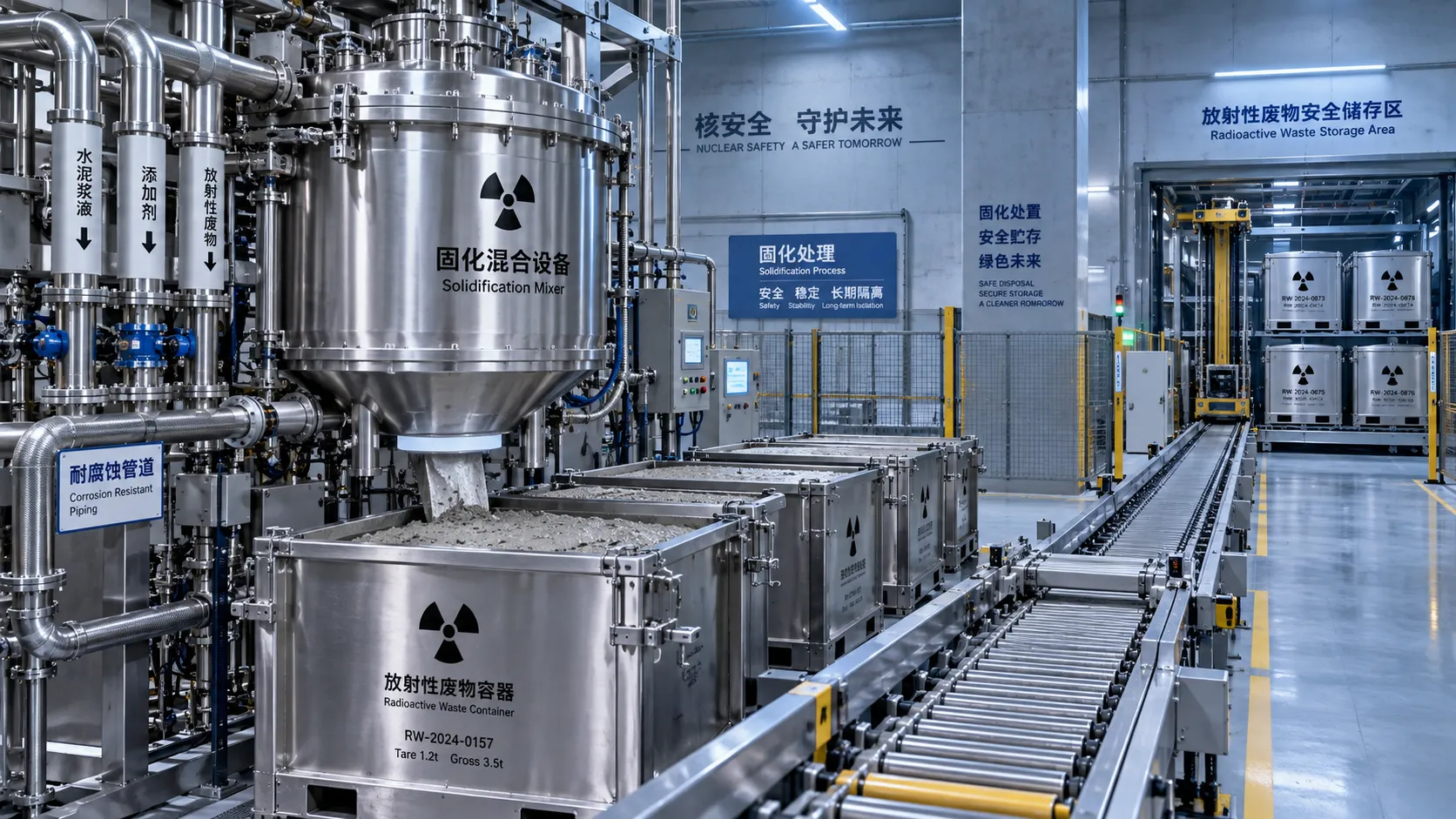
How nuclear plants select a radioactive waste solidification method
Radioactive waste management for nuclear plants: compare vitrification, cementation, polymers, and ceramics to select a compliant, durable solidification solution.
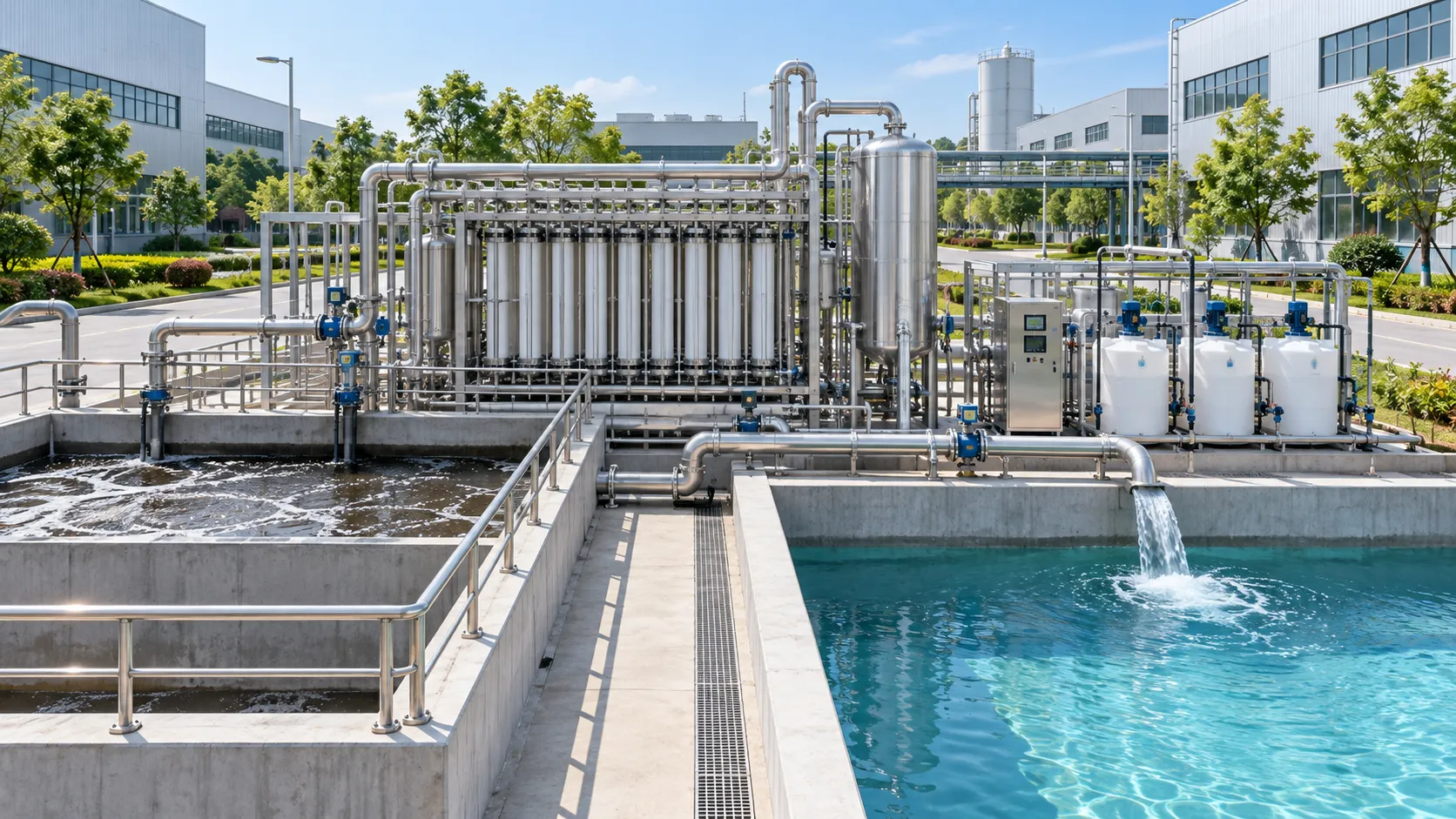
Comparing Upgrade Costs for Industrial Park Wastewater Treatment Systems
Compare costs for wastewater system upgrades in industrial parks with a lifecycle view of CAPEX, OPEX, compliance, resilience, and future expansion.
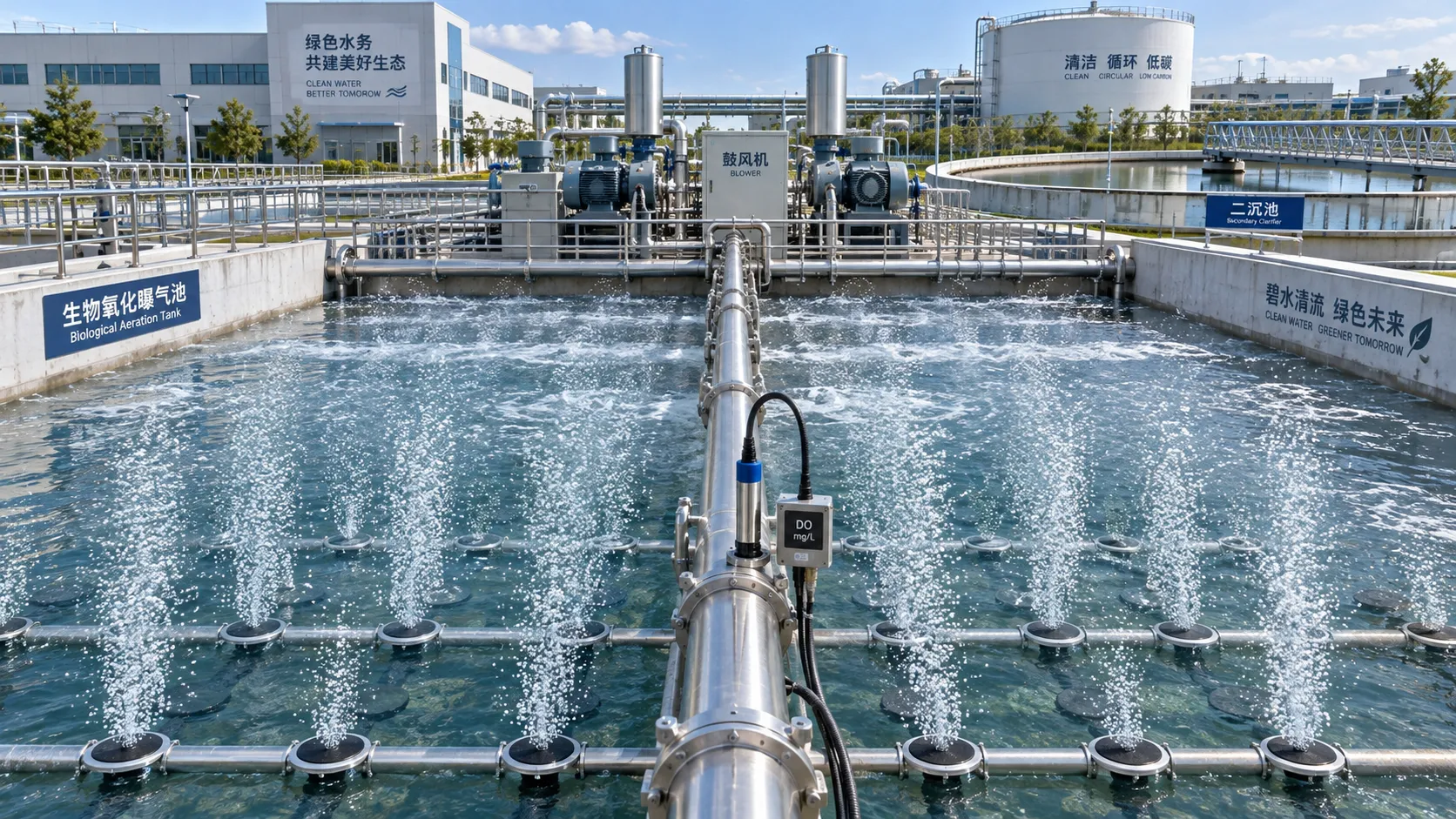
Biological Wastewater Oxidation Explained: Aeration Demand and Process Control
Biological wastewater oxidation explained: optimize aeration demand, DO control, nitrification, and sludge age for stable effluent quality and lower energy costs.
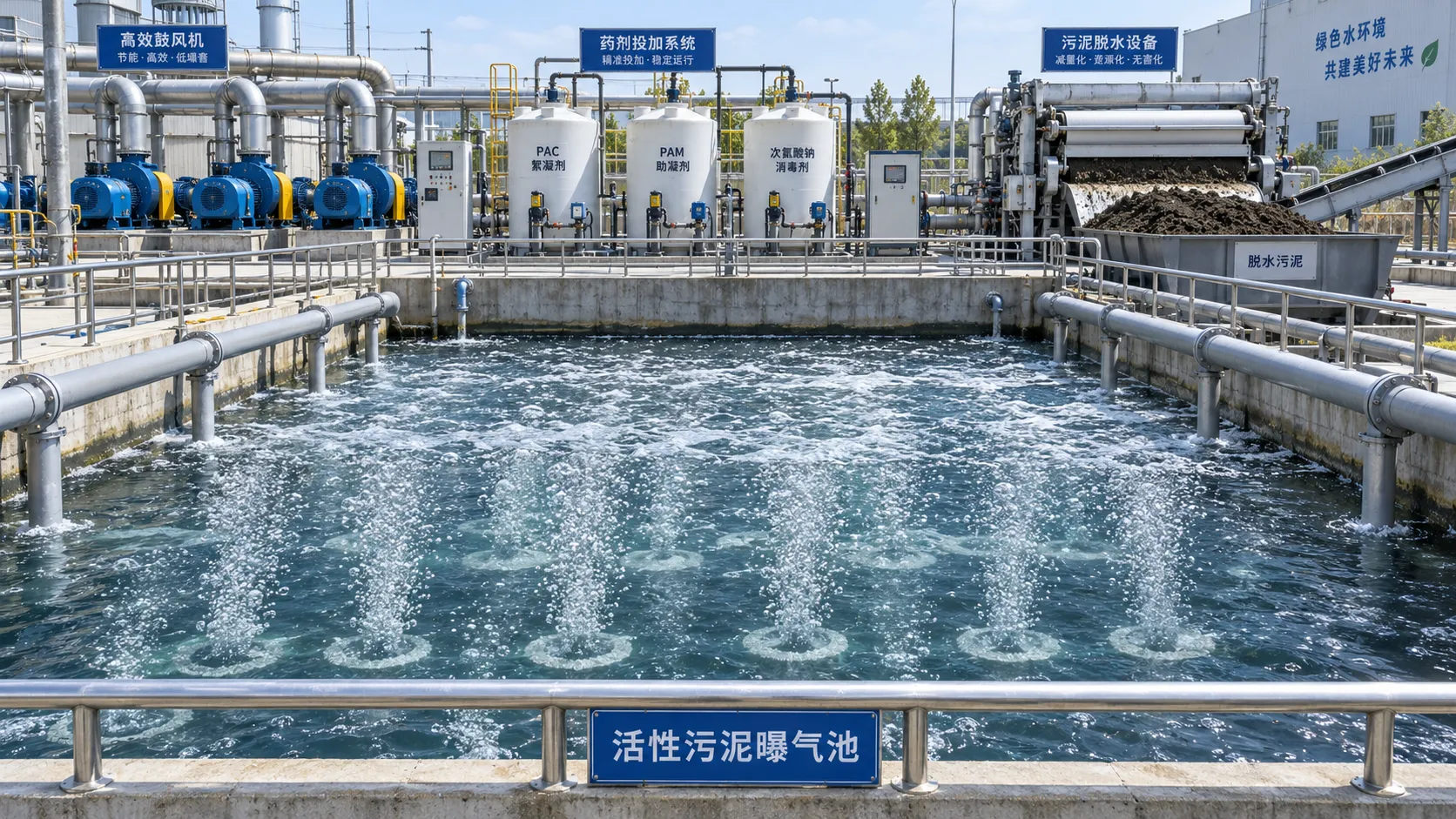
Activated Sludge Cost: Budgeting Energy, Chemicals, Sludge, and Labor
Activated sludge cost explained: compare energy, chemicals, sludge disposal, labor, and compliance risks to build a reliable lifecycle budget.
When Should Municipal Wastewater Plants Upgrade Treatment Capacity and Controls?
Municipal wastewater treatment upgrades: learn when capacity, controls, and resilient planning are needed to protect compliance and optimize plant performance.