
Industry News
Curation by industry experts
Hot Articles
Popular Tags
Municipal Sewage Treatment: MBR or Conventional?
Municipal Sewage Treatment: MBR or Conventional?
For municipal sewage treatment upgrades, choosing between membrane bioreactor systems and conventional activated sludge is now a lifecycle decision.
The comparison reaches beyond technical preference, covering compliance risk, land pressure, energy demand, sludge handling, automation, and future operating resilience.
As discharge limits tighten, municipal sewage projects must evaluate how each route performs under stricter effluent targets and changing urban constraints.
Why Municipal Sewage Strategy Is Changing
Municipal sewage infrastructure is moving from basic pollution control toward precision water quality management and resource-conscious operation.
Older plants were often designed around stable influent loads, moderate standards, and available land for expansion.
Today, many cities face denser populations, variable wastewater strength, stormwater intrusion, and more demanding nutrient removal expectations.
This shift changes the economics of municipal sewage treatment, especially where expansion space is limited or reuse targets are emerging.
Conventional activated sludge remains widely trusted, but MBR technology is gaining attention where footprint and effluent certainty dominate decisions.
The central question is not which system is universally better, but which aligns with site constraints and regulatory direction.
Trend Signals Reshaping Technology Selection
Several signals indicate that municipal sewage project evaluation is becoming more complex and data-driven.
- Effluent limits increasingly focus on nitrogen, phosphorus, suspended solids, and pathogen-related indicators.
- Urban land values make compact municipal sewage treatment layouts more attractive.
- Climate volatility increases hydraulic peaks and influent quality fluctuations.
- Water reuse planning pushes plants toward consistently high effluent quality.
- Digital control and predictive maintenance are becoming normal in advanced facilities.
These signals do not eliminate conventional systems, but they raise the value of reliability under tighter operating margins.
For municipal sewage schemes, flexibility now carries measurable financial and environmental value across the plant lifecycle.
Key Drivers Behind the MBR Versus Conventional Debate
The strongest driver is often local, not global.
A land-constrained city may value MBR compactness more than a rural utility with available expansion space.
A region with high power tariffs may give greater weight to conventional activated sludge optimization.
How MBR Changes Municipal Sewage Performance
MBR combines biological treatment with membrane filtration, replacing secondary clarifiers with physical separation barriers.
This structure allows higher mixed liquor concentrations and a smaller biological footprint in many municipal sewage applications.
The main advantage is effluent consistency, especially for suspended solids and turbidity control.
Where downstream disinfection, reuse, or sensitive receiving waters matter, stable membrane-separated effluent can reduce compliance uncertainty.
MBR strengths in changing urban conditions
- High-quality effluent with low suspended solids.
- Reduced footprint compared with many conventional layouts.
- Better suitability for water reuse preparation.
- Improved separation stability during biological process variation.
- Potential for modular capacity additions.
However, MBR is not a low-complexity option.
Membrane fouling control, chemical cleaning, air scour energy, and replacement planning must be built into the business case.
For municipal sewage plants, MBR success depends heavily on pretreatment quality and disciplined operating control.
Why Conventional Activated Sludge Still Holds Ground
Conventional activated sludge remains the backbone of municipal sewage treatment worldwide because it is proven, scalable, and familiar.
Its process architecture can be adapted for carbon removal, nitrification, denitrification, and biological phosphorus removal.
For many municipal sewage projects, conventional systems offer lower initial cost and simpler mechanical components.
They also benefit from broad operator experience, established design standards, and widely available equipment supply chains.
Conventional strengths under realistic constraints
- Lower capex in many greenfield sites.
- Mature operational knowledge and maintenance routines.
- Flexible basin configurations for nutrient removal.
- No membrane replacement cost.
- Compatibility with incremental upgrades and process optimization.
The limitations are equally important.
Clarifier performance can become a bottleneck during hydraulic peaks, sludge bulking, or stricter suspended solids limits.
When municipal sewage effluent must approach reuse-grade quality, additional filtration may be required after conventional treatment.
Cost Signals: Capex Is Only the First Layer
Initial investment can mislead decision-making if lifecycle cost is not evaluated.
MBR often carries higher equipment and control costs, while conventional systems may require larger civil works and more land.
Municipal sewage cost modeling should separate capital cost, energy cost, chemical use, sludge cost, labor demand, and replacement cycles.
A fair comparison should include at least twenty years of operating assumptions.
Sensitivity testing is essential for power prices, membrane life, influent growth, discharge penalties, and sludge disposal cost.
Operational Impact Across the Treatment Chain
Technology selection affects more than the biological reactor.
It changes screening requirements, grit control, sludge age strategy, chemical dosing, instrumentation, and operator workload.
MBR municipal sewage plants usually need stronger fine screening to protect membranes from fibers, plastics, and abrasive debris.
Conventional plants depend more visibly on clarifier hydraulics, settleability, return sludge control, and filamentous organism management.
- Pretreatment becomes critical when membrane assets are installed.
- Aeration control strongly influences energy and biological stability.
- Sludge handling must reflect solids yield and dewatering behavior.
- Instrumentation quality affects compliance confidence.
These operational impacts should be assessed before finalizing municipal sewage plant configuration.
Decision Priorities for Different Project Conditions
MBR is often compelling for compact upgrades, sensitive discharge zones, industrially influenced municipal sewage, and reuse-oriented planning.
Conventional treatment is often suitable where land is available, standards are moderate, and operating simplicity is a priority.
The best municipal sewage decision comes from matching constraints, not following a technology trend blindly.
Resilience and Compliance Will Define Future Value
Future municipal sewage plants will be judged by how reliably they perform under stress.
Stress may come from rainfall peaks, industrial discharges, stricter nutrient permits, energy volatility, or public reuse expectations.
MBR offers a strong compliance buffer where physical separation quality is strategically valuable.
Conventional treatment offers resilience through simplicity, robust civil structures, and broad operational familiarity.
Both routes can fail if design assumptions ignore real influent behavior and maintenance capability.
Therefore, municipal sewage planning should include pilot data, seasonal sampling, hydraulic modeling, and realistic staffing evaluation.
Practical Evaluation Checklist Before Selection
- Define future effluent limits, not only current permit requirements.
- Confirm land availability and expansion scenarios.
- Calculate lifecycle energy under local tariff structures.
- Test influent variability across wet and dry seasons.
- Include membrane replacement or tertiary filtration costs.
- Assess operator skills, automation needs, and maintenance response capacity.
- Model sludge production, dewatering performance, and disposal routes.
- Compare compliance risk under peak hydraulic and organic loads.
This checklist helps municipal sewage projects move from equipment comparison to system-level risk assessment.
How to Build a Balanced Response Strategy
A balanced strategy begins with scenario planning.
One scenario should reflect current regulation, while another should assume tighter nutrient and reuse-related requirements.
A third scenario should test climate-driven hydraulic peaks and power price escalation.
Hybrid thinking is also increasing.
Some municipal sewage facilities may retain conventional basins while adding tertiary filtration, sidestream treatment, or selected membrane trains.
This can reduce risk when full conversion is unnecessary or financially difficult.
Final Judgment: Fit the Process to the Future
MBR is not automatically superior, and conventional activated sludge is not outdated.
The stronger choice depends on municipal sewage goals, site pressure, discharge risk, operating capacity, and financial horizon.
Where compactness, reuse readiness, and effluent certainty dominate, MBR can deliver strategic value.
Where land, skilled operation, and moderate standards align, conventional treatment can remain highly rational.
The next step is to build a lifecycle comparison using local data, not generic cost assumptions.
Evaluate municipal sewage options through compliance scenarios, energy modeling, footprint analysis, and maintenance planning.
That approach turns technology selection into a defensible environmental infrastructure strategy.
Recommended News
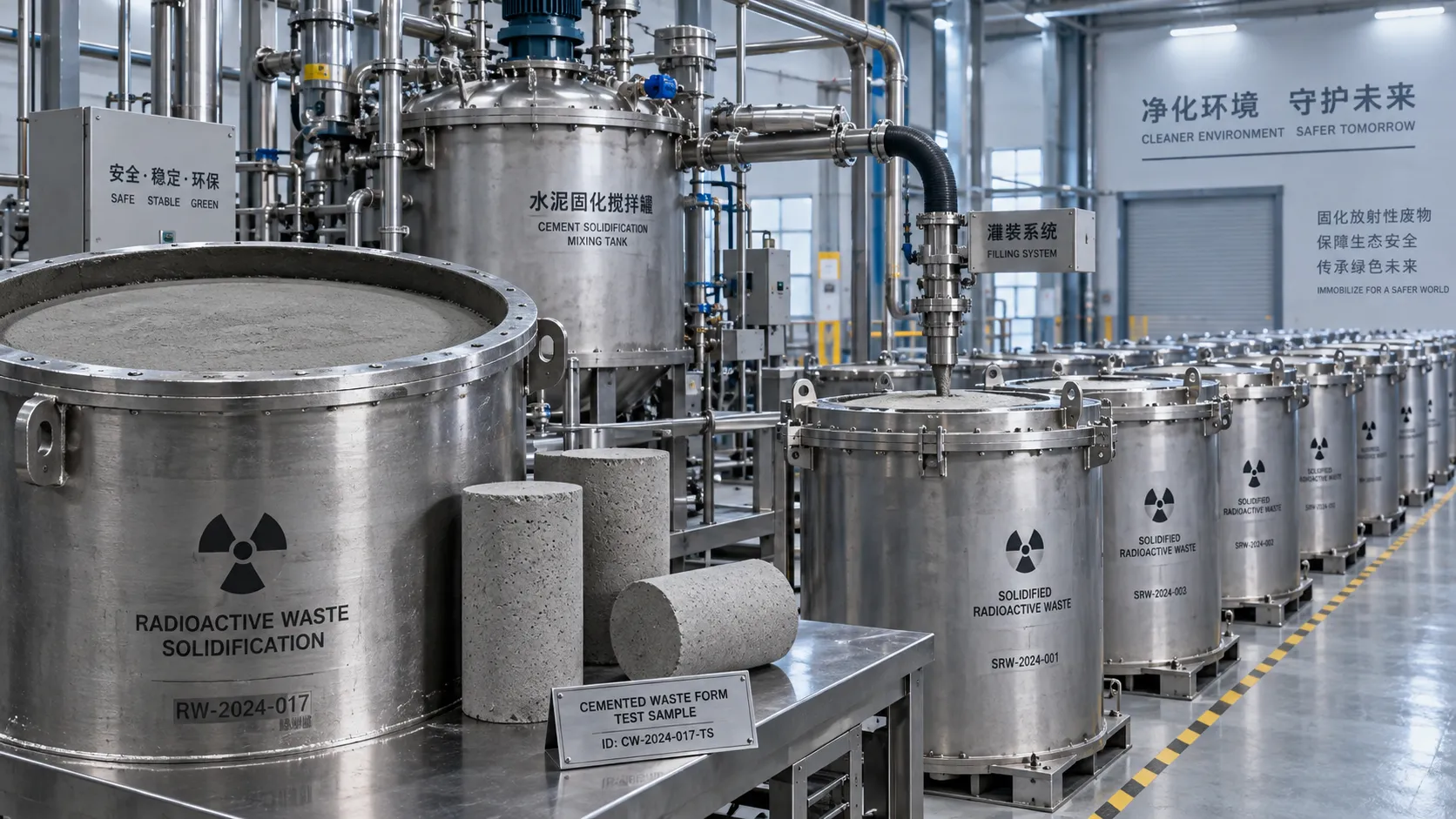
When is cementation suitable for nuclear decommissioning waste?
Explore nuclear waste treatment technology for decommissioning: learn when cementation fits, which risks to assess, and how disposal criteria guide an effective treatment choice.
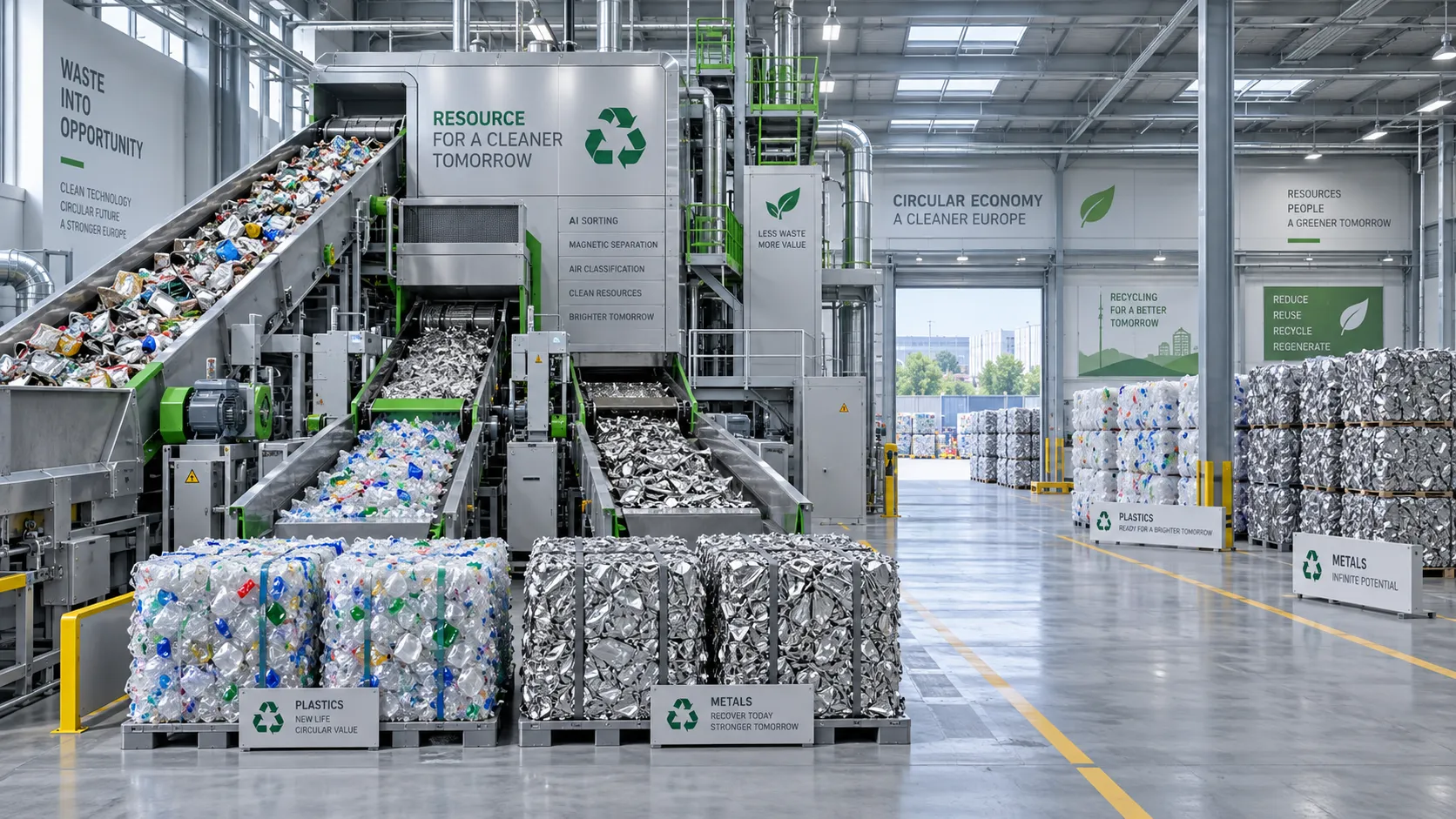
What determines payback for waste-to-resource systems in Europe?
Assess waste-to-resource systems Europe-wide: compare feedstock, recovery yields, costs and contracts to uncover payback drivers and make smarter investment decisions.
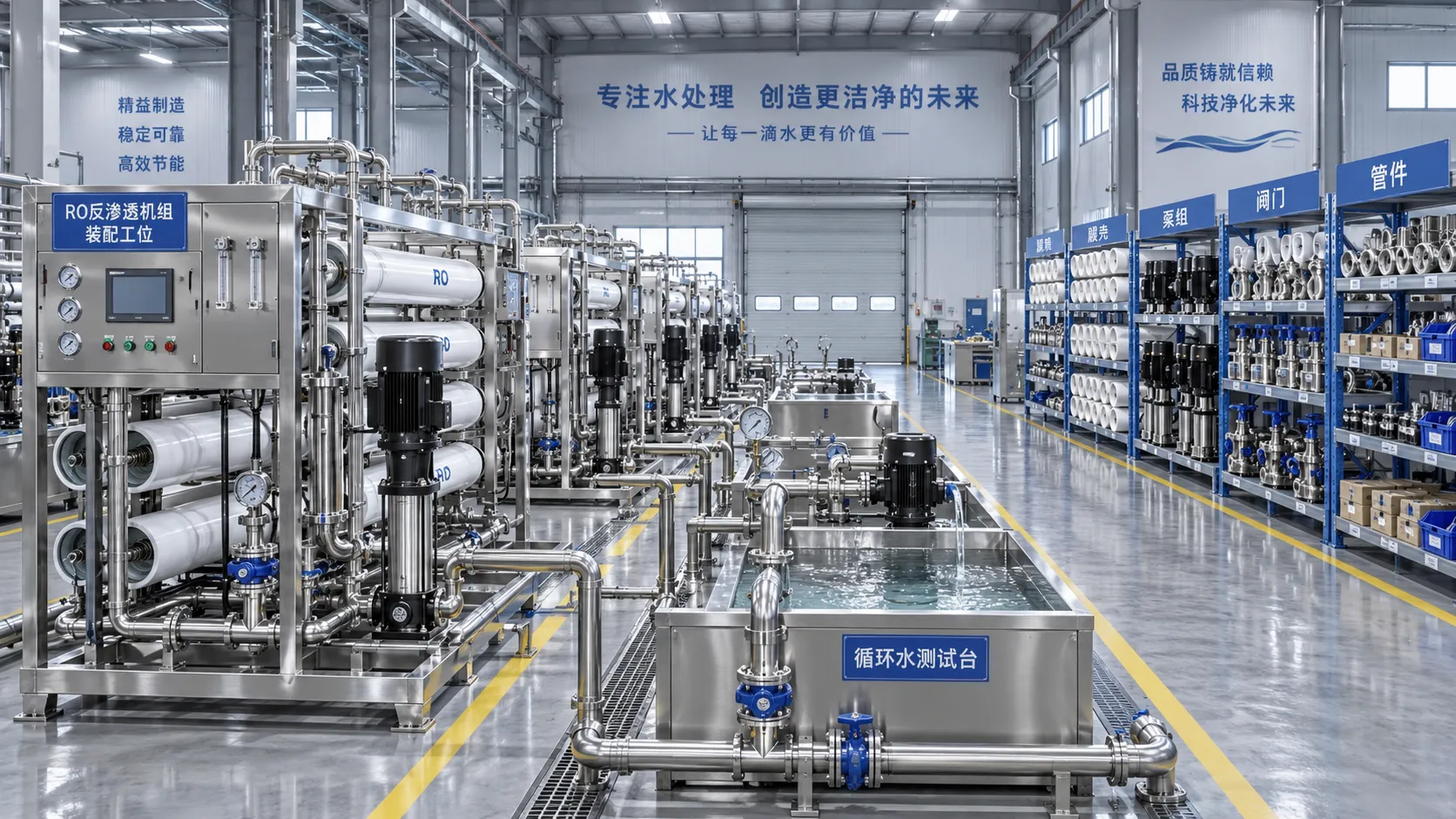
How to verify a water treatment system factory’s production capacity
Verify a water treatment systems factory’s production capacity through records, bottlenecks, component availability, and testing. Learn what to check before accepting a delivery promise.
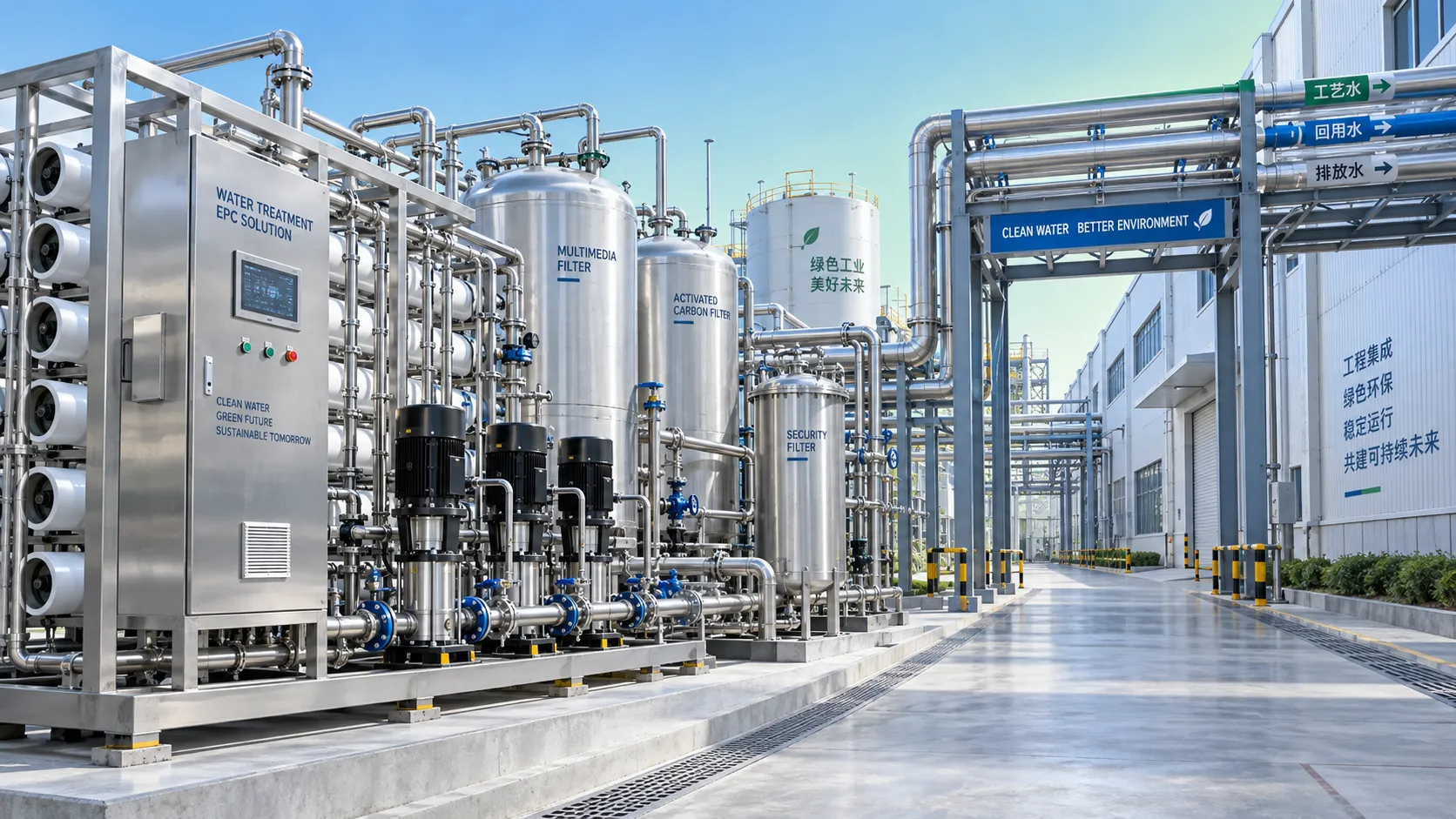
When does EPC environmental project support reduce delivery risk?
EPC environmental project support engineering reduces delivery risk by aligning design, procurement, compliance, construction, and commissioning decisions.
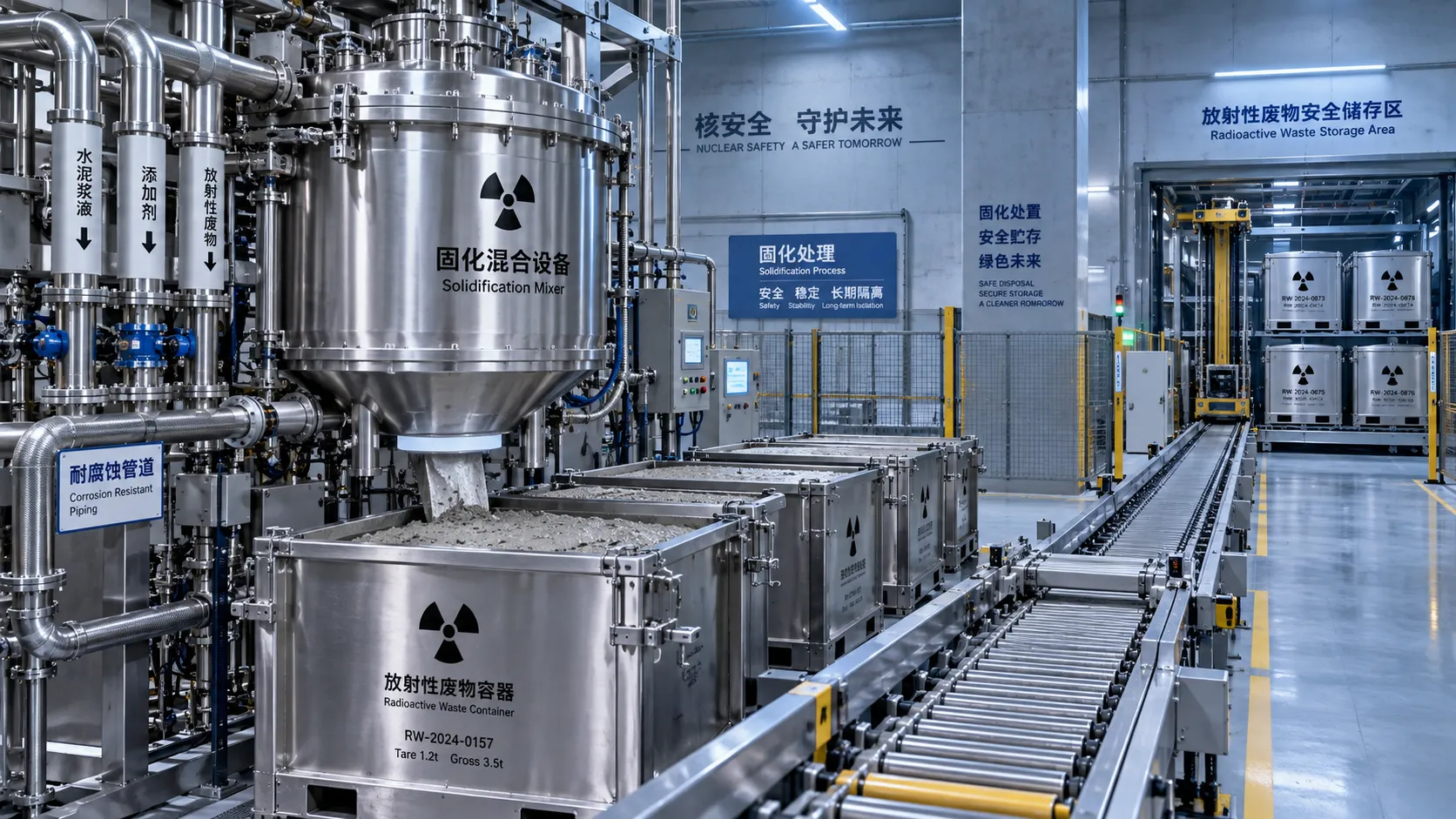
How nuclear plants select a radioactive waste solidification method
Radioactive waste management for nuclear plants: compare vitrification, cementation, polymers, and ceramics to select a compliant, durable solidification solution.
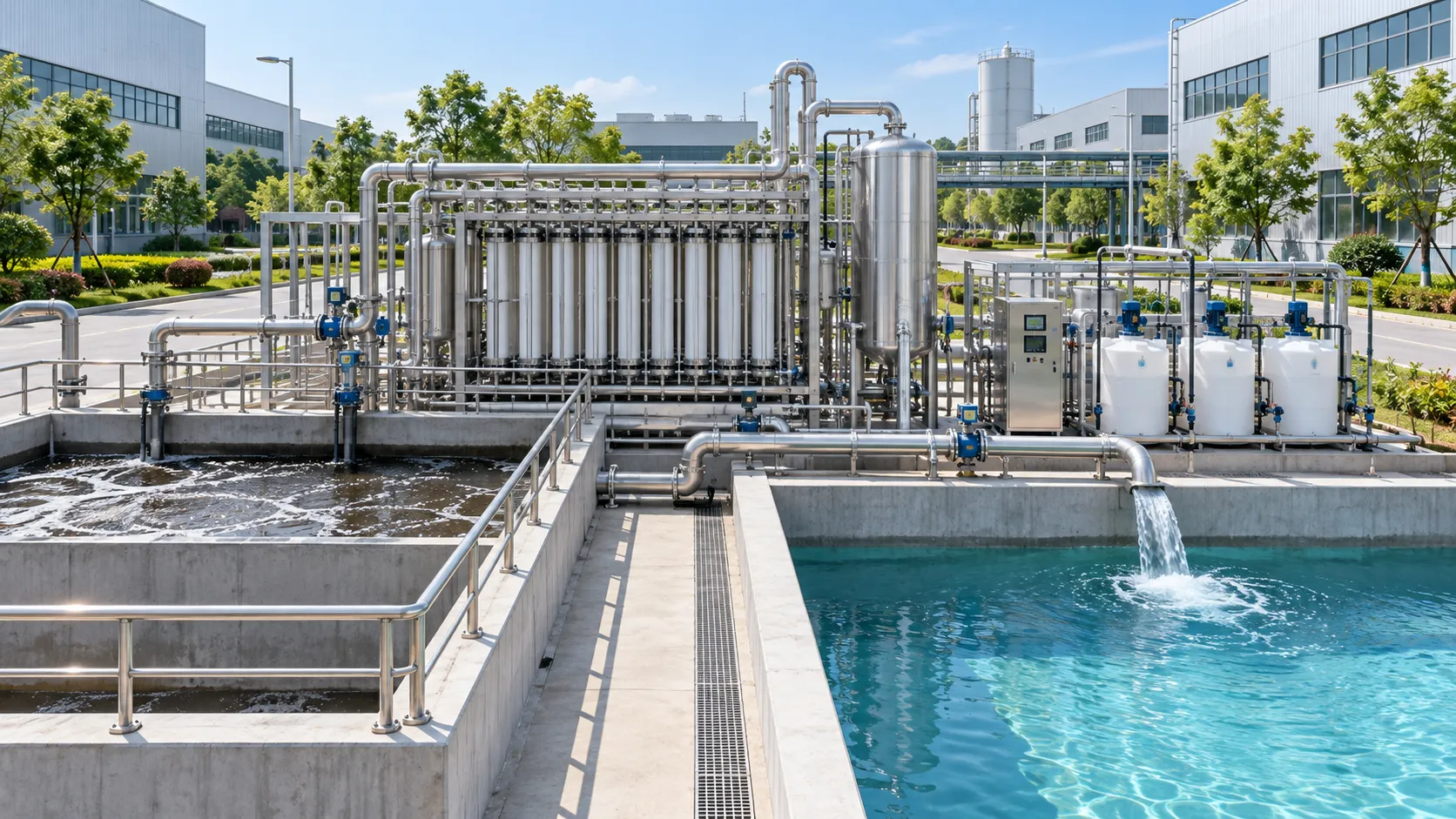
Comparing Upgrade Costs for Industrial Park Wastewater Treatment Systems
Compare costs for wastewater system upgrades in industrial parks with a lifecycle view of CAPEX, OPEX, compliance, resilience, and future expansion.
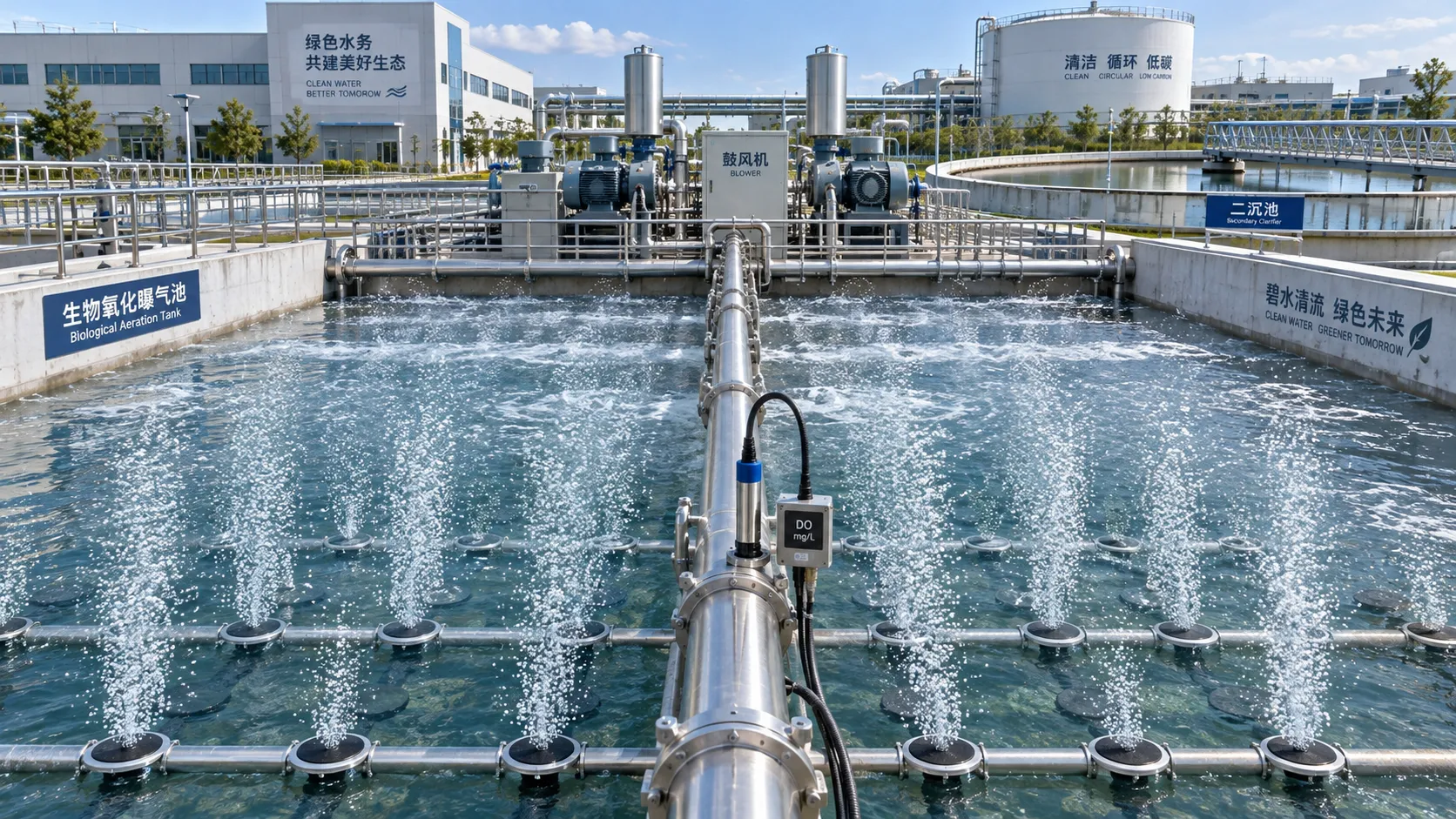
Biological Wastewater Oxidation Explained: Aeration Demand and Process Control
Biological wastewater oxidation explained: optimize aeration demand, DO control, nitrification, and sludge age for stable effluent quality and lower energy costs.
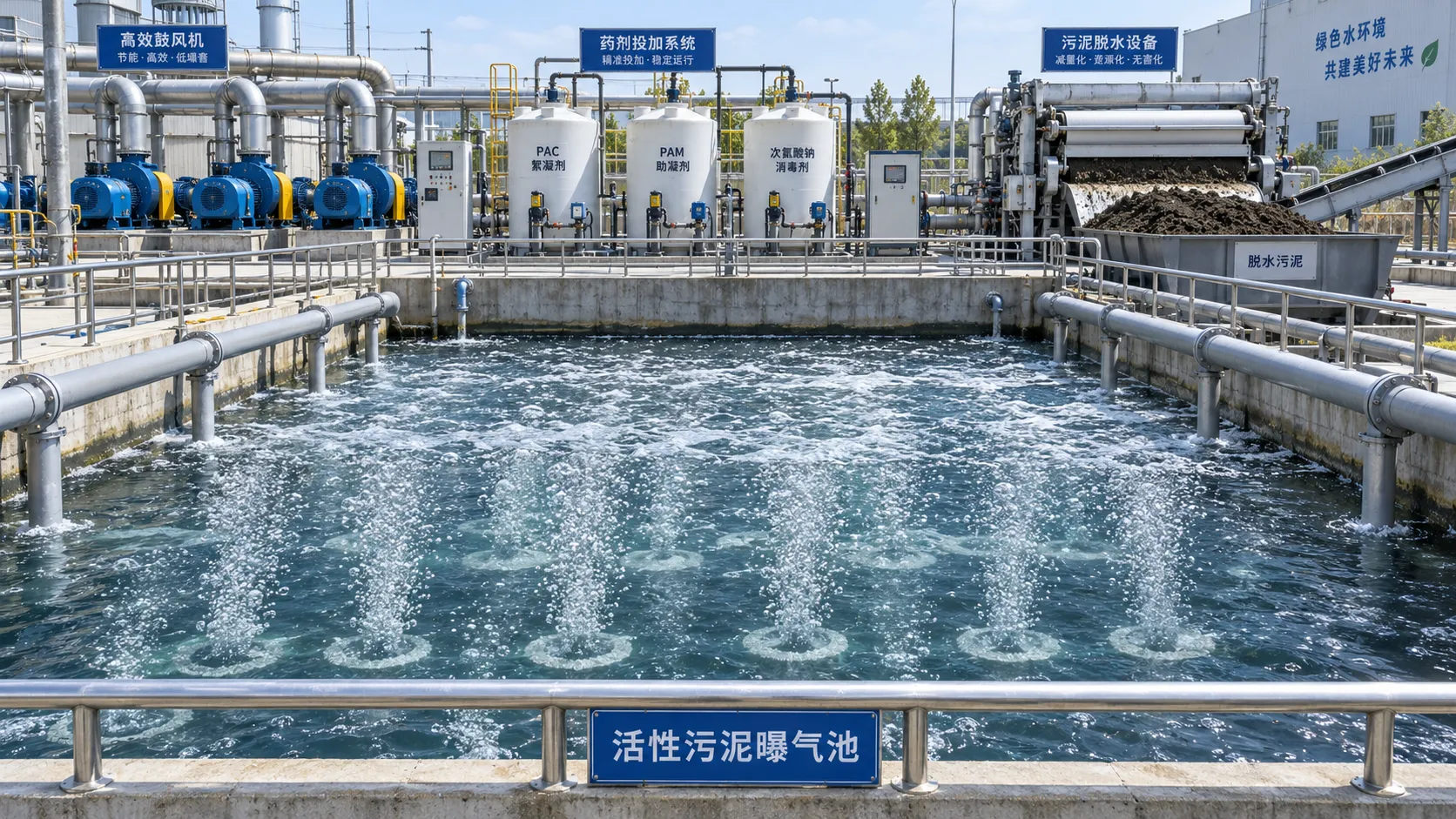
Activated Sludge Cost: Budgeting Energy, Chemicals, Sludge, and Labor
Activated sludge cost explained: compare energy, chemicals, sludge disposal, labor, and compliance risks to build a reliable lifecycle budget.
When Should Municipal Wastewater Plants Upgrade Treatment Capacity and Controls?
Municipal wastewater treatment upgrades: learn when capacity, controls, and resilient planning are needed to protect compliance and optimize plant performance.