
Industry News
Curation by industry experts
Hot Articles
Popular Tags
SCR Catalysts: When Low-Temperature Performance Starts to Drop
When SCR catalysts begin losing low-temperature activity, the impact is rarely limited to lower NOx removal.
It often points to deeper imbalance in flue gas chemistry, ash behavior, upstream combustion, and maintenance discipline.
For integrated environmental systems, weak low-temperature performance can trigger compliance risk, ammonia slip, corrosion, pressure drop growth, and unstable operating costs.
Understanding why SCR catalysts decline at lower temperatures helps teams detect problems earlier and protect broader flue gas treatment reliability.
Low-temperature behavior of SCR catalysts
SCR catalysts convert NOx into nitrogen and water using ammonia under controlled temperature and oxygen conditions.
Their activity depends on active sites, pore structure, gas distribution, and the balance between adsorption and surface reaction kinetics.
At lower temperatures, reaction rates slow naturally.
Small contamination or flow issues therefore create larger efficiency losses than they would at higher operating windows.
This is why low-temperature SCR catalysts require tighter process control than systems running comfortably above the acid dew point.
Typical low-temperature sensitivity appears in units handling variable loads, high-dust gas, sulfur-bearing fuels, waste-derived feedstocks, or aggressive startup cycles.
Why activity drops faster below design range
The first reason is weaker intrinsic kinetics.
The second is increased deposition of sticky species, especially ammonium bisulfate and fine ash.
The third is reduced tolerance for maldistribution across catalyst layers.
Together, these factors make SCR catalysts more vulnerable once the temperature window narrows.
Current industry signals behind declining SCR catalysts performance
Across power, waste-to-energy, cement, metals, marine exhaust, and industrial boilers, several trends are increasing low-temperature stress on SCR catalysts.
- Deeper load cycling creates longer operation below optimal catalyst temperature.
- Fuel diversity introduces more alkali, chlorine, phosphorus, and heavy metal contaminants.
- Tighter NOx limits reduce tolerance for even minor catalyst deactivation.
- Energy-saving retrofits sometimes cool flue gas before the SCR reactor.
- Dust recirculation and unstable combustion worsen surface masking on SCR catalysts.
Main degradation mechanisms affecting SCR catalysts
Low-temperature decline usually comes from several overlapping mechanisms rather than one single cause.
Ammonium bisulfate and sulfate fouling
When sulfur oxides meet slipped ammonia at lower temperatures, sticky ammonium salts can form on catalyst surfaces.
These deposits block pores, cover active sites, increase pressure drop, and capture more ash.
Alkali and heavy metal poisoning
Sodium, potassium, calcium, arsenic, lead, and zinc can deactivate active centers on SCR catalysts.
Waste-derived fuels and some industrial off-gases are especially challenging in this respect.
Physical masking by dust
Fine particulates can blind the outer catalyst surface.
This is common when soot blowing is ineffective or upstream particulate control is unstable.
Thermal and mechanical aging
Even low-temperature systems see thermal cycling during startups, shutdowns, and load swings.
Repeated stress can alter microstructure, crack modules, and weaken long-term reactor performance.
Warning signs that low-temperature SCR catalysts are starting to fail
Early detection matters because performance decline often appears gradually before any formal emissions exceedance.
- Rising ammonia injection with no matching NOx improvement.
- Higher ammonia slip during low-load periods.
- Increasing pressure drop across catalyst layers.
- Localized temperature deviation inside the reactor.
- Visible sticky ash or sulfate deposits during inspection.
- Worsening downstream air preheater fouling or corrosion.
These signs should be trended together rather than treated as isolated maintenance events.
A combined pattern usually reveals whether SCR catalysts are fouled, poisoned, bypassed, or unevenly loaded.
Business significance across integrated environmental operations
For complex treatment infrastructure, SCR catalysts affect more than stack emissions.
They influence boiler efficiency, reagent cost, fan energy, outage planning, and the reliability of linked gas-cleaning assets.
In high-compliance sectors, low-temperature catalyst underperformance can reduce operational resilience during audits and seasonal load shifts.
Typical scenarios where SCR catalysts lose low-temperature efficiency
Several operating contexts repeatedly show faster low-temperature decline in SCR catalysts.
- Waste incineration lines with chlorine, alkali, and heavy metal exposure.
- Coal or petcoke units with sulfur-rich flue gas and unstable low-load dispatch.
- Cement kilns with strong dust burden and variable raw material chemistry.
- Industrial boilers retrofitted for heat recovery that lower SCR inlet temperature.
- Marine and mobile systems where compact design limits flow uniformity.
Each case requires a different balance of catalyst formulation, reactor design, soot-blowing strategy, and ammonia control logic.
Practical steps to diagnose and protect SCR catalysts
Effective response begins with evidence, not assumptions.
A strong diagnostic routine should connect chemistry, temperature, flow, and deposition findings.
Priority diagnostic actions
- Trend NOx conversion, ammonia slip, and catalyst pressure drop by load band.
- Verify SCR inlet temperature profile, not only average temperature.
- Check ammonia injection grid balance and mixing quality.
- Analyze ash and deposit chemistry for sulfur, alkali, chlorine, and metals.
- Inspect catalyst modules for masking, plugging, erosion, and cracking.
- Test representative SCR catalysts samples for activity and poisoning level.
Preventive measures
- Keep operation above the practical low-temperature risk threshold whenever possible.
- Reduce ammonia overfeed during unstable combustion conditions.
- Improve upstream dust capture and ash management.
- Use catalyst layers or formulations matched to actual contaminant profile.
- Schedule cleaning or regeneration before pressure drop becomes severe.
- Integrate catalyst health review into broader emissions and asset integrity programs.
Next-step framework for stable low-temperature SCR catalysts management
Low-temperature decline in SCR catalysts should be treated as a system signal, not only a catalyst problem.
The most effective next step is a structured review of operating temperature, reagent control, contaminant loading, and reactor distribution.
This review should compare design assumptions with actual seasonal and load-dependent conditions.
Where gaps appear, actions can include deposit analysis, field testing, flow correction, layer replacement, or catalyst regeneration.
For intelligence-driven environmental operations, maintaining SCR catalysts performance at low temperature supports emissions confidence, cost discipline, and long-term flue gas treatment reliability.
In that sense, early intervention protects not just conversion efficiency, but the stability of the entire ecological control chain.
Recommended News
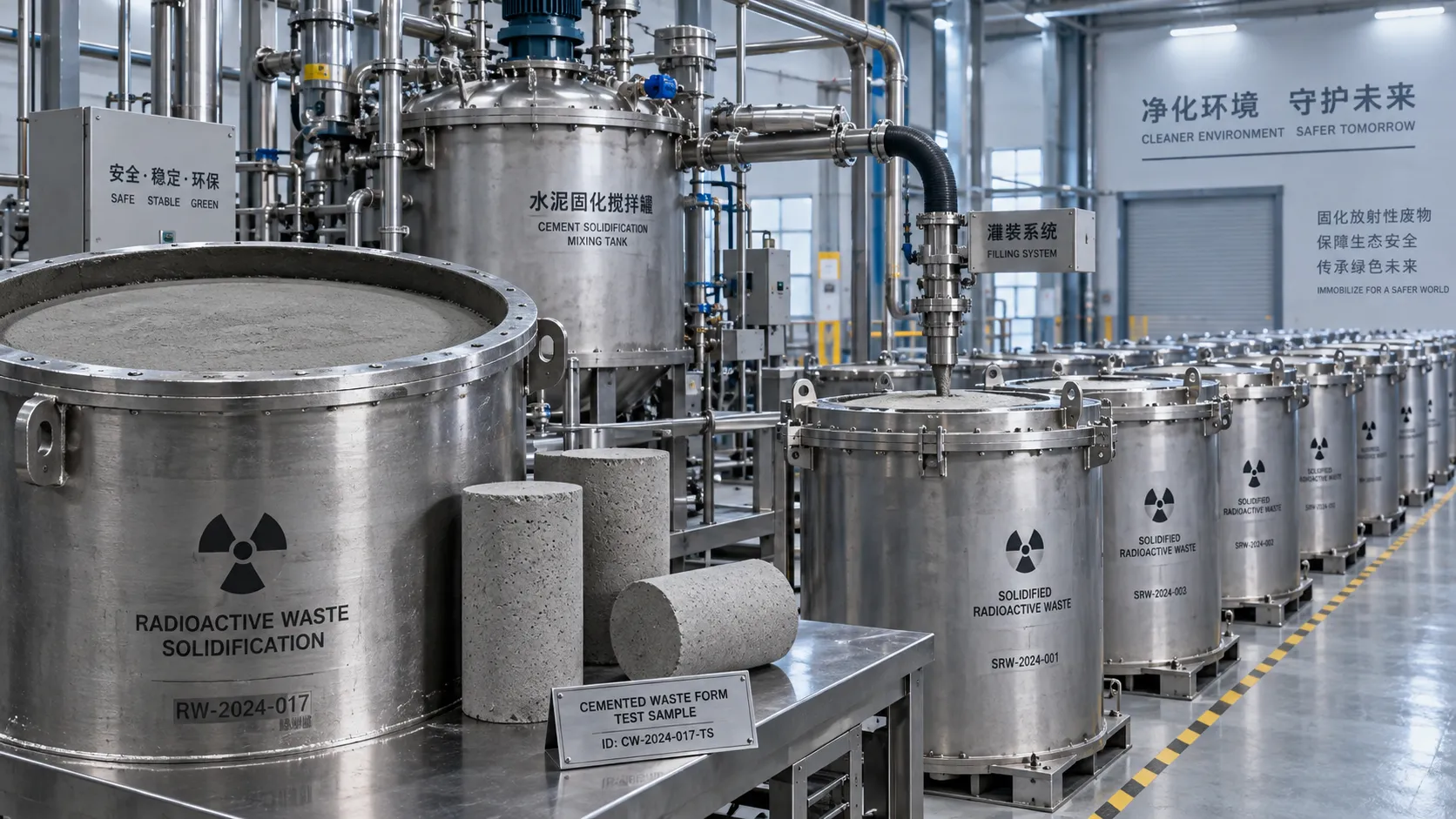
When is cementation suitable for nuclear decommissioning waste?
Explore nuclear waste treatment technology for decommissioning: learn when cementation fits, which risks to assess, and how disposal criteria guide an effective treatment choice.
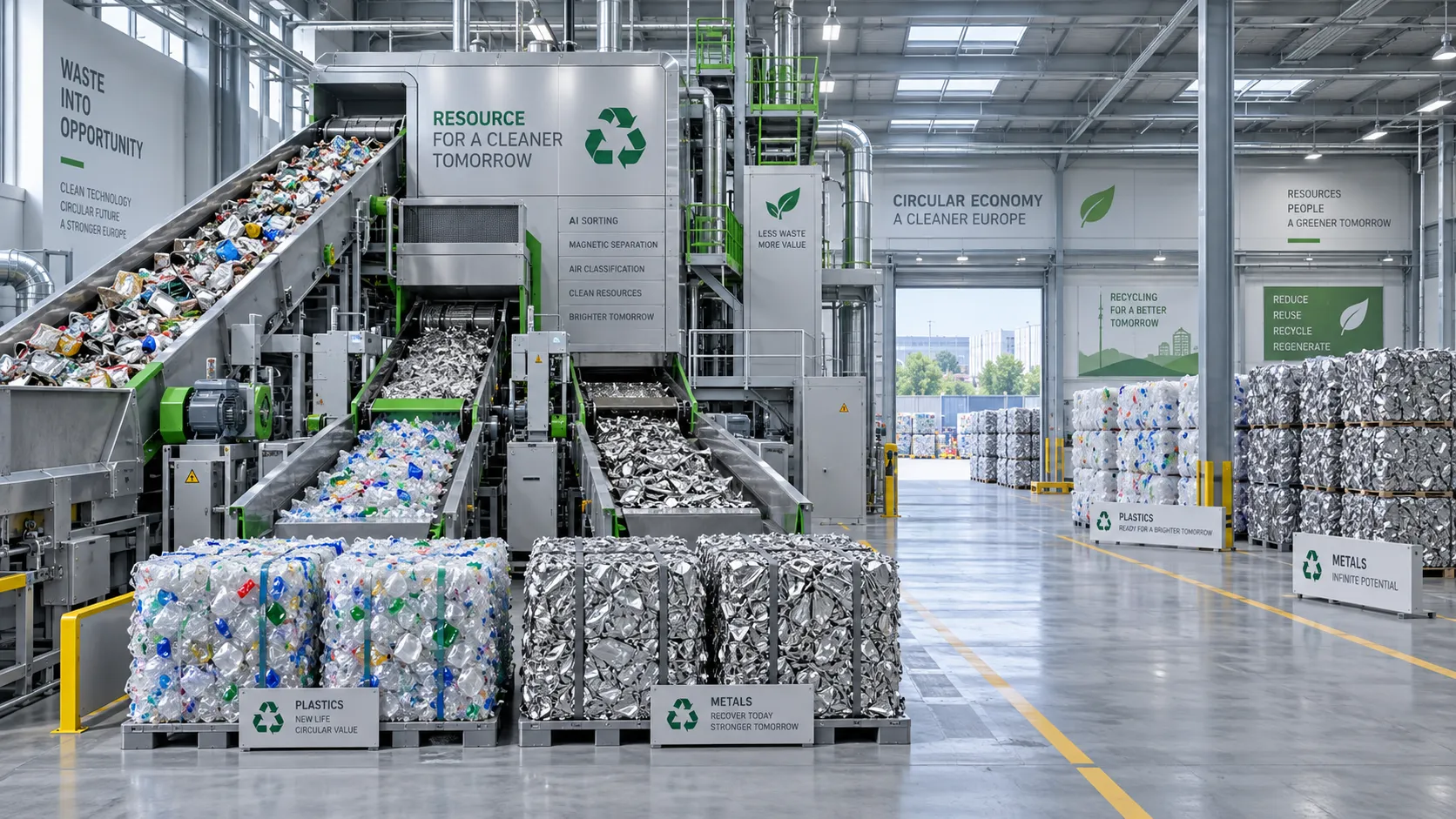
What determines payback for waste-to-resource systems in Europe?
Assess waste-to-resource systems Europe-wide: compare feedstock, recovery yields, costs and contracts to uncover payback drivers and make smarter investment decisions.
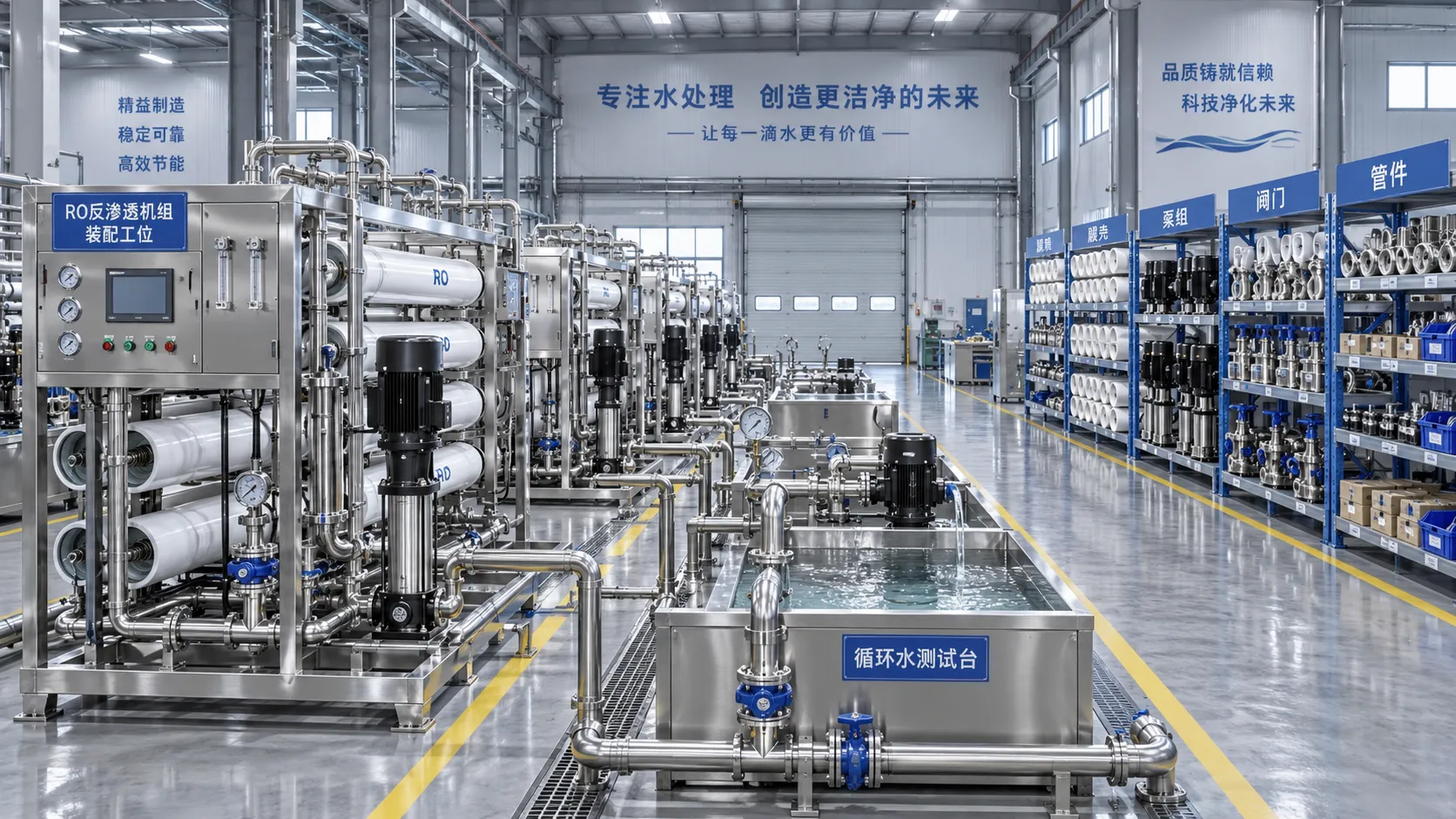
How to verify a water treatment system factory’s production capacity
Verify a water treatment systems factory’s production capacity through records, bottlenecks, component availability, and testing. Learn what to check before accepting a delivery promise.
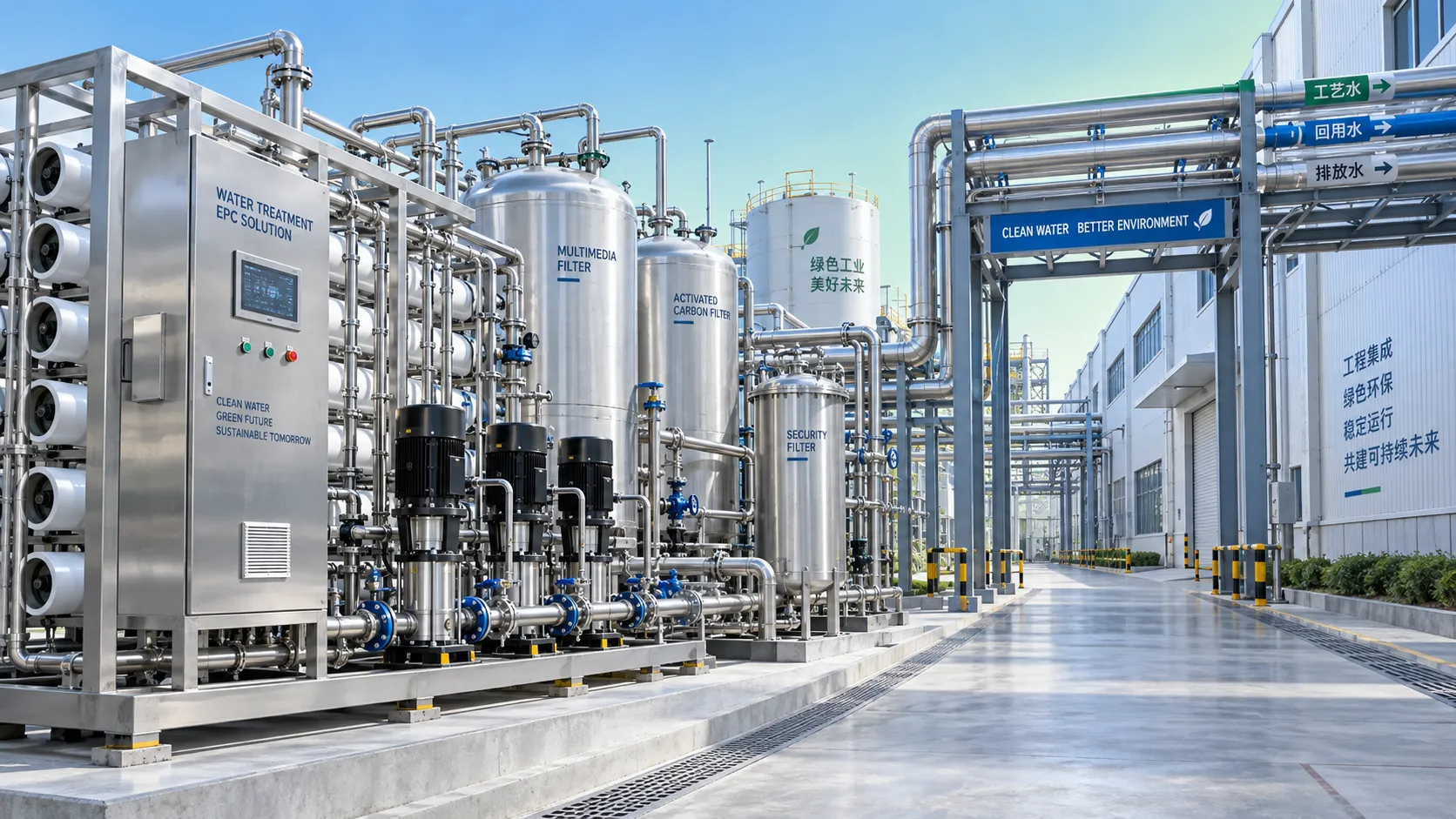
When does EPC environmental project support reduce delivery risk?
EPC environmental project support engineering reduces delivery risk by aligning design, procurement, compliance, construction, and commissioning decisions.
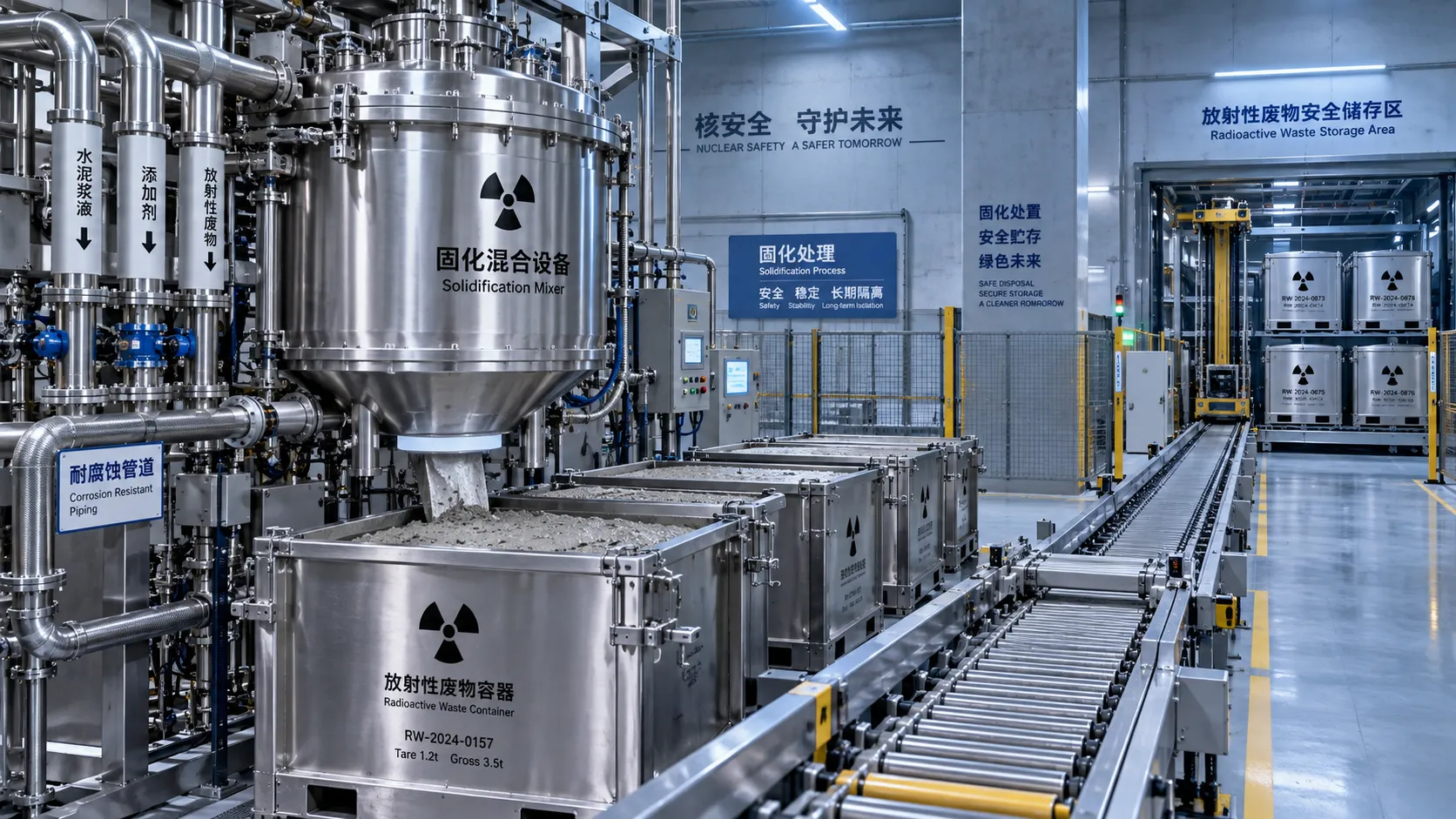
How nuclear plants select a radioactive waste solidification method
Radioactive waste management for nuclear plants: compare vitrification, cementation, polymers, and ceramics to select a compliant, durable solidification solution.
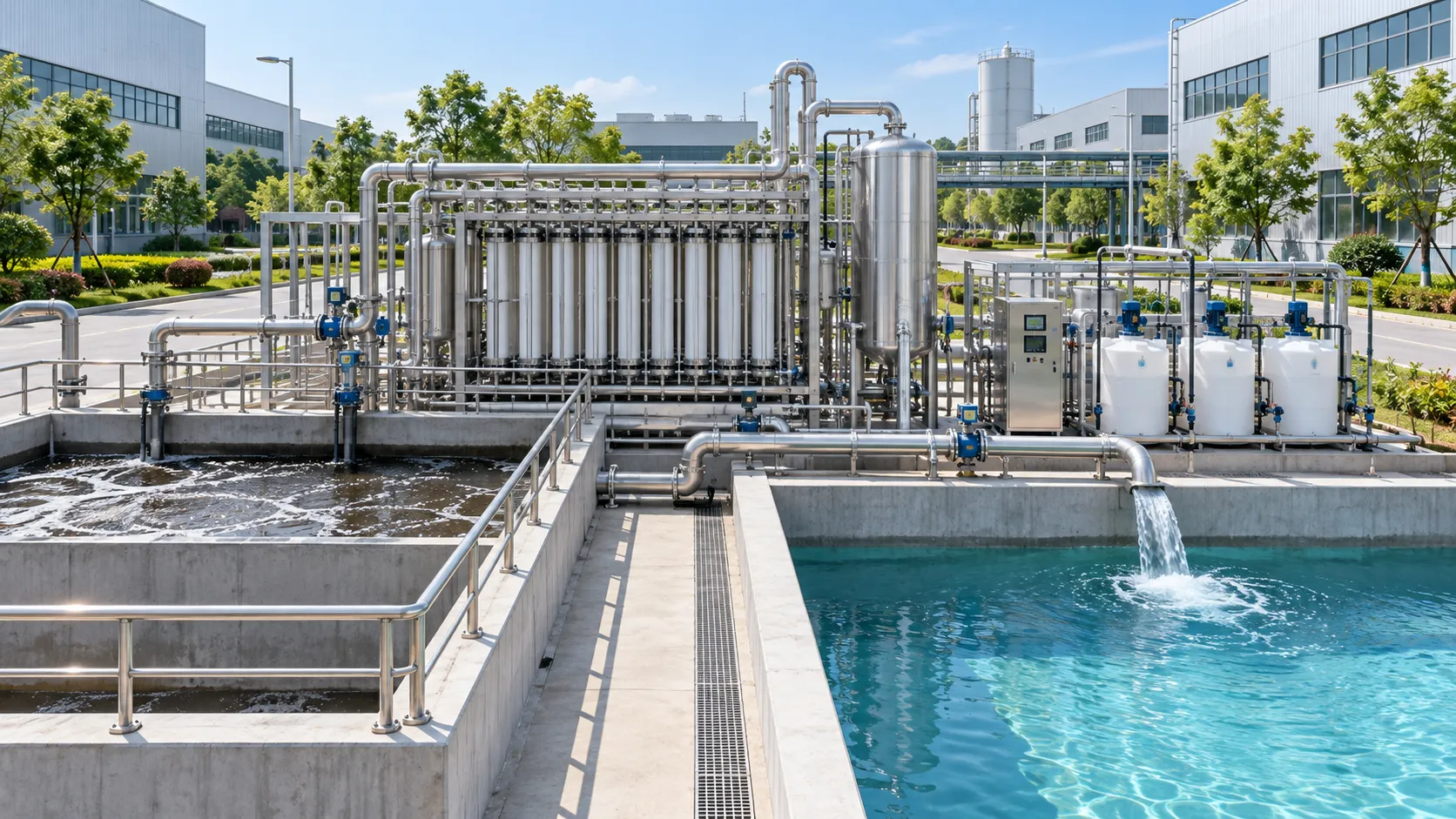
Comparing Upgrade Costs for Industrial Park Wastewater Treatment Systems
Compare costs for wastewater system upgrades in industrial parks with a lifecycle view of CAPEX, OPEX, compliance, resilience, and future expansion.
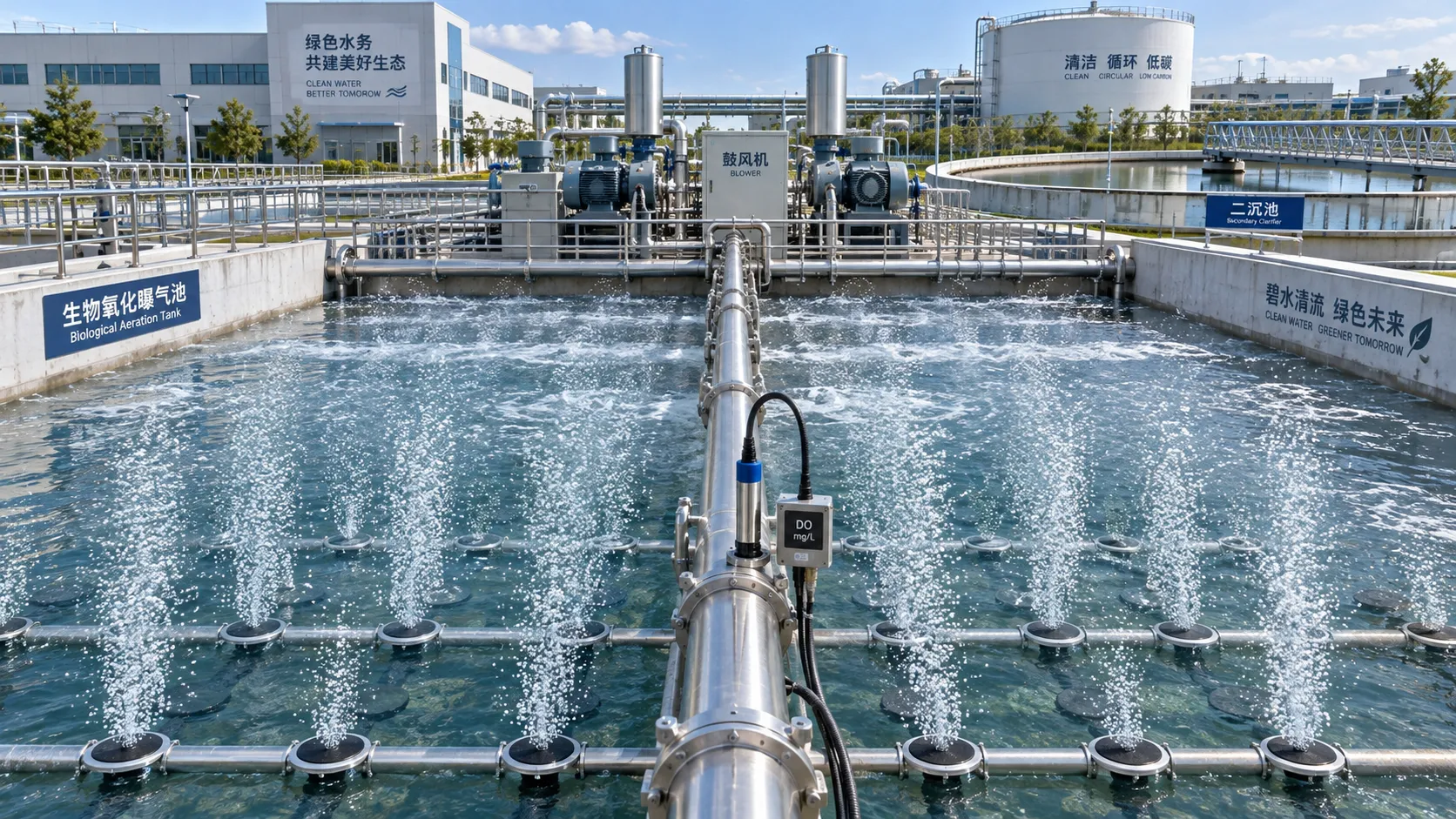
Biological Wastewater Oxidation Explained: Aeration Demand and Process Control
Biological wastewater oxidation explained: optimize aeration demand, DO control, nitrification, and sludge age for stable effluent quality and lower energy costs.
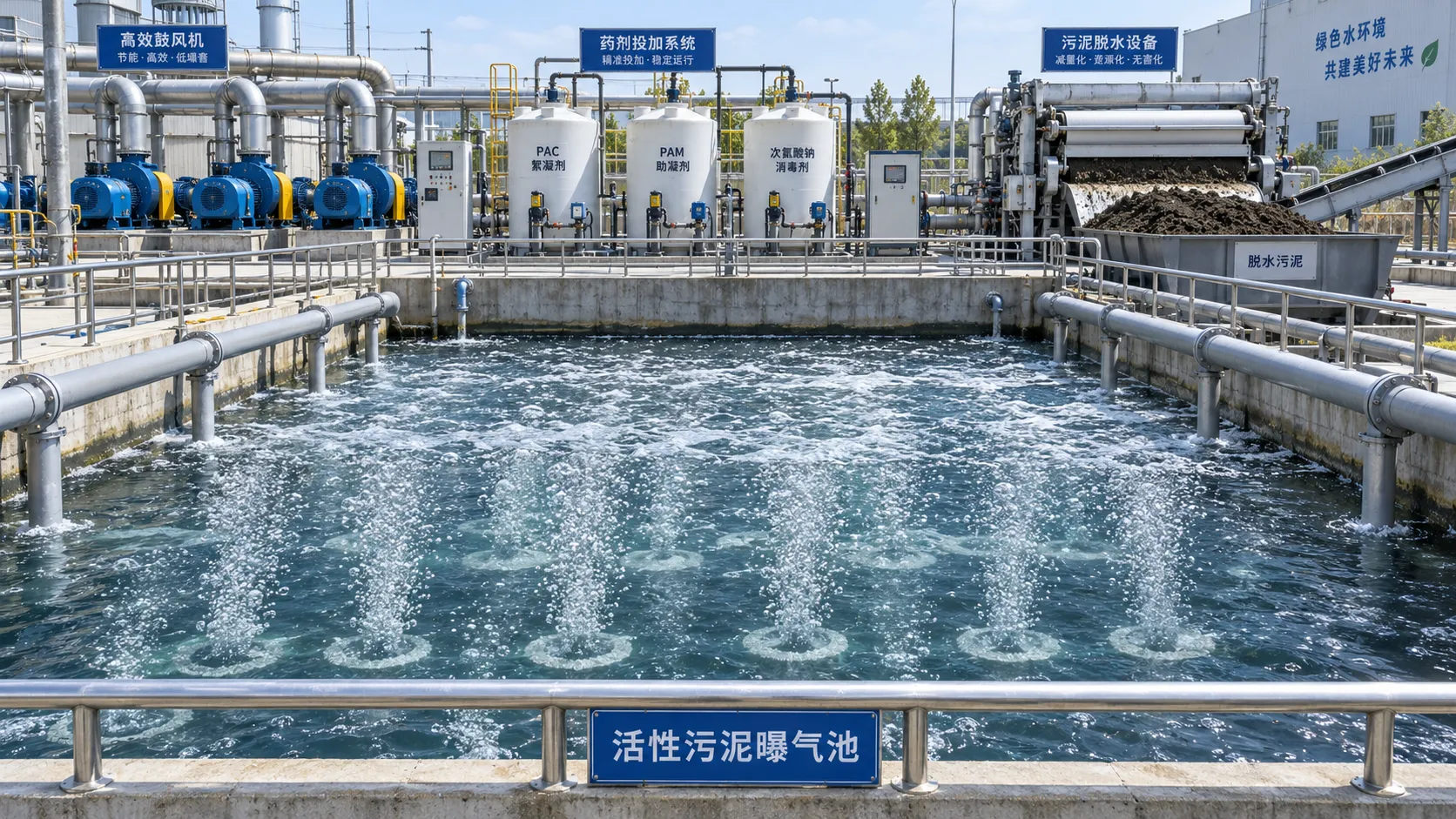
Activated Sludge Cost: Budgeting Energy, Chemicals, Sludge, and Labor
Activated sludge cost explained: compare energy, chemicals, sludge disposal, labor, and compliance risks to build a reliable lifecycle budget.
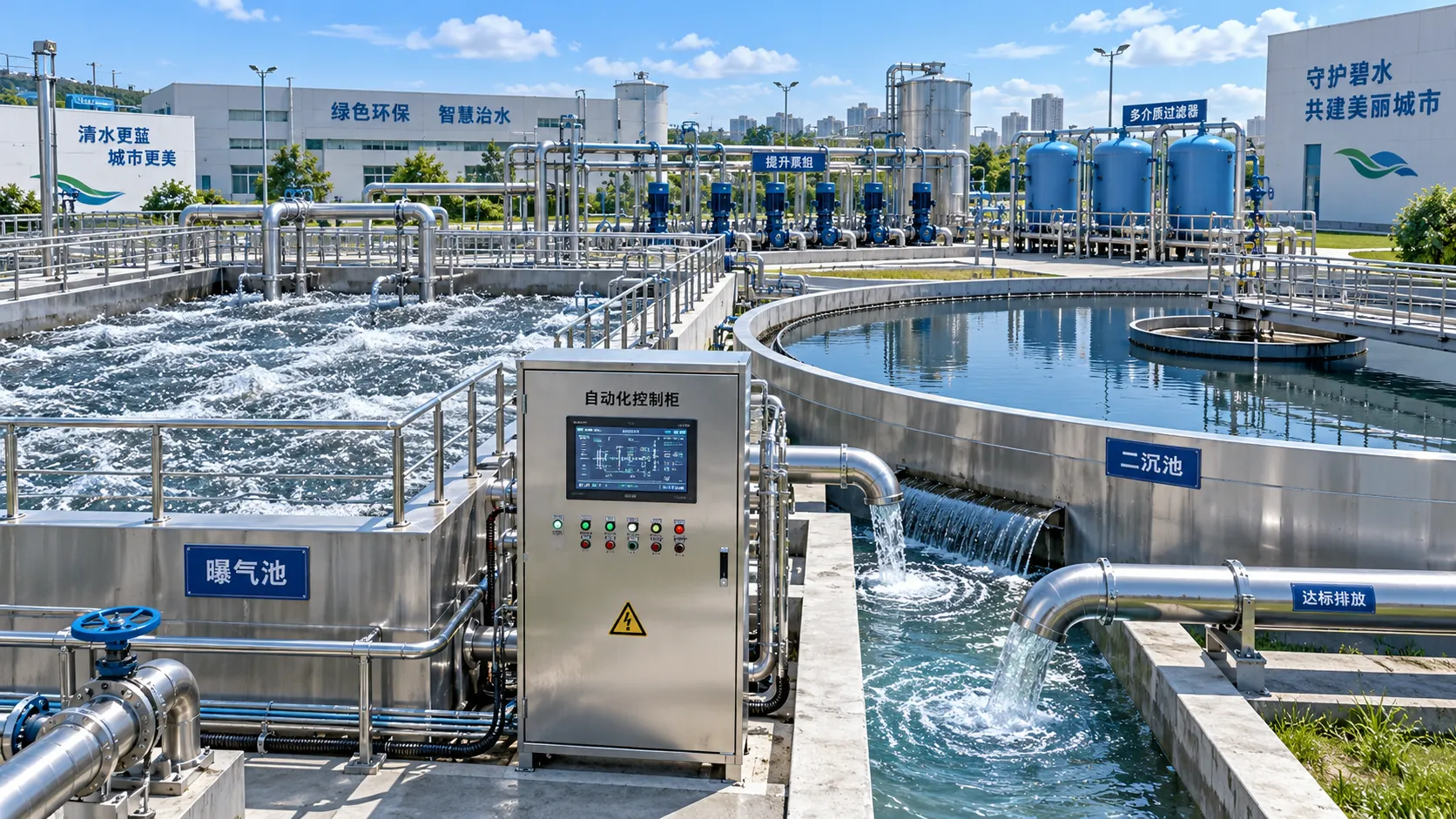
When Should Municipal Wastewater Plants Upgrade Treatment Capacity and Controls?
Municipal wastewater treatment upgrades: learn when capacity, controls, and resilient planning are needed to protect compliance and optimize plant performance.