
Industry News
Curation by industry experts
Hot Articles
Popular Tags
Tire Pyrolysis Technology: Key Cost Drivers in 2026
As tire pyrolysis technology moves from pilot projects to finance-grade infrastructure, understanding its 2026 cost structure becomes critical for approval decisions. For financial reviewers, the real question is not just capex, but how feedstock volatility, energy efficiency, compliance pressure, and by-product monetization shape project returns. This guide explains the main cost drivers behind investment risk and long-term profitability in tire pyrolysis technology.
Why a checklist view matters in 2026
Tire pyrolysis technology now sits between waste management, energy recovery, emissions control, and recycled materials production. That cross-sector position makes project economics sensitive to many moving variables.
A checklist approach reduces blind spots. It also improves comparability between plants, technology vendors, and regional business cases across the broader environmental equipment landscape.
In 2026, the strongest projects will not always be the lowest-cost builds. They will be the facilities with controllable operating costs, defensible compliance pathways, and stable outlets for recovered products.
Core checklist: key cost drivers in tire pyrolysis technology
- Quantify feedstock quality first, because moisture, steel content, contamination, and tire mix directly affect reactor stability, energy demand, residue rates, and downstream product value.
- Model collection and logistics costs by region, since transport distance, tire densification, storage rules, and local tipping arrangements can materially change delivered feedstock economics.
- Compare reactor design carefully, because batch, semi-continuous, and continuous tire pyrolysis technology each create different labor intensity, uptime profiles, maintenance cycles, and throughput consistency.
- Measure energy integration performance, including syngas recirculation, burner efficiency, waste heat recovery, and startup fuel demand, to understand true operating cost per processed ton.
- Audit emissions control scope early, covering VOCs, particulates, sulfur compounds, wastewater, odor, and carbon reporting, because compliance retrofits are usually more expensive than planned design.
- Test by-product upgrading assumptions, especially for pyrolysis oil, recovered carbon black, and steel, since saleable quality depends on purification, grading, and stable off-take channels.
- Stress-test maintenance budgets against abrasion, fouling, refractory wear, condenser clogging, and rotating equipment failure, all of which can erode annual availability and margin.
- Verify automation depth and instrumentation quality, because advanced controls reduce operator error, improve temperature uniformity, and lower the cost of unplanned shutdowns.
- Review financing assumptions alongside technology maturity, since lenders price risk differently for reference plants, performance guarantees, insurance terms, and commissioning complexity.
- Benchmark end-product pricing under conservative scenarios, because recycled commodity markets remain cyclical and can quickly expose weak tire pyrolysis technology business models.
1. Feedstock is the first cost driver
No tire pyrolysis technology project is financially stronger than its feedstock system. Supply contracts must define volume, composition, contamination limits, and seasonal variability.
Shredded tires can improve reactor feeding and heat transfer, but preprocessing adds capital, wear parts, and electricity demand. Whole-tire systems reduce front-end cost, yet may sacrifice throughput efficiency.
In some regions, tipping fees support project revenue. In others, competition for end-of-life tires raises acquisition cost. That regional difference can outweigh nominal equipment advantages.
2. Energy efficiency shapes operating margin
Energy cost is often underestimated in tire pyrolysis technology. The headline claim of self-sustaining operation should be tested against startup fuel, part-load conditions, and heat losses.
Well-designed systems recover pyrolysis gas for internal heating. However, real performance depends on gas cleanliness, burner design, insulation quality, and control precision across load changes.
If electricity prices are high, auxiliaries matter more. Fans, shredders, pumps, condensers, and pollution control units can materially affect cost per ton even when thermal energy is largely recycled.
3. Compliance costs are moving upward
Environmental compliance is becoming a defining cost driver for tire pyrolysis technology in 2026. Permitting timelines are longer, emissions thresholds are tighter, and reporting expectations are expanding.
Air treatment may include thermal oxidation, scrubbing, filtration, and continuous monitoring. Water management may require condensate treatment, oily sludge handling, and stormwater controls.
Facilities located near urban or export-oriented industrial zones face even stronger scrutiny. Carbon intensity disclosure and product traceability may influence both market access and financing conditions.
4. By-product monetization decides upside
Many project models assume strong sales from pyrolysis oil, recovered carbon black, and scrap steel. Those revenues can be real, but only when quality specifications match actual buyer requirements.
Pyrolysis oil may need desulfurization, distillation, or blending before use. Recovered carbon black may require milling, pelletizing, ash reduction, and certification to enter higher-value applications.
Without upgrading, products may trade at discount levels closer to low-grade fuel or filler. That pricing gap is often the difference between acceptable and weak returns in tire pyrolysis technology.
Scenario notes across different application settings
Industrial park integration
Projects inside industrial parks can lower utility connection cost and improve residue handling. Shared wastewater treatment and existing logistics links may strengthen economics.
The tradeoff is stricter interface management. Heat integration, storage rules, and emissions coordination with neighboring plants add engineering and contractual complexity.
Municipal or regional waste recovery systems
When tire pyrolysis technology is embedded within broader solid waste recovery systems, feedstock access may improve through public collection networks and landfill diversion targets.
However, public-sector procurement often increases documentation burden, performance guarantee expectations, and social acceptance requirements, which can slow time to revenue.
Export-oriented circular economy hubs
In export-focused hubs, tire pyrolysis technology may benefit from demand for recycled inputs. Carbon black substitutes and low-carbon industrial oils can attract premium interest.
Still, product certification, customs rules, and carbon accounting become critical. A technically sound plant can lose margin if documentation is weaker than material quality.
Commonly overlooked risks
Ignore commissioning duration at your own risk. Tire pyrolysis technology often reaches nameplate performance later than promotional schedules suggest.
Underestimate downtime patterns and annual output forecasts become unreliable. Availability losses usually come from feeding interruptions, cleaning frequency, and thermal balance instability.
Assume all recovered carbon black is equal and sales models become inflated. Particle size distribution, ash content, and surface chemistry strongly affect market acceptance.
Overlook odor and community impact controls and permitting can stall. Social acceptance increasingly affects schedule risk as much as engineering quality.
Treat insurance as a minor line item and total project cost may be understated. Fire protection, hazardous storage, and business interruption cover can be substantial.
Practical execution advice
- Build a base-case model using conservative product prices and realistic ramp-up assumptions, not best-case vendor yield data.
- Request operating data from comparable plants, including uptime, maintenance intervals, emissions records, and net energy consumption.
- Separate mandatory compliance equipment from optional upgrading units to clarify which investments protect permits and which expand margin.
- Link feedstock contracts with product off-take structures so volume risk and price risk are not evaluated in isolation.
- Run sensitivity analysis on tire supply cost, oil price, carbon black quality, and annual operating hours before final approval.
Conclusion and next-step action
In 2026, tire pyrolysis technology should be assessed as an integrated environmental and industrial recovery system, not as a standalone thermal reactor.
The decisive cost drivers are feedstock quality, logistics, energy integration, emissions compliance, maintenance intensity, and by-product monetization discipline. Each one influences both risk and financing confidence.
The most effective next step is to apply this checklist to one target project and rebuild the financial model line by line. That process quickly reveals whether the tire pyrolysis technology case is robust, optimistic, or structurally exposed.
Recommended News
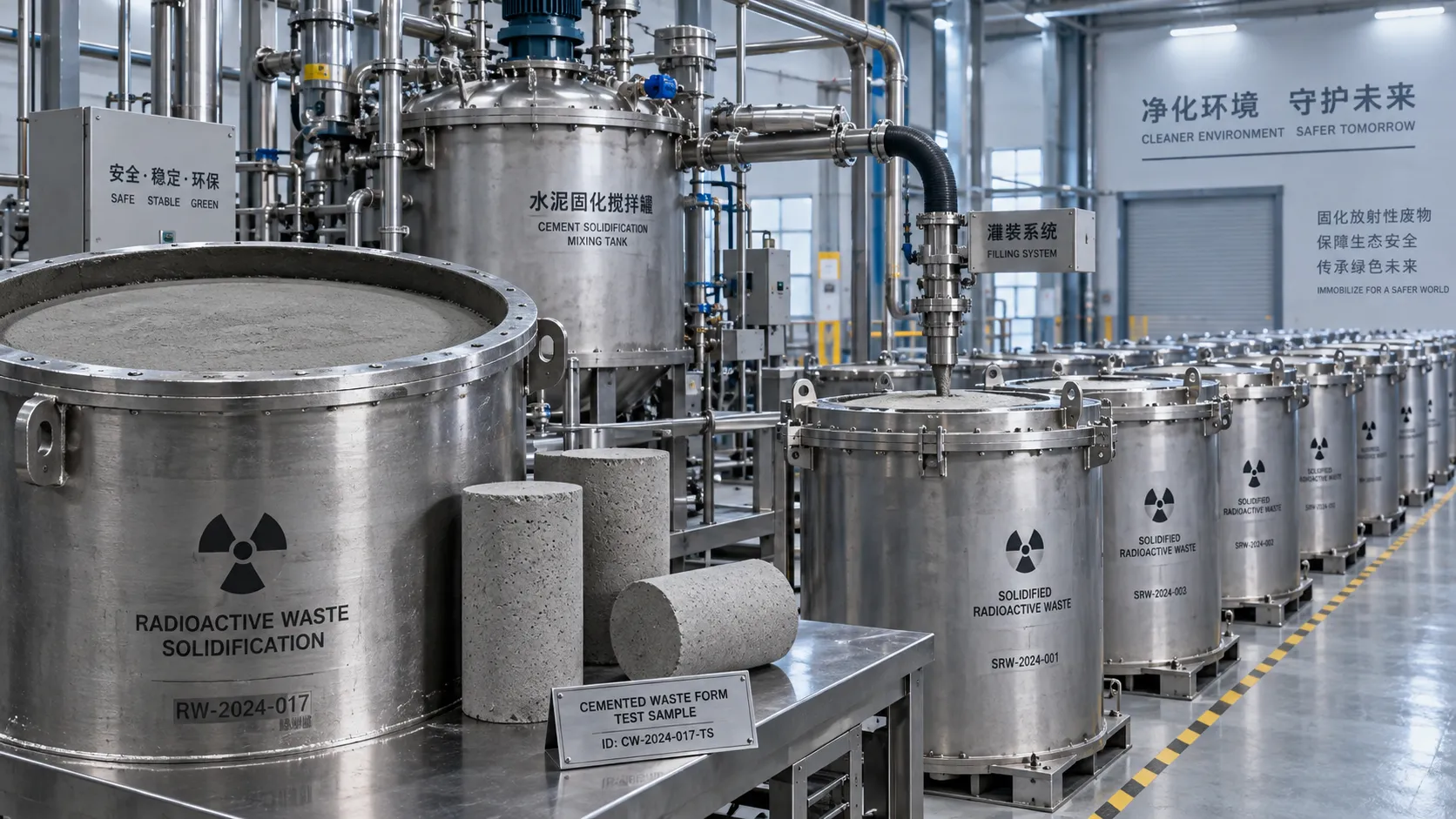
When is cementation suitable for nuclear decommissioning waste?
Explore nuclear waste treatment technology for decommissioning: learn when cementation fits, which risks to assess, and how disposal criteria guide an effective treatment choice.
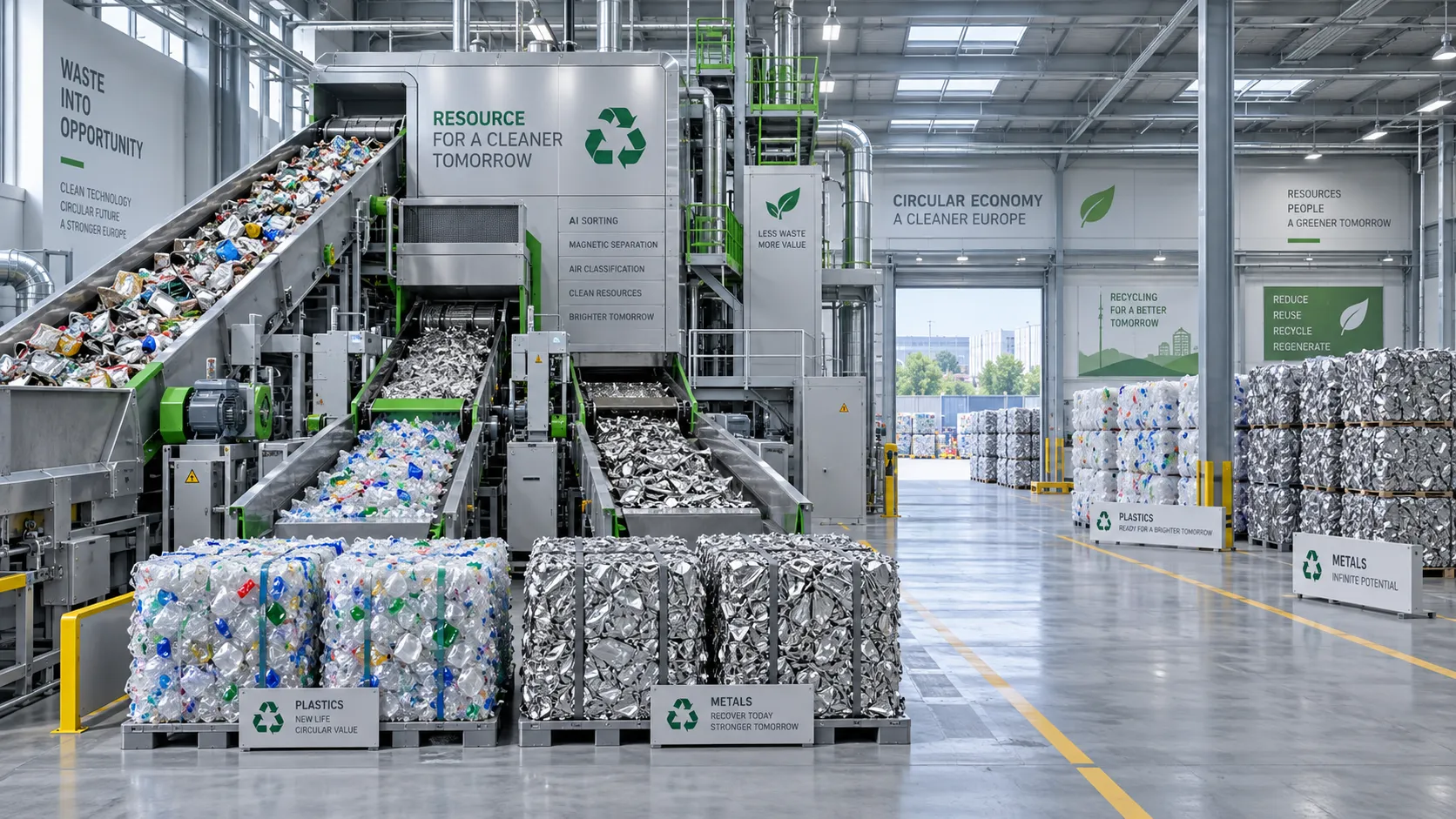
What determines payback for waste-to-resource systems in Europe?
Assess waste-to-resource systems Europe-wide: compare feedstock, recovery yields, costs and contracts to uncover payback drivers and make smarter investment decisions.
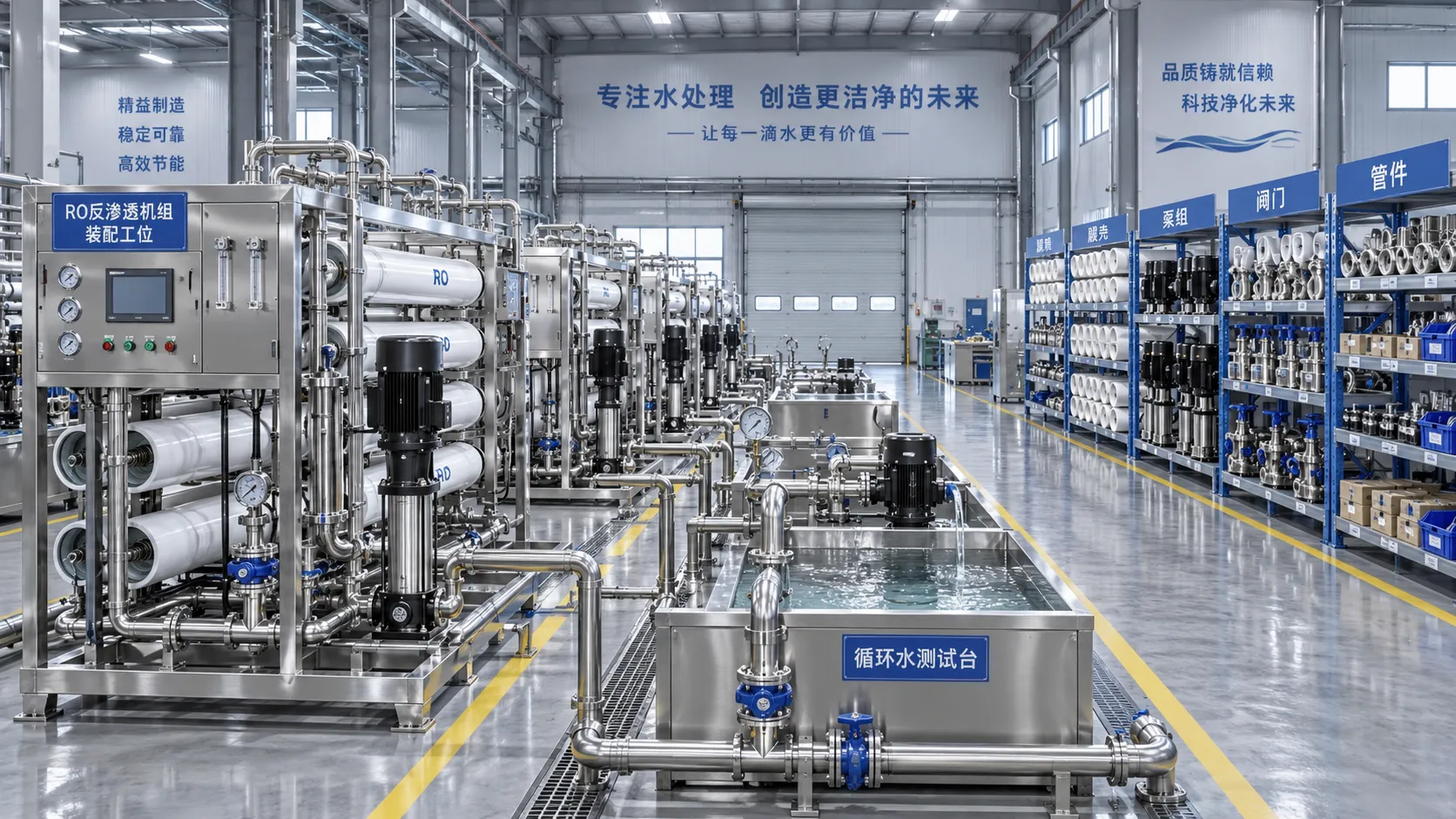
How to verify a water treatment system factory’s production capacity
Verify a water treatment systems factory’s production capacity through records, bottlenecks, component availability, and testing. Learn what to check before accepting a delivery promise.
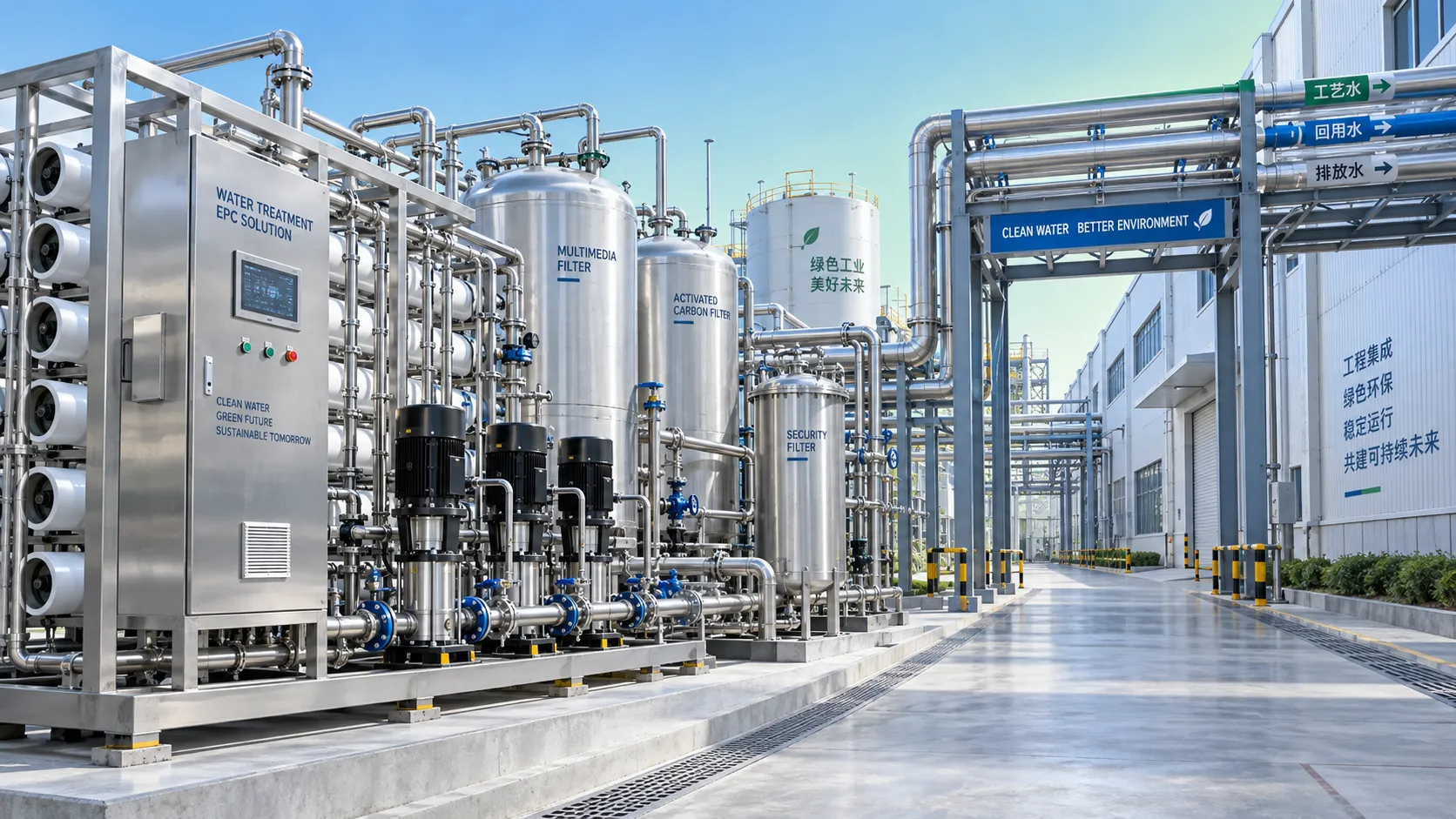
When does EPC environmental project support reduce delivery risk?
EPC environmental project support engineering reduces delivery risk by aligning design, procurement, compliance, construction, and commissioning decisions.
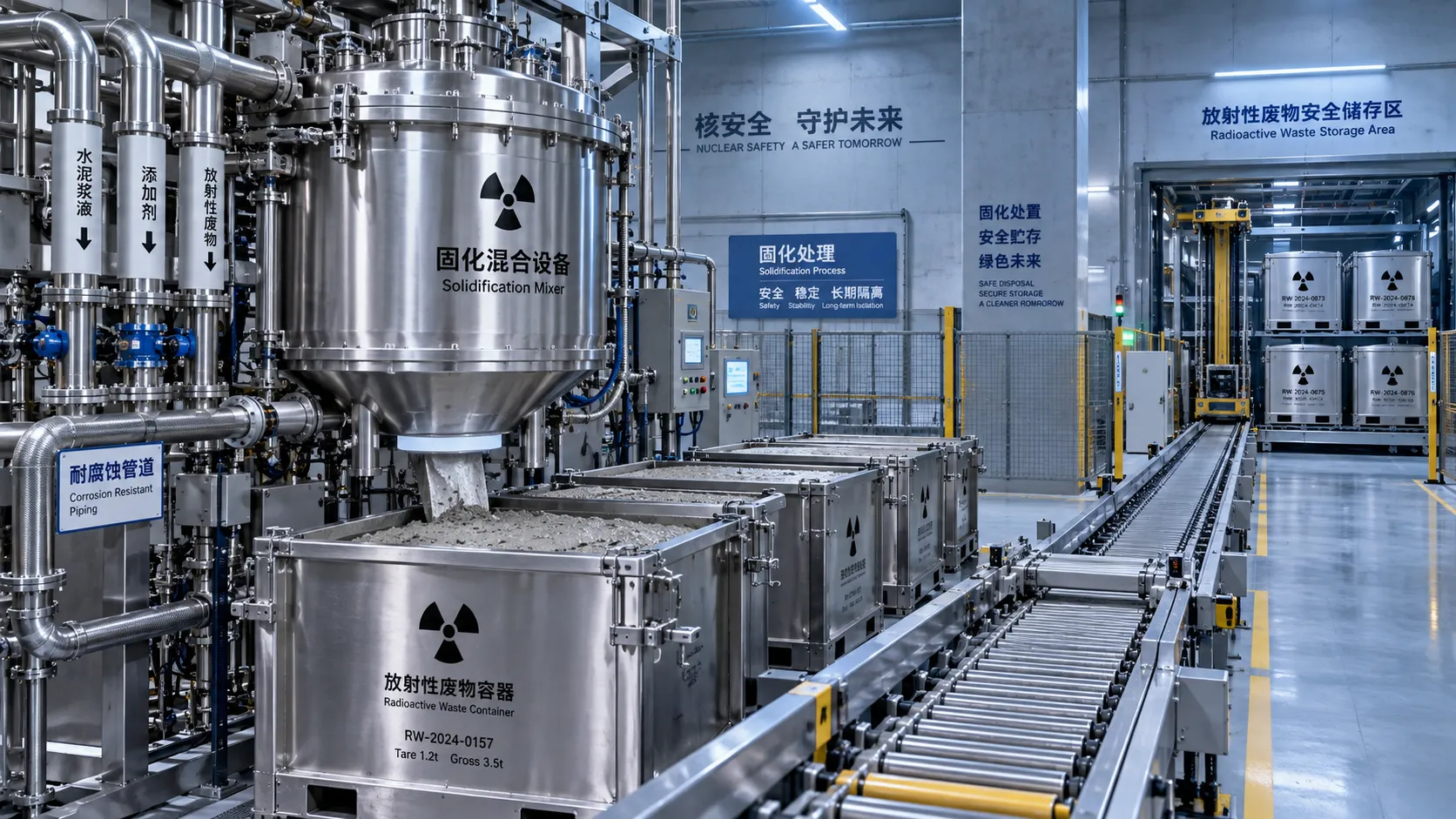
How nuclear plants select a radioactive waste solidification method
Radioactive waste management for nuclear plants: compare vitrification, cementation, polymers, and ceramics to select a compliant, durable solidification solution.
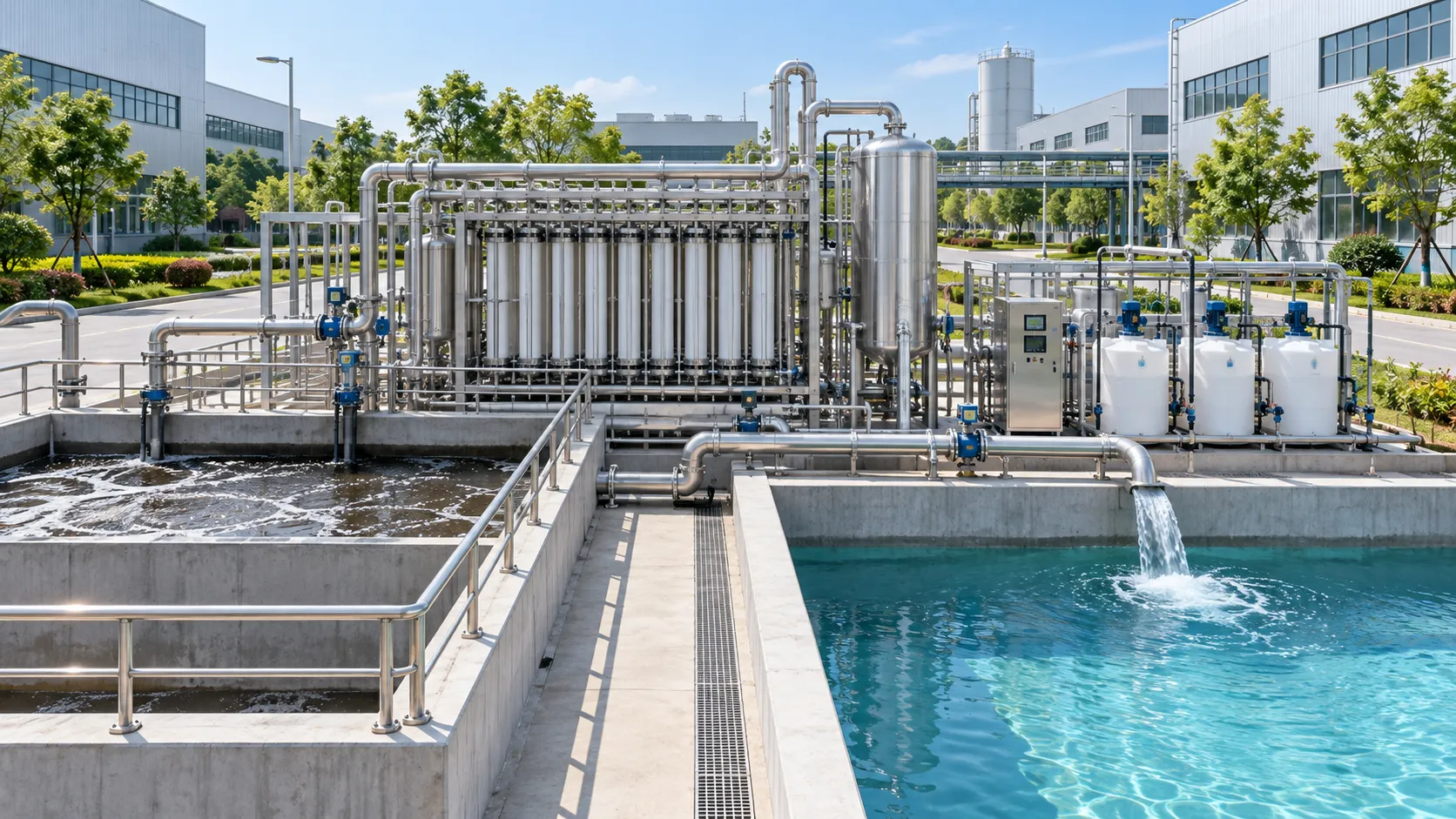
Comparing Upgrade Costs for Industrial Park Wastewater Treatment Systems
Compare costs for wastewater system upgrades in industrial parks with a lifecycle view of CAPEX, OPEX, compliance, resilience, and future expansion.
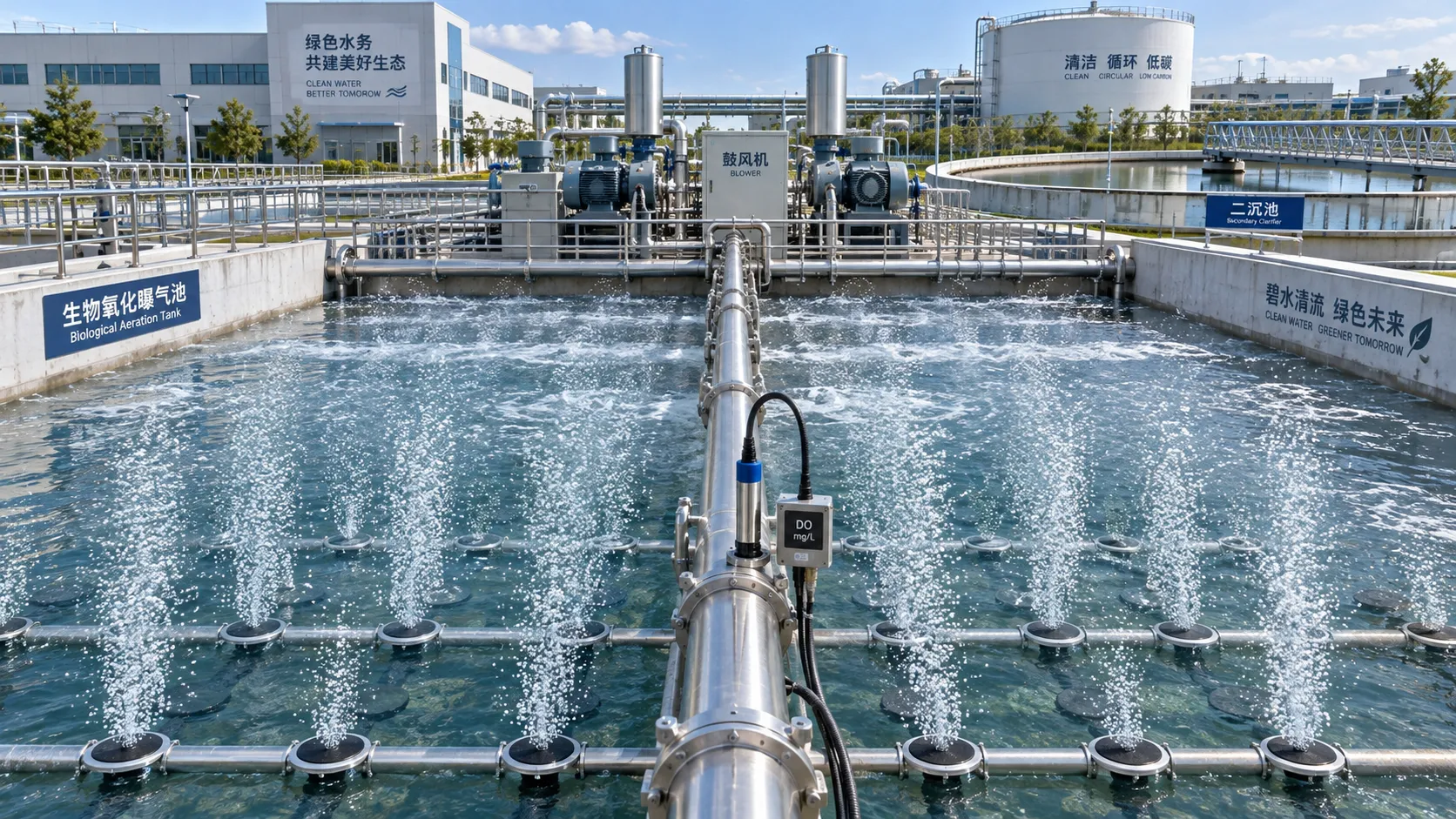
Biological Wastewater Oxidation Explained: Aeration Demand and Process Control
Biological wastewater oxidation explained: optimize aeration demand, DO control, nitrification, and sludge age for stable effluent quality and lower energy costs.
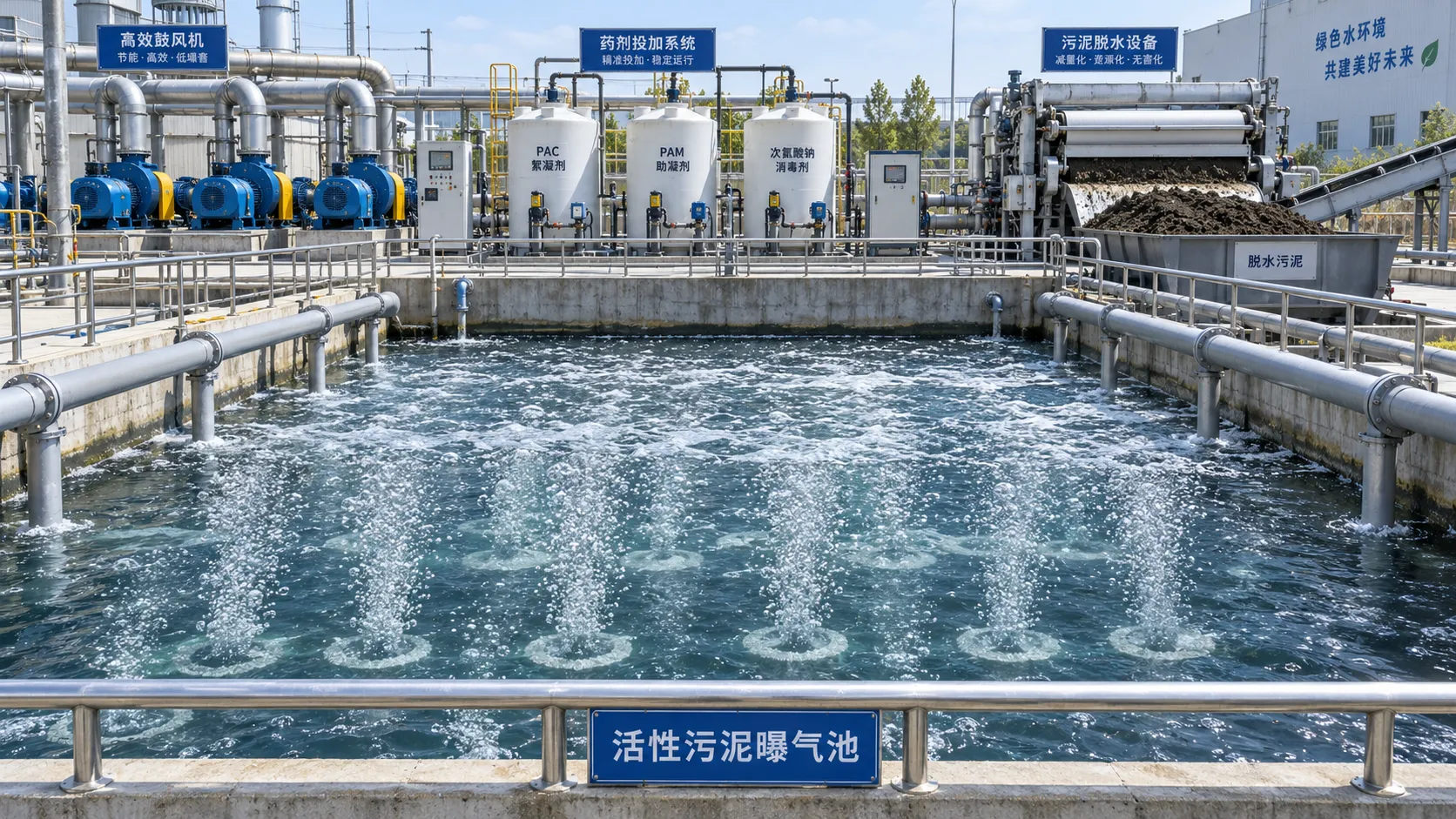
Activated Sludge Cost: Budgeting Energy, Chemicals, Sludge, and Labor
Activated sludge cost explained: compare energy, chemicals, sludge disposal, labor, and compliance risks to build a reliable lifecycle budget.
When Should Municipal Wastewater Plants Upgrade Treatment Capacity and Controls?
Municipal wastewater treatment upgrades: learn when capacity, controls, and resilient planning are needed to protect compliance and optimize plant performance.