
Industry News
Curation by industry experts
Hot Articles
Popular Tags
Wastewater Purification Options for High-Salinity Industrial Streams
Selecting a wastewater purification route for high-salinity industrial streams is rarely a simple compliance exercise.
Salt load, organics, hardness, silica, temperature, and discharge limits can quickly change the best technical answer.
Effective wastewater purification must also address fouling control, concentrate handling, energy demand, and long-term asset reliability.
For complex industrial portfolios, the strongest designs use staged treatment logic rather than a single stand-alone technology.
Understanding Wastewater Purification for High-Salinity Streams
High-salinity wastewater usually contains elevated total dissolved solids, often mixed with suspended solids, oils, heavy metals, or refractory organics.
Typical sources include chemical processing, power generation, mining, textiles, food ingredients, landfill leachate, and seawater-based industrial cooling.
In these cases, wastewater purification means more than clarification or biological polishing.
It often requires selective removal of solids, dissolved salts, contaminants of concern, and final volume reduction for reuse or zero liquid discharge.
The treatment objective may vary between water recovery, discharge compliance, by-product recovery, or minimization of hazardous brine.
That is why wastewater purification selection should begin with chemistry, not equipment preference.
Core parameters that shape technology choice
- TDS and ionic composition, including sodium, calcium, magnesium, sulfate, chloride, and silica
- COD, TOC, oils, surfactants, and other membrane-fouling organics
- pH, temperature, and redox conditions affecting corrosion and reaction pathways
- Scaling tendency, especially gypsum, carbonate, barium sulfate, and silica precipitation
- Final destination, such as reuse, surface discharge, evaporation, or crystallization
Current Industry Signals Influencing Wastewater Purification Decisions
Industrial water strategies are changing under tighter discharge permits, rising freshwater stress, and stricter environmental reporting.
As a result, wastewater purification projects now receive stronger attention at both plant and group level.
These pressures make wastewater purification a system-level decision linked to compliance, uptime, and total water resilience.
Main Wastewater Purification Options and Their Best Fit
No single technology performs best across all high-salinity industrial streams.
Most successful wastewater purification trains combine pretreatment, desalination, and concentrate management in sequence.
Physical and chemical pretreatment
Equalization, pH adjustment, coagulation, clarification, flotation, and media filtration protect downstream systems.
These steps do not remove most dissolved salts, but they strongly influence overall wastewater purification stability.
Membrane-based desalination
Reverse osmosis and nanofiltration work well when osmotic pressure, scaling, and organics remain within manageable limits.
Membranes offer compact wastewater purification with high water recovery, though concentrate management remains a major issue.
Electrodialysis can be useful for selective ion separation in suitable conductivity windows.
Thermal concentration
Mechanical vapor recompression evaporators and brine concentrators handle salinities beyond practical membrane limits.
They are often chosen when wastewater purification must support high recovery or ZLD targets.
The trade-off is higher energy demand and more demanding materials selection.
Crystallization and solids recovery
Crystallizers convert concentrated brine into solid salts and recovered water.
This final wastewater purification stage is common in ZLD systems where liquid disposal is highly restricted.
Biological and advanced oxidation steps
If high salinity is paired with COD, phenols, ammonia, or recalcitrant organics, pretreatment chemistry becomes more complex.
Biological treatment may still work at moderate salinity, while ozone, peroxide, or catalytic oxidation can improve biodegradability.
How Different Options Compare in Practical Wastewater Purification Planning
This comparison shows why wastewater purification optimization should focus on treatment trains, not isolated equipment names.
Application Value Across Industrial Settings
A robust wastewater purification strategy creates value well beyond basic discharge performance.
- Reduces freshwater intake through process reuse and utility water recovery
- Improves operational continuity where water scarcity affects production planning
- Lowers environmental liability linked to off-site brine or hazardous waste transport
- Supports environmental reporting, carbon planning, and long-horizon compliance readiness
- Creates resource recovery opportunities for salts, metals, or process chemicals
For intelligence-driven platforms such as ESD, wastewater purification also connects directly to ZLD trends, membrane evolution, and regulatory strategy.
Typical High-Salinity Stream Categories
Practical Selection Guidance and Key Risks
Wastewater purification studies should rely on representative sampling across operating cycles, not one-time grab data.
Feed variability is often the hidden cause of membrane upset, evaporator scaling, and budget drift.
Important design checks
- Build a full mass balance for water, salts, organics, and sludge-generating reagents.
- Model scaling and corrosion under worst-case concentration factors.
- Assess whether concentrate can be reused, treated further, or requires final disposal.
- Compare lifecycle cost, not only installed cost, for each wastewater purification pathway.
- Pilot critical steps when chemistry is unusual or recovery targets are aggressive.
Another common mistake is overdesigning premium hardware before removing upstream contamination sources.
In many projects, better segregation and equalization improve wastewater purification economics more than adding complex end-of-pipe equipment.
Action Path for Better Wastewater Purification Outcomes
A reliable next step is to screen streams by salinity, fouling potential, disposal route, and reuse value.
Then shortlist wastewater purification trains that match chemistry and operational constraints, not generic industry assumptions.
For complex facilities, combine bench data, pilot runs, and lifecycle modeling before locking the final scheme.
Within ESD’s intelligence framework, this approach aligns wastewater purification with broader goals in ZLD, resource recovery, and resilient ecological engineering.
When treatment choices are grounded in chemistry, recovery targets, and compliance foresight, high-salinity streams become far more manageable.
Recommended News
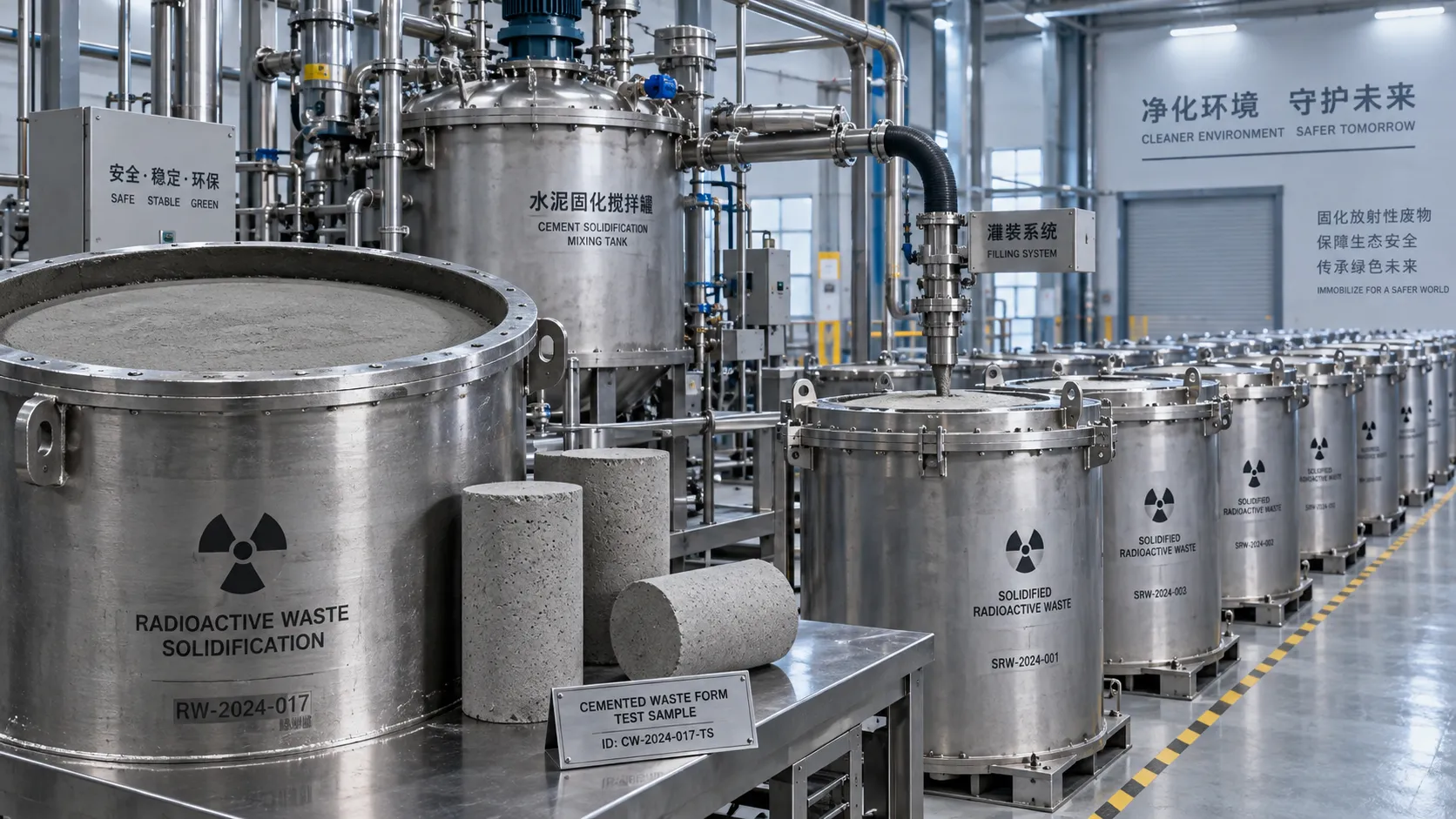
When is cementation suitable for nuclear decommissioning waste?
Explore nuclear waste treatment technology for decommissioning: learn when cementation fits, which risks to assess, and how disposal criteria guide an effective treatment choice.
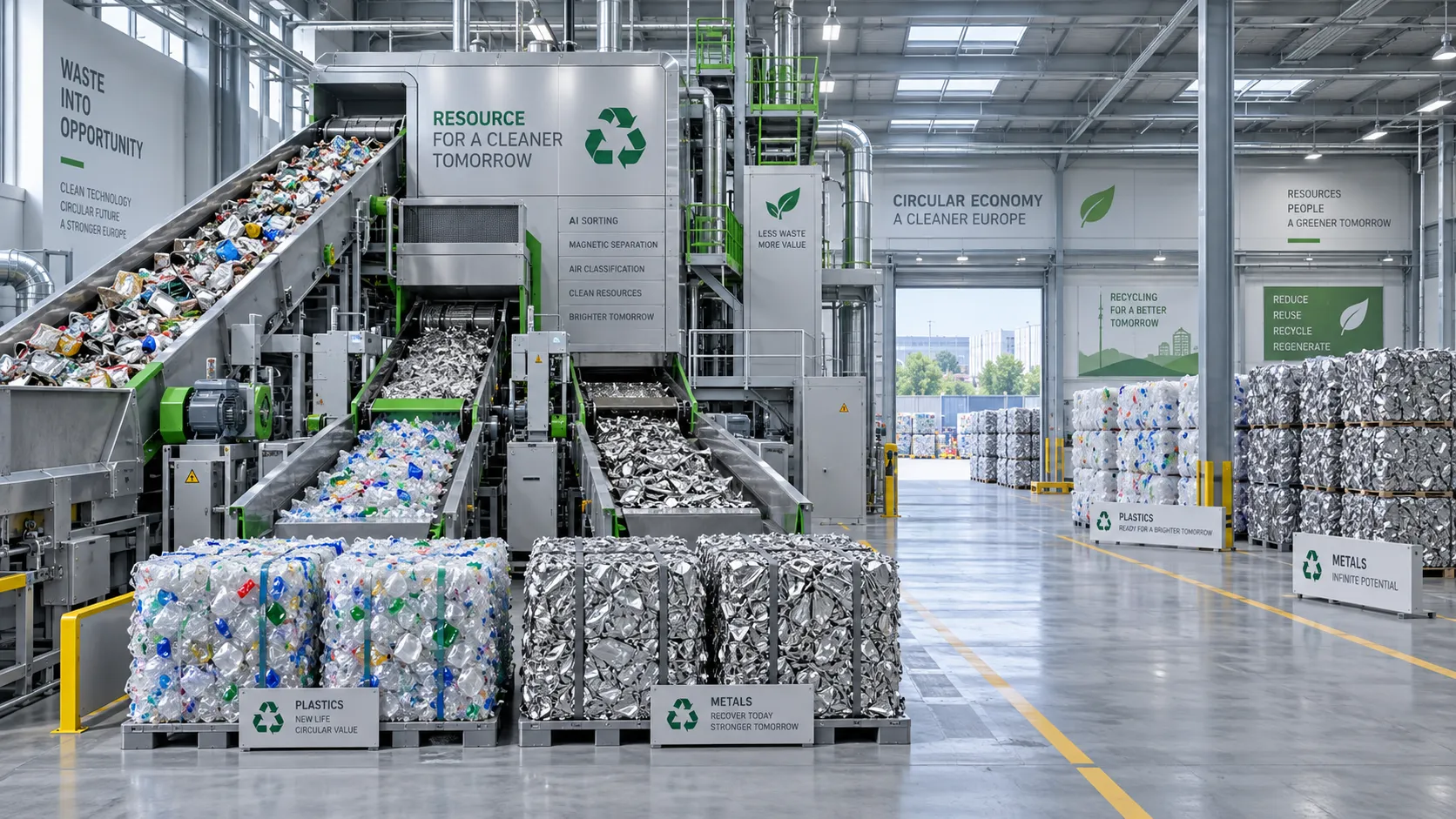
What determines payback for waste-to-resource systems in Europe?
Assess waste-to-resource systems Europe-wide: compare feedstock, recovery yields, costs and contracts to uncover payback drivers and make smarter investment decisions.
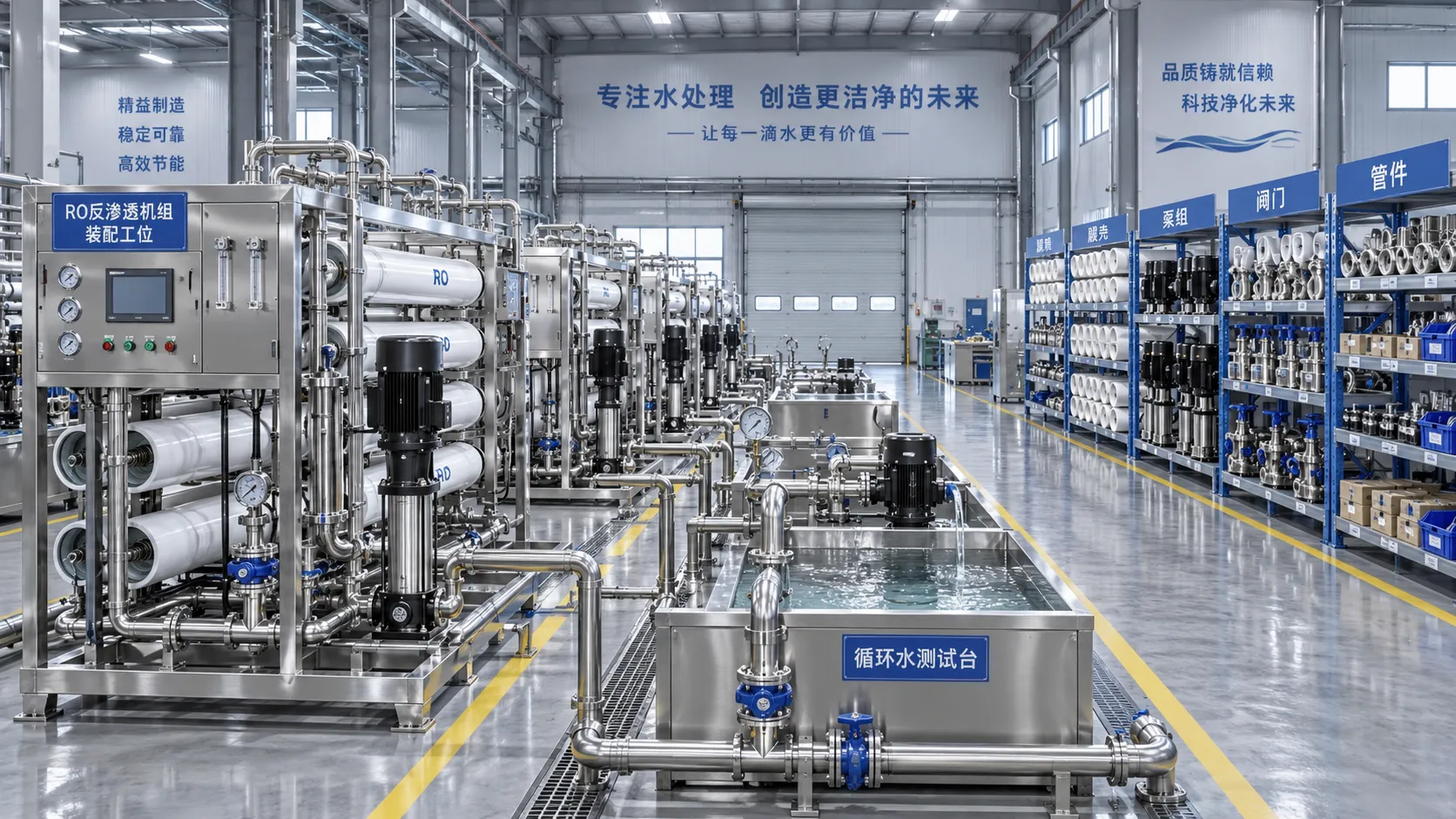
How to verify a water treatment system factory’s production capacity
Verify a water treatment systems factory’s production capacity through records, bottlenecks, component availability, and testing. Learn what to check before accepting a delivery promise.
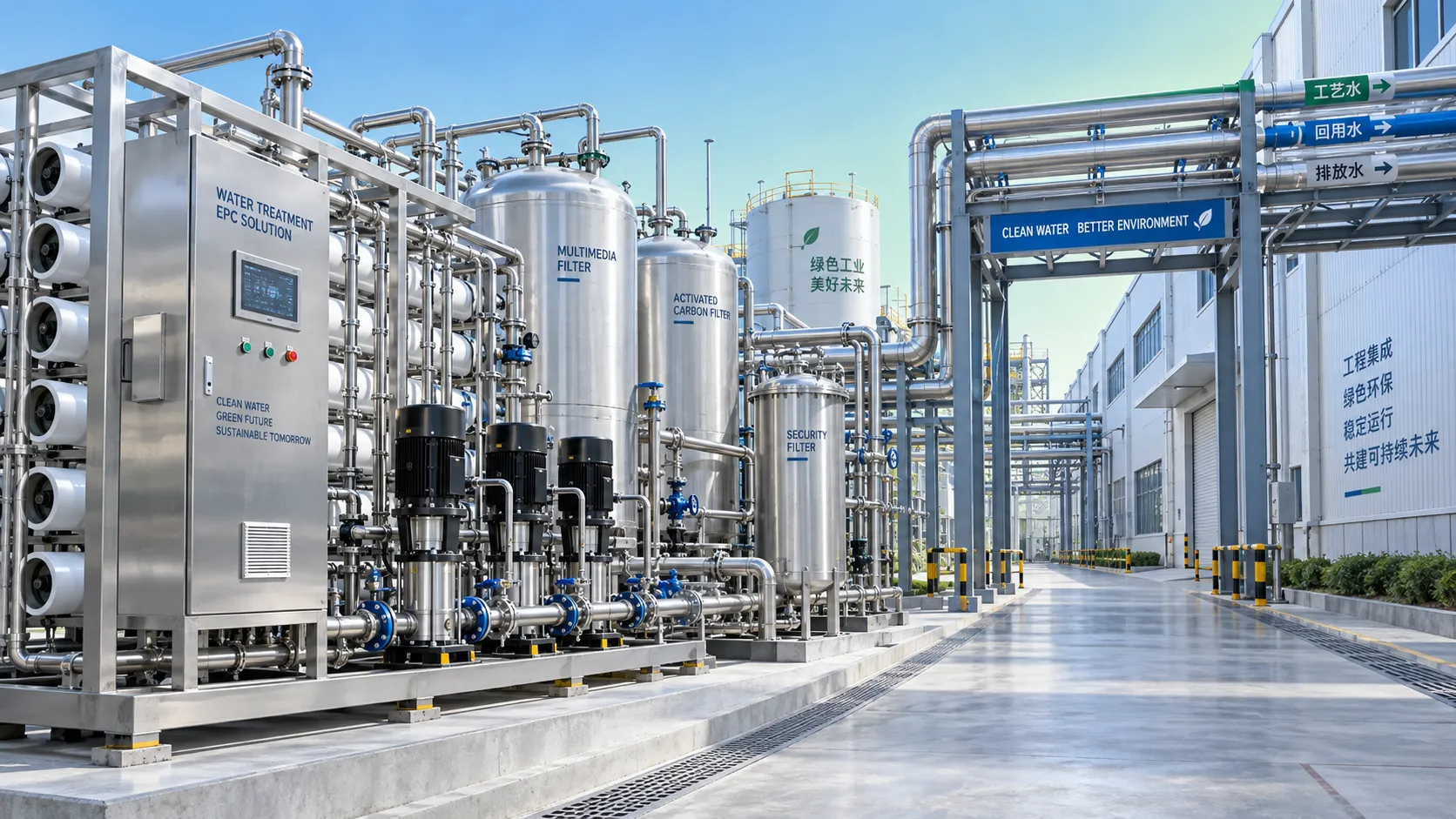
When does EPC environmental project support reduce delivery risk?
EPC environmental project support engineering reduces delivery risk by aligning design, procurement, compliance, construction, and commissioning decisions.
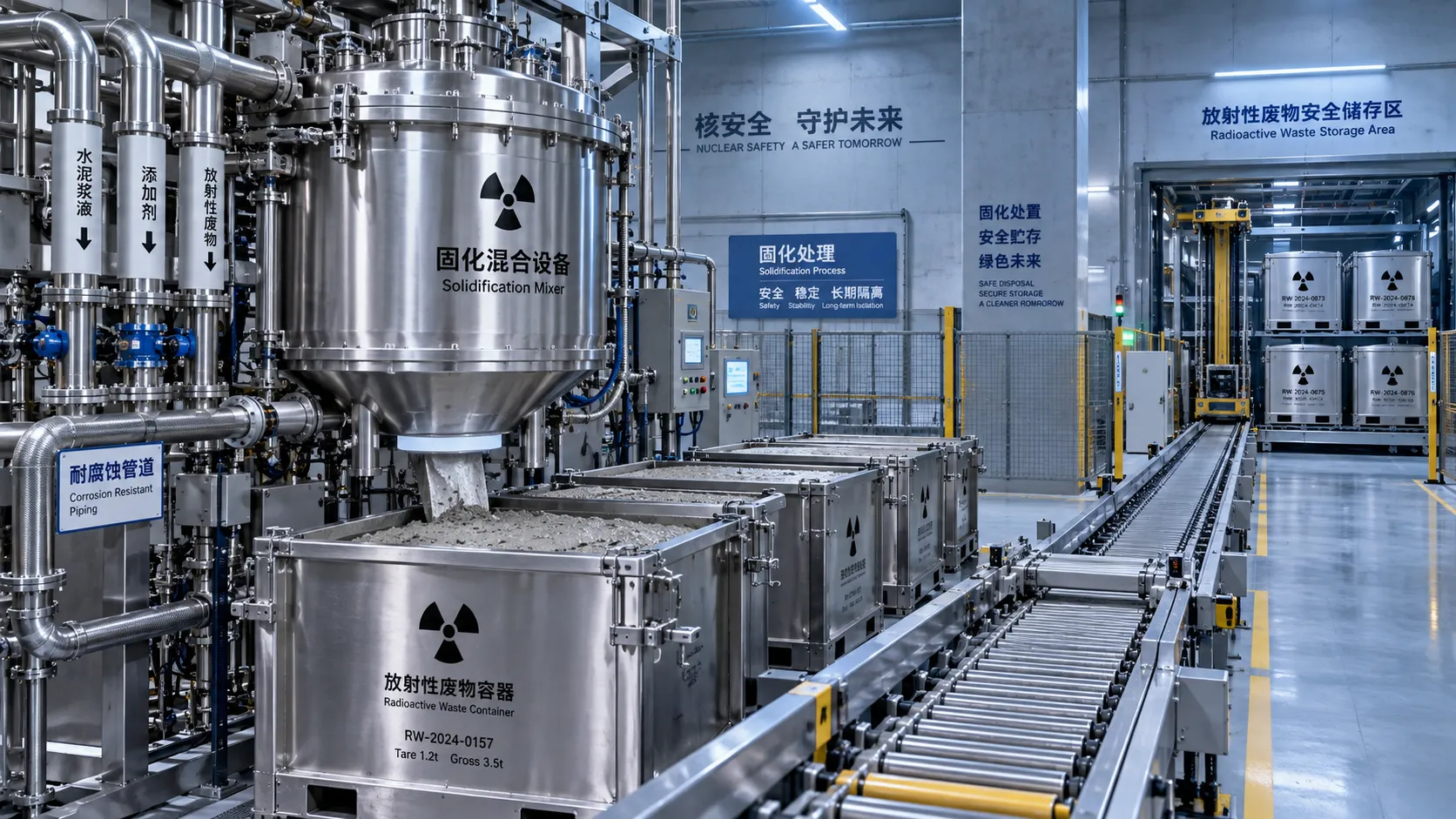
How nuclear plants select a radioactive waste solidification method
Radioactive waste management for nuclear plants: compare vitrification, cementation, polymers, and ceramics to select a compliant, durable solidification solution.
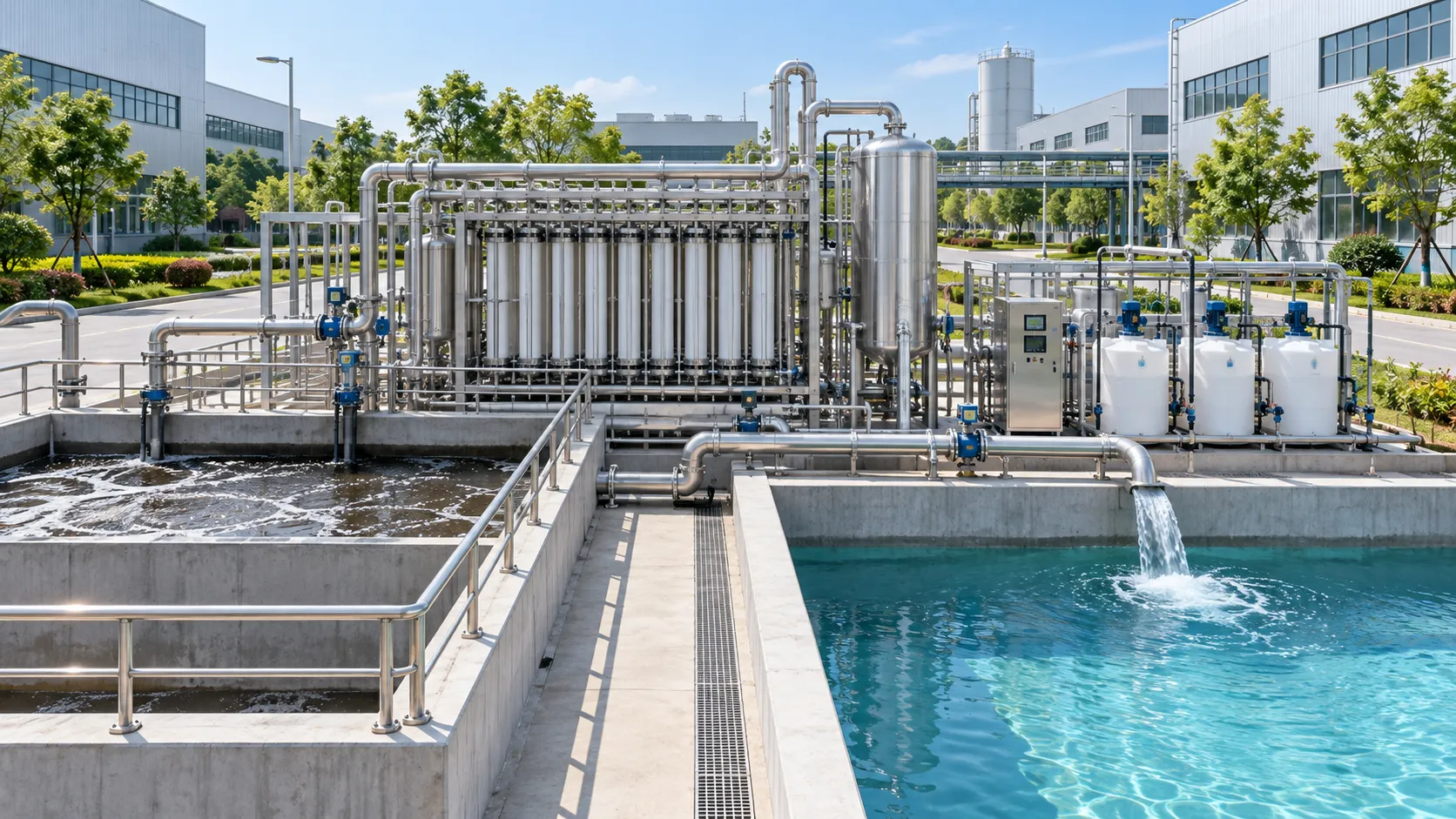
Comparing Upgrade Costs for Industrial Park Wastewater Treatment Systems
Compare costs for wastewater system upgrades in industrial parks with a lifecycle view of CAPEX, OPEX, compliance, resilience, and future expansion.
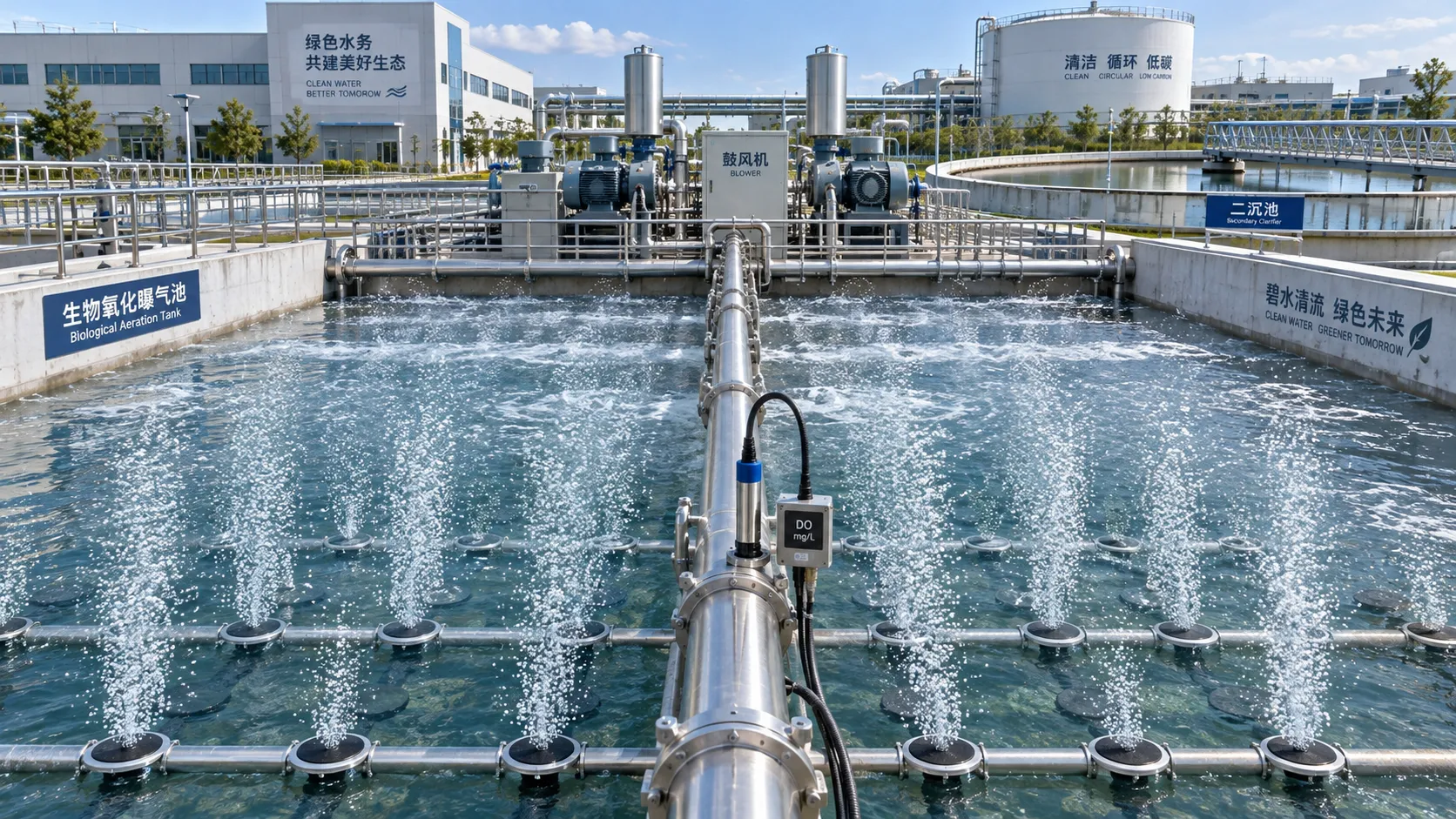
Biological Wastewater Oxidation Explained: Aeration Demand and Process Control
Biological wastewater oxidation explained: optimize aeration demand, DO control, nitrification, and sludge age for stable effluent quality and lower energy costs.
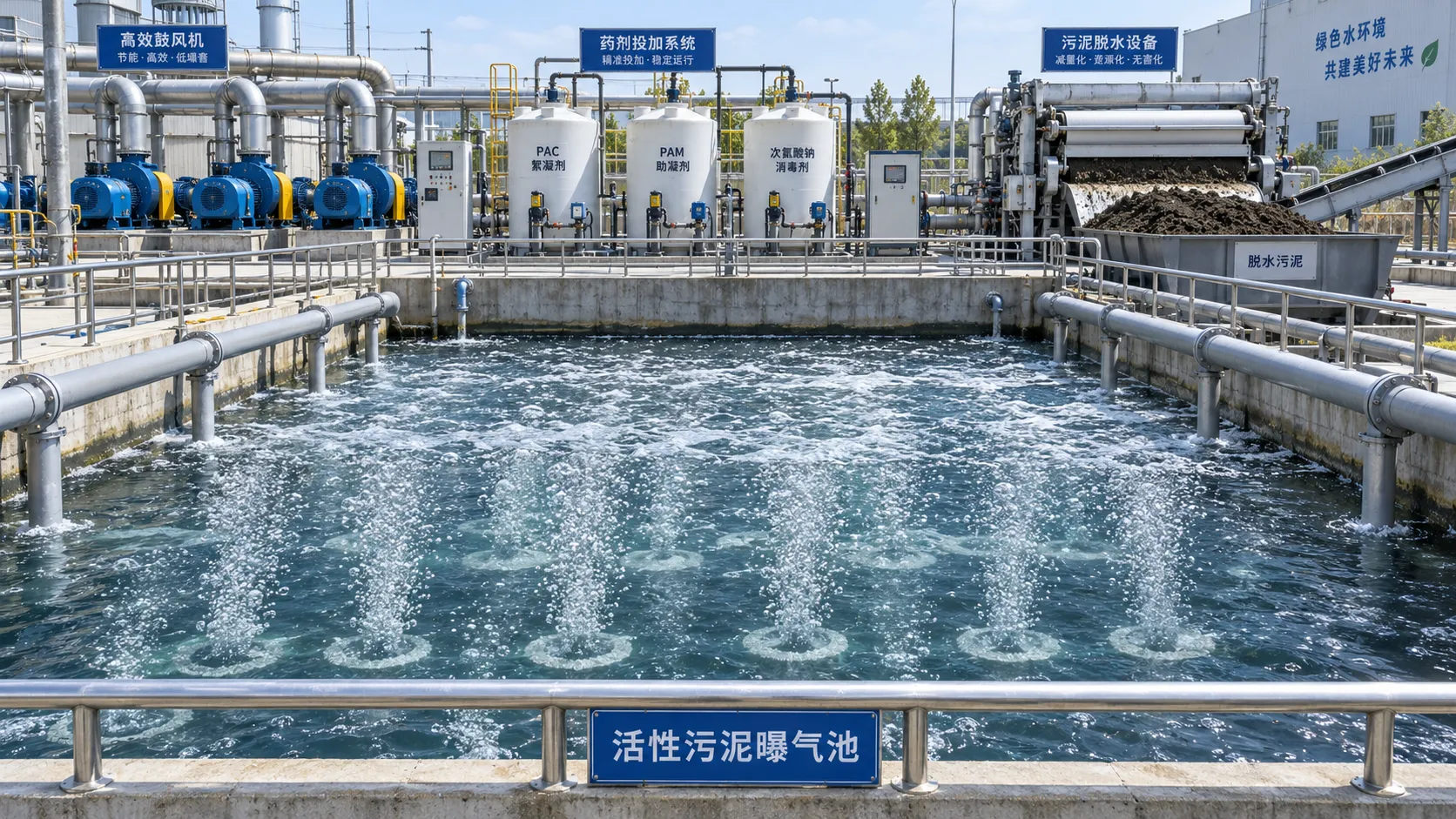
Activated Sludge Cost: Budgeting Energy, Chemicals, Sludge, and Labor
Activated sludge cost explained: compare energy, chemicals, sludge disposal, labor, and compliance risks to build a reliable lifecycle budget.
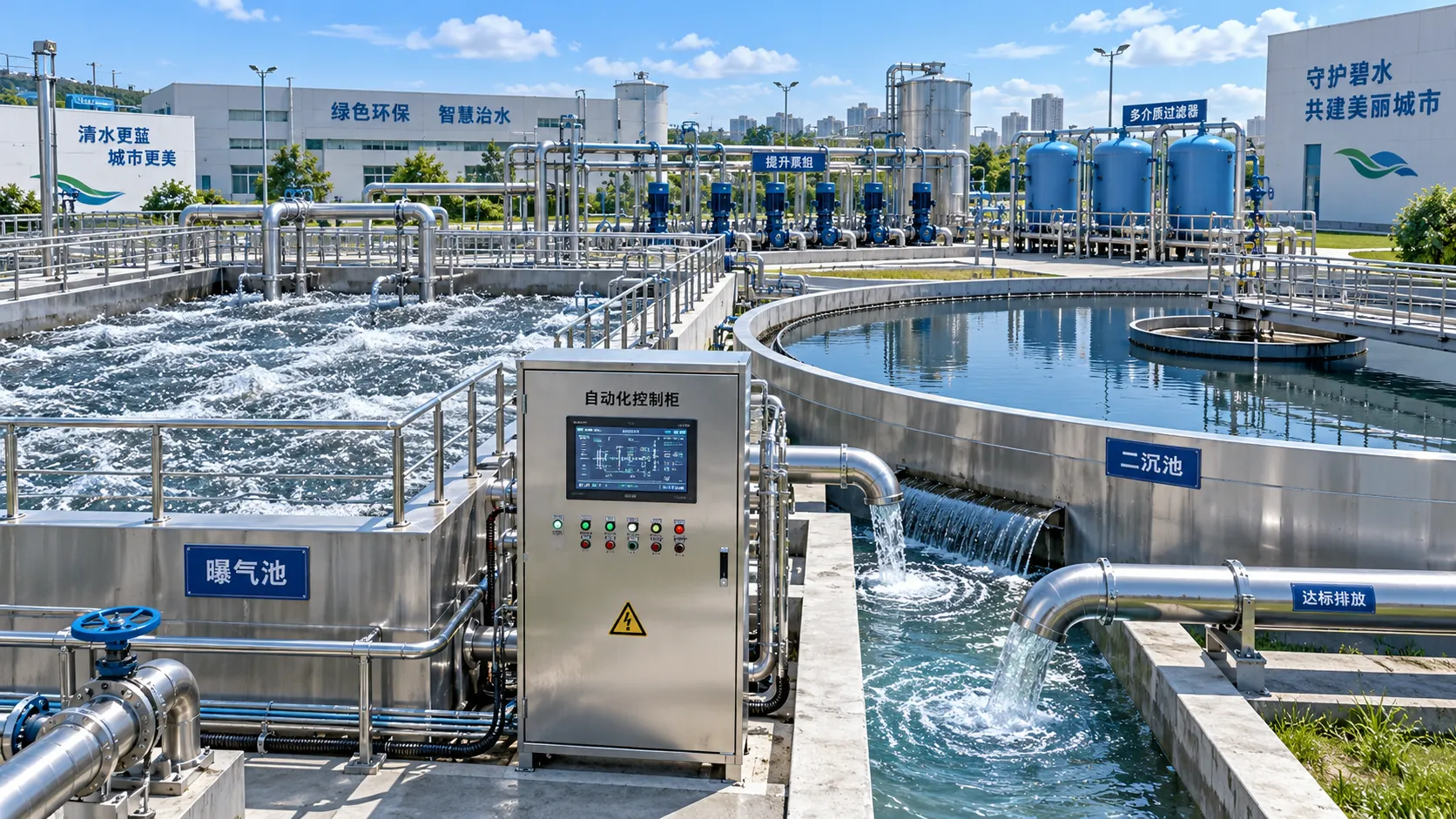
When Should Municipal Wastewater Plants Upgrade Treatment Capacity and Controls?
Municipal wastewater treatment upgrades: learn when capacity, controls, and resilient planning are needed to protect compliance and optimize plant performance.