
Industry News
Curation by industry experts
Hot Articles
Popular Tags
SCR Catalysts: When Performance Drops and What to Check First
When SCR Catalysts Start Slipping, the First Checks Matter More Than the Final Repair
SCR catalysts rarely lose efficiency without warning. In most operating lines, small shifts appear first in temperature, ammonia balance, pressure drop, or outlet NOx trends.
That is why early diagnosis matters across integrated environmental systems. A delayed response can affect compliance stability, fuel use, downstream cleaning loads, and maintenance planning at the same time.
For an intelligence platform such as ESD, flue gas treatment is not an isolated device topic. It sits beside water reuse, resource recovery, desalination, and nuclear safety as part of a wider reliability discipline.
In real operations, the first question is not whether SCR catalysts are underperforming. The better question is what changed in the operating scene before the drop became visible.
A low-temperature waste line, a high-dust boiler, and a unit exposed to variable sulfur loading will not show the same failure path. The checkpoints must follow that reality.
Why the Same SCR Catalysts Behave Differently in Different Operating Scenes
SCR catalysts work inside a narrow balance. Reaction temperature, gas distribution, fly ash properties, poisoning species, and ammonia injection all push performance in different directions.
The trouble is that many sites compare current data only against design values. That misses seasonal variation, fuel switching, and upstream equipment drift.
More practical evaluation starts with operating context. Has the flue gas become colder, dustier, wetter, or chemically less stable than before?
In heavy industrial bases, that context changes quickly. A tighter emissions target or a revised combustion strategy can move SCR catalysts outside their preferred reaction window without any hardware failure.
A quick comparison helps narrow the likely cause
In Low-Temperature Operation, Check the Reaction Window Before Blaming the Catalyst
One of the most common misreads is to assume the SCR catalysts are spent when outlet NOx rises in colder periods. Often the catalyst is still usable, but the gas is no longer inside the ideal reaction range.
This happens in lines affected by heat recovery changes, variable loads, or upstream desulfurization adjustments. The drop may begin as a process problem, not a material failure.
The first check is temperature uniformity, not just average temperature. A good average value can hide cold zones that sharply reduce local conversion.
The next point is ammonia slip. If injection rises to compensate for falling conversion, low temperature can encourage deposits such as ammonium bisulfate.
That changes the picture fast. Once deposits begin, the site may see both weaker NOx removal and a growing pressure drop, even when catalyst chemistry has not fundamentally collapsed.
- Compare inlet temperature maps, not single-point readings.
- Review recent changes in load cycling and heat exchanger duty.
- Track ammonia slip together with sulfate-related fouling signs.
- Inspect whether low-temperature SCR catalysts were specified for the present duty.
In High-Dust Service, Ash Buildup Often Looks Like Catalyst Aging
High-dust flue gas creates a different maintenance logic. Here, SCR catalysts may still have acceptable intrinsic activity, yet accessible surface area and flow channels are gradually blocked.
That distinction matters because replacement and cleaning lead to very different outage plans and cost outcomes. A pressure increase alone does not prove end-of-life.
More useful evidence comes from deposit distribution. Is ash uniform across the layer, heavier near edges, or concentrated around poor gas distribution zones?
In practice, soot-blowing performance and reactor flow balance deserve early review. When these drift, SCR catalysts may underperform in one sector while another sector remains relatively healthy.
This is also where ESD-style cross-system thinking helps. Combustion settings, particulate capture behavior, and downstream emission pressure all shape what looks like a simple catalyst issue.
What to separate during the first inspection
- Surface masking by ash versus irreversible chemical poisoning.
- Localized plugging versus full-layer deactivation.
- Flow maldistribution versus poor ammonia mixing.
- Cleaning opportunity versus true catalyst replacement need.
When Fuel Chemistry Shifts, Poisoning Can Overtake Mechanical Fouling
Not every performance drop is visible as dust or blockage. Some of the most damaging SCR catalysts failures come from alkali metals, arsenic, phosphorus, heavy metals, or sulfur-related interactions.
This becomes more relevant where fuels, waste-derived feedstocks, or process residues are less stable. Resource recovery and diversified combustion systems often face that kind of variability.
A common mistake is to keep tuning ammonia injection while the active sites are being poisoned. That only delays diagnosis and can raise ammonia slip at the same time.
The better approach is to compare recent fuel or feed changes against catalyst sample analysis. If the chemistry shifted before the efficiency drop, poisoning should move higher on the checklist.
In these situations, the most useful question is not whether SCR catalysts can still convert NOx under perfect test conditions. It is whether they can still do so under the current contaminant profile.
Flow Distribution Problems Usually Hide Behind Acceptable Average Data
Some underperforming SCR catalysts are neither badly fouled nor badly poisoned. The real problem is uneven gas flow or uneven ammonia distribution across the reactor face.
This is more common than many teams expect, especially after duct changes, baffle wear, burner adjustments, or upstream equipment retrofits.
Average reactor data can look stable while one zone is overloaded and another is underused. That creates a misleading picture of partial catalyst failure.
The first checks should include velocity profile, temperature profile, and ammonia-to-NOx distribution. If these are uneven, catalyst activity readings may be only part of the story.
In actual field work, this is often the turning point between repeated short-term fixes and a durable correction plan.
Misjudgments That Delay Recovery
The first misjudgment is treating all SCR catalysts the same once NOx rises. Different catalyst formulations respond very differently to low temperature, sulfur exposure, and trace poisons.
Another common error is focusing on purchase age instead of operating history. A younger layer can fail early if the gas profile changed sharply.
Sites also lose time by checking only one variable at a time. Temperature, ammonia slip, ash loading, and flow balance interact, so isolated readings can mislead.
A final blind spot is ignoring the upstream process. SCR catalysts often reveal instability that started earlier in combustion, desulfurization, dust control, or fuel handling.
A More Reliable Next Step Starts With Structured Field Review
The most effective response is usually a short, structured review rather than a fast replacement decision. That review should connect process data, physical inspection, and catalyst condition evidence.
In practical terms, start by grouping the problem into one of four paths: thermal mismatch, ash-related masking, chemical poisoning, or distribution failure.
Then compare present operating conditions with the period when SCR catalysts last met target performance. That simple baseline often reveals the hidden shift.
Where the operating environment is complex, ESD-style intelligence is useful because compliance, process chemistry, and equipment reliability need to be read together, not in isolation.
A sensible next move is to map current scene conditions, confirm key limits, and define which measurements must be verified before shutdown planning begins. That reduces downtime and improves the odds of a lasting fix.
Recommended News
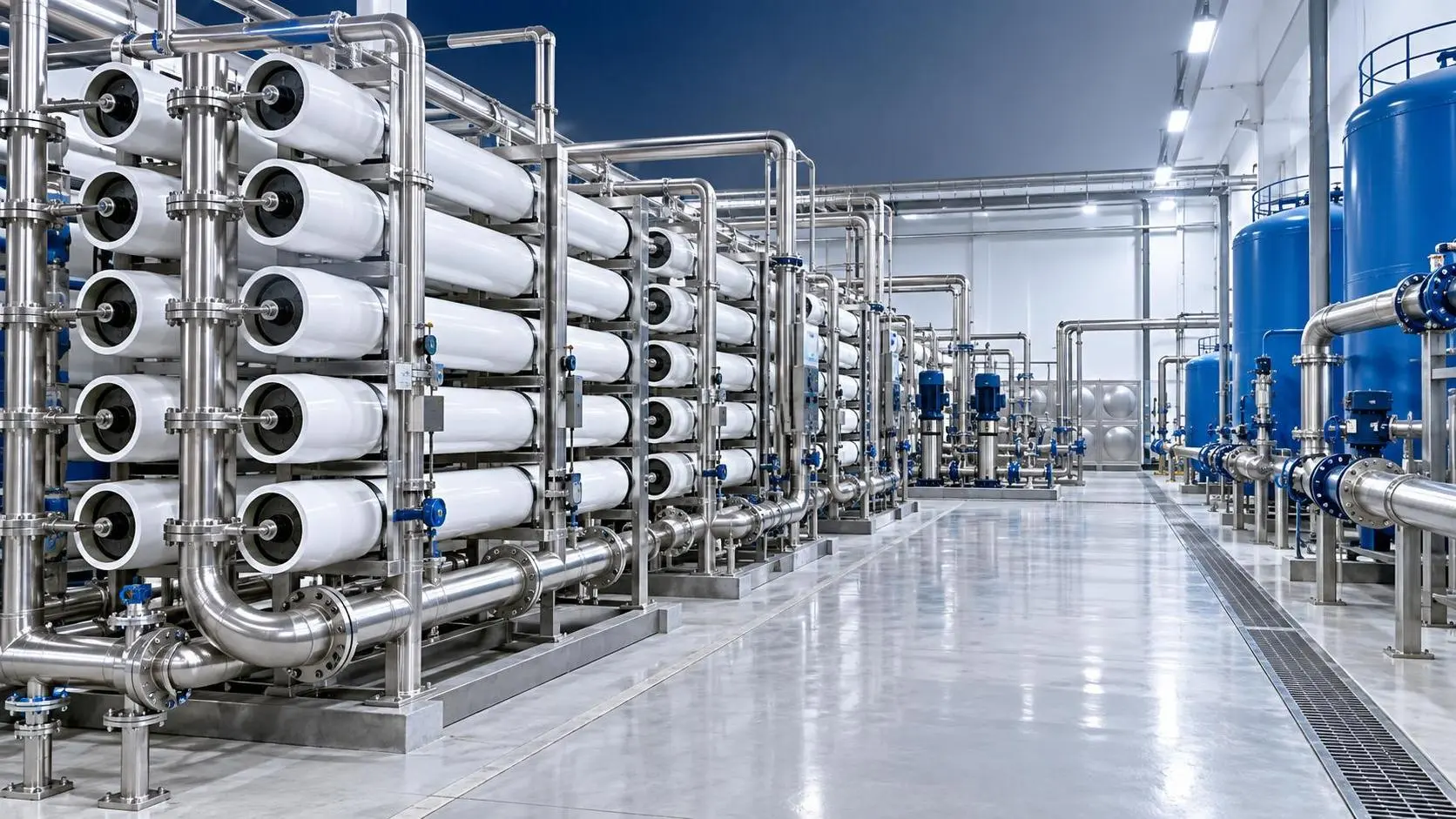
When high flux membrane water treatment justifies a larger footprint
High flux membrane water treatment can justify a larger footprint when variable feedwater, fouling risk, and uptime demands require resilient, lower-flux operation.
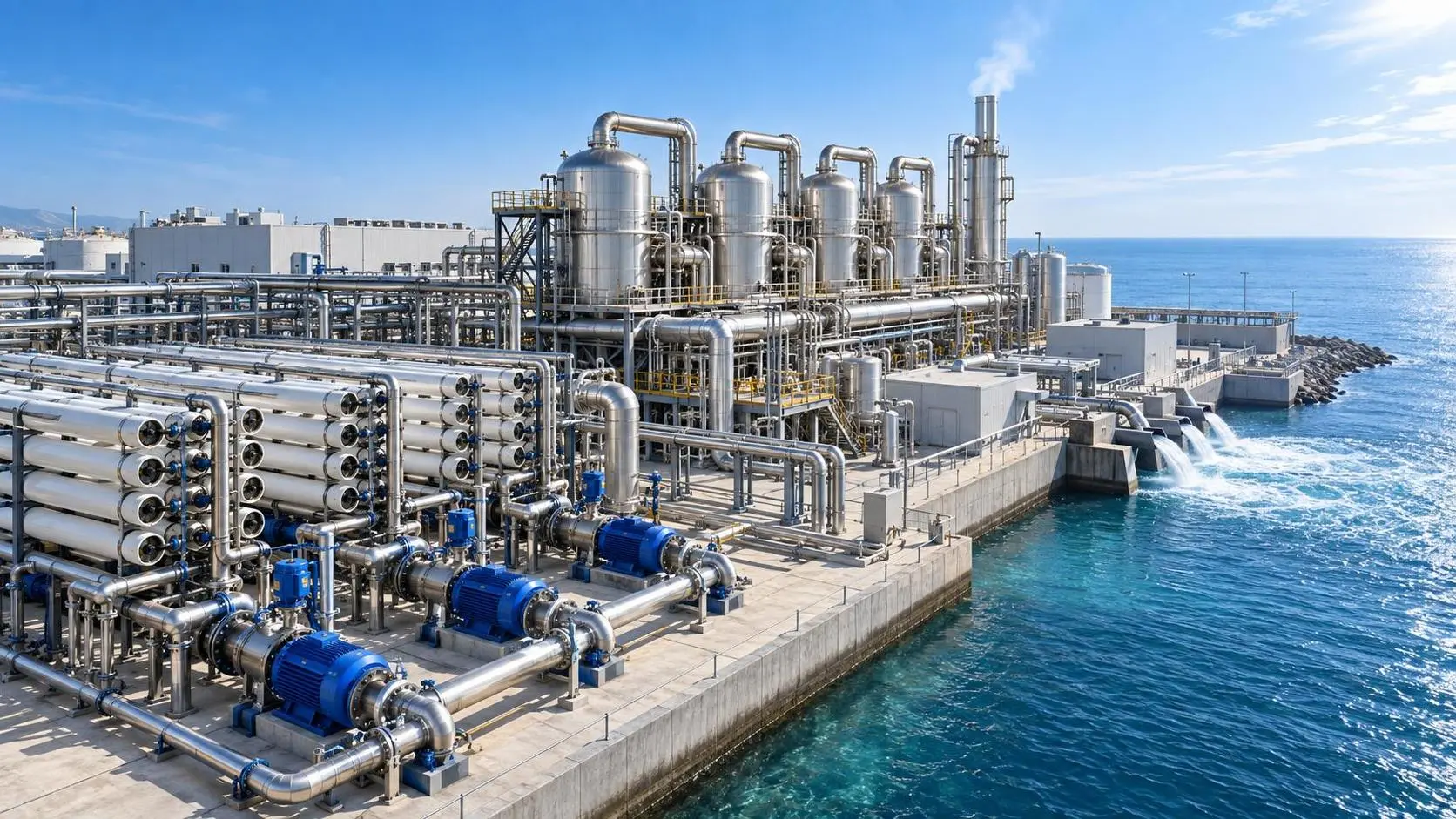
RO vs MED desalination: which is more energy-efficient at scale?
Desalination technology comparison: RO vs MED at scale. See how energy use, waste heat, feedwater, carbon, and flexibility determine the best choice.
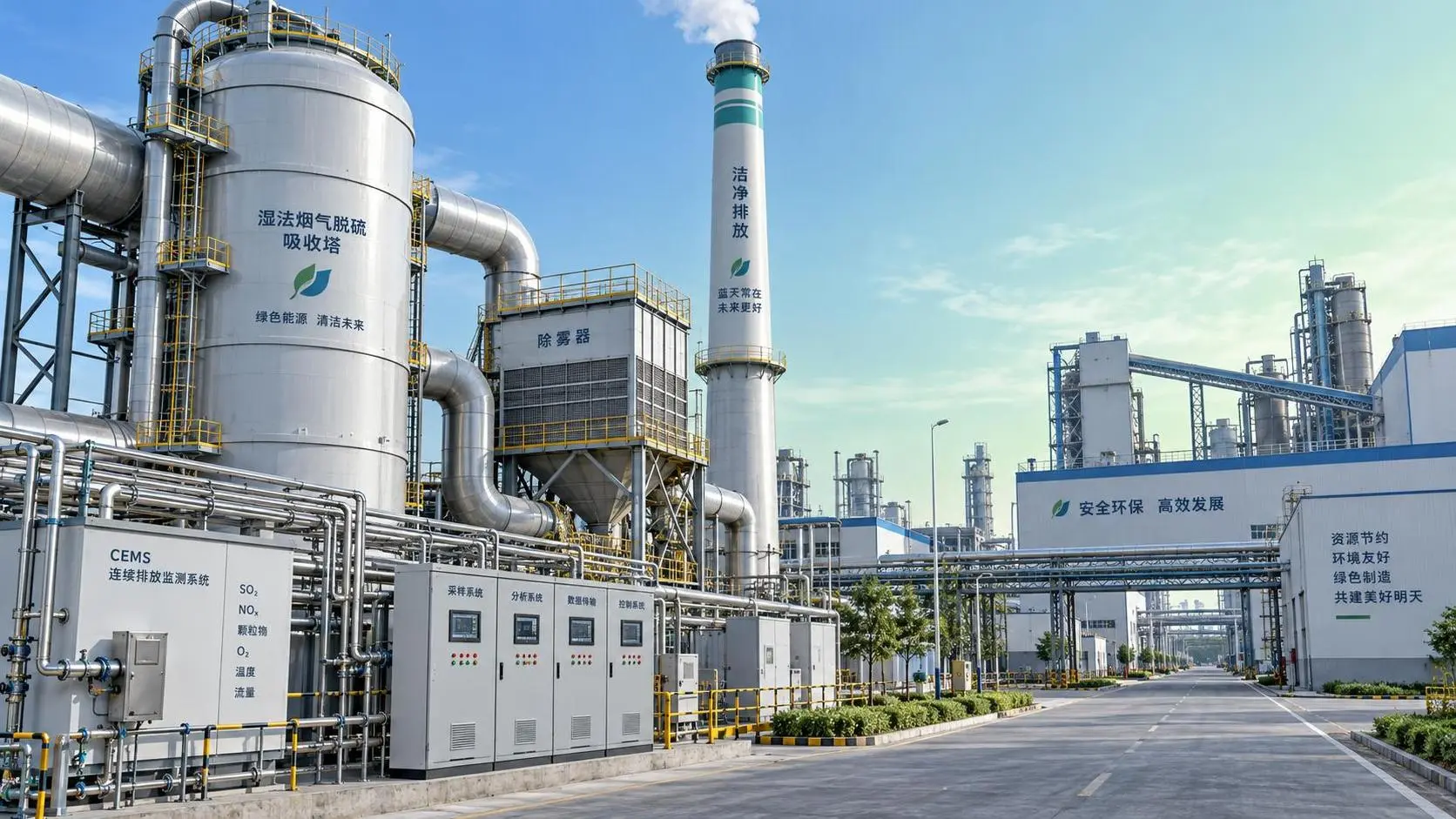
Which ISO standards apply to flue gas treatment systems?
Flue gas treatment systems ISO standards: explore key requirements for emissions testing, CEMS, safety, fabrication, corrosion control, and compliant project evaluation.

When corrosion resistant purification systems are needed for brine treatment
Corrosion resistant purification systems for brine treatment: assess chloride, heat, scaling, materials, and lifecycle reliability for demanding water projects.

How preventive maintenance reduces seawater desalination equipment downtime
Seawater desalination equipment maintenance reduces downtime through proactive monitoring, pretreatment protection, and planned repairs. Explore practical strategies for reliable RO performance.
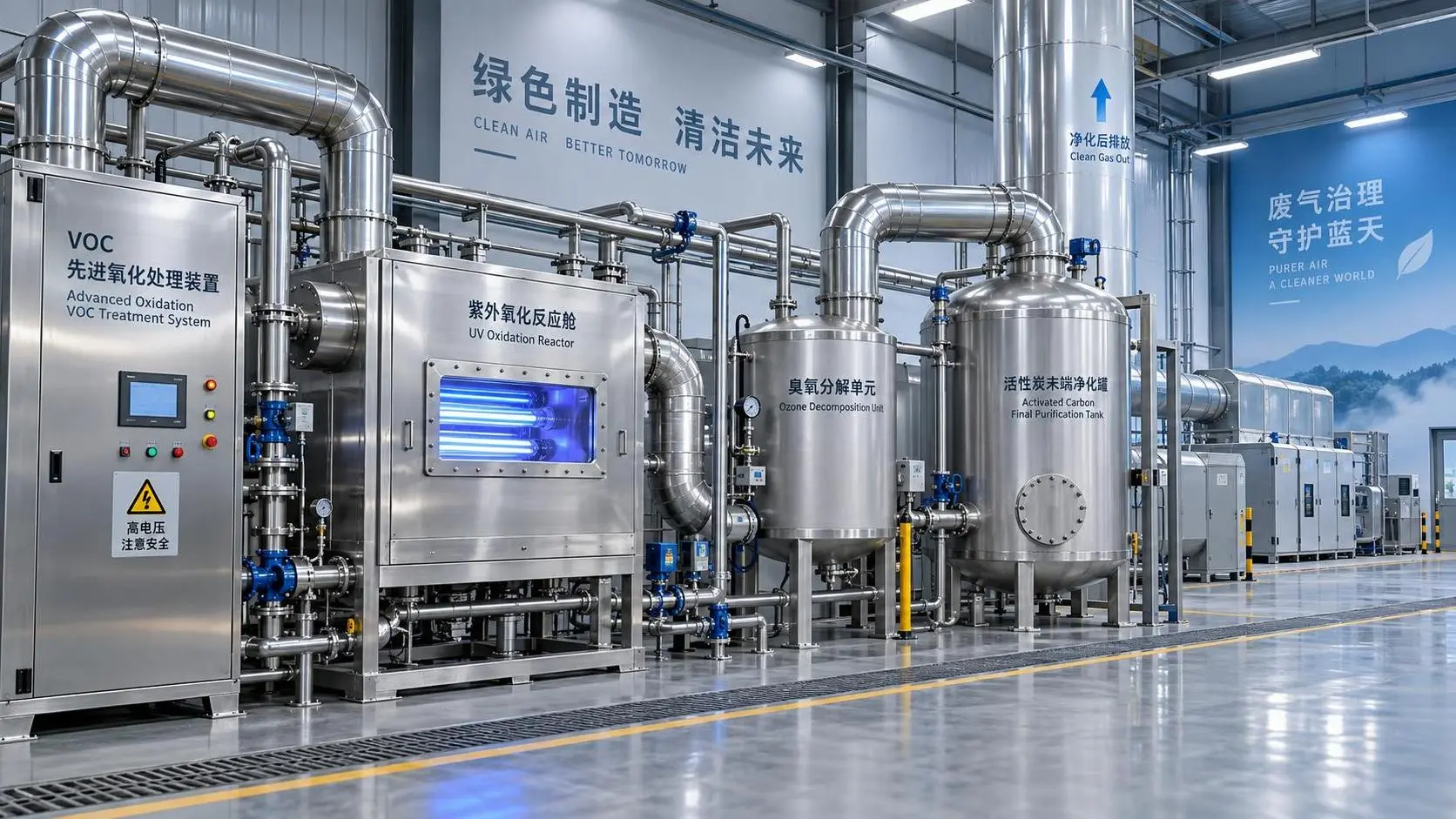
When are advanced oxidation processes the right choice for VOC control?
Advanced oxidation processes for VOC control: learn when AOPs outperform conventional options, manage by-products, and achieve reliable compliance.
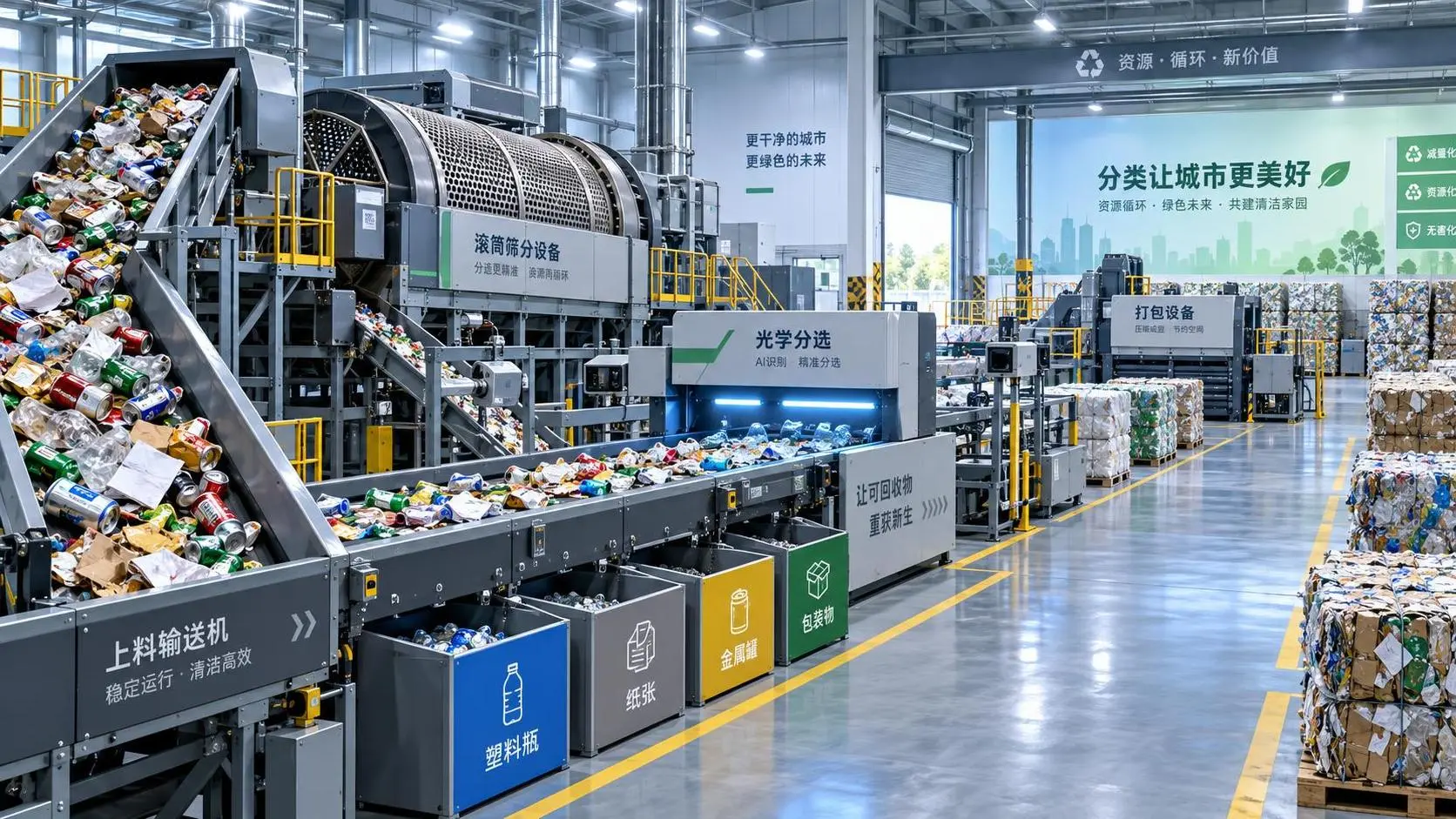
What throughput should municipal waste sorting equipment deliver?
Waste sorting equipment for municipal waste: learn how to set reliable throughput based on peak loads, material quality, uptime, and recovery targets.
What carbon neutrality means for corporate investment decisions
Carbon neutrality is transforming corporate investment decisions. Explore how lifecycle economics, efficiency, compliance, and resilience can drive measurable returns and lasting advantage.
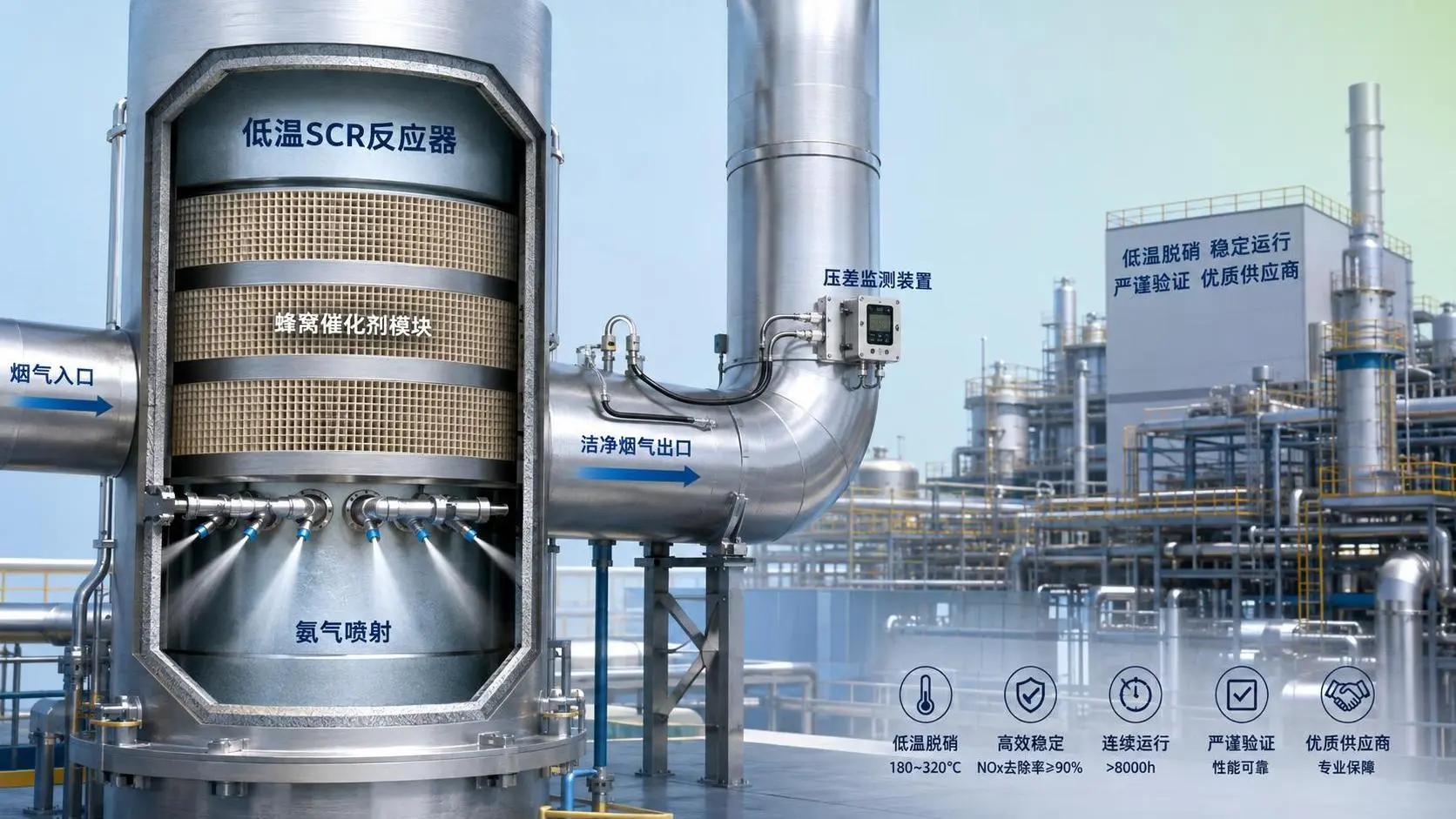
What to verify before choosing a low temperature SCR supplier
Low temperature SCR supplier checklist: verify catalyst temperature range, sulfur resistance, ammonia slip, pressure drop, lifecycle cost, and support before award.