
Industry News
Curation by industry experts
Hot Articles
Popular Tags
Government Projects Pipeline 2026: Where Industrial Demand Is Growing
Government projects are redrawing the industrial map for 2026
Government projects moving into 2026 are no longer spread evenly across industrial categories.
Public capital is concentrating around assets tied to compliance, water security, resource resilience, and emissions accountability.
That shift matters because industrial demand now follows policy architecture as much as traditional growth cycles.
In practical terms, the most active government projects are those solving pressure points governments cannot postpone.
These include wastewater overload, desalination gaps, landfill constraints, air pollution liabilities, and long-horizon nuclear waste obligations.
Across many regions, procurement pipelines are becoming larger, more technical, and more selective.
This is where industrial intelligence becomes useful.
ESD has been tracking this environmental infrastructure layer as an ecological immune system for industrial civilization.
That perspective helps explain why some government projects are accelerating while others remain stuck in planning.
The strongest demand signals are appearing in hard-need environmental systems
From recent bidding activity, one pattern stands out.
Government projects with measurable environmental outputs are gaining priority over broad industrial modernization programs.
The demand is especially visible in five areas that already shape ESD’s long-range coverage.
- Large water treatment plants, especially upgrades for industrial wastewater, nutrient removal, and ZLD-linked systems.
- Seawater desalination, where coastal stress and drought planning are pushing larger public infrastructure commitments.
- Solid waste recovery systems, including AI sorting, waste-to-resource platforms, and thermal recovery lines.
- Flue gas treatment retrofits for power, cement, metals, and other emissions-intensive sectors.
- Nuclear waste management, where safety rules and long-term storage plans continue to expand technical procurement needs.
These are not isolated categories.
They are increasingly linked through carbon policy, industrial permitting, public health mandates, and infrastructure resilience planning.
Why this change is becoming more visible now
The expansion of government projects is being driven by a tighter mix of regulation, climate exposure, and fiscal targeting.
More importantly, these drivers are reinforcing one another.
This also explains why technical specifications are becoming more demanding.
Governments want projects that remain compliant under future standards, not only current ones.
Water and desalination pipelines are moving from optional to strategic
Water treatment is now one of the clearest growth lanes in government projects.
Municipal systems still matter, but industrial water programs are drawing more strategic attention.
That includes high-salinity wastewater, reuse networks, sludge minimization, and ZLD-oriented upgrades.
Desalination is following a similar path.
In coastal regions, government projects increasingly treat desalination as base infrastructure rather than emergency supply.
The business implication is not only larger plants.
It is also more scrutiny around membrane durability, pretreatment stability, energy intensity, and brine management.
ESD’s focus on SWRO membrane evolution is relevant here because specifications are shifting below the headline project value.
Winning positioning often depends on understanding these hidden performance thresholds early.
Waste recovery and flue gas systems are gaining a different kind of urgency
Another signal is that waste and emissions projects are no longer judged only as environmental obligations.
They are being reframed as resource security and industrial continuity assets.
For solid waste, this means government projects are favoring systems that recover value, not merely reduce volume.
AI sorting, urban mining, organics recovery, and pyrolysis-linked infrastructure are attracting more public interest.
For flue gas treatment, the urgency is tied to harder emissions baselines and industrial permit risk.
Upgrades in SCR, FGD, particulate control, and low-temperature catalyst performance are becoming more common in government projects.
What looks like a compliance spend on paper often functions as a license-to-operate investment in reality.
That distinction affects both valuation and timing.
The impact is spreading beyond equipment into project structure
A useful mistake is to read government projects only through equipment categories.
The deeper change is in how projects are defined, financed, and qualified.
- Tender documents are placing more weight on lifecycle efficiency than on initial capital cost alone.
- Prequalification is increasingly tied to reference cases, data traceability, and regulatory adaptation capacity.
- Cross-discipline integration is becoming standard, especially where water, waste, and emissions issues overlap.
- Operational reliability is being priced more aggressively in high-risk public infrastructure contracts.
This is why intelligence-led evaluation matters before a tender is formally issued.
By the time procurement starts, many strategic decisions have already been embedded in the project frame.
What deserves closer attention before these pipelines mature
Not every announced project will convert at the same pace.
The strongest government projects usually share a few practical markers.
- A direct link to regulation, utility reliability, or public safety.
- Clear funding visibility, including sovereign, municipal, or blended finance support.
- Technical urgency, such as aging treatment assets or rising non-compliance exposure.
- Defined performance metrics rather than broad sustainability language.
- Regional pressure from drought, waste saturation, industrial emissions, or energy transition plans.
Nuclear waste management also fits this pattern, although on a slower and more specialized timeline.
Its government projects tend to move cautiously, but once committed, they demand exceptional technical depth and continuity.
A practical reading of 2026 demand starts with scenario discipline
The next phase will reward close reading, not broad optimism.
Industrial demand linked to government projects is expanding, but it is expanding selectively.
The most promising pipelines sit where environmental necessity, technical feasibility, and public capital meet.
That makes water treatment, desalination, resource recovery, flue gas treatment, and nuclear waste systems especially important to watch.
A sensible next step is to map project signals against regulation, specification depth, and local infrastructure pressure.
Then compare where demand is merely announced and where it is technically preparing to move.
That is usually where the real value in government projects begins to separate from the noise.
Recommended News
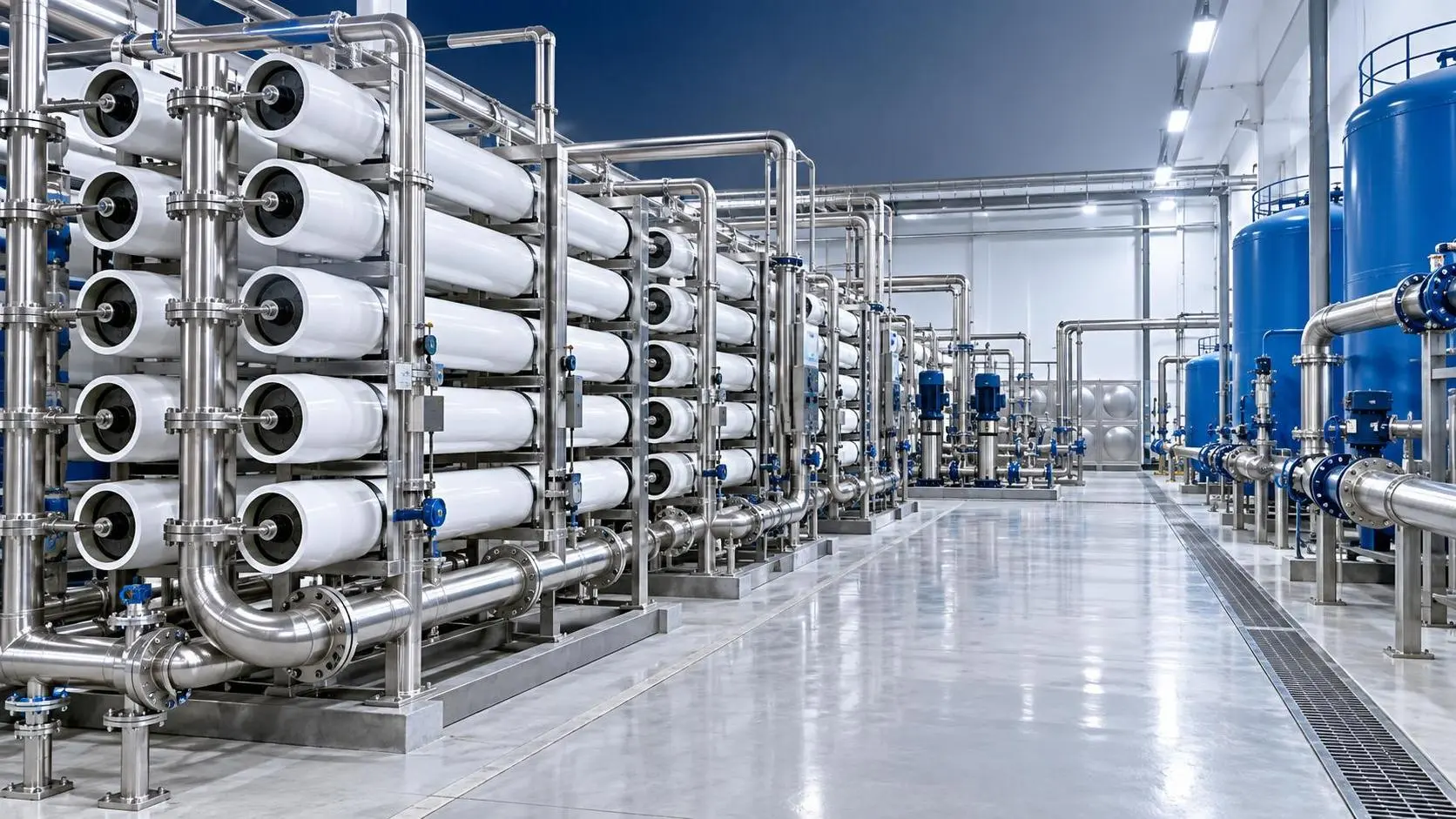
When high flux membrane water treatment justifies a larger footprint
High flux membrane water treatment can justify a larger footprint when variable feedwater, fouling risk, and uptime demands require resilient, lower-flux operation.
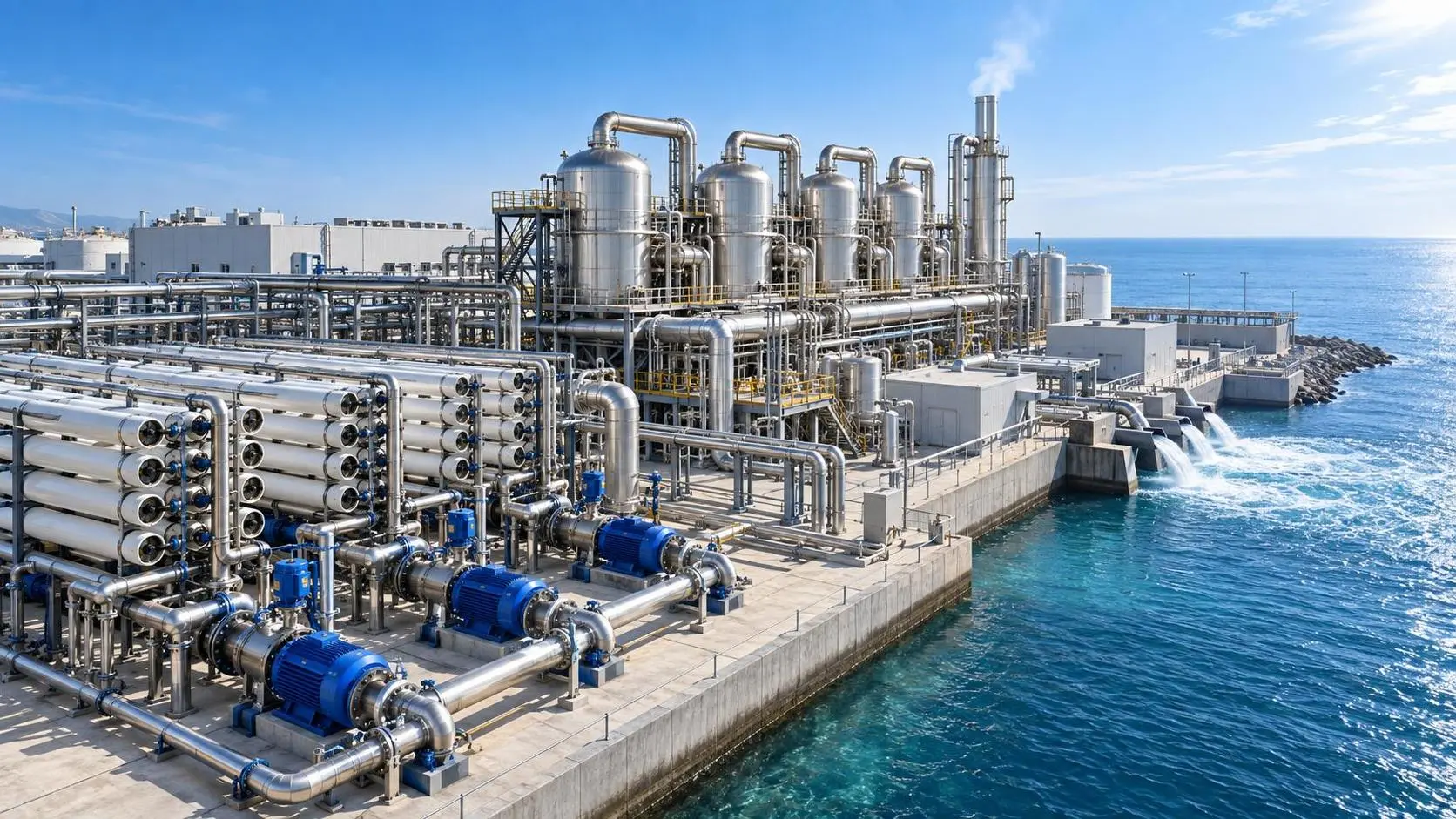
RO vs MED desalination: which is more energy-efficient at scale?
Desalination technology comparison: RO vs MED at scale. See how energy use, waste heat, feedwater, carbon, and flexibility determine the best choice.
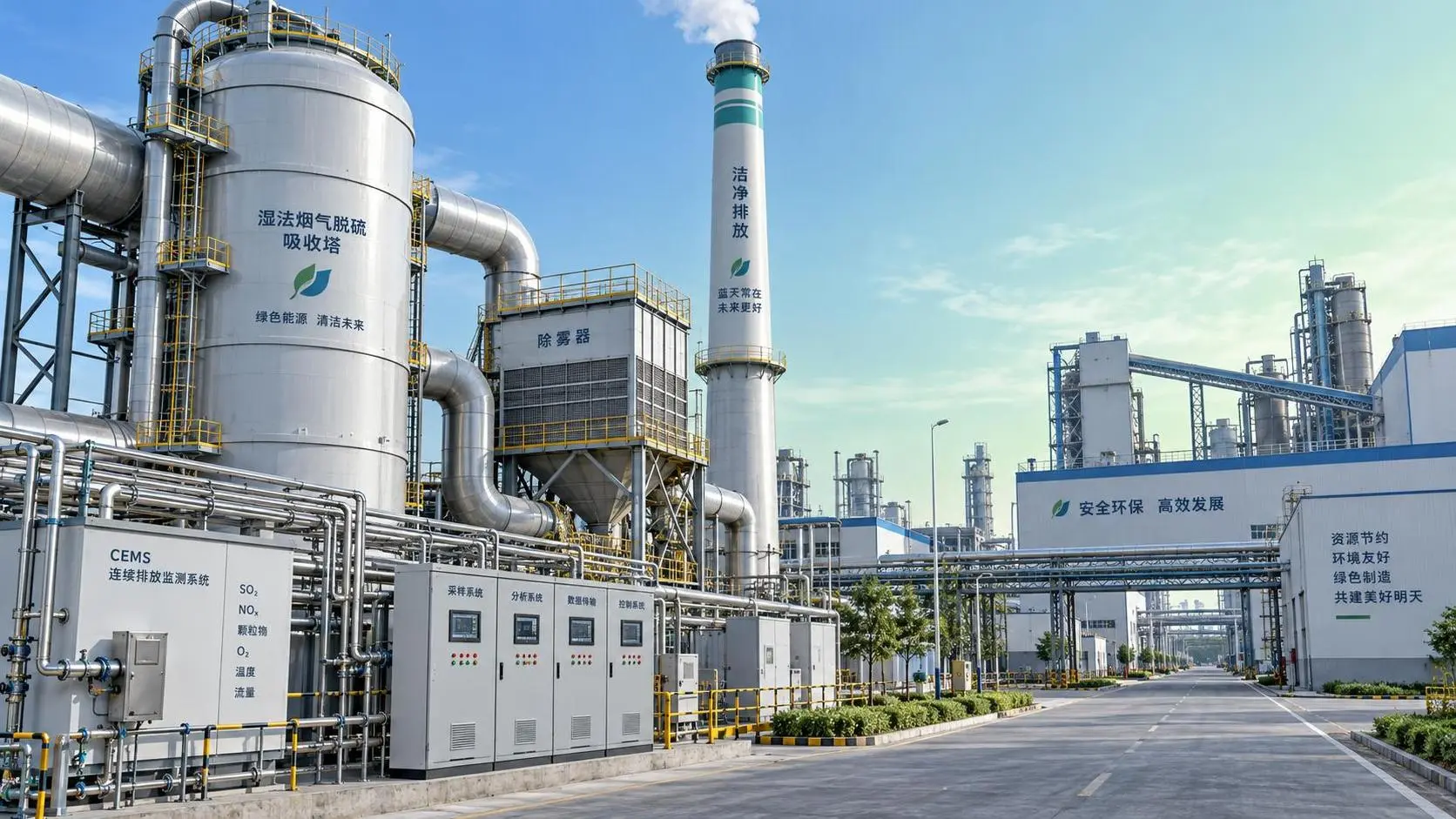
Which ISO standards apply to flue gas treatment systems?
Flue gas treatment systems ISO standards: explore key requirements for emissions testing, CEMS, safety, fabrication, corrosion control, and compliant project evaluation.

When corrosion resistant purification systems are needed for brine treatment
Corrosion resistant purification systems for brine treatment: assess chloride, heat, scaling, materials, and lifecycle reliability for demanding water projects.

How preventive maintenance reduces seawater desalination equipment downtime
Seawater desalination equipment maintenance reduces downtime through proactive monitoring, pretreatment protection, and planned repairs. Explore practical strategies for reliable RO performance.
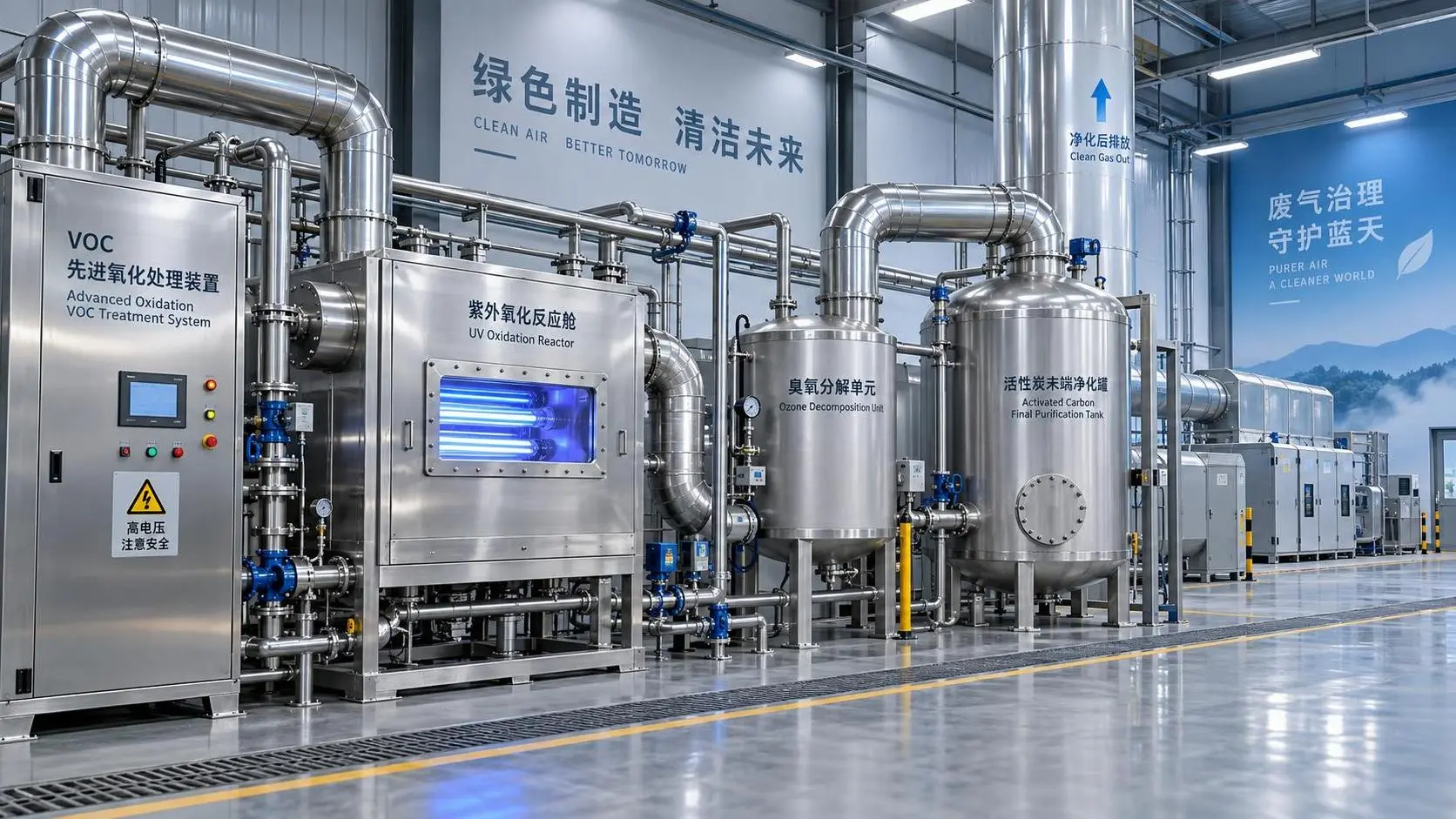
When are advanced oxidation processes the right choice for VOC control?
Advanced oxidation processes for VOC control: learn when AOPs outperform conventional options, manage by-products, and achieve reliable compliance.
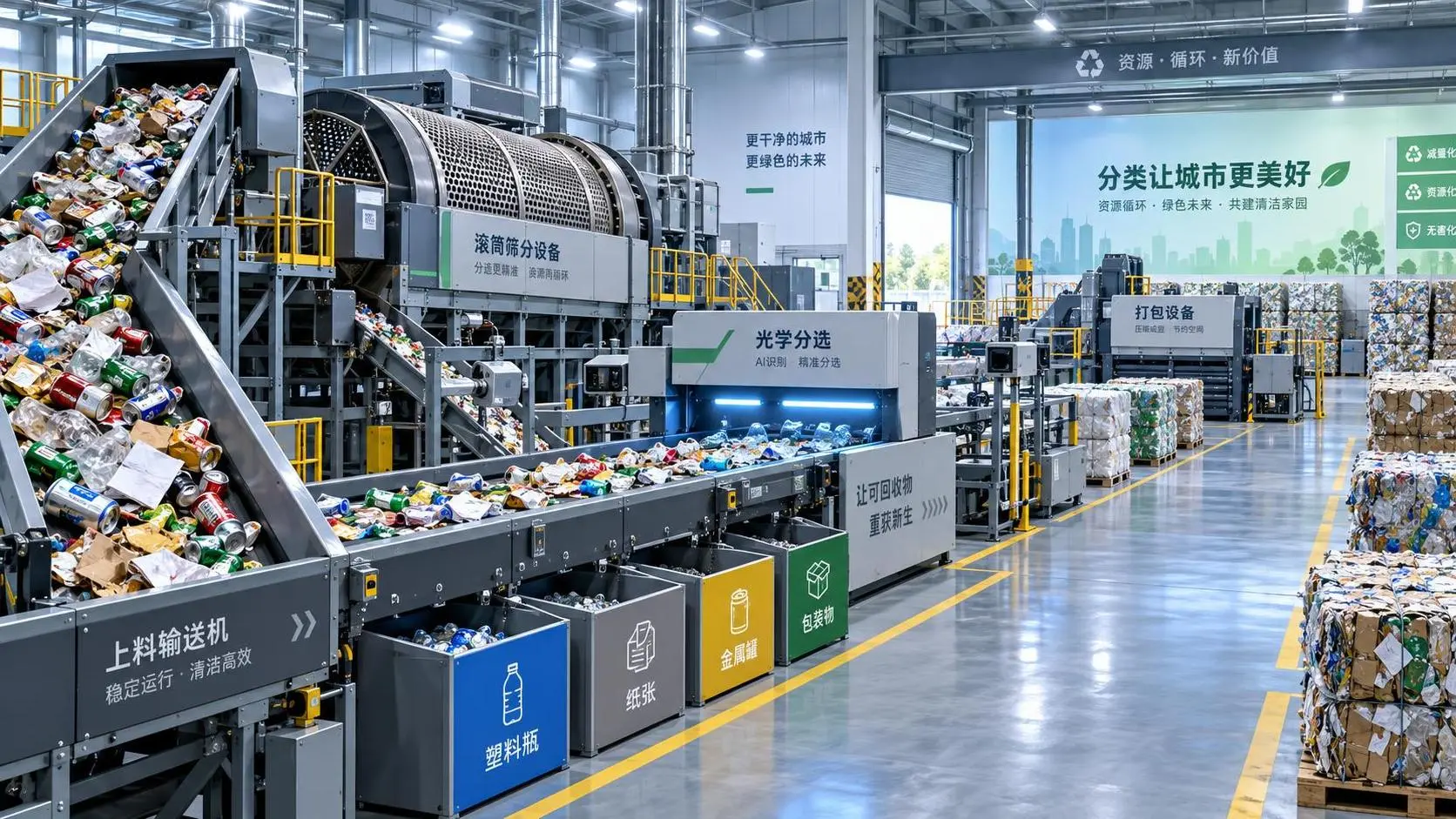
What throughput should municipal waste sorting equipment deliver?
Waste sorting equipment for municipal waste: learn how to set reliable throughput based on peak loads, material quality, uptime, and recovery targets.
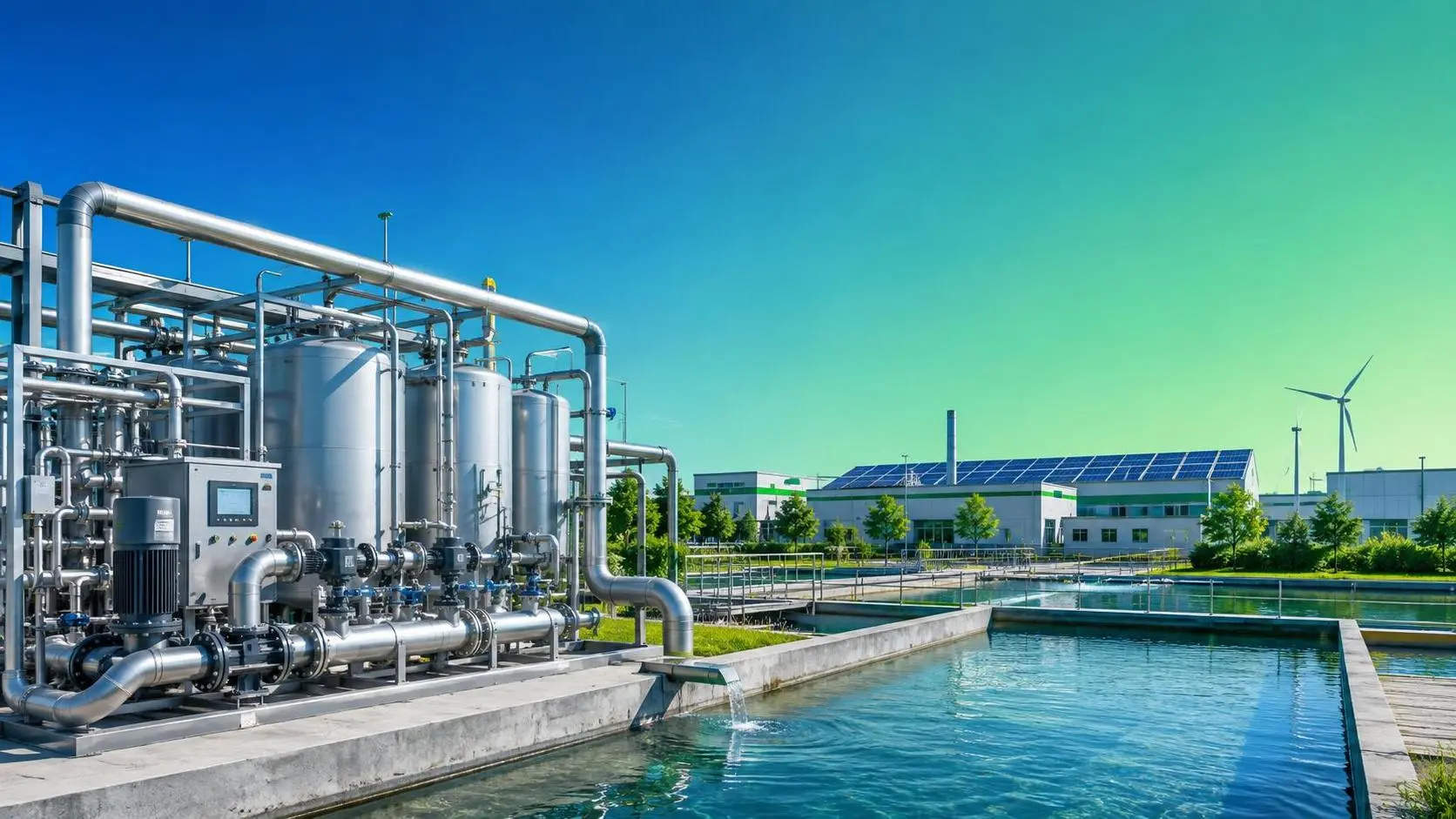
What carbon neutrality means for corporate investment decisions
Carbon neutrality is transforming corporate investment decisions. Explore how lifecycle economics, efficiency, compliance, and resilience can drive measurable returns and lasting advantage.
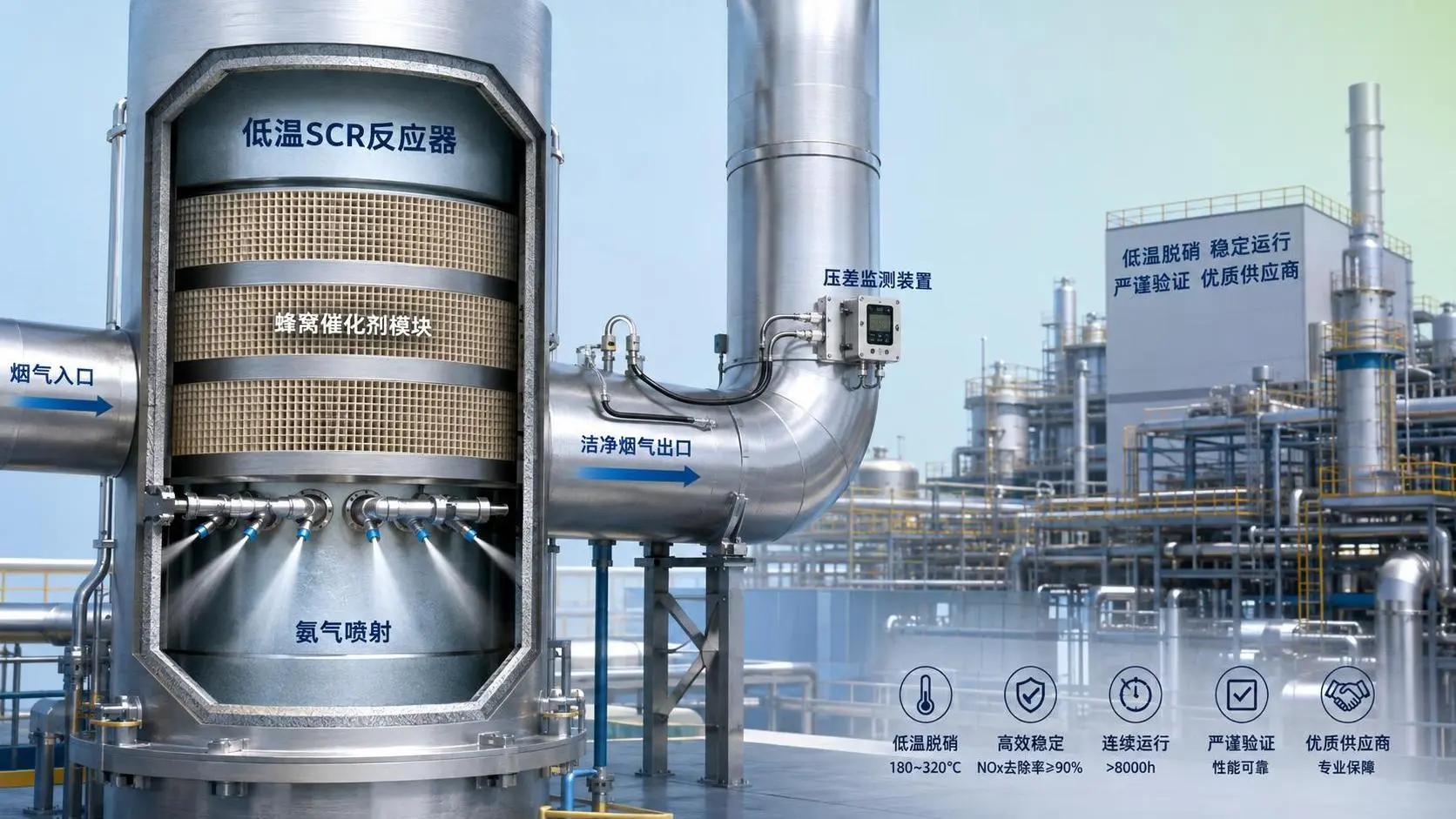
What to verify before choosing a low temperature SCR supplier
Low temperature SCR supplier checklist: verify catalyst temperature range, sulfur resistance, ammonia slip, pressure drop, lifecycle cost, and support before award.