
Industry News
Curation by industry experts
Hot Articles
Popular Tags
Environmental Regulations Impact Assessment: Key Compliance Risks
Why is environmental regulations impact assessment now an operational priority?
Environmental regulations impact assessment has moved far beyond legal paperwork.
For complex treatment systems, compliance now affects uptime, tender eligibility, export access, and insurance confidence.
This is especially true in water treatment, waste recovery, flue gas control, desalination, and nuclear waste management.
In these sectors, one missed discharge limit or traceability gap can interrupt an entire project chain.
A practical environmental regulations impact assessment asks a simple question.
Which regulation change can alter process stability, documentation duties, inspection exposure, or market access?
That is why intelligence-led platforms such as ESD are gaining attention.
Their value is not only in tracking headlines, but in translating rules into equipment and process implications.
For example, a new solids recovery standard may affect pyrolysis residue handling, lab testing frequency, and contractor qualifications.
A carbon-linked trade mechanism may also reshape supplier selection, validation records, and project costing.
In real operations, environmental regulations impact assessment works best when it is tied to process control and audit readiness.
What should be included in a useful environmental regulations impact assessment?
A useful review is never just a list of laws.
It should connect each requirement to a physical process, a responsible document, and a measurable control point.
The more technical the facility, the more important this mapping becomes.
- Identify applicable emissions, discharge, storage, transport, and reporting obligations.
- Match obligations to equipment such as ZLD units, SWRO systems, scrubbers, sorting lines, or vitrification processes.
- Check operating parameters that influence compliance, including temperature, pH, salinity, residence time, and residue composition.
- Review permits, calibration records, sampling methods, change logs, and contractor controls.
- Assess cross-border impacts, especially where CBAM, product declarations, or hazardous shipment rules apply.
Need a quick rule of thumb?
If a requirement can influence design, operation, transport, or disposal, it belongs in the assessment.
That includes indirect issues such as membrane replacement waste, catalyst handling, and sludge classification.
The table below helps turn broad compliance questions into review actions.
Where do compliance risks usually hide in high-impact environmental systems?
Most failures do not begin with a dramatic accident.
They usually start with small mismatches between what the permit assumes and what the site actually does.
In wastewater projects, the risk may sit in bypass events, brine concentration, or sludge testing intervals.
In waste recovery, it often appears in residue classification, feedstock variability, and outbound traceability.
Desalination adds another layer through brine discharge rules, marine impact limits, and energy-linked reporting.
Nuclear waste systems face even tighter controls around storage integrity, documentation continuity, and long-life containment evidence.
More common than technical failure is documentation failure.
A plant may operate within limits, yet still fail an inspection because sampling methods were inconsistent.
Another frequent issue is unmanaged change.
A new membrane, catalyst, reagent, or sorting algorithm can change compliance conditions without triggering formal review.
That is where environmental regulations impact assessment becomes a living control tool rather than a one-time report.
How can you tell whether the risk is technical, documentary, or strategic?
A useful assessment separates risk by failure mode.
That makes corrective action faster and budget decisions more realistic.
Technical risk
This appears when equipment performance can no longer guarantee the permitted limit.
Examples include unstable SCR conversion, poor brine handling, or vitrification deviations affecting waste form stability.
Documentary risk
This appears when evidence cannot prove compliance clearly.
Missing calibration history, inconsistent manifests, and unclear operator signoff belong here.
Strategic risk
This is broader and often underestimated.
It includes future regulation shifts, export restrictions, tender disqualification, and carbon-accounting exposure.
ESD’s intelligence model is useful here because it connects regulation signals with technical evolution.
For instance, membrane nanostructure trends or low-temperature catalyst behavior may indicate future compliance pressure before rules formally tighten.
A balanced environmental regulations impact assessment should score all three risk types, not just the most visible one.
What mistakes make environmental regulations impact assessment less reliable?
One major mistake is copying a generic checklist from another facility.
A municipal sewage plant, a desalination complex, and a radioactive waste unit do not share the same compliance logic.
Another mistake is treating permits as static.
In practice, operating chemistry, throughput, feed variation, and contractor substitution all change the compliance picture.
It is also risky to focus only on end-of-pipe numbers.
Many violations begin upstream with storage, handling, sampling, labeling, or transfer steps.
- Do not ignore contractor activities that affect waste classification or emissions data.
- Do not assume digital records are complete without version control and timestamp integrity.
- Do not separate engineering change from compliance review.
- Do not wait for annual audits to discover process drift.
More mature teams review environmental regulations impact assessment after incidents, modifications, and major procurement changes.
That rhythm is usually more effective than relying on calendar-based reviews alone.
What does a practical next-step plan look like?
If the goal is stronger compliance control, start with a short, site-specific reset.
Map the top five regulatory obligations to the top five operational failure points.
Then test whether each point has current evidence, named ownership, and a trigger for reassessment.
Where systems are technically advanced, use external intelligence to avoid blind spots.
That includes watching cross-border policy shifts, carbon-linked trade rules, and equipment-specific compliance trends.
For many operators, the strongest environmental regulations impact assessment is the one linked to daily control, supplier review, and change management.
The point is not to create more paperwork.
The point is to detect where legal change can quietly become technical risk, commercial delay, or reputational damage.
A solid next step is to compare current permits, monitoring routines, and modification records against the latest sector intelligence.
That comparison often shows whether improvement is needed in process design, evidence quality, or strategic planning.
When environmental regulations impact assessment is handled this way, compliance becomes more predictable and project continuity becomes easier to protect.
Recommended News

When high flux membrane water treatment justifies a larger footprint
High flux membrane water treatment can justify a larger footprint when variable feedwater, fouling risk, and uptime demands require resilient, lower-flux operation.
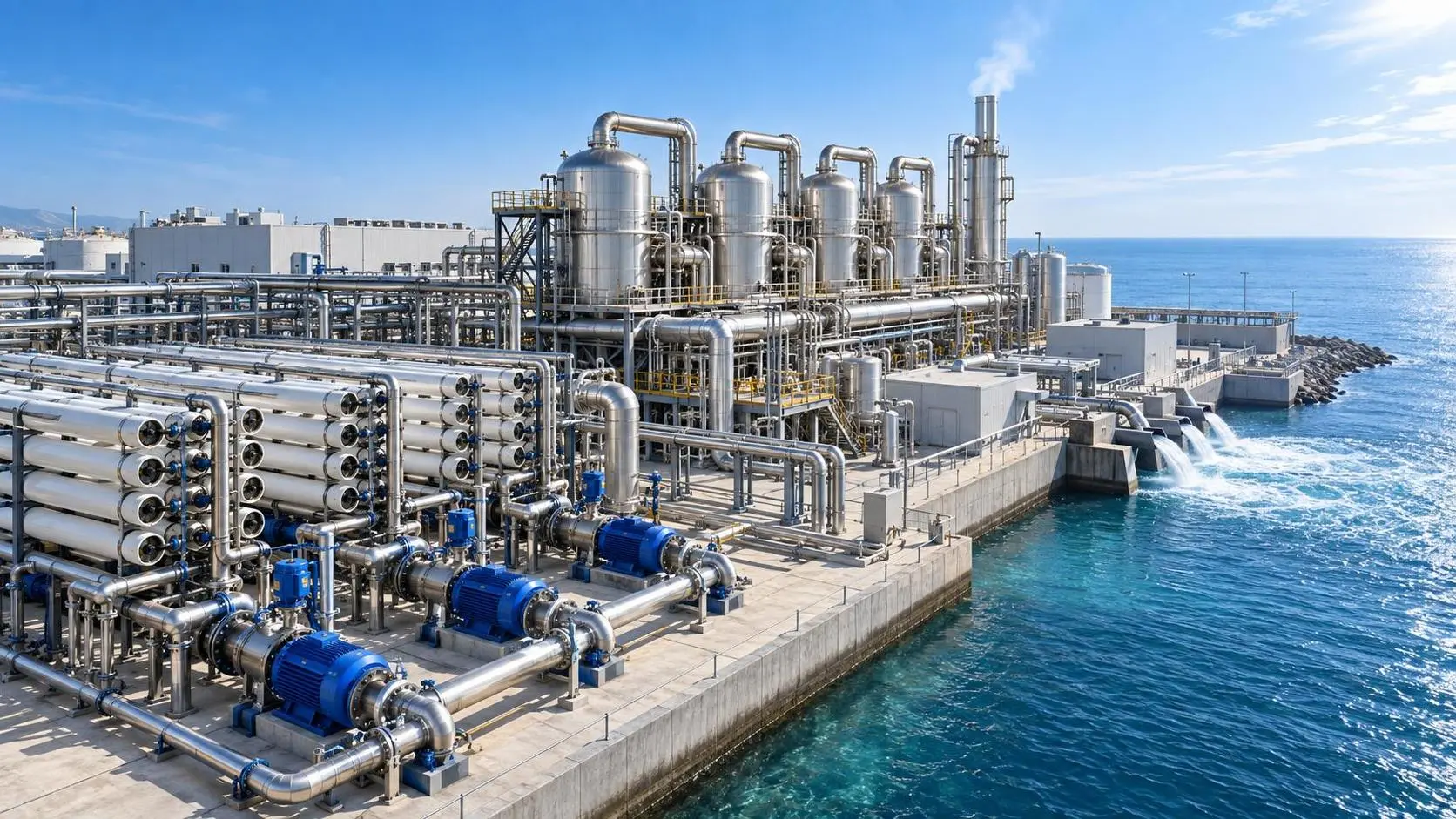
RO vs MED desalination: which is more energy-efficient at scale?
Desalination technology comparison: RO vs MED at scale. See how energy use, waste heat, feedwater, carbon, and flexibility determine the best choice.
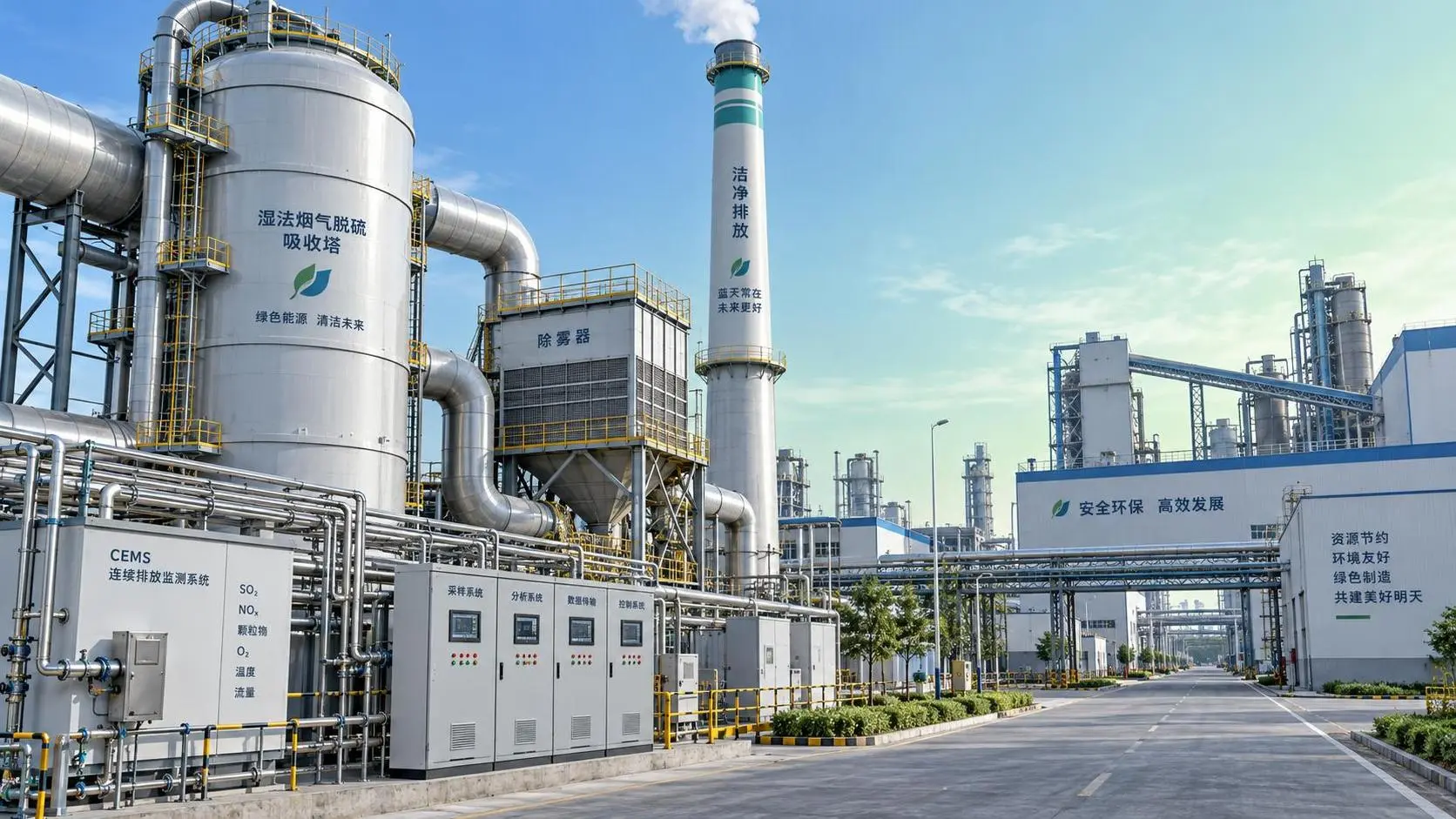
Which ISO standards apply to flue gas treatment systems?
Flue gas treatment systems ISO standards: explore key requirements for emissions testing, CEMS, safety, fabrication, corrosion control, and compliant project evaluation.

When corrosion resistant purification systems are needed for brine treatment
Corrosion resistant purification systems for brine treatment: assess chloride, heat, scaling, materials, and lifecycle reliability for demanding water projects.

How preventive maintenance reduces seawater desalination equipment downtime
Seawater desalination equipment maintenance reduces downtime through proactive monitoring, pretreatment protection, and planned repairs. Explore practical strategies for reliable RO performance.
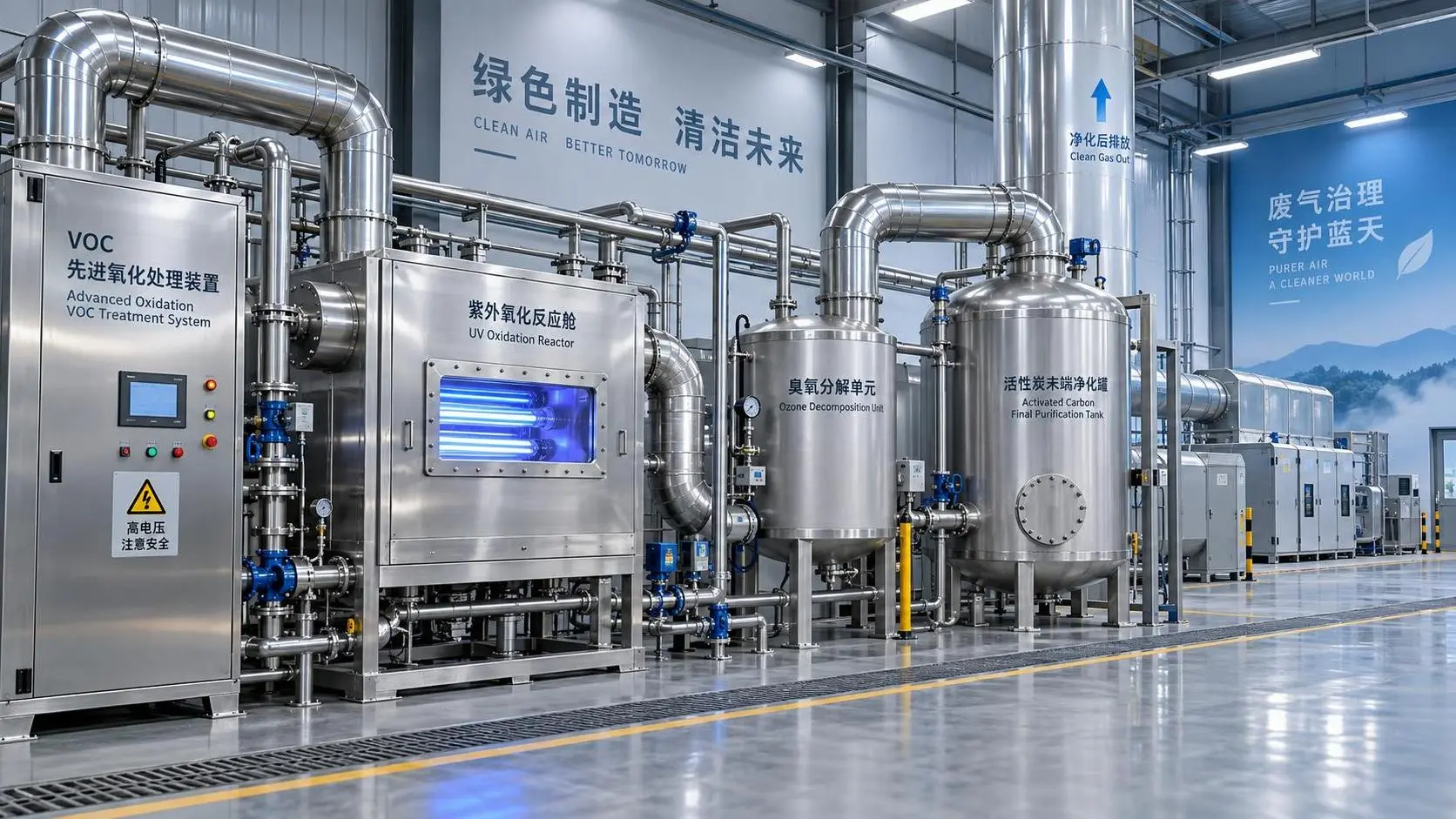
When are advanced oxidation processes the right choice for VOC control?
Advanced oxidation processes for VOC control: learn when AOPs outperform conventional options, manage by-products, and achieve reliable compliance.

What throughput should municipal waste sorting equipment deliver?
Waste sorting equipment for municipal waste: learn how to set reliable throughput based on peak loads, material quality, uptime, and recovery targets.

What carbon neutrality means for corporate investment decisions
Carbon neutrality is transforming corporate investment decisions. Explore how lifecycle economics, efficiency, compliance, and resilience can drive measurable returns and lasting advantage.
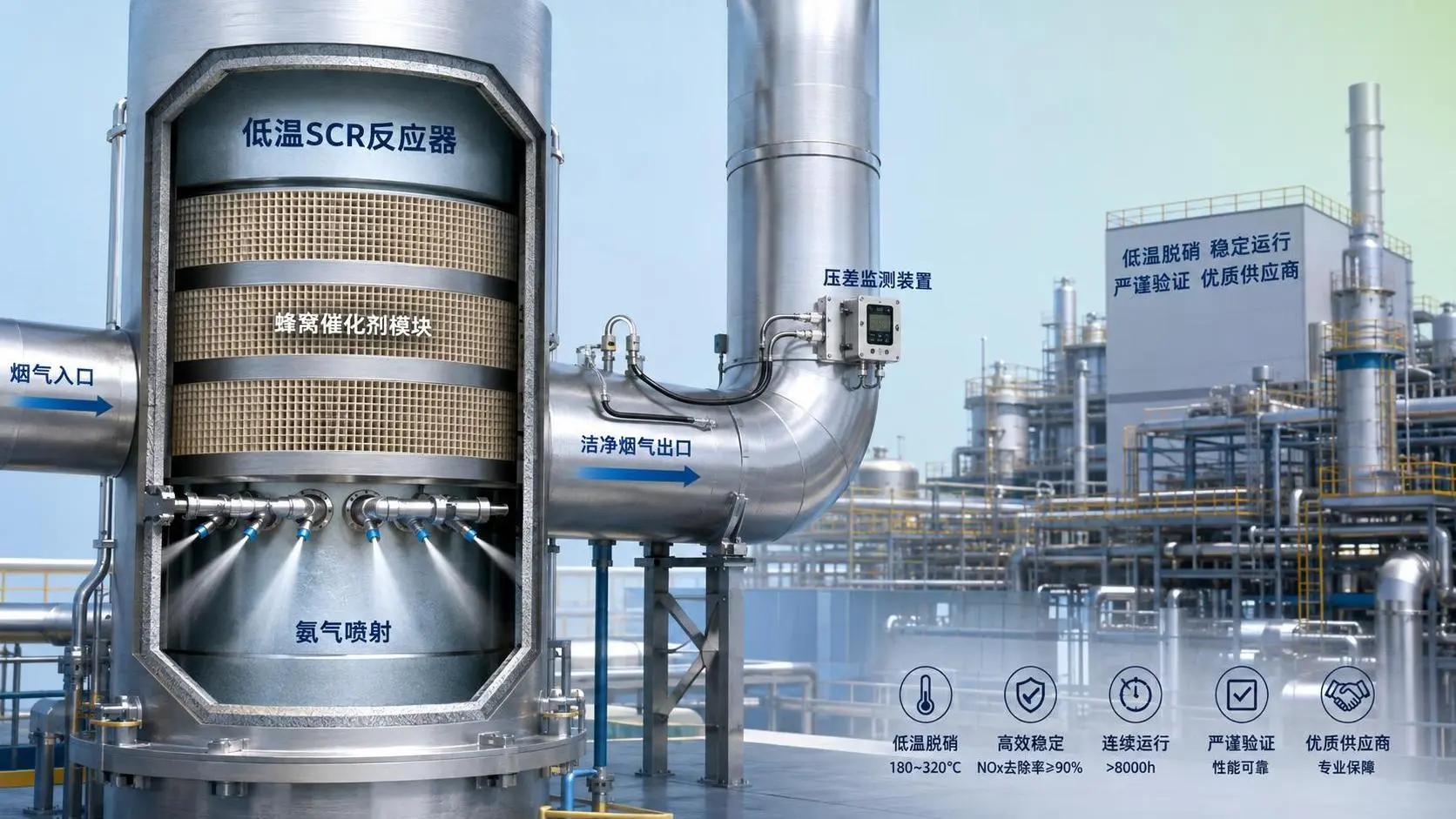
What to verify before choosing a low temperature SCR supplier
Low temperature SCR supplier checklist: verify catalyst temperature range, sulfur resistance, ammonia slip, pressure drop, lifecycle cost, and support before award.