
Industry News
Curation by industry experts
Hot Articles
Popular Tags
How to evaluate advanced oxidation systems suppliers for VOC treatment
How to Evaluate Advanced Oxidation Systems Suppliers for VOC Treatment
Selecting an advanced oxidation system for VOC treatment is rarely a matter of choosing the supplier with the highest stated destruction efficiency. In real industrial service, performance depends on the actual gas stream, its variability, the oxidation pathway, pre-treatment quality, utility conditions, operator practices, and the supplier’s willingness to take responsibility for difficult operating boundaries.
This is especially true for facilities handling mixed volatile organic compounds from coating, chemical processing, pharmaceutical production, waste recovery, printing, petrochemical operations, or odor-intensive treatment lines. A system that performs well on a clean, stable stream may struggle when humidity rises, solvent composition changes, silicon-containing compounds appear, or intermittent peak loads arrive during batch production.
For technical evaluators, the practical question is not simply, “Which equipment is available?” It is: “Which advanced oxidation systems suppliers can demonstrate that their design will remain controllable, compliant, safe, and economically defensible under our site conditions?” That distinction should shape the entire procurement process.
Start with the VOC stream, not the supplier brochure
Advanced oxidation can refer to several treatment approaches, including thermal oxidation, catalytic oxidation, regenerative thermal oxidation, ozone-based oxidation, UV oxidation, photocatalytic processes, plasma-assisted systems, and hybrid configurations. These technologies do not respond to VOCs in the same way. Nor do they carry the same risks.
Before approaching suppliers, build a usable emissions profile. It should cover more than average flow and average VOC concentration. Suppliers need to understand normal, minimum, and maximum gas flow; temperature; humidity; oxygen concentration; particulate loading; acid gases; condensable organics; potential catalyst poisons; and the expected composition of VOCs. A facility treating ethanol and acetone has a different design problem from one handling chlorinated solvents, aromatic hydrocarbons, sulfur compounds, or silicone-containing emissions.
Batch operations deserve particular attention. Many vendor proposals are based on steady-state assumptions because they make design calculations straightforward. Yet batch reactors, tank farms, coating lines, dryers, and recovery systems often create sharp concentration swings. If a supplier sizes the oxidation unit only for a nominal condition, the project may later require dilution air, bypass restrictions, production curtailment, or expensive modifications.
A credible supplier will ask uncomfortable questions early: Can the stream approach the lower explosive limit? Are there periods of oxygen deficiency? Could liquid droplets or high-boiling compounds enter the duct? Is the emission source likely to change after a process expansion? Those questions are not sales friction. They are signs that the supplier understands the difference between a laboratory reaction and a plant-wide emissions control system.
Evaluate destruction performance in the context of by-products
VOC destruction efficiency is important, but it should never be reviewed as an isolated percentage. The evaluator needs to know which compounds are being destroyed, at what inlet conditions, and what secondary pollutants may be formed.
For example, oxidation of halogenated or sulfur-bearing compounds can create acid gases that require downstream scrubbing or material upgrades. Incomplete oxidation may generate undesirable intermediates. Ozone-based and UV-based systems may require careful consideration of residual ozone, reaction contact time, humidity sensitivity, and downstream polishing. Catalytic systems can offer lower operating temperatures in suitable applications, but catalysts may lose activity when exposed to compounds that foul or poison active surfaces.
Ask each bidder to explain the reaction logic for the actual gas composition, not merely to provide a general process diagram. The proposal should identify expected outlet pollutants, potential by-products, monitoring points, and any required secondary treatment. If the answer is vague, the supplier may be assuming a cleaner stream than the one your facility actually produces.
It is also worth separating guaranteed performance from anticipated performance. A supplier may state that a technology is capable of high VOC removal under favorable conditions. That statement is not the same as a contractual guarantee at a specified flow range, concentration range, pollutant mix, operating temperature, and utility condition. Technical teams should press for a defined guarantee basis and a clear method for verifying it during commissioning.
Look beyond fuel use: assess the full energy and utility balance
Energy demand can determine whether a VOC control project remains acceptable after the first year of operation. The common mistake is to compare only burner capacity, electrical rating, or a supplier’s headline energy-consumption figure. Those numbers are not meaningful unless they are tied to a stated inlet condition and operating scenario.
Thermal systems may recover heat effectively where the VOC stream has sufficient calorific value and consistent loading. But recovery performance can fall when throughput fluctuates, when frequent start-stop cycles occur, or when contamination affects heat-exchange surfaces. Electrically driven oxidation, UV, plasma, and ozone systems may avoid some fuel-related issues, but they can shift the operating burden toward electricity demand, gas preparation, cooling, oxygen supply, or replacement components.
A useful supplier comparison should therefore include expected consumption during startup, normal operation, turndown, upset conditions, standby, and planned maintenance. Ask whether natural gas, electricity, compressed air, cooling water, oxygen, caustic, activated carbon, catalyst, or spare lamps are required. This is particularly relevant for large environmental infrastructure portfolios, where emissions treatment cannot be evaluated separately from water management, waste handling, heat recovery, and carbon-accounting decisions.
At Global Eco-Shield Dynamics, environmental equipment is often assessed as part of a larger ecological control chain rather than as an isolated skid. That perspective matters. A VOC oxidation unit that appears efficient on paper may create a new wastewater stream, consume significant auxiliary utilities, or complicate flue-gas treatment downstream. The best technical choice is usually the one that fits the plant’s wider mass and energy balance.
Safety engineering should be visible in the proposal
VOC abatement equipment can sit at the intersection of combustible gases, high temperatures, oxidants, corrosive compounds, and rotating equipment. Safety cannot be treated as a generic statement that the system will comply with “applicable standards.” The supplier should show how it manages the hazards created by the specific stream.
Review the proposed controls for high VOC concentration, high temperature, flame failure where applicable, pressure excursions, fan malfunction, low airflow, oxygen imbalance, ozone leakage, and emergency shutdown. For thermal oxidation, verify how the design addresses explosive atmospheres and whether concentration control, dilution, isolation, or interlocks are included. For catalytic units, clarify the response to overheating, catalyst damage, and process contaminants. For ozone and UV processes, examine enclosure design, leak detection, ventilation, and operator exposure controls.
Technical evaluators should also ask who owns the interface risk. Is the supplier responsible only for the oxidizer package, while the EPC contractor handles ducting, dampers, ventilation, electrical interlocks, and source capture? Or is there one party responsible for the integrated emissions-control train? Interface gaps are a recurring reason why otherwise sound equipment underperforms after handover.
Test the supplier’s engineering depth, not just its sales capability
The strongest advanced oxidation systems suppliers do more than offer a standard package with optional accessories. They can explain why a certain oxidation route is appropriate, where its limits are, and what must happen upstream and downstream for it to work reliably.
During technical clarification, assess whether the supplier can provide a disciplined design basis, process and instrumentation diagrams, utility requirements, material selection rationale, control philosophy, maintenance access plan, and a sensible list of exclusions. A vague proposal often becomes a costly project because the omitted details emerge after the purchase order is issued.
Ask for references that are genuinely comparable in process difficulty, not merely similar in equipment size. A supplier may have extensive experience with odor treatment or low-concentration solvent vapors but limited experience with corrosive, sticky, high-humidity, or chemically variable streams. Reference discussions should focus on operating stability, maintenance frequency, response time when problems arose, and the reasons behind any modifications. It is reasonable to request this information; it is not reasonable to assume every reference site will be directly comparable.
Where the stream is unusual or project risk is high, pilot testing or treatability work may be justified. It does not remove all uncertainty, especially for long-term fouling or changing production recipes, but it can reveal basic incompatibilities before capital is committed.
Compare lifecycle service capability before signing the contract
A VOC treatment system is not fully evaluated at factory acceptance. It is evaluated after months of changing loads, operator turnover, maintenance shutdowns, seasonal humidity shifts, and inspections. This is where supplier service capability becomes a technical issue rather than a commercial add-on.
Check whether the supplier has a defined commissioning plan, site acceptance procedure, operator training scope, spare-parts strategy, remote support process, and escalation path for failures. For catalytic, UV, plasma, and ozone systems, ask about the replacement lead time and expected service approach for critical components. For regenerative or thermal equipment, examine refractory inspection, valve maintenance, burner support, fan reliability, and heat-recovery component access.
Digital monitoring can be useful, but only if it supports operational decisions. A dashboard that displays temperatures and alarms is not automatically a predictive-maintenance strategy. Look for meaningful diagnostics: trends that help identify fouling, abnormal pressure drop, declining catalyst activity, unstable combustion, energy drift, or repeated trips. The facility should retain access to essential operating data rather than being dependent on a proprietary service interface.
Use a weighted evaluation that reflects real project risk
Price still matters, but it should be placed in a framework that prevents a low initial quotation from masking major exposure. A practical evaluation matrix can assign weight to technical suitability, guaranteed emissions performance, safety design, lifecycle utilities, materials compatibility, service coverage, delivery certainty, and commercial terms.
The weighting should change with the application. For a stable, relatively clean process exhaust, capital cost and energy use may deserve more influence. For a complex chemical stream or a facility facing strict permit scrutiny, the ability to manage uncertainty, support compliance testing, and respond quickly to abnormal conditions should carry greater weight.
Do not let compliance support remain an assumption
Emission requirements vary by jurisdiction, permit conditions, process category, and pollutant type. The supplier should not be expected to replace the facility’s legal or environmental advisor, but a capable partner should understand what information is needed for permitting, stack testing, monitoring integration, and operational reporting.
Clarify whether the design includes sampling ports, continuous monitoring interfaces where required, access platforms, inspection points, and operating records needed to demonstrate control performance. If the project could be affected by future production changes or tighter environmental expectations, ask how readily the system can be upgraded. Extra oxidation capacity, modular polishing, corrosion allowances, or control-system flexibility may be worth considering when the site has a long operating horizon.
The supplier selection decision should ultimately rest on evidence: a credible process basis, transparent assumptions, defined guarantees, safe integration, and service capacity that matches the consequence of failure. Equipment specifications are necessary, but they are not the whole evaluation. The supplier that openly identifies limitations and designs around them is often a safer choice than the one promising effortless VOC destruction under every condition.
Recommended News
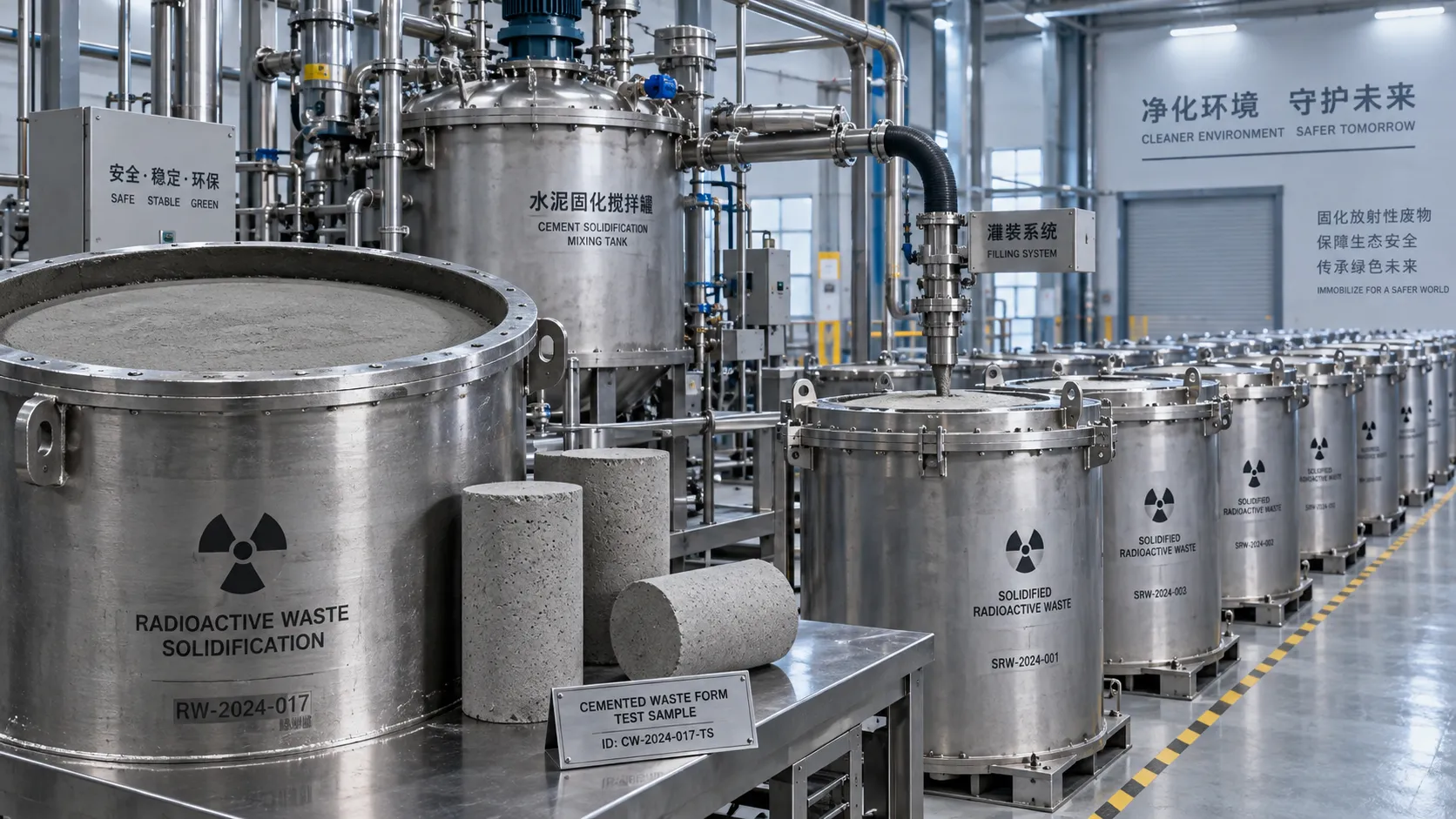
When is cementation suitable for nuclear decommissioning waste?
Explore nuclear waste treatment technology for decommissioning: learn when cementation fits, which risks to assess, and how disposal criteria guide an effective treatment choice.
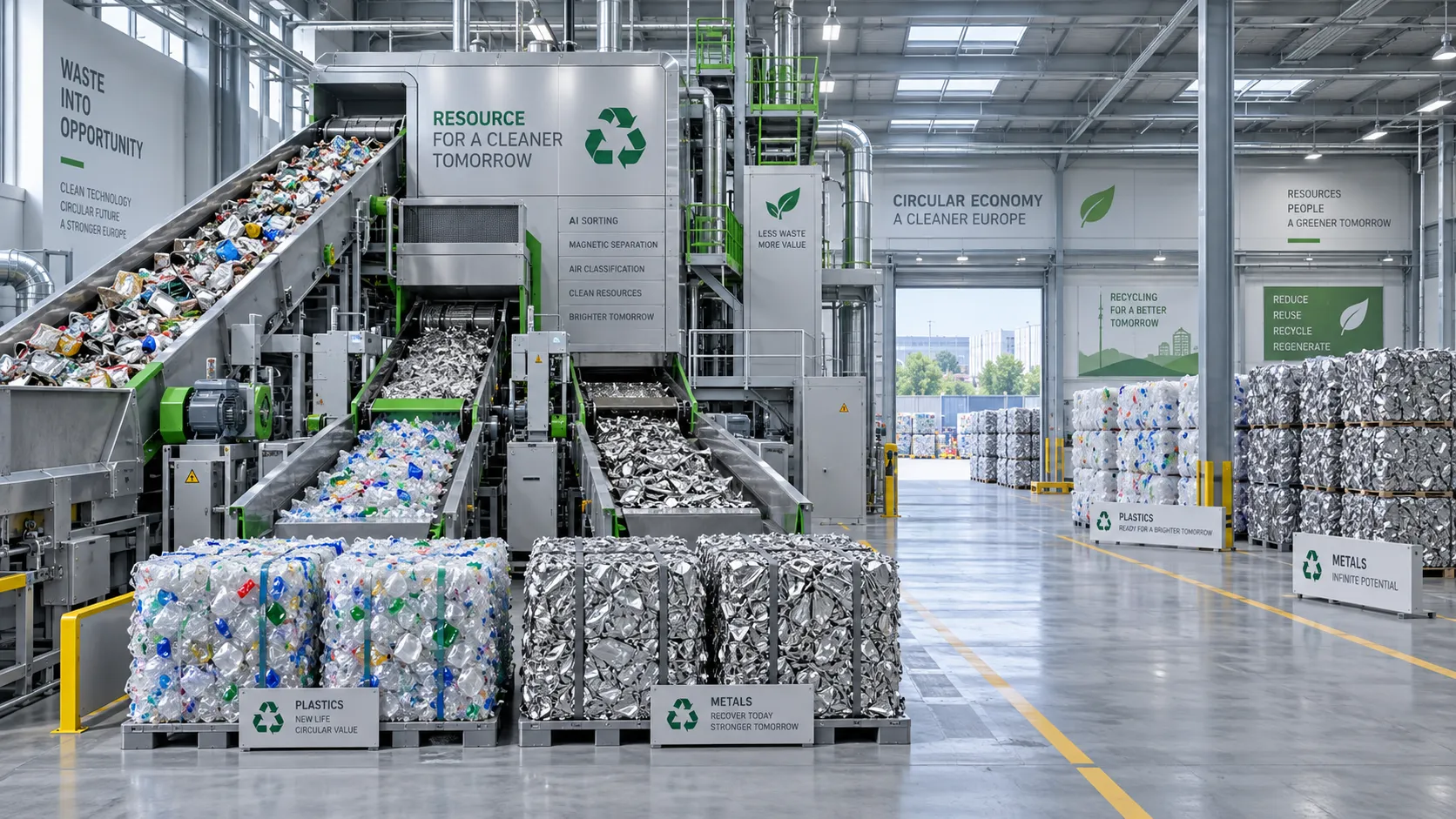
What determines payback for waste-to-resource systems in Europe?
Assess waste-to-resource systems Europe-wide: compare feedstock, recovery yields, costs and contracts to uncover payback drivers and make smarter investment decisions.
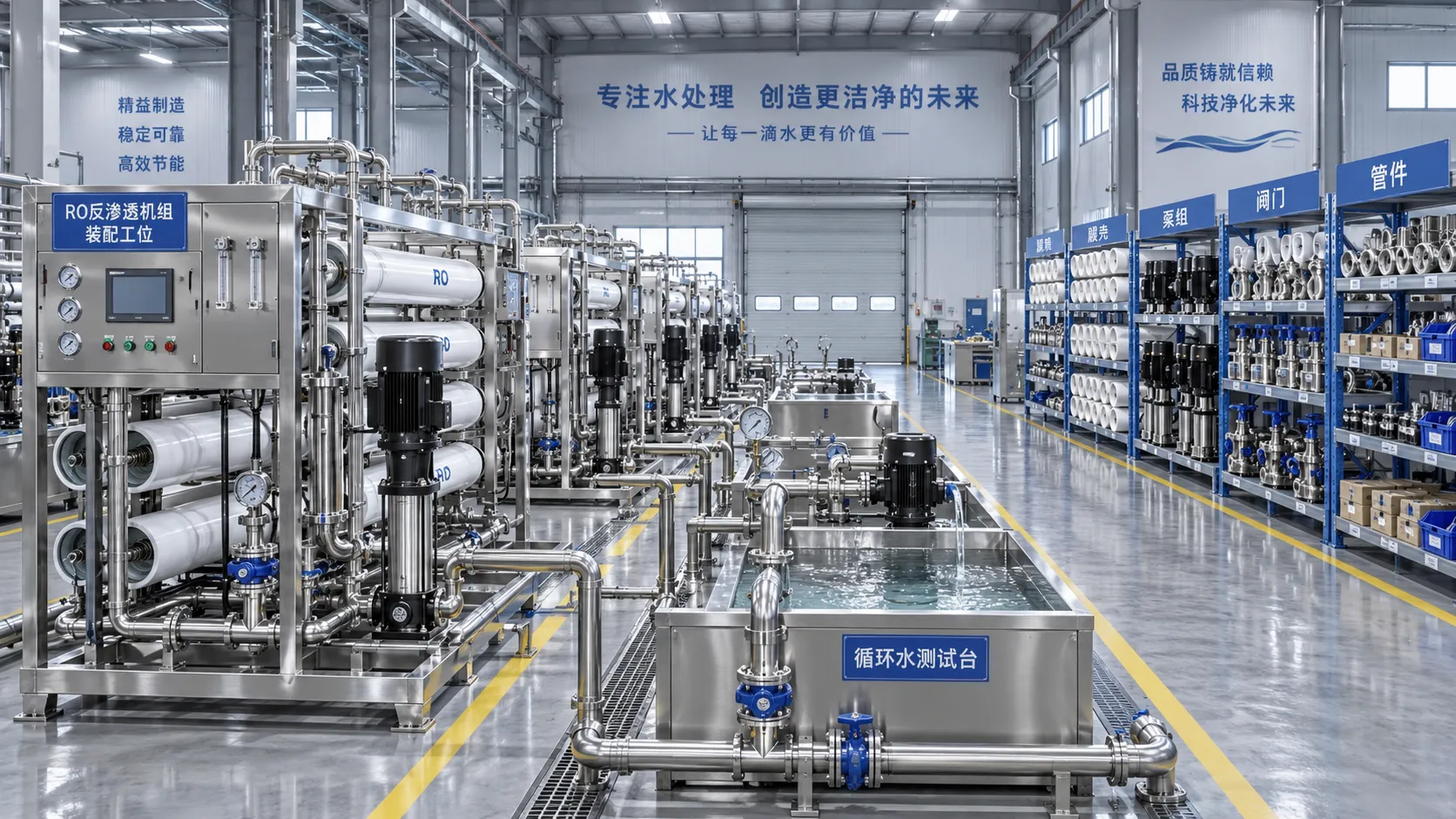
How to verify a water treatment system factory’s production capacity
Verify a water treatment systems factory’s production capacity through records, bottlenecks, component availability, and testing. Learn what to check before accepting a delivery promise.
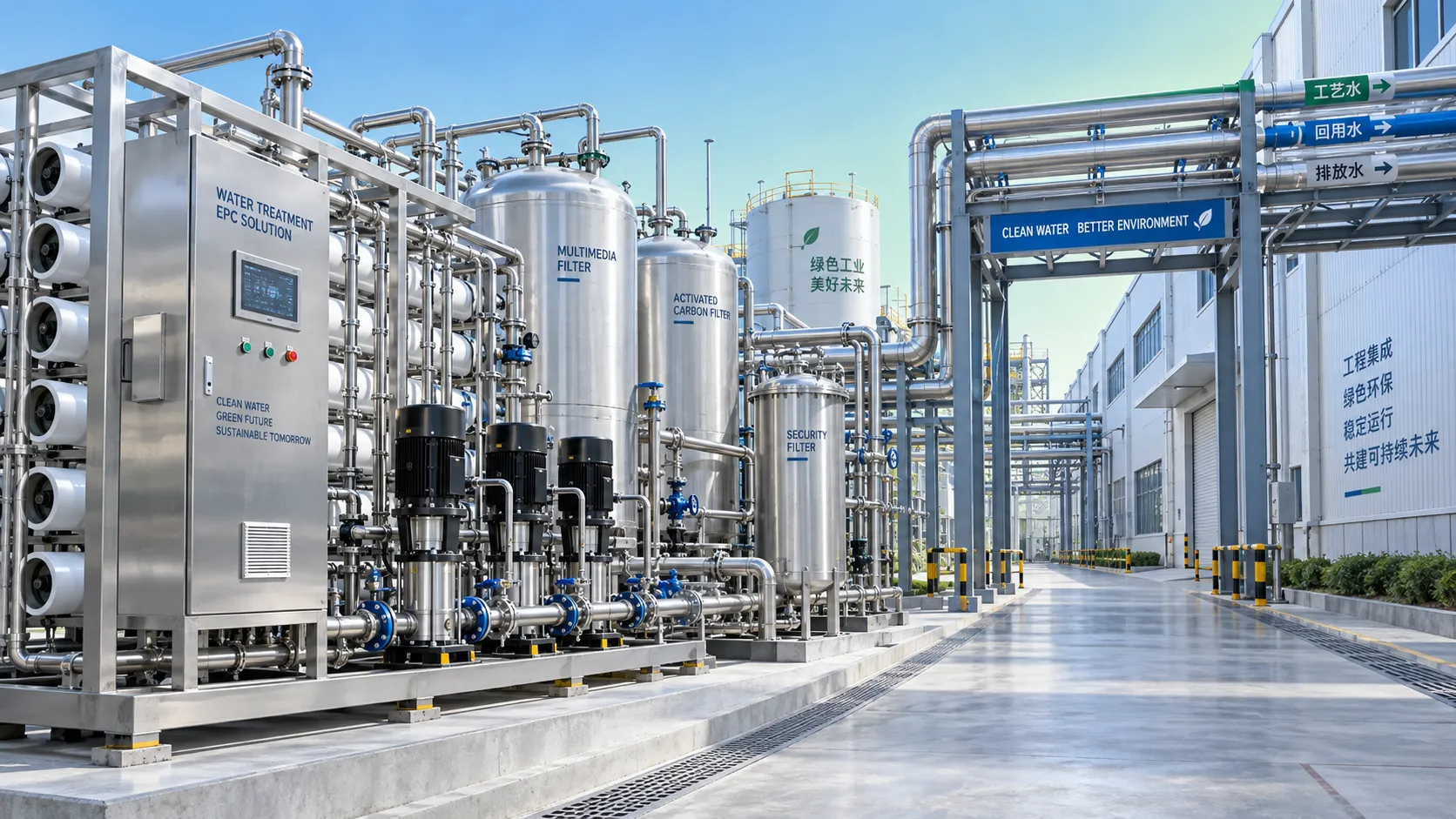
When does EPC environmental project support reduce delivery risk?
EPC environmental project support engineering reduces delivery risk by aligning design, procurement, compliance, construction, and commissioning decisions.
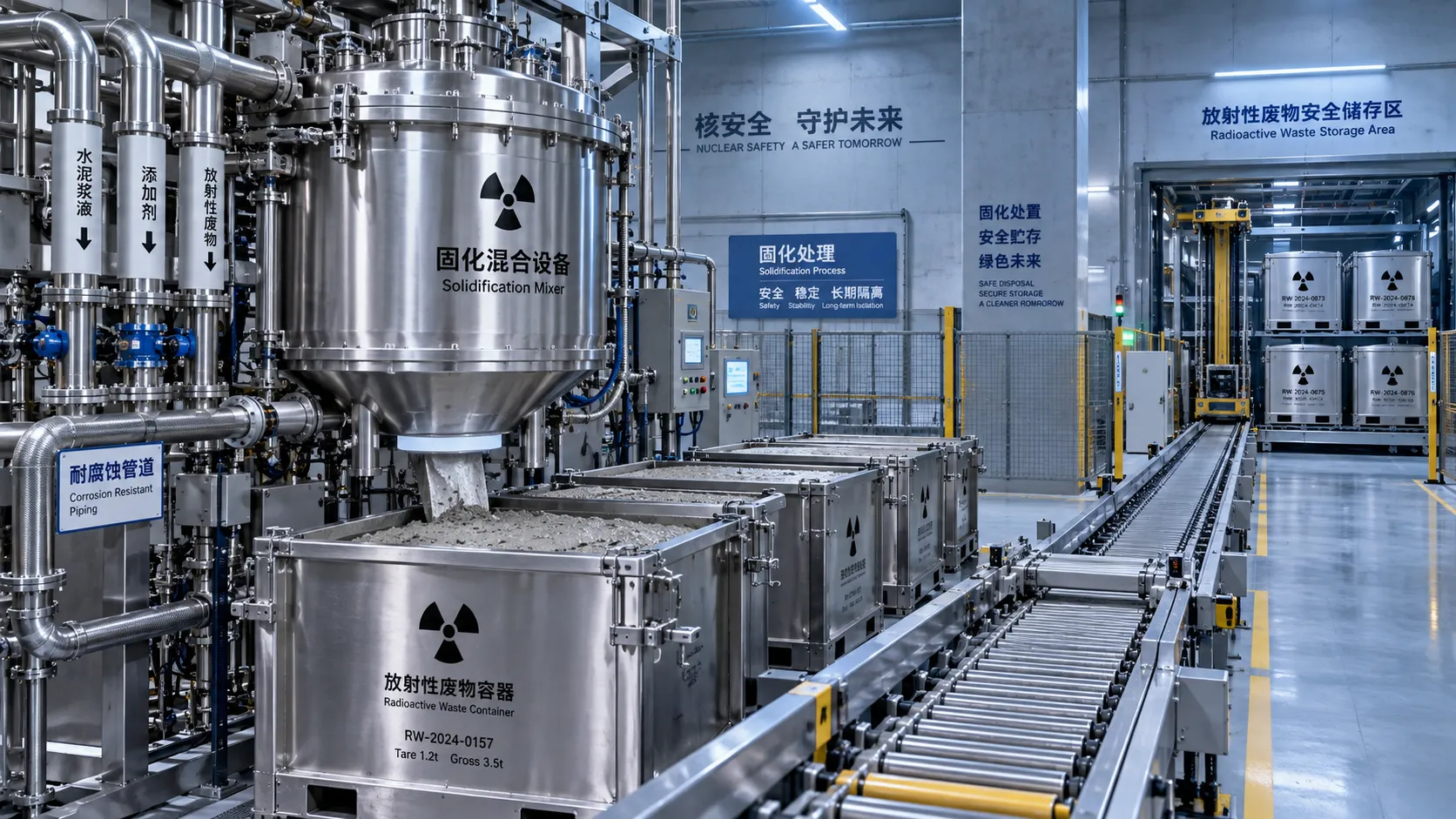
How nuclear plants select a radioactive waste solidification method
Radioactive waste management for nuclear plants: compare vitrification, cementation, polymers, and ceramics to select a compliant, durable solidification solution.
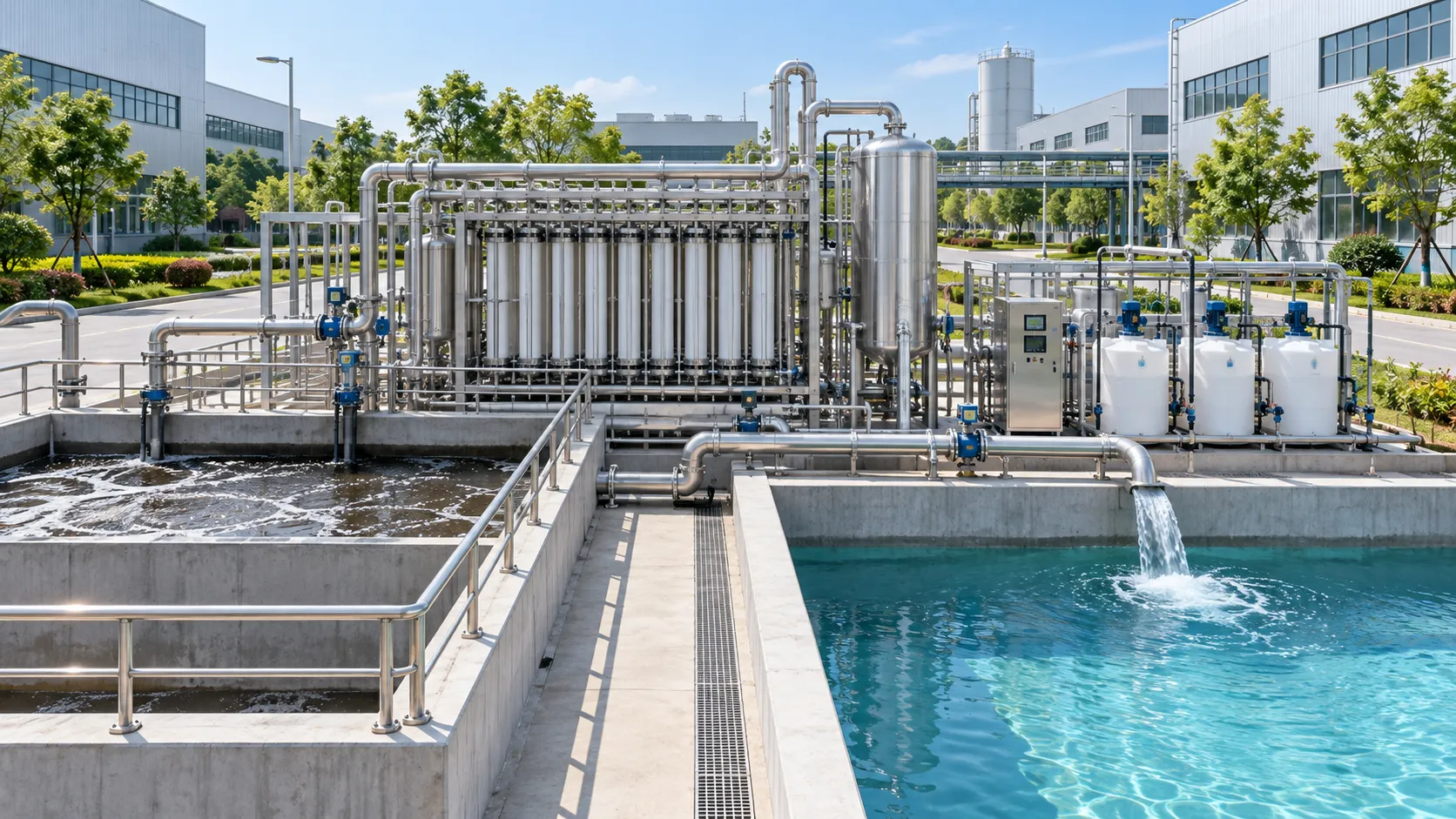
Comparing Upgrade Costs for Industrial Park Wastewater Treatment Systems
Compare costs for wastewater system upgrades in industrial parks with a lifecycle view of CAPEX, OPEX, compliance, resilience, and future expansion.
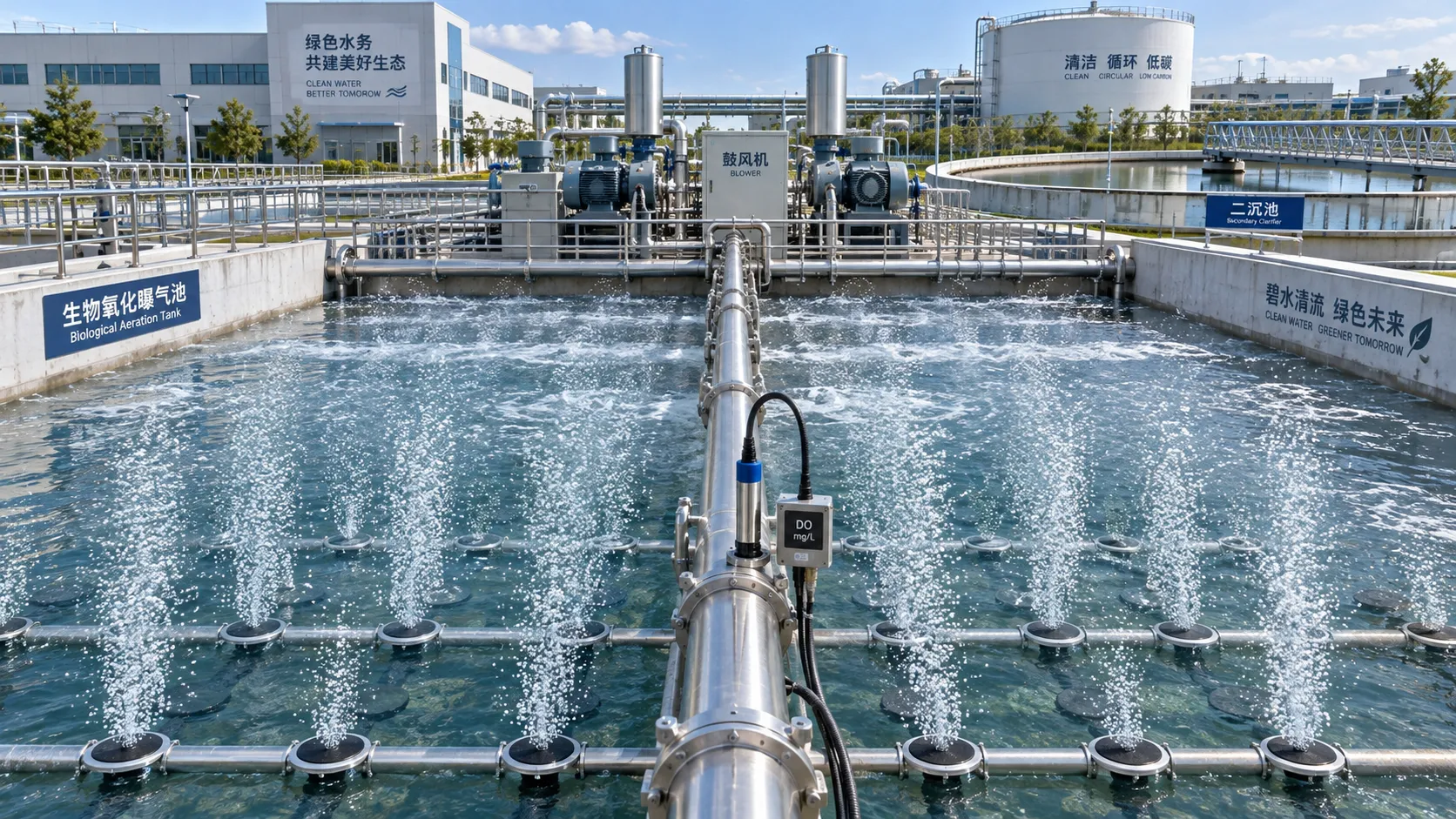
Biological Wastewater Oxidation Explained: Aeration Demand and Process Control
Biological wastewater oxidation explained: optimize aeration demand, DO control, nitrification, and sludge age for stable effluent quality and lower energy costs.
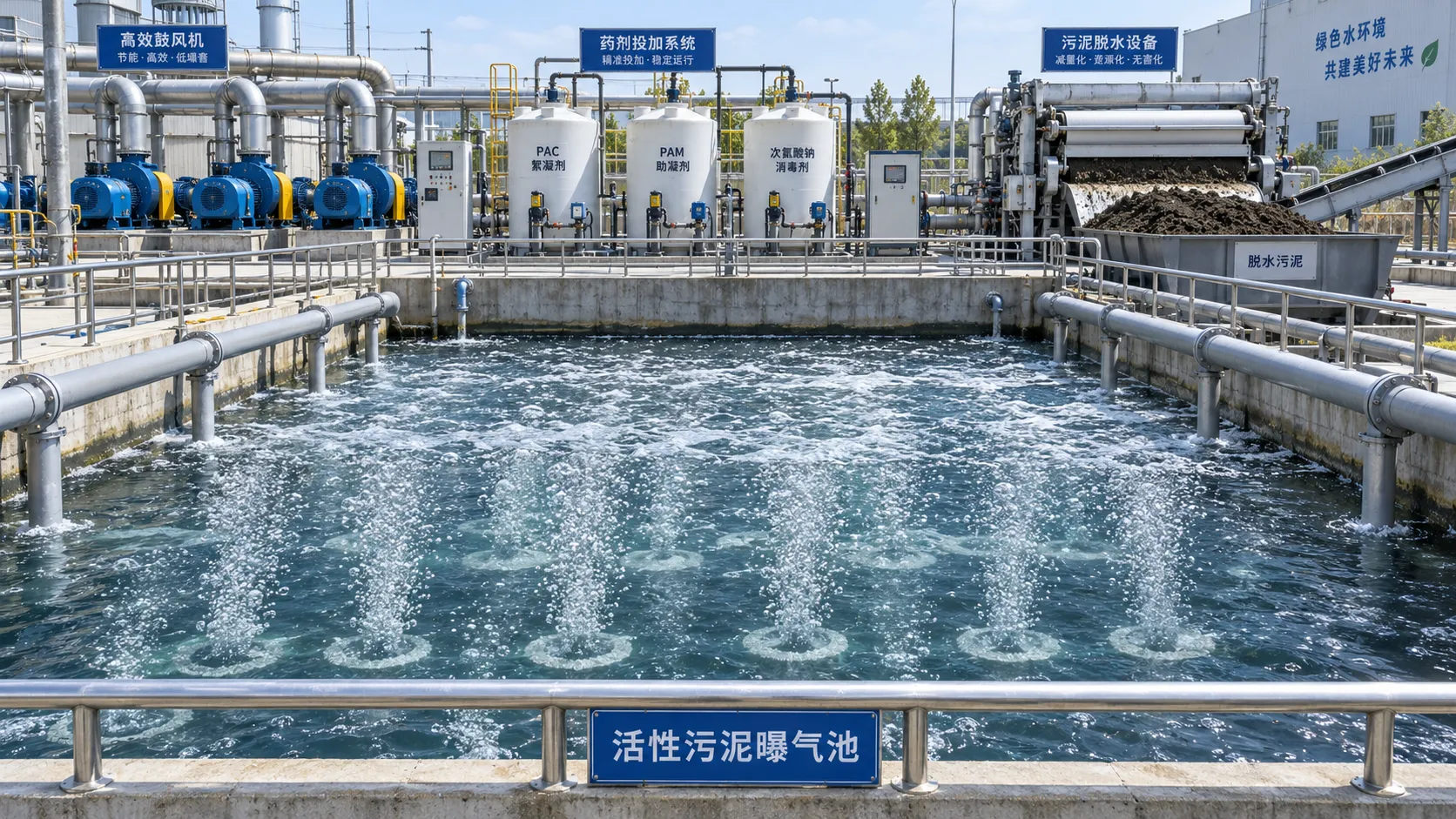
Activated Sludge Cost: Budgeting Energy, Chemicals, Sludge, and Labor
Activated sludge cost explained: compare energy, chemicals, sludge disposal, labor, and compliance risks to build a reliable lifecycle budget.
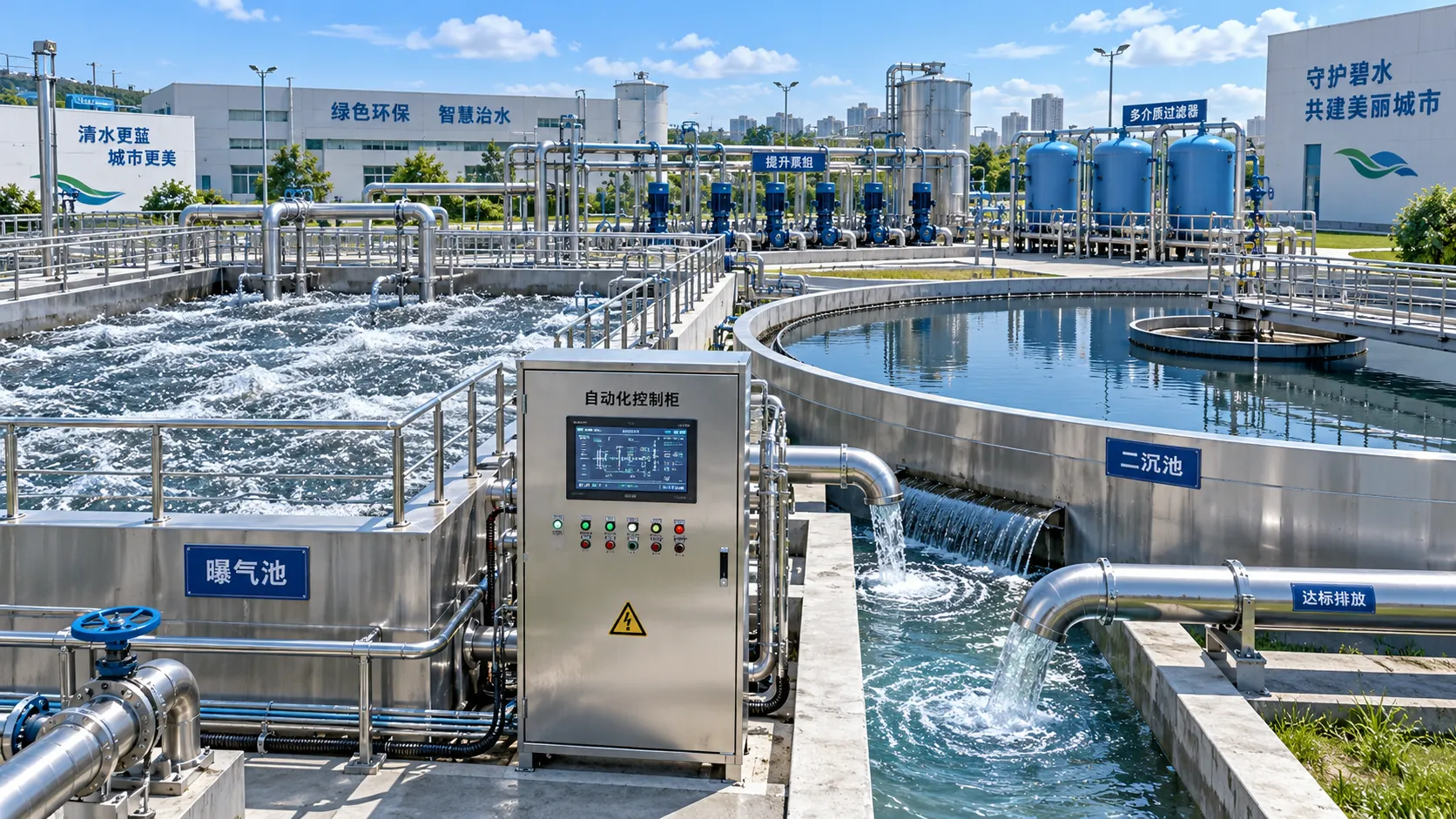
When Should Municipal Wastewater Plants Upgrade Treatment Capacity and Controls?
Municipal wastewater treatment upgrades: learn when capacity, controls, and resilient planning are needed to protect compliance and optimize plant performance.