
Industry News
Curation by industry experts
Hot Articles
Popular Tags
When does AI sorting make sense for solid waste management in cities?
At the end of a busy collection day, a city’s material recovery facility can look deceptively orderly from the outside: compacted bags arrive, conveyors move, screens shake, magnets pull steel, and balers wait at the end of the line. Inside the process, however, the picture is often less controlled. Food-contaminated packaging, flexible films, dark plastics, broken glass, batteries, textiles, and wrongly discarded items can arrive mixed into streams that were expected to be recyclable.
Operations teams commonly face the same frustrating pattern. They add sorting staff, tighten inbound inspection, or ask residents to separate waste more carefully, yet bale quality still varies from shift to shift. Reject volumes rise, downstream processors dispute loads, and supervisors spend too much time responding to exceptions instead of improving the system. In this setting, AI sorting can appear to be the obvious answer. It is not always the right answer.
For solid waste management for cities, AI sorting makes sense when it solves a defined operational bottleneck and can be supported by the surrounding plant design, material outlets, and daily operating discipline. The decision should begin with the waste stream and the business case, not with the sophistication of the camera or robot.
The point where a manual line starts losing control
Manual sorting remains valuable in many facilities. Experienced pickers can recognize unusual items, respond to short-term changes in incoming material, and make practical judgments that are difficult to formalize. But human sorting becomes strained when material arrives too quickly, contaminants are visually similar to target materials, or the line must maintain consistent quality over long operating hours.
A common trigger is a widening gap between the plant’s design assumptions and its actual feedstock. A facility may have been planned for relatively dry, source-separated recyclables, but collection routes gradually begin delivering more mixed packaging, e-commerce materials, multilayer plastics, and non-target waste. The plant may still achieve acceptable overall throughput, while its valuable fractions become harder to sell because purity is inconsistent.
AI-based identification can help under these conditions. Optical systems combine sensors, illumination, software models, and mechanical separation equipment to distinguish objects by characteristics such as shape, color, spectral response, label presence, or material signature. Depending on the system configuration, the output may control air jets, robotic pickers, diverters, or quality-control alerts.
Yet an AI unit cannot repair a line that has poor material presentation. If waste is piled too deeply on the belt, covered by moisture, wrapped around screens, or delivered in unstable surges, detection quality will fall before the software has a chance to prove its value. The first question is therefore not “Which AI model should we buy?” but “Can the existing process present individual objects consistently enough to be recognized and separated?”
Start with the decision that the machine is expected to make
The most useful early exercise is to write down the exact decisions currently made by people or left unresolved by the process. Vague goals such as “improve recycling” make evaluation difficult. A more useful definition might be: remove hazardous objects before shredding; recover a particular polymer from a mixed container stream; reduce visible contamination in a paper grade; or identify unacceptable inbound loads before they affect the rest of the shift.
These tasks differ greatly in difficulty and value. Detecting batteries or gas cylinders can be important for fire prevention, but their occurrence may be intermittent. Separating PET from other rigid containers can be relatively established in a clean, well-prepared stream. Identifying black, dirty, crushed, composite, or label-covered packaging may require more careful trials. A robotic picker may be suitable for targeted quality control, while high-throughput air-ejection equipment may be needed for bulk recovery.
Before requesting proposals, map the material flow from tipping floor to final bale. Note where contamination enters, where it becomes concentrated, where it is easiest to remove, and where the line has enough spacing for a new separation stage. This map should include practical details that are often overlooked: belt width, belt speed, object burden, lighting conditions, dust generation, compressed-air availability, access for maintenance, and the destination of both accepted and rejected fractions.
Questions worth answering before a technical demonstration
- Which material fraction creates the largest commercial, compliance, safety, or processing problem?
- Is the issue poor capture of a valuable material, excessive contamination, unstable feed, or a combination?
- Can the target item be physically separated from overlapping and compacted material before recognition?
- Will the recovered fraction have a reliable downstream outlet at the required quality level?
- Does the plant have room for pre-sorting, acceleration belts, discharge chutes, and reject handling?
- Who will calibrate settings, clean sensors, review exceptions, and verify the output during normal shifts?
These are not procurement formalities. They reveal whether the project is a focused sorting improvement or an attempt to use one technology to compensate for multiple unresolved process problems.
When AI sorting is usually a strong fit
AI sorting tends to be most defensible where a facility handles enough repeatable material for better classification to influence daily economics or operational risk. High and sustained volumes matter because the equipment, integration work, maintenance routines, and operator training all need to be justified over time. A small facility with highly variable loads may gain more from improving front-end segregation, collection rules, or manual quality control than from installing an advanced automated line.
It is also a stronger fit where labor is difficult to retain, where repetitive picking creates safety concerns, or where quality depends too heavily on a few experienced operators. This does not mean automation should be framed simply as replacing people. In many practical arrangements, workers move from high-speed repetitive picking toward exception handling, quality checks, maintenance support, inbound inspection, and management of materials that remain difficult to automate.
Another good condition is a clear material-quality threshold. If a downstream recycler accepts only a cleaner grade, incremental improvements in purity may matter more than a large increase in gross recovery. In that situation, an AI-assisted quality-control pass near the end of the line can be more useful than a costly attempt to automate every early-stage decision.
Facilities operating under tighter reporting, diversion, contamination, or safety expectations may also benefit from the data generated by automated sorting. The value is not merely a dashboard. Useful data can reveal recurring contaminants by route or supplier, show when feed composition shifts, support maintenance decisions, and help operators verify whether process adjustments actually work. Data becomes meaningful only when someone is responsible for acting on it.
Situations where the investment often disappoints
The most common disappointment occurs when AI sorting is installed in a stream that is too mixed, too wet, or too inconsistent for stable recognition. Municipal solid waste can vary with weather, tourism, holidays, housing patterns, commercial activity, and collection policy. If there is no buffer, no size reduction or screening logic, and no method for spreading material into a workable layer, the system may be asked to interpret a moving pile rather than a sequence of visible objects.
Another weak fit is a facility without a clear destination for the separated material. A system may successfully isolate a fraction, but the project still underperforms if that fraction cannot be stored, baled, transported, or sold according to buyer specifications. Separation creates a new operational stream; it does not automatically create a market.
AI sorting can also be misapplied when the main problem is upstream behavior. For example, if a collection program produces severe food contamination in fiber, a sorting machine may remove some unwanted objects but cannot restore paper that has already been saturated or degraded. If bags contain mixed organics and recyclables, changes in collection design, public communication, container access, or enforcement may have a greater effect than adding a downstream sensor.
Finally, avoid treating a supplier demonstration as proof of long-term performance. Demonstrations often use representative samples under controlled conditions. The relevant test is whether the system can operate with the facility’s own material, at realistic belt loading, with normal dust, actual staff routines, and the required output quality. Evaluation criteria should be agreed before the trial begins.
Build the comparison around lifecycle operations, not purchase price
For solid waste management for cities, comparing equipment only by capital cost can lead to the wrong choice. A lower-cost unit may require substantial civil work, compressed-air upgrades, extra conveyors, more manual cleanup, or frequent intervention. A more capable system may still be unsuitable if its service requirements exceed local technical capacity or if replacement components have long lead times.
A practical comparison should separate costs and benefits into operational categories. On the cost side, include installation, electrical demand, compressed air, wear parts, sensor cleaning, software support, calibration, operator training, downtime exposure, and residual disposal. On the benefit side, assess recoverable material quality, avoided contamination penalties, reduced manual exposure, improved fire-risk control, higher line stability, and decision-grade operating data.
Not every benefit needs to be converted into a single financial number at the earliest stage, but each should have an owner and a method of verification. If the stated value is better bale quality, define the inspection method and sampling frequency. If the value is reduced hazardous-item carryover, identify where detections will be recorded and how missed items will be investigated. If the value is labor flexibility, clarify which tasks change rather than assuming headcount savings.
A staged way to reduce the risk of a wrong selection
Rather than committing immediately to a full automated line, begin with a baseline period. Measure the current stream using the same definitions that will later be used to judge improvement. Record material composition, contamination types, throughput conditions, unplanned stoppages, manual intervention points, and the quality of outgoing fractions. Sampling must cover ordinary operating days, not only favorable loads.
Next, identify process changes that should happen regardless of whether AI is selected. These may include better bag opening, removal of oversized materials, improved screening, magnetic or eddy-current separation, conveyor speed adjustments, controlled feeding, or a dedicated quality-control belt. This preparation is not wasted effort. It often improves manual performance immediately and creates a fairer environment for any subsequent technology trial.
Then test candidate systems against the same feedstock and acceptance criteria. Ask suppliers to explain not only their detection capability but also their assumptions: object spacing, belt speed, material size range, air demand, cleaning intervals, calibration procedure, rejected-material routing, and expected operator involvement. Clarify how the system handles materials outside its trained categories. An honest answer about uncertainty is more useful than a broad claim of recognition accuracy.
During a pilot or trial, inspect both the positive fraction and the reject fraction. A system can appear successful because it produces a clean recovered stream while quietly sending too much target material to residue. Conversely, maximizing capture may introduce contamination that reduces the value of the output. The desired balance depends on the downstream specification, not on a generic performance metric.
Do not separate technology selection from plant governance
AI sorting changes daily management. Supervisors need routines for checking sensor windows, reviewing alarms, confirming air pressure or robotic grip performance, and responding when incoming composition changes. Maintenance personnel need access to diagnostic information and clear escalation paths. Procurement teams need service terms that match the facility’s operating hours and criticality.
There is also a governance question around data. Decide who can access operating records, how material classifications are updated, how changes are documented, and whether data can be exported for independent analysis. If the system reports increasing contamination, the facility should be able to connect that signal to collection routes, shift conditions, inbound suppliers, or equipment events. Otherwise, the data remains interesting but operationally passive.
The best decision is often modest in scope: automate one difficult, repetitive, high-impact separation point; validate it under real operating conditions; then expand only if the plant can use the additional material quality and information. In other cases, the correct decision is to delay automation and first improve waste presentation, collection quality, or downstream contracts.
AI sorting is not a badge of modernity for solid waste management for cities. It is a process tool. It earns its place when the facility has a defined sorting problem, material that can be presented reliably, a destination for the separated output, and a disciplined way to operate and verify the system after installation. That is when intelligent recognition becomes part of a more dependable circular-materials operation rather than another complex asset waiting for the right conditions.
Recommended News
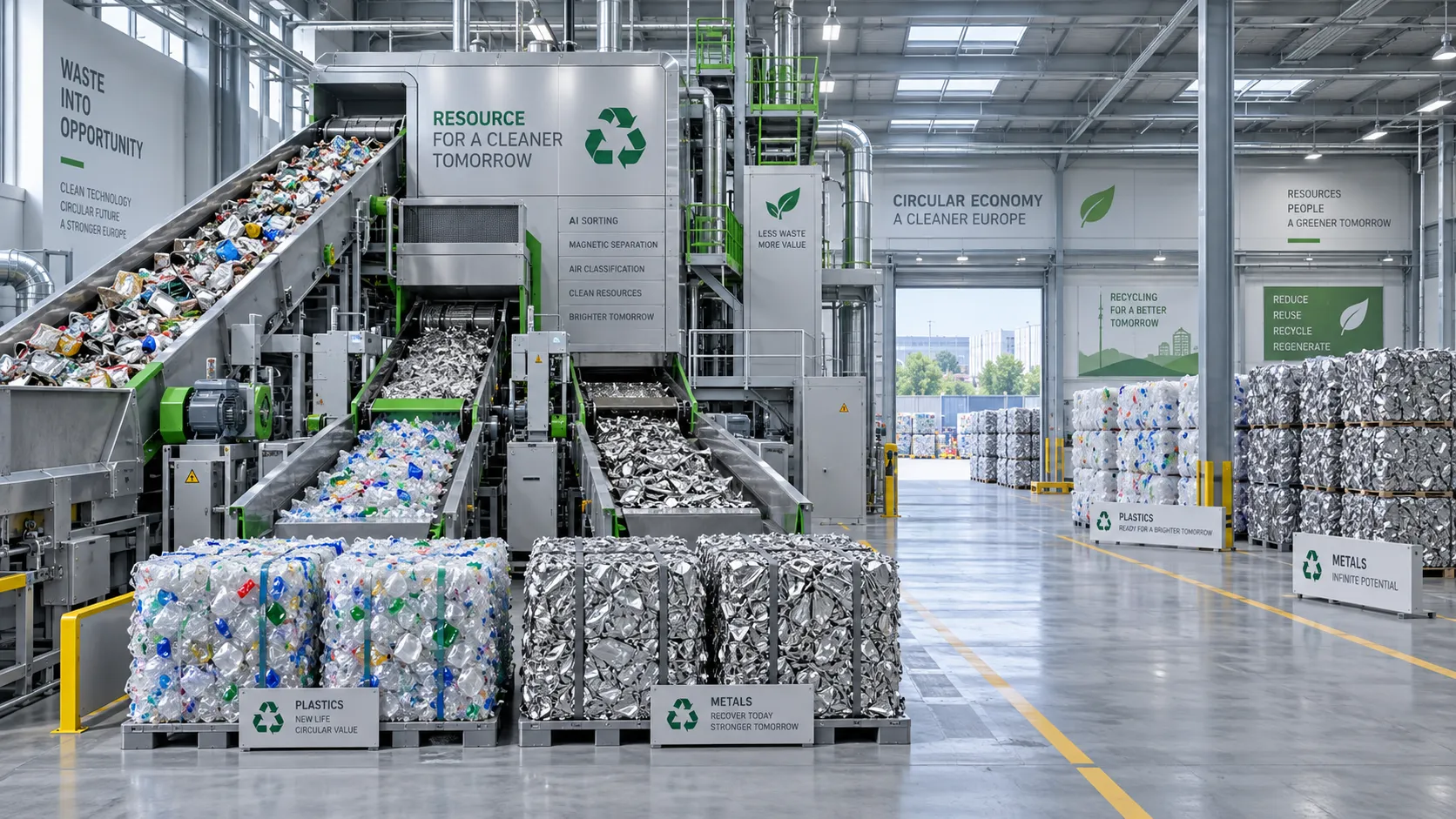
What determines payback for waste-to-resource systems in Europe?
Assess waste-to-resource systems Europe-wide: compare feedstock, recovery yields, costs and contracts to uncover payback drivers and make smarter investment decisions.
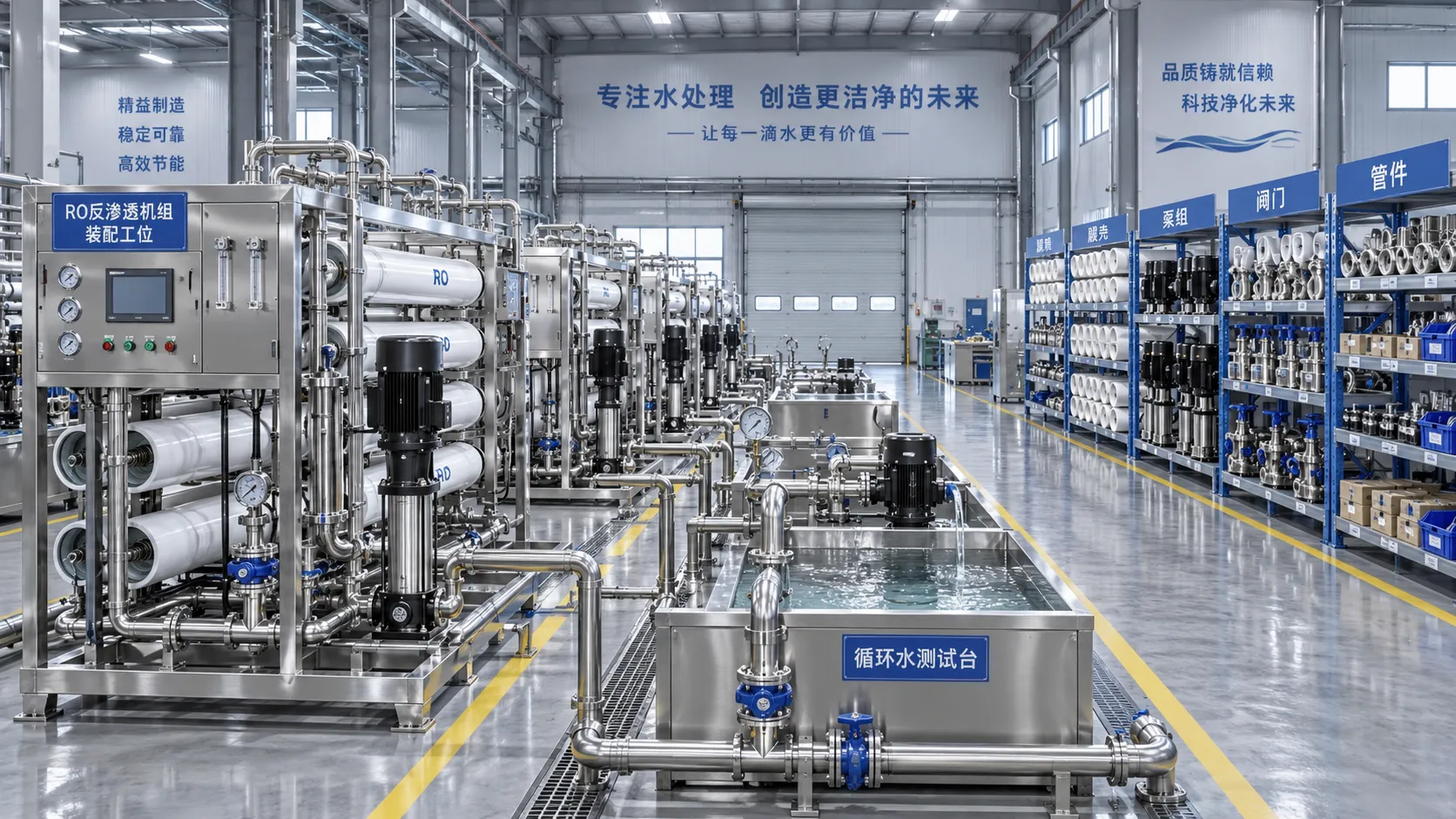
How to verify a water treatment system factory’s production capacity
Verify a water treatment systems factory’s production capacity through records, bottlenecks, component availability, and testing. Learn what to check before accepting a delivery promise.
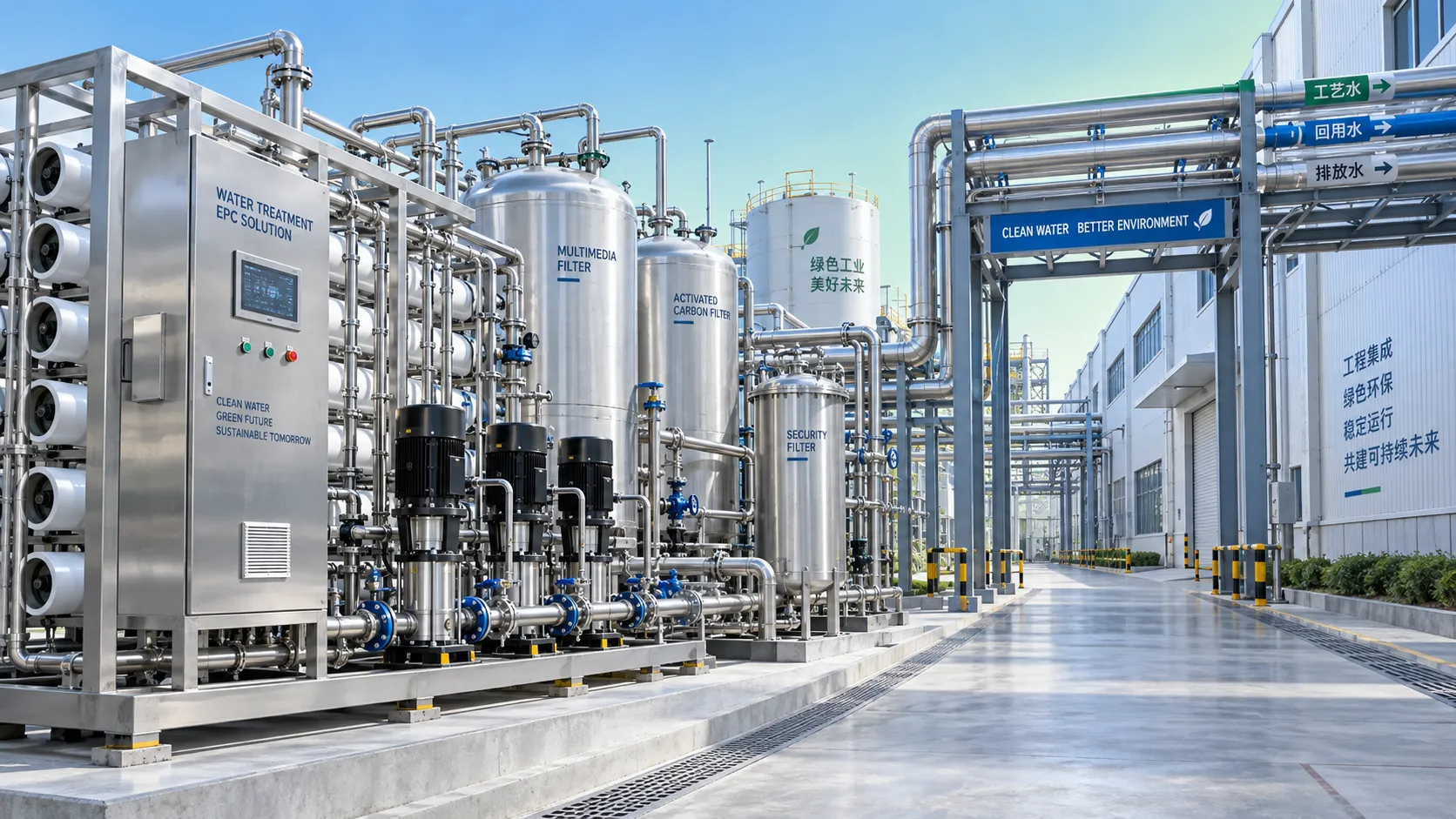
When does EPC environmental project support reduce delivery risk?
EPC environmental project support engineering reduces delivery risk by aligning design, procurement, compliance, construction, and commissioning decisions.
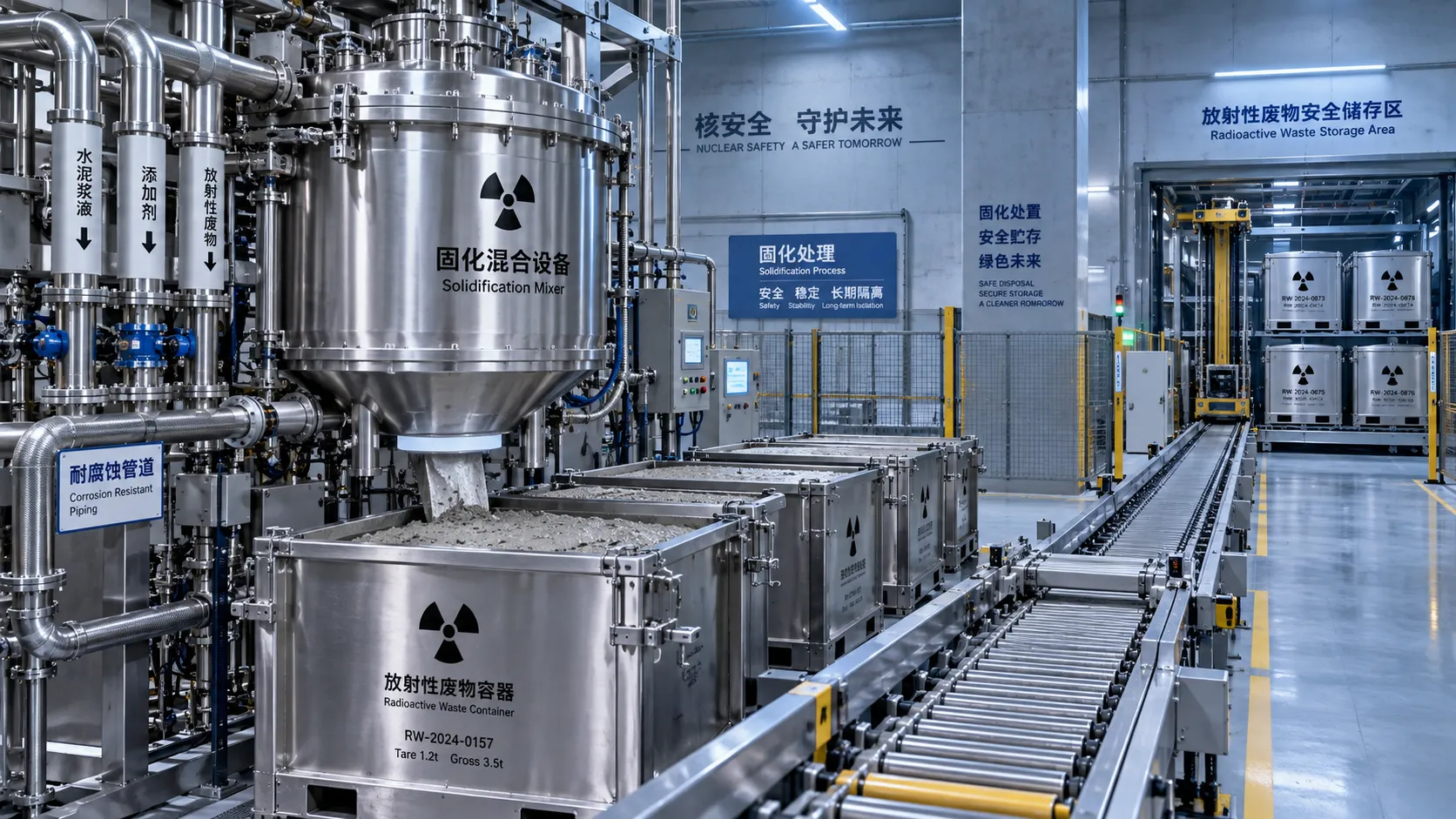
How nuclear plants select a radioactive waste solidification method
Radioactive waste management for nuclear plants: compare vitrification, cementation, polymers, and ceramics to select a compliant, durable solidification solution.
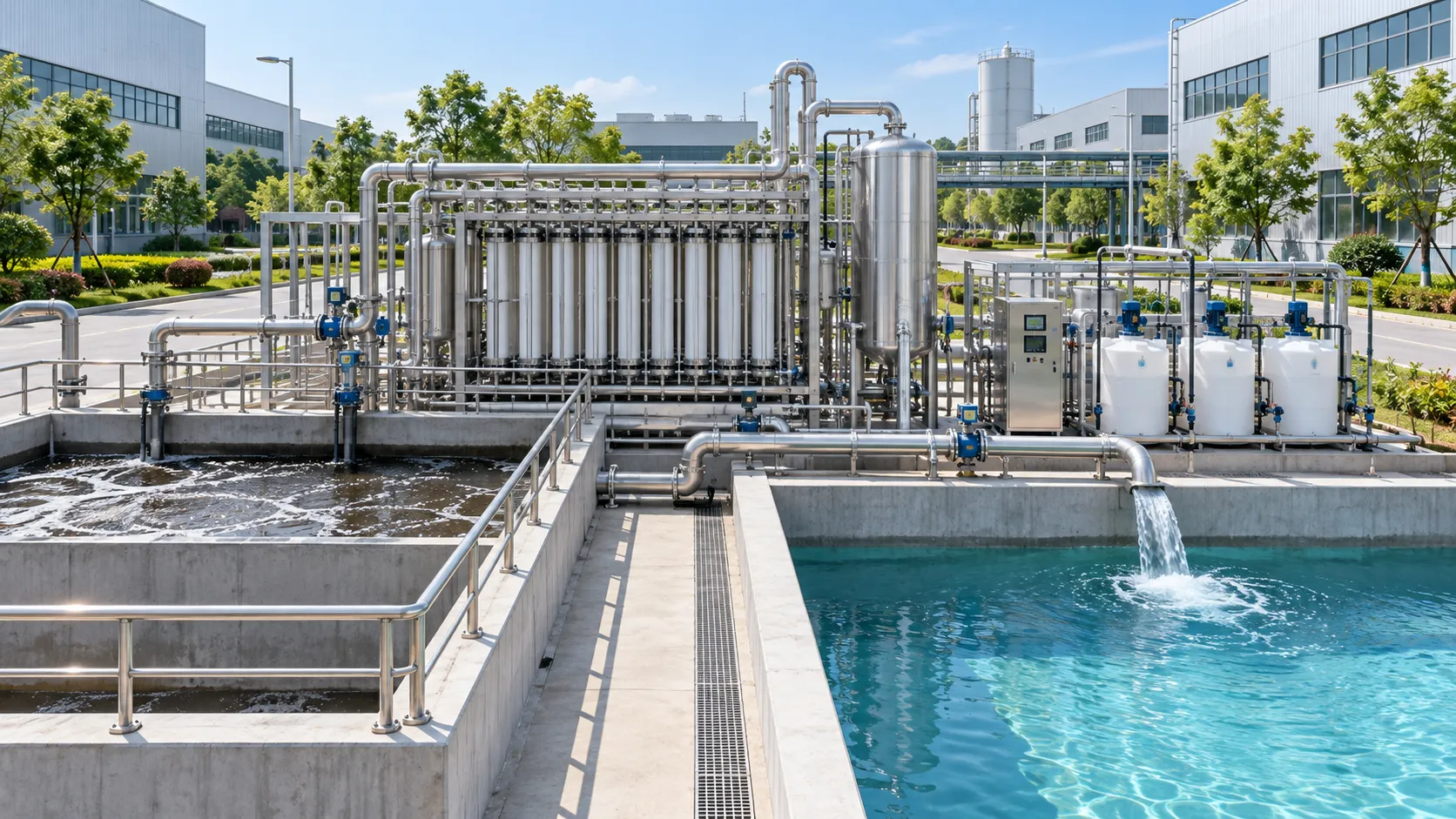
Comparing Upgrade Costs for Industrial Park Wastewater Treatment Systems
Compare costs for wastewater system upgrades in industrial parks with a lifecycle view of CAPEX, OPEX, compliance, resilience, and future expansion.
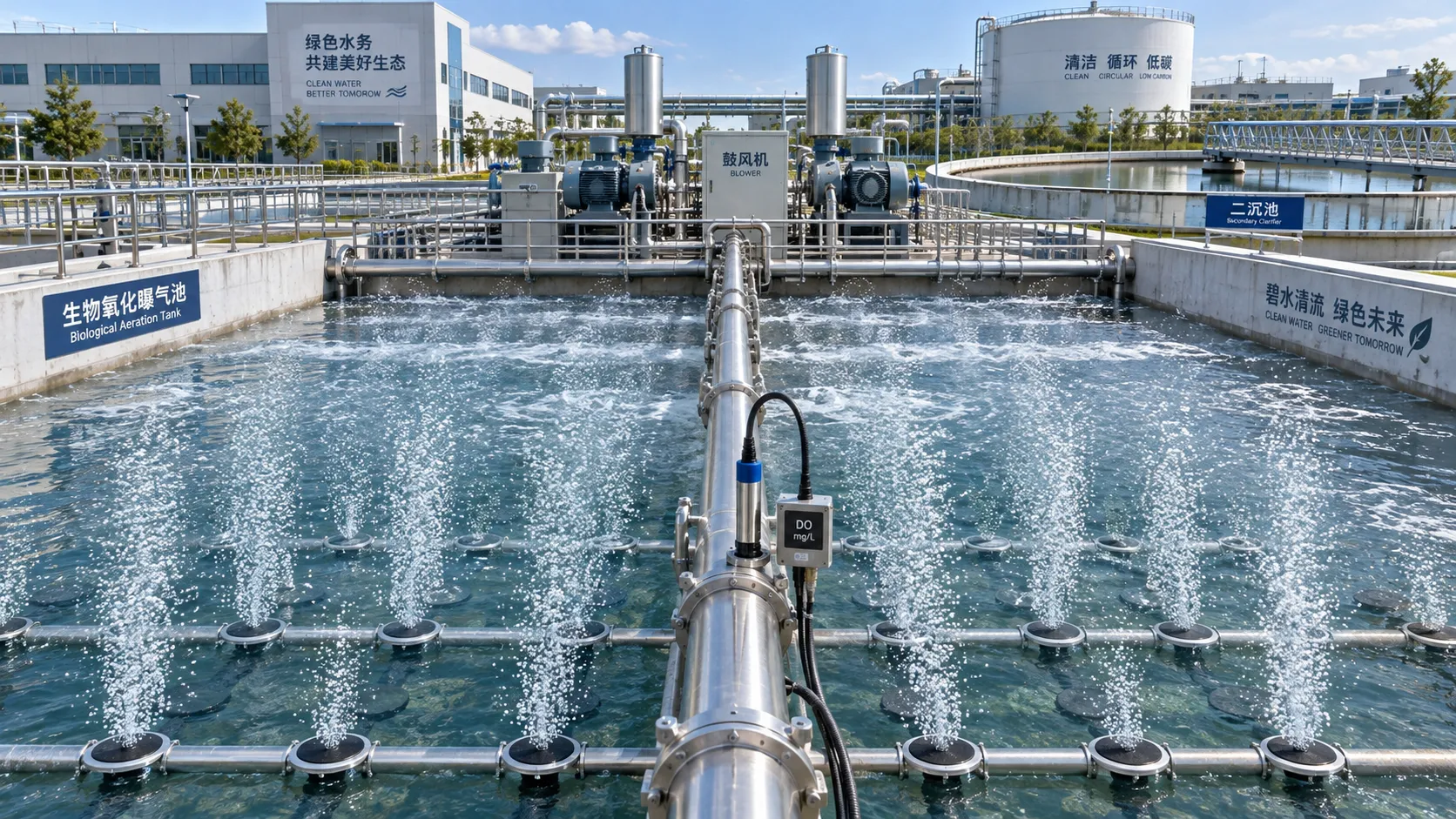
Biological Wastewater Oxidation Explained: Aeration Demand and Process Control
Biological wastewater oxidation explained: optimize aeration demand, DO control, nitrification, and sludge age for stable effluent quality and lower energy costs.
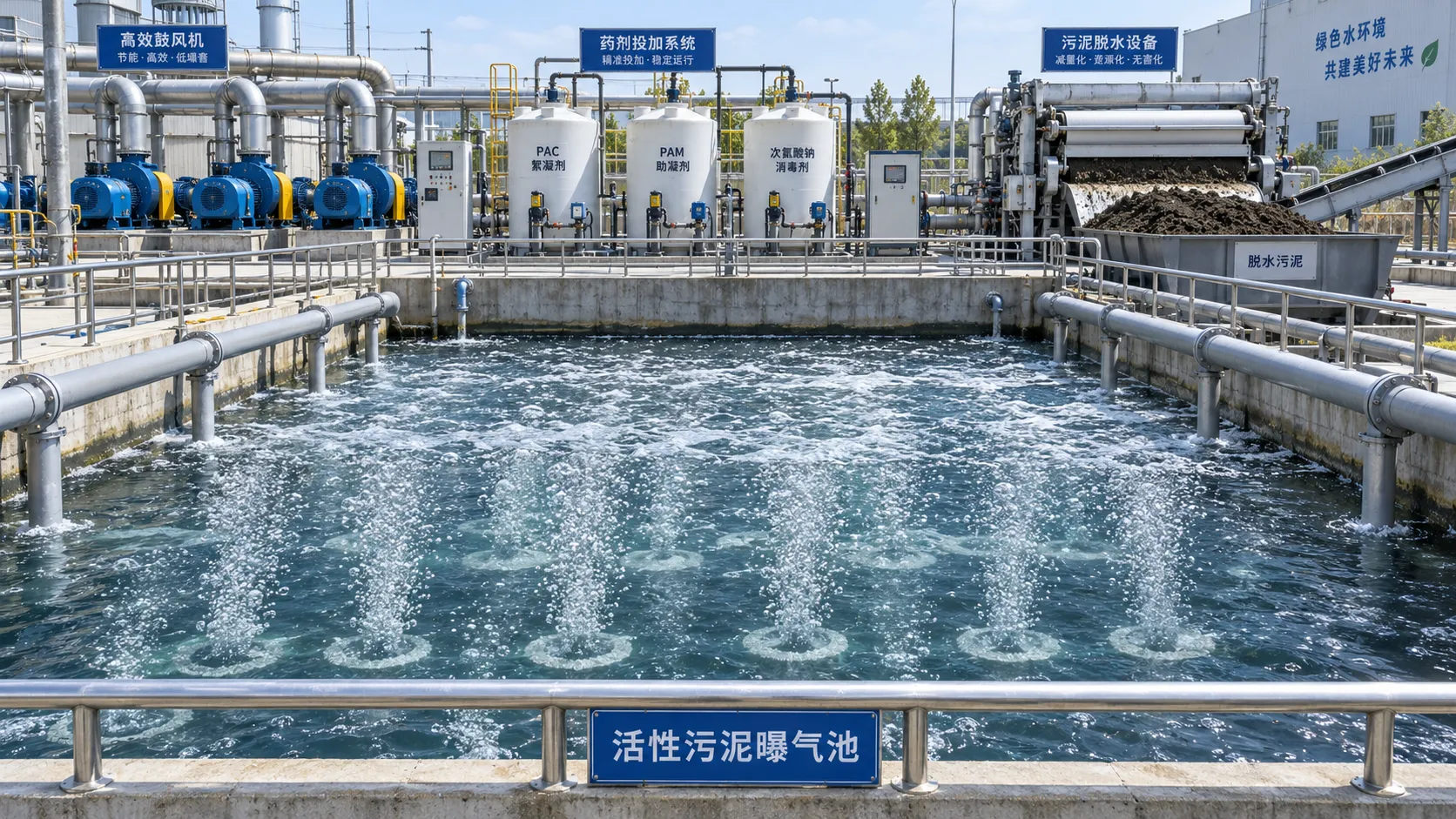
Activated Sludge Cost: Budgeting Energy, Chemicals, Sludge, and Labor
Activated sludge cost explained: compare energy, chemicals, sludge disposal, labor, and compliance risks to build a reliable lifecycle budget.
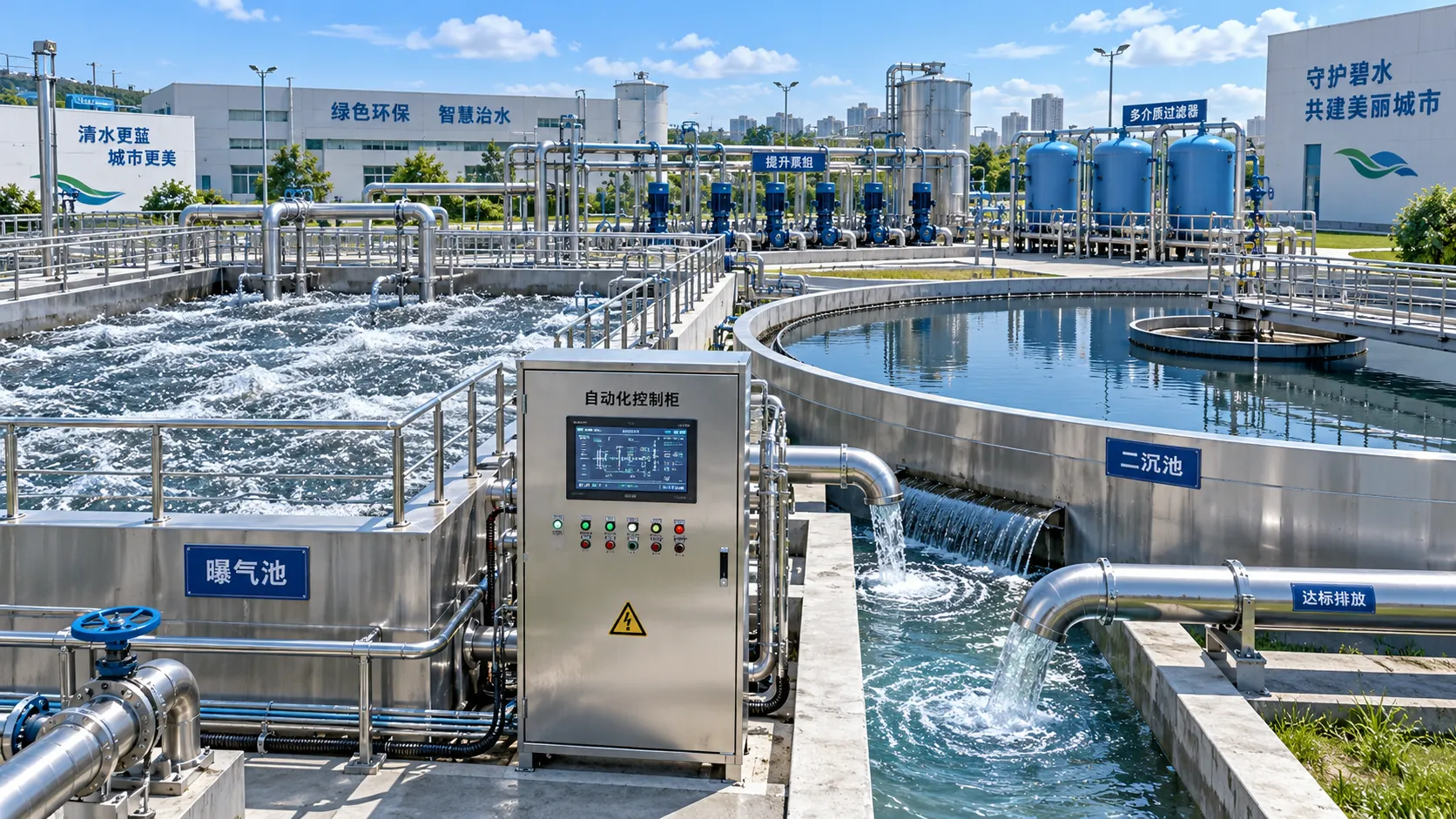
When Should Municipal Wastewater Plants Upgrade Treatment Capacity and Controls?
Municipal wastewater treatment upgrades: learn when capacity, controls, and resilient planning are needed to protect compliance and optimize plant performance.
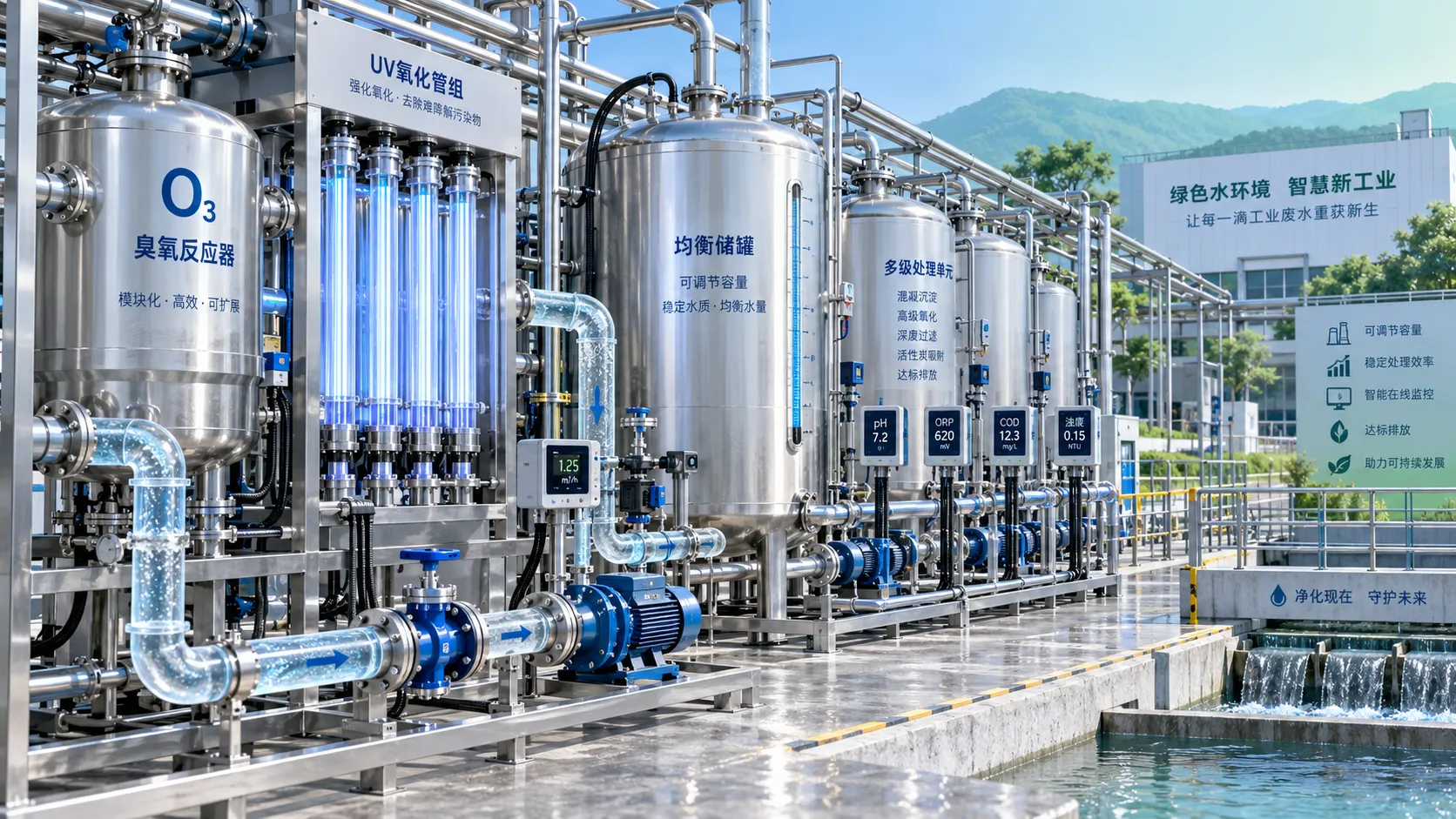
How to size advanced oxidation equipment for variable wastewater loads
Advanced oxidation equipment guide for sizing AOP systems under variable wastewater loads, improving compliance, efficiency, and lifecycle cost control.