
Industry News
Curation by industry experts
Hot Articles
Popular Tags
Industrial Emissions Control: Avoiding Compliance Gaps
Industrial emissions compliance is no longer a periodic reporting task—it is a continuous risk-control discipline for quality and safety teams. As regulations tighten and monitoring technologies become more transparent, even small gaps in flue gas treatment, wastewater interfaces, or equipment documentation can trigger operational delays, penalties, and reputational damage. This article explores how industrial facilities can identify hidden compliance vulnerabilities, strengthen emissions control systems, and build a more resilient environmental governance framework aligned with modern ESG and regulatory expectations.
Why Compliance Gaps Appear in Industrial Emissions Control
For quality control and safety managers, industrial emissions risk often sits between production reality and regulatory interpretation. The gap forms when equipment, data, and procedures evolve at different speeds.
A plant may install an FGD scrubber, SCR reactor, baghouse, or wastewater polishing unit, yet still fail during inspection because records, calibration, or interlock logic are incomplete.
ESD views this issue through an ecological equipment intelligence lens. Flue gas treatment, large water treatment, solid waste recovery, and hazardous residue management must be assessed as connected compliance systems.
Common root causes behind hidden violations
- Monitoring equipment is installed but not matched with a clear calibration schedule, alarm threshold, and maintenance responsibility matrix.
- Production changes increase pollutant load, while the original air pollution control device remains sized for older operating assumptions.
- Wastewater discharge points, sludge handling, and stack emissions are reported separately, causing blind spots at process interfaces.
- Operators focus on short-term output recovery after shutdowns, while bypass events and abnormal emissions are documented late or inconsistently.
The most dangerous compliance gaps are rarely dramatic failures. They are small deviations that repeat: unstable reagent dosing, incomplete sampling logs, and unclear acceptance criteria after repair.
Where Industrial Emissions Risk Concentrates Across Facilities
Industrial emissions do not come only from smokestacks. They arise across combustion, material transfer, chemical treatment, evaporation, drying, incineration, and wastewater interfaces.
The following table helps safety teams and quality managers classify typical risk points before procurement, audit preparation, or equipment retrofit planning.
This mapping prevents a narrow stack-only view. Industrial emissions compliance improves when teams evaluate pollutant generation, capture, treatment, monitoring, and residual disposal together.
How Quality and Safety Teams Should Audit Control Performance
A useful audit does not ask whether equipment exists. It asks whether the installed system can prove stable control under normal, abnormal, and transitional conditions.
For industrial emissions, performance evidence should include continuous monitoring records, preventive maintenance logs, reagent consumption, bypass approval records, and corrective action closure documents.
A practical audit sequence
- Start with the permitted emission points and compare them with actual operating routes, including temporary vents, maintenance bypasses, and emergency releases.
- Check whether critical instruments are calibrated against documented frequency, acceptance tolerance, and traceable service records.
- Review excursions by duration, root cause, pollutant type, corrective action, and whether recurrence prevention was technically verified.
- Compare production throughput, fuel composition, waste feed, or chemical loading with the design basis of treatment equipment.
- Confirm that operators understand alarm response rules and cannot silence environmental alarms without accountable escalation.
This approach supports both regulatory defense and operational learning. It also helps procurement teams define what “compliance-ready” equipment should mean before purchase.
Comparing Control Options for Industrial Emissions Procurement
Equipment selection is difficult because no single technology solves every industrial emissions profile. The right choice depends on pollutant chemistry, temperature, flow variation, space, and maintenance capability.
The table below compares common control options used in heavy industry, resource recovery, water treatment support systems, and integrated environmental projects.
Procurement should not focus only on capital cost. Industrial emissions control requires lifecycle certainty, spare parts strategy, safe maintenance access, and reliable proof under inspection.
Key Parameters That Should Be Confirmed Before Purchase
Many compliance gaps begin before installation, when suppliers receive incomplete process data. A weak technical specification forces vendors to make assumptions that may later become operational risk.
Before selecting industrial emissions equipment, quality and safety teams should request parameter confirmation across gas composition, variability, corrosion, waste byproducts, and monitoring architecture.
ESD’s intelligence approach links these parameters with water purification, circular recovery, and hazardous waste control. This helps teams avoid shifting industrial emissions risk from one permit boundary to another.
Standards, Documentation, and Monitoring: What Inspectors Usually Check
Regulators increasingly expect a defensible chain of evidence. Facilities must show not only reported values, but also how data were generated, reviewed, corrected, and retained.
Applicable rules vary by jurisdiction, sector, permit conditions, and pollutant category. However, several documentation principles are common across industrial emissions governance.
Core compliance evidence to maintain
- Continuous emission monitoring system records, including calibration drift checks, downtime explanations, and data substitution procedures where allowed.
- Stack testing reports using recognized methods, with operating load, sampling conditions, laboratory chain-of-custody, and uncertainty notes.
- Preventive maintenance plans for fans, pumps, dampers, nozzles, catalyst beds, filter bags, sensors, analyzers, and reagent systems.
- Management-of-change records when raw materials, fuels, production rates, or treatment chemicals affect industrial emissions characteristics.
Frameworks such as ISO 14001, occupational safety management systems, and recognized measurement methods can support discipline, but they do not replace site-specific engineering judgment.
Cost Control Without Creating New Compliance Exposure
Budget pressure is real, especially when emissions upgrades compete with production, safety, and energy projects. Yet low upfront cost can create expensive non-compliance later.
For industrial emissions projects, lifecycle costing should include utilities, reagents, waste disposal, analyzer service, spare parts, downtime risk, and permit-driven reporting effort.
Cost decisions that deserve caution
- Selecting a smaller fan or duct system may reduce initial spending, but weak capture efficiency increases fugitive emissions and workplace exposure risk.
- Reducing instrumentation may simplify installation, yet it removes early warning signals for reagent failure, filter damage, or catalyst deactivation.
- Choosing treatment equipment without residue planning can move costs into wastewater discharge, hazardous waste storage, or emergency disposal contracts.
A balanced specification defines mandatory compliance functions separately from optional performance enhancements. This gives procurement teams room to negotiate without weakening critical controls.
Implementation Roadmap for Closing Industrial Emissions Gaps
A successful improvement program should be staged. Trying to fix every emissions issue at once can overwhelm operations and delay the controls that matter most.
The roadmap below is suitable for plants preparing for audits, planning retrofits, or aligning environmental controls with ESG and carbon-related disclosure requirements.
This staged method reduces disruption. It also creates a clear audit trail showing that industrial emissions risks were identified, prioritized, corrected, and verified.
FAQ: Practical Questions About Industrial Emissions Compliance
How often should industrial emissions systems be reviewed?
A formal review is commonly needed annually, but critical equipment should be checked through monthly trend review, maintenance inspection, and immediate assessment after process changes.
What should procurement prioritize when choosing emissions control equipment?
Prioritize verified design basis, pollutant removal capability under variable load, monitoring integration, residual handling, maintenance access, and clear acceptance criteria for commissioning.
Can wastewater treatment affect air compliance?
Yes. Scrubber blowdown, volatile compounds in equalization tanks, sludge drying, and ZLD systems can create secondary industrial emissions if ventilation and capture are weak.
What is the most common misconception?
Many teams assume that passing one stack test proves continuous compliance. In reality, inspectors also evaluate monitoring integrity, abnormal events, maintenance discipline, and data completeness.
Why Choose ESD for Industrial Emissions Intelligence and Decision Support
ESD supports environmental equipment decisions by connecting flue gas treatment, water purification, solid waste recovery, desalination, and nuclear waste safety into one intelligence framework.
For quality and safety managers, this cross-system perspective is valuable. It helps reveal whether an industrial emissions solution creates hidden burdens in wastewater, sludge, energy, or documentation.
Consult ESD when you need decision-ready clarity
- Parameter confirmation for gas flow, pollutant concentration, temperature, moisture, residue streams, and abnormal operating conditions.
- Technology comparison for SCR, FGD, filtration, adsorption, oxidation, ZLD interfaces, and integrated waste recovery systems.
- Procurement specification review covering acceptance testing, documentation, spare parts, delivery schedule, and certification expectations.
- Compliance strategy discussion for ESG reporting, CBAM-related pressure, regulatory updates, and long-term equipment reliability.
If your facility is preparing an upgrade, audit response, or new project tender, contact ESD to discuss parameters, equipment selection, customized solutions, delivery timing, certification requirements, and quotation communication.
Industrial emissions control becomes stronger when decisions are based on connected evidence rather than isolated equipment claims. ESD helps turn that evidence into practical action.
Recommended News
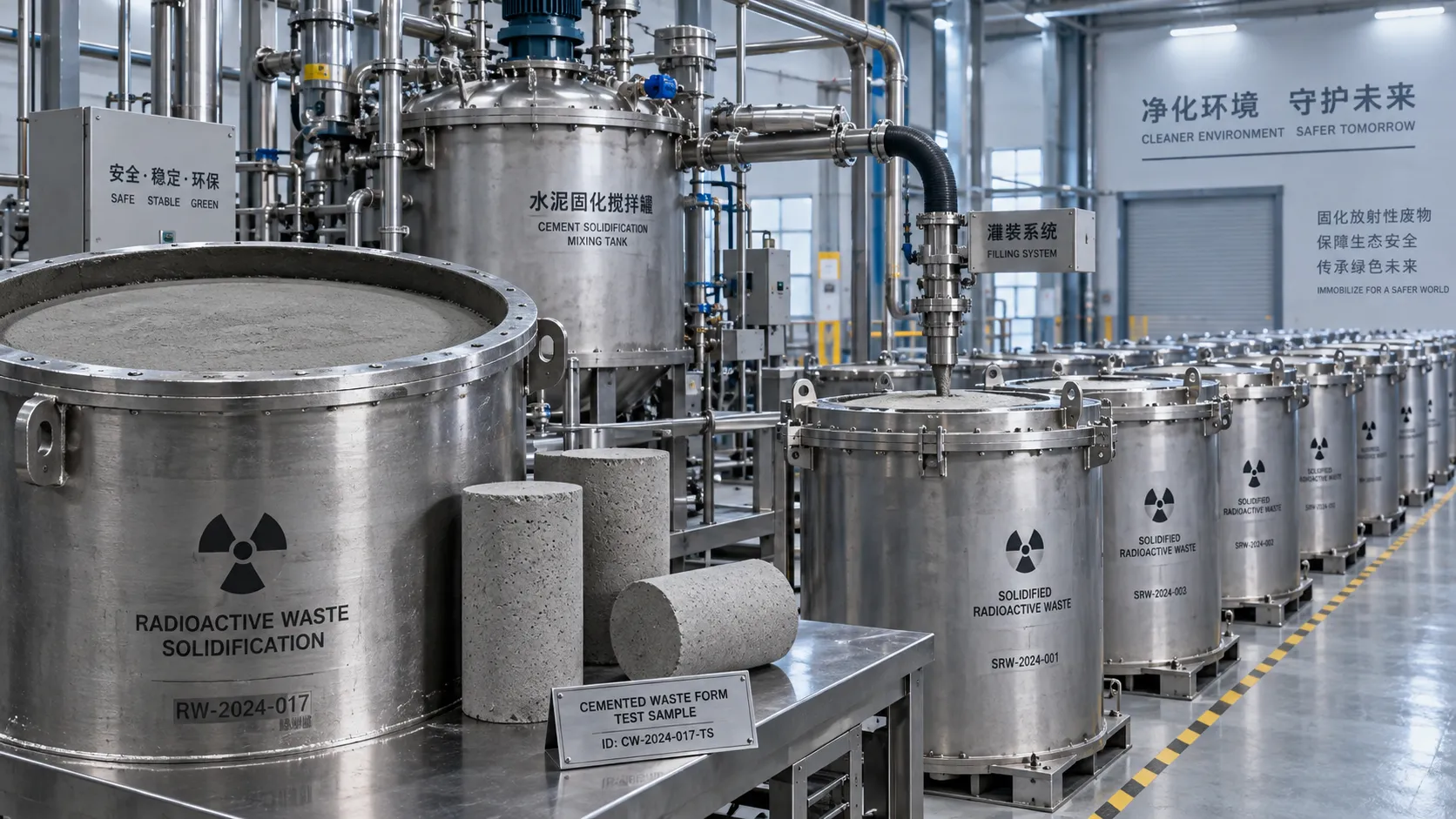
When is cementation suitable for nuclear decommissioning waste?
Explore nuclear waste treatment technology for decommissioning: learn when cementation fits, which risks to assess, and how disposal criteria guide an effective treatment choice.
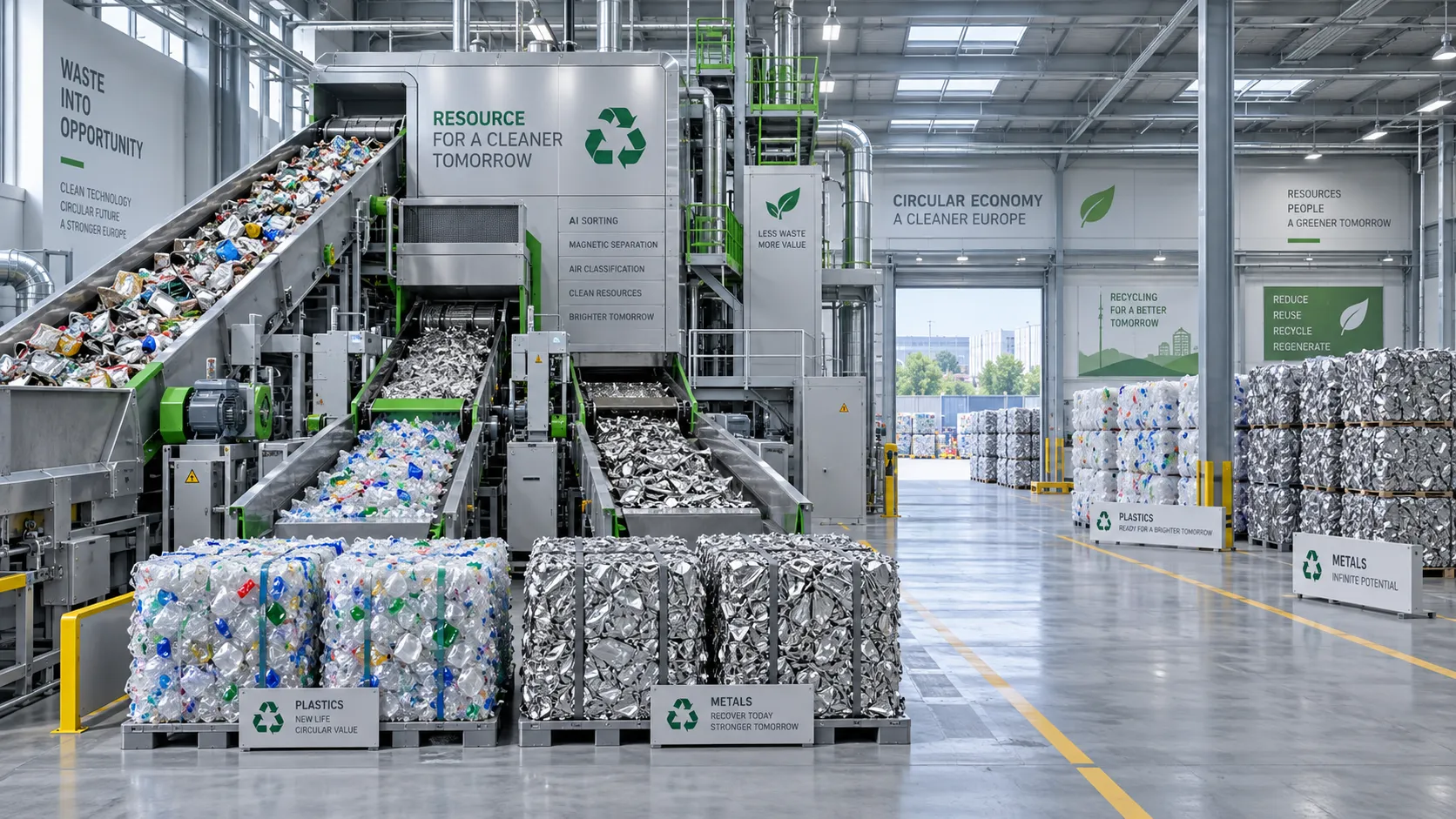
What determines payback for waste-to-resource systems in Europe?
Assess waste-to-resource systems Europe-wide: compare feedstock, recovery yields, costs and contracts to uncover payback drivers and make smarter investment decisions.
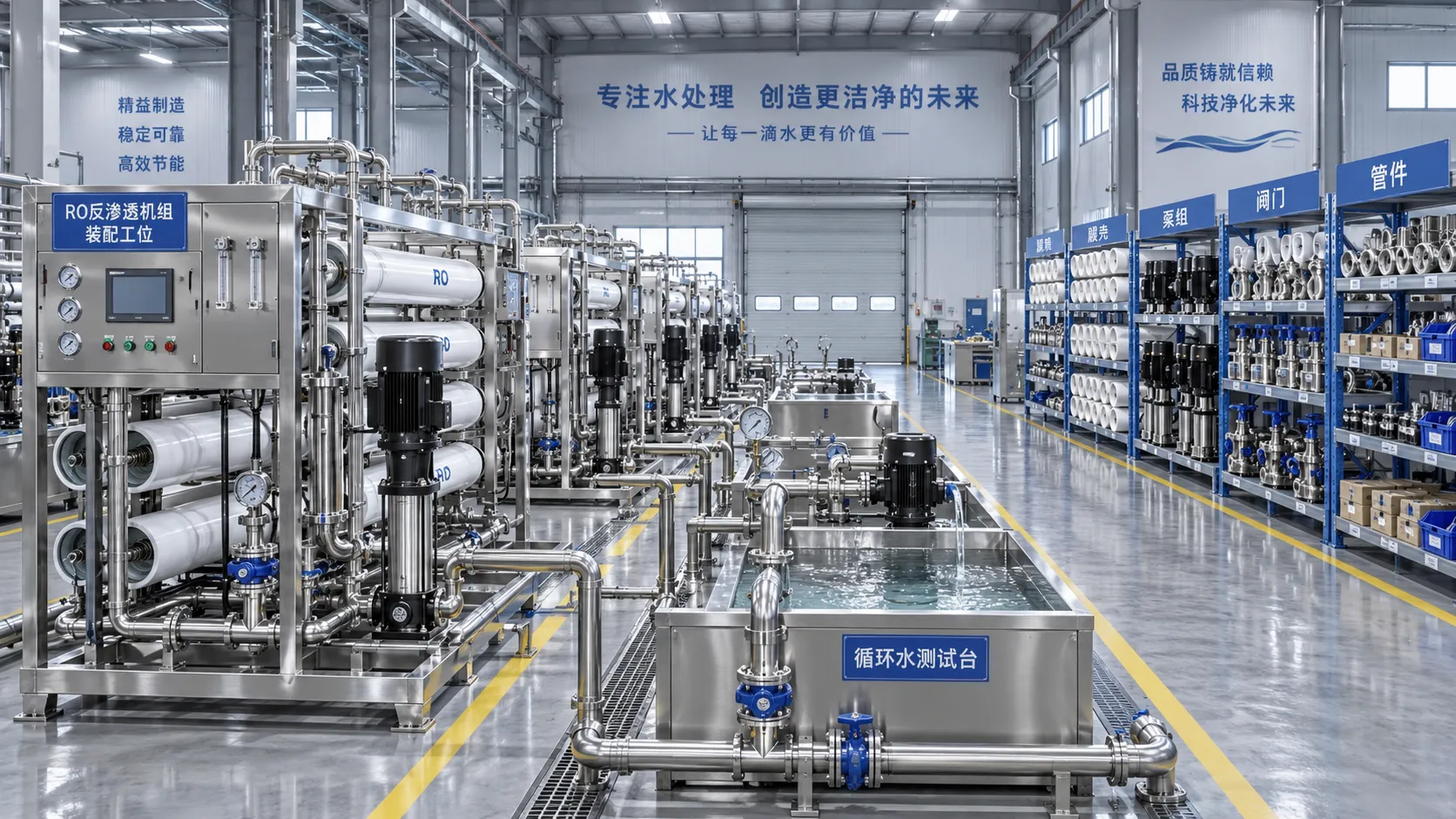
How to verify a water treatment system factory’s production capacity
Verify a water treatment systems factory’s production capacity through records, bottlenecks, component availability, and testing. Learn what to check before accepting a delivery promise.
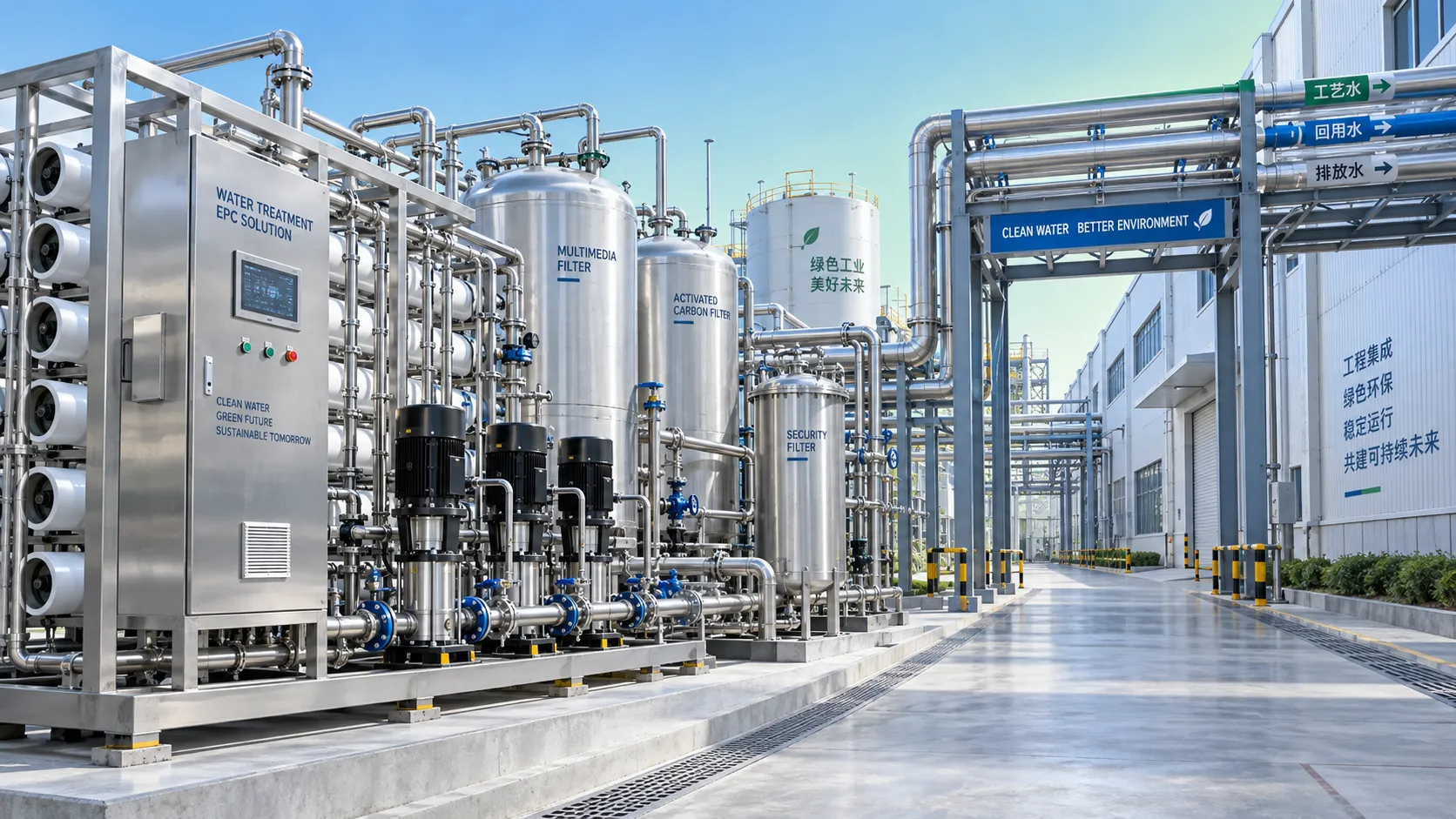
When does EPC environmental project support reduce delivery risk?
EPC environmental project support engineering reduces delivery risk by aligning design, procurement, compliance, construction, and commissioning decisions.
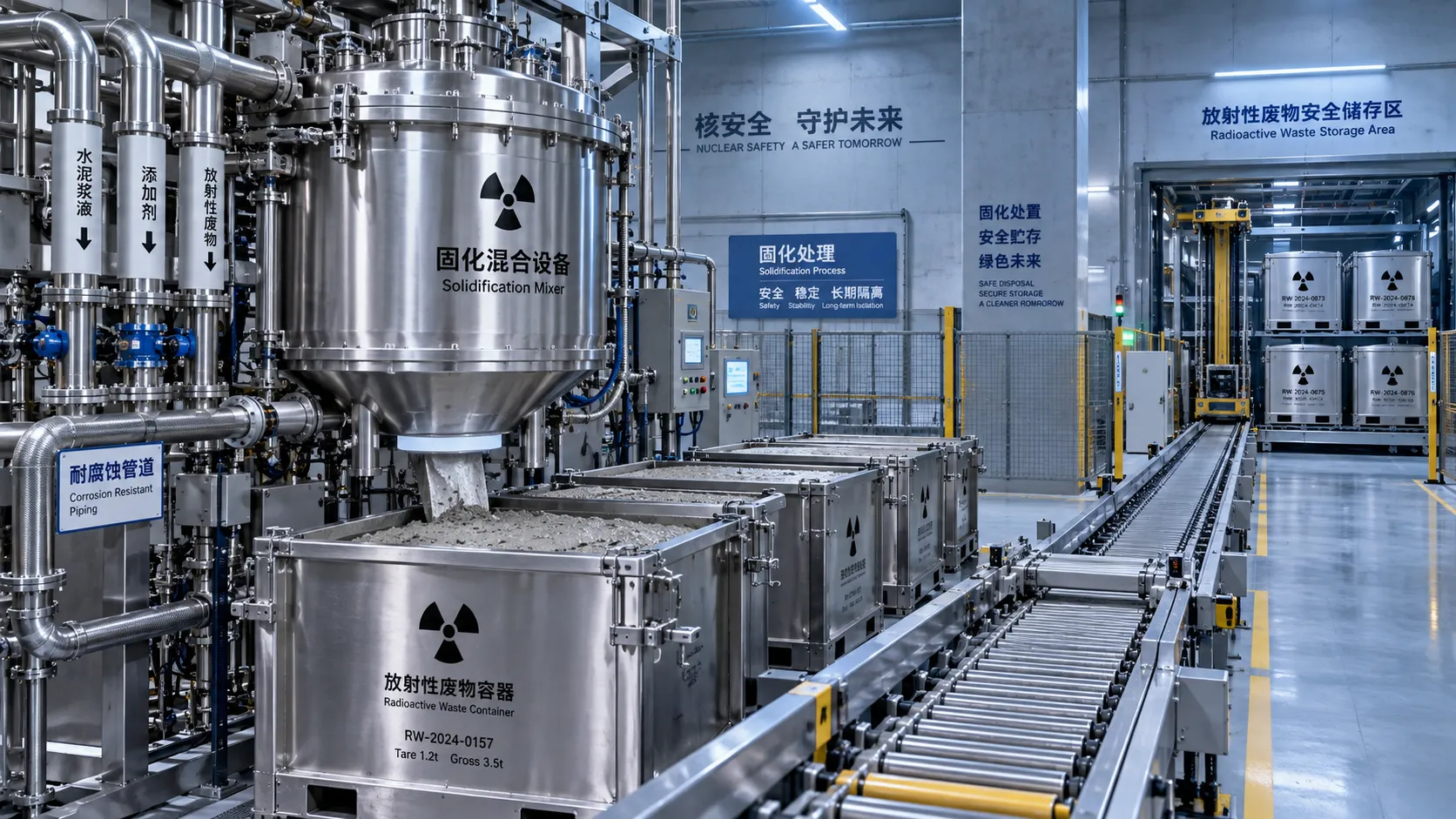
How nuclear plants select a radioactive waste solidification method
Radioactive waste management for nuclear plants: compare vitrification, cementation, polymers, and ceramics to select a compliant, durable solidification solution.
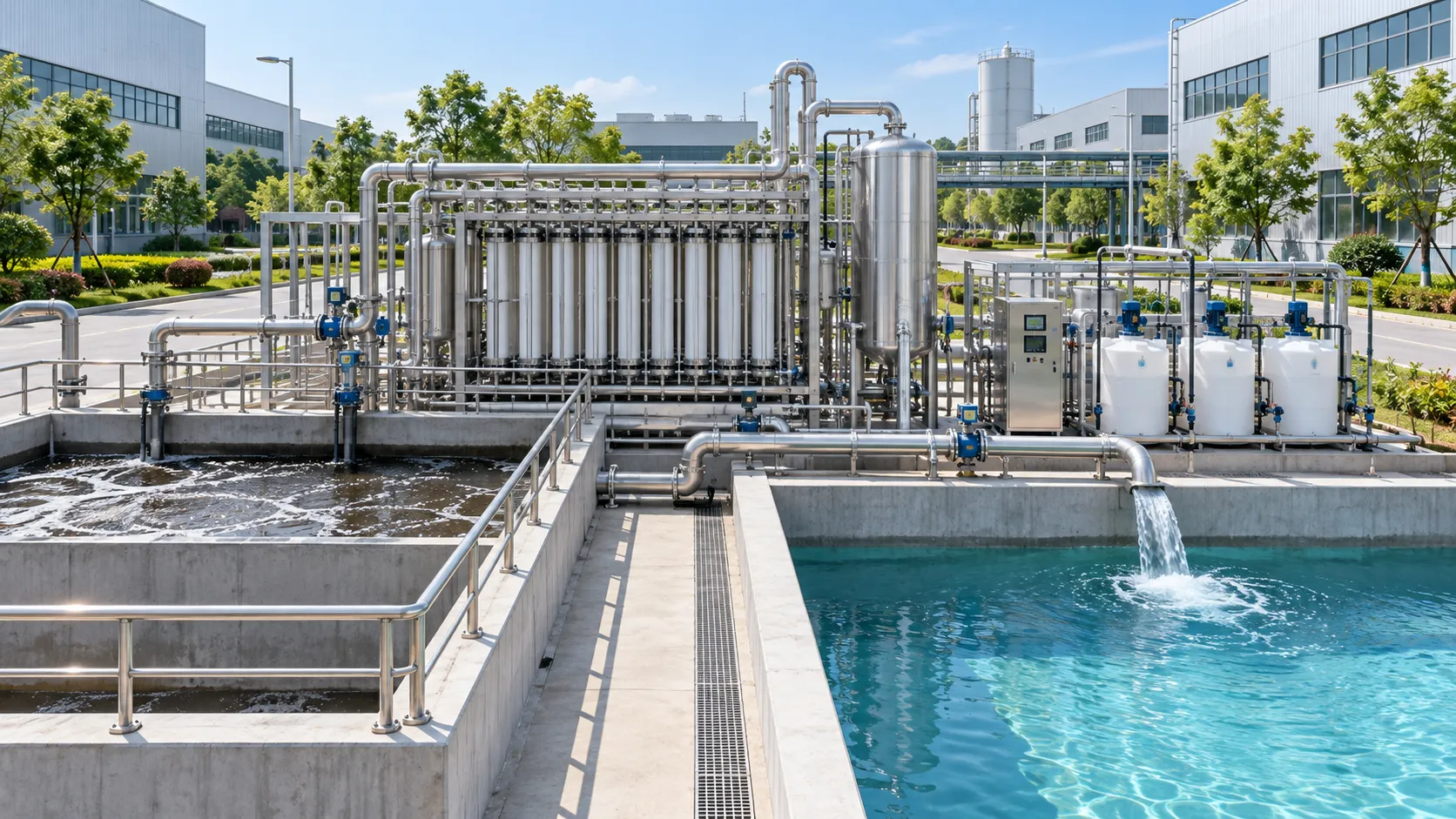
Comparing Upgrade Costs for Industrial Park Wastewater Treatment Systems
Compare costs for wastewater system upgrades in industrial parks with a lifecycle view of CAPEX, OPEX, compliance, resilience, and future expansion.
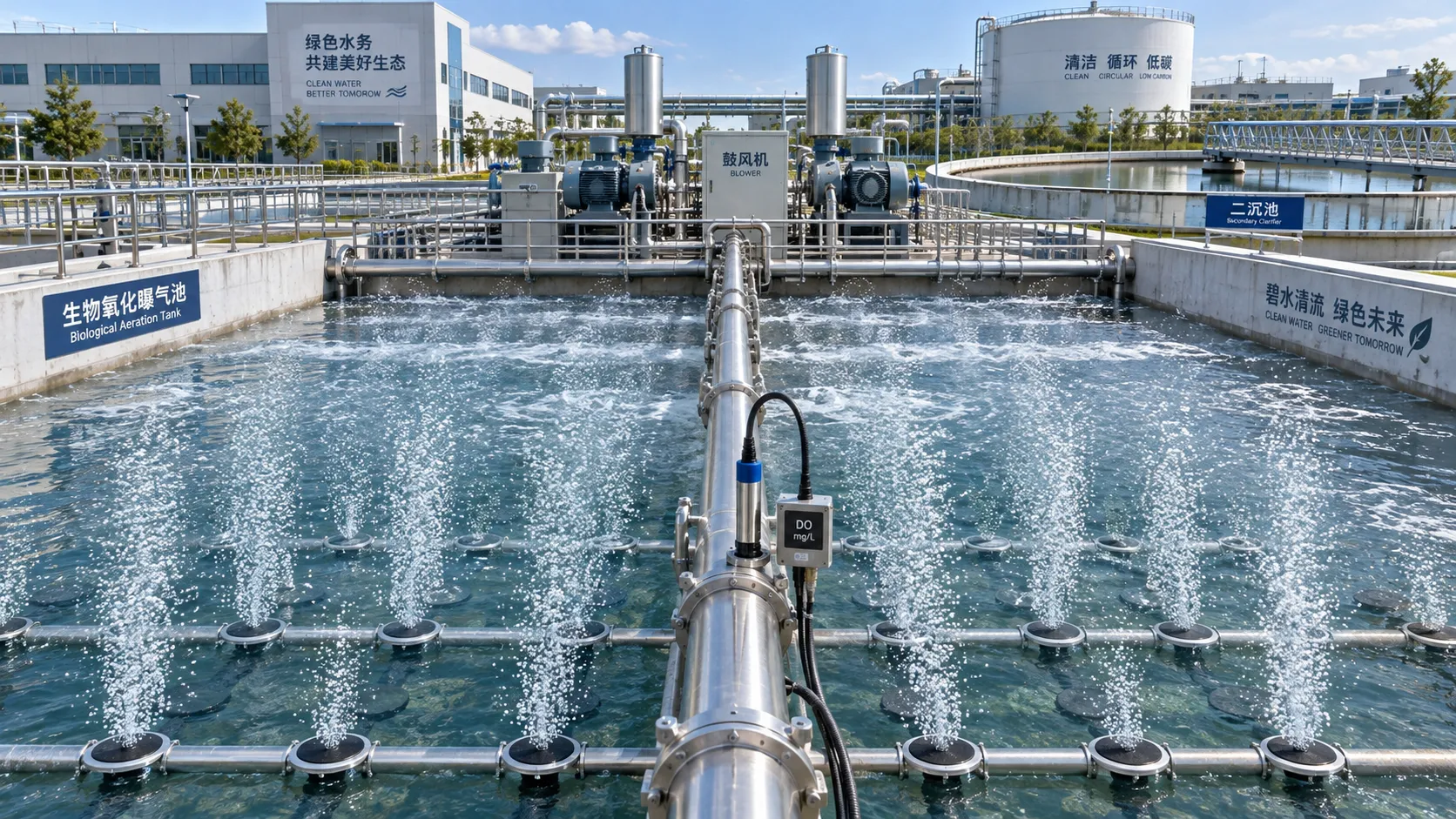
Biological Wastewater Oxidation Explained: Aeration Demand and Process Control
Biological wastewater oxidation explained: optimize aeration demand, DO control, nitrification, and sludge age for stable effluent quality and lower energy costs.
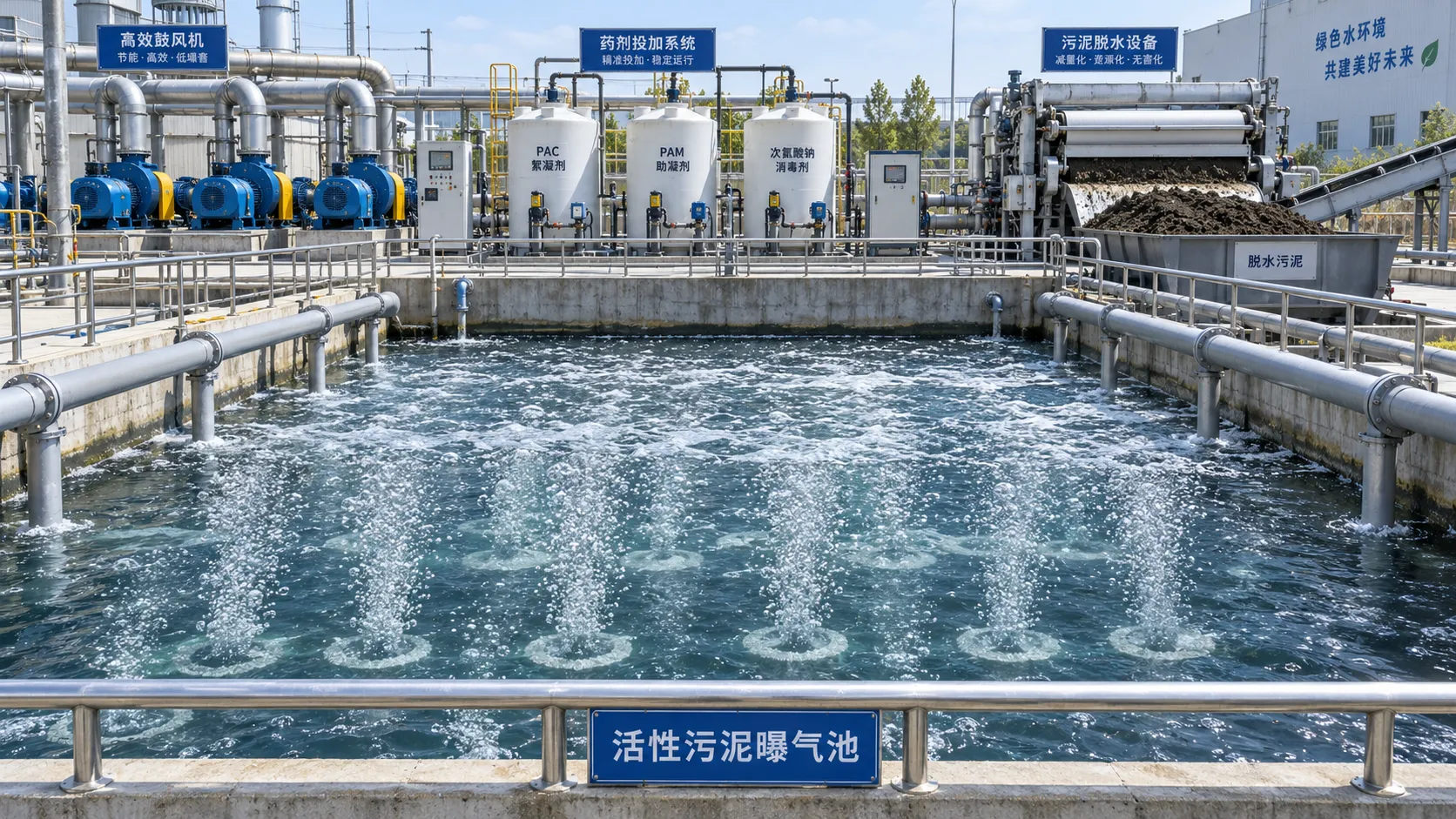
Activated Sludge Cost: Budgeting Energy, Chemicals, Sludge, and Labor
Activated sludge cost explained: compare energy, chemicals, sludge disposal, labor, and compliance risks to build a reliable lifecycle budget.
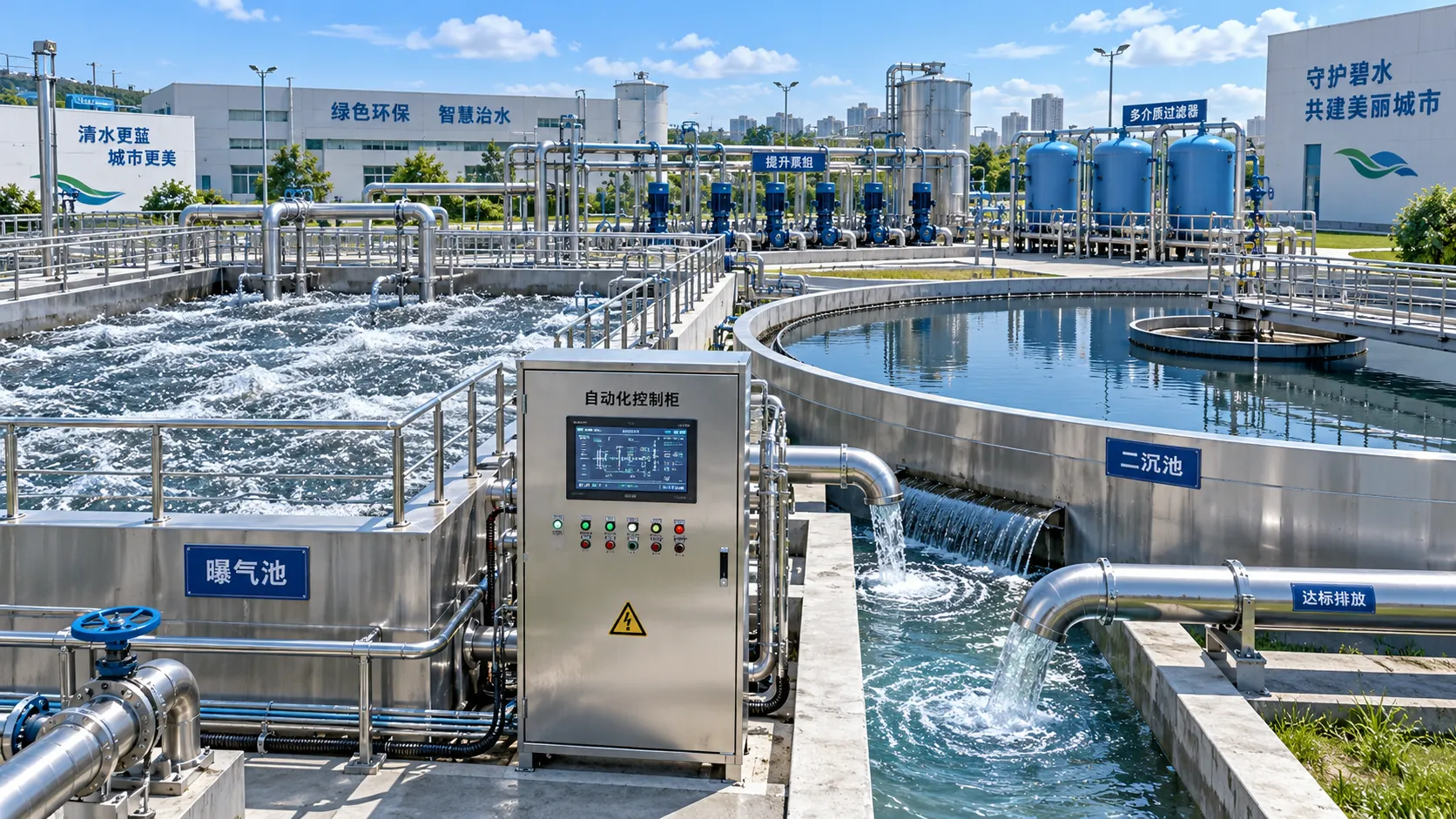
When Should Municipal Wastewater Plants Upgrade Treatment Capacity and Controls?
Municipal wastewater treatment upgrades: learn when capacity, controls, and resilient planning are needed to protect compliance and optimize plant performance.