
Industry News
Curation by industry experts
Hot Articles
Popular Tags
Green Tech Solutions for Water Treatment: What to Compare
Choosing green tech solutions for water treatment requires more than comparing headline efficiency claims. Technical evaluators must examine membrane performance, energy intensity, sludge or brine handling, automation readiness, lifecycle emissions, compliance resilience, and total cost under real operating conditions. As regulations tighten and projects move toward Zero Liquid Discharge, circular recovery, and carbon-conscious procurement, the right comparison framework helps distinguish scalable environmental engineering from short-term fixes.
For EPC contractors, municipal utilities, industrial park operators, and desalination project teams, the evaluation process must connect laboratory parameters with site hydraulics, chemical variability, labor capacity, discharge permits, and future carbon reporting. The most credible green technology is not simply the newest system; it is the one that remains stable after 12, 36, and 60 months of operation.
Why Green Water Treatment Evaluation Has Become More Complex
Modern water treatment projects rarely solve a single problem. A refinery wastewater line may need oil separation, COD reduction, heavy metal control, salt concentration, and ZLD recovery within one plant boundary. A coastal city may compare SWRO, energy recovery devices, remineralization, and brine diffusion under one procurement package.
This complexity changes how technical evaluators compare green tech solutions for water treatment. The question is no longer whether a technology removes contaminants under ideal conditions. The stronger question is whether it can sustain target performance under fluctuating feed quality, seasonal temperature shifts, chemical shocks, and compliance audits.
From Treatment Efficiency to System Resilience
A removal rate of 95% can be meaningful, but it is incomplete without hydraulic loading, recovery ratio, fouling rate, cleaning frequency, and reject management. For membrane-based systems, evaluators often compare flux in LMH, transmembrane pressure, salt rejection, and chemical cleaning intervals across at least 3 operating scenarios.
For biological, electrochemical, oxidation, and adsorption systems, resilience depends on reaction kinetics, media life, sludge generation, electrode consumption, and automation logic. A well-designed comparison should include at least 6 variables: influent range, target effluent quality, energy intensity, consumables, residuals, and maintenance burden.
Key Pain Points for Technical Evaluators
- Vendor data may be based on pilot water, while the real site contains surfactants, silica, oils, or variable TDS.
- Capex comparisons may ignore 5-year membrane replacement, sludge disposal, or energy recovery efficiency.
- Green claims may focus on lower chemical use but omit brine concentration or embedded carbon in consumables.
- Automation packages may lack integration readiness with SCADA, remote diagnostics, or cybersecurity controls.
A rigorous intelligence framework, such as the approach promoted by Global Eco-Shield Dynamics, treats water purification equipment as part of a wider ecological immune system. This means comparing not only purification output, but also carbon exposure, resource recovery potential, and long-term reliability.
Core Technologies to Compare in Green Water Treatment Projects
Different green tech solutions for water treatment serve different hydraulic, chemical, and commercial roles. A membrane bioreactor is not a substitute for brine crystallization, and advanced oxidation cannot replace a well-sized solids separation stage. Evaluators should define the treatment train before ranking individual equipment.
The following table summarizes common solution categories and the technical issues that should be reviewed before shortlisting suppliers. It is most useful during pre-FEED, bid clarification, or technology screening over a 2–6 week evaluation cycle.
The key conclusion is that no single category wins across all scenarios. Green tech solutions for water treatment should be compared as integrated treatment trains, with performance boundaries clearly stated for influent quality, operating temperature, salinity, and maintenance access.
Membrane Systems: Performance Beyond Rejection Rate
Membrane evaluation should include 24-hour, 7-day, and 30-day stability data when available. For SWRO, energy intensity may vary widely depending on feed salinity, pump efficiency, recovery ratio, and energy recovery device condition. Even a 0.2 kWh per m³ difference can become material in a large desalination plant.
Technical teams should request normalized permeate flow, differential pressure trends, cleaning chemical recipes, and expected membrane replacement intervals. A membrane with excellent initial rejection may be commercially weaker if fouling accelerates after 3 months of exposure to organics or colloidal silica.
ZLD and Brine Management: The Hidden Cost Center
ZLD is often treated as a compliance endpoint, but it is also a major energy and residue management challenge. Evaporators, crystallizers, and dryers must be compared on scaling control, cleaning downtime, steam consumption, salt discharge characteristics, and condensate reuse quality.
A credible ZLD review should include at least 3 salt scenarios: average load, peak load, and upset composition. This prevents underestimating fouling risk when sulfate, chloride, calcium, magnesium, fluoride, or organics fluctuate outside the design envelope.
A Practical Comparison Framework for Technical Evaluators
A good comparison framework transforms supplier proposals into engineering evidence. Instead of asking which vendor is greener, evaluators should ask how each solution performs across 5 dimensions: treatment reliability, resource efficiency, operational resilience, compliance flexibility, and lifecycle economics.
This framework is especially important when comparing green tech solutions for water treatment across municipal reuse, high-concentration industrial wastewater, desalination, and circular recovery projects. Each category has different discharge limits, energy priorities, chemical constraints, and staffing realities.
Step 1: Define Influent and Effluent Boundaries
Start with a design basis that includes daily average flow, peak hourly flow, seasonal variation, and contaminant ranges. For industrial wastewater, at least 10–20 representative samples are preferable before finalizing process selection, especially where pH, conductivity, oils, or heavy metals fluctuate.
Effluent boundaries should include permitted discharge, internal reuse targets, cooling tower makeup quality, boiler feed requirements, or agricultural reuse criteria. A solution optimized for discharge may not meet reuse conductivity, silica, or microbial stability requirements.
Step 2: Compare Resource Intensity
Resource intensity includes electricity, steam, chemicals, membrane replacements, adsorbents, compressed air, and operator time. Technical evaluators should normalize these inputs per m³ treated, per kg contaminant removed, or per m³ recovered water to avoid misleading comparisons.
- Calculate kWh per m³ for average and peak conditions.
- Estimate chemical consumption in kg per day and kg per m³.
- Model membrane, media, electrode, or catalyst replacement over 5 years.
- Include sludge, brine, spent media, and crystallized salt disposal costs.
- Assign labor hours for routine operation, sampling, cleaning, and troubleshooting.
Step 3: Rate Automation and Data Readiness
Automation is no longer an optional upgrade. Large water treatment plants increasingly require remote monitoring, predictive maintenance, automatic chemical dosing, and event logs suitable for audit review. A green system that depends on manual adjustment 3–5 times per shift may struggle in remote or labor-constrained sites.
Evaluator checklists should include sensor redundancy, PLC architecture, SCADA compatibility, data export format, alarm hierarchy, cybersecurity practices, and remote service response time. For critical systems, a 4-hour alarm escalation procedure may be more valuable than a marginal improvement in nominal efficiency.
Lifecycle Emissions, Compliance, and Total Cost of Ownership
Green tech solutions for water treatment must increasingly align with carbon-conscious procurement. In practice, lifecycle emissions include power consumption, chemical logistics, replacement parts, sludge transport, thermal energy, and embedded emissions in major equipment. These factors can affect bid scoring and corporate sustainability reporting.
Regulatory resilience is equally important. Discharge limits may tighten within 3–7 years, and water reuse targets may increase as climate stress intensifies. A treatment system with modular expansion, spare hydraulic capacity, and upgrade-ready control architecture is often more valuable than a narrowly optimized low-bid package.
The table below offers a procurement-oriented scoring matrix. Evaluators can adapt it during tender review, technical clarification, or internal gate approval for projects ranging from 5,000 m³ per day municipal reuse to high-salinity industrial ZLD plants.
This matrix highlights an essential point: green performance is not a single score. It is a balance between water quality, resource input, residual output, regulatory durability, and maintainability under realistic site constraints.
How to Treat Vendor Claims
Technical evaluators should request test conditions behind every major performance claim. If a supplier states 90% water recovery, confirm feed TDS, hardness, silica, organic loading, temperature, antiscalant dose, and cleaning cycle. A claim without boundary conditions is not yet engineering evidence.
For complex plants, pilot testing may run for 4–12 weeks depending on variability and risk. Shorter jar tests or bench trials can screen chemistry, but they cannot fully prove fouling behavior, operator workload, or long-term sludge dewaterability.
Compliance and CBAM-Aware Procurement
Export-oriented manufacturers increasingly need wastewater systems that support environmental disclosure and carbon-sensitive supply chains. While CBAM mainly targets embedded emissions in selected goods, its influence encourages cleaner utilities, traceable energy use, and stronger environmental documentation across industrial production.
Green tech solutions for water treatment should therefore produce usable operational data, not just treated water. Flow meters, conductivity logs, chemical dosing records, sludge manifests, and energy dashboards can support audits, customer reviews, and internal sustainability governance.
Implementation Risks and Practical Selection Advice
Even well-selected technologies can fail when implementation is weak. Common risks include undersized equalization tanks, incomplete pretreatment, poor instrumentation, insufficient operator training, and unclear responsibility between process supplier, civil contractor, automation integrator, and plant owner.
A practical execution plan should divide work into 5 stages: diagnostic sampling, process selection, pilot or simulation validation, detailed engineering, and performance acceptance. Each stage should have measurable outputs, such as effluent limits, energy targets, equipment redundancy, and alarm response protocols.
Common Mistakes When Comparing Solutions
- Comparing unit price without normalizing flow, recovery, contaminant load, and disposal obligations.
- Selecting high-recovery RO without confirming scaling limits and concentrate disposal capacity.
- Assuming automation reduces staffing without verifying sensor maintenance and alarm management.
- Ignoring sludge or brine characteristics until commissioning, when disposal contracts become urgent.
- Treating ZLD as one machine rather than a complete pretreatment, concentration, crystallization, and solids handling chain.
Recommended Acceptance Checks
Acceptance should include at least 72 hours of continuous operation for standard systems and longer performance runs for high-risk industrial or desalination applications. Test plans should define influent quality, effluent thresholds, allowable downtime, sampling frequency, and corrective actions.
For large-scale plants, evaluators should also require a spare parts strategy covering critical pumps, membranes, sensors, valves, dosing equipment, and control modules. A 2-year critical spares list helps prevent avoidable shutdowns after warranty handover.
Where Strategic Intelligence Adds Value
The Global Eco-Shield Dynamics perspective is useful because it connects equipment selection with regulation, circular economy logic, desalination energy balance, and extreme reliability. Technical evaluators need this broader view when projects involve billion-dollar government bids, industrial compliance exposure, or water security mandates.
By analyzing membrane evolution, ZLD economics, resource recovery pathways, and environmental policy movement, ESD helps project teams compare green tech solutions for water treatment with a sharper engineering and procurement lens. This intelligence can reduce selection bias and improve bid defensibility.
Final Guidance for Selecting Scalable Green Water Treatment Technology
The best green tech solutions for water treatment are not chosen by marketing language or isolated efficiency percentages. They are selected through disciplined comparison of influent risk, process stability, energy intensity, residual handling, automation readiness, lifecycle emissions, and compliance resilience.
For technical evaluators, the strongest procurement path is evidence-based and scenario-driven. Compare at least 3 operating cases, model 5-year ownership cost, define acceptance criteria before contract award, and confirm that the selected treatment train can adapt to stricter discharge or reuse requirements.
If your team is assessing desalination, ZLD, municipal reuse, industrial wastewater, or circular recovery systems, ESD can support a more rigorous technology comparison process. Contact us to explore tailored intelligence, evaluate project risks, and learn more about solutions aligned with carbon neutrality and the circular economy.
Recommended News
When is cementation suitable for nuclear decommissioning waste?
Explore nuclear waste treatment technology for decommissioning: learn when cementation fits, which risks to assess, and how disposal criteria guide an effective treatment choice.
What determines payback for waste-to-resource systems in Europe?
Assess waste-to-resource systems Europe-wide: compare feedstock, recovery yields, costs and contracts to uncover payback drivers and make smarter investment decisions.
How to verify a water treatment system factory’s production capacity
Verify a water treatment systems factory’s production capacity through records, bottlenecks, component availability, and testing. Learn what to check before accepting a delivery promise.
When does EPC environmental project support reduce delivery risk?
EPC environmental project support engineering reduces delivery risk by aligning design, procurement, compliance, construction, and commissioning decisions.
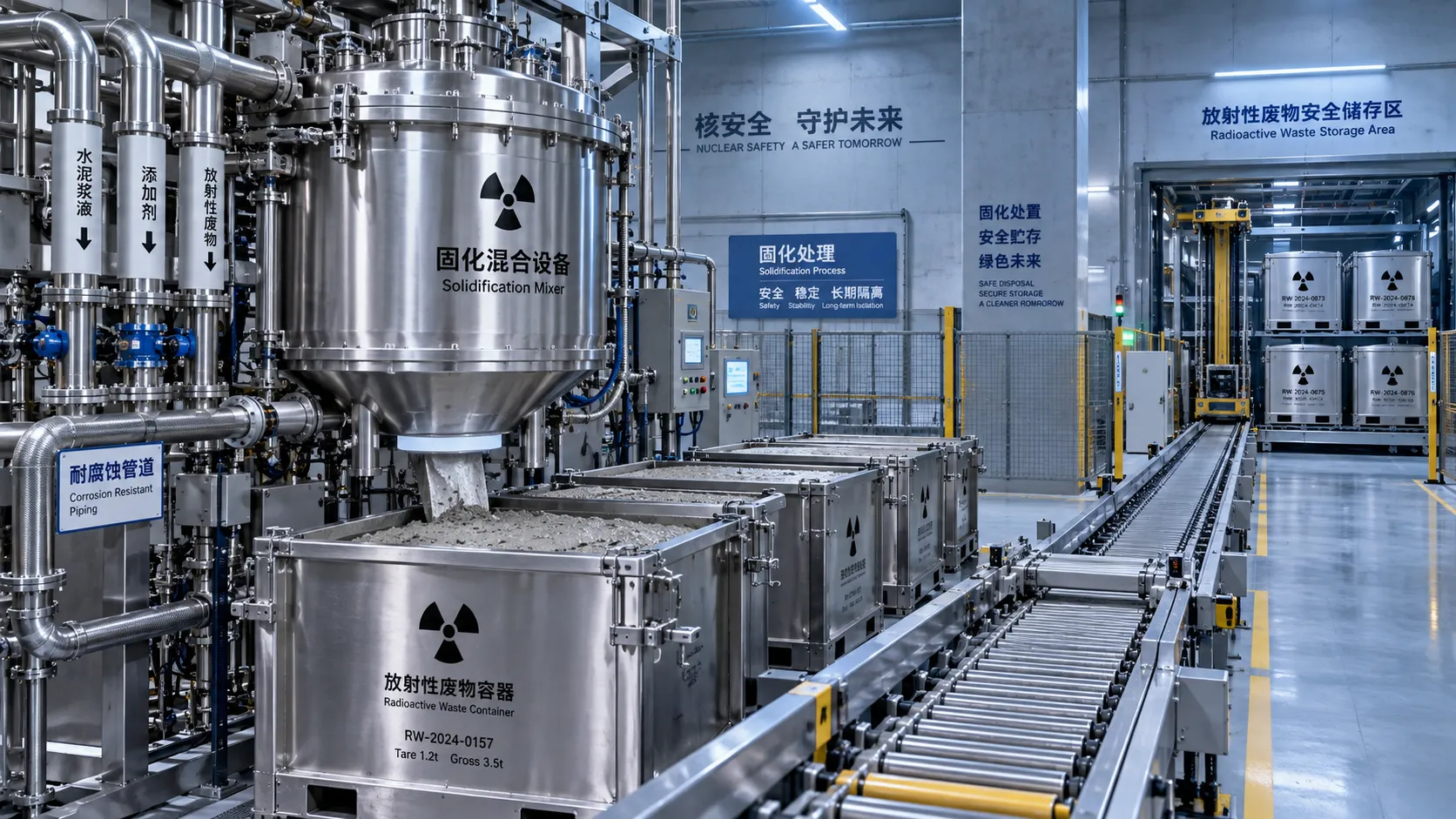
How nuclear plants select a radioactive waste solidification method
Radioactive waste management for nuclear plants: compare vitrification, cementation, polymers, and ceramics to select a compliant, durable solidification solution.
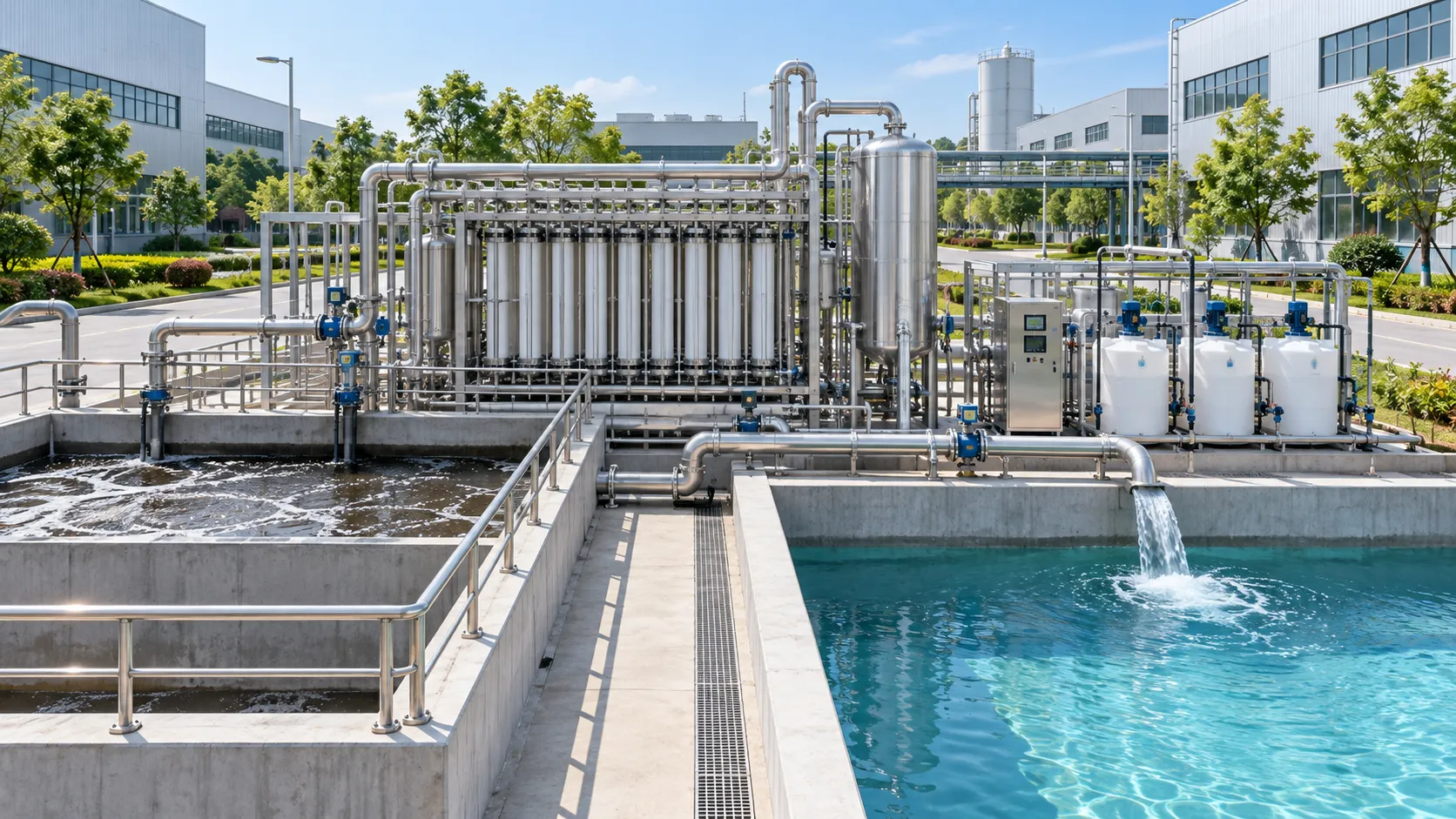
Comparing Upgrade Costs for Industrial Park Wastewater Treatment Systems
Compare costs for wastewater system upgrades in industrial parks with a lifecycle view of CAPEX, OPEX, compliance, resilience, and future expansion.
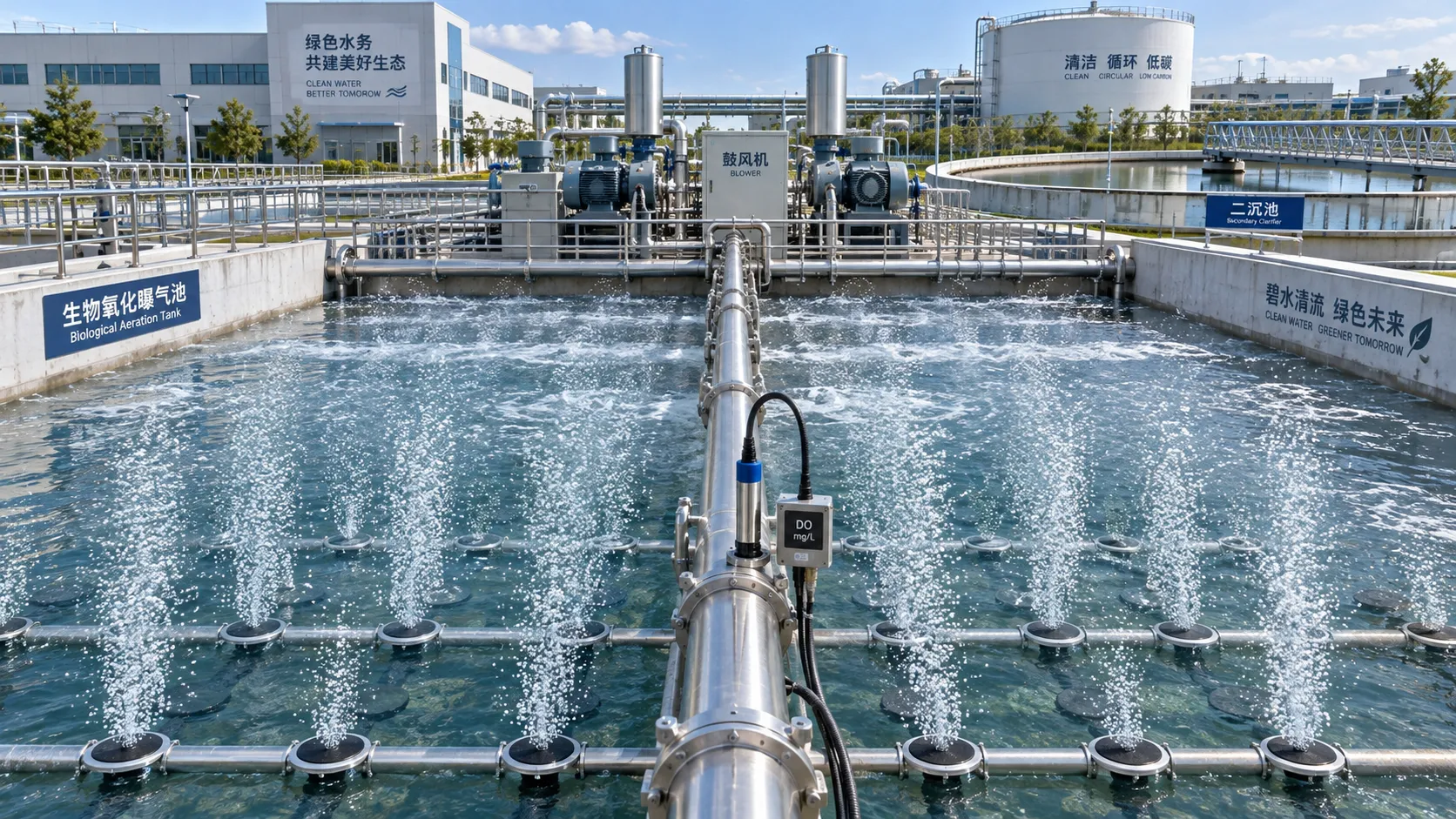
Biological Wastewater Oxidation Explained: Aeration Demand and Process Control
Biological wastewater oxidation explained: optimize aeration demand, DO control, nitrification, and sludge age for stable effluent quality and lower energy costs.
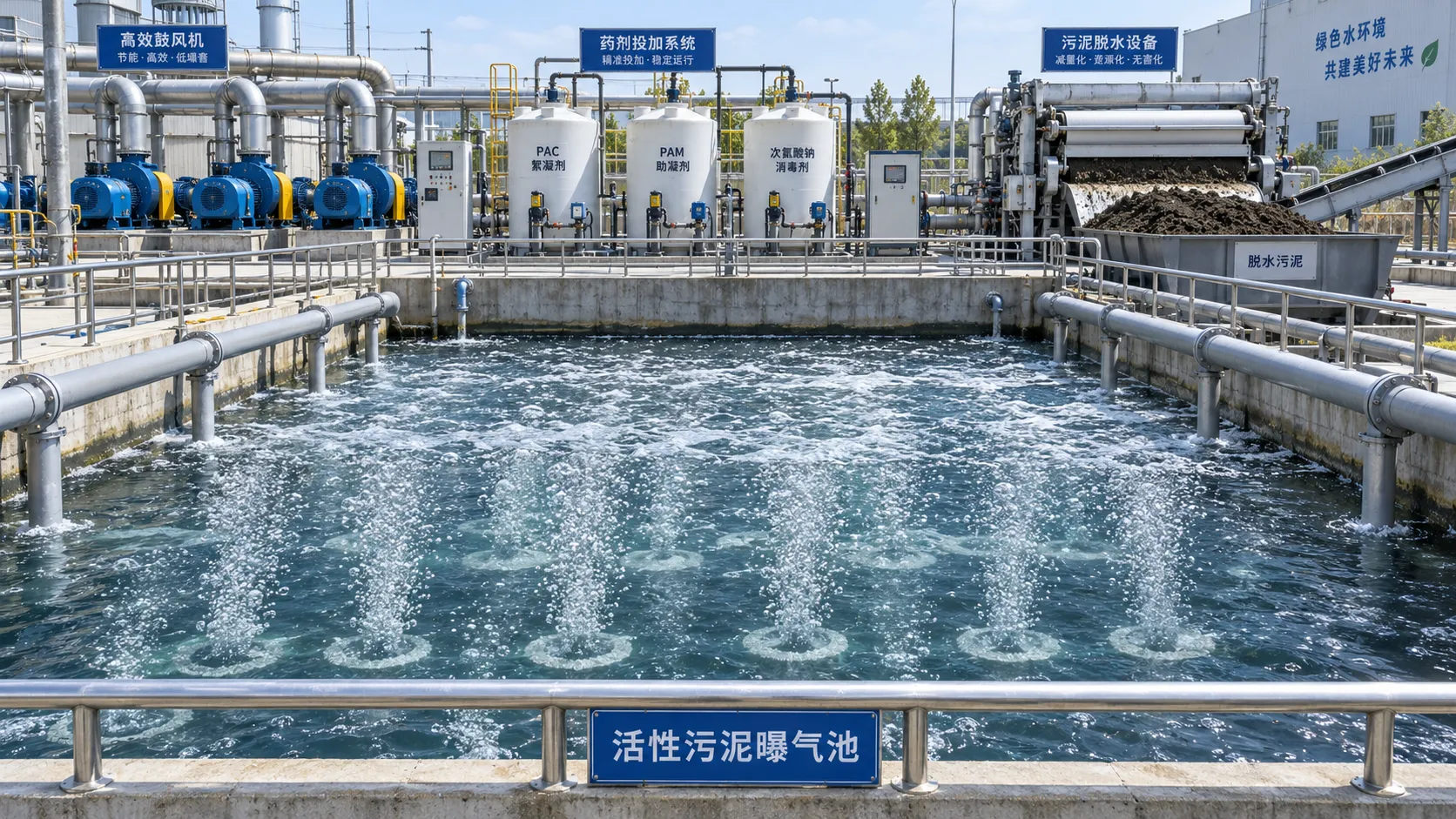
Activated Sludge Cost: Budgeting Energy, Chemicals, Sludge, and Labor
Activated sludge cost explained: compare energy, chemicals, sludge disposal, labor, and compliance risks to build a reliable lifecycle budget.
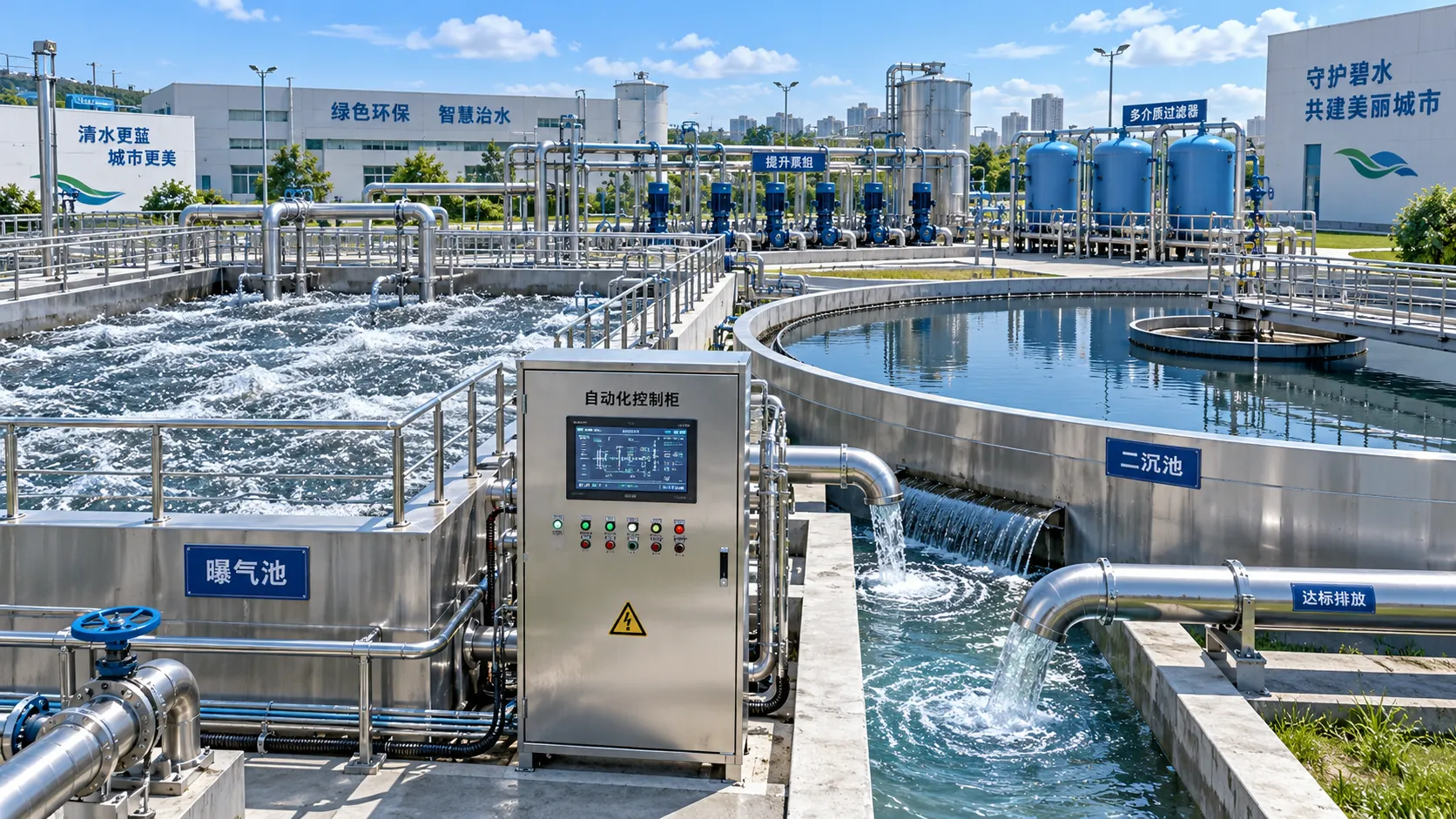
When Should Municipal Wastewater Plants Upgrade Treatment Capacity and Controls?
Municipal wastewater treatment upgrades: learn when capacity, controls, and resilient planning are needed to protect compliance and optimize plant performance.