
Industry News
Curation by industry experts
Hot Articles
Popular Tags
Green Tech Trends Reshaping Water Projects in 2026
Green Tech Trends Reshaping Water Projects in 2026
In 2026, green tech is becoming the strategic core of water project planning, procurement, compliance, and long-term asset performance.
Advanced treatment, AI monitoring, low-carbon desalination, ZLD pathways, and circular recovery now shape investment logic across large water infrastructure.
The key challenge is matching each scenario with reliable green tech that reduces risk, energy use, emissions, and lifecycle cost.
Scenario Background: Why Green Tech Decisions Are Becoming Site-Specific
Water projects no longer follow one universal engineering template. Feedwater chemistry, discharge rules, energy pricing, and land limits vary sharply.
A municipal plant needs resilient nutrient removal. A coastal desalination hub needs energy discipline and membrane stability.
An industrial ZLD project must control scaling, concentrate volume, hazardous residues, and operational downtime.
This is why green tech selection must begin with scenario judgment, not equipment preference.
The most competitive projects connect treatment outcomes with carbon accounting, resource recovery, digital supervision, and future environmental compliance.
ESD observes this shift across water treatment, solid waste recovery, desalination, flue gas control, and nuclear safety systems.
The same logic applies everywhere: green tech creates value only when it fits the operating boundary.
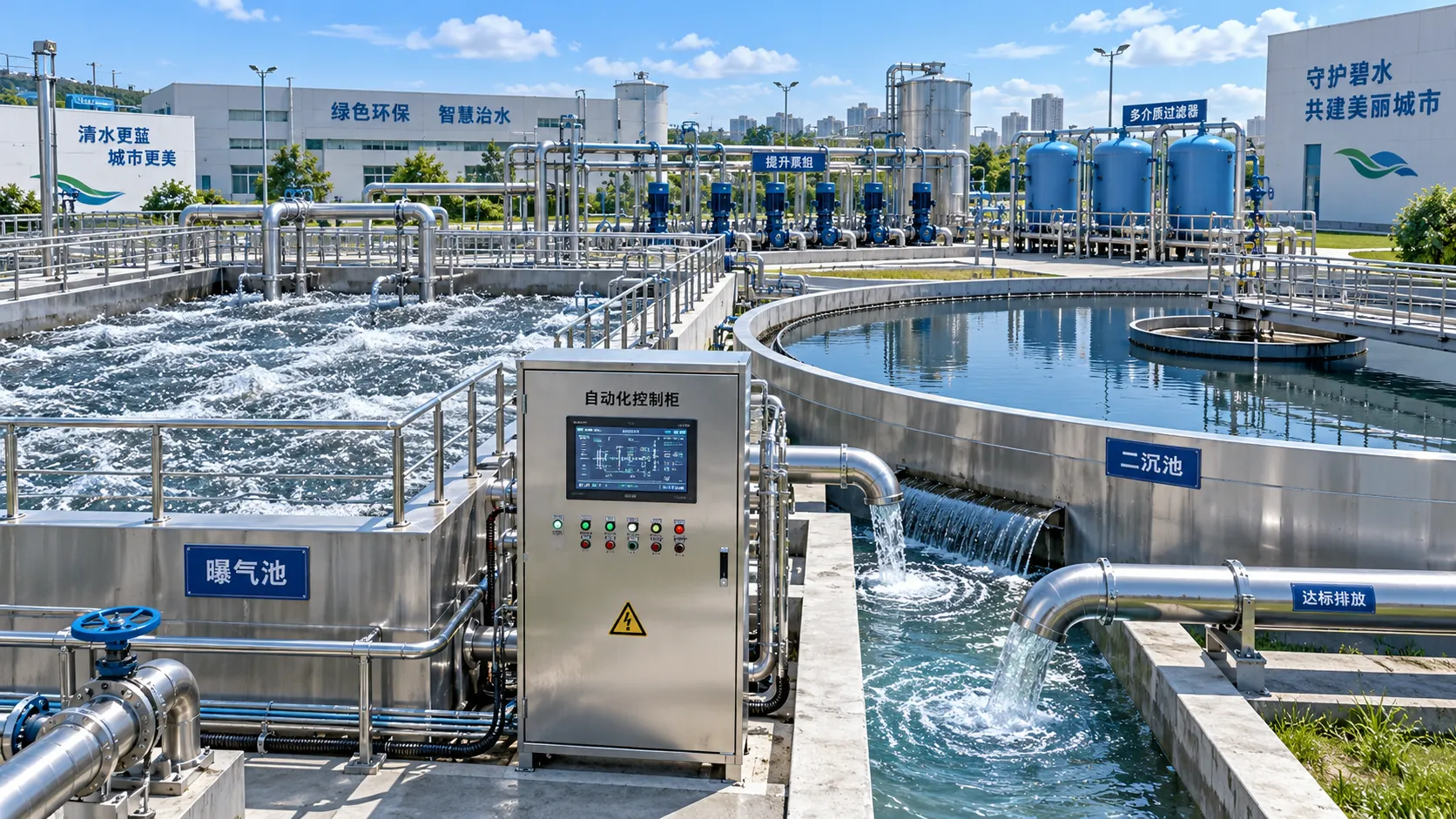
Scenario 1: Municipal Water Upgrades Need Resilience Before Capacity
Urban water facilities face aging assets, storm surges, stricter effluent limits, and rising public scrutiny.
Here, green tech should first strengthen resilience, then improve capacity and energy efficiency.
AI process control can stabilize aeration, chemical dosing, sludge handling, and peak-flow response.
Low-energy biological treatment, advanced nutrient removal, and digital twins support predictable compliance under variable influent conditions.
The core judgment point is not whether automation is modern. It is whether automation reduces compliance volatility.
Green tech also supports odor reduction, biosolids valorization, and energy recovery from sludge digestion.
These gains matter when municipal budgets demand visible environmental results without repeated civil reconstruction.
Scenario 2: Industrial Wastewater Requires ZLD Discipline and Risk Control
Industrial wastewater projects operate under high variability. Salinity, solvents, metals, organics, and heat loads can change quickly.
Green tech in this scenario must focus on separation accuracy, concentrate reduction, and stable pretreatment.
Membrane bioreactors, advanced oxidation, selective ion exchange, and evaporative crystallization may all play roles.
However, the correct sequence matters more than the equipment list.
A weak pretreatment stage can destroy membranes, increase antiscalant demand, and push ZLD economics beyond the feasible range.
The core judgment point is concentrate behavior across seasonal production modes.
Green tech decisions should include pilot testing, fouling prediction, chemical compatibility, residue classification, and emergency bypass logic.
Scenario 3: Seawater Desalination Moves Toward Low-Carbon Reliability
Desalination remains essential for water-stressed regions, but energy consumption still defines project acceptance.
In 2026, green tech is pushing SWRO plants toward better membranes, energy recovery, hybrid power, and smarter intake management.
Nanostructured membranes can improve permeability, salt rejection, and fouling resistance when matched with precise pretreatment.
Energy recovery devices reduce pressure losses, while renewable integration lowers exposure to volatile electricity prices.
The core judgment point is total water cost under real load conditions.
A low-carbon claim is not enough. Desalination green tech must prove stable recovery, brine management, and corrosion resistance.
Projects should also evaluate marine ecological impact, intake screens, chemical consumption, and brine dispersion modeling.
Scenario 4: Resource Recovery Turns Water Plants Into Circular Assets
Circular water infrastructure is expanding beyond reuse. It now includes nutrients, salts, heat, biogas, and industrial byproducts.
Green tech creates value when recovered materials have stable quality, predictable demand, and compliant downstream use.
Phosphorus recovery, ammonia stripping, lithium extraction, and salt crystallization all depend on market and regulatory alignment.
The core judgment point is whether recovery improves the whole project balance.
A recovery unit can reduce disposal cost, but it may add energy use, reagent demand, or product certification complexity.
ESD’s circular economy perspective treats water plants as nodes inside broader material loops.
This approach makes green tech more measurable, bankable, and easier to defend during public review.
Scenario 5: Digital Compliance Becomes a Project Requirement
Environmental rules are tightening across discharge quality, carbon reporting, chemical use, and waste handling.
Green tech now includes data infrastructure that proves performance, not only equipment that performs treatment.
Sensors, online analyzers, automated sampling, and AI anomaly detection help prevent invisible compliance drift.
Digital records also support audits, financing reviews, EPC claims, and long-term operation contracts.
The core judgment point is data credibility. Measurements must be traceable, secure, calibrated, and operationally useful.
Green tech platforms should connect laboratory data, SCADA, asset maintenance, energy meters, and carbon dashboards.
Without this connection, digitalization becomes another monitoring layer rather than a decision system.
Different Scenario Requirements: What Must Be Compared First
This comparison helps avoid overinvesting in attractive green tech that does not solve the dominant scenario constraint.
The best technology path is usually the one that removes the most expensive operational uncertainty.
Scenario Adaptation: Practical Selection Guidance for 2026 Projects
- Start with feedwater variability, not average design data.
- Model energy use under real tariff and load conditions.
- Test green tech compatibility with existing civil structures.
- Define compliance evidence before choosing monitoring platforms.
- Compare lifecycle carbon with lifecycle cost, not separately.
- Validate residue routes before committing to ZLD or recovery.
- Use pilot results to set realistic guarantees and penalties.
Green tech should be treated as an integrated project variable across process design, automation, energy, waste, and finance.
Procurement documents should therefore specify outcomes, not only equipment names or nominal capacities.
Useful outcome indicators include kilowatt-hours per cubic meter, chemical intensity, recovery rate, downtime, and verified carbon reduction.
Common Misjudgments That Weaken Green Tech Water Projects
The first misjudgment is assuming premium equipment automatically delivers premium performance.
Even advanced membranes fail quickly when pretreatment, hydraulics, cleaning strategy, or operator training is weak.
The second misjudgment is treating carbon reduction as a reporting exercise.
Carbon outcomes depend on power source, chemicals, sludge transport, replacement cycles, and residual disposal.
The third misjudgment is ignoring brine, sludge, or crystallized salt markets until late design.
Disposal uncertainty can erase the business case for otherwise strong green tech proposals.
The fourth misjudgment is buying digital systems without data governance.
A dashboard cannot replace calibrated sensors, cybersecurity rules, alarm hierarchy, and accountable operating procedures.
Strategic Outlook: Green Tech as the New Eco-Shield Layer
By 2026, green tech is reshaping water projects through tighter links between purification limits and ecological responsibility.
Large plants must now defend decisions against environmental compliance, public resilience, resource scarcity, and carbon market pressure.
This makes intelligence as important as equipment. Decision quality determines whether innovation becomes value or complexity.
ESD’s mission aligns with this shift by connecting water purification science, circular economy strategy, and extreme reliability thinking.
In complex infrastructure, green tech is not a single device. It is a coordinated eco-shield across assets, data, and regulations.
Action Path: Turning Green Tech Trends Into Project Decisions
The next step is to map each water project by scenario, constraint, and compliance exposure.
Then shortlist green tech options according to measurable outcomes, pilot evidence, lifecycle cost, and verified environmental benefit.
A strong decision file should include feedwater risk, energy model, carbon baseline, residue pathway, and digital compliance plan.
Projects that follow this sequence will be better positioned for financing, permitting, bidding, and long-term operational stability.
For 2026 water infrastructure, green tech success depends on disciplined scenario adaptation, not trend adoption alone.
Recommended News
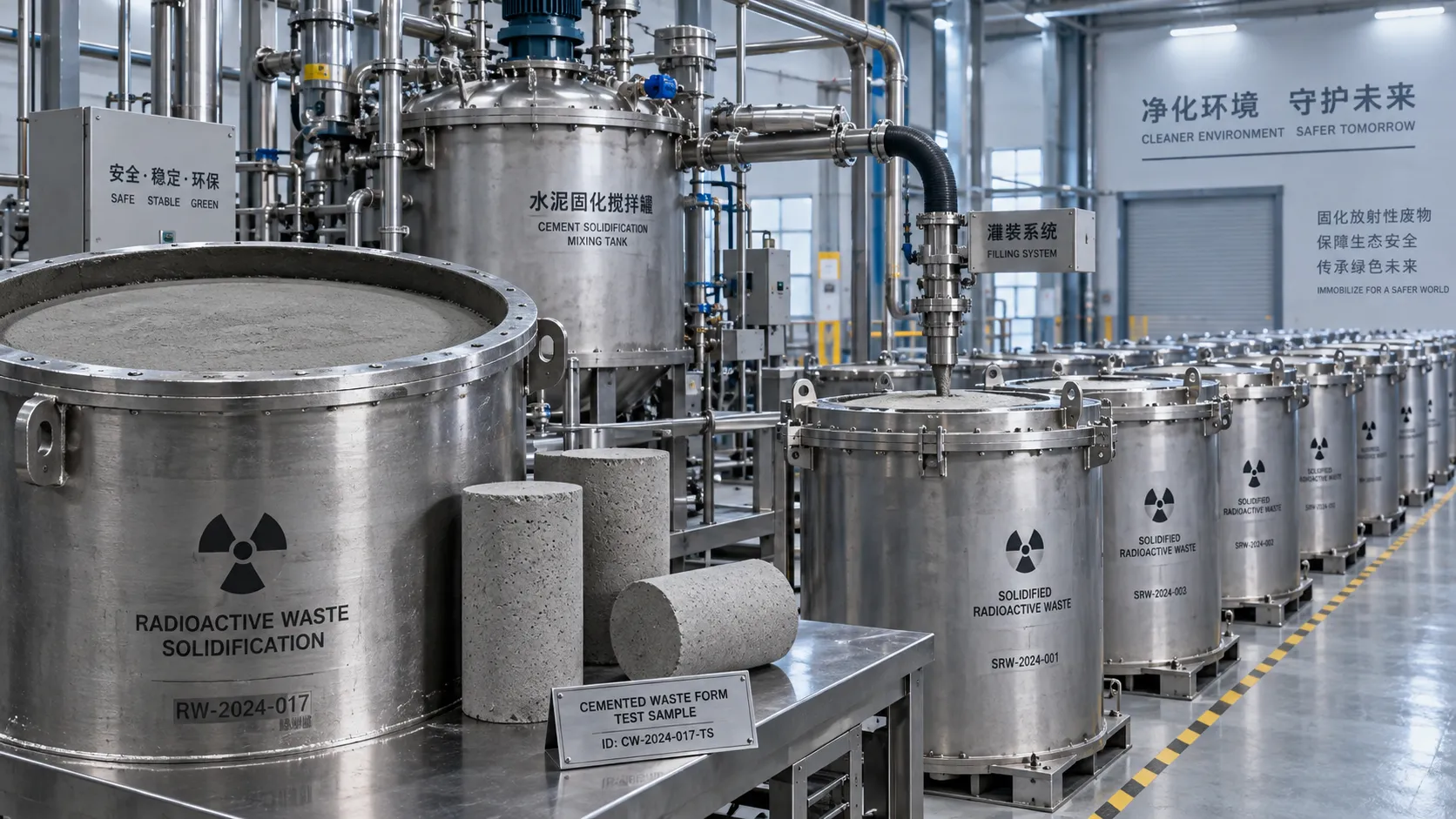
When is cementation suitable for nuclear decommissioning waste?
Explore nuclear waste treatment technology for decommissioning: learn when cementation fits, which risks to assess, and how disposal criteria guide an effective treatment choice.
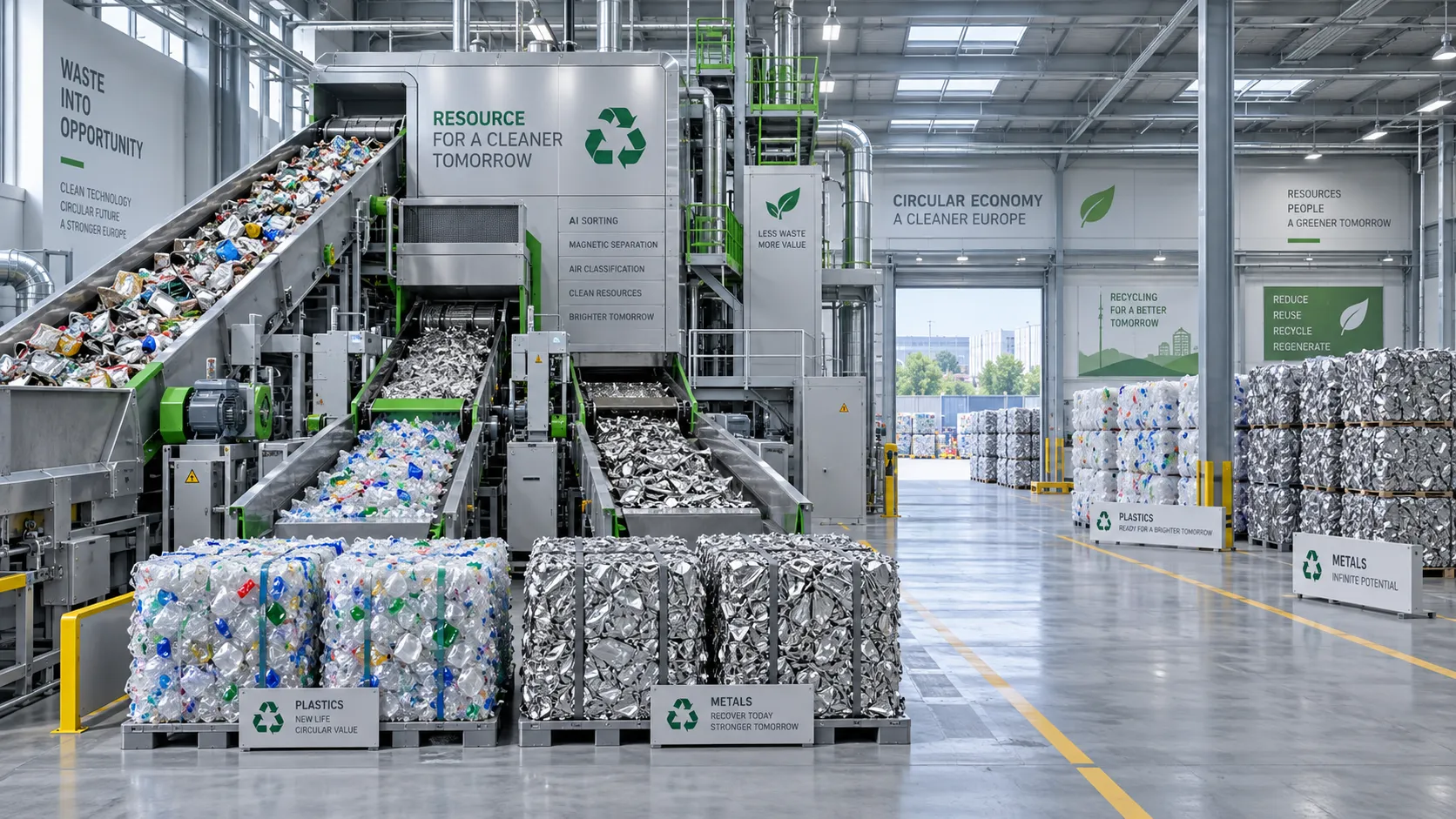
What determines payback for waste-to-resource systems in Europe?
Assess waste-to-resource systems Europe-wide: compare feedstock, recovery yields, costs and contracts to uncover payback drivers and make smarter investment decisions.
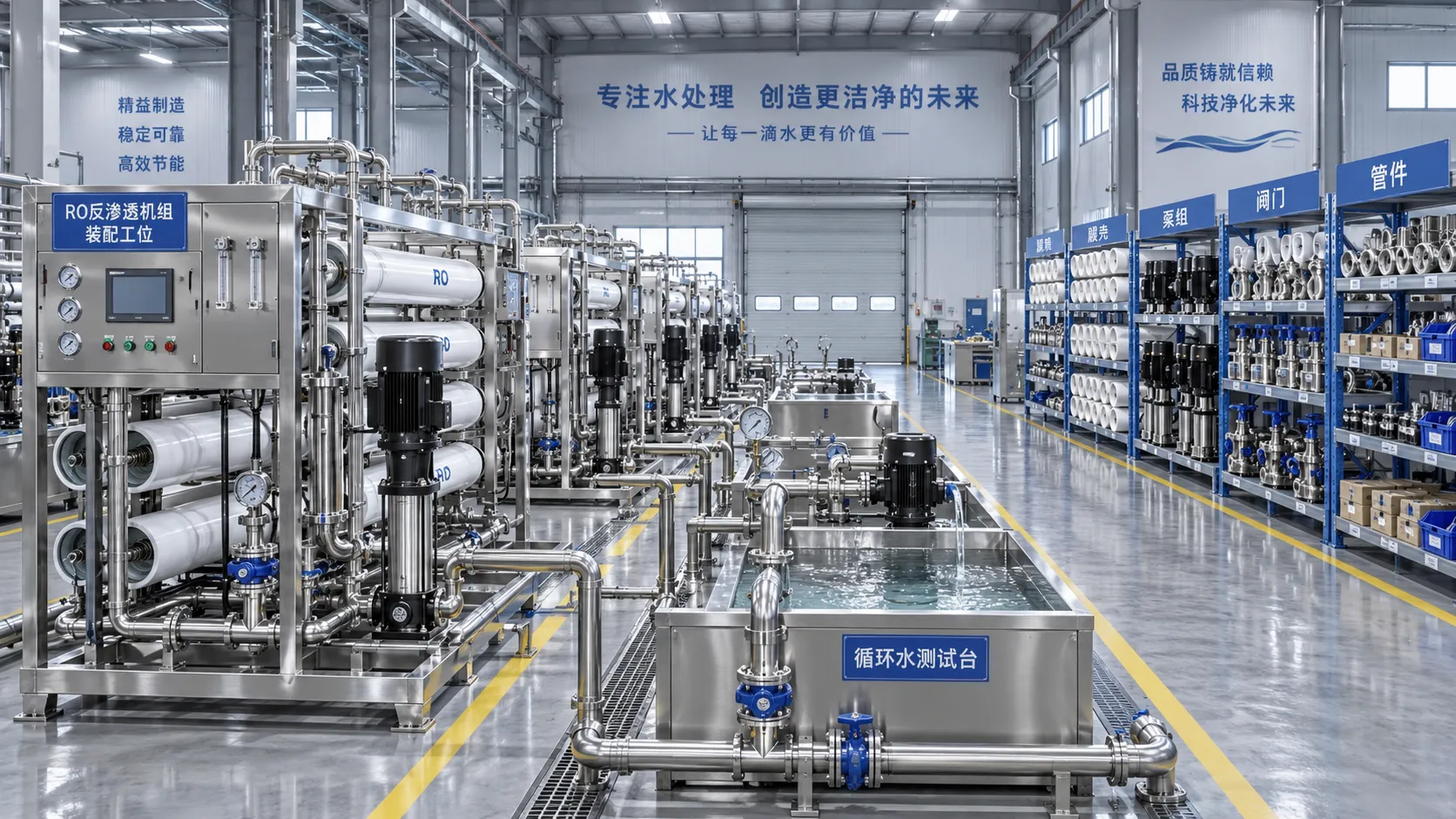
How to verify a water treatment system factory’s production capacity
Verify a water treatment systems factory’s production capacity through records, bottlenecks, component availability, and testing. Learn what to check before accepting a delivery promise.
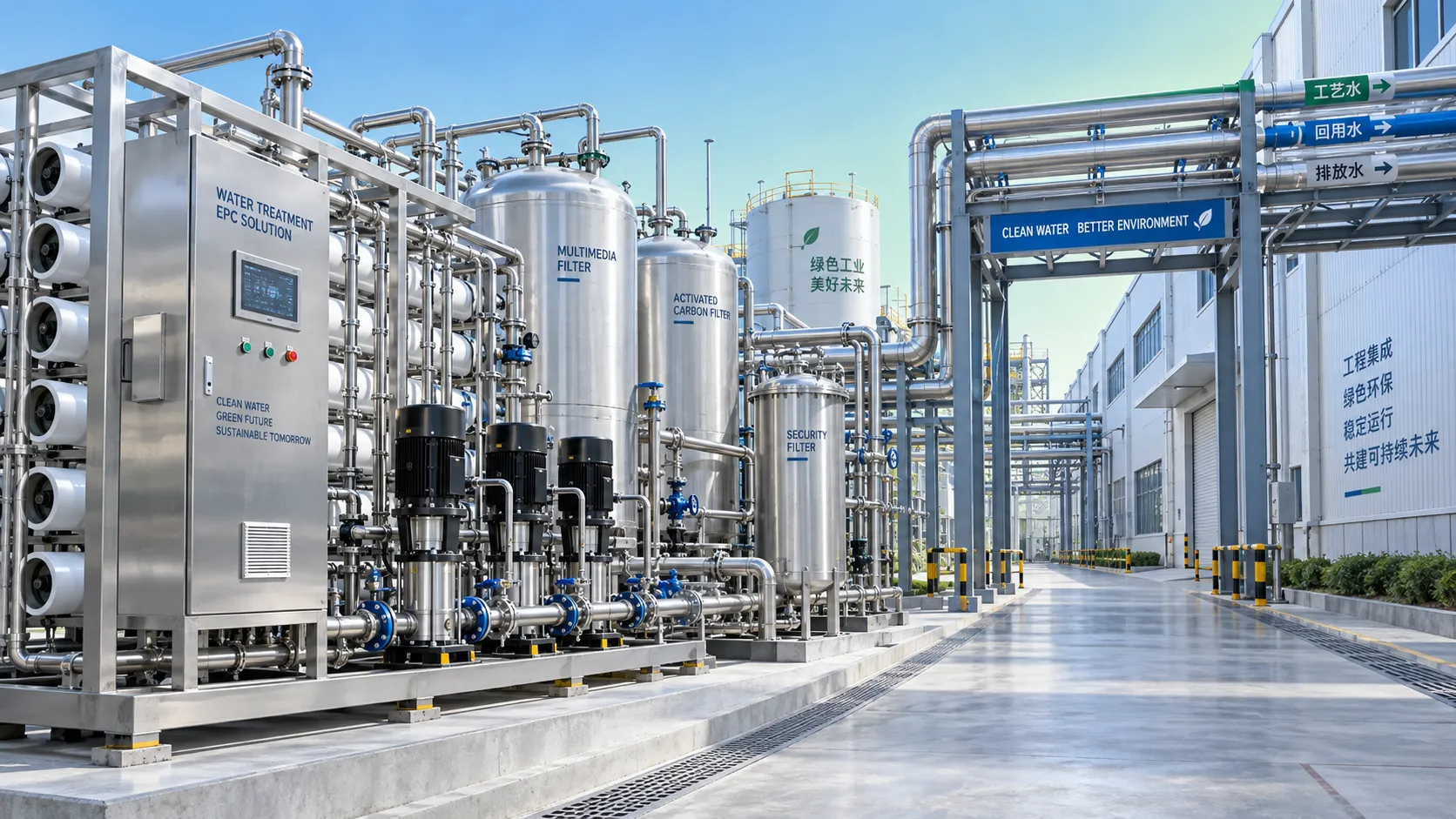
When does EPC environmental project support reduce delivery risk?
EPC environmental project support engineering reduces delivery risk by aligning design, procurement, compliance, construction, and commissioning decisions.
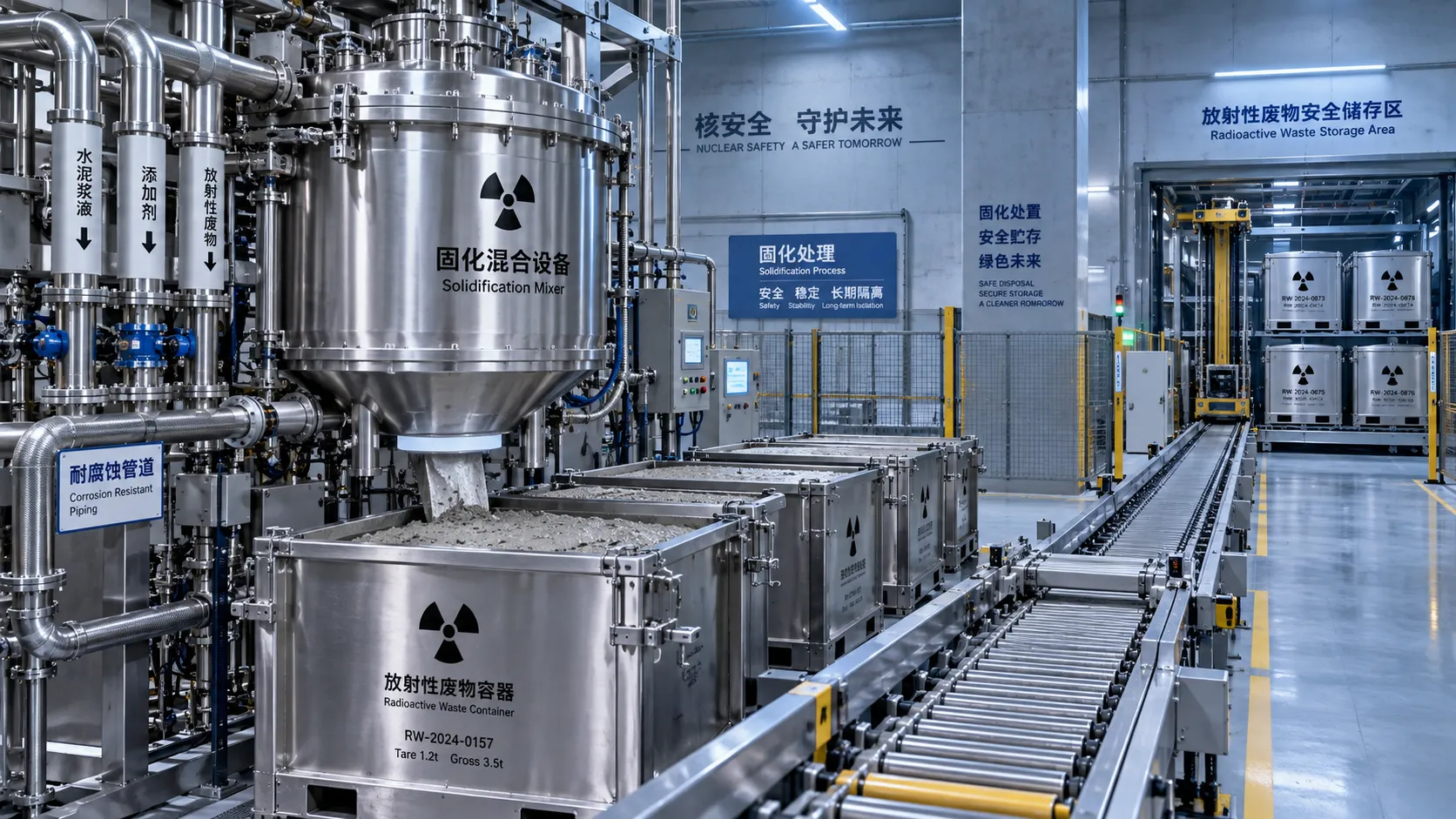
How nuclear plants select a radioactive waste solidification method
Radioactive waste management for nuclear plants: compare vitrification, cementation, polymers, and ceramics to select a compliant, durable solidification solution.
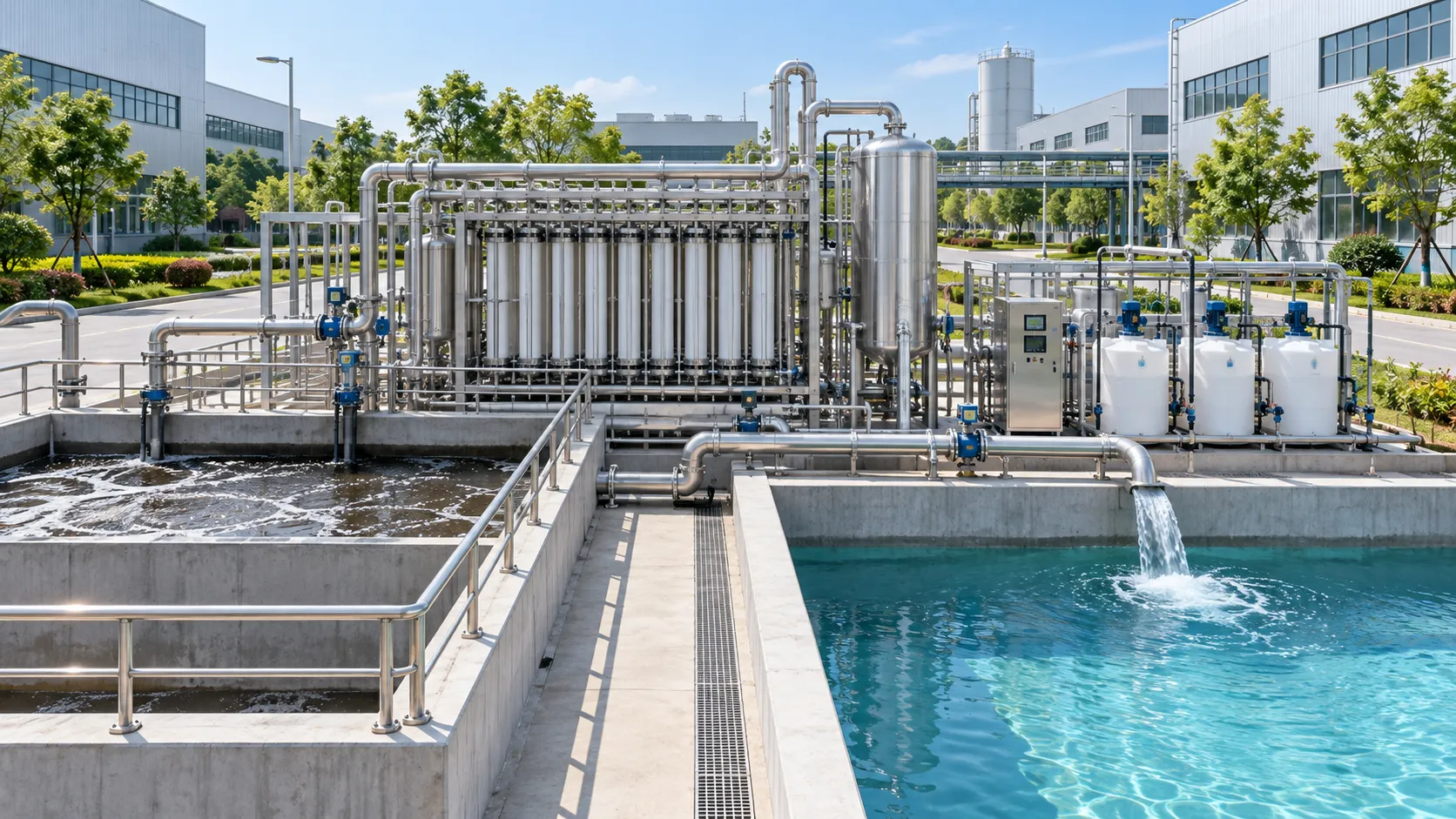
Comparing Upgrade Costs for Industrial Park Wastewater Treatment Systems
Compare costs for wastewater system upgrades in industrial parks with a lifecycle view of CAPEX, OPEX, compliance, resilience, and future expansion.
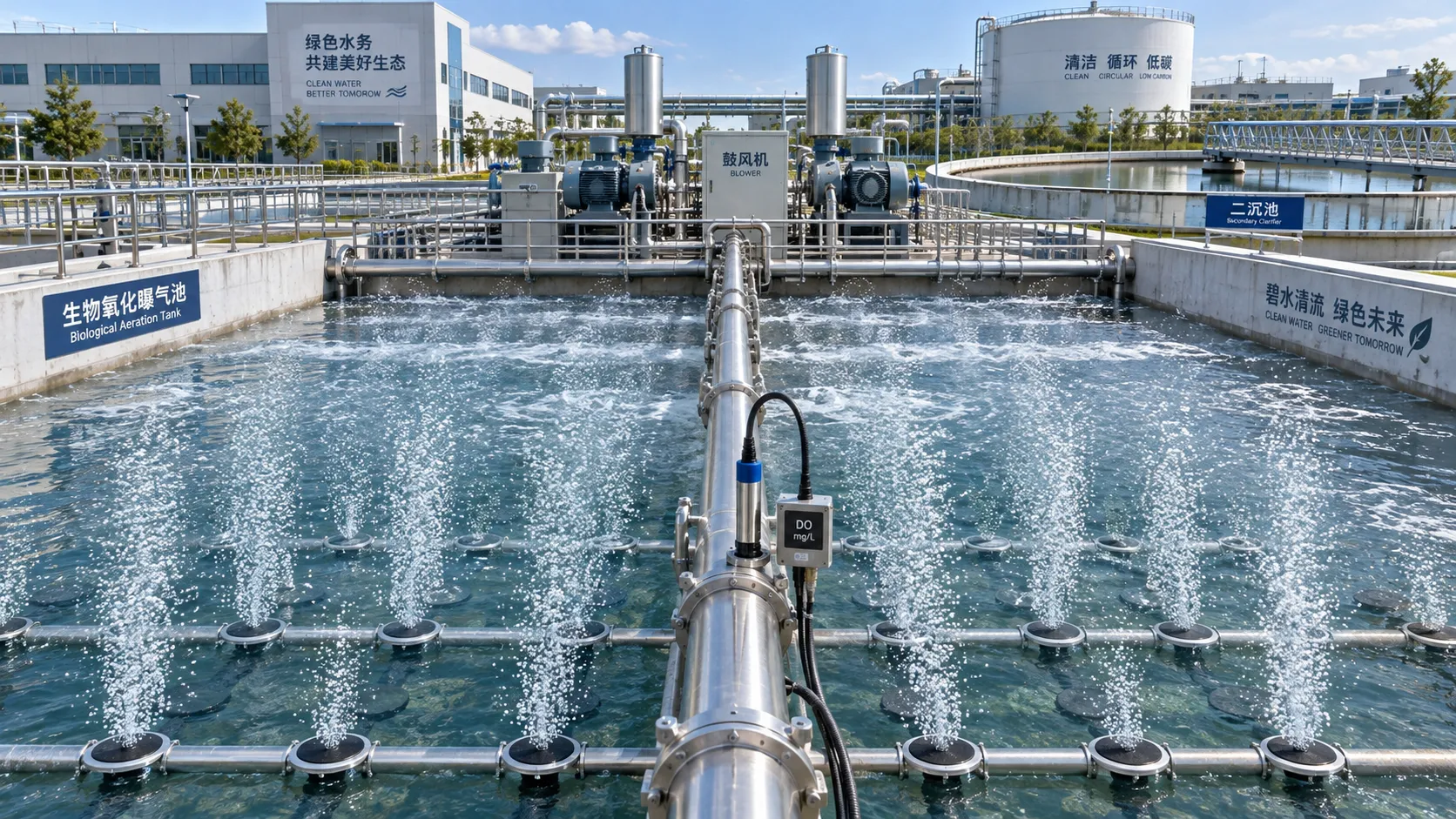
Biological Wastewater Oxidation Explained: Aeration Demand and Process Control
Biological wastewater oxidation explained: optimize aeration demand, DO control, nitrification, and sludge age for stable effluent quality and lower energy costs.
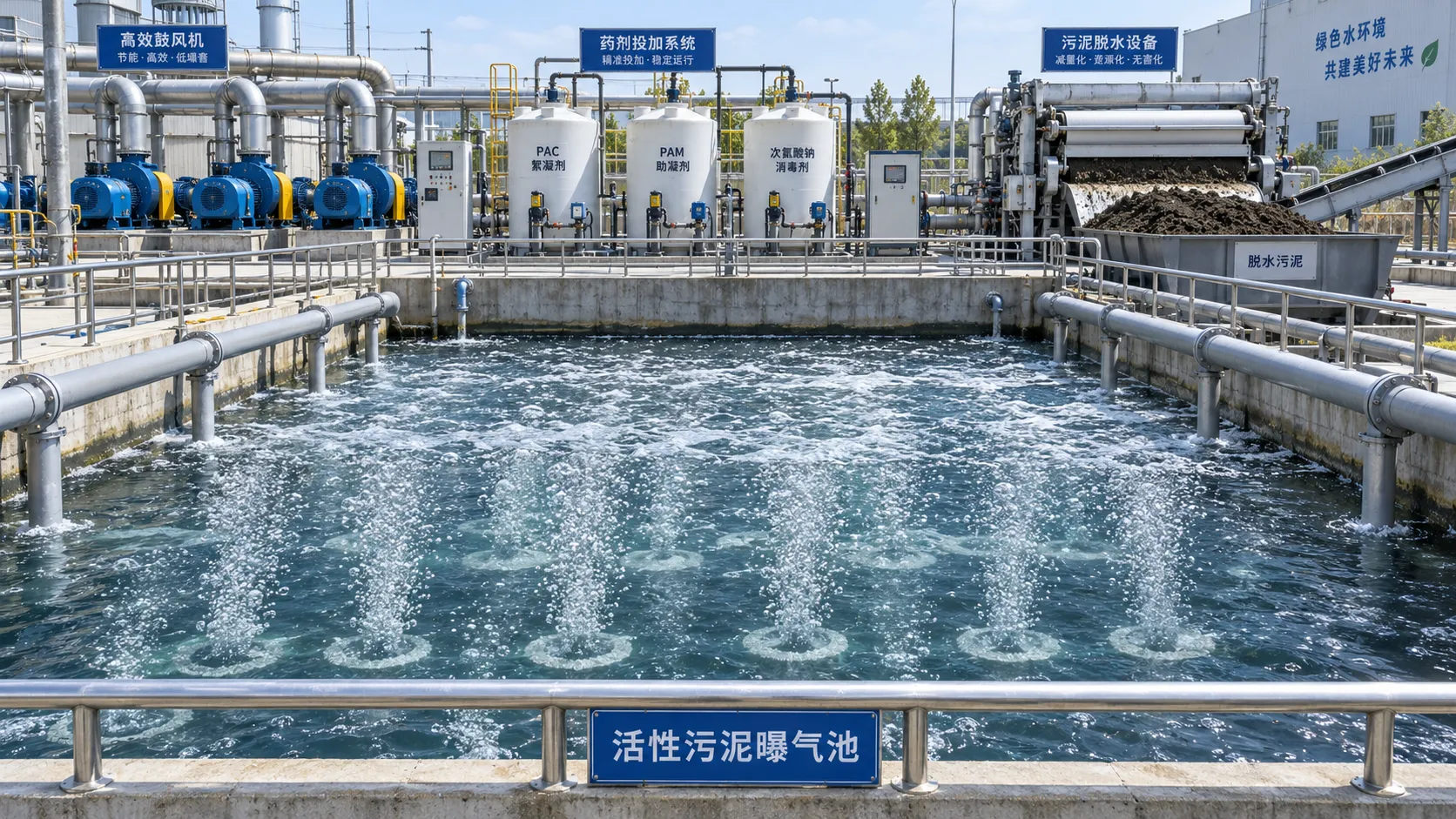
Activated Sludge Cost: Budgeting Energy, Chemicals, Sludge, and Labor
Activated sludge cost explained: compare energy, chemicals, sludge disposal, labor, and compliance risks to build a reliable lifecycle budget.
When Should Municipal Wastewater Plants Upgrade Treatment Capacity and Controls?
Municipal wastewater treatment upgrades: learn when capacity, controls, and resilient planning are needed to protect compliance and optimize plant performance.