
Industry News
Curation by industry experts
Hot Articles
Popular Tags
FGD Scrubbers vs Dry Systems in High-Sulfur Plants
For technical evaluators in high-sulfur plants, choosing between FGD scrubbers and dry systems is not just a compliance decision—it directly affects removal efficiency, water balance, reagent use, by-product handling, and lifecycle cost. This article compares both pathways through the lens of process reliability, emission control precision, and plant-wide integration to support better technology selection under tightening environmental standards.
In coal-fired units, smelters, sulfur-rich process heaters, and waste-to-energy lines, sulfur dioxide control often sits at the intersection of emissions law, utility balance, and plant economics. For teams assessing flue gas treatment upgrades, the real question is not which technology is more familiar, but which one fits sulfur loading, operating profile, water constraints, solids strategy, and future compliance risk over a 15- to 25-year asset life.
Within that decision framework, FGD scrubbers usually refer to wet flue gas desulfurization systems using limestone or lime slurry, while dry systems typically include spray dry absorbers and dry sorbent injection. Both can reduce SO2 effectively, but their performance diverges sharply once sulfur content rises, load swings increase, or multi-pollutant requirements become tighter.
Why the Choice Matters in High-Sulfur Duty
High-sulfur plants operate under a very different constraint set from low-sulfur units. When inlet SO2 levels move into the 2,000-6,000 mg/Nm3 range, reagent demand, absorber residence time, scaling risk, and by-product volume all become first-order design variables rather than secondary adjustments.
At the same time, many sites are being pushed toward lower outlet limits, often below 100 mg/Nm3 and in some jurisdictions below 35 mg/Nm3 for large units. That gap between inlet burden and outlet target is where the comparison between wet FGD scrubbers and dry systems becomes technically decisive.
Typical operating pressures technical evaluators must balance
- SO2 removal target: often 90%-99% depending on permit and upstream sulfur profile
- Water availability: from water-rich coastal plants to inland sites under severe intake restrictions
- Unit size: retrofit economics differ significantly between 50 MW, 300 MW, and 1,000 MW scales
- By-product pathway: marketable gypsum, mixed dry solids, or landfill-only residue
- Load variability: cycling duty can reduce reagent efficiency and process stability if controls are not tuned
For technical screening, the first distinction is simple: wet FGD scrubbers generally offer higher sulfur capture and better margin for tighter permits, while dry systems usually offer lower water use and simpler wastewater management. The correct decision depends on which trade-off is more binding at the specific plant.
Core process difference
Wet FGD scrubbers contact flue gas with an alkaline slurry, usually limestone, inside an absorber tower. Sulfur dioxide dissolves and reacts to form calcium sulfite or gypsum, with oxidation air frequently added to improve product quality and process stability. Residence time, liquid-to-gas ratio, pH control, and oxidation efficiency strongly affect final performance.
Dry systems, by contrast, rely on atomized lime slurry in a spray dryer absorber or on dry hydrated lime or sodium reagent injection upstream of a particulate collector. The reaction happens with far less liquid water in the system, which simplifies liquid handling but often reduces sulfur capture margin at very high sulfur loads.
Performance Comparison: Removal Efficiency, Flexibility, and Integration
The table below outlines the practical comparison points most relevant to technical evaluators reviewing high-sulfur duty. It focuses on process behavior rather than marketing claims, because operating envelope matters more than brochure efficiency in real plants.
The key conclusion is that FGD scrubbers usually provide the wider control envelope in high-sulfur plants. Dry systems can still be the right answer, but mostly where water is constrained, unit size is smaller, sulfur spikes are manageable, or capital discipline outweighs ultra-high removal margin.
Removal precision under load changes
In baseload service with relatively stable sulfur input, both options can be optimized effectively. Under cycling conditions, however, wet FGD scrubbers often maintain outlet consistency better because slurry inventory acts as a process buffer. Dry systems respond quickly too, but they can be more sensitive to gas temperature swings, atomization quality, and sorbent utilization losses.
For example, if a unit ramps from 50% to 100% load within 30-60 minutes, inlet SO2 and flue gas moisture can shift enough to affect dry reagent residence time and reaction completion. That does not disqualify dry systems, but it raises the importance of control logic, baghouse condition, and conservative design margins.
When wet systems gain a technical advantage
- Plants targeting less than 50 mg/Nm3 SO2 on a recurring basis
- Fuel sulfur above about 2.0%-3.5%, depending on boiler and flue gas volume
- Sites expecting future co-control integration with chloride management and particulate polishing
- Large units where 20-year lifecycle performance matters more than minimum first cost
When dry systems remain attractive
- Water-scarce inland plants or facilities pursuing lower liquid waste complexity
- Medium-scale assets where compact retrofit layout matters
- Plants with moderate sulfur burden and outlet targets above the ultra-low range
- Operations seeking shorter outage windows and simpler auxiliary systems
Water, Reagents, and By-Product Management
In many evaluations, the technology decision is effectively decided by plant-wide balance of plant constraints. A high-performing sulfur control train that destabilizes water treatment, creates difficult chlorides, or overwhelms solids logistics may not be the best system in total plant terms.
Water balance implications
Wet FGD scrubbers consume and recirculate significant water. Beyond evaporation, evaluators must consider makeup quality, blowdown treatment, chloride accumulation, scaling tendency, and any interaction with ZLD or wastewater crystallization systems. In water-stressed regions, this can turn into the primary decision barrier.
Dry systems sharply reduce liquid handling requirements. Spray dry absorbers still need controlled evaporation, but they avoid absorber sump chemistry and purge streams. Dry sorbent injection goes further by simplifying the water footprint, though often at the cost of lower reagent efficiency under tougher sulfur duty.
Reagent utilization and residue profile
Limestone in wet FGD scrubbers is generally less expensive per ton than hydrated lime or sodium-based dry reagents, but total economics depend on utilization, transport, storage, milling, and disposal credits. High-sulfur plants often favor wet chemistry because the lower-cost reagent becomes more important as annual consumption rises into large tonnage bands.
Dry systems may show higher reagent cost per removed ton of SO2, particularly when calcium-to-sulfur molar ratios are pushed upward to secure permit margin. That said, they may still win if wastewater treatment savings, smaller footprint, and lower maintenance complexity offset reagent premium.
The next table compares plant-wide resource and residue factors that often reshape the final recommendation more than simple capture efficiency does.
For integrated environmental plants, especially those already managing wastewater, solids recovery, and compliance reporting, wet FGD scrubbers may fit better than expected if gypsum can be stabilized and purge streams are included in the broader water strategy. Where landfill access is easy but water is the binding constraint, dry systems often gain ground quickly.
CAPEX, OPEX, and Lifecycle Risk
A common mistake in technology selection is to compare only installed cost per kilowatt. In high-sulfur plants, the difference between first-year capital and 10-year operating cost can be substantial, particularly if sulfur loading is high enough to drive reagent, maintenance, fan power, and disposal charges upward.
How the cost profile usually shifts
Wet FGD scrubbers usually carry higher capital cost because they require absorber towers, recirculation pumps, slurry preparation, oxidation air, dewatering interfaces, and corrosion-resistant materials. Construction scope can also expand if ductwork, booster fans, or wastewater treatment upgrades are needed.
Dry systems often present a lower entry cost and shorter installation path, especially for retrofits with space restrictions. However, for high-sulfur duty, annual reagent cost and residue generation can narrow or reverse the economic gap over a 7- to 12-year horizon. That is why lifecycle modeling should test at least 3 fuel sulfur cases, 2 load scenarios, and 1 tightened permit scenario.
Lifecycle risk checklist for evaluators
- Model sulfur spikes, not only annual average sulfur content.
- Test water cost escalation over 5, 10, and 15 years.
- Include residue hauling distance and disposal gate fees.
- Review spare parts strategy for pumps, atomizers, baghouse components, and lining systems.
- Estimate outage impact if absorber scaling or fabric filter fouling occurs during peak season.
For technical evaluators, the most credible business case is the one that includes sensitivity analysis rather than a single-point estimate. A system that looks cheaper at 1.2% sulfur may become more expensive at 2.8% sulfur, especially if outlet compliance margin must be preserved year-round.
Selection Criteria for Different High-Sulfur Plant Scenarios
No single rule fits all assets, but a structured decision matrix can shorten screening time and reduce redesign risk. For most projects, the first-pass selection should weigh 4 dimensions: sulfur burden, water availability, emissions target, and solids strategy.
Scenario-based guidance
Large coal or industrial boilers with strict SO2 limits
Where units exceed roughly 300 MW equivalent thermal scale and fuel sulfur is consistently high, wet FGD scrubbers are usually favored. They provide stronger removal headroom, better adaptation to future permit tightening, and more predictable performance during long baseload campaigns.
Water-stressed plants facing moderate sulfur burden
If water access is constrained or wastewater discharge is politically sensitive, dry systems deserve serious consideration. This is especially true when outlet limits are achievable without pushing sorbent usage to uneconomic levels and when landfill or dry solids handling capacity already exists on-site.
Retrofits with severe plot limitations
Dry systems can offer simpler retrofit geometry, fewer large wet components, and shorter integration shutdowns. For brownfield plants where absorber tower placement is difficult or civil reinforcement is expensive, this can materially improve project feasibility even if reagent cost is somewhat higher.
Common misjudgments to avoid
- Assuming nominal removal efficiency is equal to guaranteed annual compliance margin
- Ignoring chloride, scaling, and purge impacts in wet FGD scrubber selection
- Underestimating sorbent consumption during sulfur excursions in dry systems
- Using average fuel data instead of 95th percentile sulfur cases
- Comparing technologies without including particulate collector interaction
Implementation Questions Before Final Technology Selection
Before locking in either FGD scrubbers or dry systems, technical teams should complete a disciplined front-end review. In practice, many later-stage cost overruns come from gaps in utility assumptions, residue routing, or materials-of-construction decisions rather than from the core sulfur chemistry itself.
Five questions that sharpen the decision
- What is the true inlet SO2 range at minimum, normal, and peak load?
- How much compliance headroom is needed for the next 5-10 years?
- Is water scarcity a temporary issue or a structural site condition?
- Can by-products be reused, or must 100% of residue be disposed?
- What outage duration is acceptable for tie-in and commissioning?
Answering those questions with actual operating data usually brings the decision into focus. Where high sulfur, strict limits, and long asset life dominate, wet FGD scrubbers often justify their complexity. Where water minimization, simpler liquid management, and retrofit practicality dominate, dry systems may offer the better plant-wide fit.
For technical evaluators, the best choice is rarely the system with the lowest headline cost or the highest advertised capture rate. It is the one that maintains stable compliance across 3 operating realities: variable sulfur input, realistic maintenance conditions, and future environmental tightening.
ESD supports this type of decision by connecting flue gas treatment performance with broader plant factors such as water treatment interfaces, solids recovery logic, and compliance strategy. If you are assessing FGD scrubbers or dry systems for a high-sulfur plant, contact us to obtain a tailored evaluation framework, compare technology pathways, and explore a selection strategy aligned with your site constraints and long-term emissions goals.
Recommended News
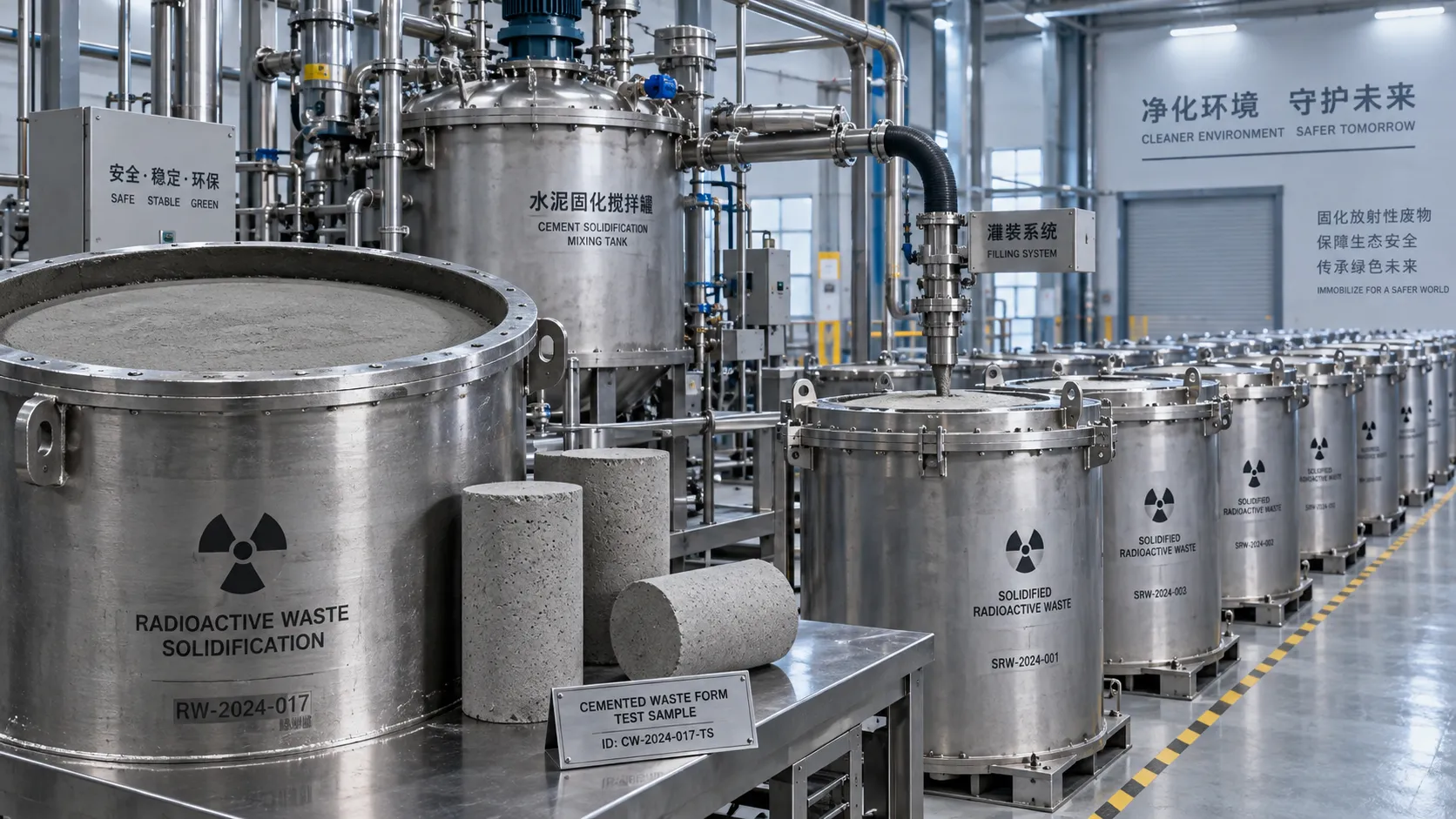
When is cementation suitable for nuclear decommissioning waste?
Explore nuclear waste treatment technology for decommissioning: learn when cementation fits, which risks to assess, and how disposal criteria guide an effective treatment choice.
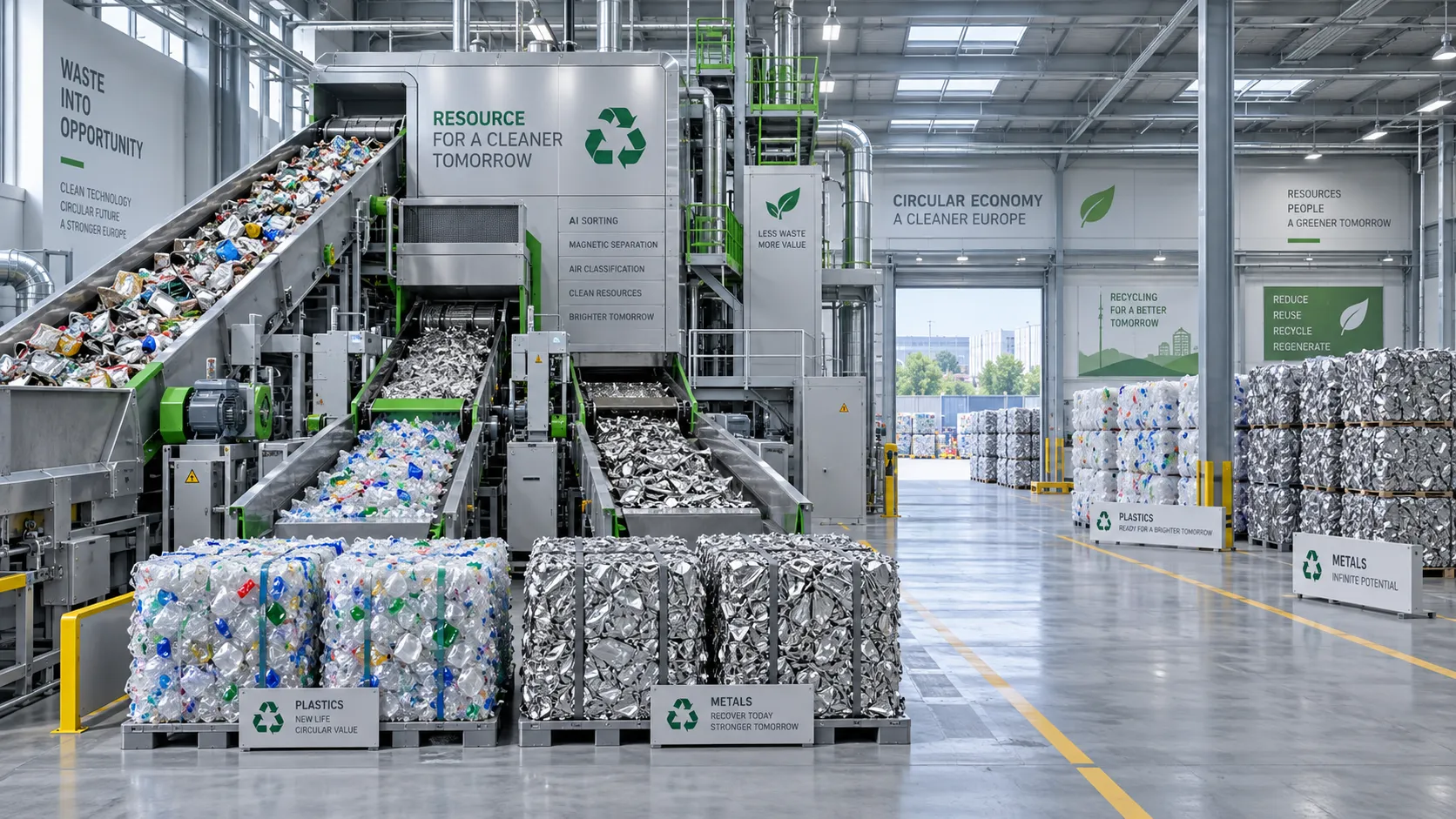
What determines payback for waste-to-resource systems in Europe?
Assess waste-to-resource systems Europe-wide: compare feedstock, recovery yields, costs and contracts to uncover payback drivers and make smarter investment decisions.
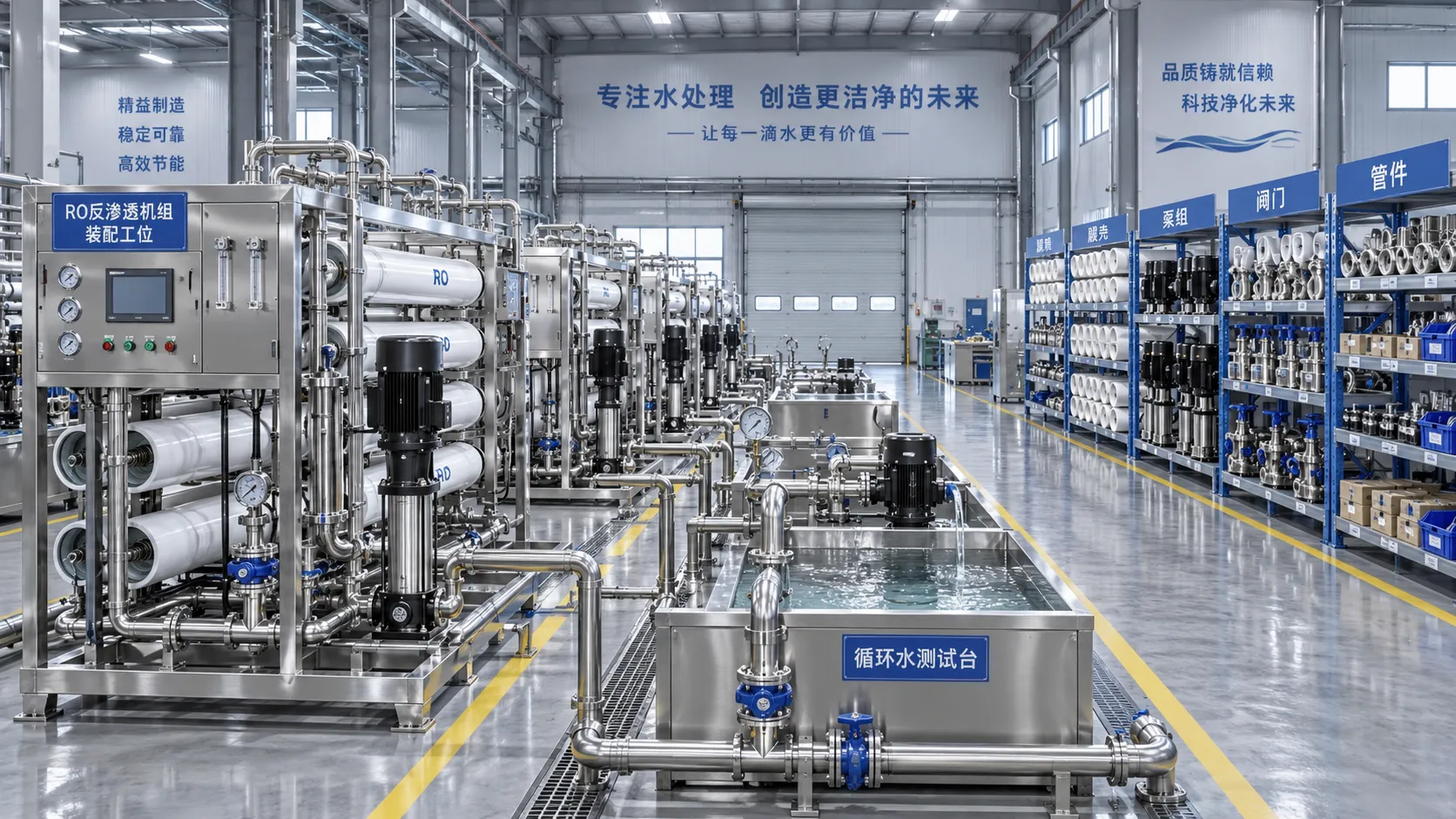
How to verify a water treatment system factory’s production capacity
Verify a water treatment systems factory’s production capacity through records, bottlenecks, component availability, and testing. Learn what to check before accepting a delivery promise.
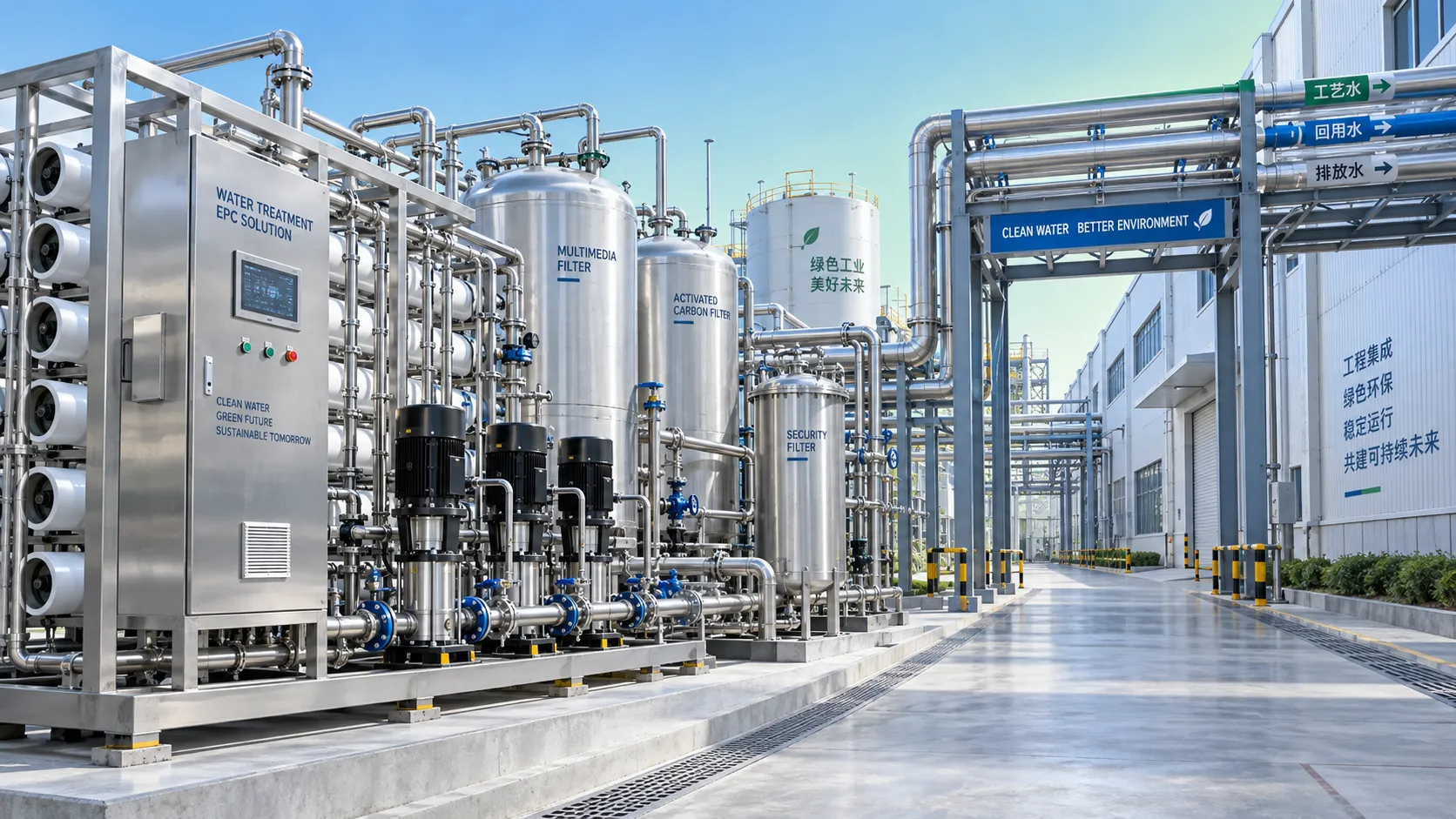
When does EPC environmental project support reduce delivery risk?
EPC environmental project support engineering reduces delivery risk by aligning design, procurement, compliance, construction, and commissioning decisions.
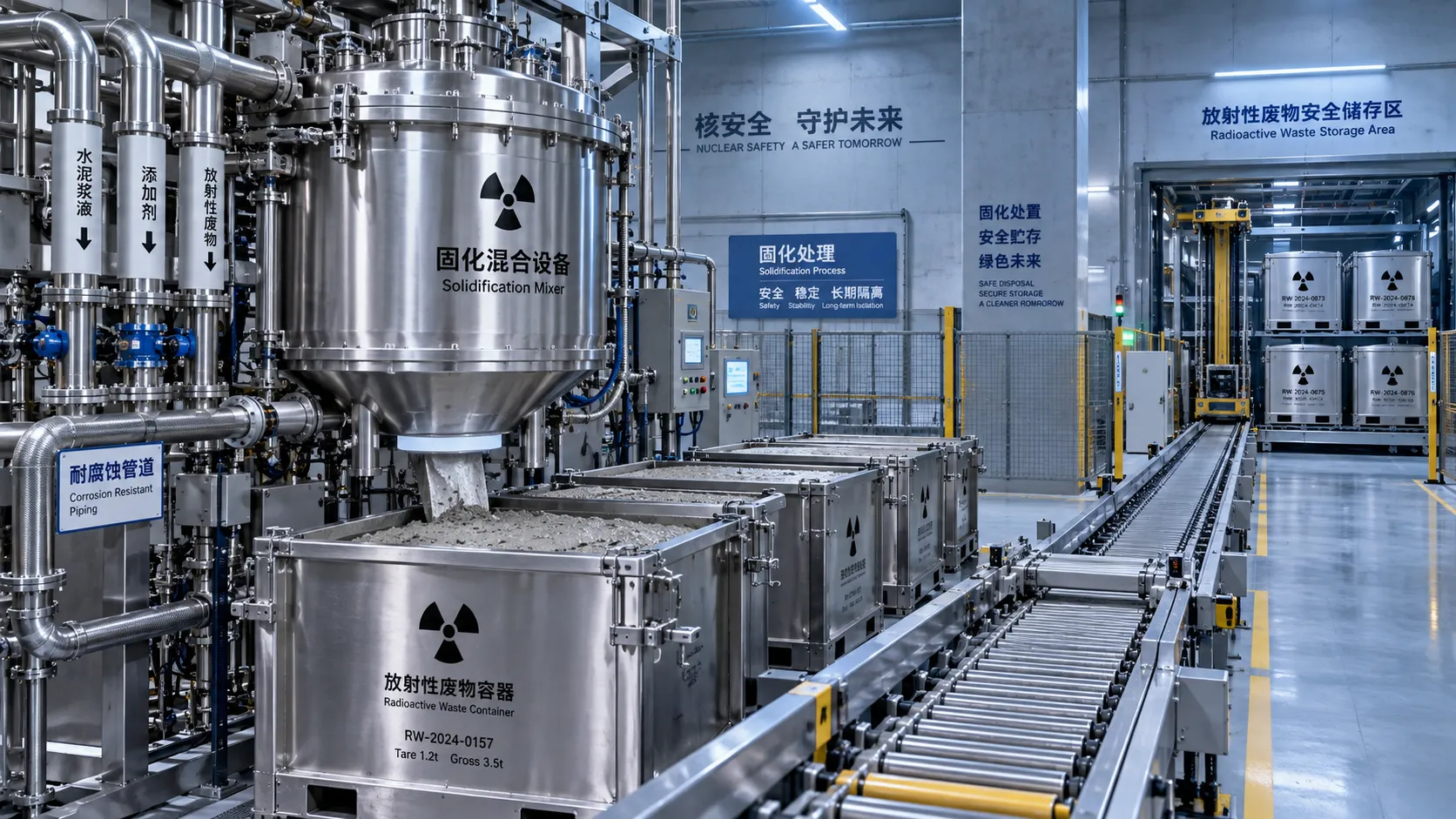
How nuclear plants select a radioactive waste solidification method
Radioactive waste management for nuclear plants: compare vitrification, cementation, polymers, and ceramics to select a compliant, durable solidification solution.
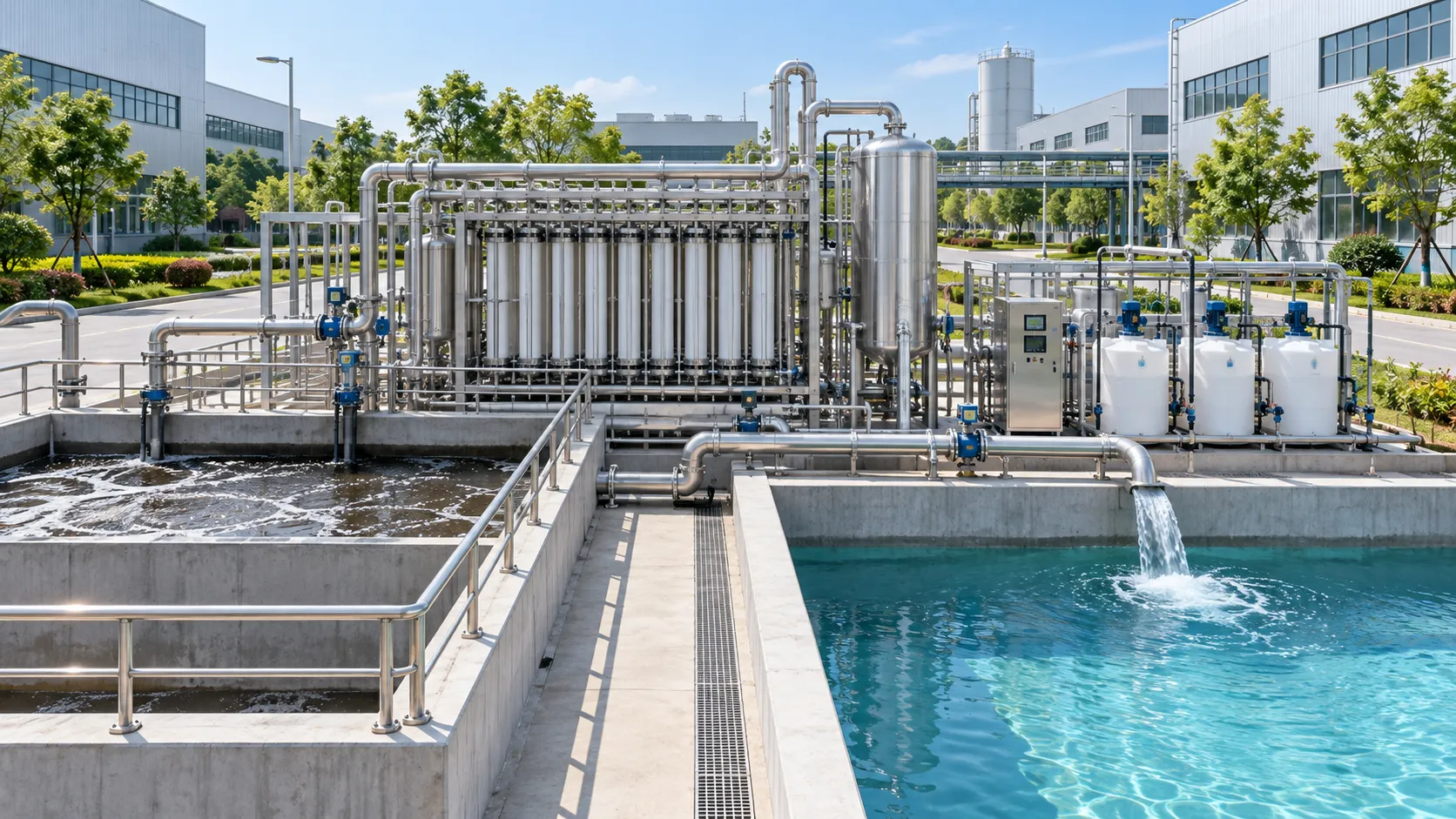
Comparing Upgrade Costs for Industrial Park Wastewater Treatment Systems
Compare costs for wastewater system upgrades in industrial parks with a lifecycle view of CAPEX, OPEX, compliance, resilience, and future expansion.
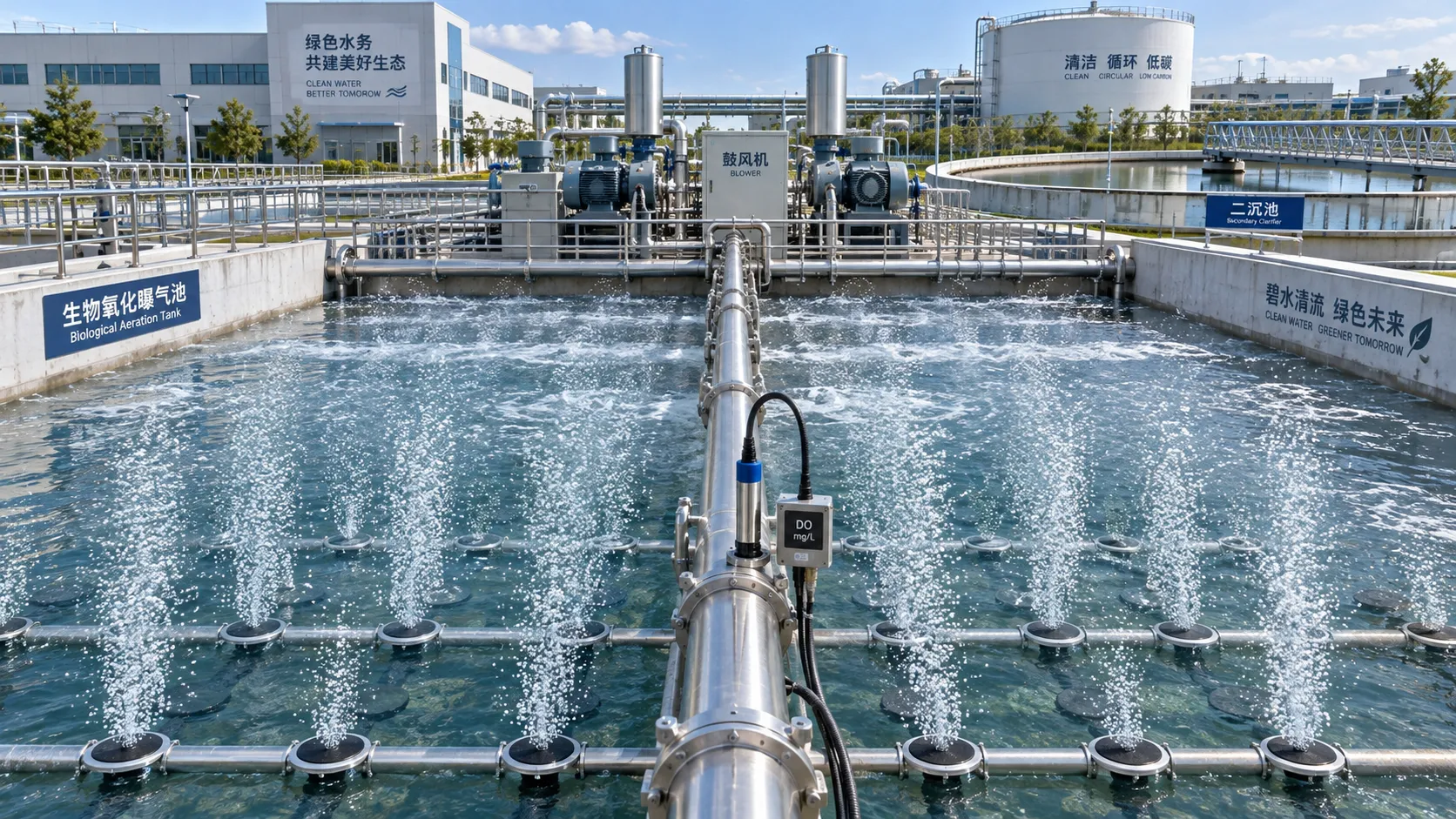
Biological Wastewater Oxidation Explained: Aeration Demand and Process Control
Biological wastewater oxidation explained: optimize aeration demand, DO control, nitrification, and sludge age for stable effluent quality and lower energy costs.
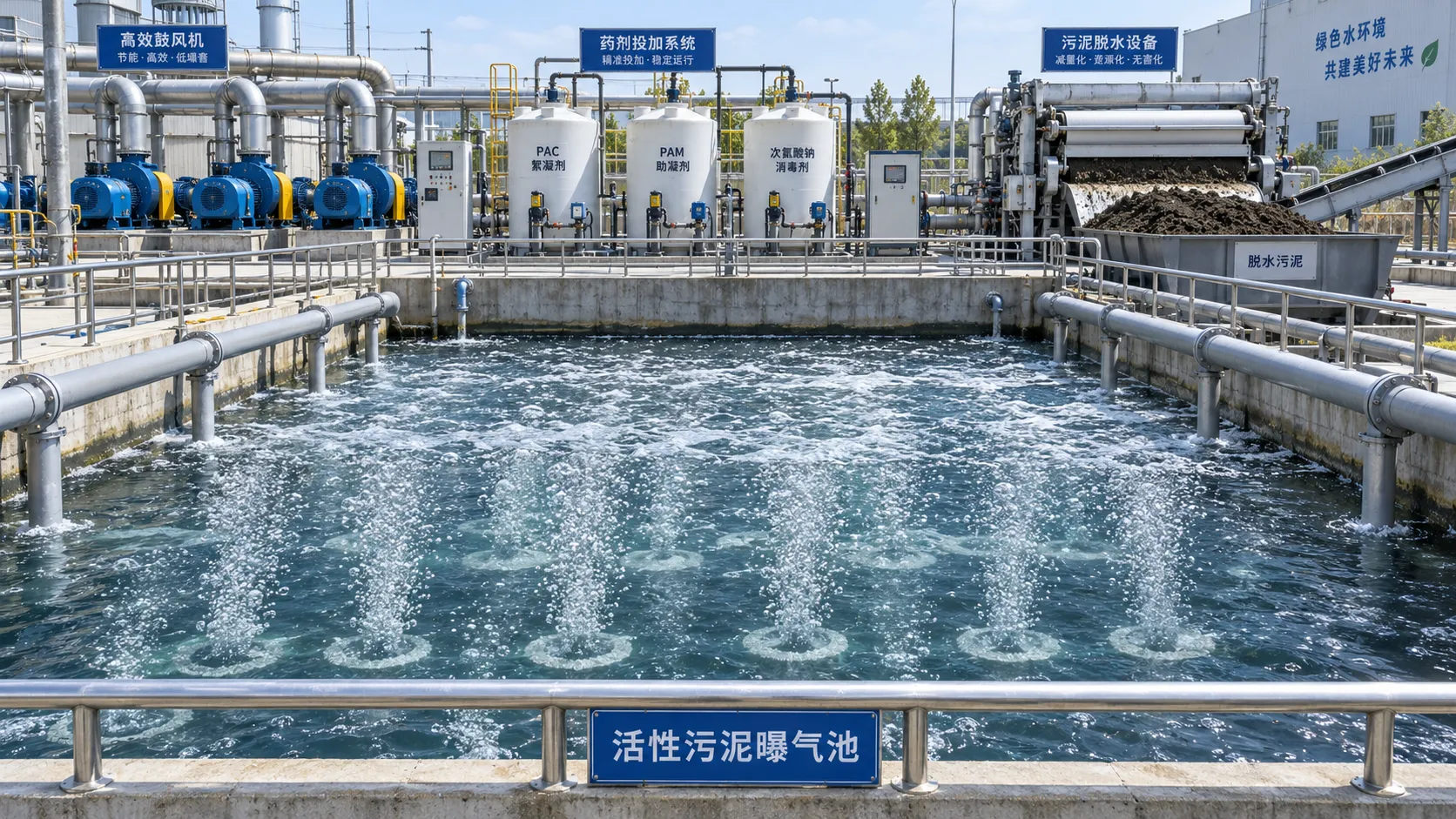
Activated Sludge Cost: Budgeting Energy, Chemicals, Sludge, and Labor
Activated sludge cost explained: compare energy, chemicals, sludge disposal, labor, and compliance risks to build a reliable lifecycle budget.
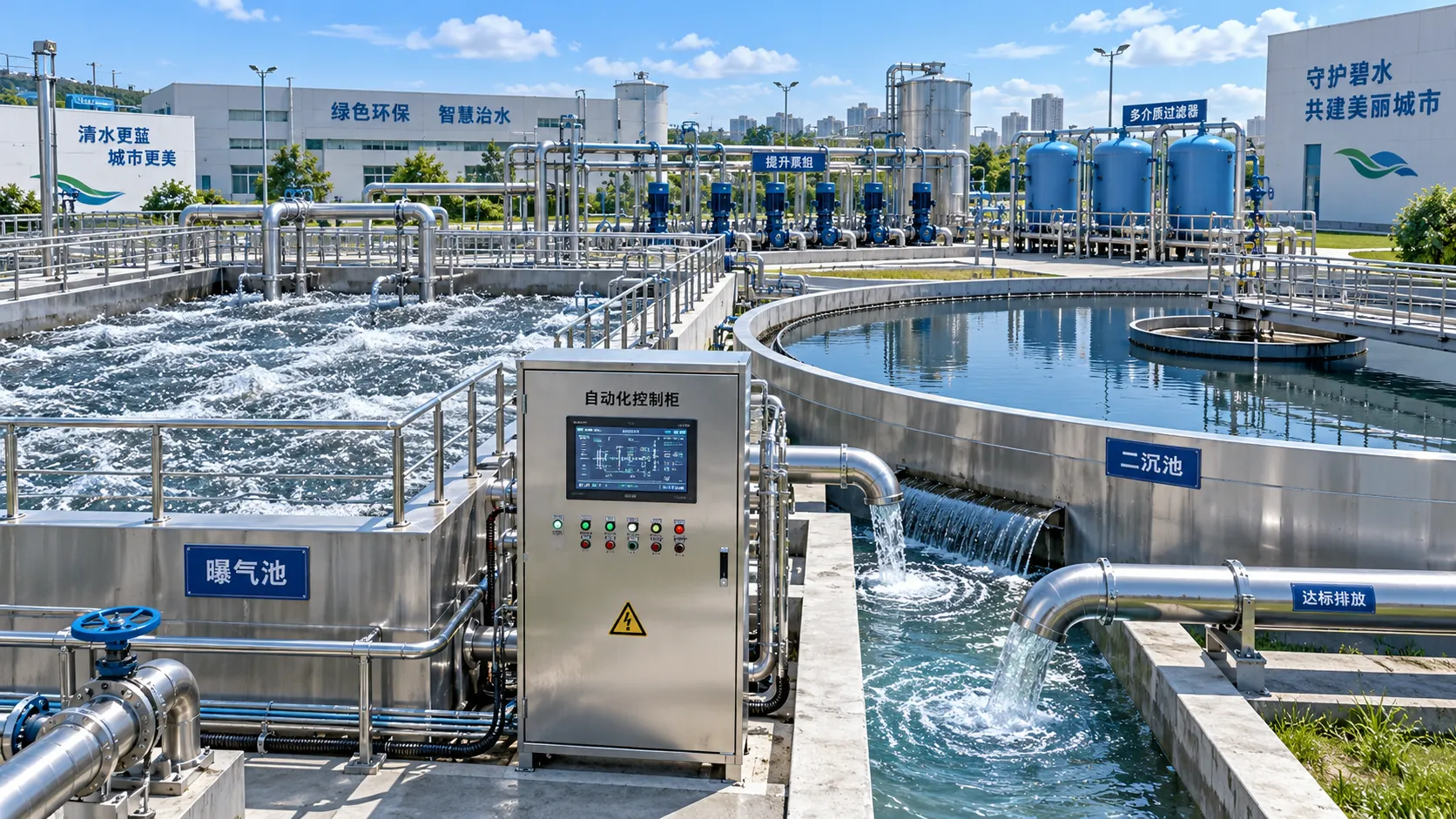
When Should Municipal Wastewater Plants Upgrade Treatment Capacity and Controls?
Municipal wastewater treatment upgrades: learn when capacity, controls, and resilient planning are needed to protect compliance and optimize plant performance.