
Industry News
Curation by industry experts
Hot Articles
Popular Tags
Environmental Governance Trends Reshaping 2026 Projects
Environmental governance is becoming a core project variable in 2026, not a final-stage compliance check. Across infrastructure, utilities, energy, and process industries, investment logic is changing fast.
New rules on emissions, water reuse, waste traceability, and carbon intensity now influence design choices, financing terms, supplier screening, and approval timelines from the earliest planning stages.
For projects involving water treatment, solid waste recovery, desalination, flue gas control, and nuclear waste management, strong environmental governance improves resilience, bid strength, and lifecycle value.
Environmental Governance in 2026: Scope and Strategic Meaning
Environmental governance refers to the systems, rules, metrics, and execution methods used to control ecological impact across the full project lifecycle.
It includes regulatory alignment, monitoring architecture, material accountability, resource efficiency, community risk control, and documented performance improvement over time.
In 2026, environmental governance is closely linked with capital discipline. Lenders, public authorities, insurers, and project partners increasingly expect measurable environmental controls before commitments are finalized.
This trend matters across the comprehensive industrial landscape, especially where complex treatment equipment, hazardous outputs, and cross-border procurement create layered compliance exposure.
Why the definition is expanding
- Environmental governance now covers upstream sourcing and downstream disposal, not only on-site discharge points.
- Digital reporting has made hidden inefficiencies easier to detect and compare across competing projects.
- Carbon-border measures are connecting ecological performance with trade competitiveness.
- Public acceptance increasingly depends on transparent environmental governance practices.
Key Industry Signals Reshaping 2026 Projects
Several converging forces are redefining how environmental governance is evaluated in project development. These signals are influencing technical scope, procurement sequencing, and project economics.
These signals show that environmental governance is now a design input. It affects technology selection before construction starts and continues shaping operations after commissioning.
Business Value of Strong Environmental Governance
Well-structured environmental governance creates value beyond legal conformity. It improves execution confidence, reduces surprise costs, and supports performance claims in competitive project environments.
1. Lower approval and delivery risk
Projects with clear governance protocols usually move faster through permitting, review cycles, and lender scrutiny. Documentation quality often determines whether schedules remain realistic.
2. Better bidding credibility
Bids supported by robust environmental governance frameworks appear more bankable. They show readiness on emissions control, waste accountability, water balance, and long-term operating discipline.
3. Stronger lifecycle economics
Governance-led design can reduce reagent waste, power losses, unplanned shutdowns, and disposal liabilities. These benefits often outweigh higher initial engineering effort.
4. More resilient cross-border participation
As environmental governance requirements converge with trade rules, projects with transparent metrics are better positioned for international financing and supply chain participation.
Where Environmental Governance Matters Most Across Project Types
Although environmental governance is universal, its risk profile differs by system type. The following categories reflect common high-impact applications in large industrial and public projects.
For intelligence platforms such as ESD, these categories reveal where environmental governance is shifting from technical detail to investment-grade decision architecture.
Current Attention Areas in Equipment and Data Strategy
In 2026, environmental governance is increasingly shaped by equipment intelligence. Hardware performance alone is no longer enough without visible, auditable, and predictive data support.
- Continuous sensors are replacing periodic manual checks for high-risk discharge parameters.
- Membrane, catalyst, and thermal system analytics now support predictive maintenance and compliance forecasting.
- AI-assisted waste sorting is improving material purity and documentation quality.
- Digital twins help compare governance scenarios before irreversible capital commitments.
- Chain-of-custody tools are becoming essential for hazardous and regulated residues.
This shift favors projects that integrate environmental governance metrics directly into control rooms, reporting platforms, and supplier qualification models.
Practical Recommendations for 2026 Project Planning
Environmental governance performs best when embedded early. Late-stage additions often raise cost, increase complexity, and weaken technical coherence.
Build governance into front-end engineering
Define water, waste, emissions, energy, and hazardous material boundaries during concept design. This prevents fragmented accountability later.
Use measurable decision thresholds
Set explicit trigger values for effluent quality, energy intensity, recovery ratio, residue toxicity, and reporting frequency. Environmental governance needs operating thresholds, not slogans.
Align procurement with evidence
Require performance records, lifecycle data, and compliance history from critical equipment providers. Verified evidence strengthens technical comparisons and reduces hidden exposure.
Plan for scenario volatility
Environmental governance should account for tighter future rules, energy price changes, feed variability, and evolving public scrutiny. Static assumptions rarely hold through project life.
Connect reporting with operations
When compliance reporting is separated from plant control, response time slows. Integrated dashboards support faster intervention and more credible performance narratives.
Implementation Risks Worth Monitoring
Even mature projects can underperform if environmental governance remains superficial. Several recurring gaps continue to weaken otherwise strong technical programs.
- Overreliance on nameplate equipment performance without real operating context.
- Poor integration between engineering teams and environmental reporting systems.
- Incomplete residue handling plans, especially for concentrated brines and hazardous solids.
- Weak documentation trails for recycled outputs and waste transfers.
- Underestimating the future cost of tighter environmental governance obligations.
Recognizing these gaps early can protect project schedules and preserve credibility with regulators, financiers, and delivery partners.
Next-Step Direction for 2026 Readiness
Environmental governance is now a practical framework for shaping better projects. It supports technical accuracy, commercial defensibility, and long-term operating trust across complex environmental systems.
A useful next step is to review current projects against five areas: regulatory exposure, resource efficiency, digital monitoring, supplier evidence, and hazardous output control.
From there, decision pathways become clearer. Governance gaps can be prioritized, technical options compared, and bid narratives strengthened with verifiable environmental logic.
For sectors tracked by ESD, environmental governance is no longer a supporting topic. It is increasingly the structure that determines which 2026 projects remain viable, fundable, and globally competitive.
Recommended News
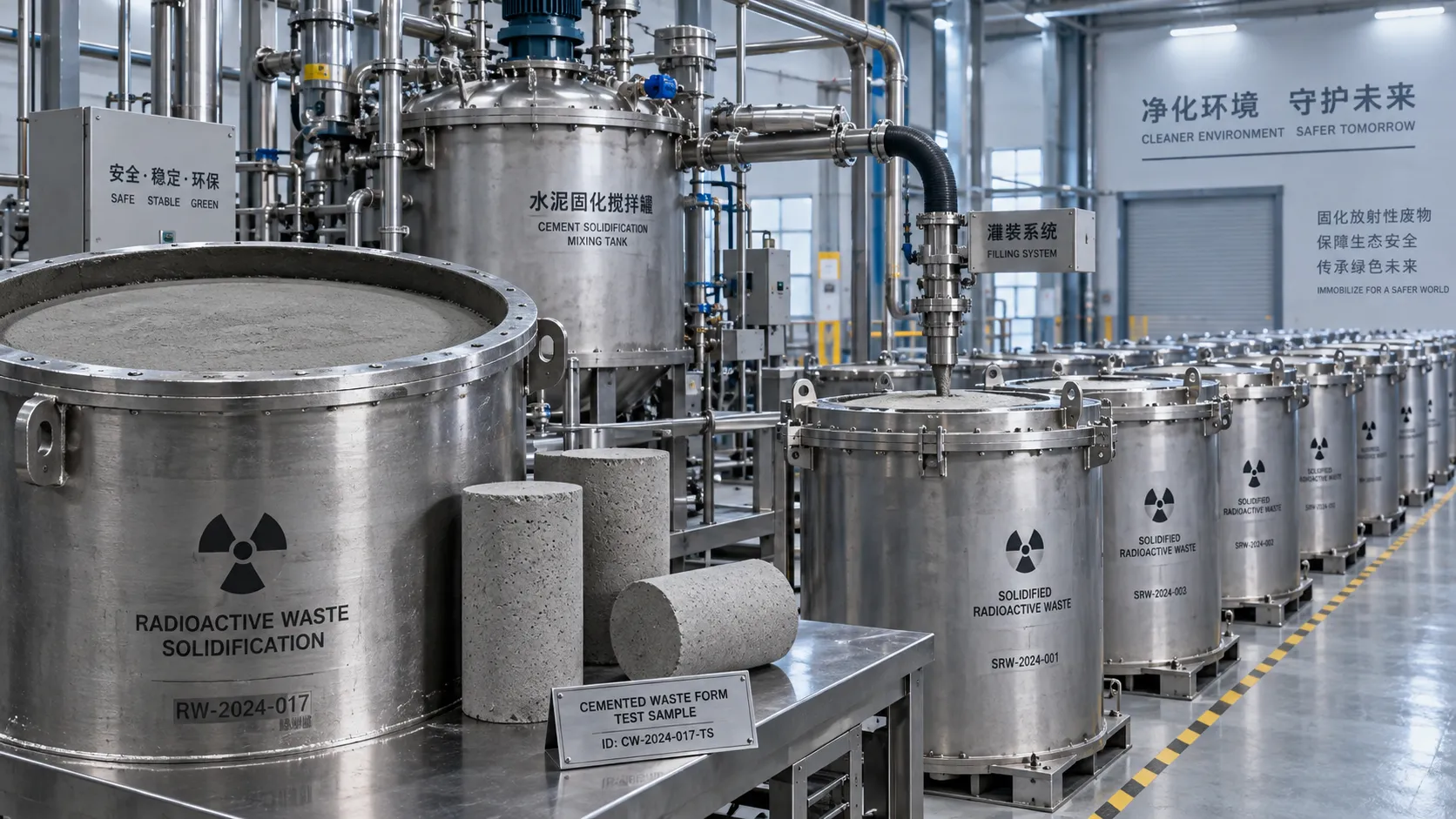
When is cementation suitable for nuclear decommissioning waste?
Explore nuclear waste treatment technology for decommissioning: learn when cementation fits, which risks to assess, and how disposal criteria guide an effective treatment choice.
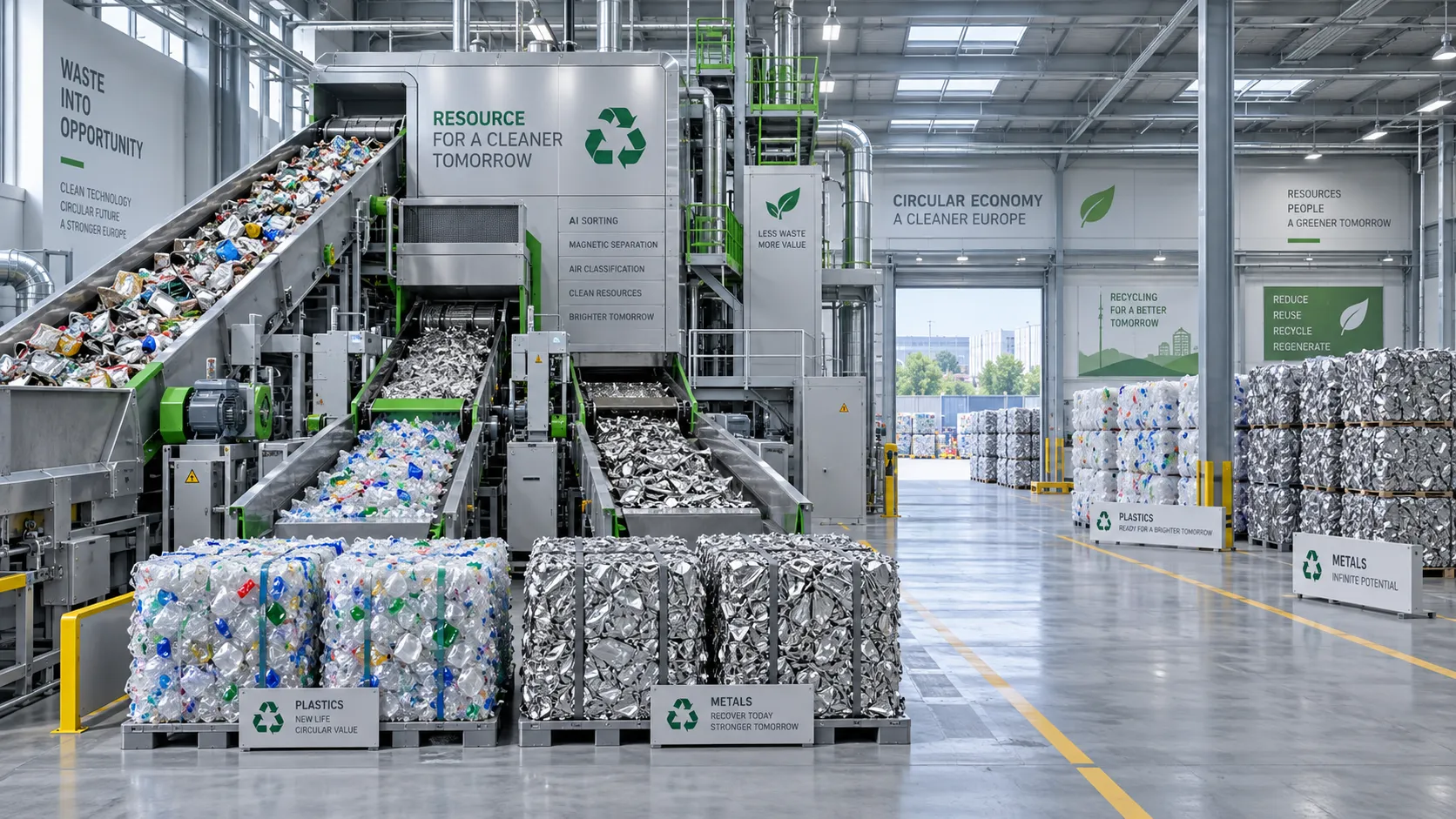
What determines payback for waste-to-resource systems in Europe?
Assess waste-to-resource systems Europe-wide: compare feedstock, recovery yields, costs and contracts to uncover payback drivers and make smarter investment decisions.
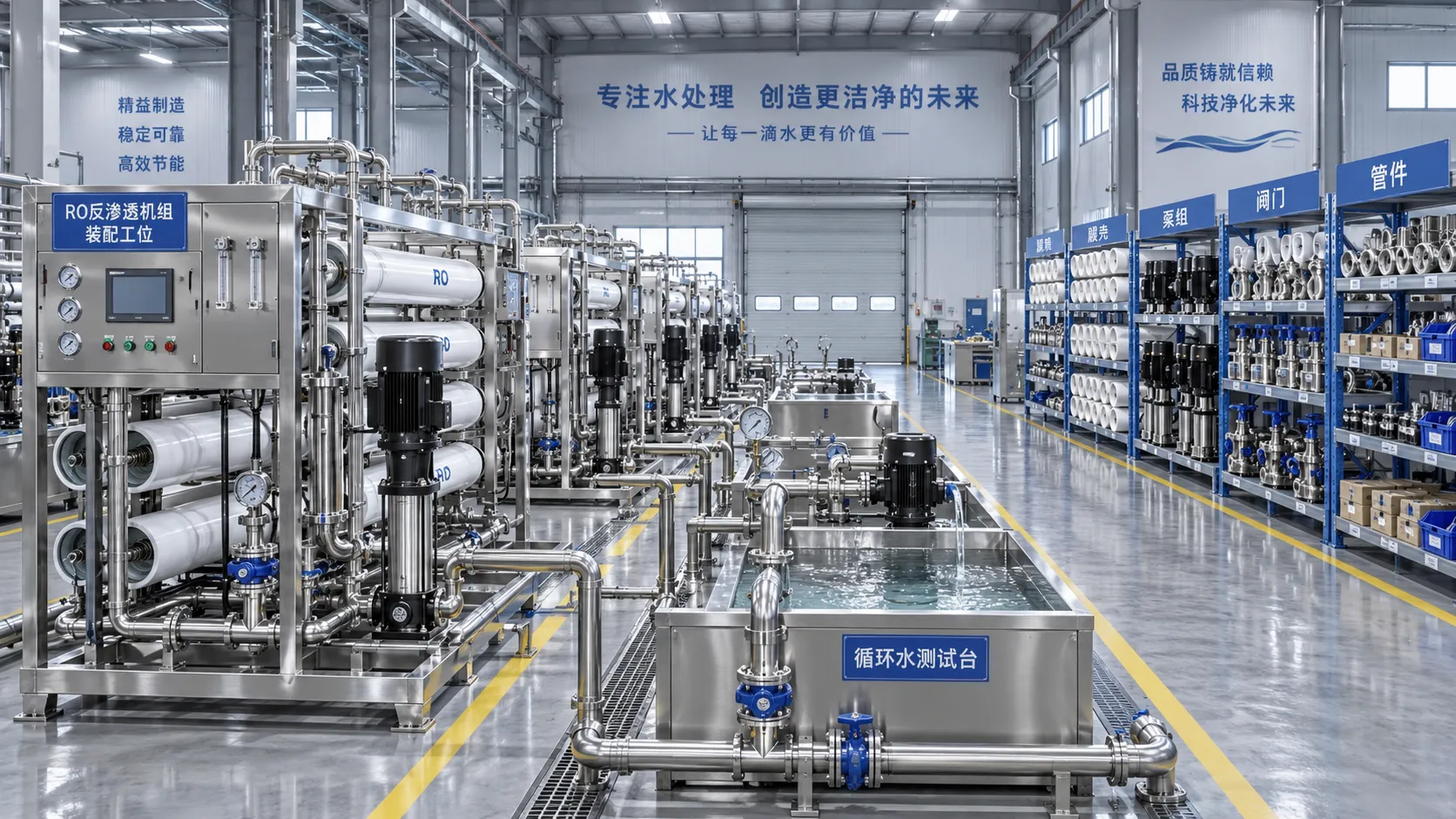
How to verify a water treatment system factory’s production capacity
Verify a water treatment systems factory’s production capacity through records, bottlenecks, component availability, and testing. Learn what to check before accepting a delivery promise.
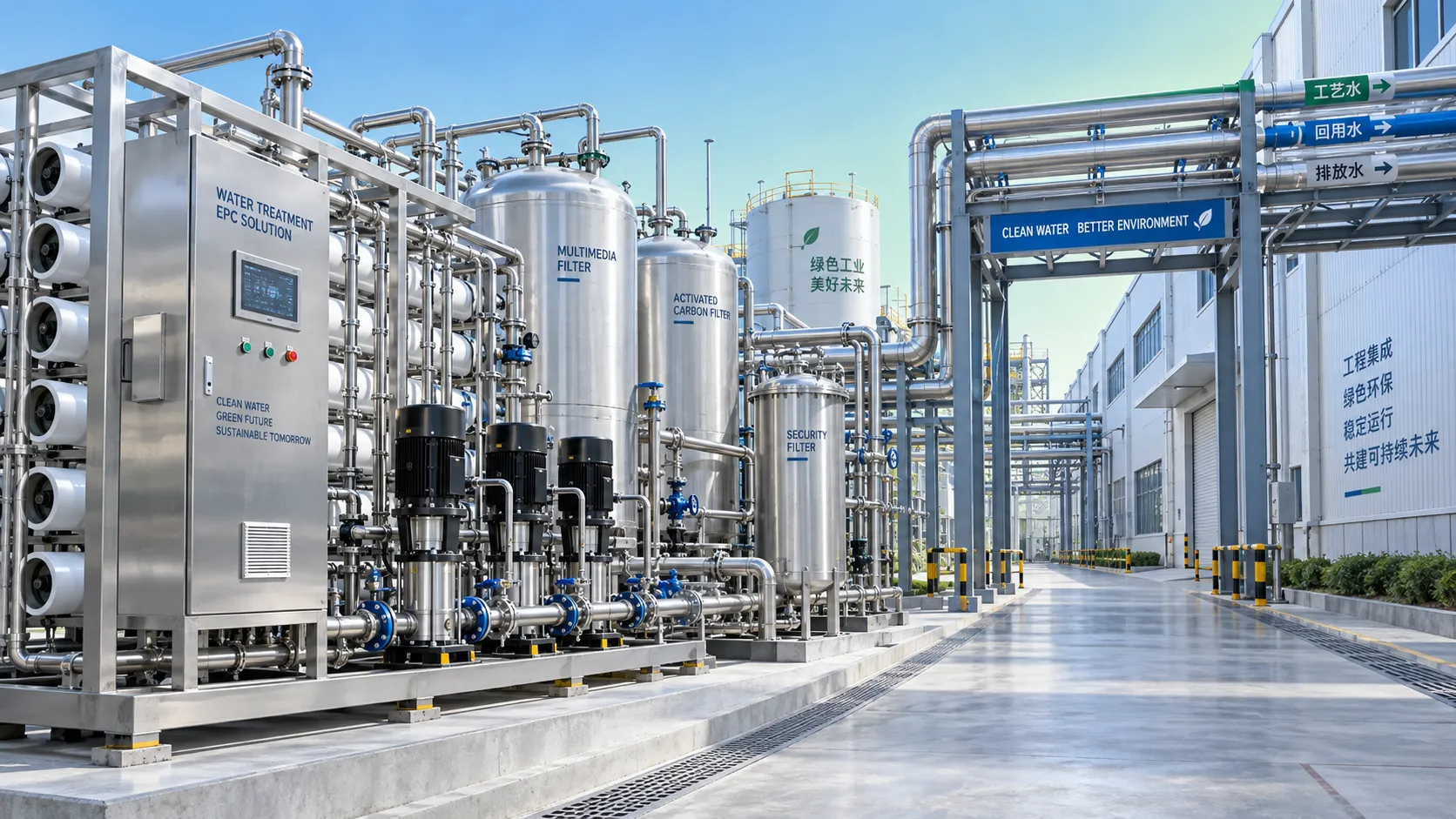
When does EPC environmental project support reduce delivery risk?
EPC environmental project support engineering reduces delivery risk by aligning design, procurement, compliance, construction, and commissioning decisions.
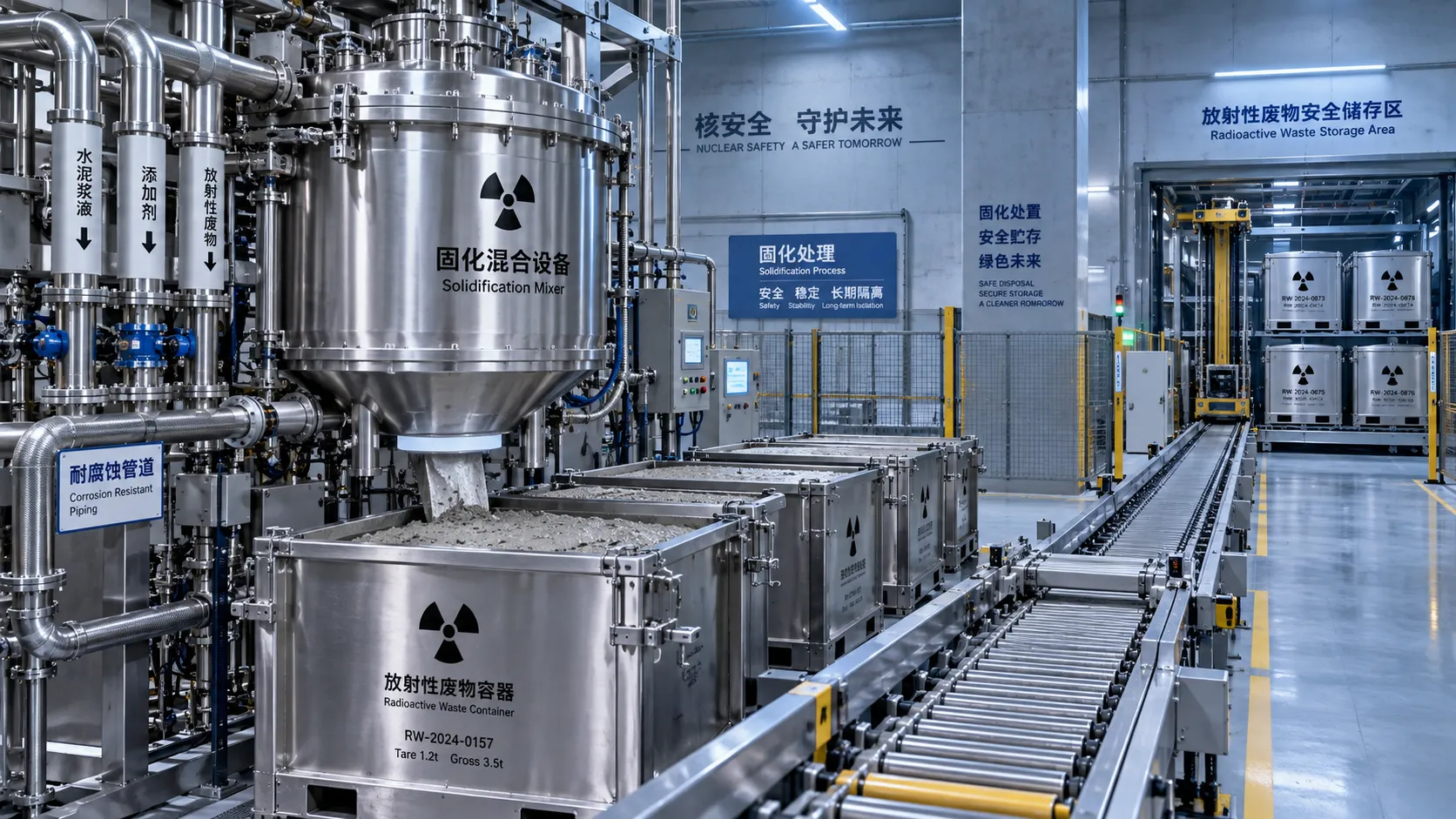
How nuclear plants select a radioactive waste solidification method
Radioactive waste management for nuclear plants: compare vitrification, cementation, polymers, and ceramics to select a compliant, durable solidification solution.
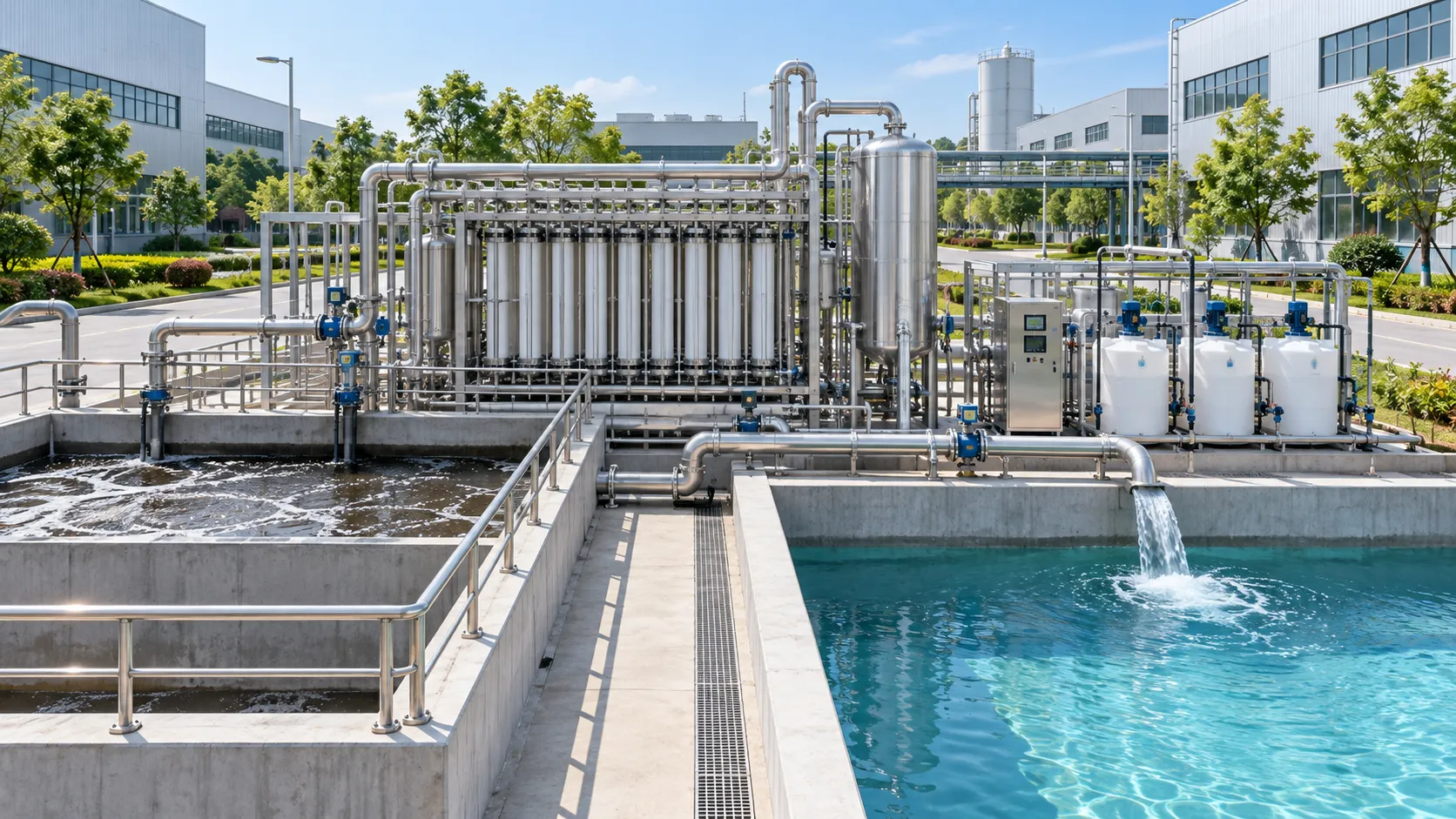
Comparing Upgrade Costs for Industrial Park Wastewater Treatment Systems
Compare costs for wastewater system upgrades in industrial parks with a lifecycle view of CAPEX, OPEX, compliance, resilience, and future expansion.
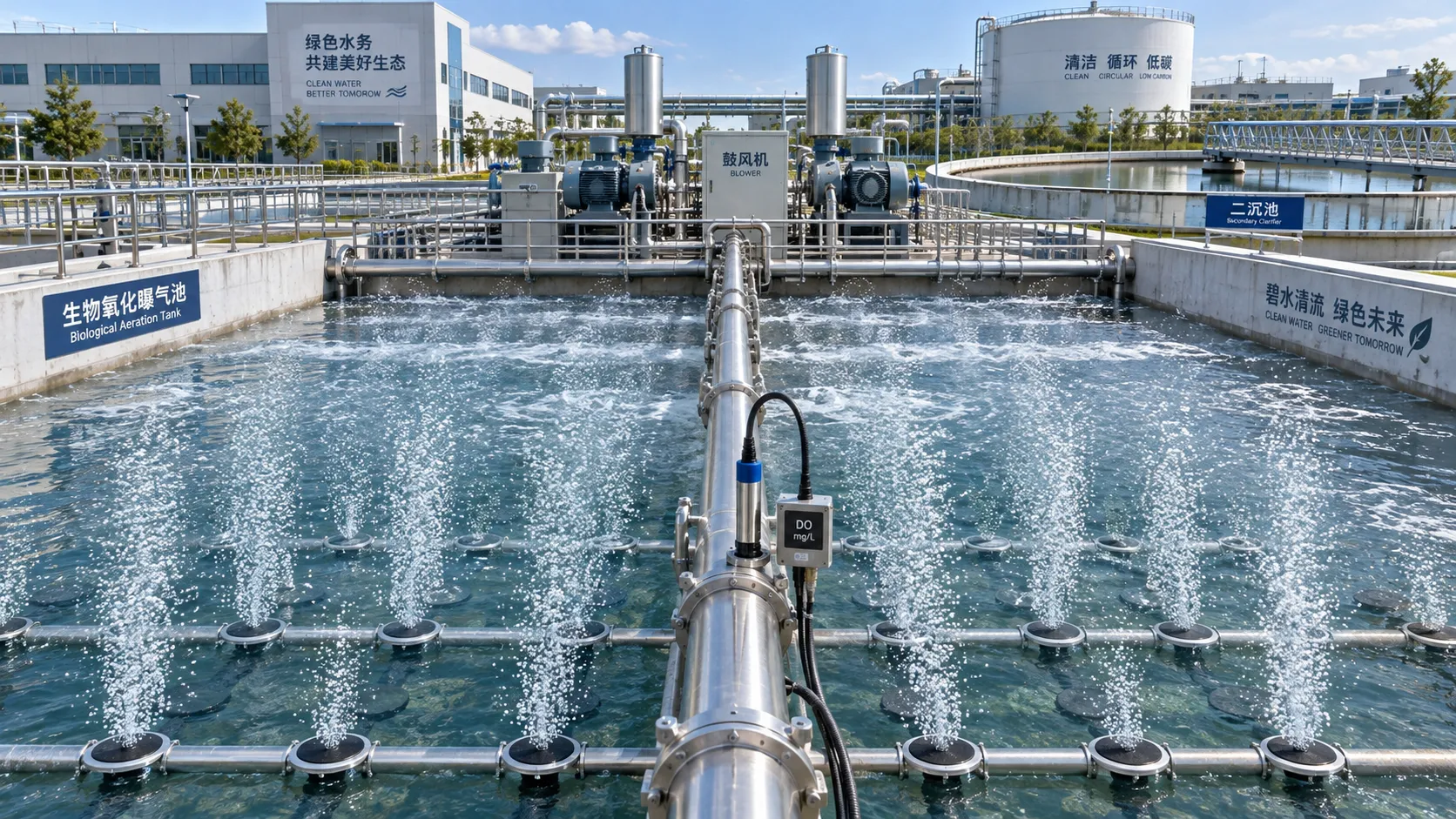
Biological Wastewater Oxidation Explained: Aeration Demand and Process Control
Biological wastewater oxidation explained: optimize aeration demand, DO control, nitrification, and sludge age for stable effluent quality and lower energy costs.
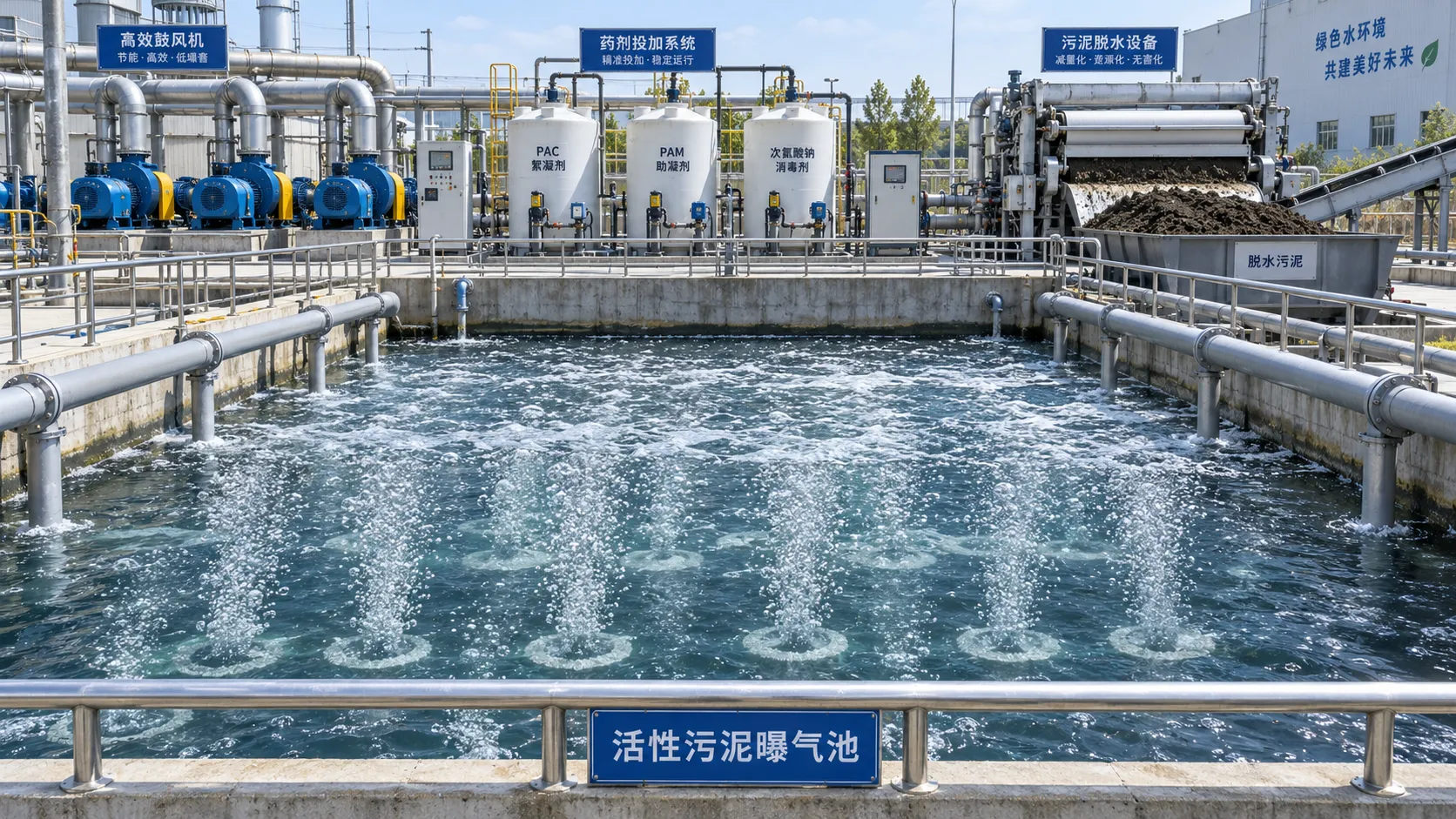
Activated Sludge Cost: Budgeting Energy, Chemicals, Sludge, and Labor
Activated sludge cost explained: compare energy, chemicals, sludge disposal, labor, and compliance risks to build a reliable lifecycle budget.
When Should Municipal Wastewater Plants Upgrade Treatment Capacity and Controls?
Municipal wastewater treatment upgrades: learn when capacity, controls, and resilient planning are needed to protect compliance and optimize plant performance.