
Industry News
Curation by industry experts
Hot Articles
Popular Tags
EPC Environmental Projects: Key Contract Risks to Review
For financial decision-makers, EPC environmental projects can unlock long-term value—but only when contract risks are assessed with precision. From cost overruns and performance guarantees to compliance liabilities and payment milestones, every clause can affect bankability and return certainty. This article highlights the key contract risks to review so approvers can protect capital, strengthen oversight, and support more resilient project execution.
Why EPC environmental contract review matters before capital approval
In EPC environmental projects, the contract is not just a legal document. It is the operating model for risk transfer, cost control, technical accountability, and schedule discipline across the entire asset life cycle.
For finance teams reviewing desalination plants, wastewater treatment lines, flue gas systems, waste recovery facilities, or nuclear waste handling packages, contract language directly affects debt drawdown conditions, contingency exposure, and future claims.
This is especially true when project economics depend on strict discharge limits, feedwater variability, carbon compliance, hazardous material rules, or long commissioning periods. In such settings, an under-reviewed EPC environmental agreement can convert a technically sound project into a financial underperformer.
- Capital outlay is usually front-loaded, while technical performance is proven later during testing, ramp-up, and stabilization.
- Environmental assets often rely on regulatory approvals, utility interfaces, and third-party consumables that can shift risk unexpectedly.
- Performance failure may not stop at rework costs; it can also trigger liquidated damages, permit breaches, and lower operating revenue.
What makes environmental EPC contracts different from general industrial EPC
Environmental facilities are judged not only by mechanical completion but by measurable outcomes: effluent quality, removal efficiency, recovery rate, energy intensity, emissions reduction, residue handling, and safe disposal. That changes how risk should be priced and approved.
ESD tracks these project realities through sector intelligence spanning ZLD systems, SWRO, AI sorting, flue gas treatment, and nuclear waste management. For approvers, that perspective helps connect technical clauses with downstream financial consequences.
Which EPC environmental contract risks deserve first-pass review?
Before diving into annexes and technical schedules, finance approvers need a first-pass risk map. The table below summarizes the EPC environmental clauses that most often influence cost certainty, lender confidence, and post-award claims exposure.
This first-pass screen helps finance teams prioritize review effort. Not every clause carries equal weight. In most EPC environmental deals, scope, guarantee structure, delay regime, and compliance allocation are the four clauses with the fastest path to budget variance.
A practical short list for approval committees
- Check whether the contract price includes all equipment, automation, commissioning support, and acceptance testing inputs.
- Confirm whether guaranteed performance is linked to realistic influent, ambient, and utility conditions.
- Review whether payment release depends on objective evidence rather than loosely defined progress percentages.
- Assess whether liability caps are aligned with probable exposure from environmental non-performance.
How to review scope gaps and change-order exposure
Many EPC environmental disputes begin with a simple question: who was responsible for a missing item? In high-complexity facilities, scope gaps often hide in interfaces, utilities, consumables, testing protocols, and owner obligations rather than major equipment lists.
A desalination package may appear complete, yet pretreatment assumptions, brine discharge tie-ins, chemical dosing skids, intake quality variability, or energy recovery integration may sit in ambiguous language. The same pattern appears in flue gas, waste recovery, and advanced wastewater systems.
Common scope blind spots in EPC environmental projects
- Feedstock or influent variability management, including pre-screening, buffering, and upset-condition handling.
- Consumables required for start-up and reliability testing, such as membranes, media, reagents, catalysts, or neutralization chemicals.
- Digital scope, including remote monitoring, cybersecurity baselines, historian integration, and performance dashboard outputs.
- Residue handling, secondary containment, off-spec waste storage, and transport interfaces for regulated by-products.
For approvers, the key question is not whether a vendor provided a detailed equipment list. It is whether the contract prevents predictable gaps from becoming expensive variations after notice to proceed.
Comparison: broad fixed price versus interface-heavy fixed price
When evaluating EPC environmental bids, finance teams often see similar contract values with very different risk boundaries. The comparison below helps distinguish apparent savings from real cost certainty.
A lower bid is not automatically lower risk. In EPC environmental procurement, value often lies in sharper scope discipline, better test definitions, and more realistic owner-contractor interfaces.
Performance guarantees: where technical clauses become financial outcomes
Performance guarantees are the core of many EPC environmental contracts. Yet approvers often focus on the guarantee value and miss the test conditions that determine whether the guarantee can actually be enforced.
A wastewater treatment project may guarantee COD removal, TDS reduction, recovery rate, sludge dryness, or ZLD achievement. A flue gas contract may guarantee SOx, NOx, particulate, or mercury removal. A desalination line may guarantee permeate quality and specific energy use. Each promise must be tied to a test method, boundary condition, and remedy.
What finance teams should check in guarantee schedules
- Whether the guaranteed feed composition matches realistic operating conditions instead of idealized design values.
- Whether test runs require continuous operation for a meaningful duration rather than a short demonstration window.
- Whether failure remedies include repair, modification, replacement, retest, and financial compensation in a clear sequence.
- Whether performance LDs are capped so low that they cannot cover realistic revenue or compliance losses.
Why acceptance testing often drives hidden exposure
If provisional acceptance occurs before stable performance is demonstrated, the owner may lose leverage while still carrying operating risk. That matters in EPC environmental assets where actual performance depends on ramp-up, membrane fouling behavior, catalyst response, sorting purity, or waste stabilization conditions over time.
ESD’s intelligence model is especially useful here because it connects contract promises with technology-specific realities. For instance, low-temperature SCR performance, SWRO membrane behavior, or vitrification stability cannot be treated as generic equipment outputs during approval review.
Payment terms, milestone design, and bankability signals
Payment terms shape contractor behavior. Poor milestone design can front-load cash outflow before design maturity or field progress justifies it. For finance approvers, milestone discipline is one of the strongest contract tools available.
In EPC environmental deals, milestones should reflect risk retirement, not just calendar dates. Engineering release, long-lead procurement, delivery to site, mechanical completion, commissioning readiness, performance testing, and final acceptance each remove different layers of uncertainty.
A stronger payment framework for EPC environmental projects
- Link major payment events to verified documents such as approved drawings, factory acceptance records, shipping evidence, and commissioning dossiers.
- Avoid excessive advance payment unless backed by acceptable security instruments and clear use-of-funds logic.
- Retain a meaningful final portion until performance acceptance is complete, especially where compliance testing is central to project value.
- Ensure milestone wording distinguishes mechanical completion from operational acceptance and from guaranteed performance achievement.
A bankable EPC environmental contract gives lenders and internal committees confidence that disbursement follows measurable progress. It also reduces the chance that unresolved technical issues migrate into the operating phase.
Compliance, permits, and environmental liability allocation
Environmental projects operate under permit and compliance pressure from day one. Contract review must determine who is responsible for design compliance, permit support, sampling protocols, hazardous handling, residue classification, and regulatory response during commissioning.
This is not a pure legal exercise. It is a cash-flow and continuity issue. If the contractor claims that permit delays, waste classification changes, or grid-quality instability are owner risks, project economics may shift quickly.
Compliance points that should not remain vague
- Who secures each permit, who supplies technical dossiers, and who bears the cost of resubmission if design assumptions fail.
- Which standards govern equipment safety, emissions monitoring, electrical integration, and hazardous material handling.
- How changes in law are treated if regulations tighten between contract signing and final acceptance.
- How non-compliant by-products, off-spec effluent, or contaminated residues are temporarily stored and legally transferred.
In sectors monitored by ESD, such as ZLD, desalination, flue gas treatment, and nuclear waste management, compliance risk is not interchangeable. The contract must reflect the physics, chemistry, and regulatory intensity of the specific process route.
How financial approvers can build a practical review checklist
Approval committees do not need to rewrite technical annexes. They do need a disciplined checklist that separates routine contract language from financially material EPC environmental exposure.
Review checklist for finance-led approval
This checklist is especially useful when comparing bidders across different environmental technologies. It helps finance teams evaluate whether a contract is genuinely robust or simply structured to look attractive at award stage.
FAQ: common approval questions on EPC environmental contracts
How should finance teams judge a low bid in an EPC environmental tender?
Do not assess price in isolation. Review scope exclusions, provisional sums, owner obligations, guarantee assumptions, and milestone timing. A lower contract value may simply move cost into later variations, delayed testing, or compliance disputes.
Which guarantee is usually more important: output quality or energy consumption?
It depends on the revenue model and permit regime. In some EPC environmental projects, discharge quality or emissions limits determine legal operability, making them primary. In others, energy intensity drives life-cycle economics. Approvers should rank guarantees by financial materiality, not by technical prestige.
What is a common mistake in milestone design?
Treating equipment delivery as equivalent to value creation. For complex environmental systems, real risk may remain high until integration, commissioning, and stable performance are proven. Milestones should reflect that progression.
When should outside intelligence support be used during review?
Use it when the project includes unfamiliar treatment chemistry, evolving regulations, cross-border sourcing, or technology-specific performance risk. ESD is particularly relevant when review teams need to connect contract wording with process behavior, market shifts, and environmental compliance trends.
Why choose us for EPC environmental project intelligence and review support
For financial approvers, the biggest challenge is not reading more pages. It is identifying which clauses can materially change return certainty in water treatment, waste recovery, flue gas control, desalination, and nuclear waste projects.
ESD helps bridge that gap through sector-focused intelligence built around technical performance, compliance evolution, commercial demand signals, and execution realities. Our perspective is useful when a contract must be tested against actual operating conditions rather than generic EPC assumptions.
- Ask us to support parameter confirmation for treatment targets, recovery rates, emissions thresholds, or start-up assumptions.
- Request bid and contract comparison support to identify risk-shifting clauses across competing EPC environmental proposals.
- Consult on delivery-cycle exposure, long-lead equipment dependencies, and milestone realism before final approval.
- Discuss compliance-sensitive project elements such as permit interfaces, waste handling responsibilities, and evolving international environmental requirements.
- Use ESD insights to strengthen internal approval memos, lender discussions, and technology selection decisions for complex environmental EPC investments.
If your team is reviewing an EPC environmental contract and needs sharper visibility into technical risk, commercial implications, selection logic, or compliance assumptions, ESD can help you focus due diligence where capital is most exposed.
Recommended News
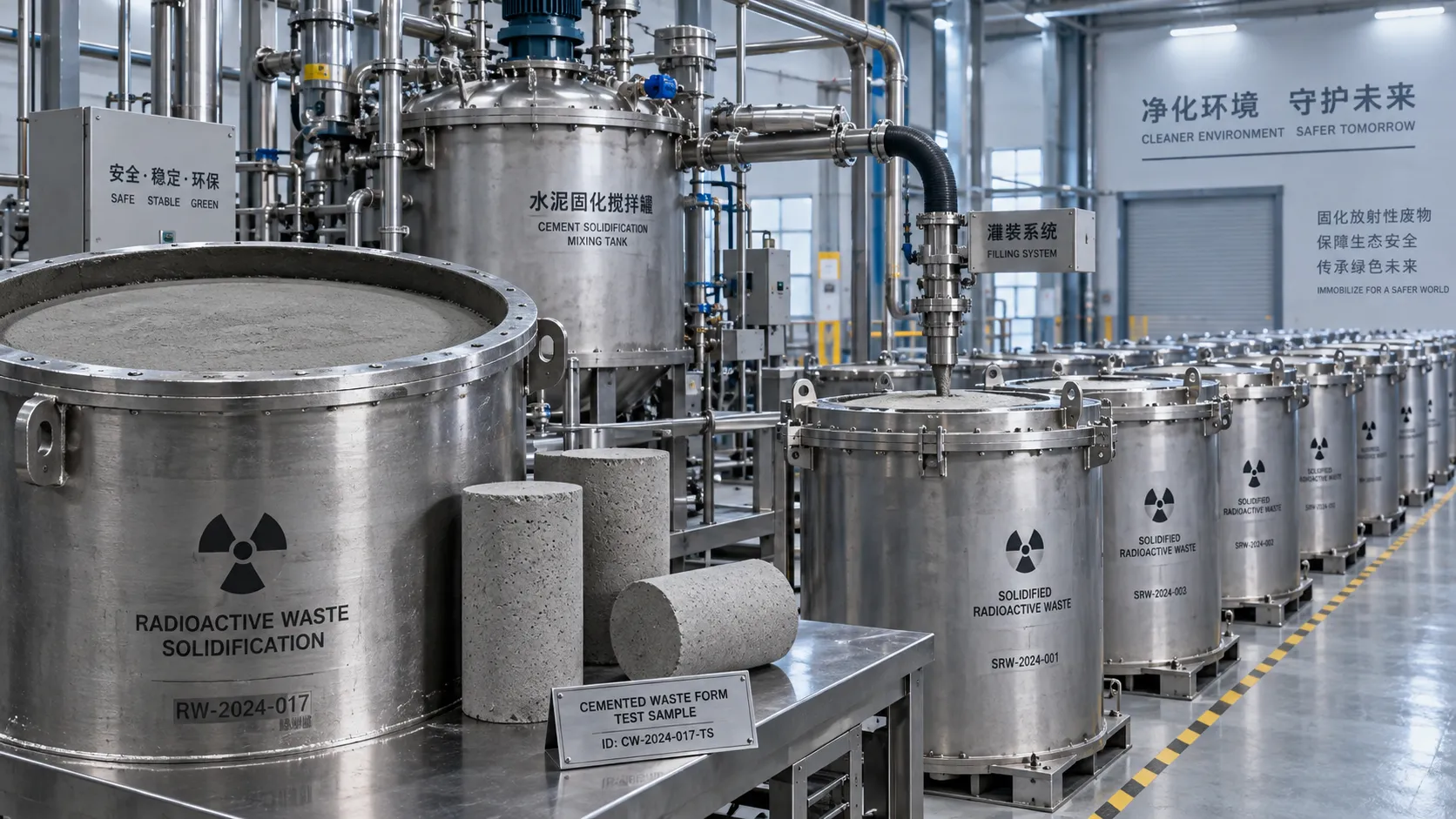
When is cementation suitable for nuclear decommissioning waste?
Explore nuclear waste treatment technology for decommissioning: learn when cementation fits, which risks to assess, and how disposal criteria guide an effective treatment choice.
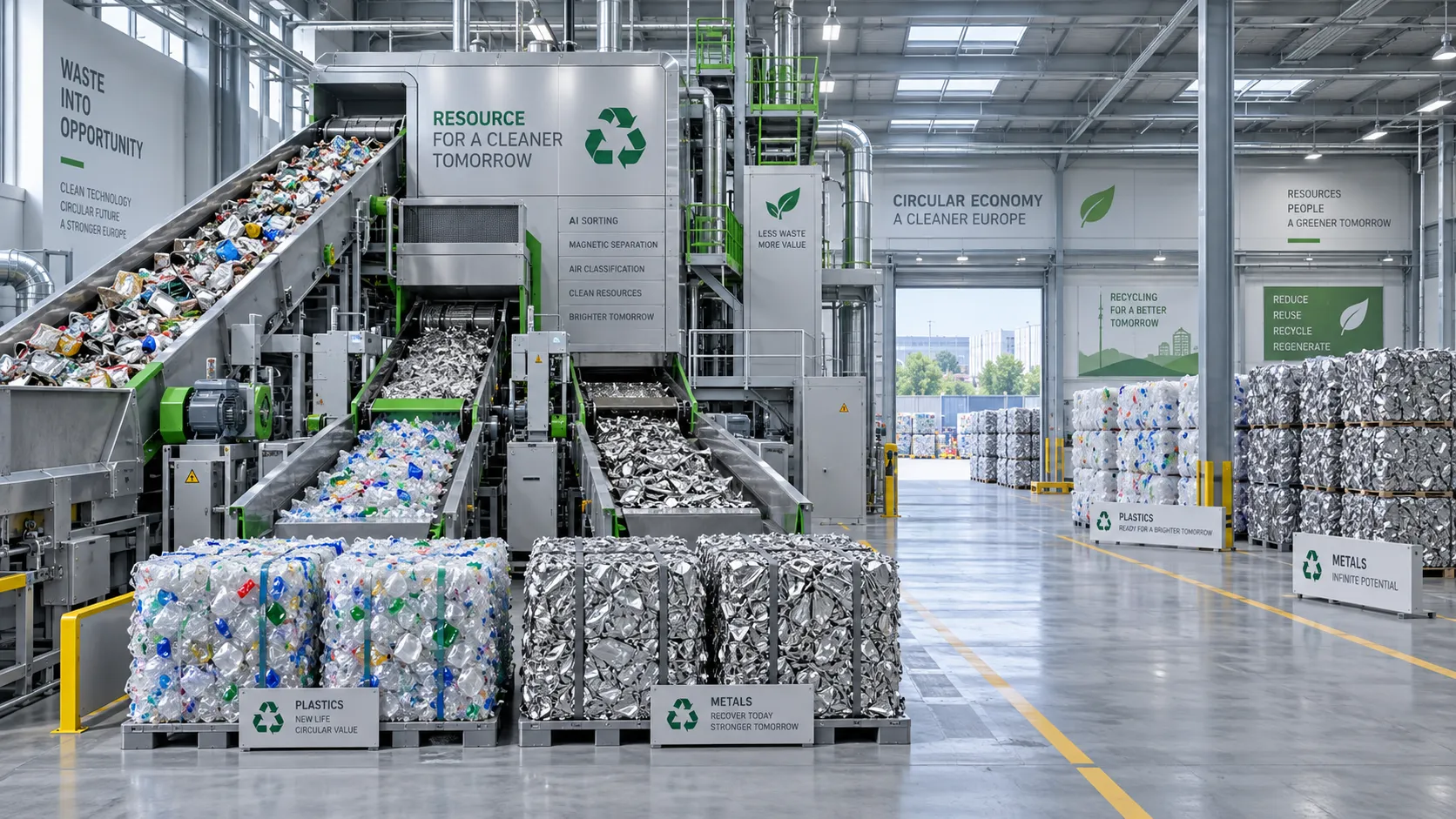
What determines payback for waste-to-resource systems in Europe?
Assess waste-to-resource systems Europe-wide: compare feedstock, recovery yields, costs and contracts to uncover payback drivers and make smarter investment decisions.
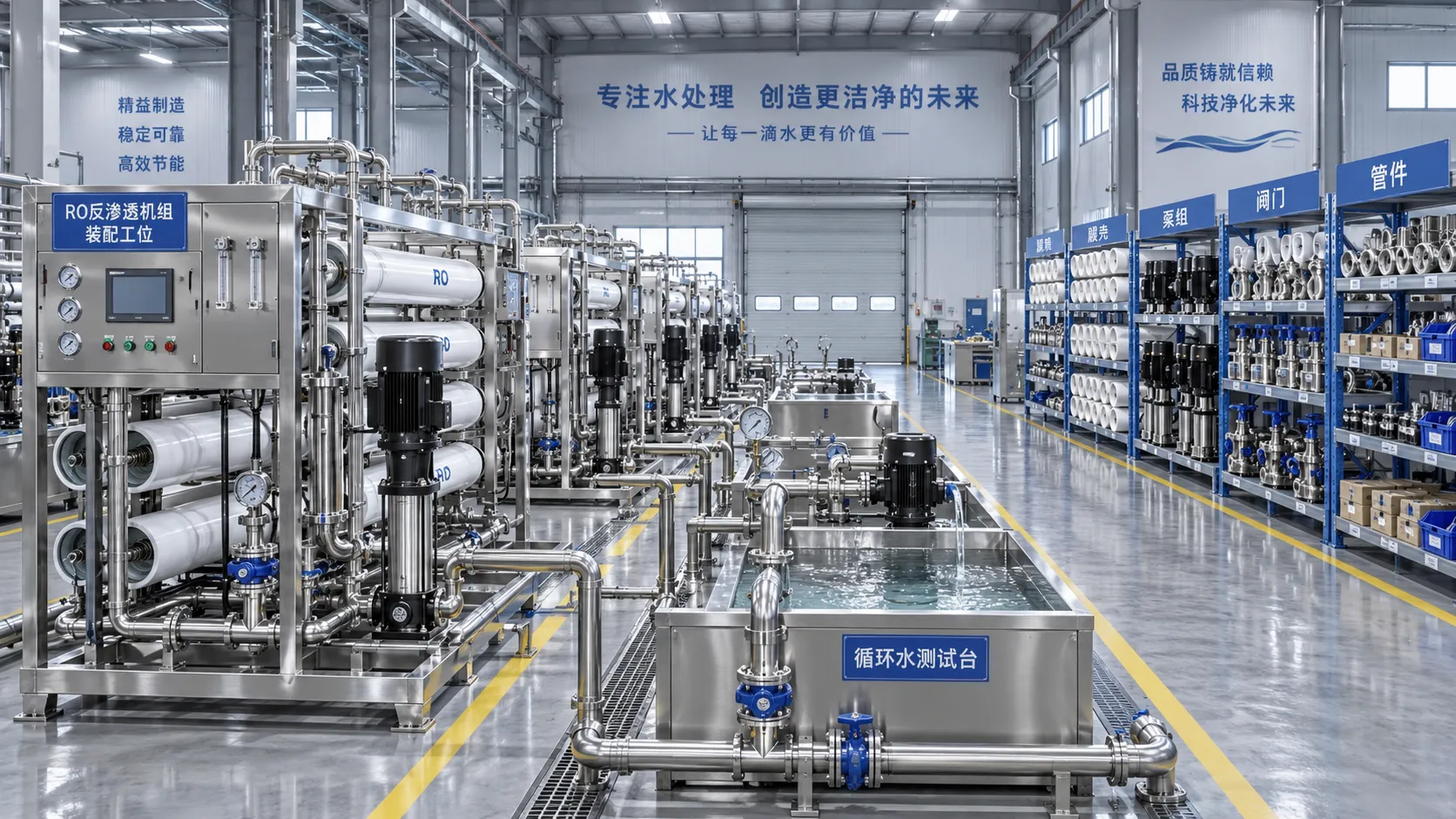
How to verify a water treatment system factory’s production capacity
Verify a water treatment systems factory’s production capacity through records, bottlenecks, component availability, and testing. Learn what to check before accepting a delivery promise.
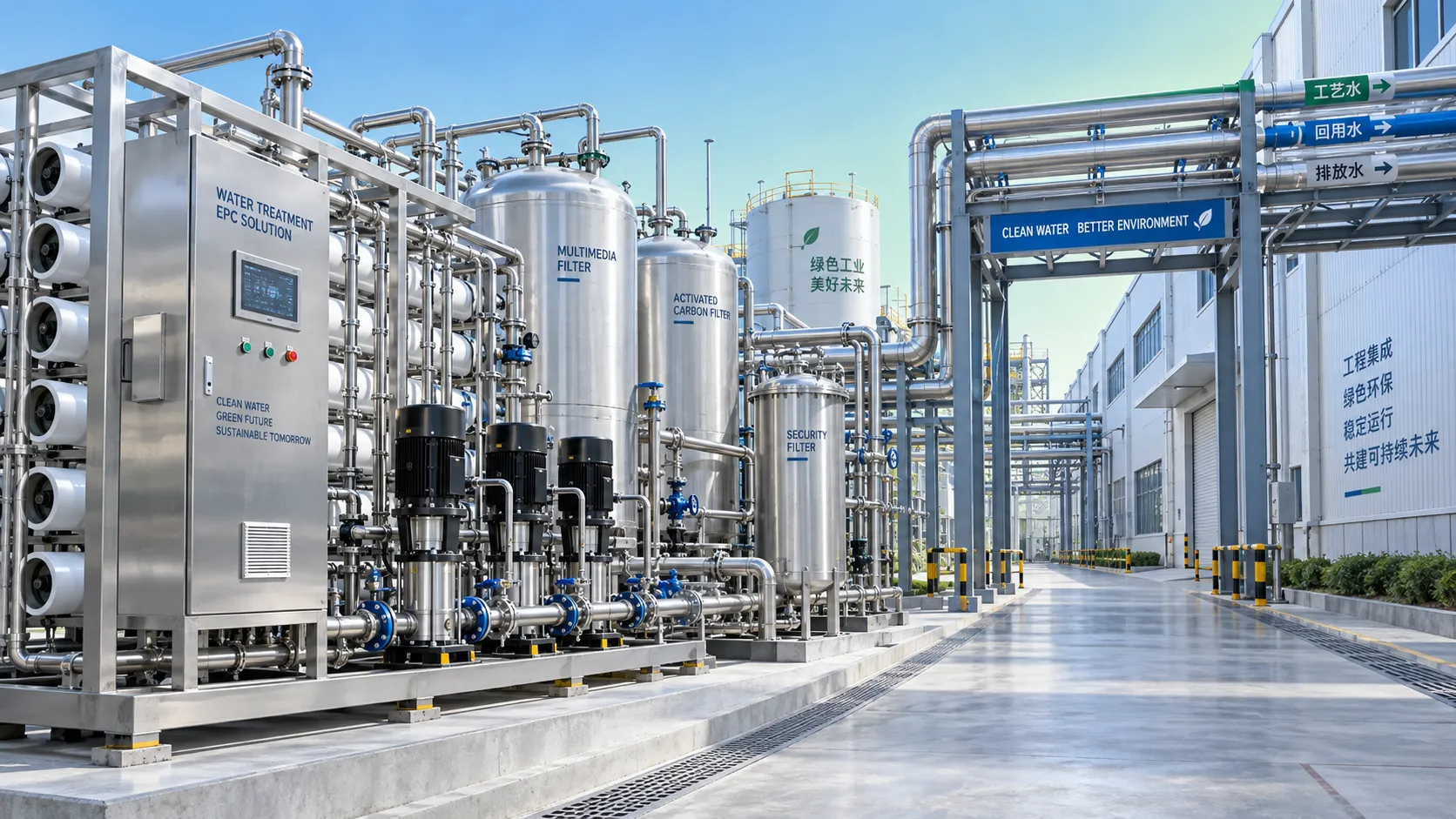
When does EPC environmental project support reduce delivery risk?
EPC environmental project support engineering reduces delivery risk by aligning design, procurement, compliance, construction, and commissioning decisions.
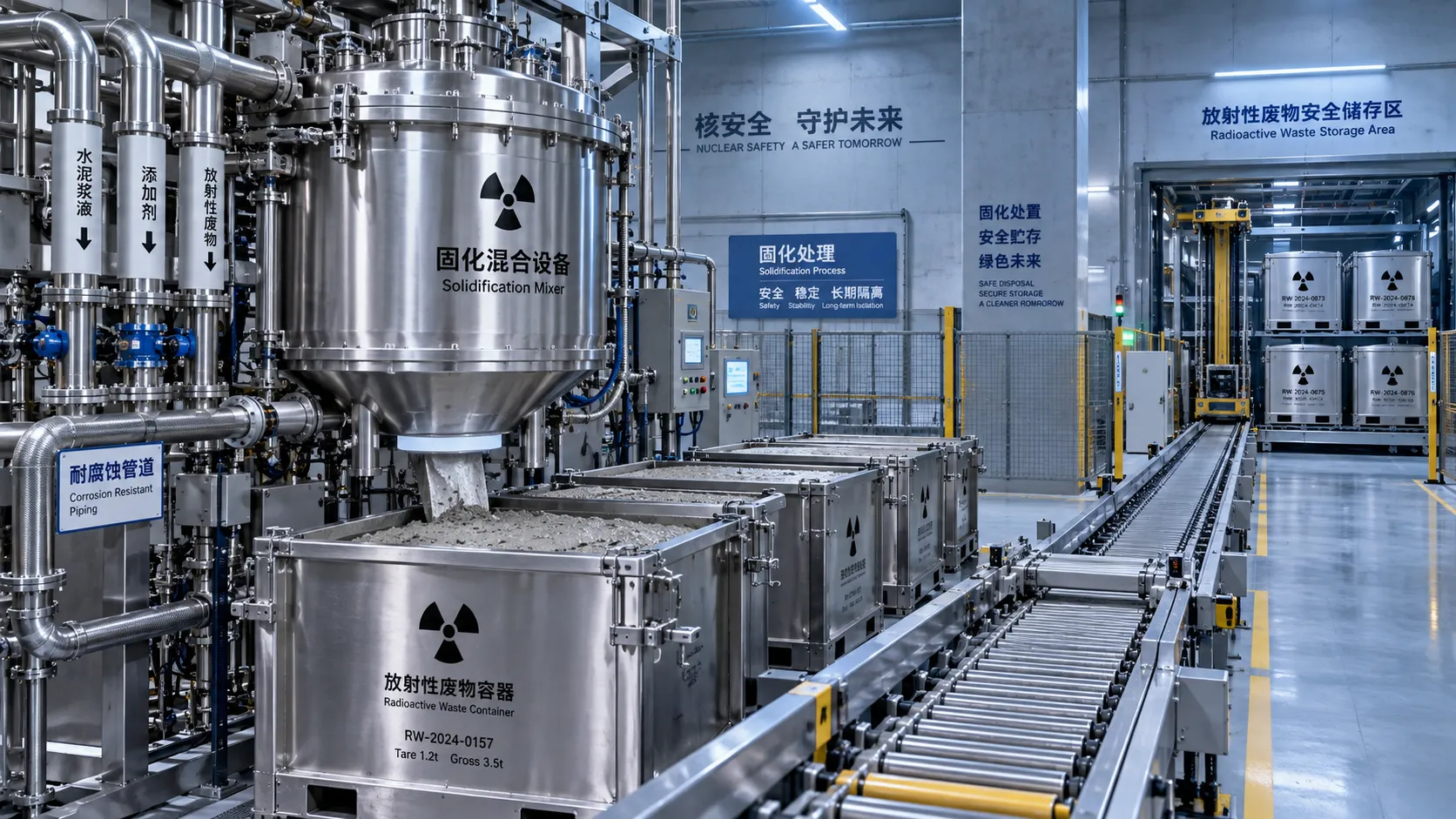
How nuclear plants select a radioactive waste solidification method
Radioactive waste management for nuclear plants: compare vitrification, cementation, polymers, and ceramics to select a compliant, durable solidification solution.
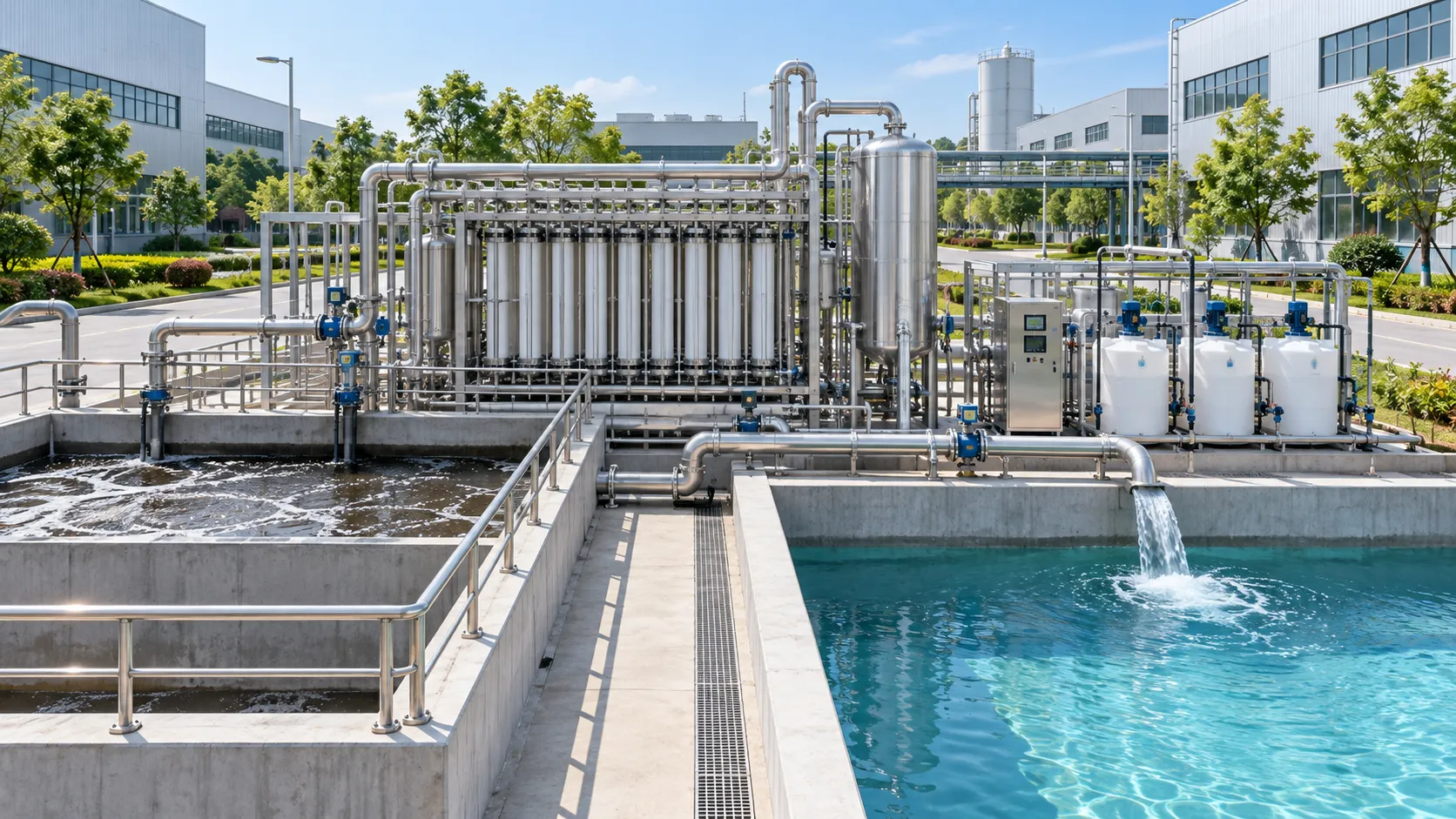
Comparing Upgrade Costs for Industrial Park Wastewater Treatment Systems
Compare costs for wastewater system upgrades in industrial parks with a lifecycle view of CAPEX, OPEX, compliance, resilience, and future expansion.
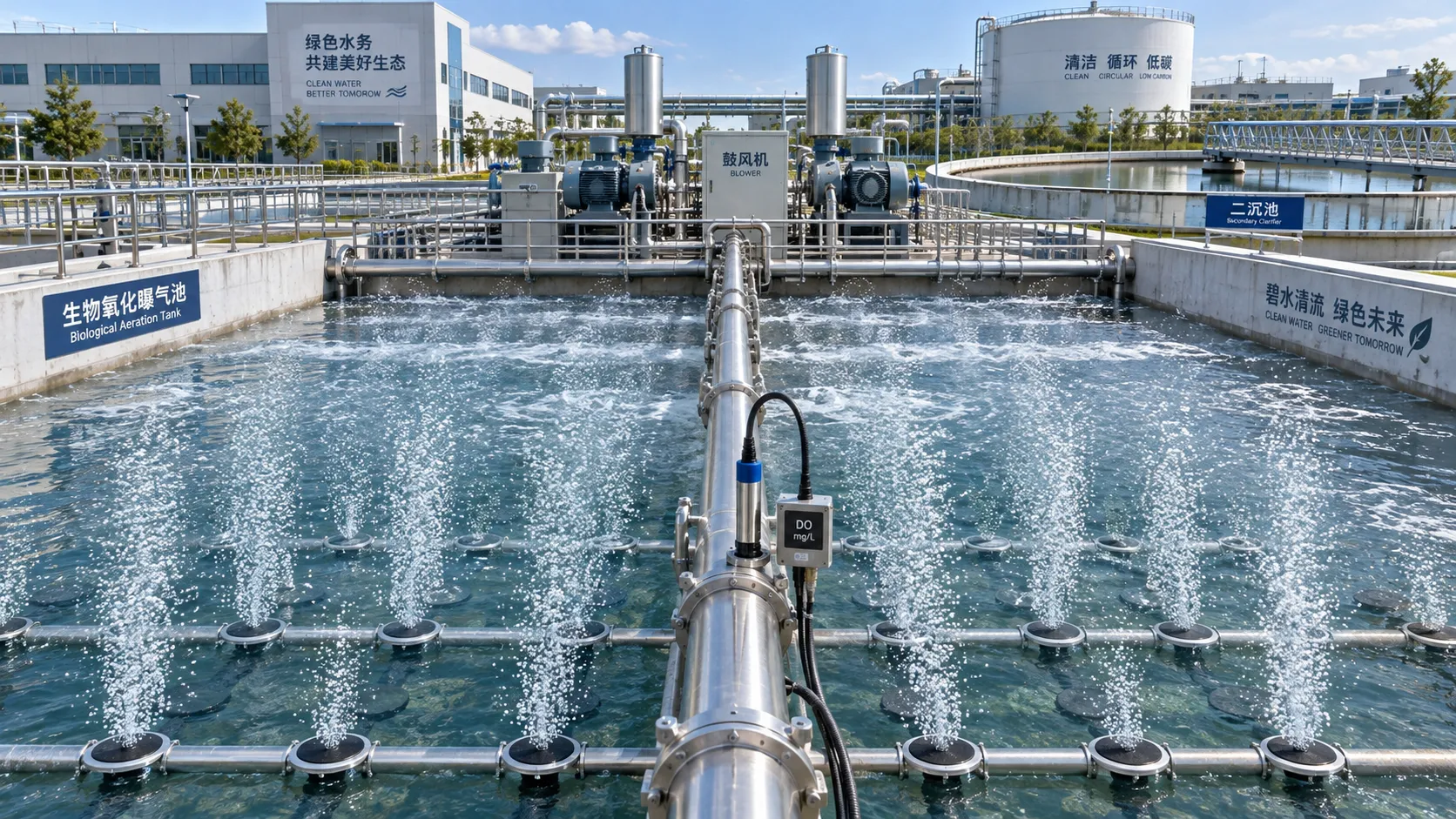
Biological Wastewater Oxidation Explained: Aeration Demand and Process Control
Biological wastewater oxidation explained: optimize aeration demand, DO control, nitrification, and sludge age for stable effluent quality and lower energy costs.
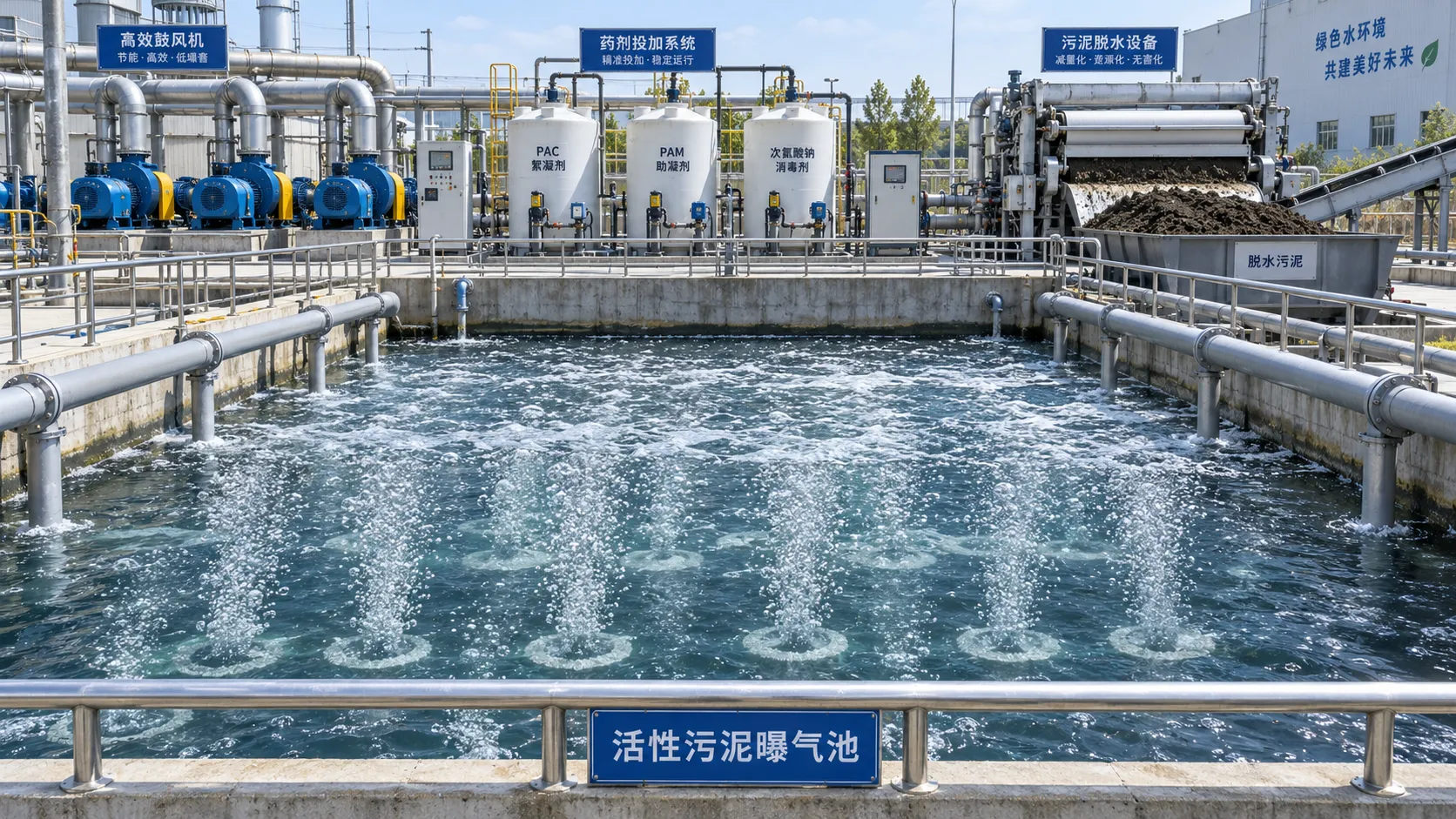
Activated Sludge Cost: Budgeting Energy, Chemicals, Sludge, and Labor
Activated sludge cost explained: compare energy, chemicals, sludge disposal, labor, and compliance risks to build a reliable lifecycle budget.
When Should Municipal Wastewater Plants Upgrade Treatment Capacity and Controls?
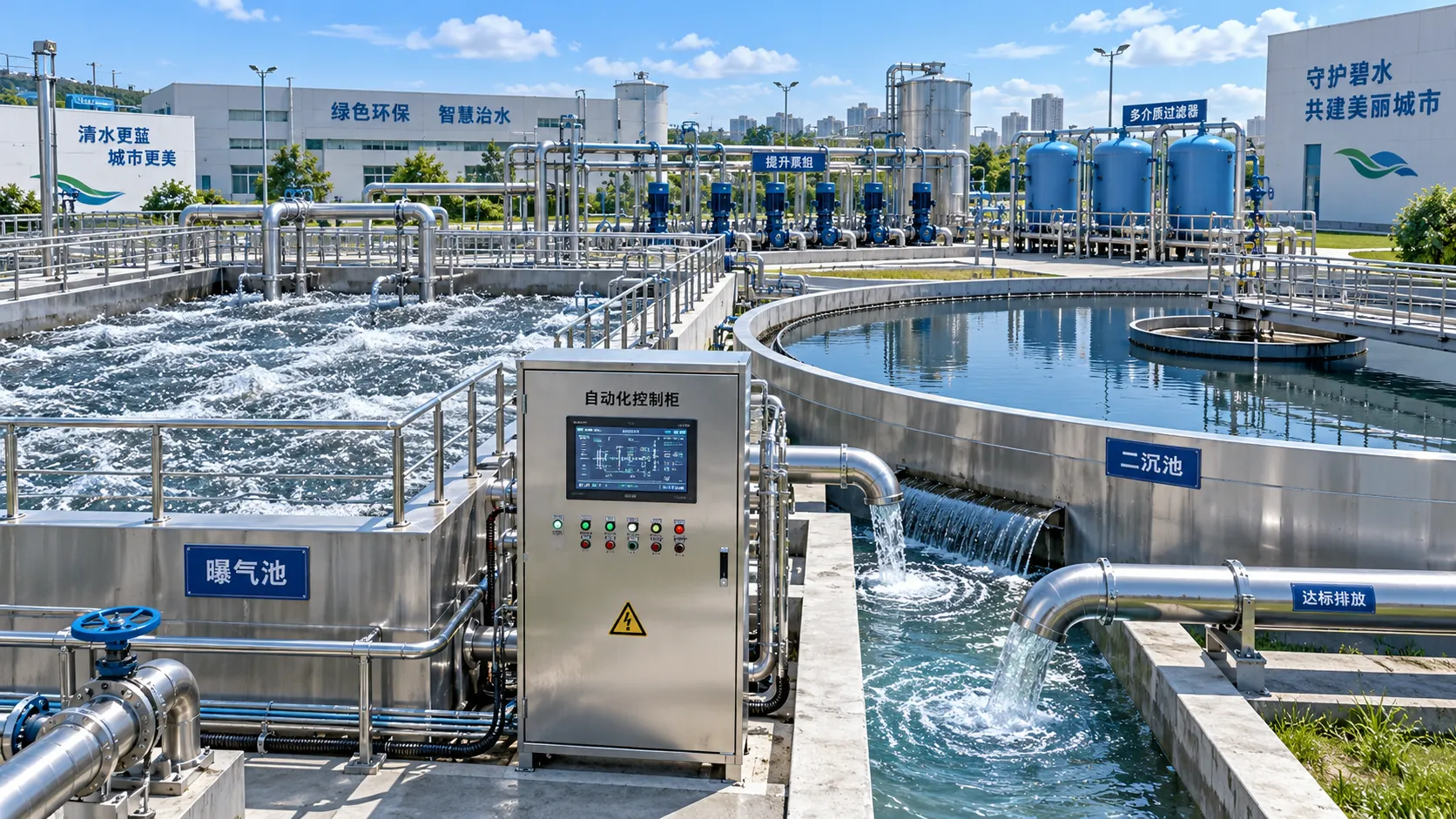
Municipal wastewater treatment upgrades: learn when capacity, controls, and resilient planning are needed to protect compliance and optimize plant performance.