
Industry News
Curation by industry experts
Hot Articles
Popular Tags
FGD Scrubbers vs Wet FGD Systems: Key Cost Trade-Offs
For procurement teams comparing FGD scrubbers with wet FGD systems, the real challenge is not just upfront price, but lifetime cost, compliance risk, maintenance intensity, and operational efficiency. This article breaks down the key cost trade-offs that matter most in industrial buying decisions, helping purchasers identify which solution delivers stronger long-term value under tightening environmental and budget pressures.
Why this comparison matters more than it seems
In heavy industry, buyers often use the terms FGD scrubbers and wet FGD systems as if they were interchangeable. In practice, that shortcut can distort budgeting, scope definition, and supplier evaluation.
FGD scrubbers is a broader buying term. It may refer to desulfurization equipment in general, including absorber towers, reagent preparation modules, slurry circulation loops, mist eliminators, oxidation air systems, and by-product handling units.
Wet FGD systems are a specific process family, typically using limestone, lime, or other alkaline slurry to remove SO2 from flue gas. For procurement personnel, the real issue is not terminology. It is total system boundary.
ESD tracks this distinction closely because flue gas treatment sits at the intersection of process chemistry, water balance, solids management, and tightening environmental compliance. A low bid on the scrubber vessel alone can become a high-cost project once wastewater treatment, gypsum handling, corrosion control, and downtime risk are added.
- A narrow equipment quote may exclude pumps, oxidation blowers, wastewater polishing, and reagent unloading systems.
- A process-complete wet FGD package may look more expensive initially, but it can reduce hidden interfaces and commissioning disputes.
- The right decision depends on fuel sulfur level, discharge permits, local water scarcity, and plant operating profile.
FGD scrubbers vs wet FGD systems: what are buyers actually comparing?
Before comparing costs, procurement teams should align internal stakeholders on a common technical baseline. Otherwise, engineering, operations, and sourcing may evaluate different scopes under the same label.
The table below clarifies how FGD scrubbers are commonly purchased versus how wet FGD systems are typically engineered and contracted in industrial projects.
For buyers, this means the comparison should never stop at vessel price, fan impact, or quoted removal efficiency. The true procurement question is whether the offer covers all cost-bearing functions needed to meet permit conditions over the asset life.
Which cost categories shape the real business case?
Most projects underestimate cost because they separate process performance from utility consumption and solids handling. In reality, those items are tightly linked.
1. Capital expenditure is only the first filter
CAPEX includes absorber construction, ductwork, pumps, tanks, piping, instrumentation, electricals, controls, foundations, and installation. Wet FGD systems often require more extensive civil, slurry, and by-product handling infrastructure than a narrowly defined FGD scrubber package.
2. Reagent consumption changes long-term economics
Limestone quality, stoichiometric ratio, SO2 load swings, and target removal efficiency all influence annual operating expense. A cheaper system with unstable pH control or poor gas-liquid contact may consume significantly more reagent over time.
3. Water and wastewater are becoming board-level issues
Wet FGD systems need makeup water and generate blowdown that may require treatment before discharge or reuse. In water-stressed regions, the cost of freshwater intake, wastewater treatment, and zero liquid discharge interfaces can materially alter the payback model.
4. Maintenance costs are often hidden in cheap bids
Corrosion-resistant alloys, rubber lining, FRP internals, mist eliminator wash systems, and wear-resistant pump components all add cost. But omitting them can raise shutdown frequency, spare-parts demand, and labor intensity.
5. Downtime and compliance penalties may outweigh utility cost
If FGD scrubbers fail to maintain stable SO2 removal during load changes, the plant may face derating, permit breaches, or production disruption. Procurement teams should treat reliability as a financial variable, not just a technical specification.
A practical cost trade-off table for procurement reviews
The following table gives a decision-oriented view of where FGD scrubbers and wet FGD systems typically differ in cost exposure. It is useful during RFQ normalization and supplier clarification rounds.
In many tenders, the lowest offer wins on visible CAPEX but loses on integration cost, operating expense, and compliance resilience. Procurement teams should therefore evaluate present cost and future liability together.
Which industrial scenarios favor each option?
Not every plant should buy the same desulfurization configuration. The right choice depends on process duty, sulfur profile, water access, available footprint, and owner operating capability.
When a simpler FGD scrubber package may make sense
- Retrofit projects where the plant already owns reagent preparation, wastewater treatment, or solids handling infrastructure.
- Sites with strong in-house engineering teams that can manage multiple package interfaces without schedule drift.
- Applications where sulfur load is relatively stable and permit requirements leave reasonable operating margin.
When a full wet FGD system usually offers better value
- Greenfield plants that need a complete emissions control train with fewer contracting gaps.
- Facilities facing strict SO2 limits, variable fuel sulfur, or likely future tightening under regional environmental policy.
- Projects where wastewater, gypsum quality, and water reuse must be optimized alongside stack performance.
This system-level view is where ESD provides practical value. Flue gas treatment decisions rarely stand alone. They are connected to water treatment, solids recovery, and compliance strategy across the entire eco-industrial asset.
What should procurement teams check before issuing an RFQ?
An effective RFQ for FGD scrubbers or wet FGD systems should reduce ambiguity before suppliers price the project. That improves bid comparability and lowers change-order risk later.
- Define flue gas conditions clearly, including flow rate, temperature, SO2 concentration, dust loading, chloride content, and load fluctuation range.
- State removal targets as guaranteed outlet emissions under normal and turndown operation, not only peak design conditions.
- Clarify whether reagent preparation, wastewater treatment, gypsum dewatering, and CEMS interface are in the package scope.
- Request utility consumption estimates for power, water, compressed air, oxidation air, and reagent on a normalized basis.
- Ask for materials-of-construction details at corrosion and erosion hotspots, not only generic system descriptions.
- Require an expected spare-parts list, maintenance intervals, and critical shutdown risks for the first two operating years.
Buyers who skip these points often receive attractive but non-comparable offers. The result is a long clarification cycle or a contract that shifts technical risk back to the owner.
How do compliance and water strategy affect the cost decision?
For wet FGD systems, emissions compliance cannot be separated from liquid and solid discharge management. This is especially important in regions where water withdrawal permits, wastewater discharge limits, or solid by-product rules are getting tighter.
Procurement teams should evaluate whether the proposed FGD scrubbers fit the site’s broader environmental architecture. A desulfurization unit that meets stack limits but overloads wastewater treatment can still become the wrong purchase.
ESD’s cross-sector perspective matters here. Because many industrial clients operate across water treatment, solid waste recovery, and air pollution control, the best procurement outcome often comes from coordinated utility and compliance design rather than isolated equipment negotiation.
- If freshwater is scarce, ask about water reuse options from treated effluent or adjacent process streams.
- If gypsum disposal is costly, check whether by-product quality targets are realistic and contractually defined.
- If future discharge rules may tighten, consider whether blowdown minimization or ZLD compatibility should be built in now.
Common buying mistakes when evaluating FGD scrubbers
Even experienced sourcing teams can miss critical trade-offs when projects move fast. These are some of the most common errors seen in industrial flue gas treatment procurement.
Mistake 1: comparing only absorber price
This ignores water, reagent, solids, duct modifications, instrumentation, and commissioning support. The cheapest absorber can become the most expensive operating asset.
Mistake 2: underestimating site chemistry
Chloride levels, fly ash carryover, and fuel sulfur swings influence scaling, corrosion, and mist eliminator fouling. Those factors directly affect lifecycle cost.
Mistake 3: treating guarantees as equal
One supplier may guarantee outlet SO2 under narrow conditions, while another guarantees across load ranges, reagent quality variation, and ambient shifts. Those are not equivalent promises.
Mistake 4: delaying spare-parts planning
Critical pumps, nozzles, valves, liners, and instrument components should be identified during sourcing, not after commissioning. Delayed planning increases outage exposure.
FAQ: procurement questions buyers ask most
Are wet FGD systems always more expensive than FGD scrubbers?
Usually they look more expensive at first because the scope is broader and more transparent. However, if the scrubber quote excludes key auxiliaries, wastewater handling, or controls, the final installed cost gap may narrow or even reverse.
What operating data should procurement request from suppliers?
Ask for reagent consumption, water use, pressure drop, power demand, blowdown rate, expected gypsum or sludge output, and maintenance intervals under defined gas conditions. Without normalized operating data, total cost evaluation is weak.
How important is wastewater compatibility in wet FGD selection?
It is often decisive. If your site has tight discharge permits or limited treatment capacity, the economics of the desulfurization system can change sharply. A well-matched wet FGD design should align with broader water treatment strategy.
When should buyers involve operations and maintenance teams?
As early as the technical specification stage. Operations teams can identify practical concerns around nozzle fouling, wash frequency, access, slurry handling, and startup flexibility that procurement documents often miss.
Why informed buyers are shifting toward lifecycle-based evaluation
As emissions regulation becomes stricter and industrial water management becomes more complex, purchasing FGD scrubbers is no longer a simple equipment transaction. It is a strategic environmental infrastructure decision.
The strongest procurement outcomes usually come from three disciplines working together: sourcing, process engineering, and environmental compliance. Wet FGD systems often win where integration, permit resilience, and operating predictability matter most. A narrower FGD scrubber package can still be the right choice when the owner already controls the missing utilities and interfaces.
Why choose us for FGD scrubbers and wet FGD decision support
ESD helps procurement teams move beyond surface-level price comparison. Our intelligence focus across flue gas treatment, industrial water systems, solids recovery, desalination, and high-compliance environmental infrastructure supports more grounded buying decisions.
You can contact us for practical support on FGD scrubbers and wet FGD systems, including parameter confirmation, scope boundary review, supplier offer normalization, water and by-product interface checks, expected delivery cycle discussion, and fit-for-purpose configuration guidance for complex industrial sites.
If you are preparing an RFQ or comparing supplier proposals, share your flue gas data, target emissions, utility constraints, and project timeline. We can help identify the cost trade-offs that matter before budget, compliance, or schedule risks become contract problems.
Recommended News
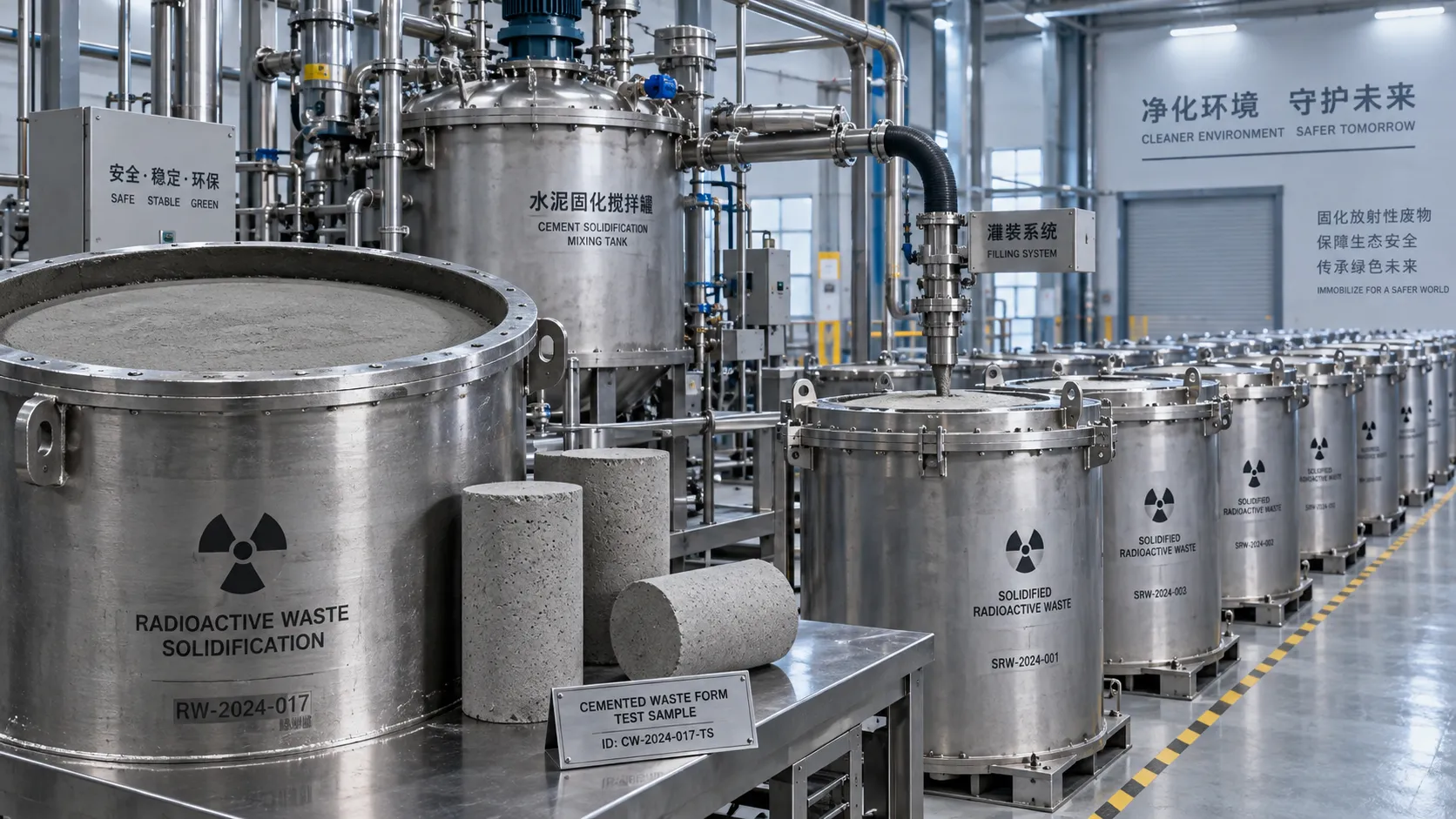
When is cementation suitable for nuclear decommissioning waste?
Explore nuclear waste treatment technology for decommissioning: learn when cementation fits, which risks to assess, and how disposal criteria guide an effective treatment choice.
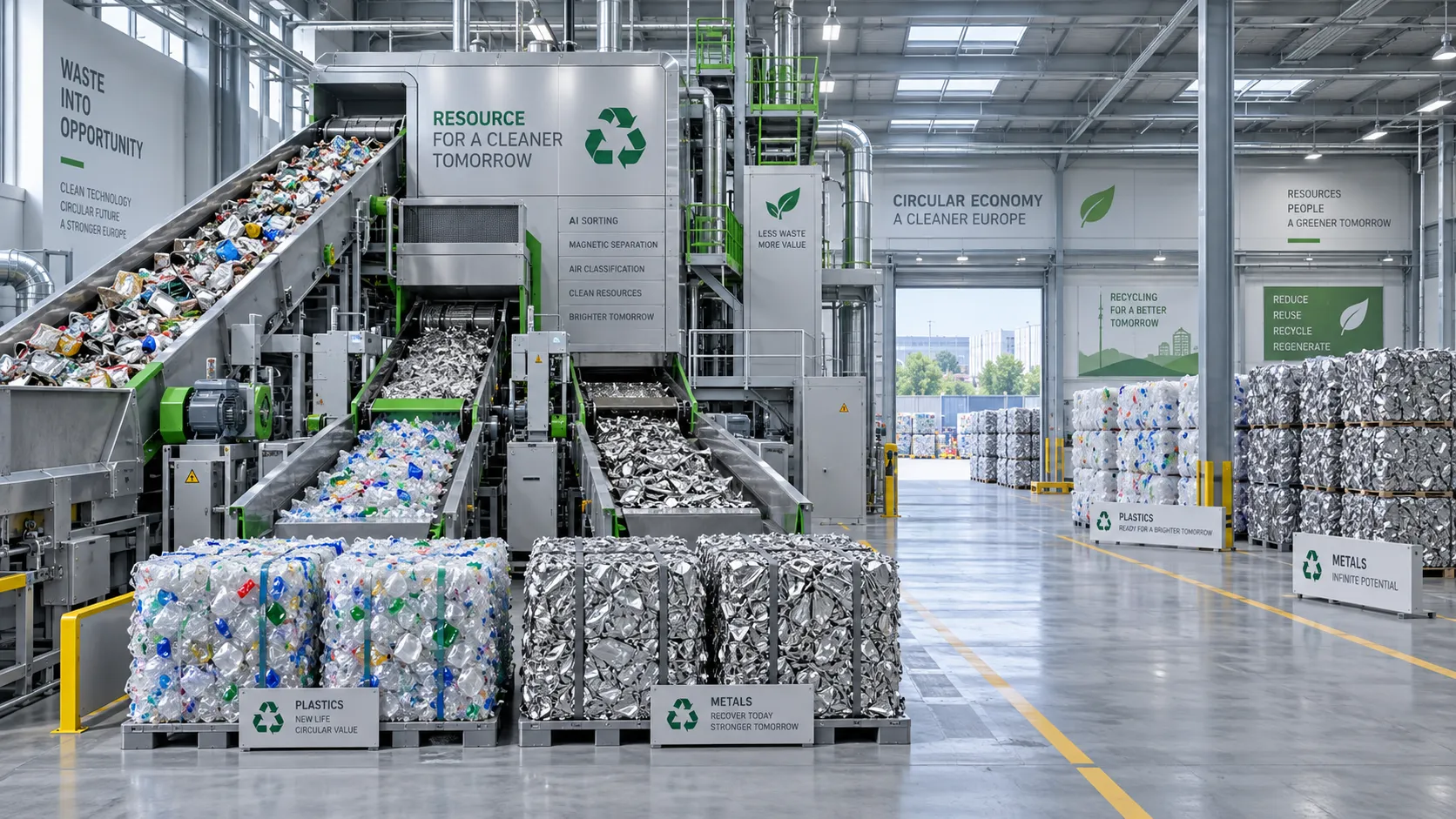
What determines payback for waste-to-resource systems in Europe?
Assess waste-to-resource systems Europe-wide: compare feedstock, recovery yields, costs and contracts to uncover payback drivers and make smarter investment decisions.
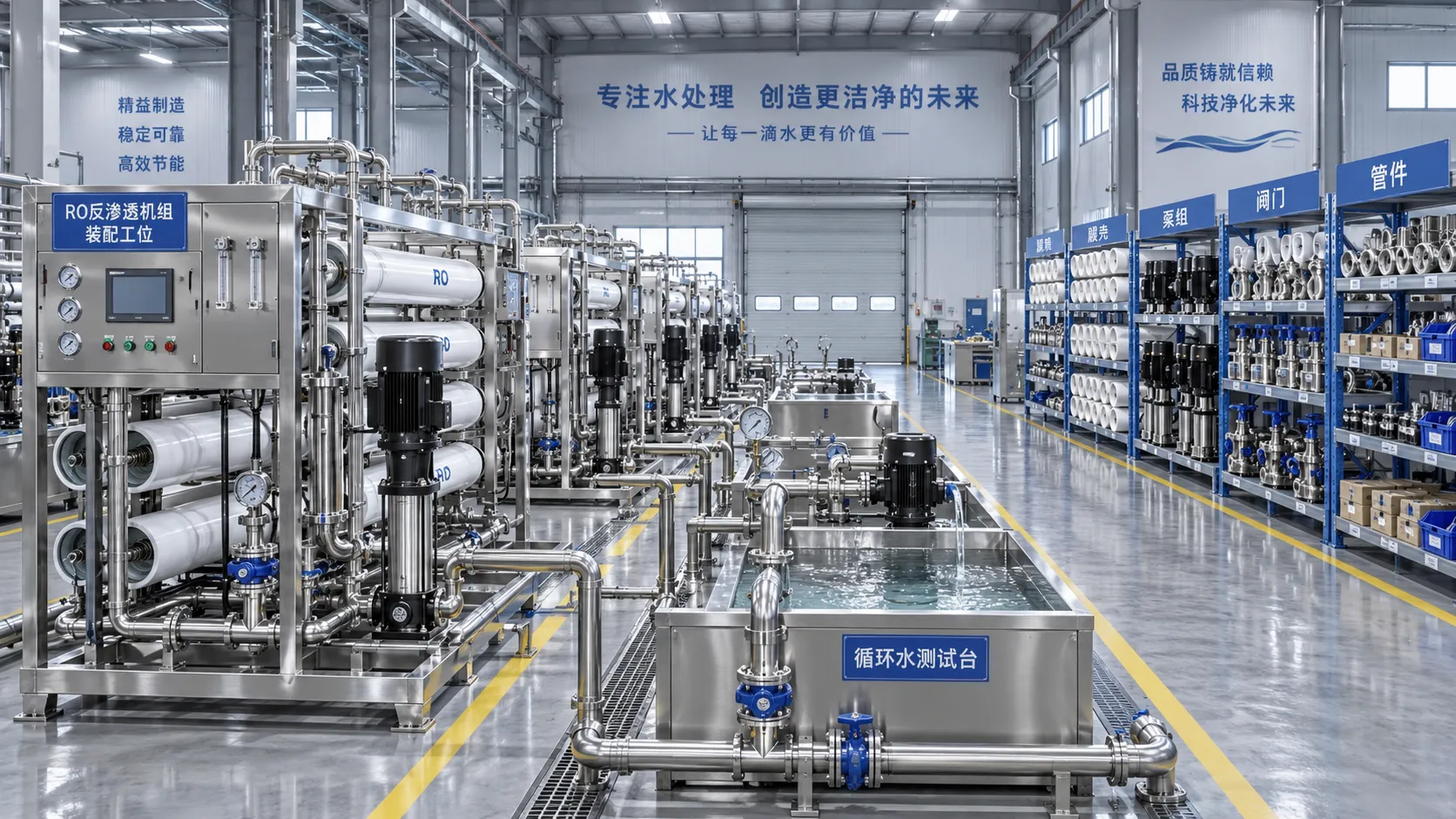
How to verify a water treatment system factory’s production capacity
Verify a water treatment systems factory’s production capacity through records, bottlenecks, component availability, and testing. Learn what to check before accepting a delivery promise.
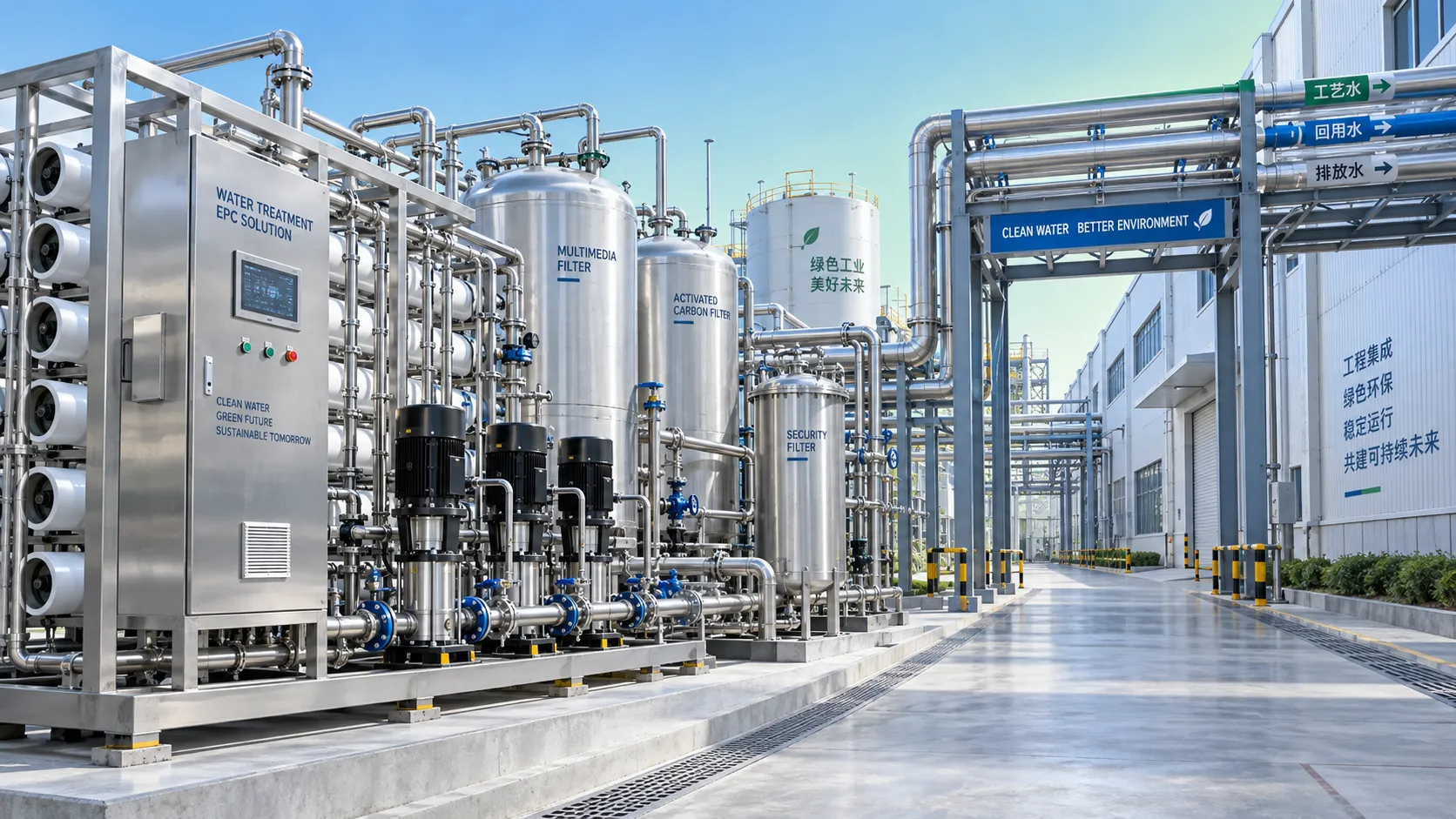
When does EPC environmental project support reduce delivery risk?
EPC environmental project support engineering reduces delivery risk by aligning design, procurement, compliance, construction, and commissioning decisions.
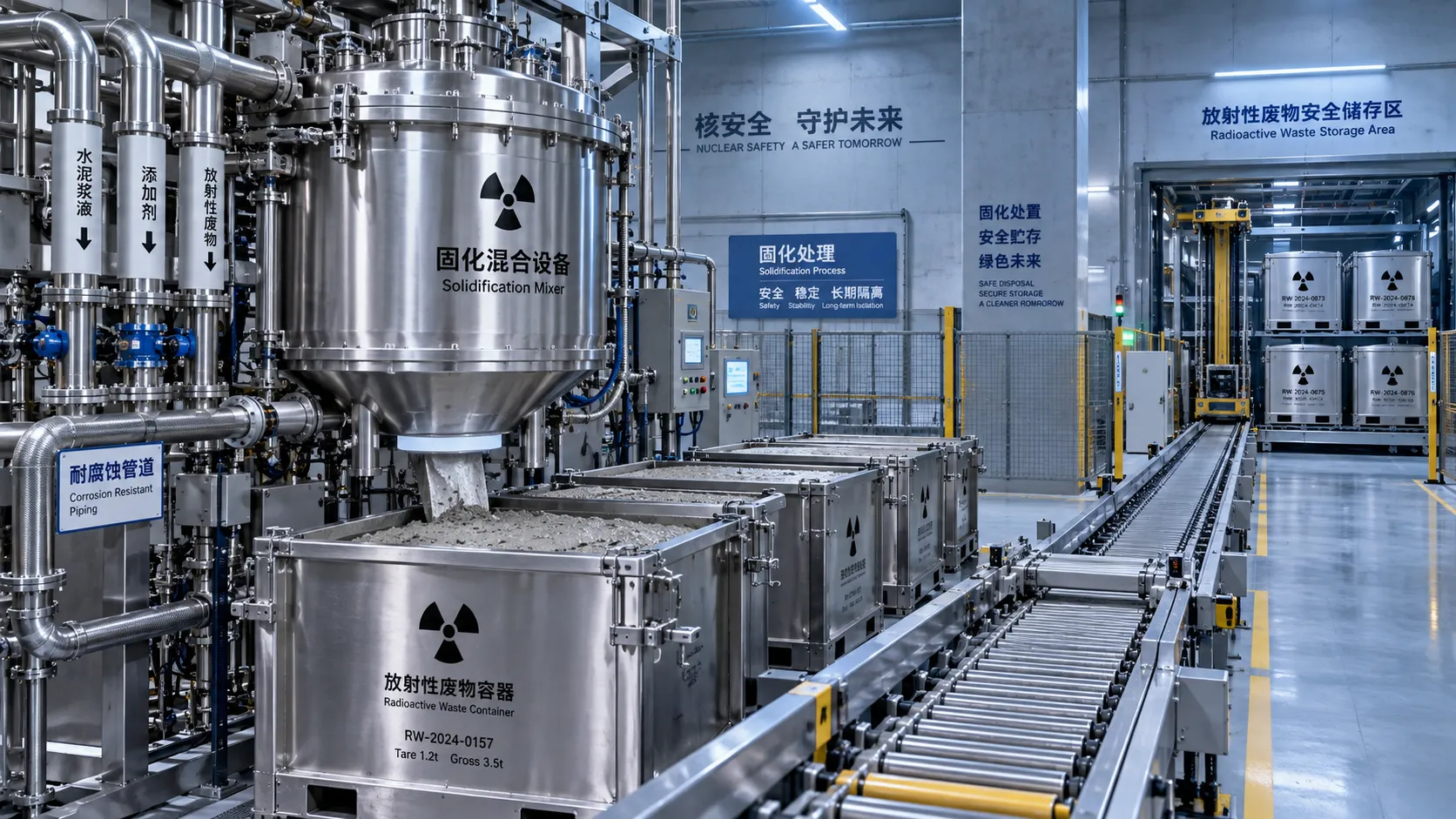
How nuclear plants select a radioactive waste solidification method
Radioactive waste management for nuclear plants: compare vitrification, cementation, polymers, and ceramics to select a compliant, durable solidification solution.
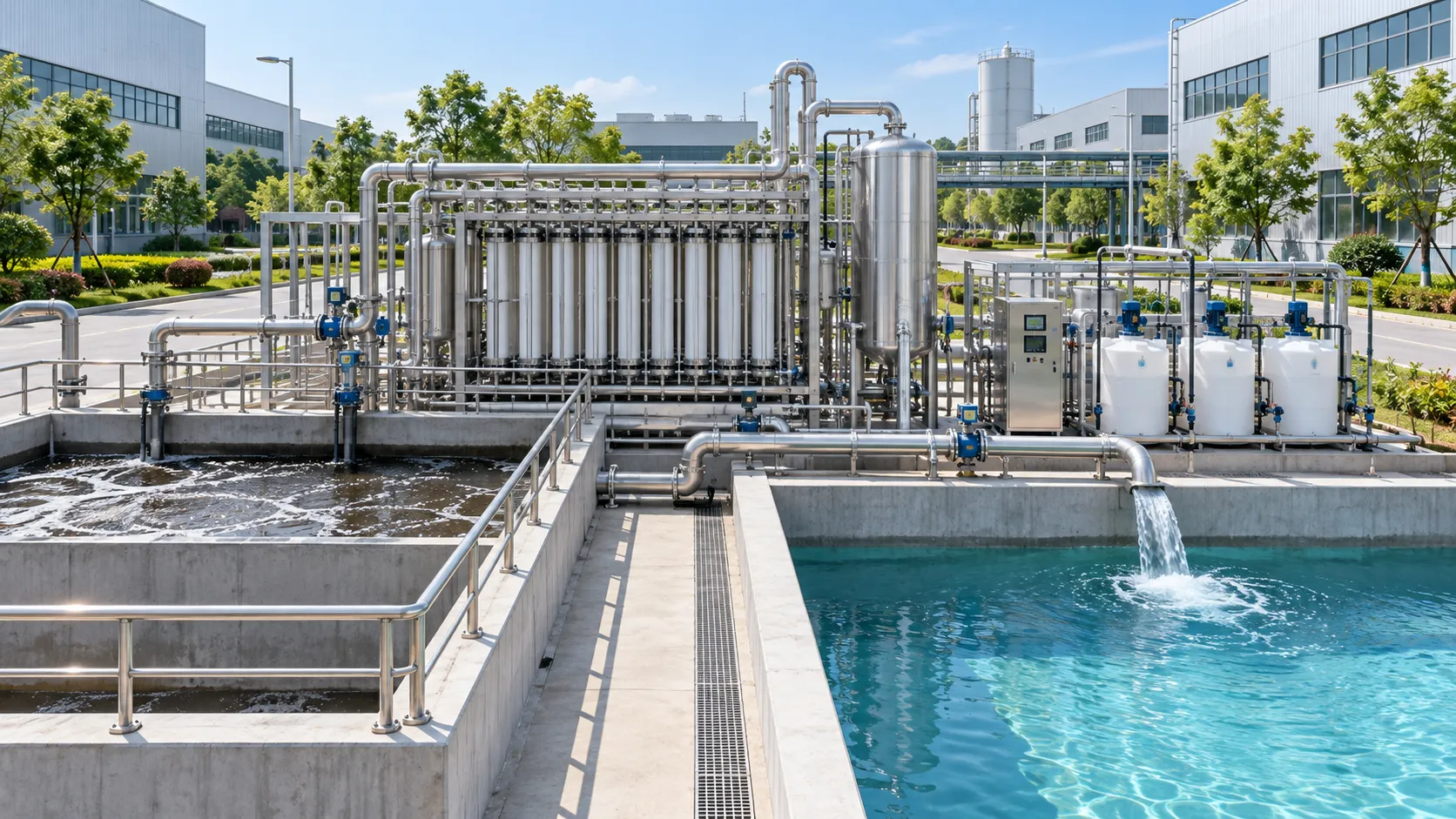
Comparing Upgrade Costs for Industrial Park Wastewater Treatment Systems
Compare costs for wastewater system upgrades in industrial parks with a lifecycle view of CAPEX, OPEX, compliance, resilience, and future expansion.
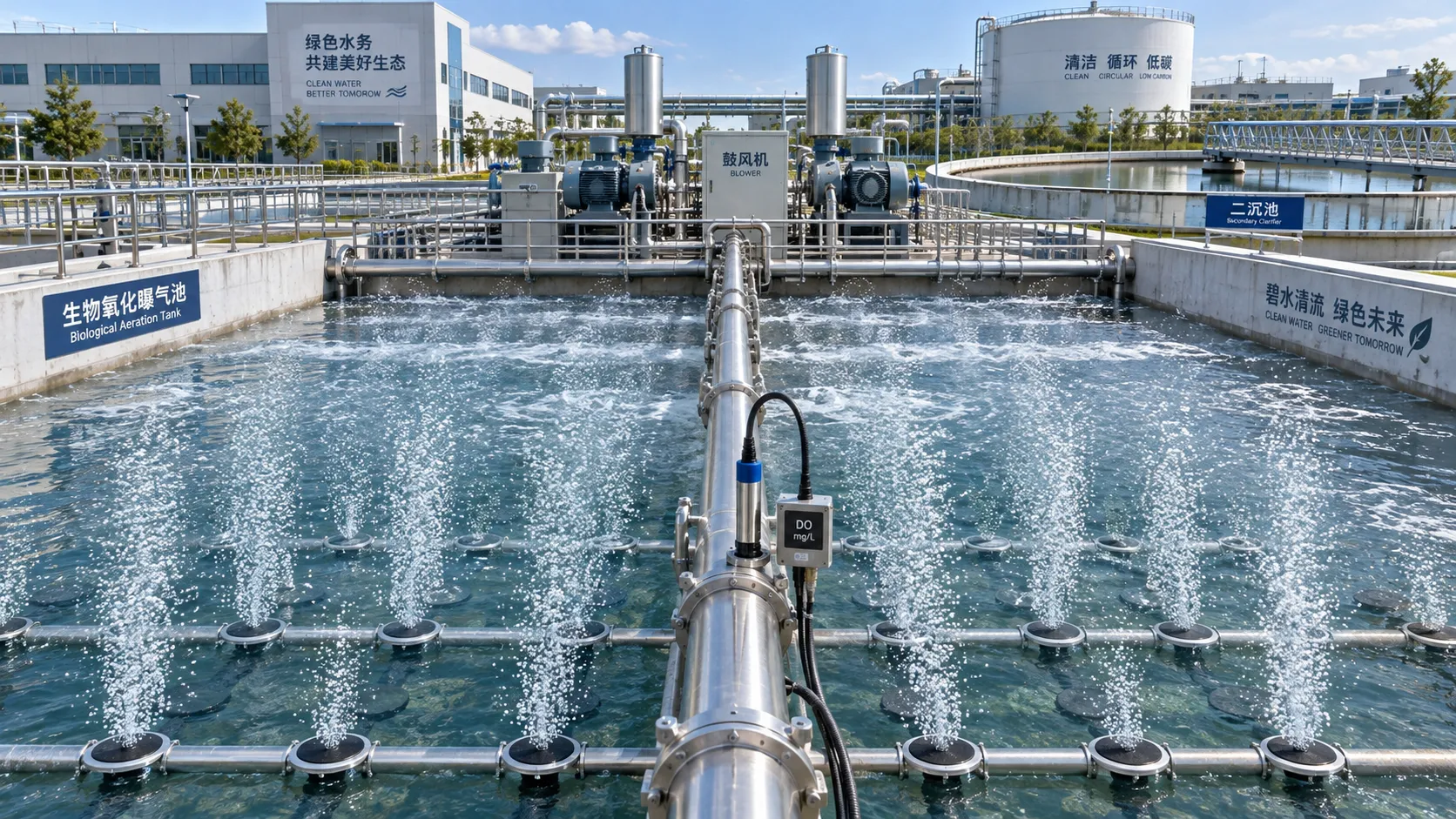
Biological Wastewater Oxidation Explained: Aeration Demand and Process Control
Biological wastewater oxidation explained: optimize aeration demand, DO control, nitrification, and sludge age for stable effluent quality and lower energy costs.
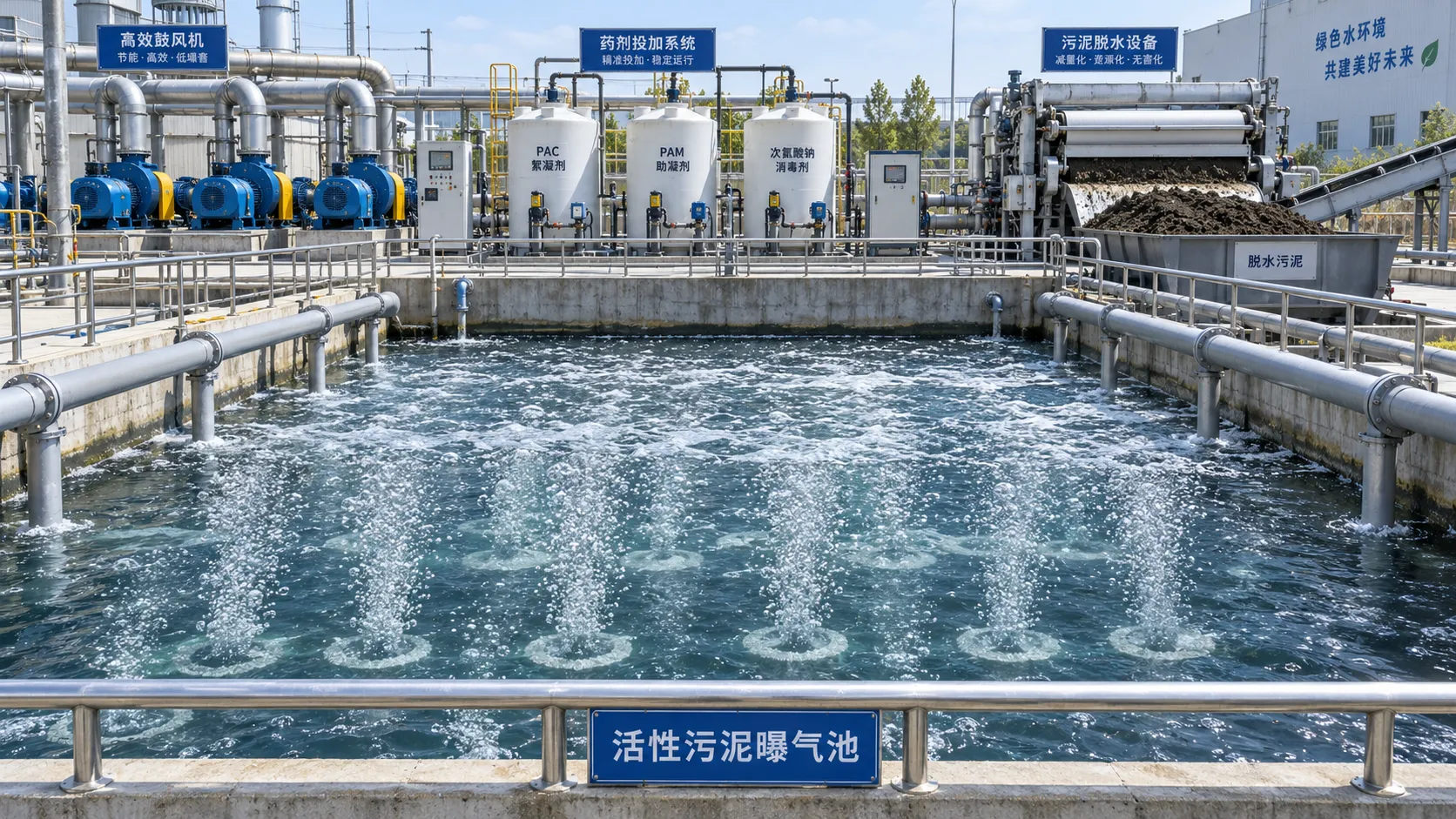
Activated Sludge Cost: Budgeting Energy, Chemicals, Sludge, and Labor
Activated sludge cost explained: compare energy, chemicals, sludge disposal, labor, and compliance risks to build a reliable lifecycle budget.
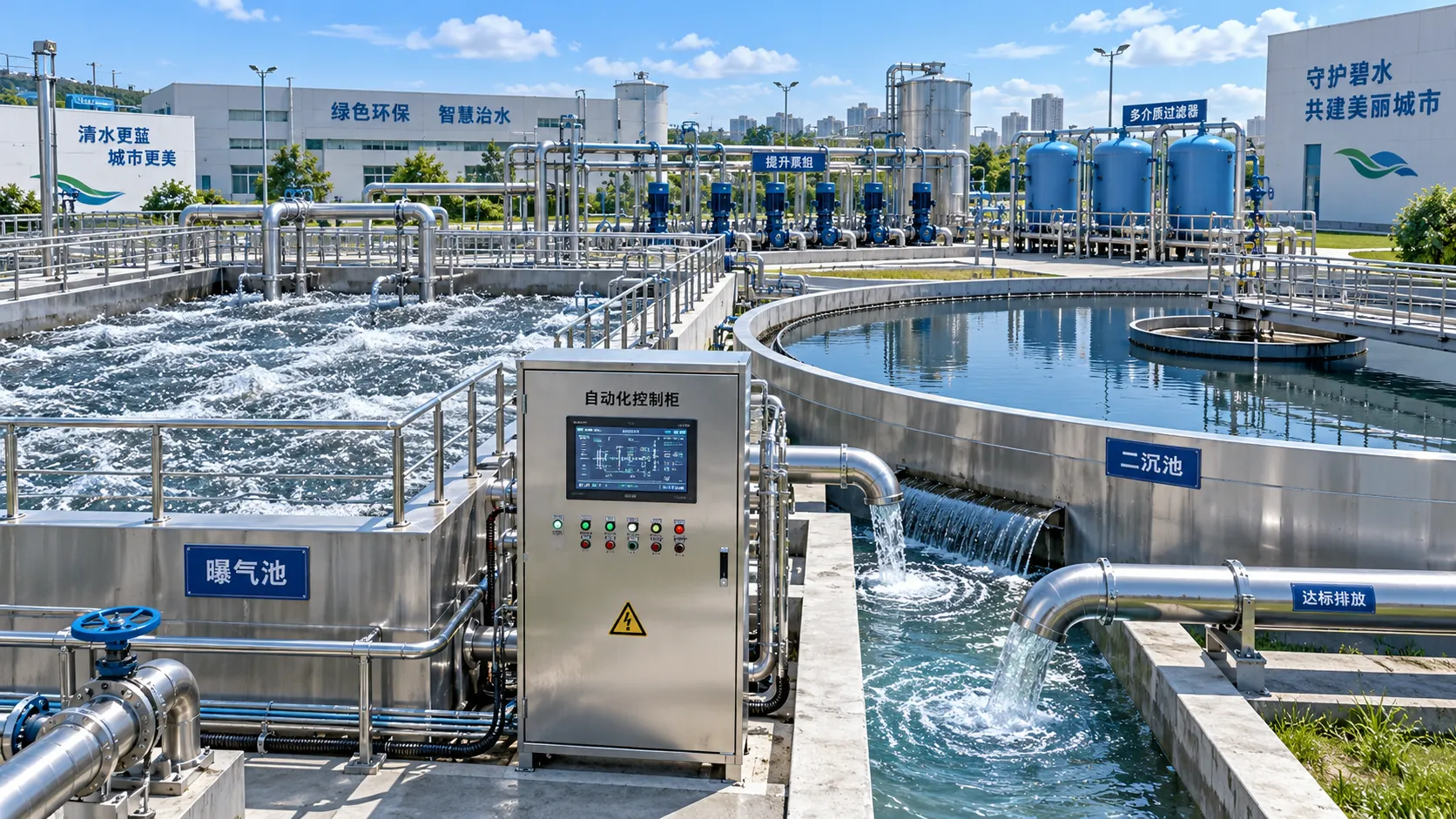
When Should Municipal Wastewater Plants Upgrade Treatment Capacity and Controls?
Municipal wastewater treatment upgrades: learn when capacity, controls, and resilient planning are needed to protect compliance and optimize plant performance.