
Industry News
Curation by industry experts
Hot Articles
Popular Tags
Waste Vitrification for Hazard Control: What to Check First
Before reviewing vendor promises, teams should start with fundamentals. In waste vitrification, early checks often decide whether a project achieves real hazard control or only shifts risk.
The first review should cover feed chemistry, contaminant stability, glass durability, off-gas capture, and traceable compliance records. These points shape long-term containment, plant reliability, and regulatory acceptance.
For high-consequence waste streams, waste vitrification is not just a thermal step. It is a system-level decision linking materials science, emissions engineering, lifecycle safety, and documentation discipline.
What is waste vitrification, and why does it matter for hazard control first?
Waste vitrification converts hazardous residues into a stable glass-like matrix. Heat melts the feed, and cooling locks many contaminants into the final solid structure.
This approach matters because it can reduce leaching, improve storage stability, and lower long-term environmental release potential. That is especially relevant for radioactive and heavy-metal-bearing wastes.
However, waste vitrification only works well when the waste stream matches the process window. A poor feed can create unstable glass, foaming, corrosion, or uncontrolled volatilization.
Hazard control starts before melting. It begins with understanding what enters the furnace and what leaves the stack, drain, and product container.
Why the first checks are more important than later performance claims
A polished performance summary may highlight throughput or glass yield. Yet hazard containment depends more on chemical compatibility, retention behavior, and verified emissions boundaries.
If those basics are weak, later optimization cannot fully correct them. Waste vitrification projects often become expensive when early characterization is incomplete.
Which feed composition checks should come first in waste vitrification?
The first step is a defensible feed profile. That means knowing oxides, salts, moisture, organics, halides, sulfur, metals, radionuclides, and particle behavior.
Waste vitrification depends on chemistry. Even small changes in sodium, chlorine, sulfate, or carbon can alter melt viscosity, redox balance, foaming, and off-gas loading.
- Check major glass formers such as silica, boron, and alumina.
- Measure modifiers like sodium, calcium, potassium, and magnesium.
- Identify volatile species including mercury, cesium, chlorine, fluorine, and sulfur compounds.
- Assess organics, nitrates, and moisture that may drive foaming or gas surges.
- Map batch variability across time, source, and storage condition.
Representative sampling is critical. A single composite sample may hide dangerous variability, especially in mixed industrial residues or legacy hazardous inventories.
In integrated environmental systems, feed analysis also informs upstream blending and downstream air treatment sizing. That supports the broader compliance logic promoted across advanced treatment sectors.
What common feed mistakes create later failure?
- Assuming one formula fits all batches.
- Ignoring chloride-driven corrosion risks.
- Overlooking sulfate limits that can separate phases.
- Missing redox-sensitive metals that affect melt behavior.
- Treating moisture as only an energy issue.
How can teams verify contaminant stability inside the glass matrix?
The key question is not whether melting occurs. The question is whether hazardous constituents remain immobilized during cooling, storage, transport, and possible disposal exposure.
Waste vitrification must prove retention for radionuclides or toxic metals. Different elements behave differently, and some are more likely to volatilize or segregate.
Important verification methods include mass balance, off-gas partition data, leach testing, microstructural analysis, and long-term durability modeling.
- Use retention data for lead, cadmium, chromium, arsenic, and mercury.
- For radioactive wastes, verify cesium, strontium, technetium, and actinide behavior.
- Review crystal formation risks that may weaken uniform immobilization.
- Confirm leach resistance under expected disposal conditions.
A stable glass is not judged by appearance alone. Waste vitrification quality depends on chemistry, homogeneity, and resistance to groundwater interaction over time.
Why does durability testing matter so much?
Durability testing shows whether the matrix truly controls release. If the glass corrodes too quickly, hazard reduction claims weaken, even if the process looked successful during operation.
That is why waste vitrification should be tied to recognized leach protocols, thermal history data, and disposal-specific exposure assumptions.
What should be checked in off-gas control before selecting waste vitrification?
Off-gas control is often the hidden deciding factor. During waste vitrification, volatile metals, acid gases, particulates, and combustion byproducts can move from solid hazard to air hazard.
A strong design reviews the entire chain. That includes furnace atmosphere, quench, particulate capture, acid gas scrubbing, mercury control, filtration, and continuous monitoring.
- Quantify expected volatilization from the actual feed envelope.
- Check filter loading and fine particulate capture efficiency.
- Verify management of HCl, HF, SOx, NOx, and metal vapors.
- Review secondary waste generation from scrubbers and filters.
- Confirm emergency response logic for upset conditions.
In broader ecological engineering, this mirrors the logic used in flue gas treatment. Emission control cannot be an afterthought when hazard containment is the stated objective.
What is a frequent misconception?
A common mistake is assuming the glass product is the whole project. In reality, waste vitrification performance must include stack emissions, captured residues, and maintenance exposure pathways.
How do regulations and traceability affect waste vitrification decisions?
Regulatory fitness is as important as technical feasibility. Waste vitrification often sits under hazardous waste, radioactive material, air permit, transport, and disposal acceptance requirements at once.
The first review should ask whether every data point can be traced. Sampling records, chain of custody, process parameters, emissions logs, and product testing must align.
Traceability protects approvals and future audits. It also supports cross-border environmental expectations, where proof of control increasingly matters as much as control itself.
When is waste vitrification a strong fit, and when should caution increase?
Waste vitrification is often a strong fit where long-term immobilization is critical. Examples include nuclear residues, metal-rich hazardous solids, and difficult inorganic concentrates.
Caution should increase when feed composition swings sharply, organic loading is high, volatilization risk is extreme, or downstream disposal criteria remain uncertain.
Cost and schedule also matter. Waste vitrification may require extensive pilot testing, corrosion-resistant materials, and sophisticated off-gas systems before full-scale confidence is justified.
How should implementation be staged?
Start with characterization and treatability testing. Then review glass formulation windows, pilot emissions data, durability results, and full traceability before scale-up commitments.
This staged method lowers technical surprise and aligns with the intelligence-driven approach seen across advanced water, waste, and emissions infrastructure sectors.
Final takeaway: what should be checked first before moving ahead?
The smartest first move is not asking how fast a system melts waste. Ask whether waste vitrification can prove stable immobilization, controlled emissions, and document-ready compliance.
Check the feed envelope, contaminant retention, glass durability, off-gas architecture, and traceability package. Those five areas reveal whether hazard control is real or only assumed.
Where risk is high, early technical diligence saves far more than late correction. Waste vitrification succeeds when materials science, environmental control, and compliance evidence work together from the start.
Use these checkpoints as the practical next step for screening any waste vitrification option. Clear first-stage verification creates a safer path toward durable containment and reliable long-term environmental performance.
Recommended News
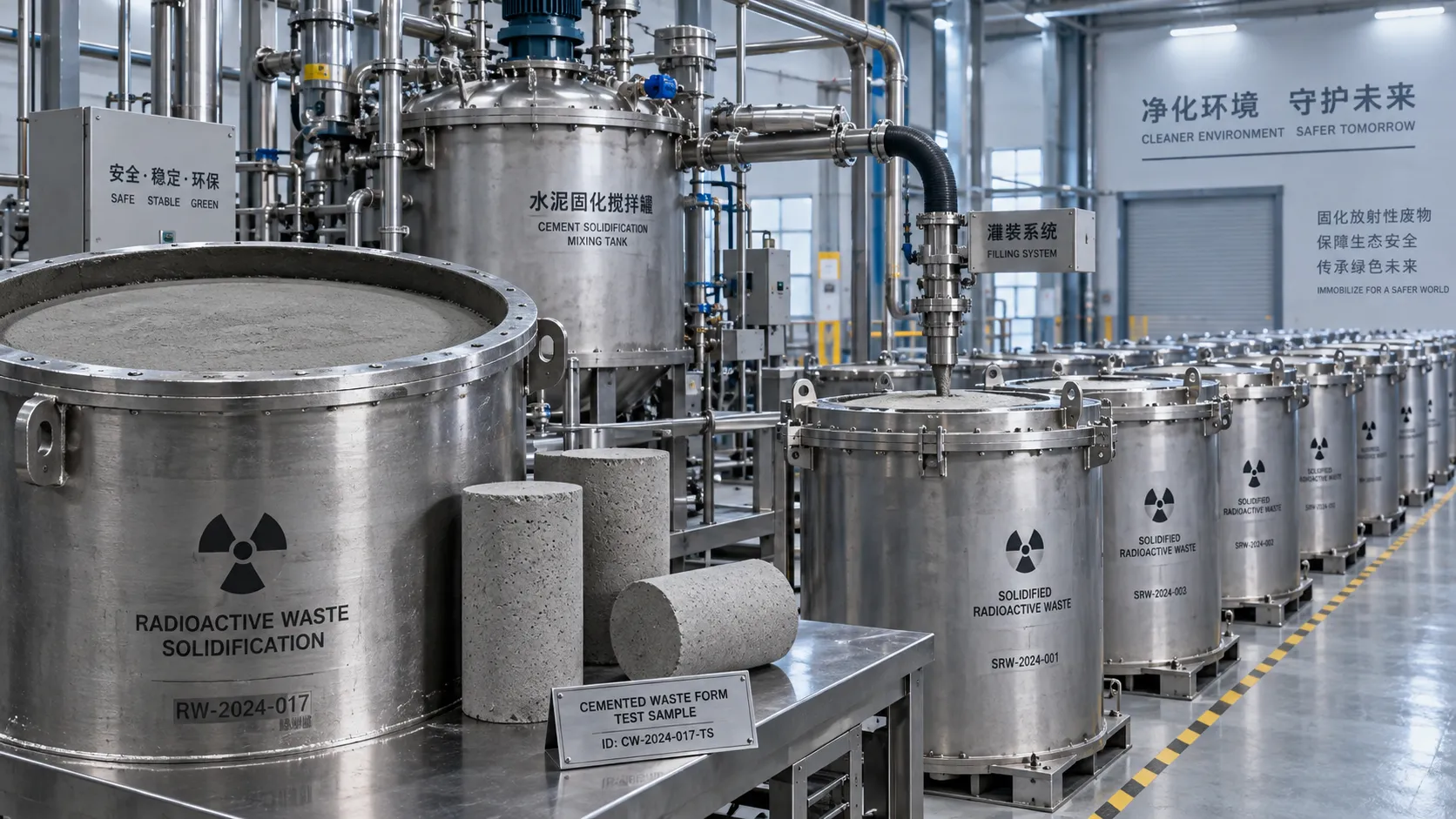
When is cementation suitable for nuclear decommissioning waste?
Explore nuclear waste treatment technology for decommissioning: learn when cementation fits, which risks to assess, and how disposal criteria guide an effective treatment choice.
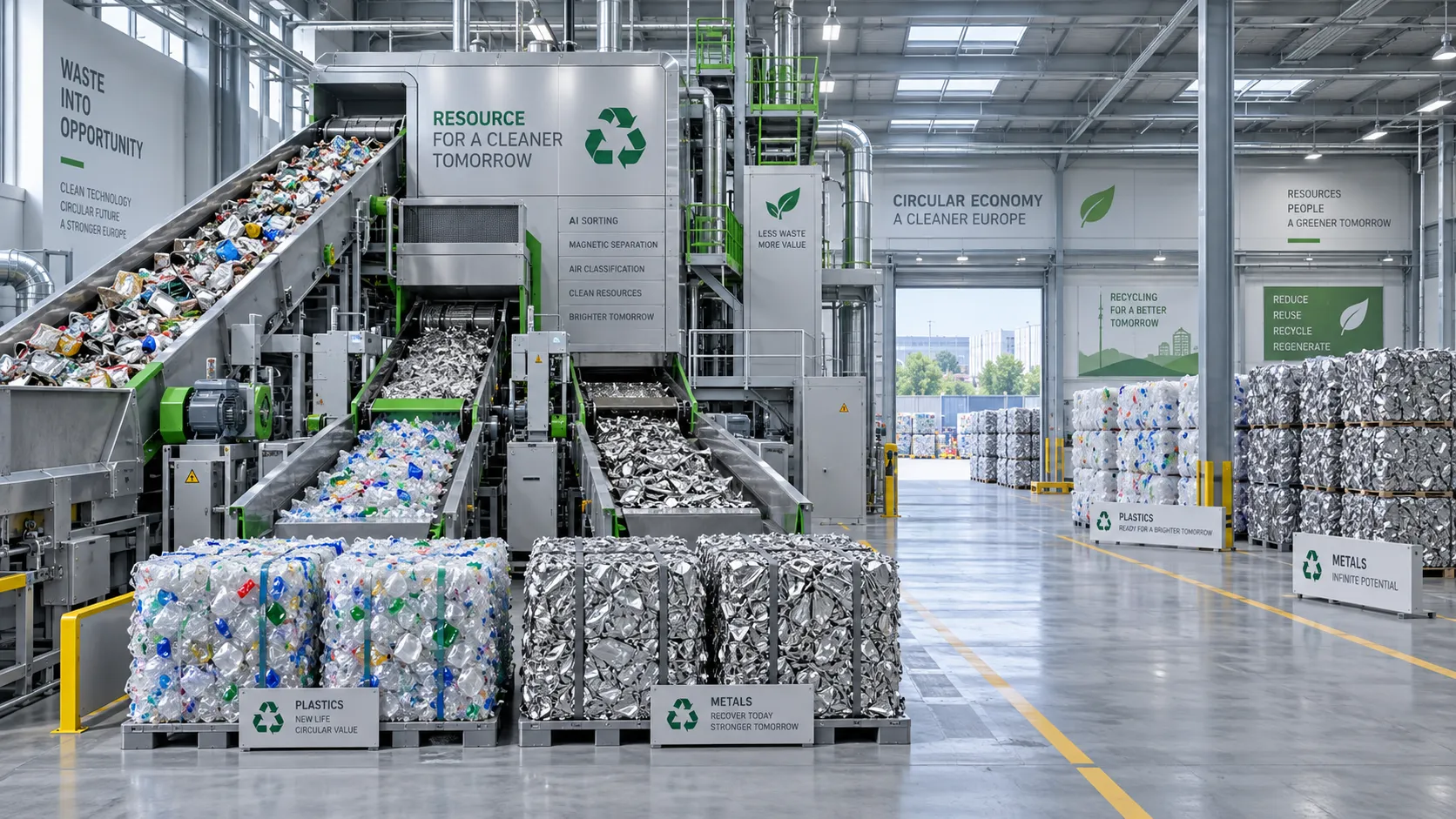
What determines payback for waste-to-resource systems in Europe?
Assess waste-to-resource systems Europe-wide: compare feedstock, recovery yields, costs and contracts to uncover payback drivers and make smarter investment decisions.
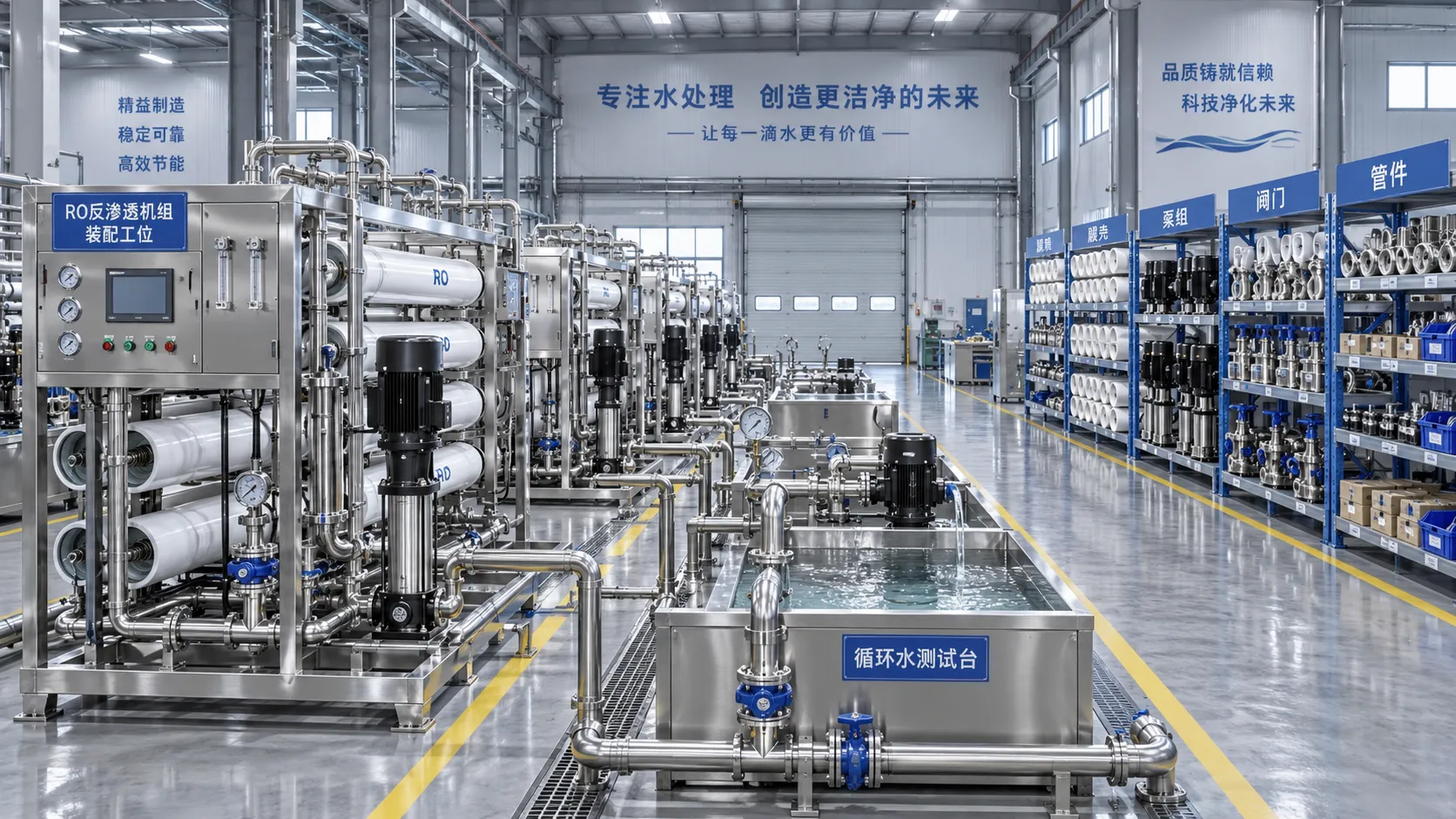
How to verify a water treatment system factory’s production capacity
Verify a water treatment systems factory’s production capacity through records, bottlenecks, component availability, and testing. Learn what to check before accepting a delivery promise.
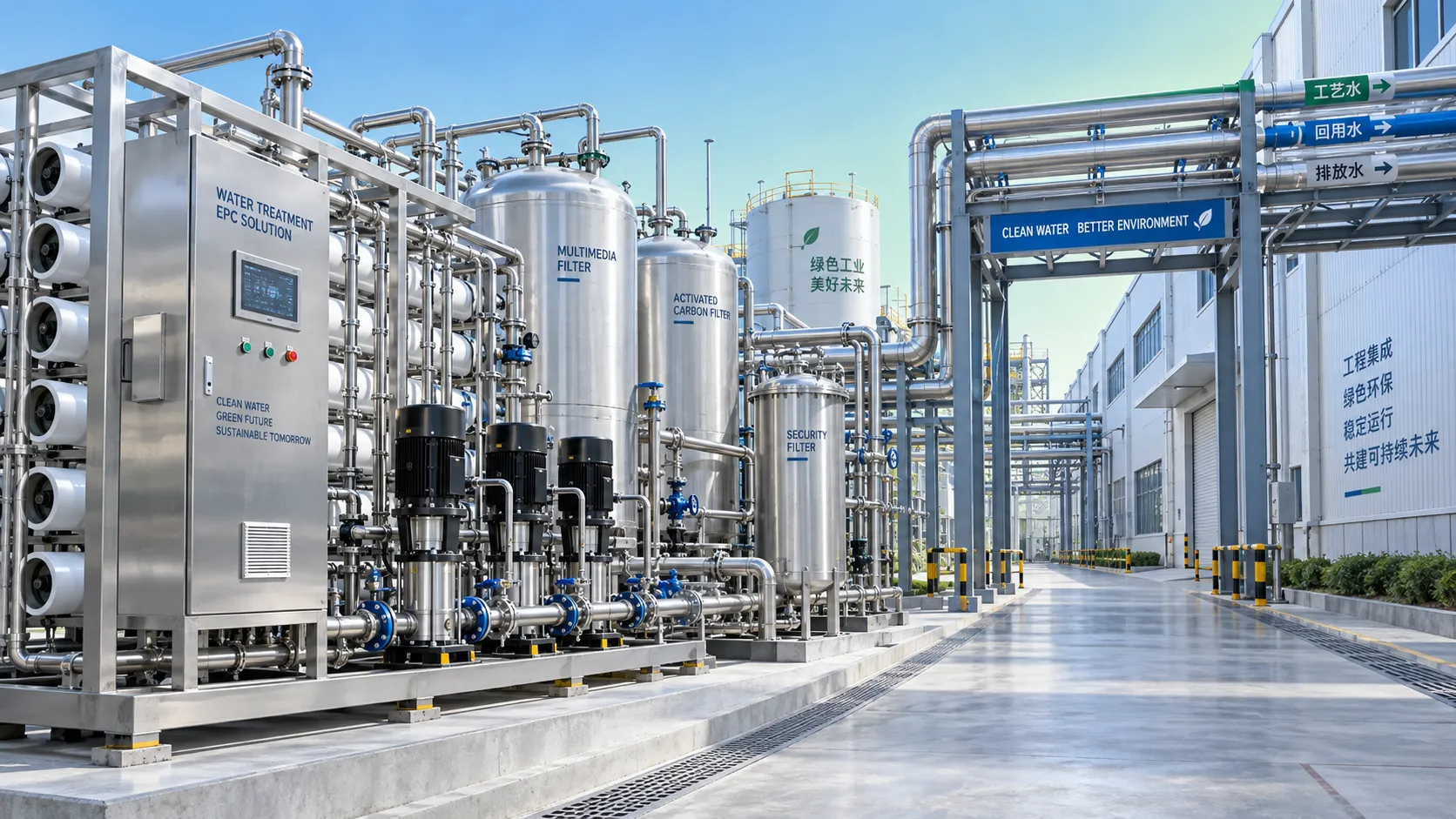
When does EPC environmental project support reduce delivery risk?
EPC environmental project support engineering reduces delivery risk by aligning design, procurement, compliance, construction, and commissioning decisions.
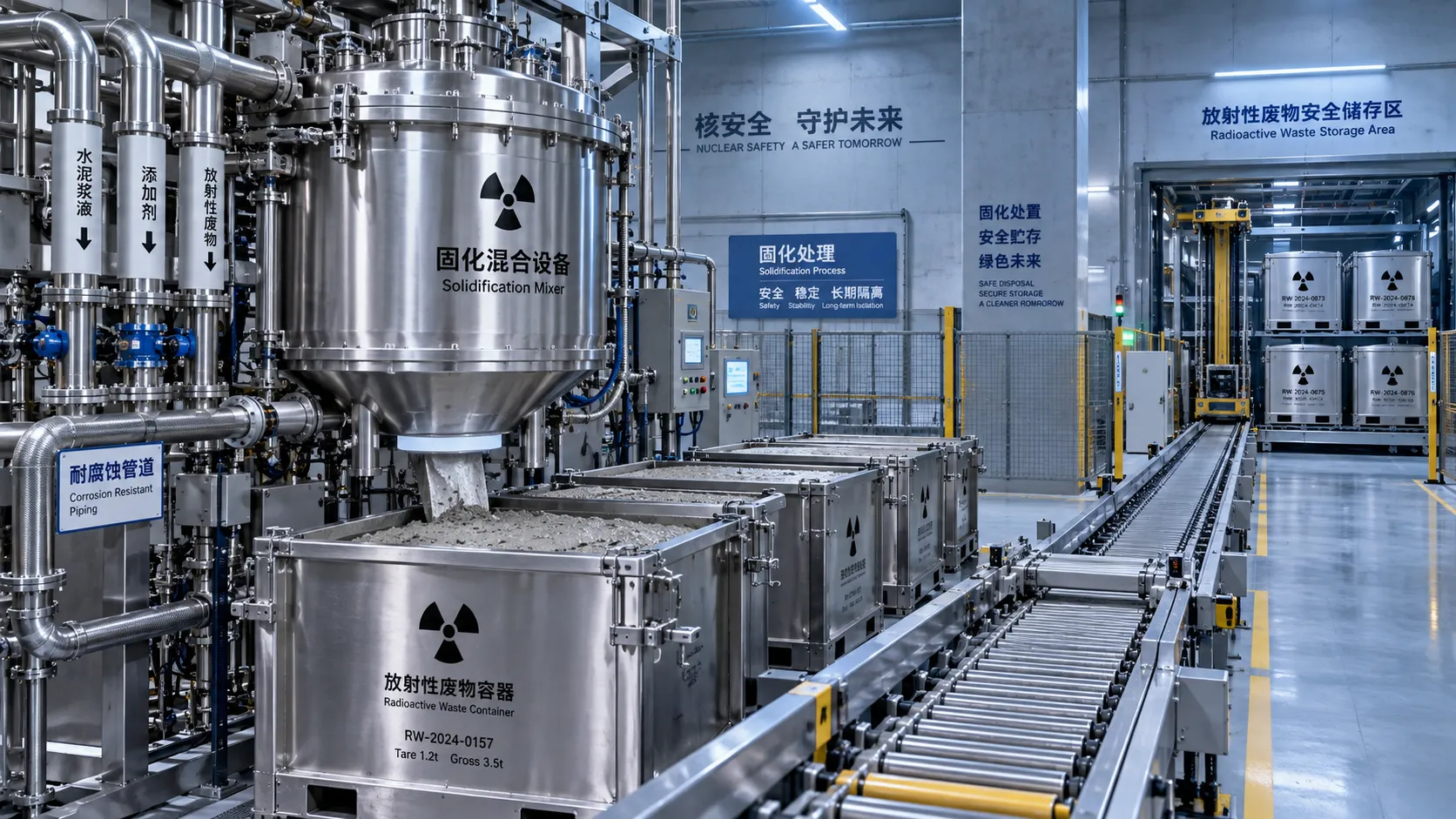
How nuclear plants select a radioactive waste solidification method
Radioactive waste management for nuclear plants: compare vitrification, cementation, polymers, and ceramics to select a compliant, durable solidification solution.
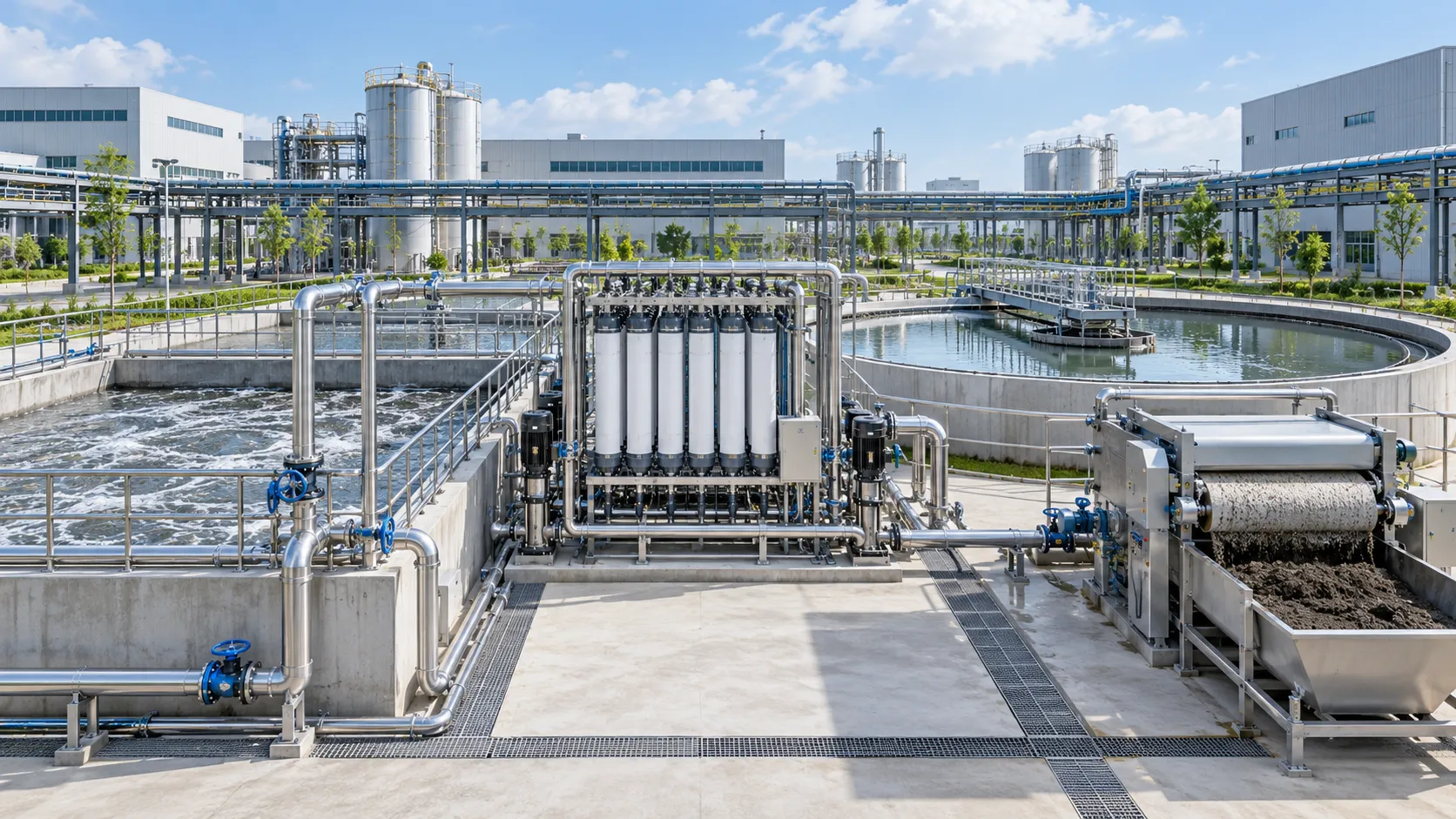
What Drives the Cost of Wastewater System Upgrades in Industrial Parks?
Costs of wastewater system upgrades in industrial parks: uncover key drivers from influent variability and civil works to sludge, energy, compliance, and lifecycle risk.
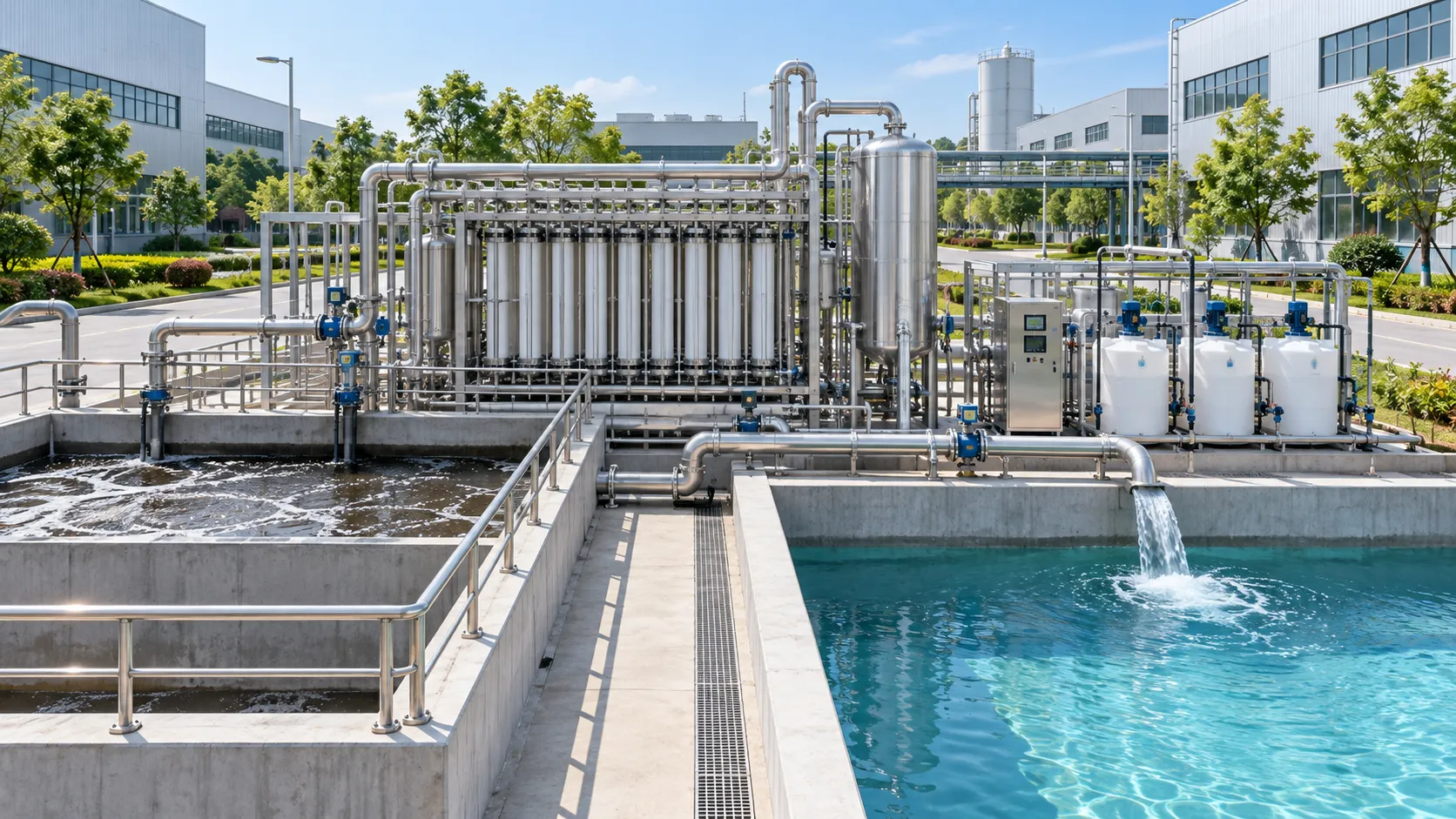
Comparing Upgrade Costs for Industrial Park Wastewater Treatment Systems
Compare costs for wastewater system upgrades in industrial parks with a lifecycle view of CAPEX, OPEX, compliance, resilience, and future expansion.
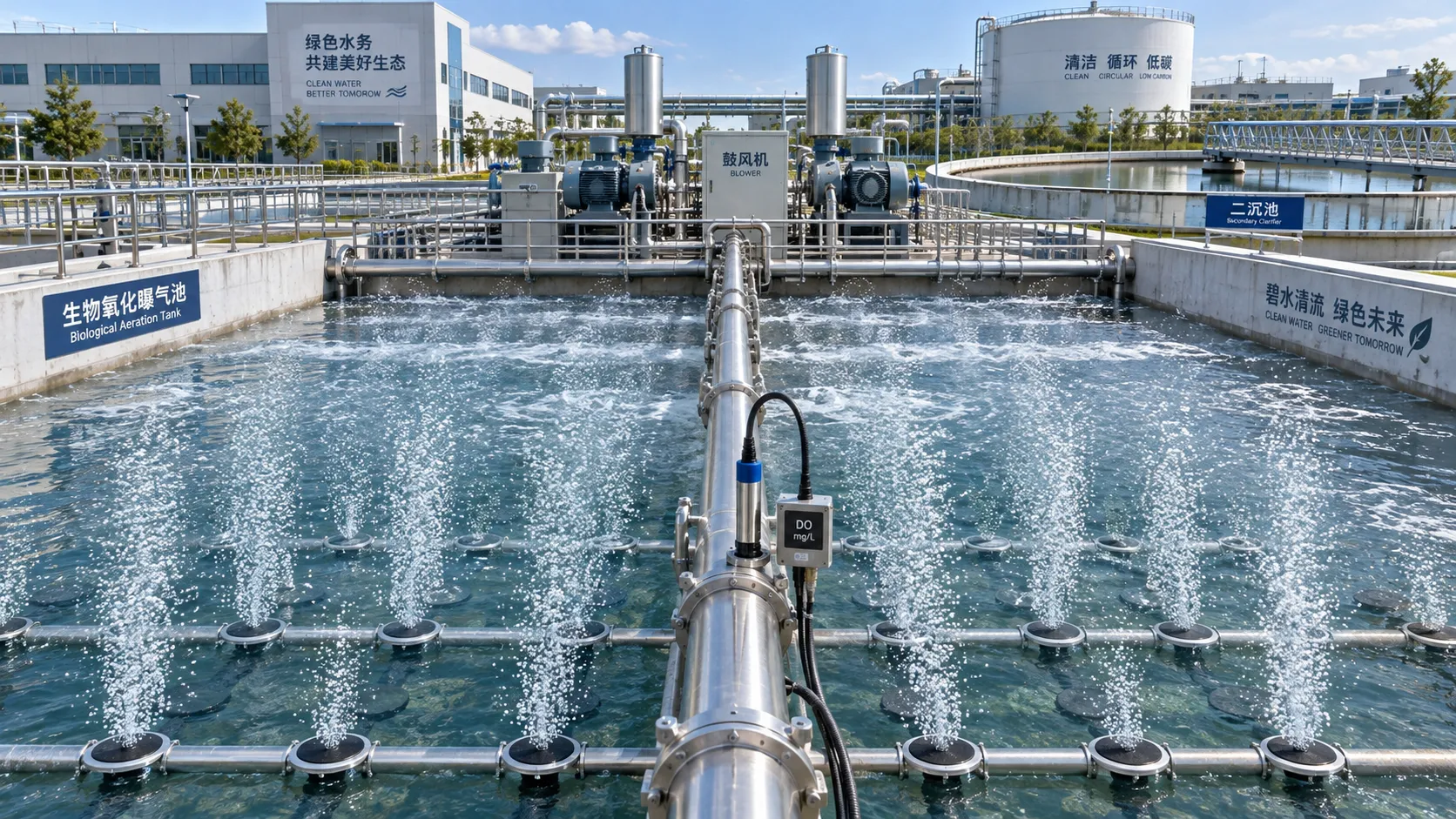
Biological Wastewater Oxidation Explained: Aeration Demand and Process Control
Biological wastewater oxidation explained: optimize aeration demand, DO control, nitrification, and sludge age for stable effluent quality and lower energy costs.
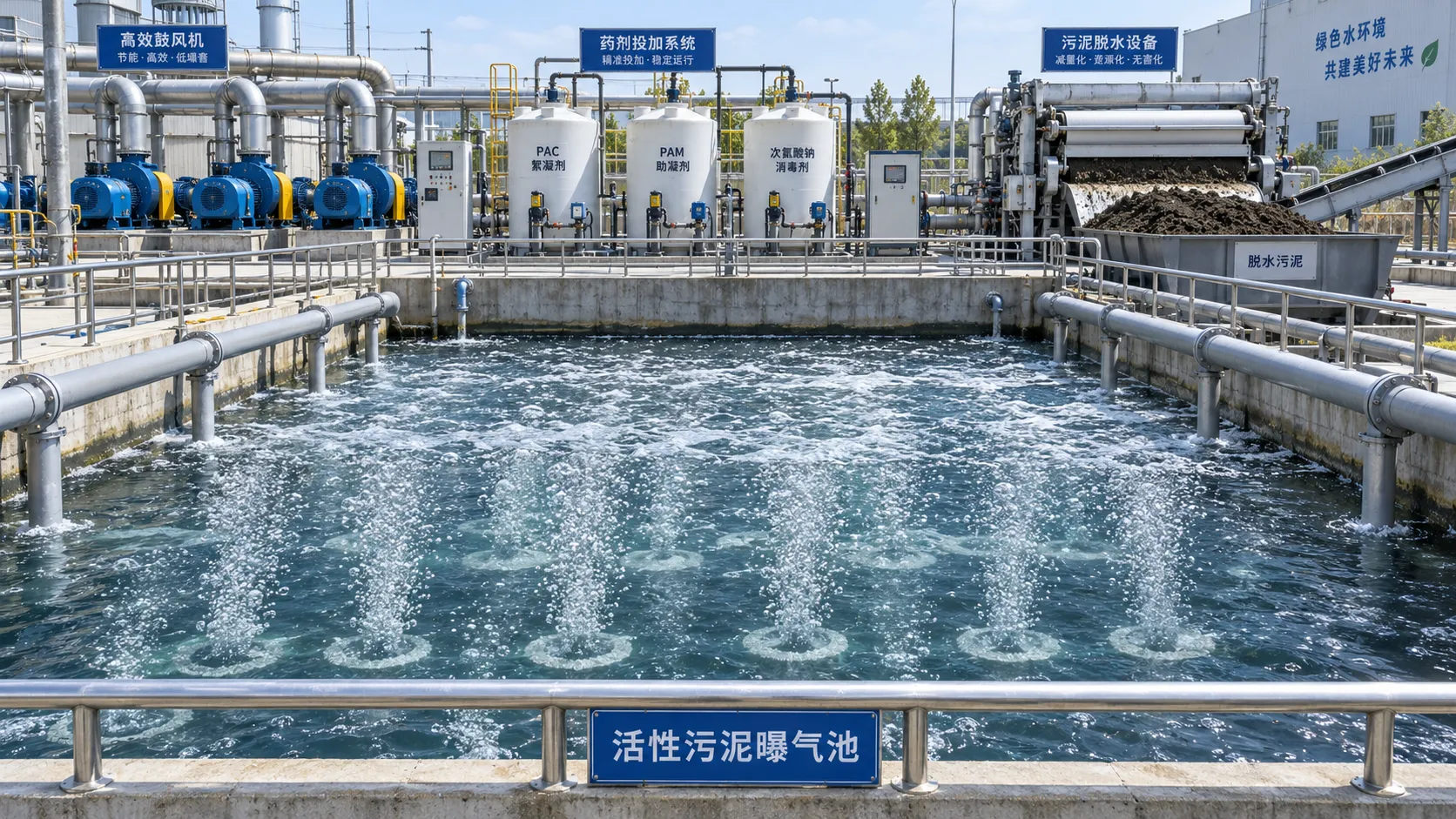
Activated Sludge Cost: Budgeting Energy, Chemicals, Sludge, and Labor
Activated sludge cost explained: compare energy, chemicals, sludge disposal, labor, and compliance risks to build a reliable lifecycle budget.