
Industry News
Curation by industry experts
Hot Articles
Popular Tags
Low-Temperature Reaction: When It Improves Process Stability
For technical evaluators, a low-temperature reaction is not just a kinetic constraint—it can be a strategic lever for process stability, energy control, and compliance performance. In complex environmental systems, from flue gas treatment to resource recovery, understanding when reduced reaction temperatures improve catalyst behavior, limit side reactions, and protect equipment integrity is essential for accurate technology assessment.
In high-end environmental equipment, temperature is never an isolated variable. It influences catalyst activation windows, corrosion rates, fouling risk, reagent consumption, thermal stress, and overall process controllability. For evaluators comparing treatment trains, retrofit options, or EPC proposals, the real question is not whether a low-temperature reaction is slower in theory, but whether it creates a more stable operating envelope in practice.
This matters across ESD-relevant sectors: SCR denitrification in flue gas treatment, selective recovery in waste valorization, crystallization and concentration control in ZLD systems, membrane pretreatment chemistry in desalination, and immobilization steps in hazardous or nuclear-adjacent waste handling. In each case, lower thermal conditions can reduce process volatility, provided the reaction pathway, residence time, and materials selection are aligned.
Why a Low-Temperature Reaction Can Improve Stability
A low-temperature reaction typically reduces molecular collision energy, but that does not automatically translate into worse process performance. In many industrial systems, the benefit lies in suppressing undesirable pathways. If side reactions drop by even 10%–25%, the net stability gain can outweigh a moderate decline in intrinsic reaction rate.
Technical evaluators should examine stability through 4 lenses: reaction selectivity, thermal load on equipment, control response time, and compliance consistency. A process operating at 180°C–240°C may be easier to stabilize than one requiring 320°C–380°C, especially when feed composition fluctuates hourly or seasonally.
Lower side reactions and narrower risk exposure
At elevated temperatures, unwanted oxidation, salt formation, reagent decomposition, and material degradation often accelerate. In SCR systems, for example, the evaluator must consider not only NOx conversion but also ammonium bisulfate formation, SO2/SO3 interactions, and downstream fouling. A low-temperature reaction window may reduce these risks when flue gas composition is properly conditioned.
In wet chemical recovery processes, milder temperatures can also protect target compounds from decomposition. This is relevant in solvent recovery, nutrient recovery, and metal precipitation stages, where 5°C–20°C changes may affect product purity, filtration behavior, and sludge characteristics.
Better equipment protection and longer maintenance intervals
A lower reaction temperature often means lower thermal cycling stress on ductwork, vessels, linings, catalyst modules, valves, and instrumentation. In retrofit-heavy industries, this can be decisive. Thermal expansion mismatches, seal fatigue, and refractory stress rise significantly when start-stop cycles exceed 2–3 per week under high heat conditions.
When equipment runs at moderated temperatures, inspectors often gain wider tolerance for gasket performance, sensor stability, and coating life. That does not eliminate corrosion or deposition risk, but it can reduce the frequency of shutdown inspections from every 6 months to every 9–12 months in some standard operating environments.
Core indicators that matter in evaluation
- Reaction temperature window, such as 160°C–220°C or 20°C–45°C
- Residence time needed to maintain target conversion, often 0.5–3.0 seconds in gas systems
- Side-product formation threshold under variable feed conditions
- Cleaning interval, catalyst replacement cycle, or membrane CIP frequency
- Temperature sensitivity during load swings of 30%–100%
The table below helps evaluators distinguish when a low-temperature reaction contributes to process stability and when it creates new bottlenecks.
The key takeaway is that a low-temperature reaction improves stability when the system is side-reaction-limited rather than rate-limited. If the process already struggles with conversion, lower temperature alone will not help. But if the main operating pain is fouling, over-oxidation, thermal fatigue, or reagent loss, reduced temperature can create a more resilient process window.
Where Technical Evaluators See the Strongest Benefit
The value of a low-temperature reaction becomes clearest in sectors where compliance, uptime, and maintenance cost are tightly linked. In environmental infrastructure, a 2%–4% gain in annual availability can be more valuable than a small increase in peak reaction rate if the asset supports continuous utility service or regulated emissions control.
Flue gas treatment and low-temperature SCR assessment
In SCR denitrification, low-temperature catalyst behavior is a classic evaluation issue. Downstream SCR placement may expose catalysts to 180°C–250°C rather than 300°C+, reducing reheating demand and simplifying thermal integration. This can improve project economics where fuel cost, boiler retrofits, or limited installation space constrain high-temperature layouts.
However, evaluators must look beyond nominal NOx removal. The practical decision should include sulfur tolerance, ash loading, pore plugging resistance, and ammonia slip behavior during load changes. A stable low-temperature reaction in SCR is often defined less by peak conversion and more by whether emissions remain within target during 20%–30% process fluctuation.
Water treatment, ZLD, and concentration-sensitive chemistry
In large water treatment and ZLD systems, lower-temperature reaction control can stabilize oxidation, neutralization, precipitation, and crystallization support steps. Temperature affects solubility, nucleation rate, and scaling tendency. For evaluators, the issue is whether a cooler reaction environment reduces uncontrolled precipitation in heat exchangers, evaporator feeds, or recirculation loops.
For instance, pretreatment chemistry operated at 25°C–40°C may support more predictable dosing than the same chemistry at 50°C–70°C when feed salinity and organic load vary sharply. In these systems, stable operation often depends on keeping pH drift within ±0.2 to ±0.5 and limiting sudden supersaturation events.
Resource recovery and selective separation
In solid waste recovery and secondary resource extraction, a low-temperature reaction can improve the selectivity of leaching, precipitation, solvent extraction, or catalytic conditioning stages. This is especially useful when valuable fractions are sensitive to oxidation or thermal alteration. The benefit is often seen in cleaner downstream separation rather than faster front-end conversion.
Technical evaluators should compare not only yield but also impurity carryover, wash water demand, and residue handling burden. A 3% lower yield may be acceptable if sludge volume drops by 15% and product polishing steps are reduced from 3 stages to 2.
Three practical signs that lower temperature is the right direction
- Equipment failure or fouling is driven more by heat exposure than by inadequate conversion.
- Side products directly affect compliance, such as ammonia slip, sulfate deposition, or unstable precipitates.
- Energy input for reheating adds operating complexity without a proportional gain in treatment outcome.
The following comparison outlines how low-temperature evaluation logic changes across major environmental process scenarios.
Across these scenarios, the best candidate is rarely the coldest process. It is the process with the most forgiving operating envelope. Evaluators should therefore rank solutions by stability under disturbance, not by design-point performance alone.
How to Evaluate a Low-Temperature Reaction During Technology Selection
A disciplined review framework helps technical teams avoid two common mistakes: overvaluing nameplate kinetics and underestimating real-world disturbance. The right evaluation sequence usually includes 5 steps, from thermal mapping to maintainability review, and each step should be tied to site-specific constraints.
Step 1: Define the true temperature envelope
Do not assess a low-temperature reaction using only design temperature. Map minimum, average, and upset conditions over at least 3 operating modes: startup, normal load, and partial load. In many utility or industrial systems, the practical range may swing by 40°C–80°C, which can completely change catalyst behavior or dosing efficiency.
Step 2: Separate conversion metrics from stability metrics
A vendor may present high instantaneous conversion, but evaluators should ask for evidence on deposit formation, differential pressure rise, reagent slip, solids handling, and maintenance interval. These indicators often determine whether the low-temperature reaction is commercially robust over 8,000 operating hours per year.
Step 3: Review thermal integration and utility demand
If a process can avoid reheating by 30°C–120°C, the savings may extend beyond fuel. It may reduce burner complexity, insulation thickness, safety interlocks, and startup time. In environmental projects with tight OPEX targets, these secondary effects can materially improve lifecycle value.
Step 4: Test disturbance tolerance
Ask how the system responds to moisture spikes, contaminant peaks, variable pH, salinity changes, or fluctuating solids loading. A good low-temperature reaction platform should recover within a controlled window, for example 15–60 minutes, rather than requiring extended manual intervention.
Step 5: Connect reaction behavior to compliance risk
In flue gas, water, and waste projects, the final measure is not chemistry in isolation but permit performance. Evaluate whether the lower-temperature pathway increases the probability of staying inside emissions, discharge, or residue-quality limits under non-ideal conditions. Stable compliance often outweighs marginal peak efficiency.
Common evaluation mistakes
- Assuming low temperature always means lower risk
- Ignoring the light-off threshold of catalysts or oxidants
- Using batch test results to predict continuous operation without correction
- Focusing on conversion percentage while overlooking cleaning frequency and downtime
- Skipping compatibility review for seals, linings, membranes, and sorbents
For technical evaluators in EPC, plant engineering, or strategic procurement, the strongest decision framework combines kinetics, materials, controllability, and compliance exposure. That is particularly important in high-value environmental assets where unplanned shutdowns can affect permit status, municipal service continuity, or multi-unit plant economics.
Risk Control, Procurement Priorities, and Implementation Advice
When a low-temperature reaction looks promising, the next challenge is implementation discipline. Stable performance depends on more than choosing a catalyst or reagent. It also requires instrumentation range, feed conditioning, startup logic, cleaning access, and spare-part strategy. A technically sound design can still fail if those support layers are weak.
Procurement questions that prevent costly misalignment
Before final selection, ask suppliers for operating windows instead of single-point claims. Request the minimum effective temperature, the acceptable fluctuation range, the expected maintenance interval, and the impact of contaminants. In many cases, these four answers are more useful than a standalone efficiency figure.
Evaluators should also compare commissioning complexity. A low-temperature reaction platform that reaches stable conditions in 2–5 days may be preferable to one requiring repeated tuning over 2–4 weeks, especially on government or utility projects with strict milestone penalties.
Implementation controls that improve long-term reliability
Three controls are especially important: accurate temperature sensing at the reaction zone, feed consistency monitoring, and preventive cleaning based on drift indicators rather than failure events. In practical terms, that means trending differential pressure, conversion stability, dosing correction frequency, or off-spec events every shift or every 24 hours depending on process criticality.
For ESD-focused sectors such as desalination, flue gas treatment, and advanced waste handling, the broader goal is to align chemistry with infrastructure longevity. A low-temperature reaction adds value when it lowers lifecycle burden while preserving treatment confidence under real disturbance patterns.
A practical shortlist for technical evaluators
- Verify the workable temperature band under all operating modes.
- Check whether side reactions fall faster than main conversion.
- Review material compatibility and thermal cycling exposure.
- Quantify the effect on cleaning interval, downtime, and utility demand.
- Link process behavior directly to permit and quality requirements.
A low-temperature reaction is most valuable when it produces a calmer, more controllable process rather than simply a cooler one. For technical evaluators, that distinction is critical in selecting systems for water treatment, flue gas control, desalination support chemistry, and resource recovery lines where availability, compliance, and maintainability must all be balanced.
If you are comparing environmental process routes, retrofits, or high-stakes equipment packages, ESD can help you assess where lower-temperature operation genuinely strengthens process stability and where it introduces hidden trade-offs. Contact us to discuss your application, request a tailored evaluation framework, or explore more solution intelligence for complex ecological engineering projects.
Recommended News
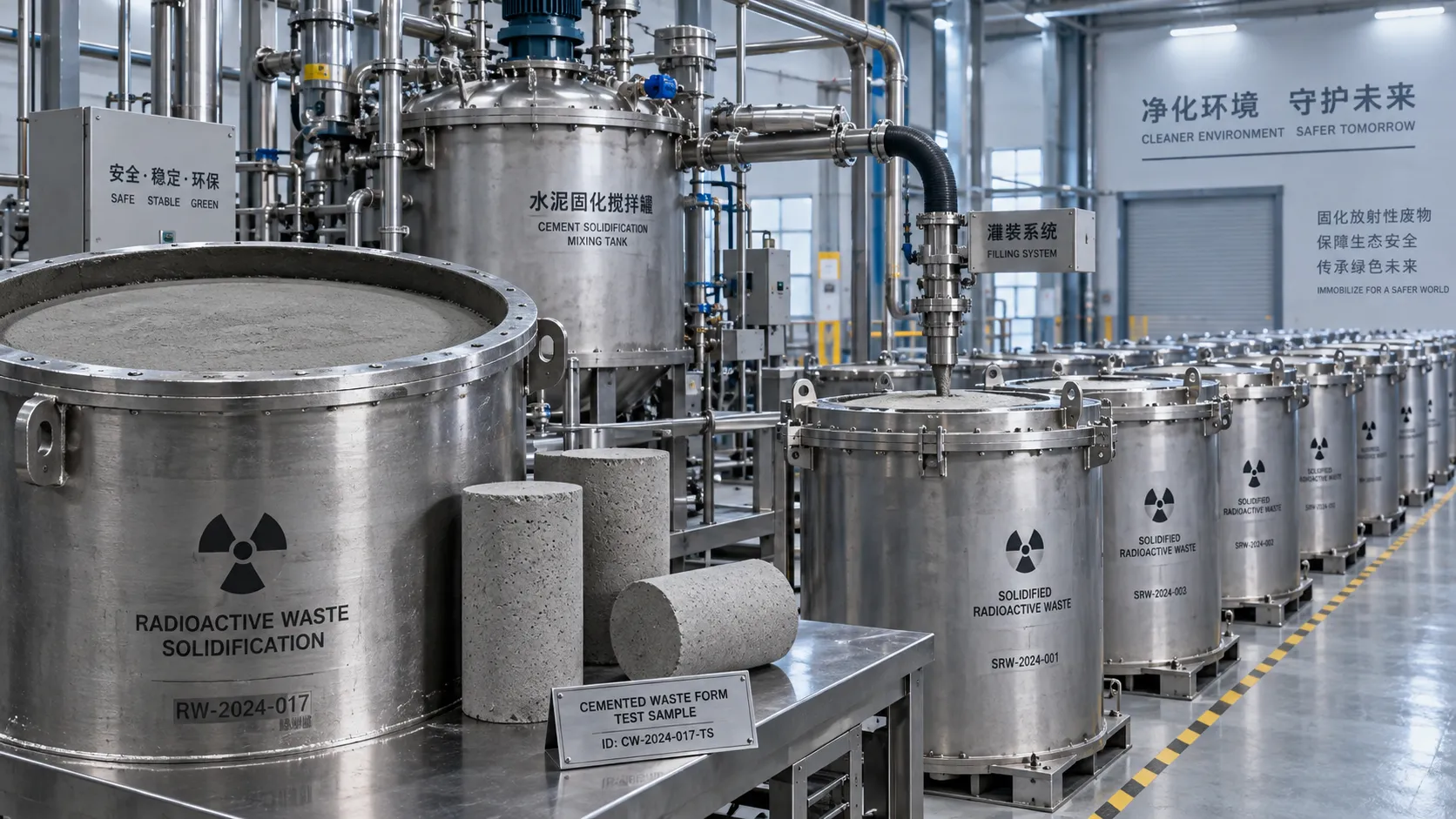
When is cementation suitable for nuclear decommissioning waste?
Explore nuclear waste treatment technology for decommissioning: learn when cementation fits, which risks to assess, and how disposal criteria guide an effective treatment choice.
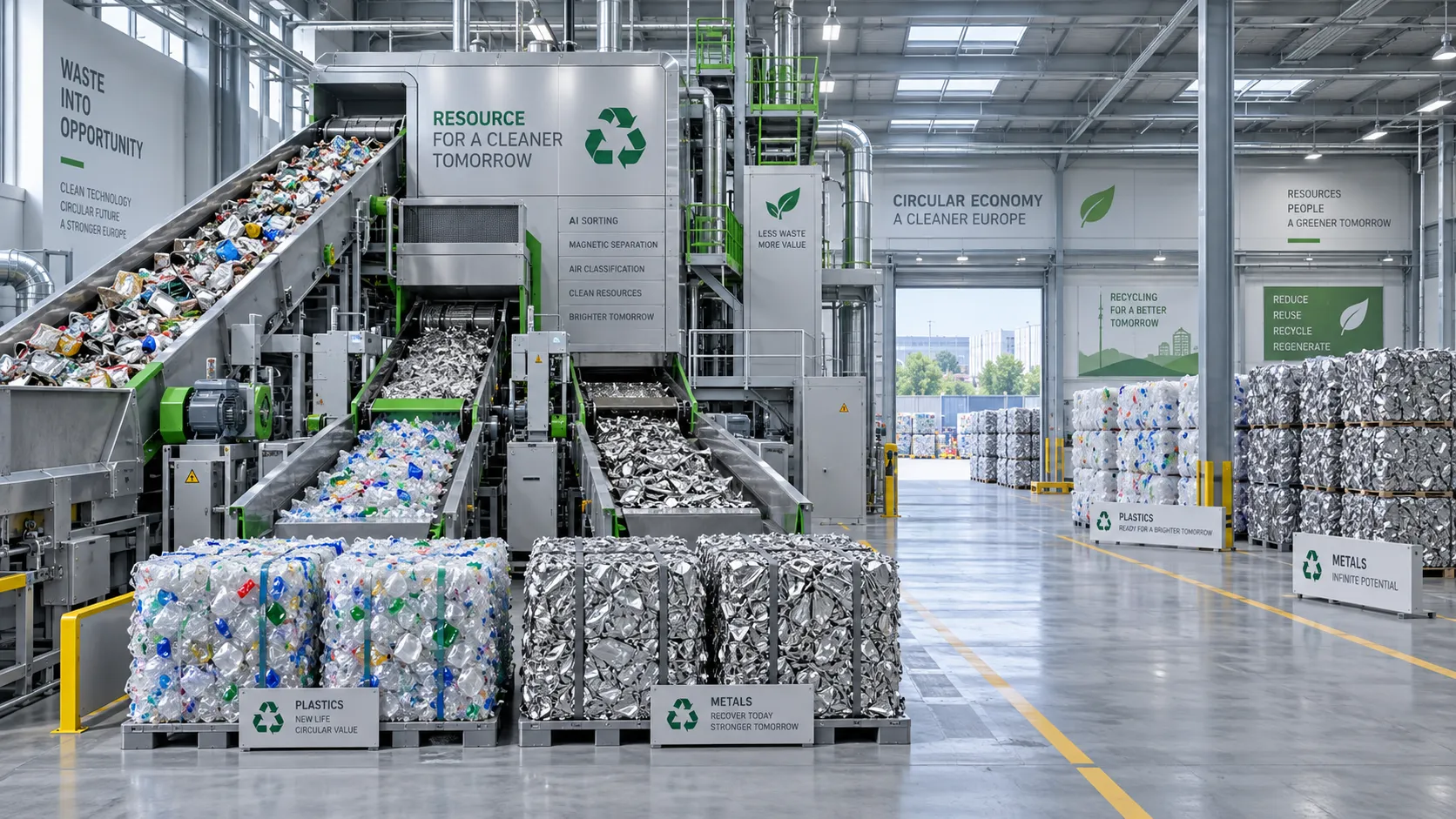
What determines payback for waste-to-resource systems in Europe?
Assess waste-to-resource systems Europe-wide: compare feedstock, recovery yields, costs and contracts to uncover payback drivers and make smarter investment decisions.
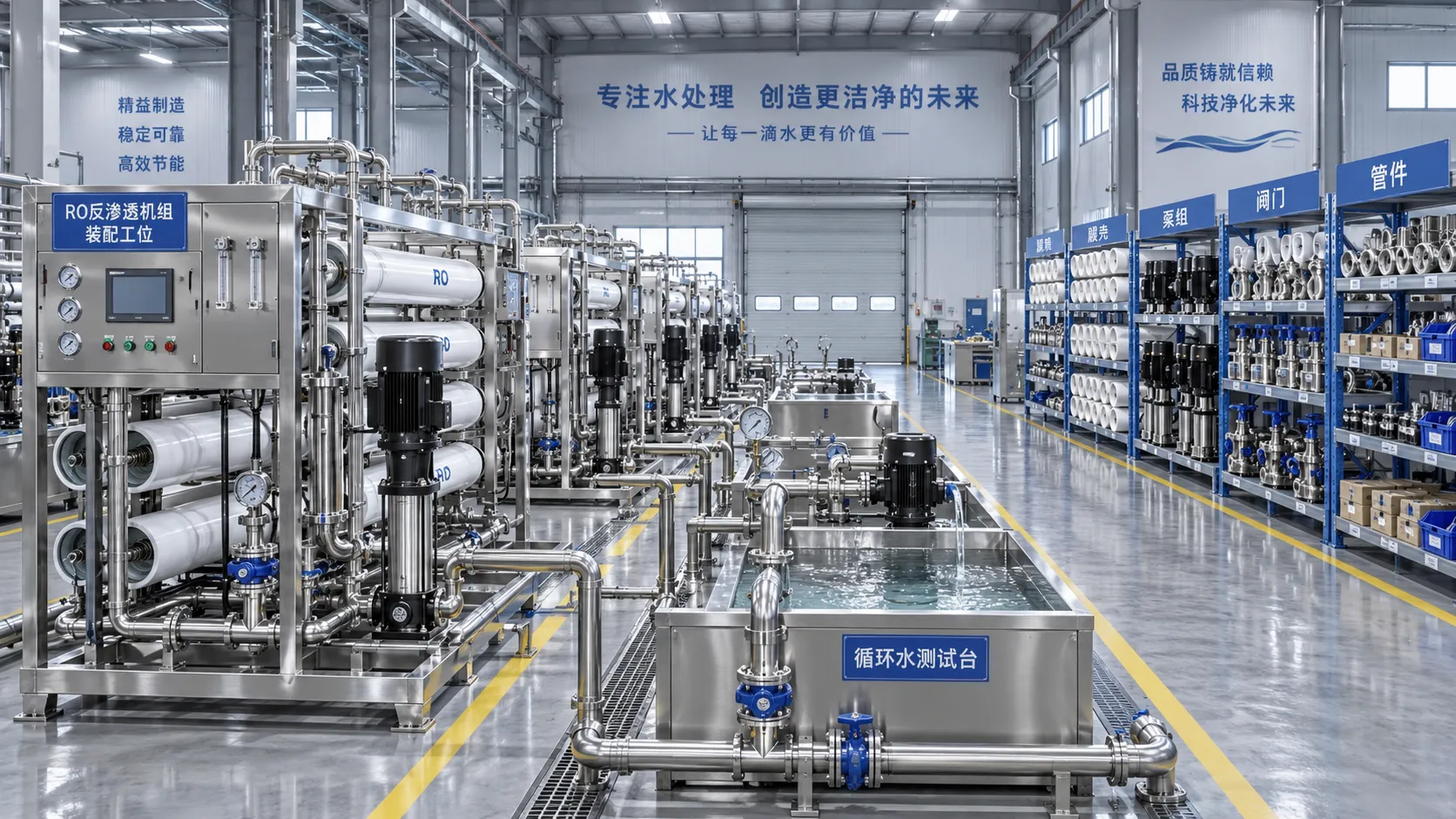
How to verify a water treatment system factory’s production capacity
Verify a water treatment systems factory’s production capacity through records, bottlenecks, component availability, and testing. Learn what to check before accepting a delivery promise.
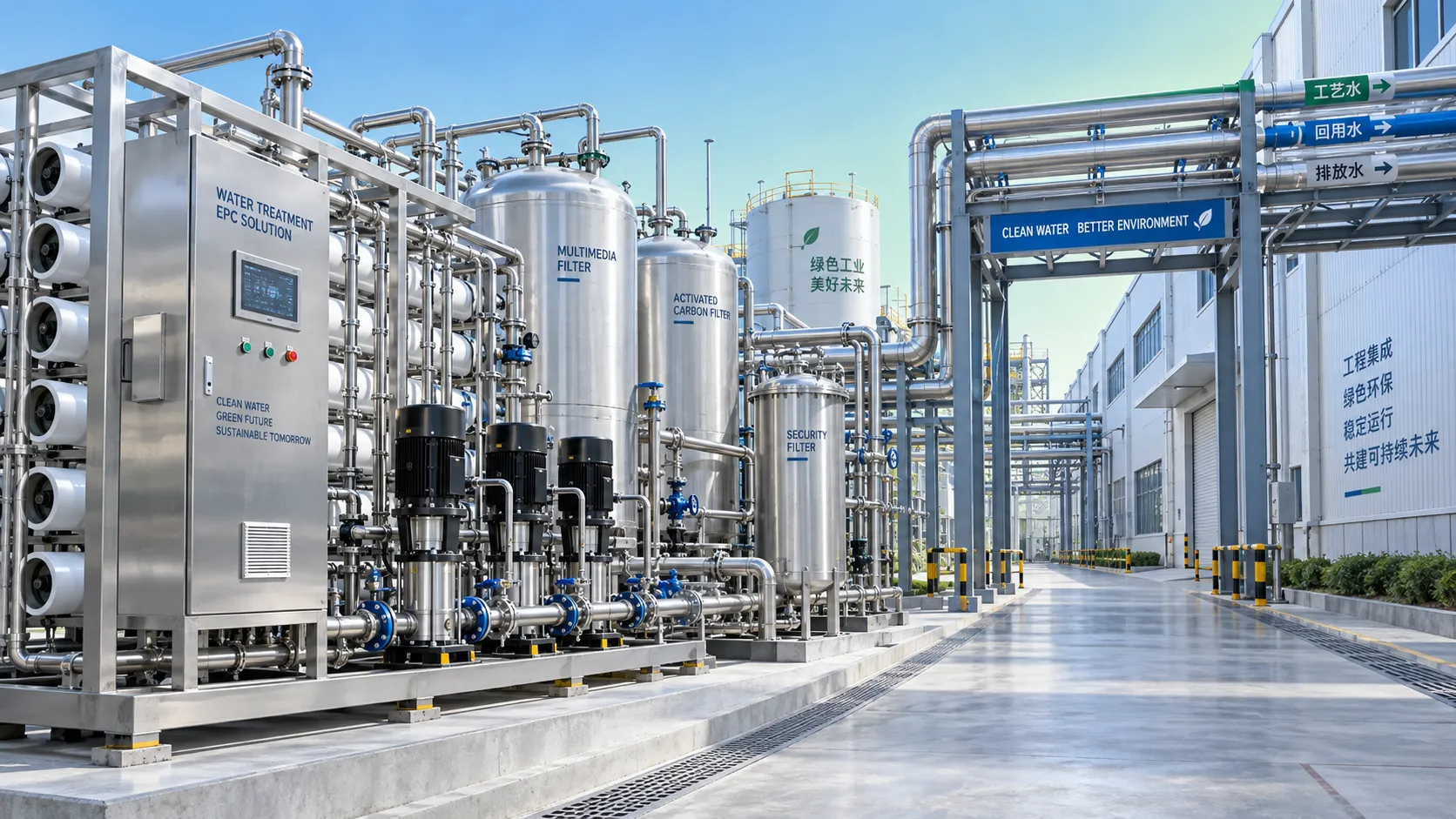
When does EPC environmental project support reduce delivery risk?
EPC environmental project support engineering reduces delivery risk by aligning design, procurement, compliance, construction, and commissioning decisions.
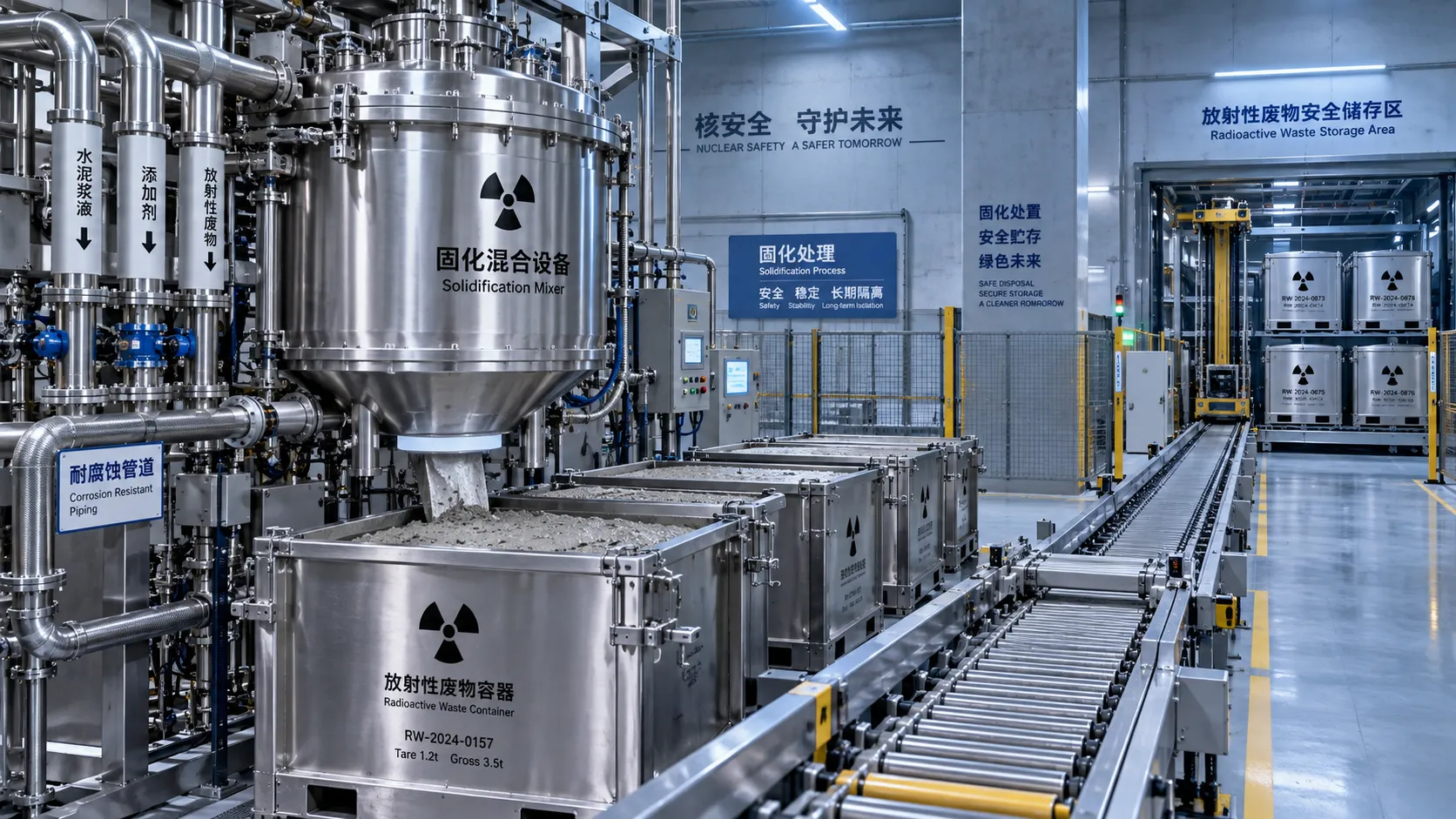
How nuclear plants select a radioactive waste solidification method
Radioactive waste management for nuclear plants: compare vitrification, cementation, polymers, and ceramics to select a compliant, durable solidification solution.
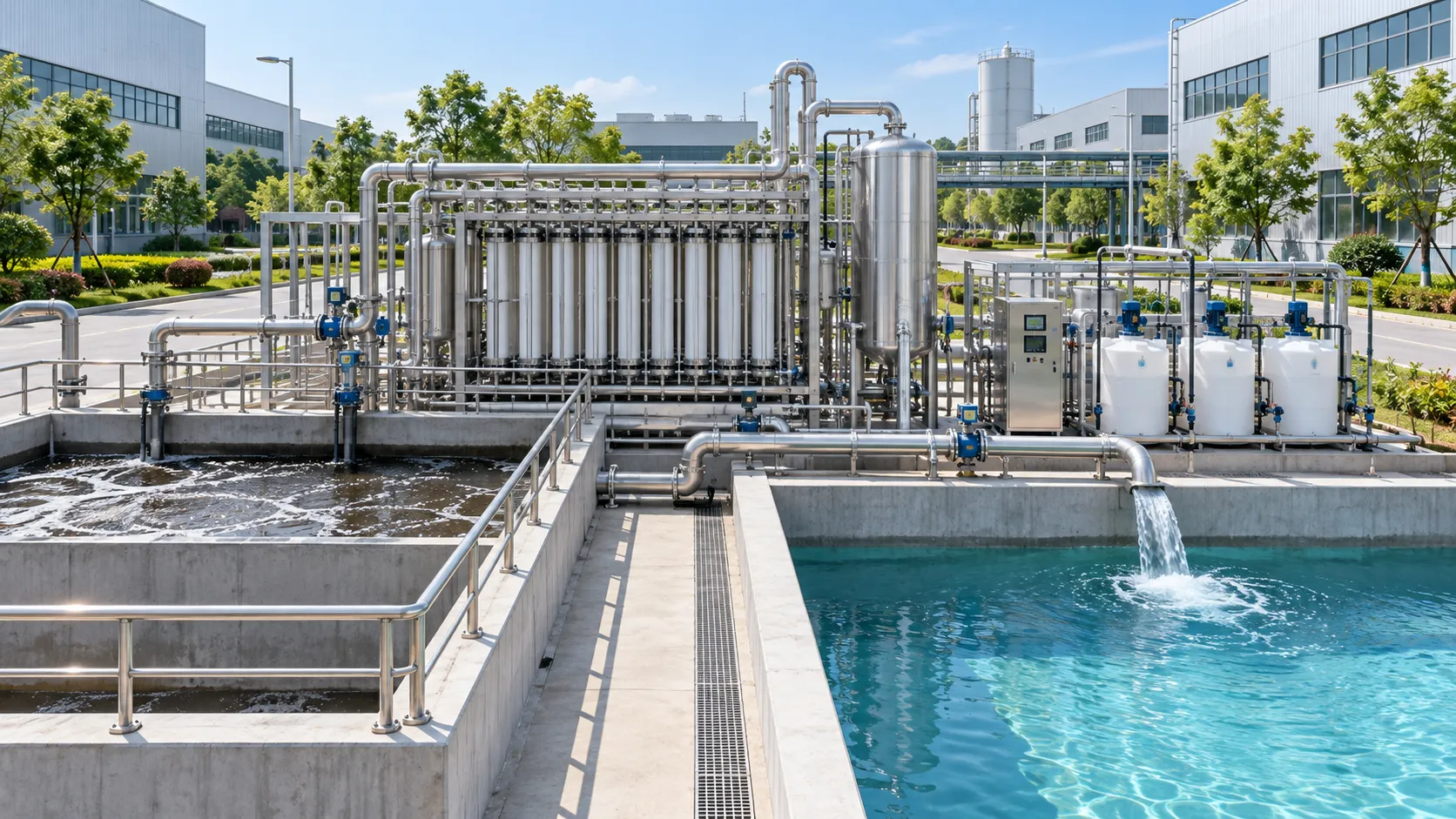
Comparing Upgrade Costs for Industrial Park Wastewater Treatment Systems
Compare costs for wastewater system upgrades in industrial parks with a lifecycle view of CAPEX, OPEX, compliance, resilience, and future expansion.
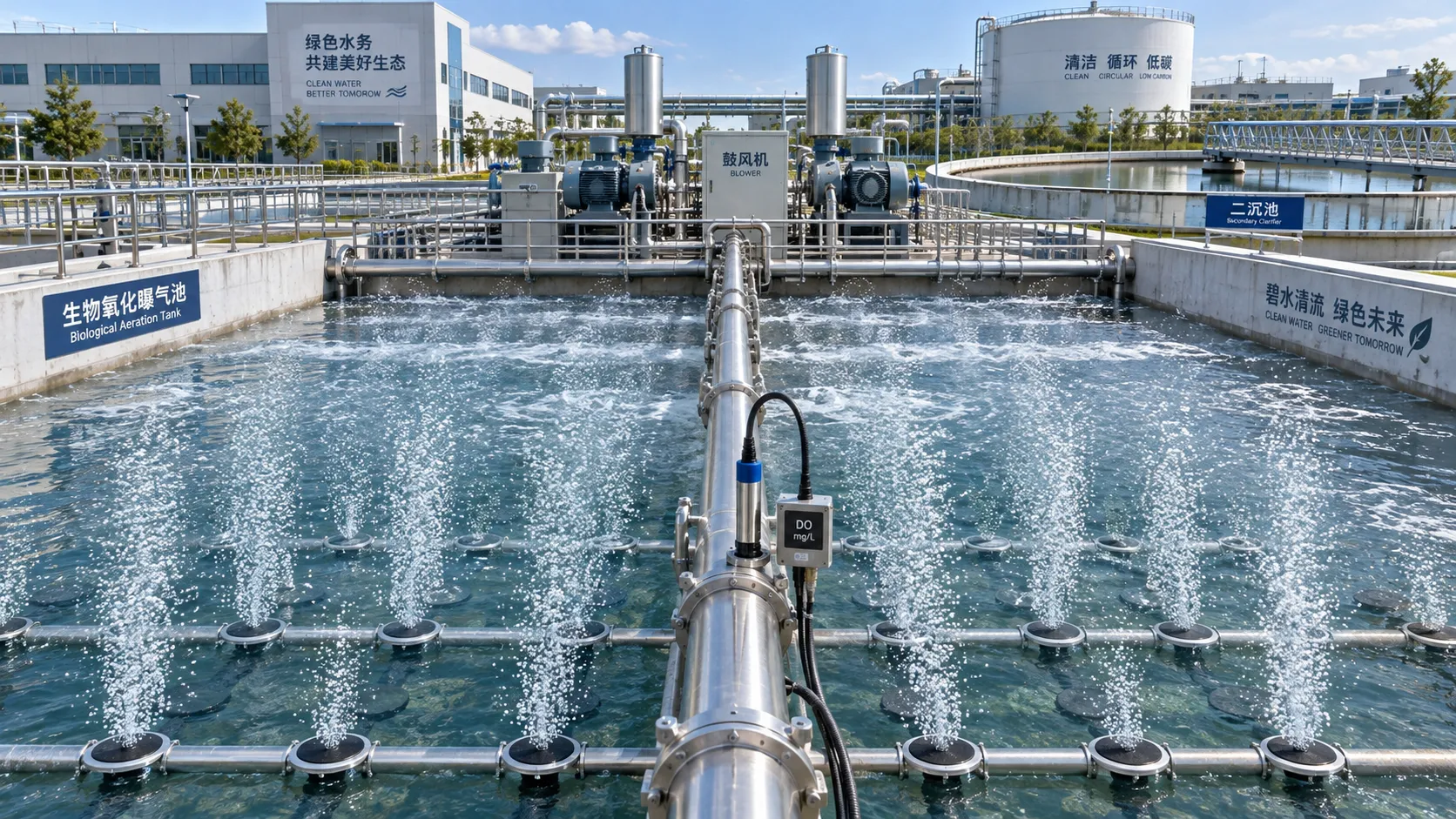
Biological Wastewater Oxidation Explained: Aeration Demand and Process Control
Biological wastewater oxidation explained: optimize aeration demand, DO control, nitrification, and sludge age for stable effluent quality and lower energy costs.
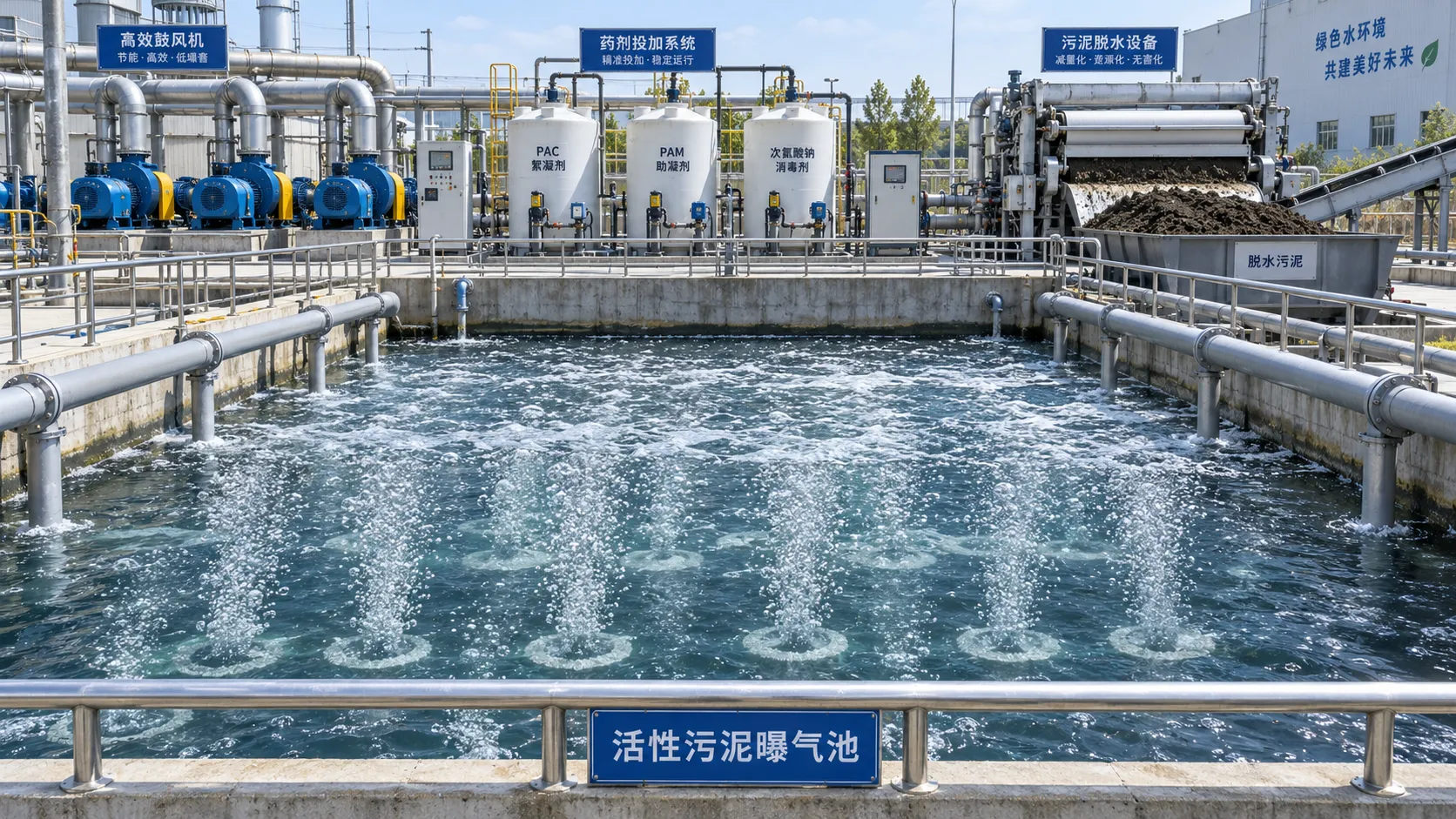
Activated Sludge Cost: Budgeting Energy, Chemicals, Sludge, and Labor
Activated sludge cost explained: compare energy, chemicals, sludge disposal, labor, and compliance risks to build a reliable lifecycle budget.
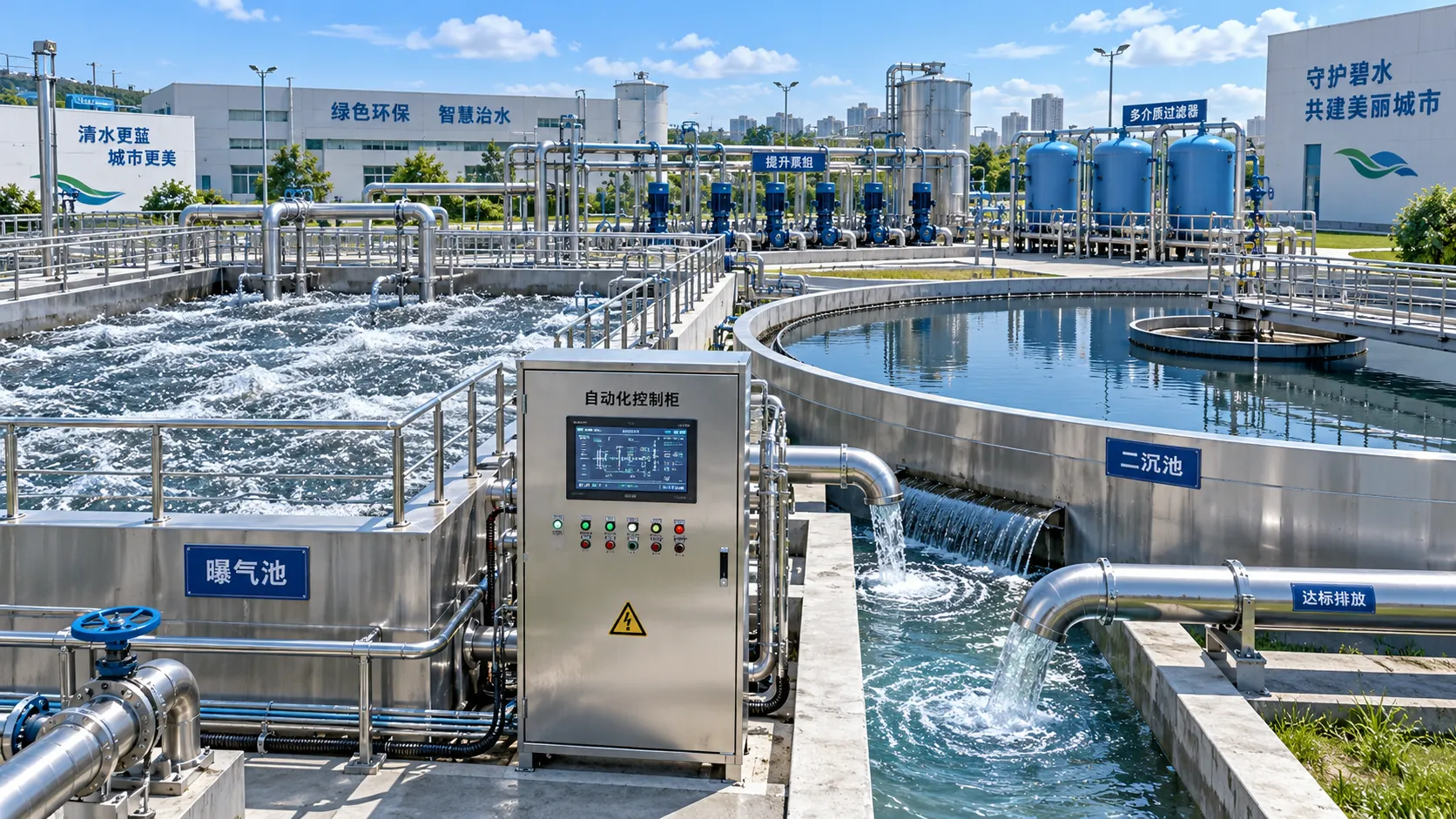
When Should Municipal Wastewater Plants Upgrade Treatment Capacity and Controls?
Municipal wastewater treatment upgrades: learn when capacity, controls, and resilient planning are needed to protect compliance and optimize plant performance.