
Industry News
Curation by industry experts
Hot Articles
Popular Tags
FGD Systems Gypsum Dewatering: How to Reduce Moisture and Disposal Risk
Why does moisture control matter so much in FGD systems gypsum dewatering?
In FGD systems gypsum dewatering, moisture is not a minor housekeeping detail. It shapes transport cost, stockpile stability, landfill acceptance, and reuse potential.
That is why operators across flue gas treatment, water management, and solids recovery keep returning to the same question: how dry is dry enough?
A gypsum cake at 8% to 10% free moisture behaves very differently from one at 15% or higher. The second case often means sticking, spillage, odor pockets, and higher hauling weight.
In practical terms, FGD systems gypsum dewatering sits at the intersection of chemistry, filtration, and environmental compliance. It is a process issue, but also a disposal risk issue.
This matters even more in the wider ecological engineering context followed by ESD. Flue gas treatment is no longer isolated from circular economy logic or strict compliance strategy.
When gypsum leaves the dewatering line too wet, the problem spreads downstream. Trucks carry more water than solids, landfill cells receive unstable material, and by-product markets lose confidence.
So the real target is not only low moisture. The target is repeatable low moisture without upsetting absorber chemistry, uptime, or by-product handling.
What usually causes high moisture in FGD gypsum cake?
High cake moisture rarely comes from one fault alone. More often, it reflects several weak points acting together inside the FGD systems gypsum dewatering train.
The first issue is crystal quality. Fine, irregular, or needle-like gypsum crystals trap water and resist clean filtration.
The second issue is solids loading. If slurry density swings too much, vacuum filters, belt filters, or centrifuges cannot maintain steady separation performance.
Then there is chloride management. Elevated chlorides can alter crystal growth, increase corrosive conditions, and complicate both washing and dewatering efficiency.
Equipment condition also matters. A worn filter cloth, damaged vacuum zone, poor belt tracking, or plugged wash sprays can push moisture upward very quickly.
In some plants, oxidation performance is the hidden driver. Incomplete oxidation can leave sulfite-rich solids that dewater worse and produce a less stable cake.
A useful way to think about it is this: if the crystals are wrong, even good equipment struggles. If the equipment is wrong, good crystals still underperform.
A quick diagnostic view
Before changing hardware, it helps to map symptoms to likely causes. That prevents expensive upgrades from solving the wrong problem.
Which process levers reduce moisture most effectively?
If moisture is persistently high, the strongest gains usually come from process control before mechanical expansion. The reason is simple: stable feed makes every dewatering device work better.
Start with crystal formation. Good oxidation air distribution, proper pH control, and enough residence time promote larger, more filterable gypsum crystals.
Feed consistency comes next. A dewatering unit prefers slurry solids, particle distribution, and temperature to remain inside a narrow operating window.
Washing strategy is another major lever. Proper wash water application reduces chloride contamination, but over-washing can re-wet the cake and cancel the benefit.
Cycle timing matters too. On vacuum belt filters, insufficient drying zone time often explains moisture drift better than chemistry alone.
- Stabilize absorber oxidation and slurry residence time.
- Control solids concentration entering the dewatering stage.
- Balance cake washing against final moisture targets.
- Track cloth permeability and cleaning frequency.
- Verify that filtrate recirculation is not returning fines excessively.
In well-run FGD systems gypsum dewatering, these adjustments often produce faster returns than replacing the main machine. Hardware still matters, but process stability usually unlocks the hardware first.
How should different dewatering technologies be judged?
There is no universal best technology. The right answer depends on throughput, target moisture, wash duty, maintenance culture, and the final destination of the gypsum.
Vacuum belt filters are common because they combine washing and dewatering in a continuous layout. They are often preferred where chloride removal and cake quality both matter.
Centrifuges can reduce footprint and offer tight mechanical separation. However, they may respond differently to crystal fines and can demand closer wear management.
Horizontal belt filters and rotary vacuum filters each have their own operating logic. The more useful comparison is not brand against brand, but feed condition against separation mechanism.
In ESD-style evaluation work, a dewatering choice is strongest when it connects process chemistry, disposal route, and resource recovery logic in one decision frame.
A practical selection question is this: does the unit reach target moisture under actual feed variability, not only under ideal test conditions?
Where do disposal and reuse risks usually get underestimated?
Many teams focus on daily moisture averages. The bigger risk often sits in variability, because disposal contractors and reuse buyers experience the worst batches, not the average batch.
Landfill risk increases when wet cake slumps, sheds free liquid, or fails internal handling standards. Even if the chemistry is acceptable, physical instability can create rejection or surcharge exposure.
Reuse markets are even less forgiving. Wallboard and cement channels typically care about chloride, purity, particle behavior, and moisture consistency together.
Another blind spot is seasonal change. Ambient temperature, rainfall around storage areas, and feedwater quality can shift FGD systems gypsum dewatering performance more than expected.
Then there is the compliance dimension. Tighter environmental scrutiny increasingly links flue gas treatment by-products with broader resource recovery expectations and carbon-sensitive logistics.
That means a moisture problem is no longer just an operating nuisance. It can affect sustainability reporting, transport intensity, and the credibility of closed-loop material strategies.
Common mistakes that keep moisture high
- Judging performance from one moisture sample per shift.
- Treating gypsum quality and dewatering performance as separate issues.
- Increasing wash water without checking final cake behavior.
- Replacing consumables late to save cost, then losing far more in disposal fees.
- Ignoring by-product outlet requirements until the material is already off-spec.
What is the most reliable way to evaluate improvement options?
The strongest evaluations begin with a moisture baseline tied to crystal data, chloride data, and equipment condition. Without that link, improvement projects stay too generic.
A useful review cycle usually includes sampling, operating data, and field inspection together. Moisture numbers alone do not explain why FGD systems gypsum dewatering is underperforming.
It helps to rank options by both technical effect and downstream value. For example, a small moisture reduction can still be valuable if it lowers rejection risk in reuse channels.
The next step is usually to separate quick wins from structural fixes. Cloth management, spray maintenance, and feed stabilization can be tested quickly.
By contrast, oxidation redesign, equipment resizing, or technology replacement needs a longer capital review. Those decisions should be anchored in real duty cycles and disposal economics.
For plants operating inside a broader eco-shield framework, the best decision model connects moisture reduction with compliance resilience, closed-loop solids strategy, and total handling cost.
A practical next-step checklist
- Confirm current cake moisture range, not only the monthly average.
- Review crystal size distribution and oxidation consistency.
- Inspect filter media, seals, sprays, and vacuum performance.
- Compare disposal limits with reuse outlet specifications.
- Build an upgrade list that separates operating fixes from capital projects.
FGD systems gypsum dewatering improves fastest when moisture is treated as a system signal, not an isolated end-of-line number. That perspective leads to better filtration, lower disposal risk, and more credible by-product recovery.
Recommended News
How to verify a water treatment system factory’s production capacity
Verify a water treatment systems factory’s production capacity through records, bottlenecks, component availability, and testing. Learn what to check before accepting a delivery promise.
When does EPC environmental project support reduce delivery risk?
EPC environmental project support engineering reduces delivery risk by aligning design, procurement, compliance, construction, and commissioning decisions.
How nuclear plants select a radioactive waste solidification method
Radioactive waste management for nuclear plants: compare vitrification, cementation, polymers, and ceramics to select a compliant, durable solidification solution.
Biological Wastewater Oxidation Explained: Aeration Demand and Process Control
Biological wastewater oxidation explained: optimize aeration demand, DO control, nitrification, and sludge age for stable effluent quality and lower energy costs.
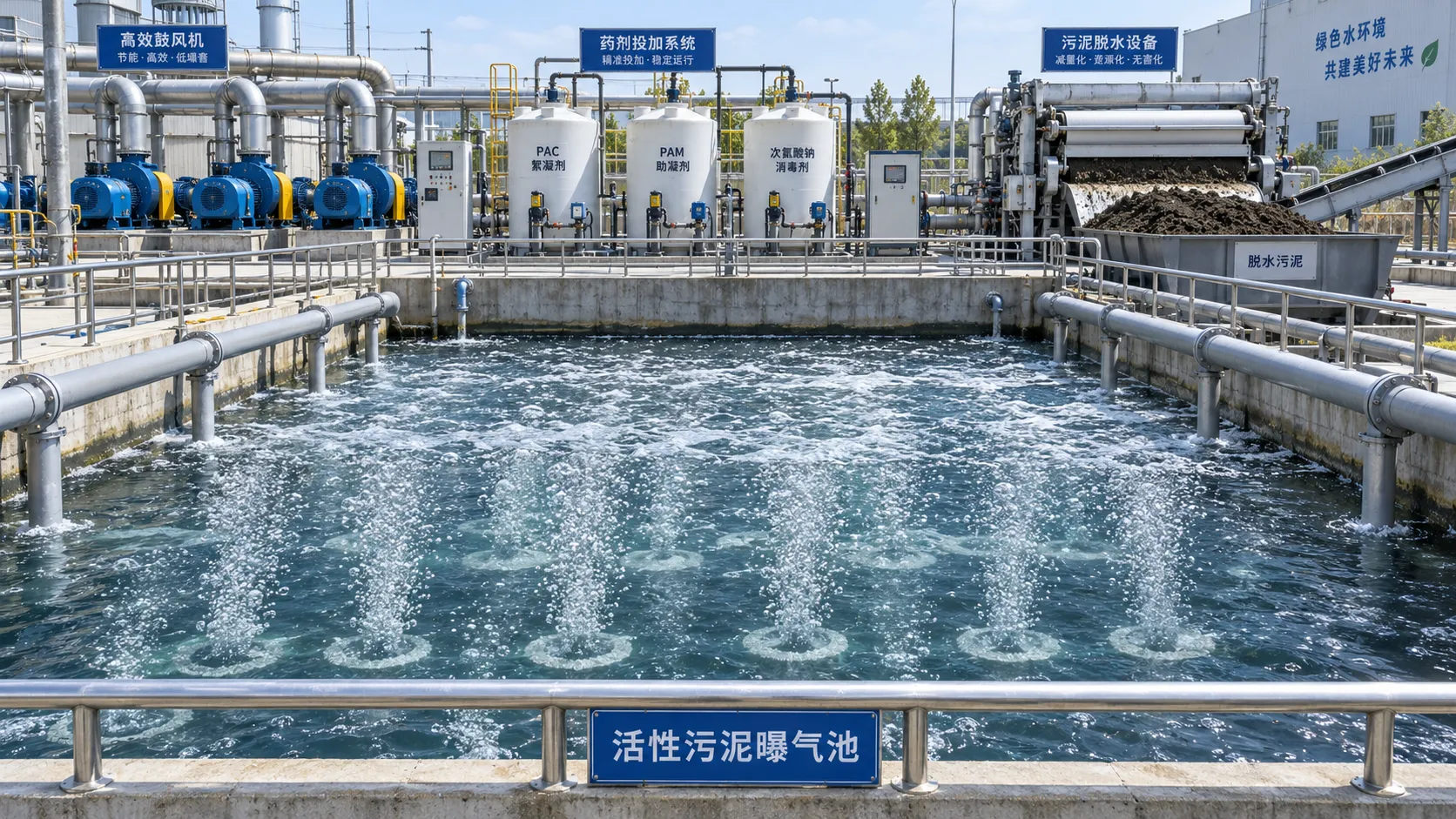
Activated Sludge Cost: Budgeting Energy, Chemicals, Sludge, and Labor
Activated sludge cost explained: compare energy, chemicals, sludge disposal, labor, and compliance risks to build a reliable lifecycle budget.
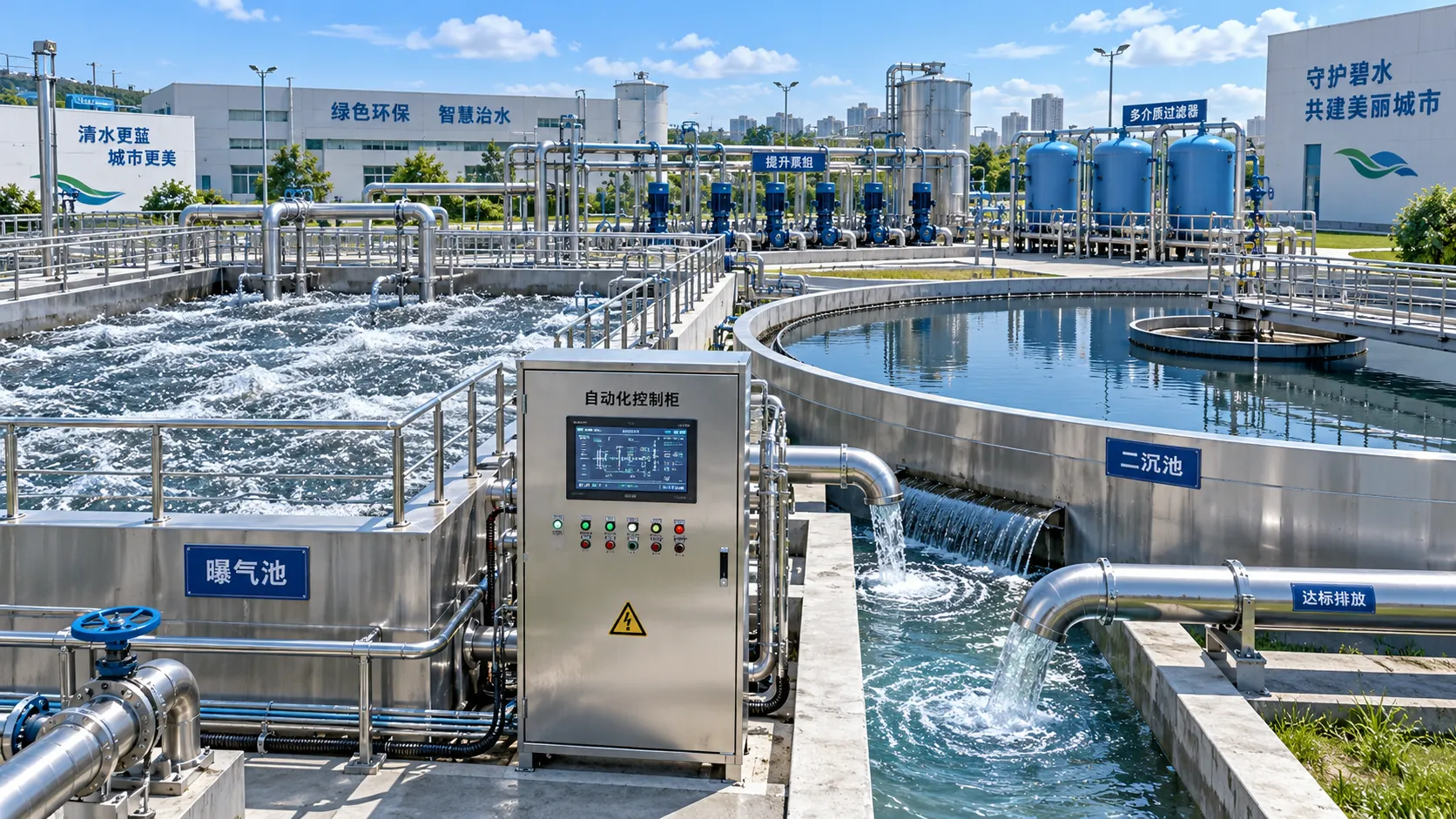
When Should Municipal Wastewater Plants Upgrade Treatment Capacity and Controls?
Municipal wastewater treatment upgrades: learn when capacity, controls, and resilient planning are needed to protect compliance and optimize plant performance.
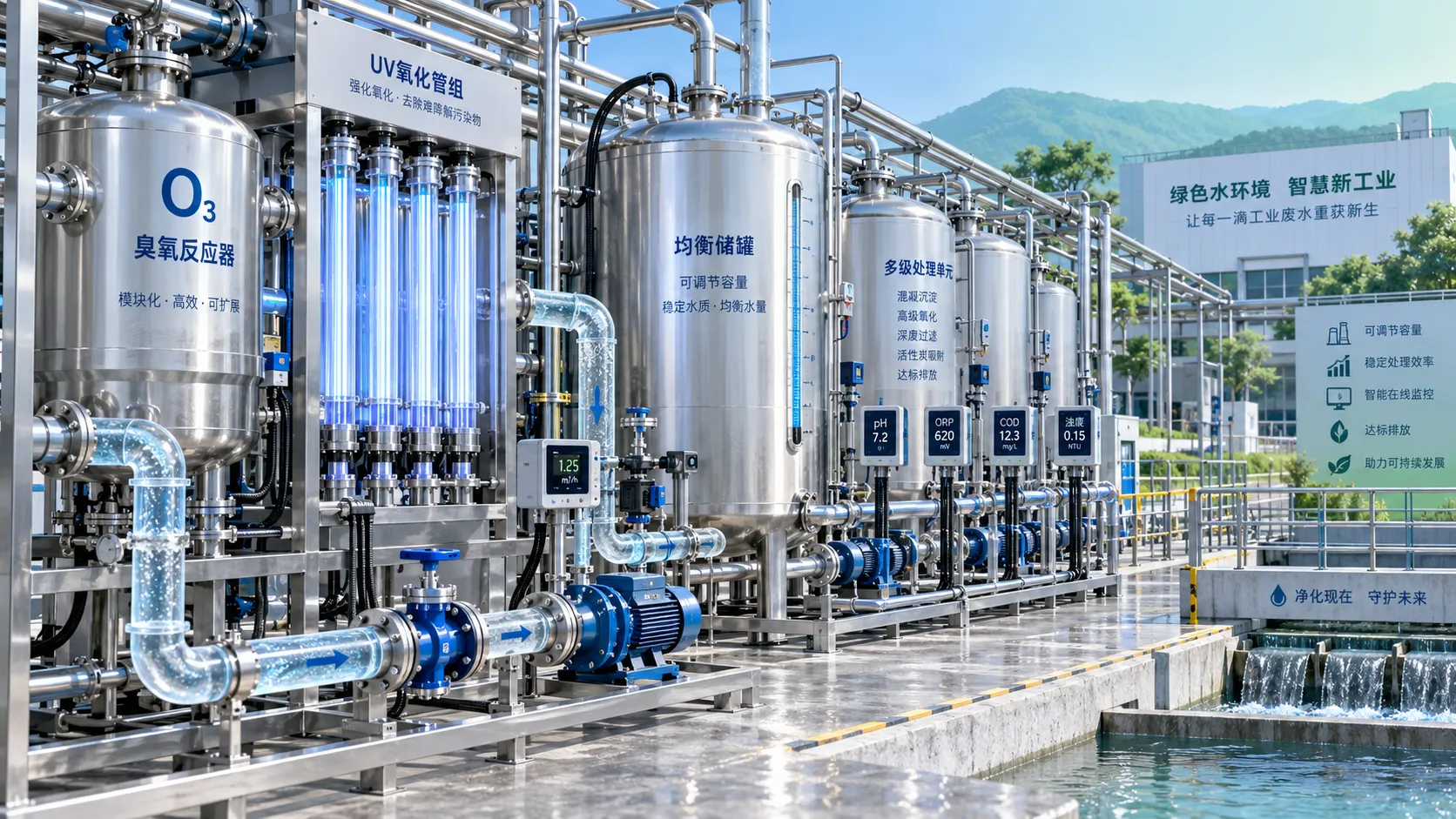
How to size advanced oxidation equipment for variable wastewater loads
Advanced oxidation equipment guide for sizing AOP systems under variable wastewater loads, improving compliance, efficiency, and lifecycle cost control.
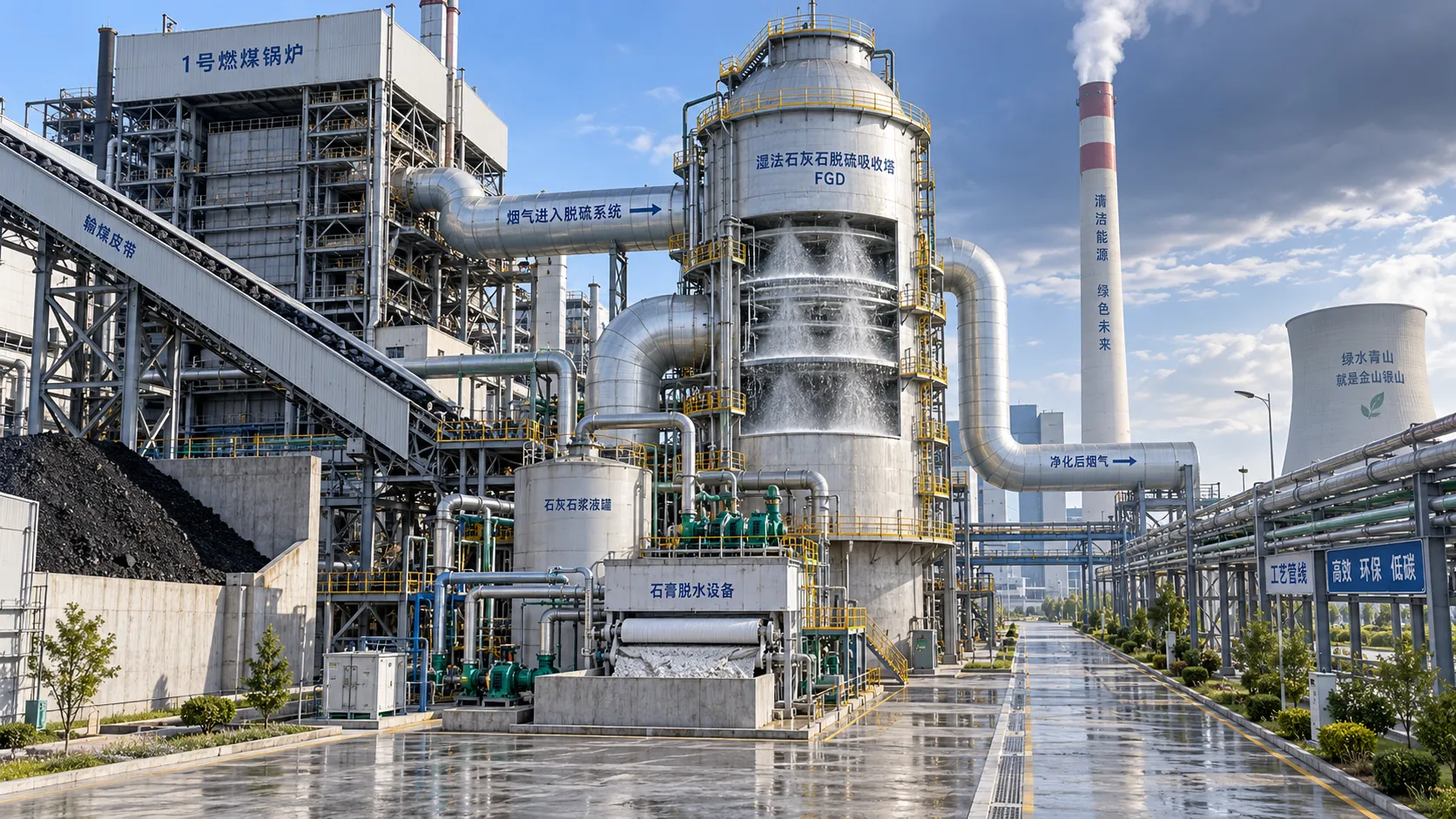
How to select FGD systems for coal boilers based on sulfur content
FGD systems for coal boilers: learn how sulfur content, fuel variability, emissions limits, water, waste, and retrofit constraints guide a compliant, cost-effective scrubber choice.
How to size a desulfurization equipment scrubber for variable gas flow
Desulfurization equipment scrubber sizing for variable gas flow: optimize SO2 removal, pressure drop, liquid-to-gas control, and compliance across every load.