
Industry News
Curation by industry experts
Hot Articles
Popular Tags
AI Sorting Systems Price: What Drives Total Cost in 2026?
AI Sorting Systems Price: What Drives Total Cost in 2026?
Understanding AI sorting systems price in 2026 takes more than checking a supplier quote.
For most projects, the machine price is only one part of the budget.
The real decision sits inside total cost, operating risk, and long-term recovery value.
That matters even more in waste recovery, MRF upgrades, e-waste lines, and packaging plants.
In practice, AI sorting systems price changes with throughput, target material, sensor stack, software scope, and local compliance requirements.
A low entry quote can become expensive after installation, retraining, maintenance, and missed purity targets.
A higher quote can still be the better buy if it cuts labor, improves yield, and reduces rejects.
Why AI sorting systems price varies so much
The first driver is application complexity.
Sorting mixed municipal packaging is very different from separating black plastics, battery waste, or construction debris.
As complexity rises, the AI sorting systems price usually rises with it.
The second driver is performance expectation.
Buyers often ask for high throughput, high purity, low carryover, and stable output across shifting waste streams.
Those goals are possible, but they require stronger hardware, better sensors, and more mature algorithms.
This is why two lines with similar capacity can have very different total project costs.
Core equipment factors behind AI sorting systems price
Sensor configuration
Sensor choice is one of the biggest cost drivers in AI sorting systems price.
Basic optical cameras cost less, but they have limits in difficult material streams.
NIR, hyperspectral, X-ray, and deep-learning vision systems push cost higher.
They also unlock better identification of polymers, metals, organics, and hazardous fractions.
Throughput and line width
Higher throughput usually means a wider belt, faster processing, and stronger mechanical design.
That affects conveyors, air ejection, frame structure, and dust control systems.
So AI sorting systems price should always be checked against tons per hour, not unit count alone.
Sorting accuracy and reject control
Accuracy is not a marketing detail.
It directly shapes recovered value, downstream rework, and customer complaints.
A cheaper system with unstable purity can create a much higher lifecycle cost.
Software, data, and upgrade costs
In 2026, AI sorting systems price increasingly includes software value, not just machine value.
That includes model training, recipe management, dashboard access, remote diagnostics, and reporting tools.
Some suppliers bundle software for years.
Others add annual license fees, user limits, or paid algorithm updates.
This is where many budgets drift.
A lower capital quote can hide expensive recurring software charges.
More importantly, software upgrade policy affects future flexibility.
Waste streams change, packaging formats evolve, and regulations tighten.
If the system cannot adapt quickly, the original AI sorting systems price loses its appeal.
Installation and integration often decide the real budget
Many buyers focus on equipment cost and underestimate site integration.
In reality, civil work, electrical upgrades, compressed air, dust extraction, and safety enclosures can add heavily to AI sorting systems price.
Retrofit projects are especially sensitive.
Older facilities may need conveyor redesign, PLC integration, or structural reinforcement.
Downtime during installation also deserves a clear cost line.
If a line shutdown affects collection contracts or processing targets, project economics can shift fast.
This is one reason accurate total installed cost matters more than sticker price.
Operating cost: where AI sorting systems price proves its value
A procurement decision should never stop at CAPEX.
The better question is how AI sorting systems price performs over five to ten years.
Key operating costs usually include:
- Energy consumption
- Compressed air demand
- Spare parts and wear components
- Calibration and sensor cleaning
- Software subscriptions
- Operator training and retraining
- Unplanned service response
Labor savings remain one of the strongest reasons to invest.
Still, labor reduction should be measured carefully against local wages, shift structure, and staffing volatility.
A realistic ROI model ties AI sorting systems price to both labor and material recovery gains.
Compliance and market pressure in 2026
From recent market shifts, compliance has become a stronger pricing factor.
Extended producer responsibility schemes, landfill restrictions, and recycled content targets are changing project requirements.
That means AI sorting systems price now reflects more traceability, reporting, and output verification.
In export-oriented markets, contamination thresholds can also tighten commercial acceptance.
For buyers in advanced recovery sectors, compliance failure can cost more than equipment upgrades.
This is why low-cost systems without stable reporting tools can create hidden exposure.
A practical framework for comparing suppliers
When reviewing AI sorting systems price, a side-by-side quote comparison is not enough.
Use a structured evaluation table that links cost to performance.
This approach gives a more honest reading of AI sorting systems price.
It also makes supplier claims easier to verify during technical review.
How to reduce buying risk before signing
- Request test results using material that matches your real waste stream.
- Ask for guaranteed throughput, purity, and availability targets.
- Break AI sorting systems price into CAPEX, software, installation, and annual OPEX.
- Check reference sites with similar contamination and moisture conditions.
- Confirm who owns training data, recipes, and performance logs.
- Review spare parts lead times and local service coverage.
These steps sound basic, but they prevent many expensive surprises.
In actual projects, the strongest buying decisions usually come from disciplined technical clarification.
Final view on AI sorting systems price in 2026
AI sorting systems price in 2026 is shaped by far more than the machine itself.
The strongest cost drivers are application difficulty, sensor architecture, software policy, installation scope, operating efficiency, and compliance pressure.
For serious buyers, the right benchmark is not the cheapest quote.
It is the most reliable path to stable recovery value and controlled lifecycle cost.
That shift in thinking makes AI sorting systems price much easier to judge.
Compare total installed cost, five-year operating cost, and guaranteed performance in one model.
Then test every supplier against the same material, the same targets, and the same service assumptions.
That is usually where the best value becomes clear.
Recommended News
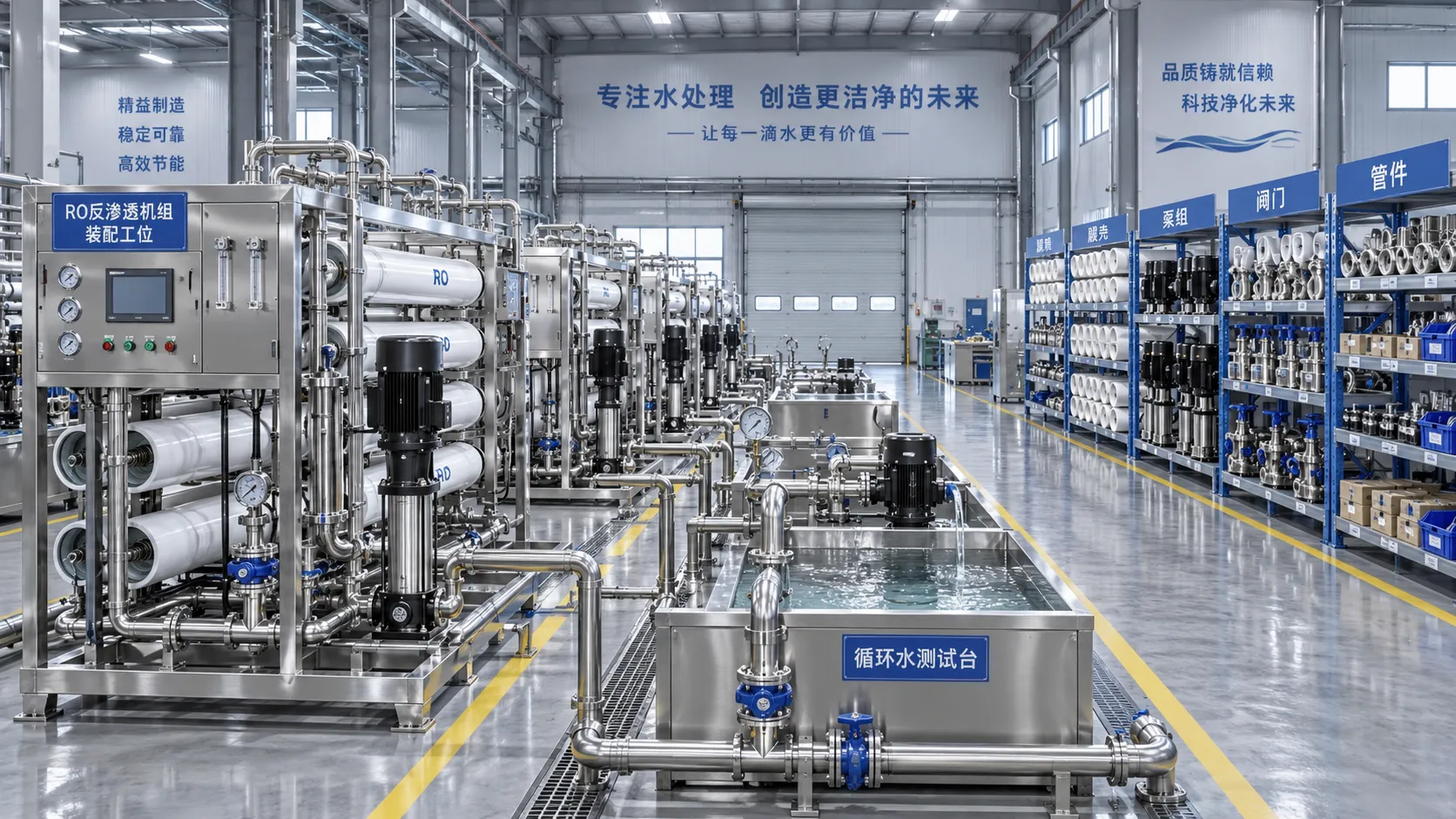
How to verify a water treatment system factory’s production capacity
Verify a water treatment systems factory’s production capacity through records, bottlenecks, component availability, and testing. Learn what to check before accepting a delivery promise.
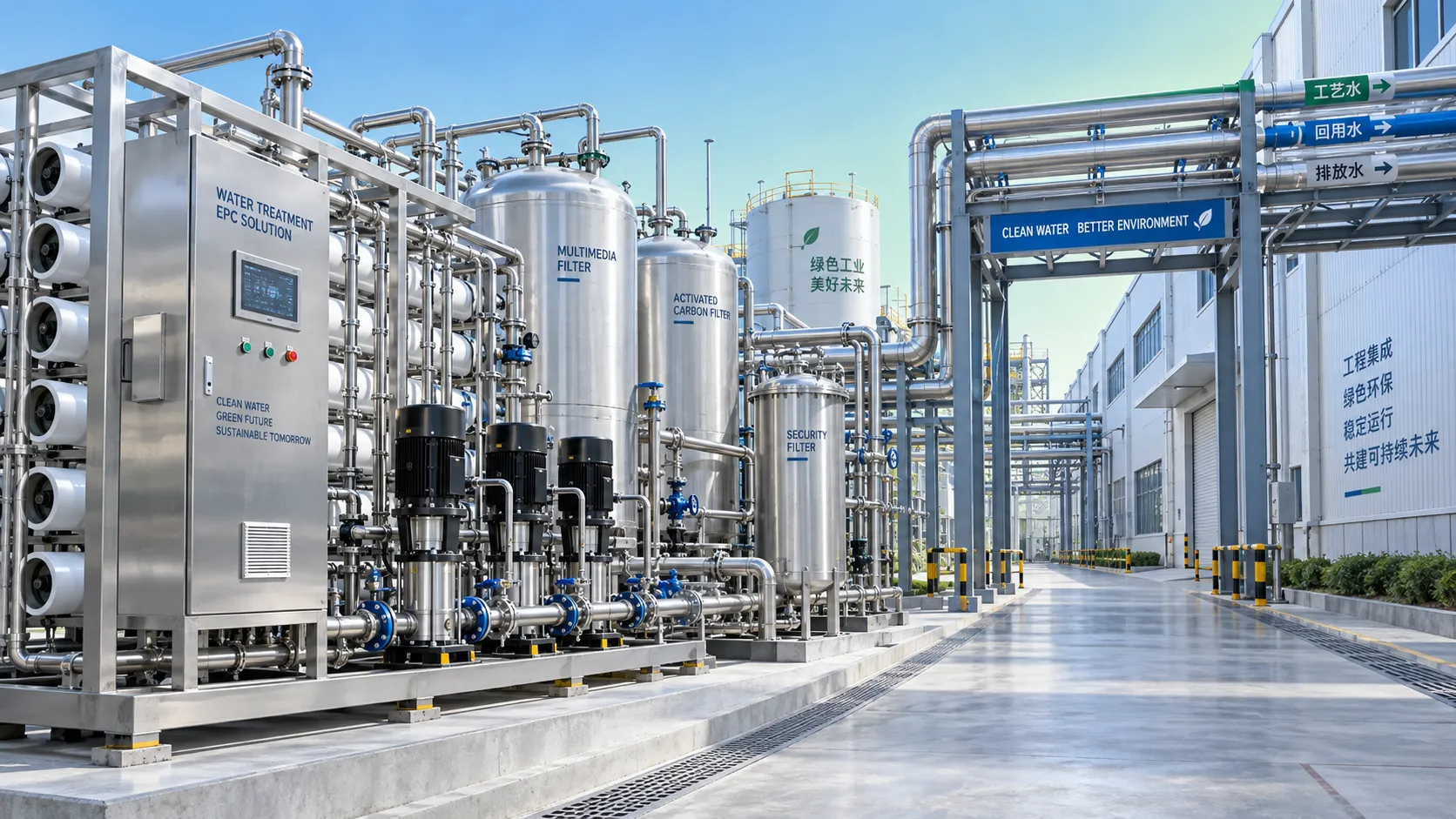
When does EPC environmental project support reduce delivery risk?
EPC environmental project support engineering reduces delivery risk by aligning design, procurement, compliance, construction, and commissioning decisions.
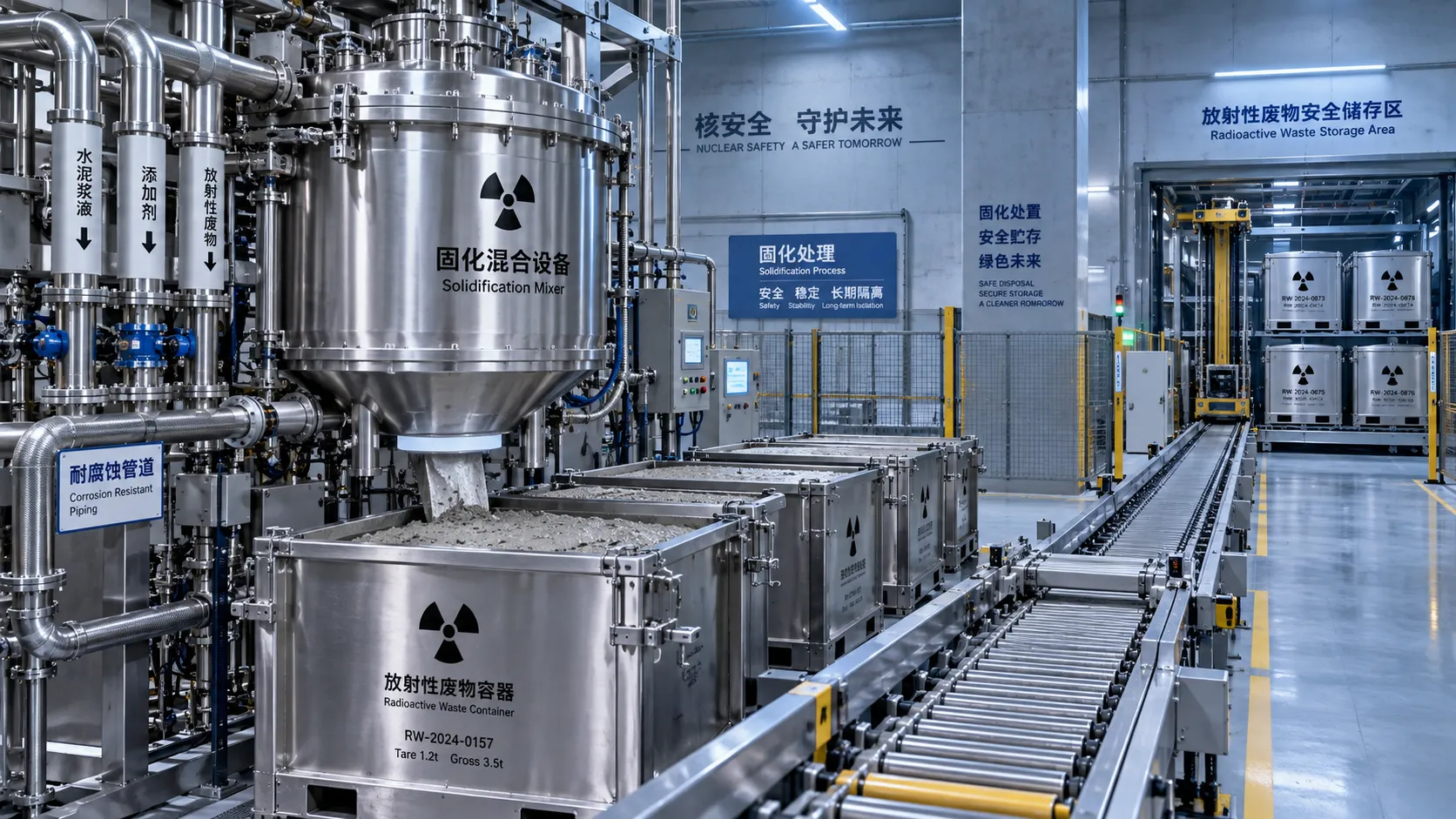
How nuclear plants select a radioactive waste solidification method
Radioactive waste management for nuclear plants: compare vitrification, cementation, polymers, and ceramics to select a compliant, durable solidification solution.
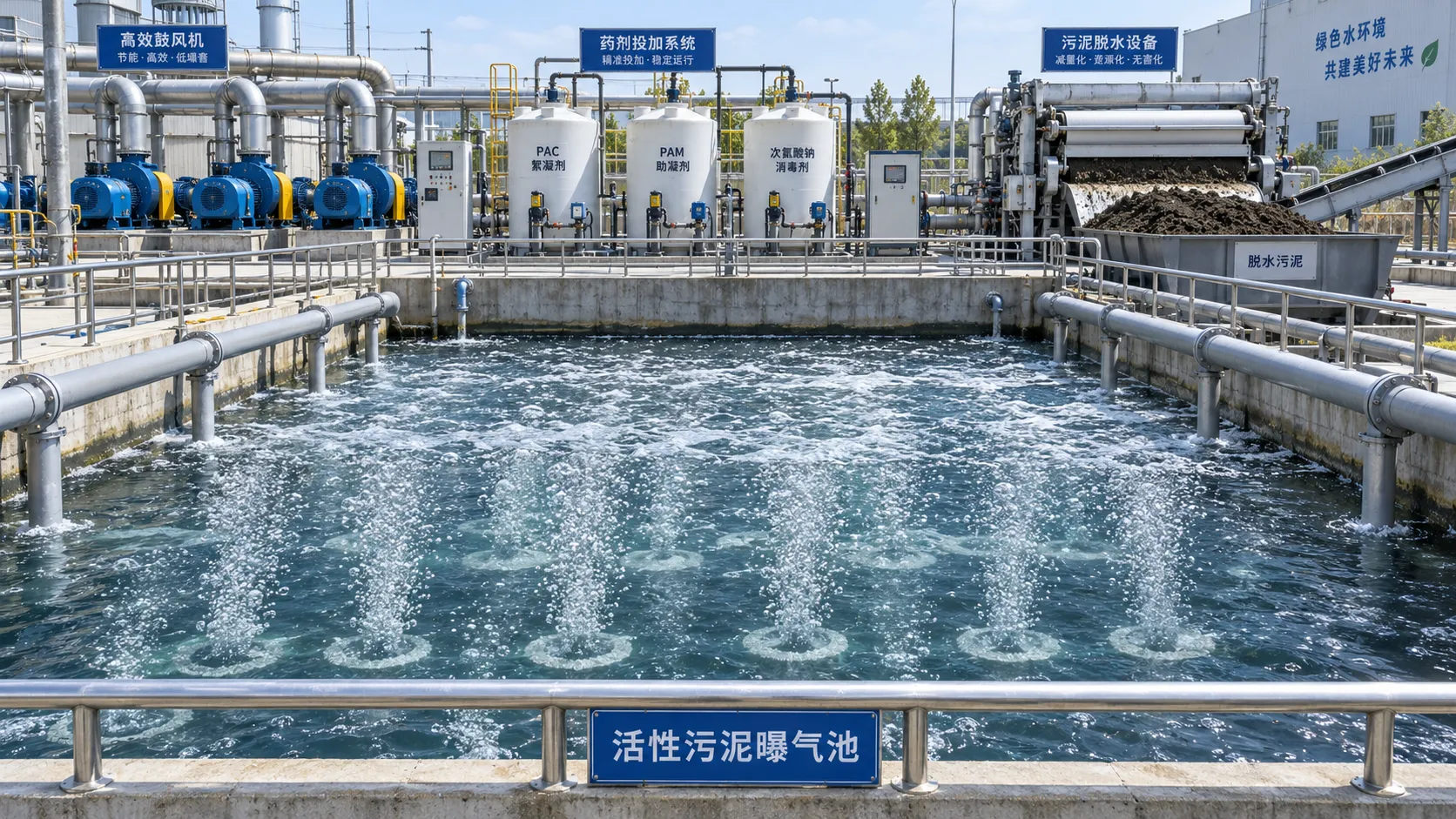
Activated Sludge Cost: Budgeting Energy, Chemicals, Sludge, and Labor
Activated sludge cost explained: compare energy, chemicals, sludge disposal, labor, and compliance risks to build a reliable lifecycle budget.
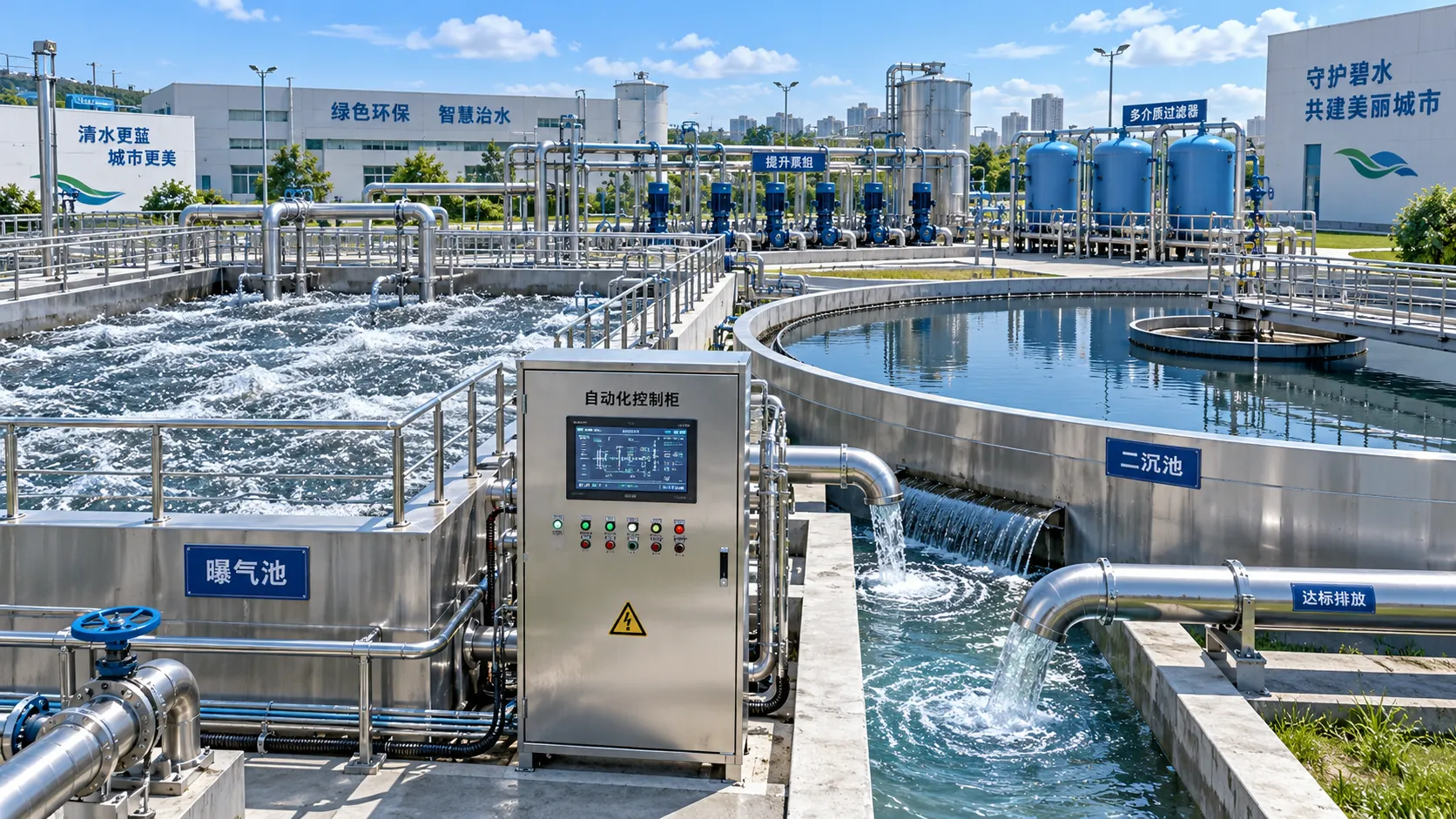
When Should Municipal Wastewater Plants Upgrade Treatment Capacity and Controls?
Municipal wastewater treatment upgrades: learn when capacity, controls, and resilient planning are needed to protect compliance and optimize plant performance.
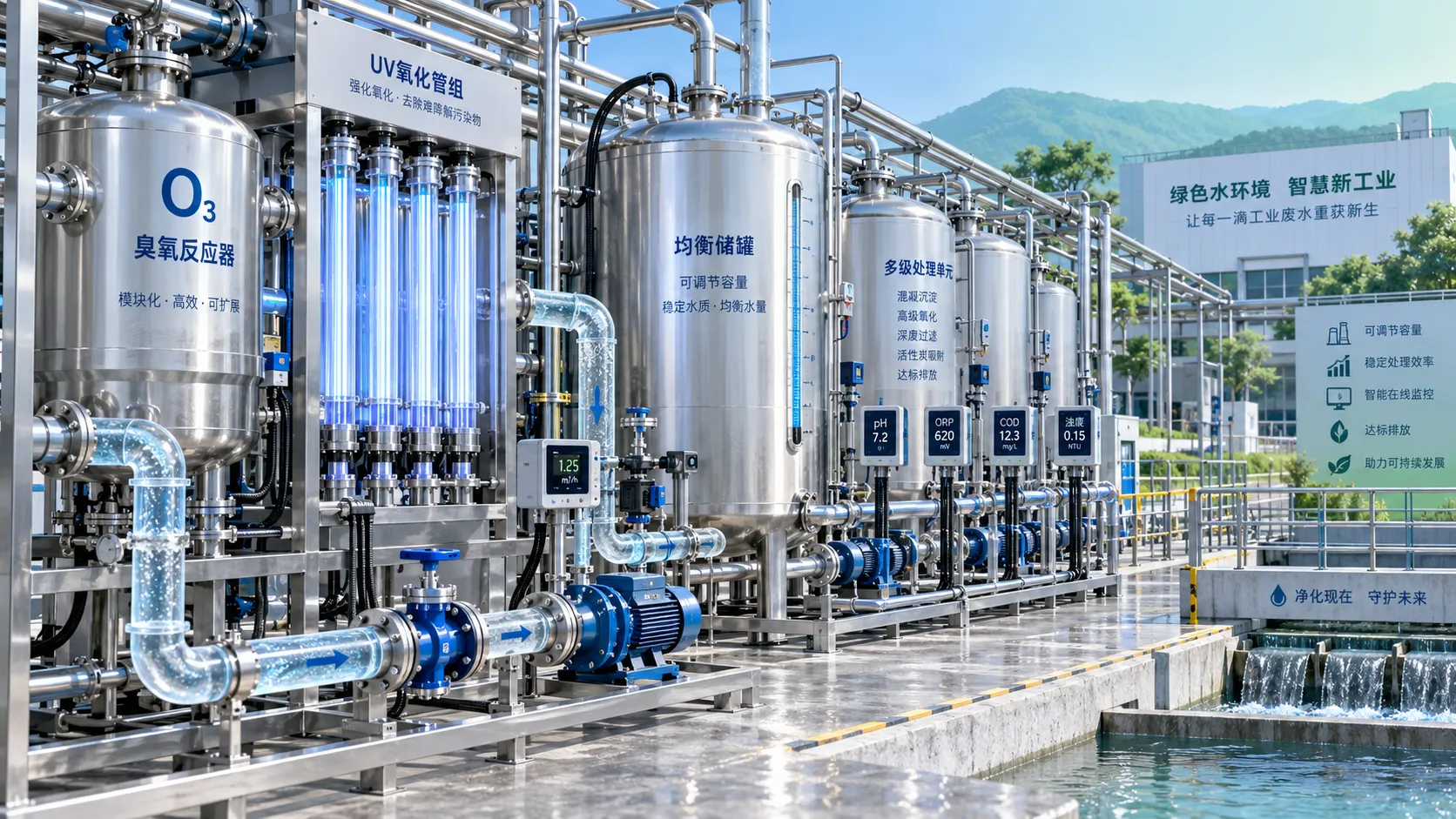
How to size advanced oxidation equipment for variable wastewater loads
Advanced oxidation equipment guide for sizing AOP systems under variable wastewater loads, improving compliance, efficiency, and lifecycle cost control.
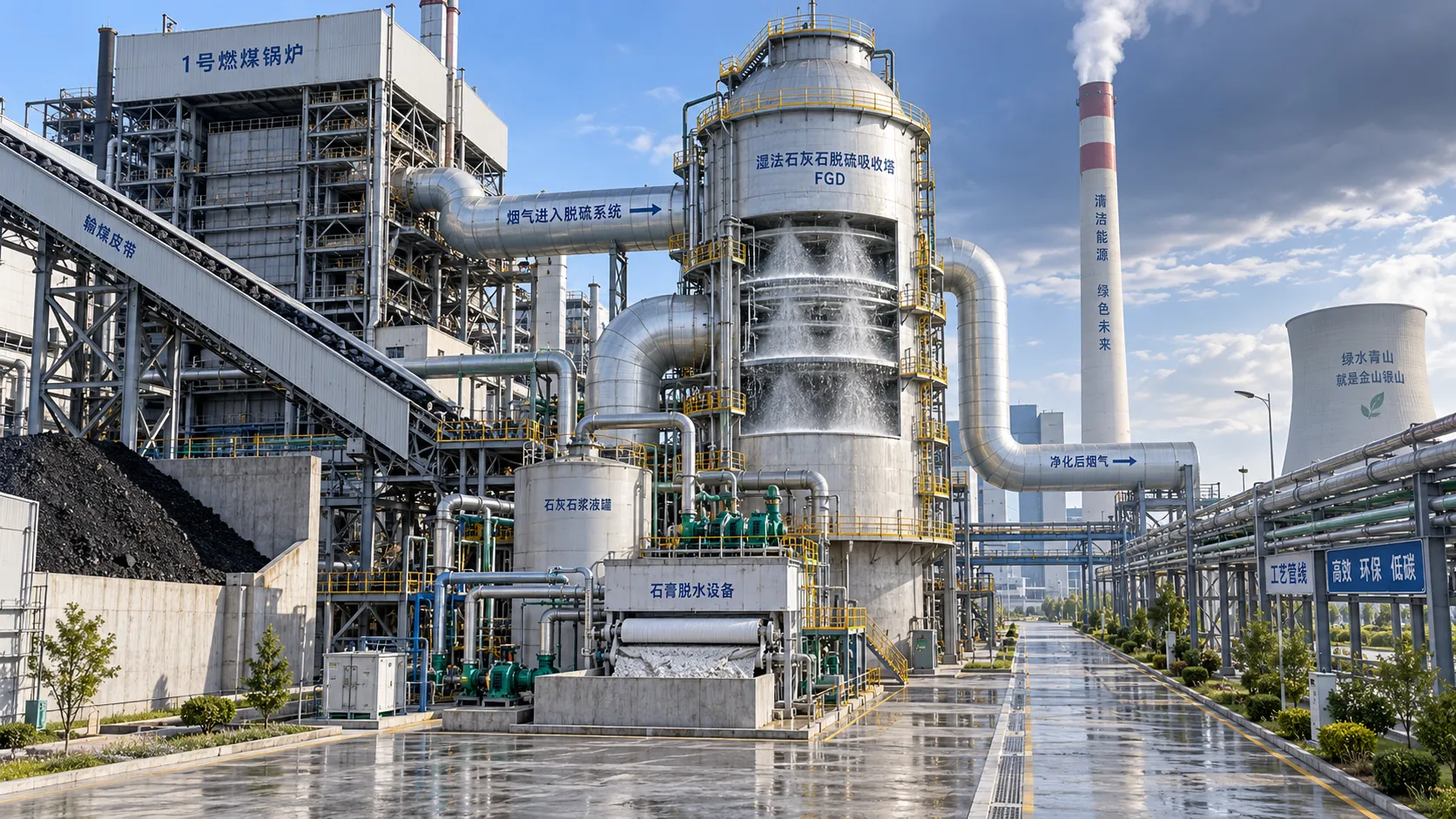
How to select FGD systems for coal boilers based on sulfur content
FGD systems for coal boilers: learn how sulfur content, fuel variability, emissions limits, water, waste, and retrofit constraints guide a compliant, cost-effective scrubber choice.
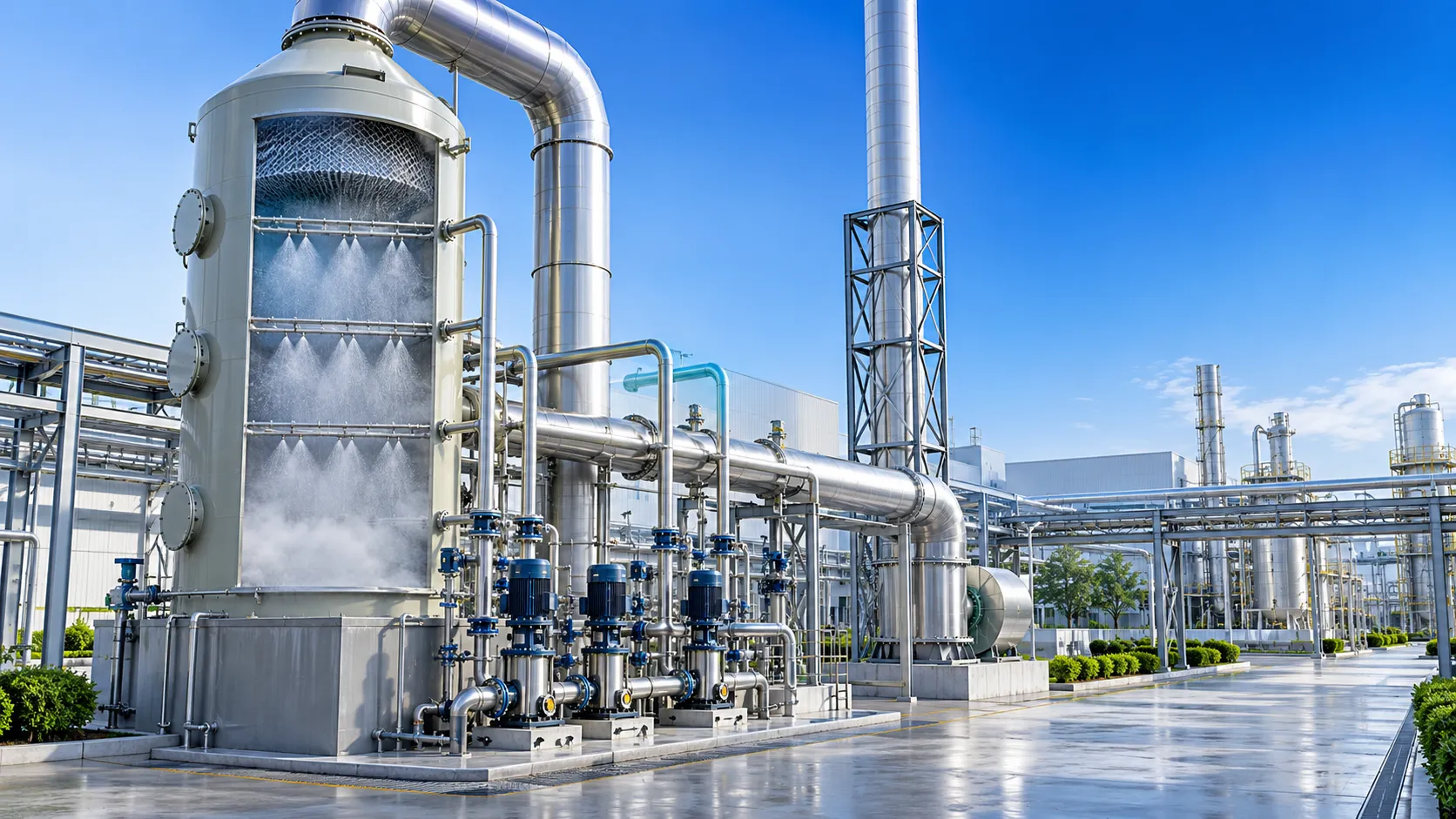
How to size a desulfurization equipment scrubber for variable gas flow
Desulfurization equipment scrubber sizing for variable gas flow: optimize SO2 removal, pressure drop, liquid-to-gas control, and compliance across every load.
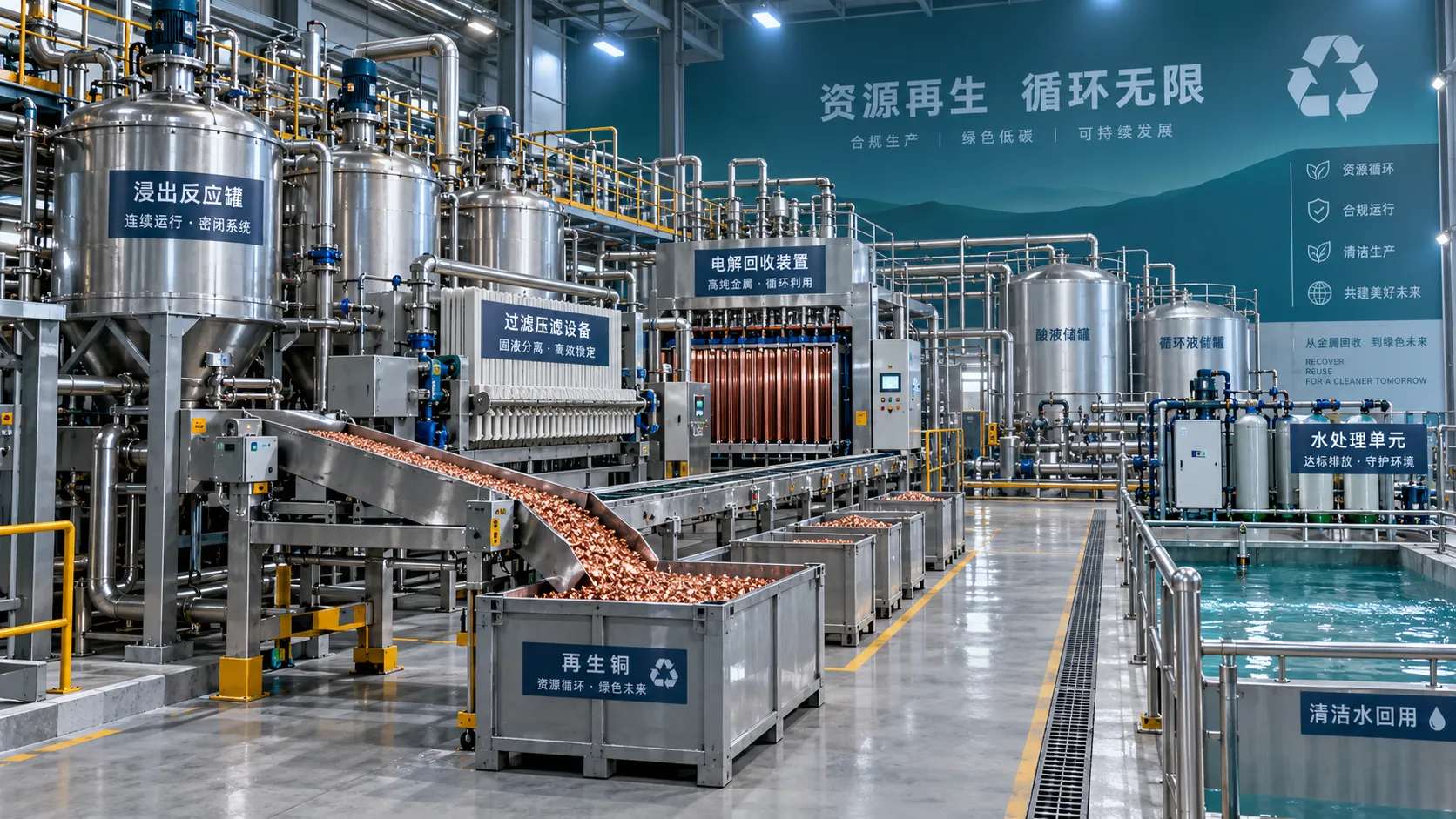
When does repeatable metals recovery infrastructure justify the investment?
Repeatable metals recovery infrastructure: discover when consistent feedstock, lower disposal costs, compliance control, and reliable offtake justify investment.