
Industry News
Curation by industry experts
Hot Articles
Popular Tags
Decarbonization Technologies in Europe: What Is Gaining Industrial Traction?
Europe’s decarbonization push has moved beyond strategy decks and climate pledges. Across steel, chemicals, cement, utilities, waste systems, water infrastructure, and heavy process industries, investment is now concentrating around technologies that can prove operational value under real regulatory pressure.
That is why decarbonization technologies Europe is deploying deserve close attention. The main issue is no longer technical possibility alone. It is whether a solution can survive energy price volatility, carbon costs, grid constraints, permitting delays, and asset reliability demands.
For sectors tracked closely by ESD, this shift is especially visible. Water treatment, resource recovery, flue gas systems, desalination, and nuclear-linked safety infrastructure are becoming part of a broader industrial carbon equation, not isolated environmental compliance topics.
Where industrial traction is really coming from
In practical terms, industrial traction means more than pilot announcements. It usually shows up in repeat orders, retrofit programs, signed offtake structures, long-term power arrangements, and inclusion in plant modernization budgets.
In Europe, several forces are pushing this movement at once. Carbon pricing is stronger. CBAM is changing trade logic. Financing standards are tighter. Public subsidies are available, but only for projects that can scale within industrial timeframes.
This makes decarbonization technologies Europe a question of economics, resilience, and market access. Plants that fail to adapt may face rising compliance costs, weaker export competitiveness, and higher exposure to energy system instability.
The technology groups moving fastest
Not every low-carbon option is advancing at the same pace. Some are already moving into wider industrial adoption. Others remain promising, but depend on better infrastructure, lower input costs, or clearer regulation.
Electrification of heat and process systems
Industrial electrification is gaining traction where process temperatures are moderate and power access is improving. Electric boilers, high-temperature heat pumps, electrode systems, and hybrid thermal platforms are appearing in food, chemicals, pulp, and district-linked facilities.
The appeal is straightforward. Electrification can cut direct emissions, improve controllability, and align with renewable procurement strategies. The constraint is equally clear: economics depend heavily on electricity price spreads and local grid connection capacity.
Green hydrogen in selective heavy uses
Hydrogen remains one of the most discussed decarbonization technologies Europe is evaluating, but industrial traction is selective rather than universal. It looks strongest where direct electrification is difficult, especially in steelmaking, refining, ammonia, and some high-heat processes.
What matters now is not broad narrative, but project discipline. Electrolyzer efficiency, renewable power coupling, storage logistics, and demand certainty determine whether hydrogen becomes a strategic asset or an expensive demonstration.
Carbon capture for hard-to-abate assets
Carbon capture is gaining measurable traction in cement, waste-to-energy, chemicals, and parts of refining. These sectors cannot always eliminate process emissions through fuel switching alone, so capture remains one of the few credible decarbonization routes.
The business case improves where transport and storage networks are emerging. Northern Europe is especially important here. Once shared CO2 infrastructure exists, capture projects move from isolated engineering exercises to regional industrial systems.
Circular recovery and waste valorization
A less visible, but highly practical, category involves material recovery. AI sorting, chemical recycling, pyrolysis, solvent recovery, sludge valorization, and waste heat integration all support lower carbon intensity through resource loop closure.
This is where ESD’s perspective is useful. In many facilities, carbon reduction comes not only from energy substitution, but from minimizing virgin input demand, reducing disposal burdens, and recovering embedded value from difficult waste streams.
Why environmental infrastructure now sits inside the decarbonization agenda
Water, flue gas, desalination, and nuclear waste systems were once treated as parallel compliance topics. That separation is fading. Industrial decarbonization increasingly depends on environmental equipment that can operate with lower energy intensity and higher resource efficiency.
In large water treatment plants, the carbon question often starts with pumping loads, chemical consumption, brine management, and sludge handling. ZLD systems, advanced membranes, digital dosing controls, and energy-optimized aeration can materially affect total plant emissions.
In flue gas treatment, decarbonization technologies Europe is adopting are not limited to carbon capture. Low-temperature catalyst performance, reagent optimization, and integrated pollutant control can influence both energy use and retrofit feasibility at combustion-linked sites.
Desalination is another strategic case. Europe’s water stress and industrial resilience goals are raising interest in high-efficiency SWRO, energy recovery devices, and smarter pretreatment. The real challenge is balancing water security with the energy burden of large-scale supply.
Nuclear-linked systems also matter more than many expected. Safe nuclear waste management does not directly decarbonize a plant, but it underpins the long-term credibility of low-carbon baseload power, which remains important for energy-intensive industry.
Signals that separate momentum from noise
Industrial markets are crowded with announcements, but only a few signals indicate durable traction. Watching these markers can help distinguish scalable adoption from temporary policy-driven enthusiasm.
These signals are especially useful when reviewing decarbonization technologies Europe through a multi-asset lens. A technically elegant project may still fail if utility interfaces, permitting pathways, or waste byproduct handling remain unresolved.
How to evaluate application value across sectors
The most effective evaluation starts with process reality rather than technology branding. Emission source, thermal profile, water dependency, byproduct composition, and infrastructure availability usually decide what is feasible.
- For continuous process plants, reliability and energy sourcing matter more than headline carbon reduction claims.
- For waste and recovery systems, the key issue is whether carbon gains survive full lifecycle accounting.
- For water-intensive assets, decarbonization must include treatment chemistry, pumping intensity, concentrate handling, and reuse rates.
- For cross-border exporters, CBAM exposure may accelerate the return on cleaner production pathways.
This is where a strategic intelligence approach becomes valuable. Technology choice should connect physicochemical performance, resource loop design, and compliance direction. Looking at only one dimension often leads to expensive misreads.
What deserves attention over the next investment cycle
Over the next few years, decarbonization technologies Europe will likely advance through industrial clusters rather than isolated plants. Shared hydrogen corridors, CO2 transport systems, renewable power zones, and circular material hubs can lower adoption friction.
Digital control layers will also matter more. Optimization software, predictive maintenance, process twins, and real-time emissions tracking make low-carbon equipment easier to finance and operate because performance becomes more auditable.
At the same time, caution is necessary. Some projects will struggle under weak utilization rates, unstable policy support, or unrealistic assumptions about power prices and carbon credit values. Strong industrial traction still depends on disciplined engineering and sound commercial structure.
A practical next step
A useful next step is to review decarbonization technologies Europe against three internal maps: emission hotspots, infrastructure dependencies, and compliance exposure. That creates a clearer view of which options are ready for deployment, which need partnerships, and which should remain under observation.
For organizations operating around water, waste, flue gas, desalination, or nuclear-linked systems, the most valuable opportunities may sit at the intersection of carbon reduction and environmental performance. That is often where resilient industrial advantage begins to form.
Recommended News
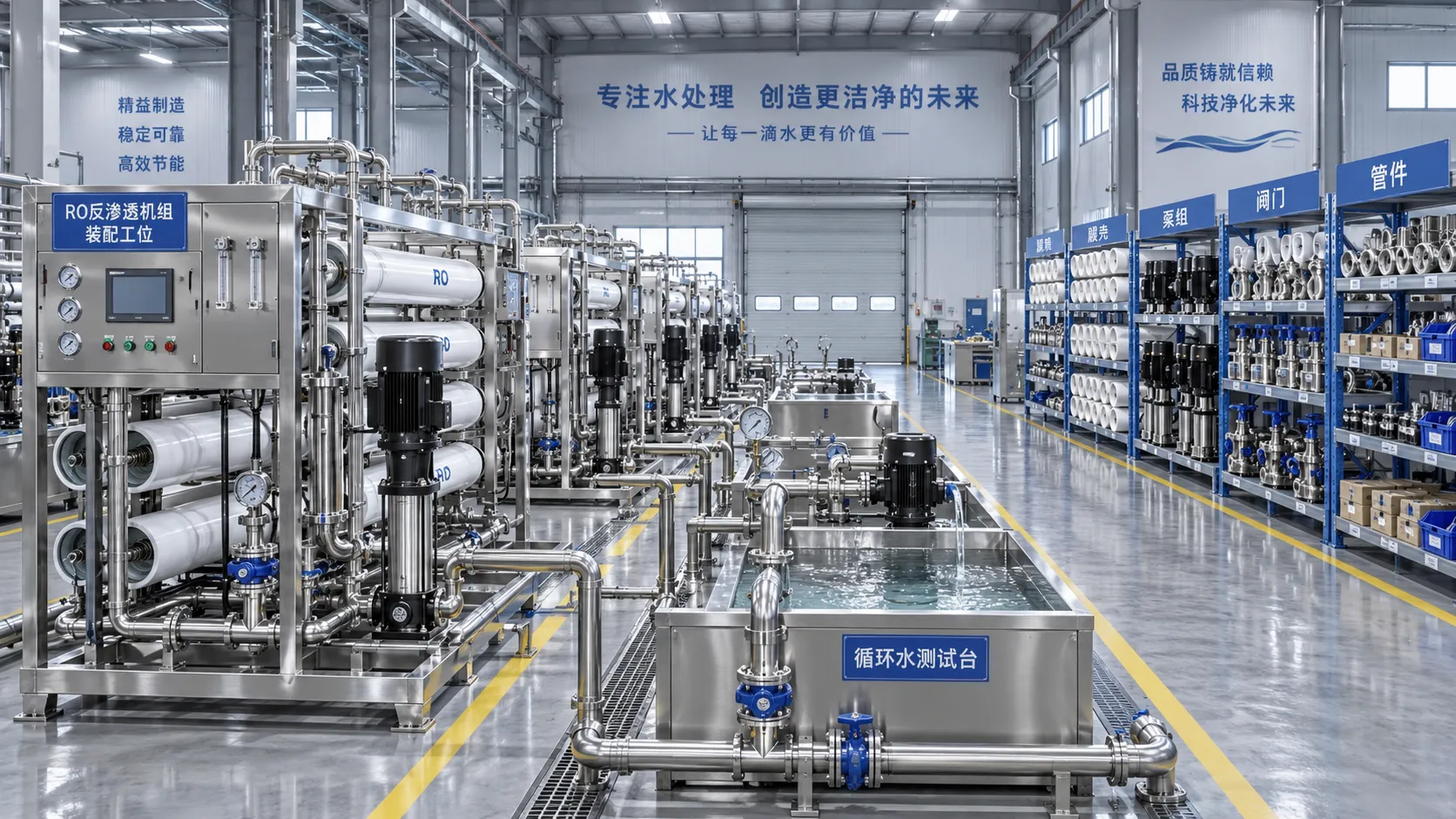
How to verify a water treatment system factory’s production capacity
Verify a water treatment systems factory’s production capacity through records, bottlenecks, component availability, and testing. Learn what to check before accepting a delivery promise.
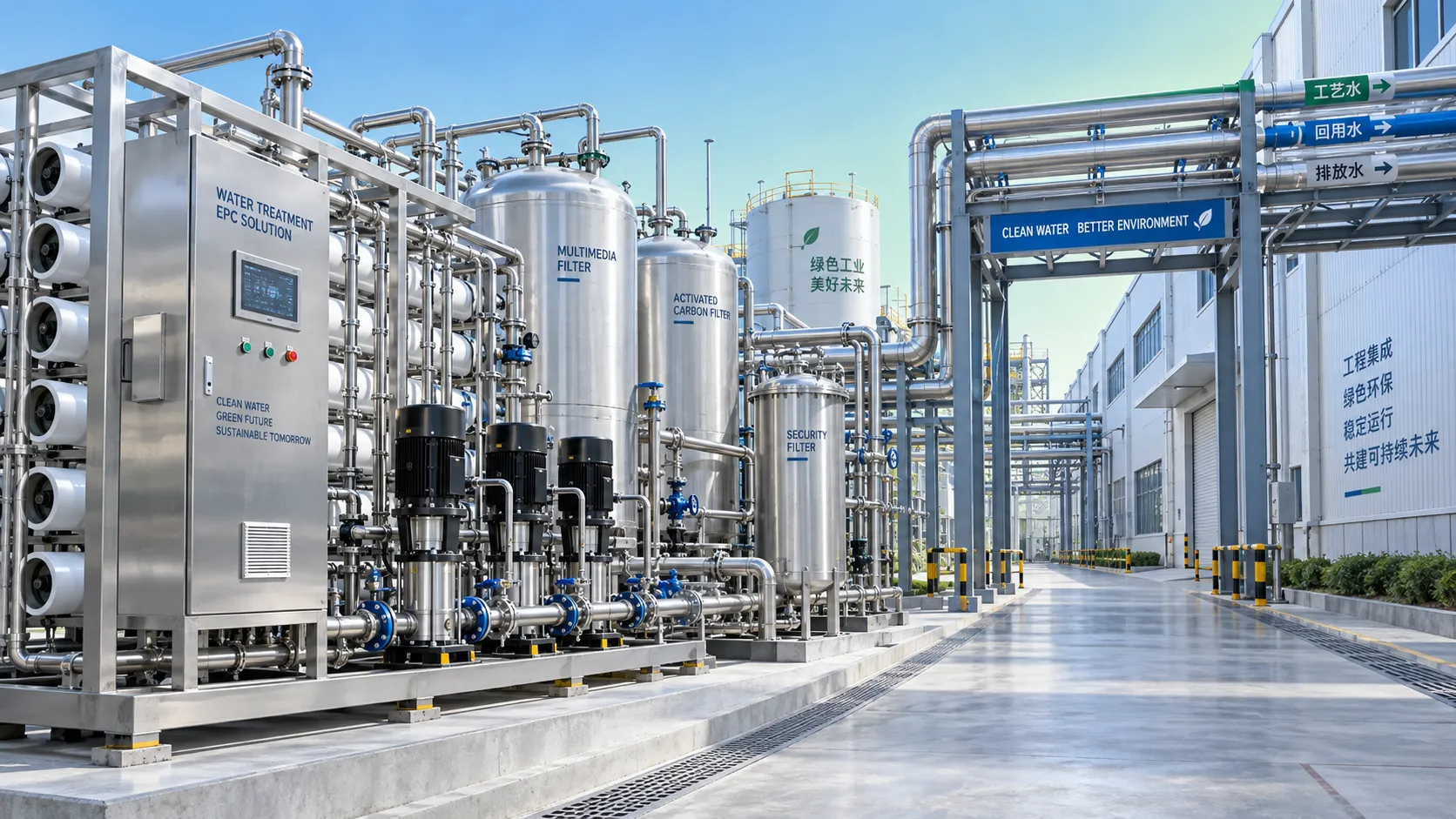
When does EPC environmental project support reduce delivery risk?
EPC environmental project support engineering reduces delivery risk by aligning design, procurement, compliance, construction, and commissioning decisions.
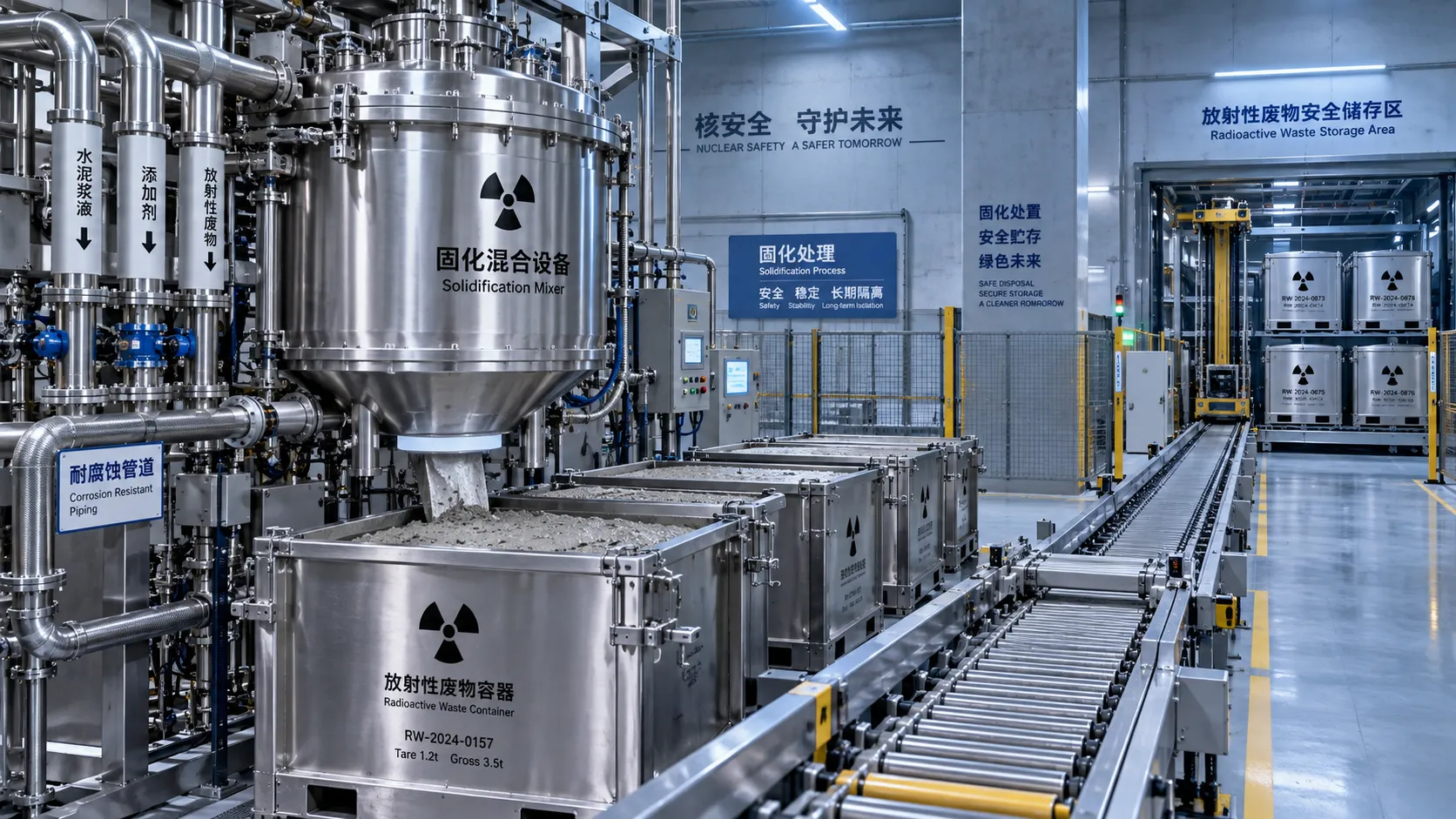
How nuclear plants select a radioactive waste solidification method
Radioactive waste management for nuclear plants: compare vitrification, cementation, polymers, and ceramics to select a compliant, durable solidification solution.
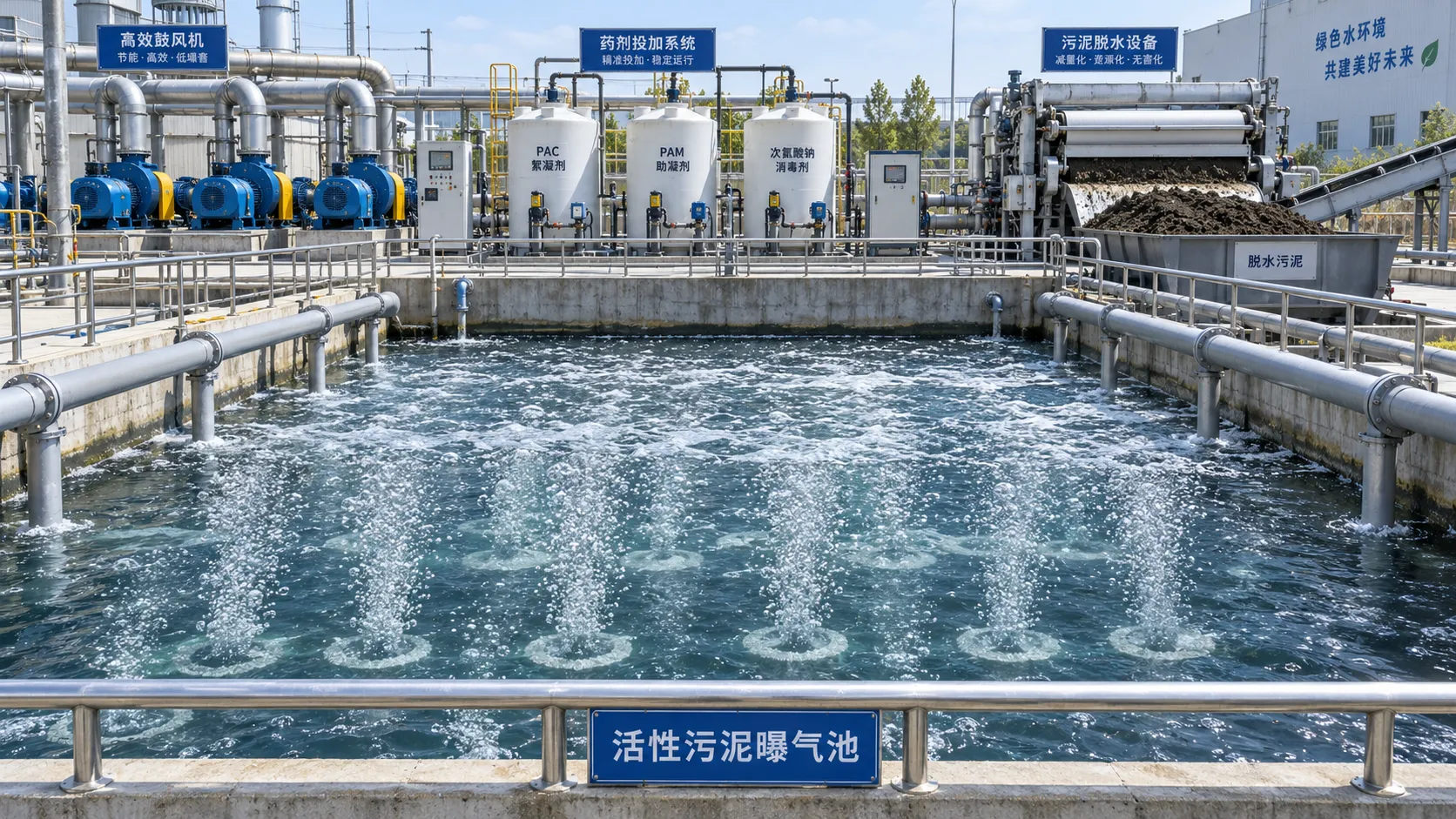
Activated Sludge Cost: Budgeting Energy, Chemicals, Sludge, and Labor
Activated sludge cost explained: compare energy, chemicals, sludge disposal, labor, and compliance risks to build a reliable lifecycle budget.
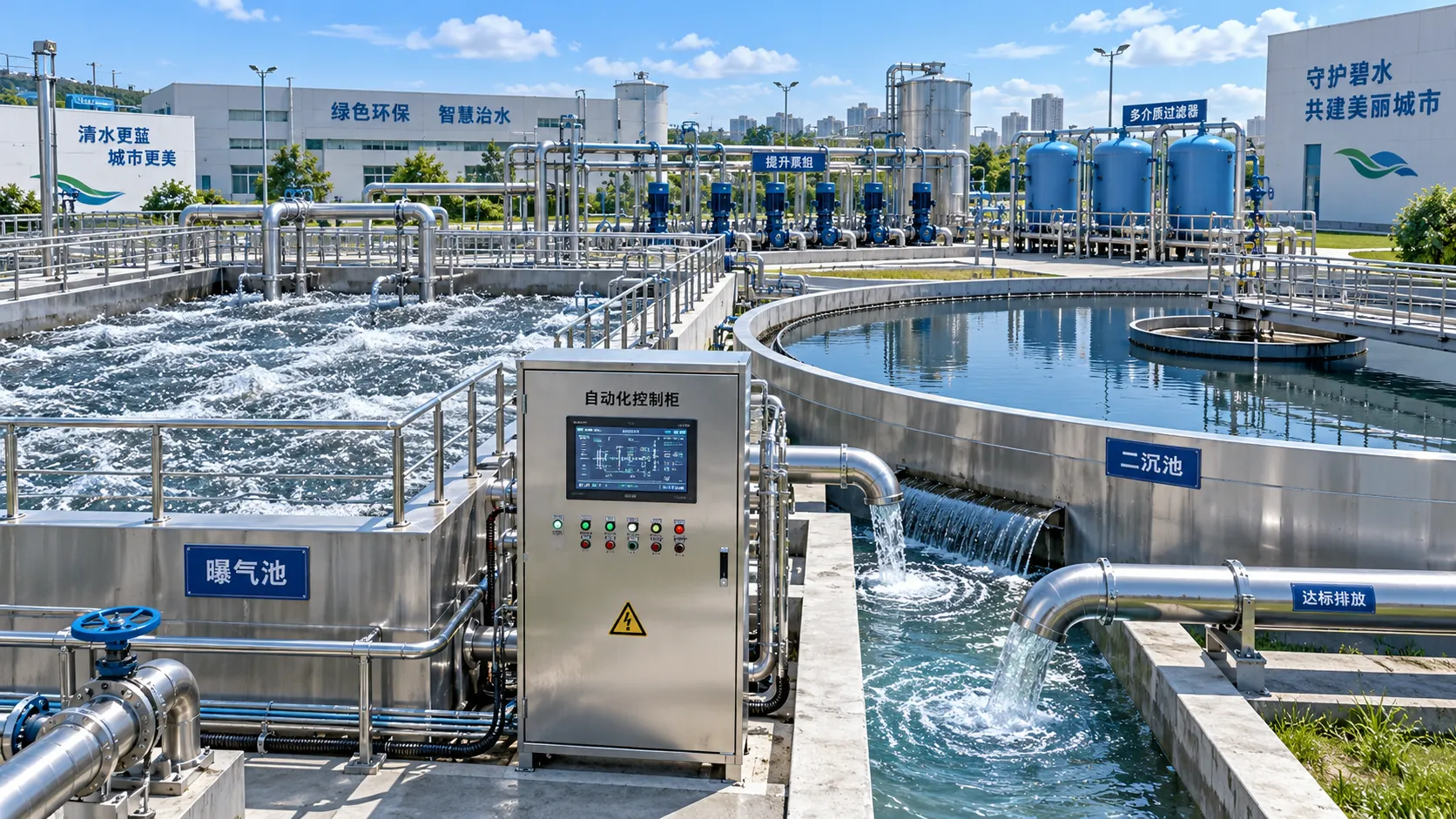
When Should Municipal Wastewater Plants Upgrade Treatment Capacity and Controls?
Municipal wastewater treatment upgrades: learn when capacity, controls, and resilient planning are needed to protect compliance and optimize plant performance.
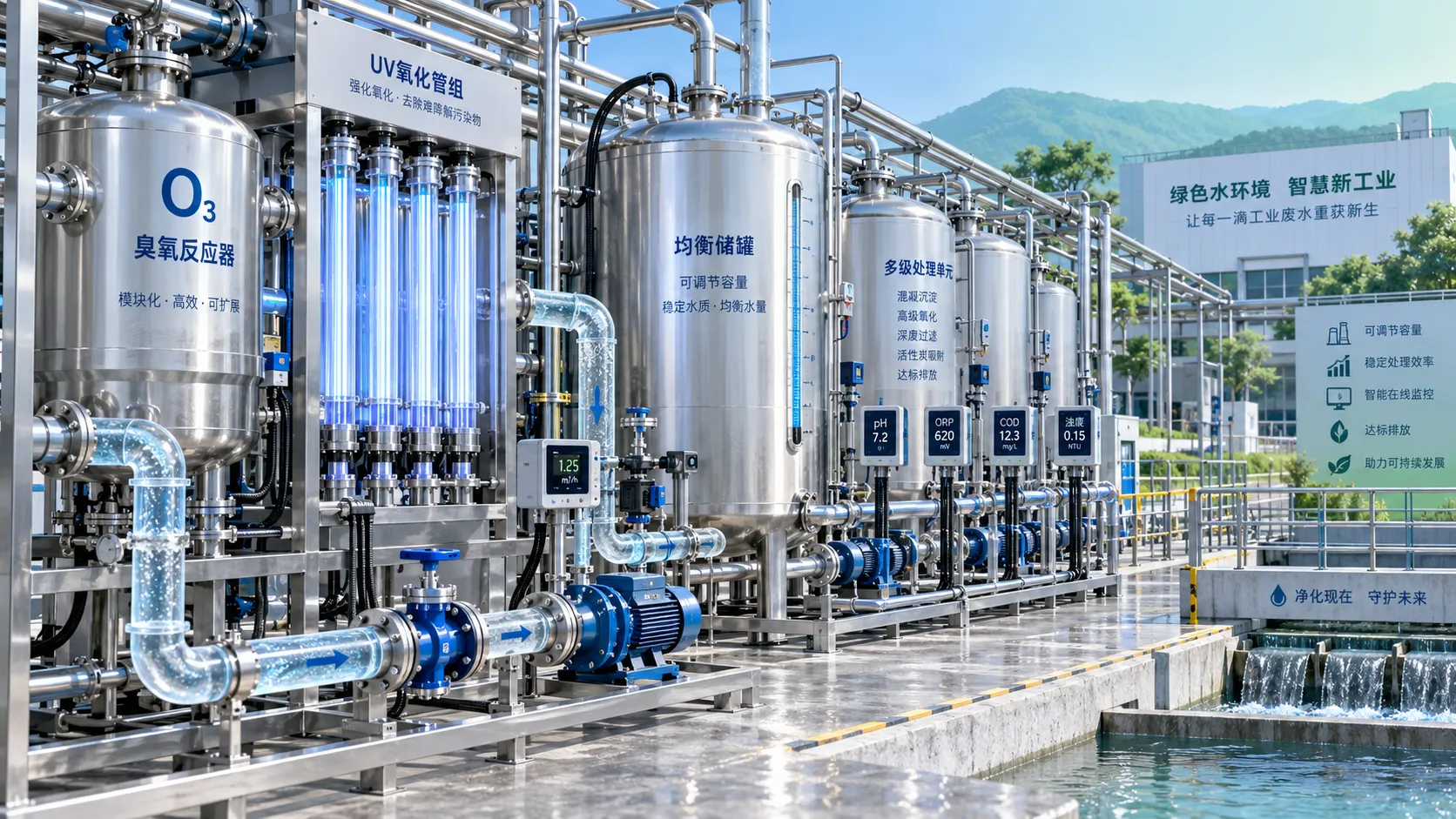
How to size advanced oxidation equipment for variable wastewater loads
Advanced oxidation equipment guide for sizing AOP systems under variable wastewater loads, improving compliance, efficiency, and lifecycle cost control.
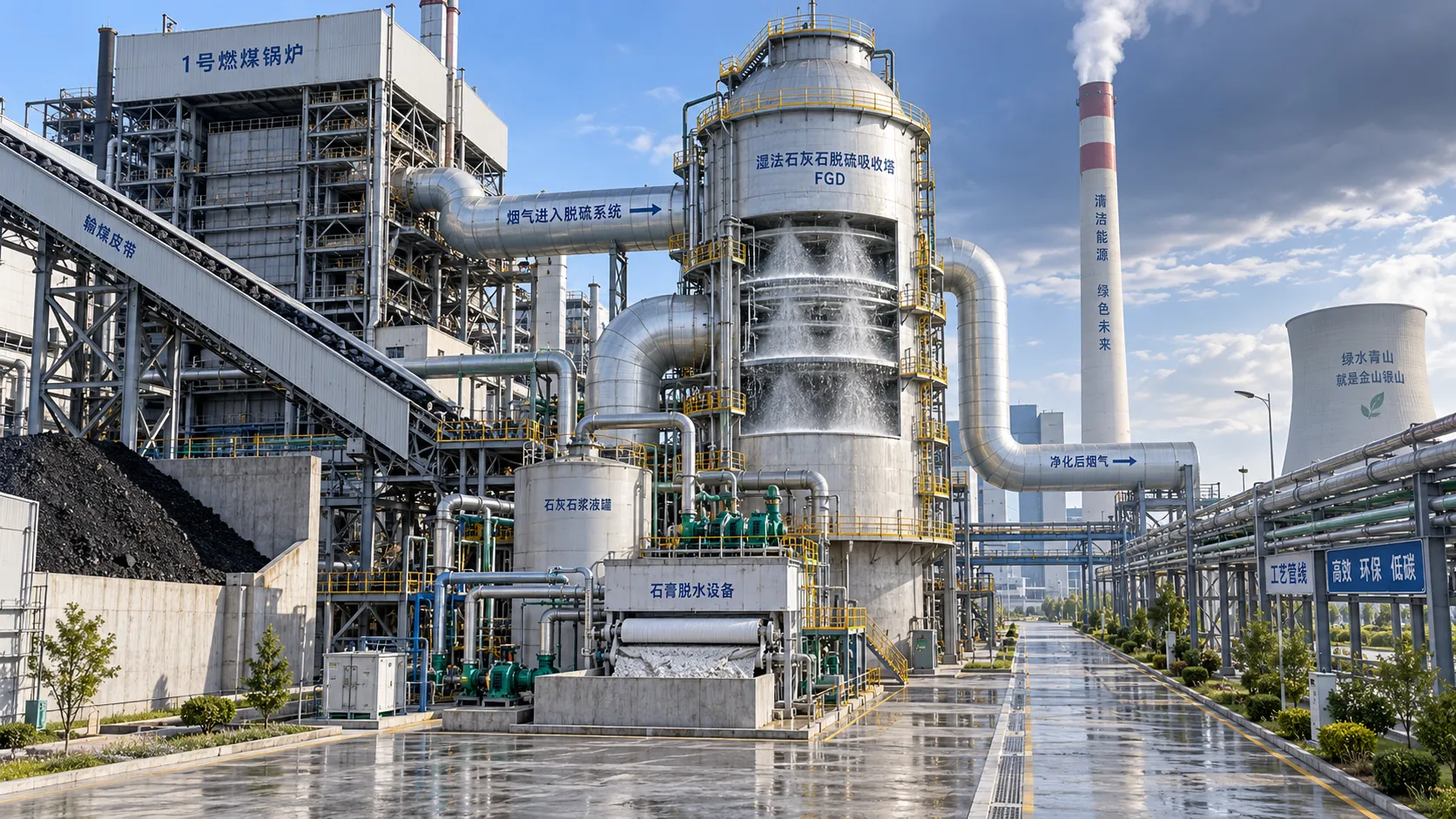
How to select FGD systems for coal boilers based on sulfur content
FGD systems for coal boilers: learn how sulfur content, fuel variability, emissions limits, water, waste, and retrofit constraints guide a compliant, cost-effective scrubber choice.
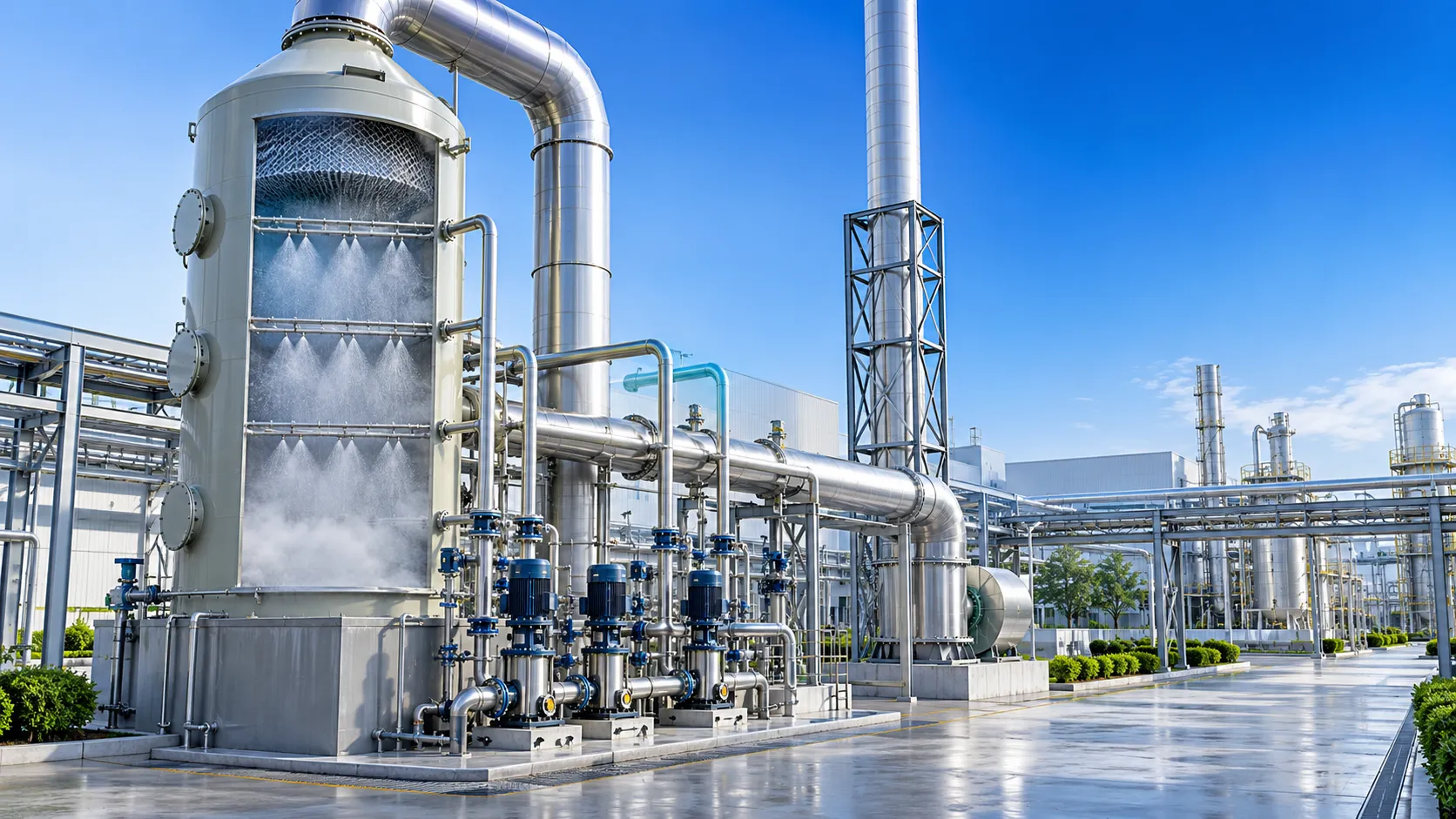
How to size a desulfurization equipment scrubber for variable gas flow
Desulfurization equipment scrubber sizing for variable gas flow: optimize SO2 removal, pressure drop, liquid-to-gas control, and compliance across every load.
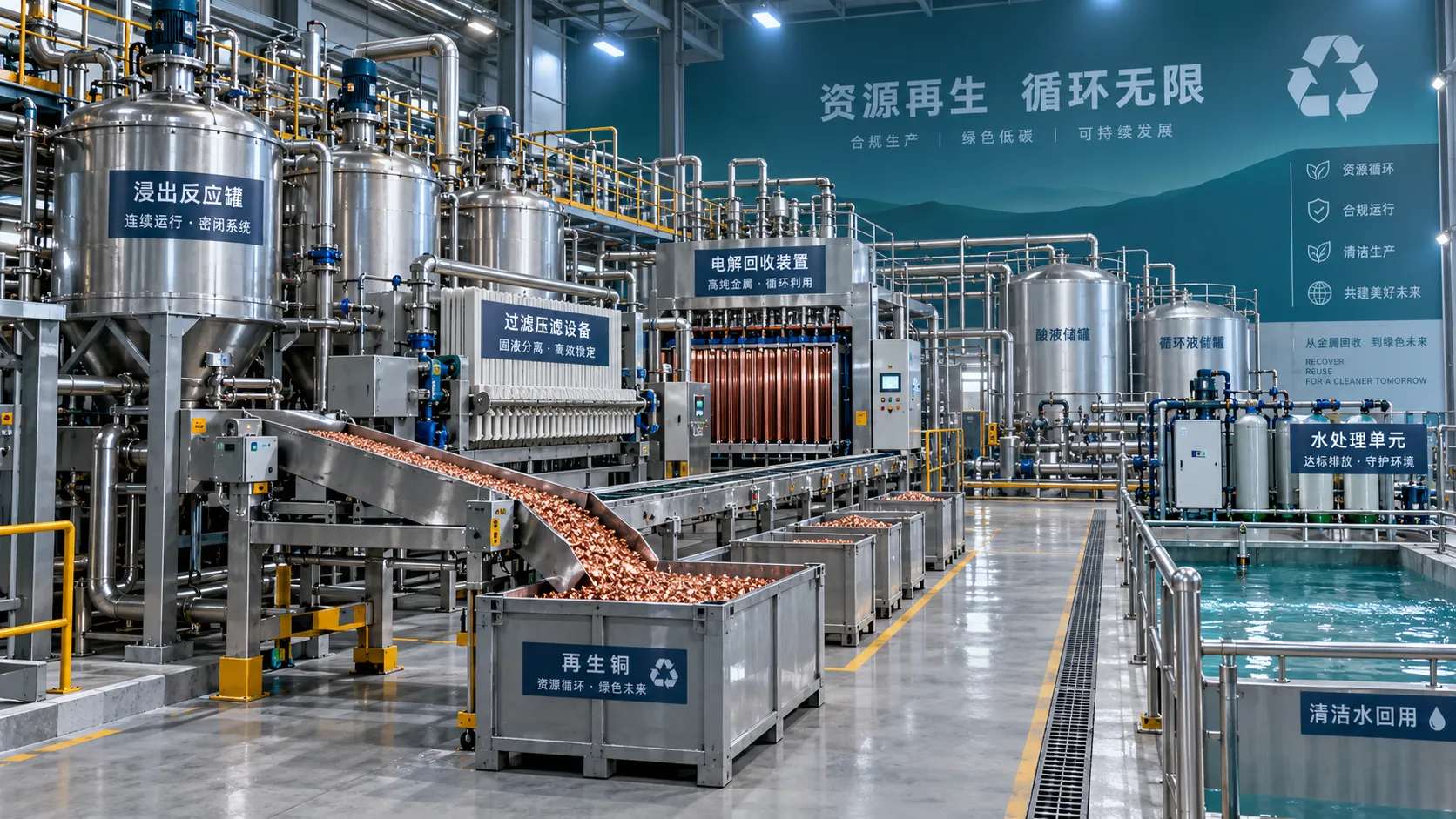
When does repeatable metals recovery infrastructure justify the investment?
Repeatable metals recovery infrastructure: discover when consistent feedstock, lower disposal costs, compliance control, and reliable offtake justify investment.