
Industry News
Curation by industry experts
Hot Articles
Popular Tags
How to Evaluate a Zero Liquid Discharge System Supplier in 2026
Why does supplier selection for ZLD feel harder in 2026?
Choosing a zero liquid discharge system supplier now goes far beyond comparing quotations.
In 2026, the pressure comes from tighter discharge rules, volatile energy costs, and more scrutiny on lifecycle performance.
A weak choice can delay commissioning, raise operating cost, and create compliance exposure years after startup.
That is why the supplier review process needs to combine engineering depth with commercial discipline.
Within ESD’s wider view of ecological infrastructure, ZLD is not an isolated package.
It connects water reuse, waste minimization, energy use, and regulatory resilience across industrial systems.
A capable zero liquid discharge system supplier should therefore prove more than technical capability.
The supplier should show how process reliability, solids handling, automation, and future compliance fit together.
The more complex the wastewater, the less useful generic promises become.
What matters is whether the supplier can translate site chemistry into predictable recovery and stable operation.
What should a zero liquid discharge system supplier actually be able to deliver?
A serious supplier is not just selling an evaporator or crystallizer.
It should deliver a complete process path from pretreatment to final solids management.
In practical terms, that usually includes characterization, piloting, process guarantees, controls, commissioning, and operator support.
Many projects fail because the selected supplier only owned one part of the system boundary.
More common problems include membrane scaling, unstable brine concentration, poor salt quality, and underdesigned sludge handling.
When comparing options, ask whether the zero liquid discharge system supplier has reference plants in similar water chemistry.
Industry similarity alone is not enough.
A mining brine, FGD wastewater stream, textile concentrate, and semiconductor reject flow behave very differently.
The strongest suppliers explain the tradeoffs between thermal and membrane-heavy configurations in plain numbers.
- Can they justify recovery targets against scaling risk?
- Can they define expected steam, power, and chemical consumption?
- Can they state what feed fluctuations the plant can absorb?
- Can they explain residue quantity and disposal route?
If those answers stay vague, the proposal is not mature enough.
Which technical questions separate strong suppliers from risky ones?
This is usually where weak proposals begin to show gaps.
A reliable zero liquid discharge system supplier should be able to defend design assumptions line by line.
That includes feed variability, corrosion strategy, cleaning cycles, turndown limits, and startup logic.
In actual projects, the best technical question is often simple: what breaks first when influent quality drifts?
The answer reveals whether the supplier understands real operating stress.
Another useful test is to compare guarantee language with process complexity.
If recovery, uptime, and discharge quality are promised without feed limits, caution is justified.
The table below helps structure a sharper review.
This kind of comparison is more useful than a long list of brochure features.
How do you compare cost without missing hidden risk?
Lowest capex rarely means lowest project cost.
For a zero liquid discharge system supplier, price should be read together with energy intensity, consumables, spare parts, and labor burden.
A cheaper proposal may rely on tighter operating windows or higher cleaning frequency.
Those costs appear later, usually after acceptance testing is over.
A better method is to ask each supplier for a five-year cost model using the same feed basis.
Keep the assumptions visible and force comparability.
- Annual power and steam demand per cubic meter treated
- Expected membrane replacement or heat transfer cleaning frequency
- Antiscalant, alkali, acid, and defoamer consumption
- Solids disposal cost and transport assumptions
- Unplanned downtime allowance and critical spare parts inventory
This is also where regional policy matters.
Energy pricing, water reuse incentives, and cross-border compliance can shift the preferred design.
ESD’s intelligence perspective is useful here because environmental equipment value increasingly depends on regulatory timing, not equipment alone.
If a supplier cannot connect process design with compliance economics, the evaluation is incomplete.
What commercial and delivery signals deserve closer attention?
Technical fit is essential, but many difficult projects fail on execution.
A zero liquid discharge system supplier should show realistic lead times for major equipment, controls integration, and field services.
In 2026, supply chain certainty still matters, especially for specialty alloys, evaporator components, and automation hardware.
Review the contract structure carefully.
Some suppliers offer attractive base pricing, then move risk into exclusions, utility assumptions, or owner-supplied interfaces.
The more fragmented the responsibility matrix, the harder root-cause resolution becomes.
Useful commercial checks include the following.
- Liquidated damages linked to measurable performance terms
- Named subcontractors for critical process units
- Factory acceptance and site acceptance criteria
- Availability of local service, spare parts, and remote troubleshooting
- Document control quality, including P&IDs, HAZOP inputs, and O&M manuals
When a supplier is strong, these details appear early and consistently.
When the offer is weak, documentation is usually polished at the surface and thin underneath.
What mistakes are common when shortlisting a zero liquid discharge system supplier?
One common mistake is treating all ZLD systems as variations of the same architecture.
They are not.
The right design depends on brine chemistry, recovery target, heat availability, solids specification, and operating philosophy.
Another mistake is overvaluing name recognition.
A large supplier may still be the wrong fit if its strongest references are in cleaner or simpler wastewater streams.
There is also a tendency to undercheck pretreatment.
In many difficult cases, pretreatment quality decides whether downstream thermal units run smoothly or constantly foul.
Finally, some evaluations overlook what happens to recovered solids.
A zero liquid discharge system supplier should clarify whether the output is stable enough for handling, storage, recycling, or disposal.
That question matters across sectors, from desalination rejects to hazardous industrial brines.
The strongest supplier choice usually emerges from a disciplined shortlist, not from the longest vendor list.
So what is the smartest next step before issuing a final decision?
Start by tightening the basis of design.
A zero liquid discharge system supplier can only be compared fairly when feed quality, recovery target, utilities, and residue route are clearly defined.
Then score suppliers on three linked dimensions: technical defensibility, lifecycle cost, and delivery certainty.
That keeps flashy presentations from outweighing plant reality.
Where uncertainty is high, request pilot evidence or a structured validation phase.
That step often saves far more than it costs.
For organizations tracking broader environmental infrastructure shifts, this is also the point to use sector intelligence well.
Signals from water reuse policy, desalination demand, waste recovery economics, and compliance tightening can affect which supplier remains competitive over the asset life.
The best final choice is rarely the easiest quote to approve.
It is the zero liquid discharge system supplier that can prove stable performance, transparent assumptions, and manageable risk after handover.
Before moving forward, refine the evaluation matrix, challenge guarantee boundaries, and align cost models to the same operating basis.
That is usually where confident decisions begin.
Recommended News
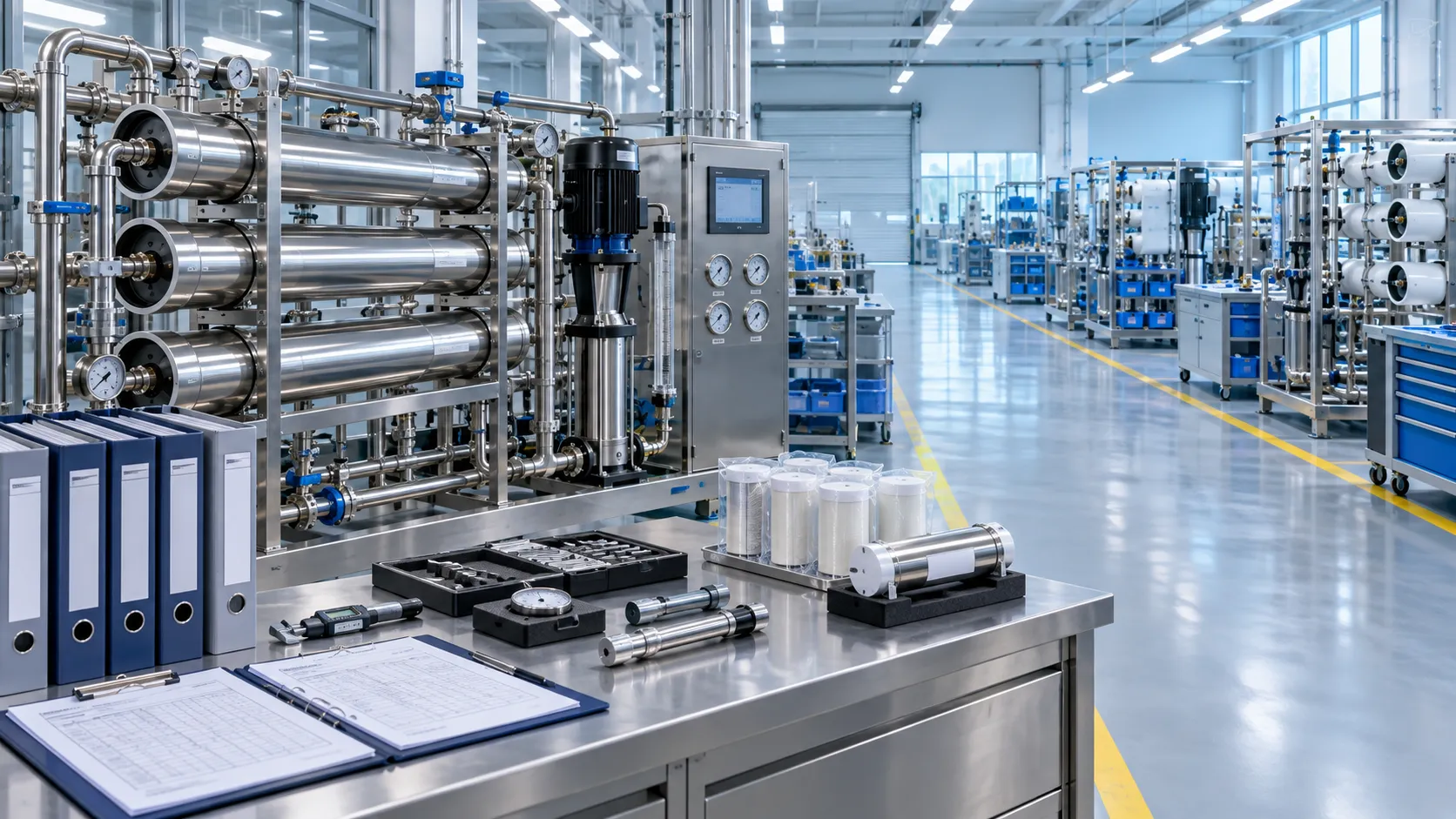
Which supplier evaluation support tools improve audit consistency?
Supplier evaluation support tools improve audit consistency with controlled checklists, evidence capture, risk scoring, CAPA workflows, and traceable approvals. Explore the essentials.
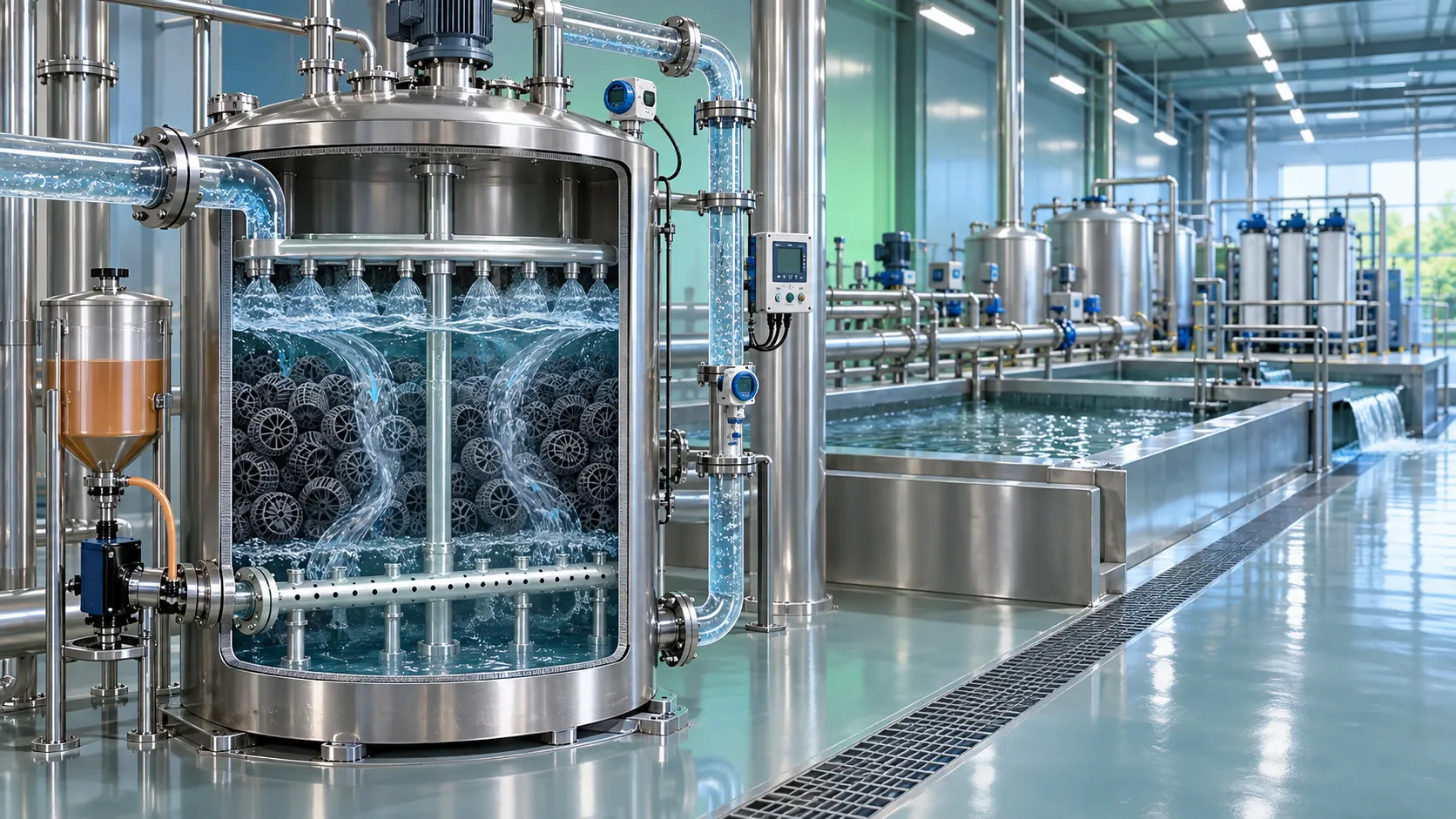
How reactor retention time affects denitrification equipment performance
Denitrification equipment reactor performance depends on retention time, carbon, mixing, and load control. Explore practical insights for reliable nitrogen removal.
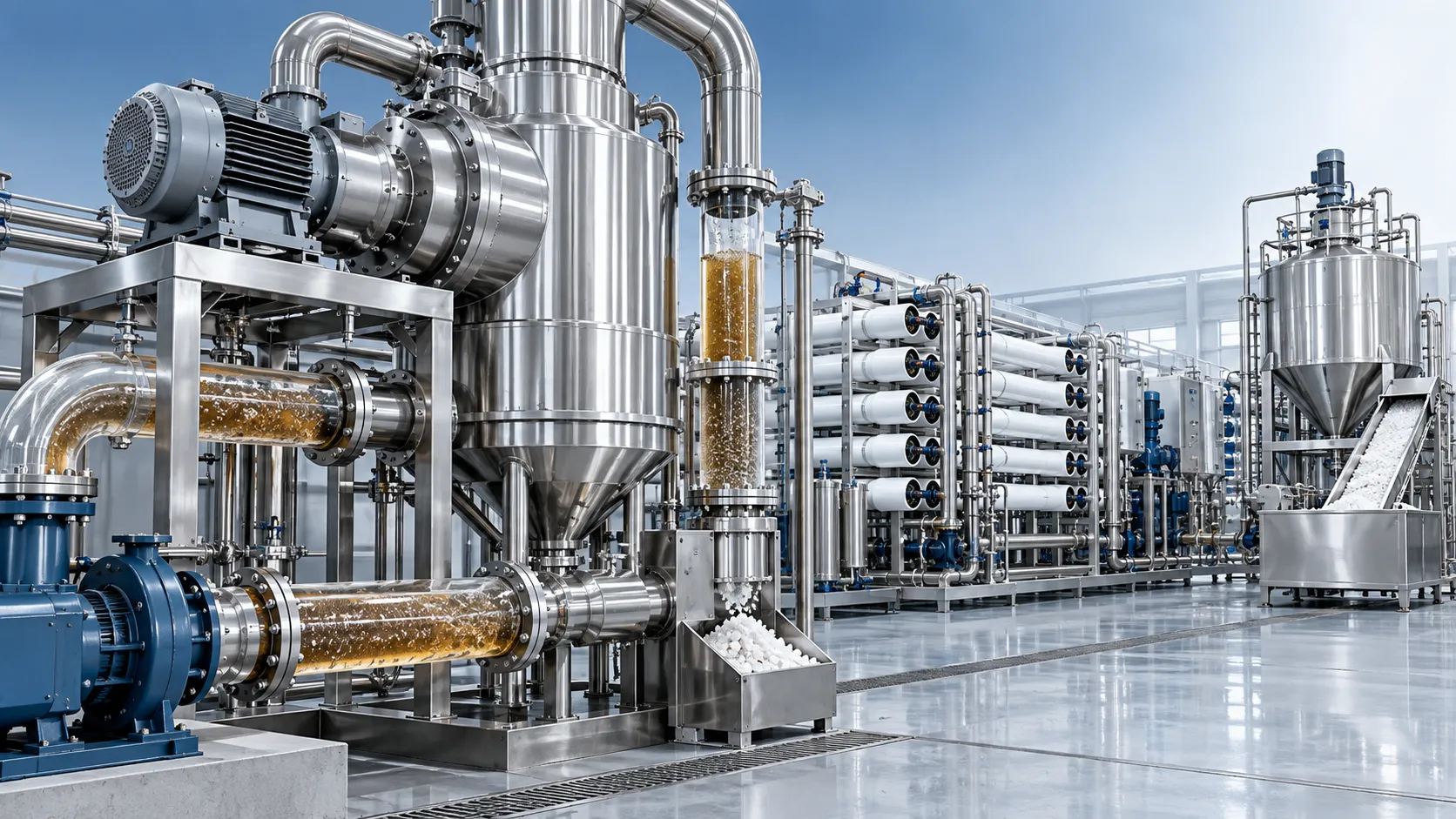
How feed salinity affects energy use in ZLD system brine treatment
ZLD system brine treatment: discover how feed salinity drives energy use, scaling risk, and technology choices for efficient, reliable zero liquid discharge.
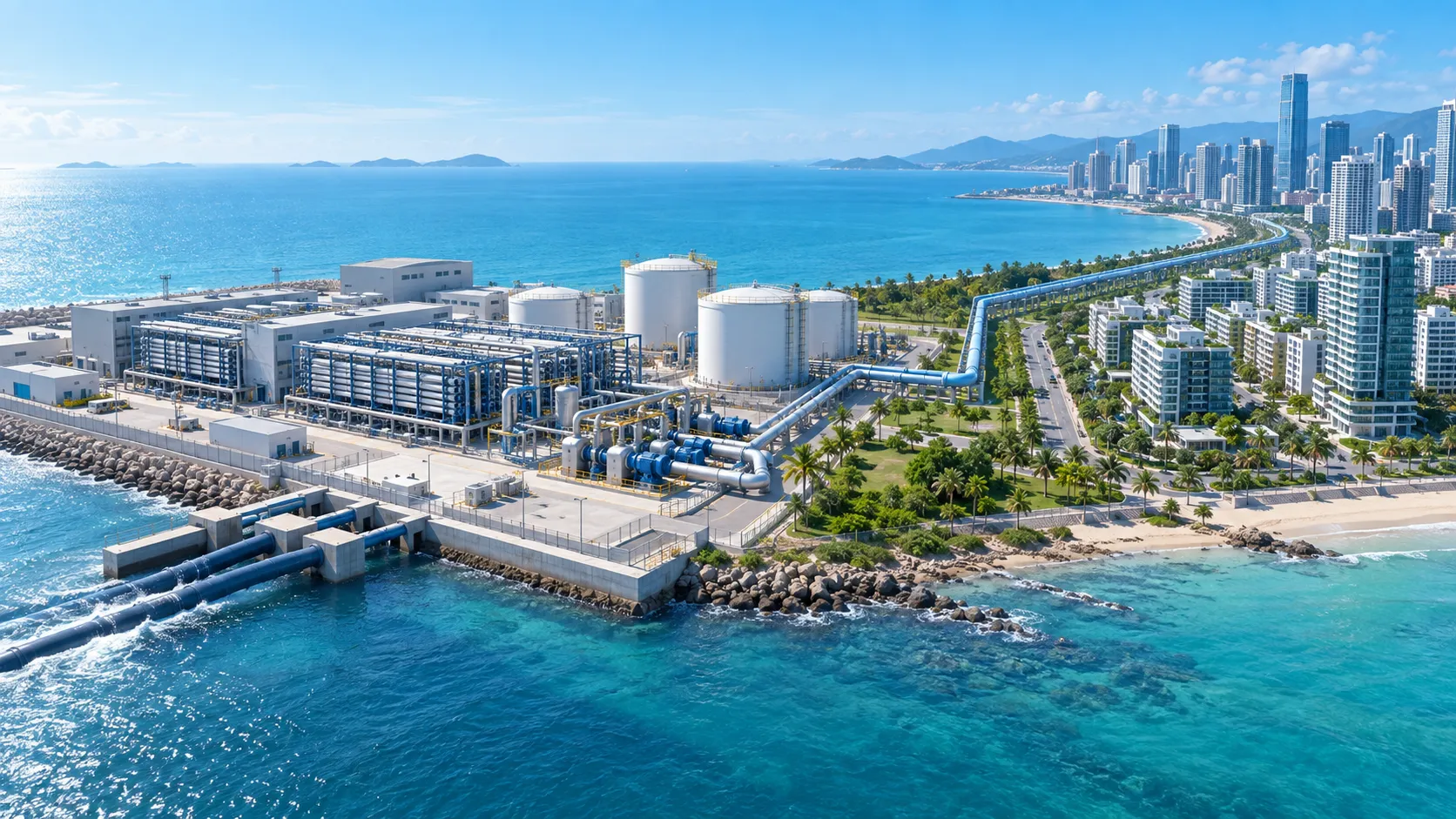
How coastal cities can select desalination solutions for peak demand
Seawater desalination solutions for coastal cities: compare firm peak capacity, intake risk, energy resilience, and lifecycle value to secure reliable water supply.
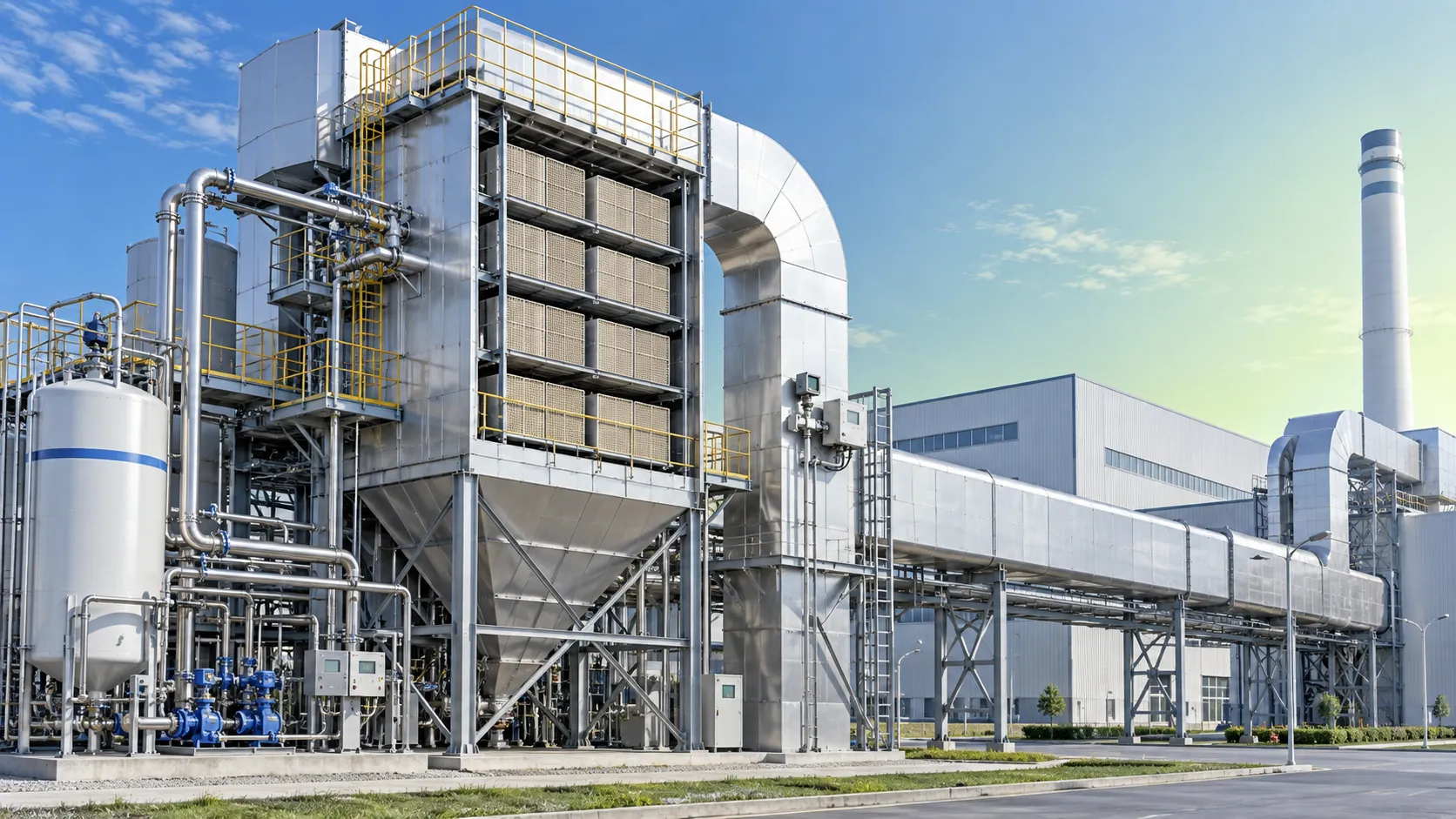
How SCR denitrification systems in Europe meet Industrial Emissions rules
SCR denitrification systems Europe: learn how permit-led design, ammonia-slip control, catalyst management and monitoring support Industrial Emissions compliance.
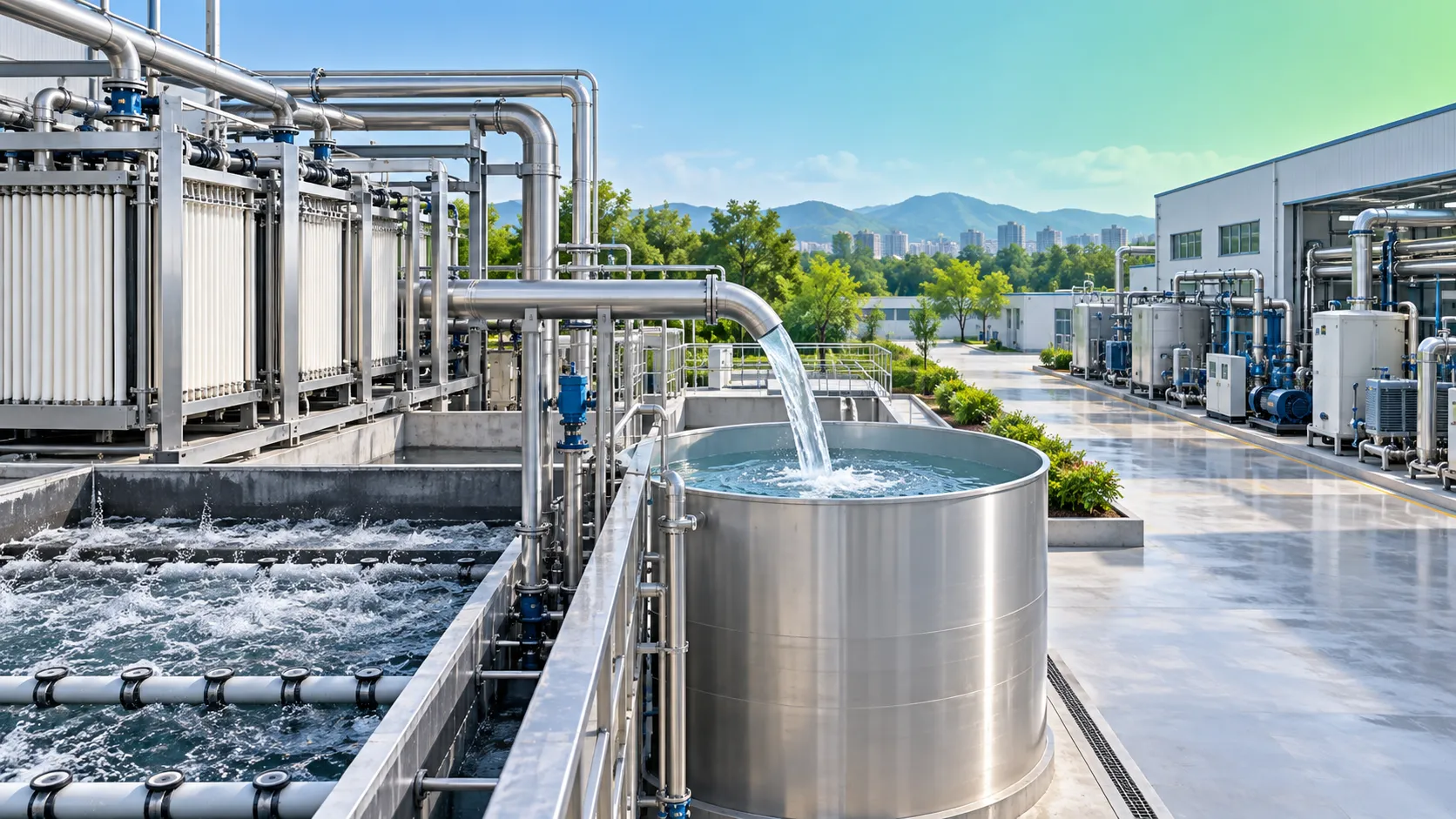
When does MBR equipment make sense for wastewater reuse?
Water treatment equipment for wastewater reuse: learn when MBR delivers compact, reliable low-solids effluent—and when alternative treatment trains offer better value.
How North America shapes global environmental governance standards
Global environmental governance North America: discover how regulation, finance, and procurement raise worldwide standards and reshape environmental projects.

How reactor capacity affects throughput in pyrolysis systems
Pyrolysis systems reactor capacity explained: learn how heat transfer, residence time, feed quality, and emissions controls determine reliable throughput.
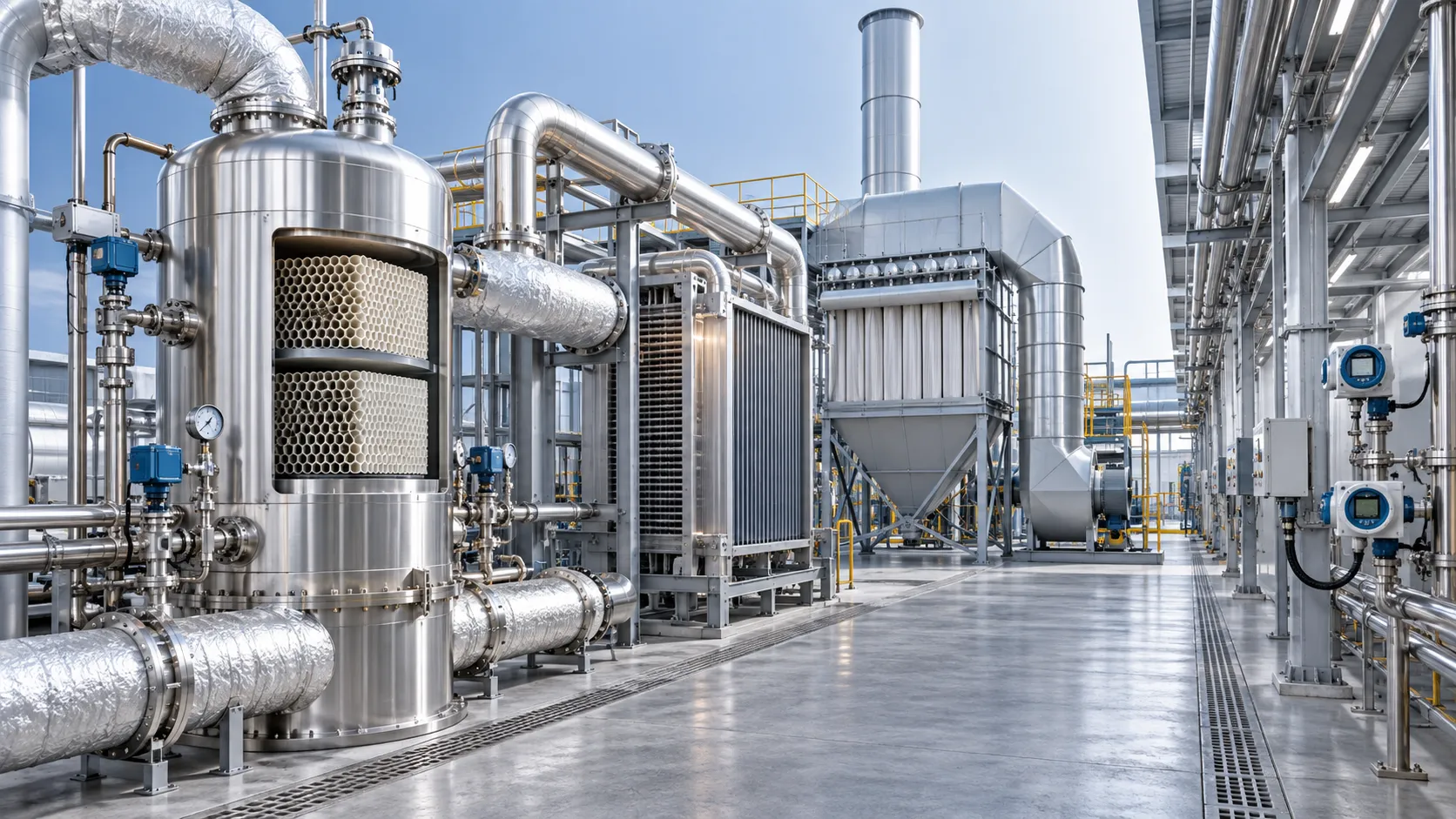
When low-temperature reaction equipment is the right fit for heat-sensitive processes
Low-temperature reaction equipment helps protect heat-sensitive streams, improve energy integration, and maintain reliable conversion. Explore key selection factors today.