
Industry News
Curation by industry experts
Hot Articles
Popular Tags
Flue Gas Scrubbing Choices for Tighter Emissions Limits
Flue Gas Scrubbing Is Moving From Basic Compliance to Strategic System Design
As emissions caps tighten across power, cement, metals, and waste-to-energy sectors, flue gas scrubbing is becoming a board-level engineering issue.
The decision now extends beyond sulfur dioxide removal. It includes acid gases, fine particulates, mercury, chloride load, wastewater, and carbon-linked operating pressure.
For capital-intensive plants, the wrong scrubbing path can lock in water stress, reagent volatility, retrofit delays, and expensive compliance upgrades.
That is why flue gas scrubbing choices must be evaluated as long-horizon risk decisions, not isolated equipment selections.
At ESD, this shift reflects a wider pattern across environmental infrastructure: tighter limits reward integrated designs that connect chemistry, utilities, reliability, and regulatory foresight.
Tighter Emissions Signals Are Reshaping Flue Gas Scrubbing Priorities
Recent rulemaking and permit trends show a clear movement toward multi-pollutant control rather than single-contaminant compliance.
Facilities once designed around SO2 removal are now reassessing flue gas scrubbing for HCl, HF, SO3 mist, heavy metals, and condensable fractions.
Waste-to-energy and hazardous combustion systems face especially complex gas compositions, making simple technology comparisons unreliable.
In parallel, water withdrawal restrictions and wastewater discharge rules are changing the economics of wet scrubber designs.
The result is a more nuanced market for flue gas scrubbing, where site conditions matter as much as nominal removal efficiency.
Why legacy assumptions are losing value
Older projects often assumed stable fuel quality, moderate sulfur variability, and less demanding stack limits.
Today, feedstock swings, co-firing, recycled fuels, and circular-economy inputs create faster chemistry changes inside flue gas scrubbing systems.
That makes controllability, turndown performance, and byproduct handling more valuable than before.
The Main Drivers Behind New Flue Gas Scrubbing Decisions
Several forces are converging at once, and together they are changing how flue gas scrubbing projects are scoped and justified.
- Lower emissions thresholds for SO2, HCl, HF, mercury, and particulate-bound compounds.
- Water scarcity, discharge constraints, and pressure to reduce liquid effluent.
- Fuel and feedstock variability, including biomass blends, alternative fuels, and waste-derived inputs.
- Retrofitting older units with limited footprint, duct layout constraints, and outage windows.
- Need for lower lifecycle cost, not just lower installed cost.
- Rising importance of byproduct management, corrosion control, and digital performance monitoring.
Wet, Dry, and Semi-Dry Flue Gas Scrubbing Each Fit a Different Risk Profile
There is no universal best technology. The right flue gas scrubbing route depends on pollutant mix, water access, space, reagent chain, and compliance headroom.
Wet scrubbing remains strong where deep removal is non-negotiable
Wet flue gas scrubbing often delivers high SO2 and acid gas removal, especially in large power and heavy industrial applications.
It can be attractive where gypsum recovery, established limestone supply, and strong water management infrastructure already exist.
However, wet systems increase attention on wastewater, scaling, chloride buildup, plume control, and corrosion-resistant construction.
Dry scrubbing gains momentum where simplicity and water savings matter
Dry flue gas scrubbing can reduce water dependence and simplify some plant interfaces.
It is often considered in waste combustion, smaller industrial units, and sites with difficult wastewater permitting.
The tradeoff may include reagent consumption, residue handling, and reduced flexibility under extreme pollutant spikes.
Semi-dry systems often balance performance and footprint
Semi-dry flue gas scrubbing, including spray dryer absorber configurations, sits between the two extremes.
These systems can offer solid acid gas control with lower water demand than wet units.
They are frequently evaluated when retrofits need practical installation, moderate complexity, and dependable compliance margins.
The Real Impact Appears Across Utilities, Reliability, and Downstream Handling
Flue gas scrubbing decisions affect more than the absorber itself. They reshape utility demand, maintenance patterns, and waste or byproduct pathways.
A system that looks economical at the equipment level may create hidden burdens in fans, pumps, reheating, solids handling, or wastewater polishing.
In integrated industrial sites, these secondary impacts often determine true project value.
- Energy use may rise through pressure drop, atomization demand, recirculation, or gas reheat.
- Water systems may need pretreatment, reuse loops, blowdown control, or ZLD alignment.
- Residues may require landfill, stabilization, marketable byproduct control, or hazardous classification review.
- Instrumentation quality becomes critical for pH, oxidation, slurry density, and reagent feed response.
For ESD’s wider environmental equipment landscape, this mirrors a larger truth: pollution control now succeeds through system coupling, not standalone machinery.
What Deserves Closer Attention Before Locking a Flue Gas Scrubbing Path
Strong project outcomes usually come from asking better front-end questions, not from comparing vendor datasheets too early.
- What pollutant peaks, not averages, must the flue gas scrubbing system survive?
- How will future limits alter removal margin requirements over ten to fifteen years?
- Is water cost, water access, or wastewater discharge the bigger site constraint?
- Can the plant manage residue quality, gypsum saleability, or dry solids logistics reliably?
- What corrosion mechanisms are likely under startup, shutdown, and upset conditions?
- How much outage time and layout flexibility actually exist for retrofit work?
- Will digital monitoring support predictive tuning and reagent optimization after commissioning?
A Practical Comparison Framework Improves Flue Gas Scrubbing Decisions
The Most Resilient Strategy Is to Design for the Next Rule, Not the Current One
The strongest flue gas scrubbing projects are rarely the cheapest on day one.
They are the ones that preserve compliance margin, utility balance, and operational flexibility when fuels, permits, and economics shift.
That means screening technologies through integrated scenario analysis, not only through guaranteed outlet numbers.
For complex industrial portfolios, combining stack chemistry review, water strategy, materials selection, and digital performance tracking creates a safer roadmap.
A practical next step is to build a site-specific flue gas scrubbing matrix covering pollutant variability, utility constraints, retrofit limits, and future permit sensitivity.
That discipline turns a difficult technology choice into a defensible long-term emissions strategy.
Recommended News
When is cementation suitable for nuclear decommissioning waste?
Explore nuclear waste treatment technology for decommissioning: learn when cementation fits, which risks to assess, and how disposal criteria guide an effective treatment choice.
What determines payback for waste-to-resource systems in Europe?
Assess waste-to-resource systems Europe-wide: compare feedstock, recovery yields, costs and contracts to uncover payback drivers and make smarter investment decisions.
How to verify a water treatment system factory’s production capacity
Verify a water treatment systems factory’s production capacity through records, bottlenecks, component availability, and testing. Learn what to check before accepting a delivery promise.
When does EPC environmental project support reduce delivery risk?
EPC environmental project support engineering reduces delivery risk by aligning design, procurement, compliance, construction, and commissioning decisions.
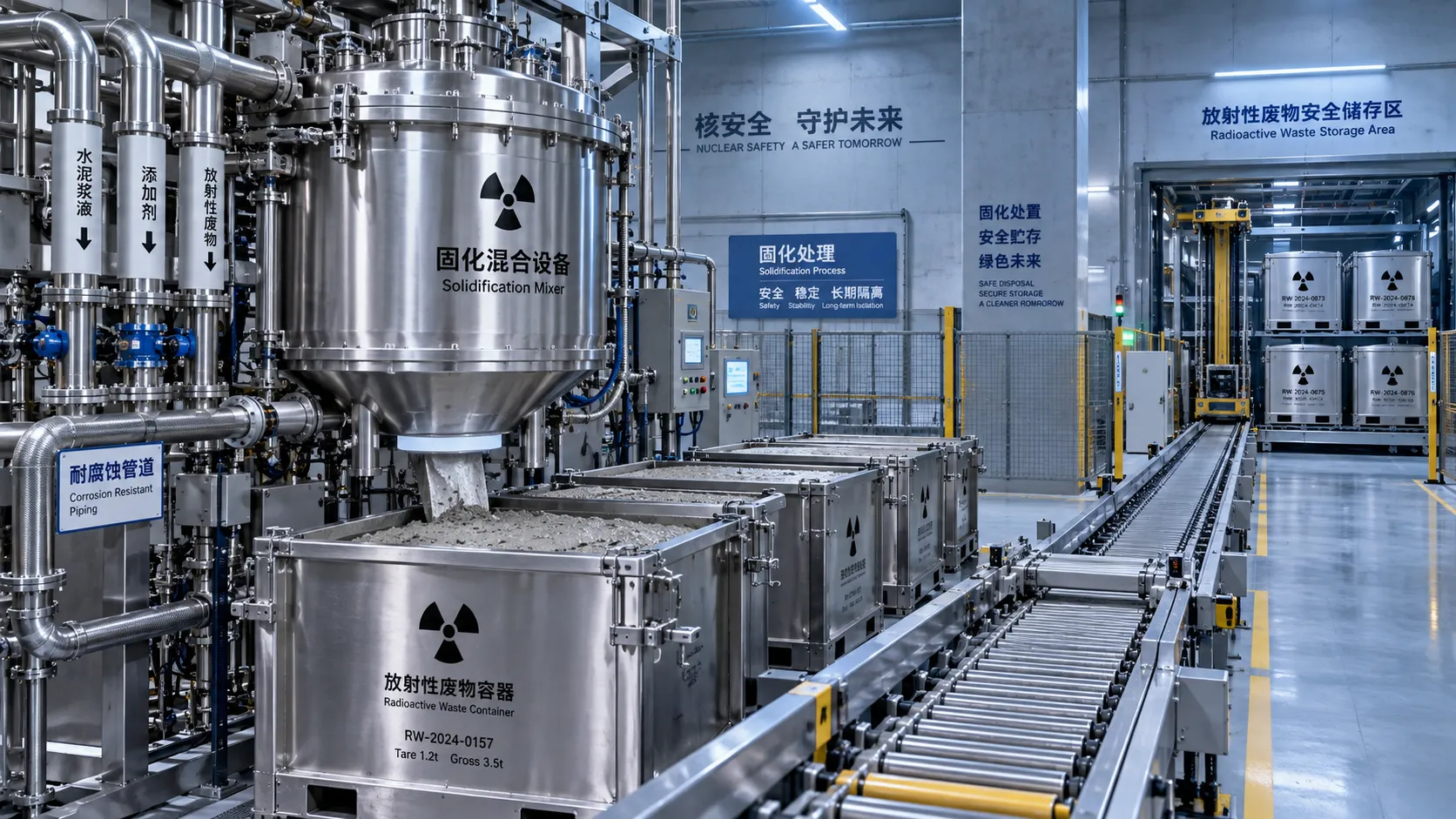
How nuclear plants select a radioactive waste solidification method
Radioactive waste management for nuclear plants: compare vitrification, cementation, polymers, and ceramics to select a compliant, durable solidification solution.
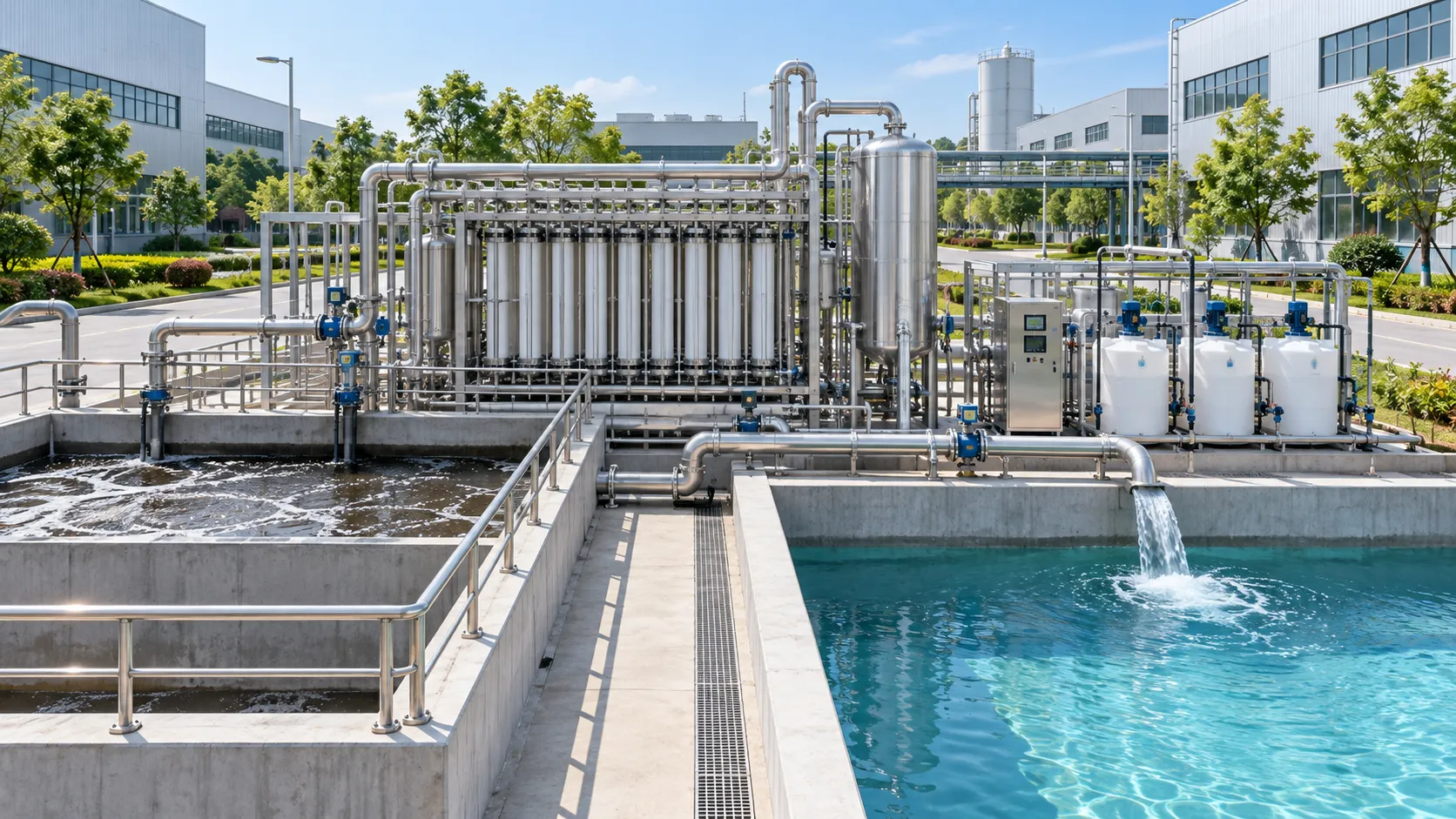
Comparing Upgrade Costs for Industrial Park Wastewater Treatment Systems
Compare costs for wastewater system upgrades in industrial parks with a lifecycle view of CAPEX, OPEX, compliance, resilience, and future expansion.
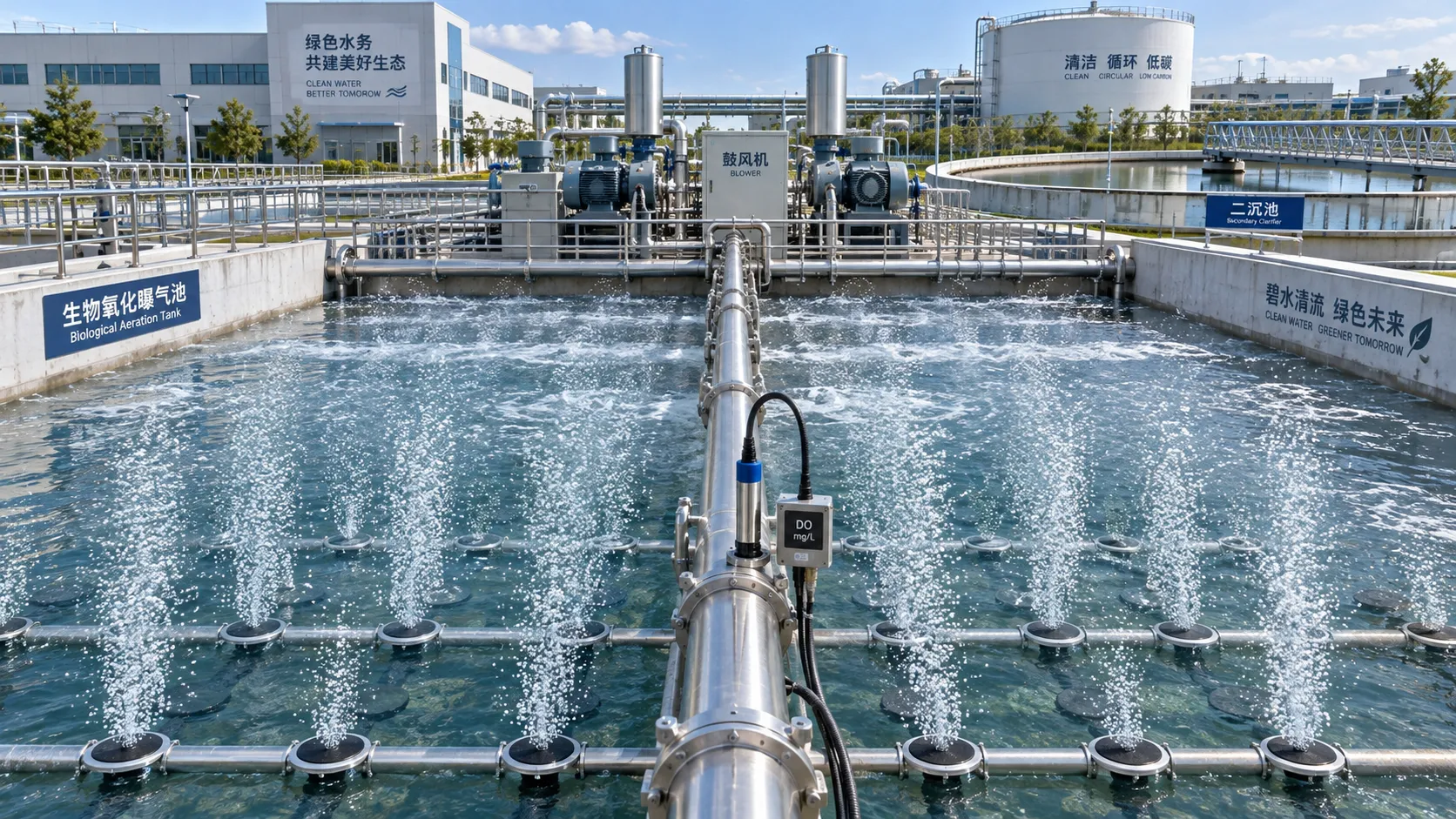
Biological Wastewater Oxidation Explained: Aeration Demand and Process Control
Biological wastewater oxidation explained: optimize aeration demand, DO control, nitrification, and sludge age for stable effluent quality and lower energy costs.
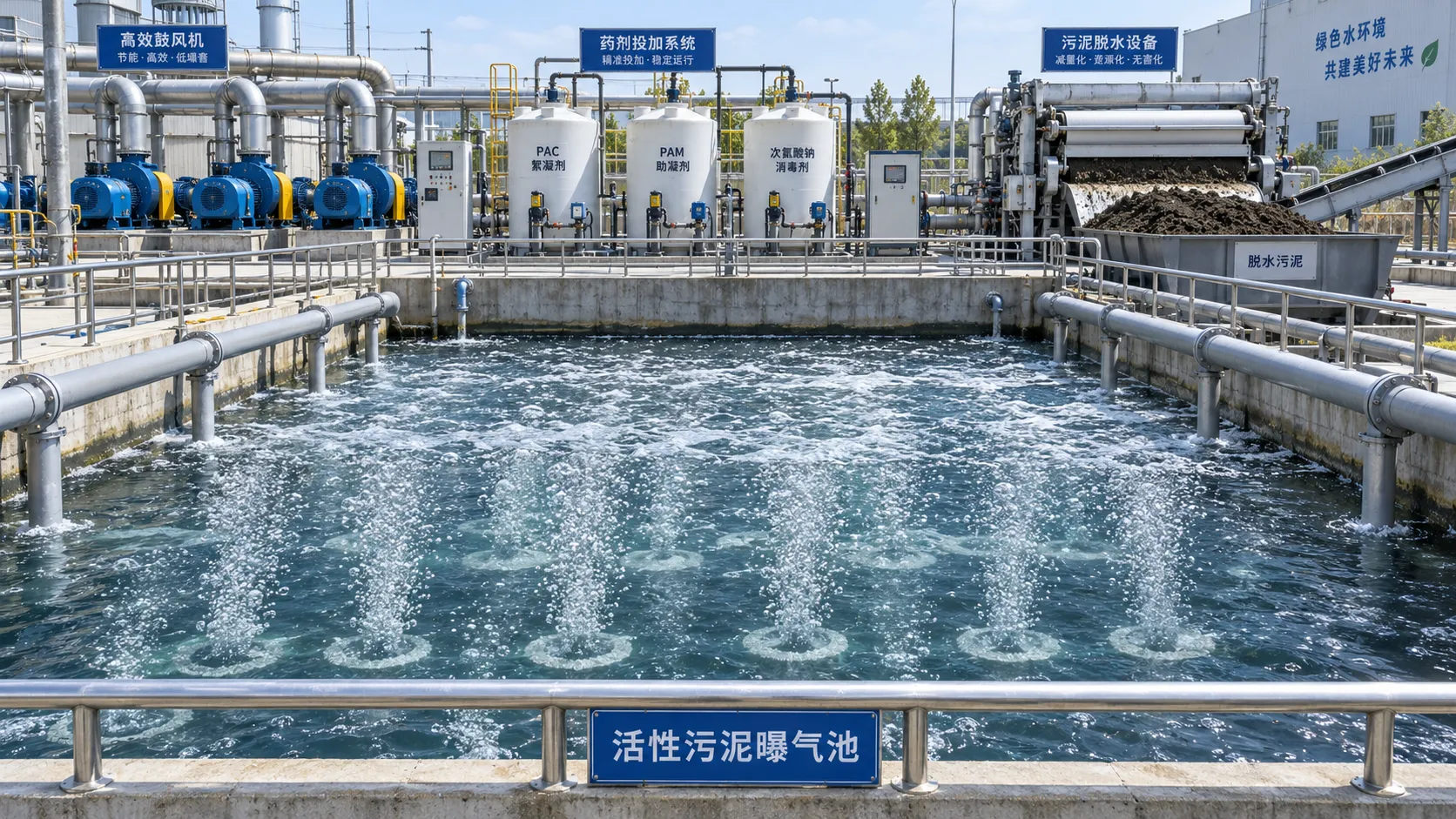
Activated Sludge Cost: Budgeting Energy, Chemicals, Sludge, and Labor
Activated sludge cost explained: compare energy, chemicals, sludge disposal, labor, and compliance risks to build a reliable lifecycle budget.
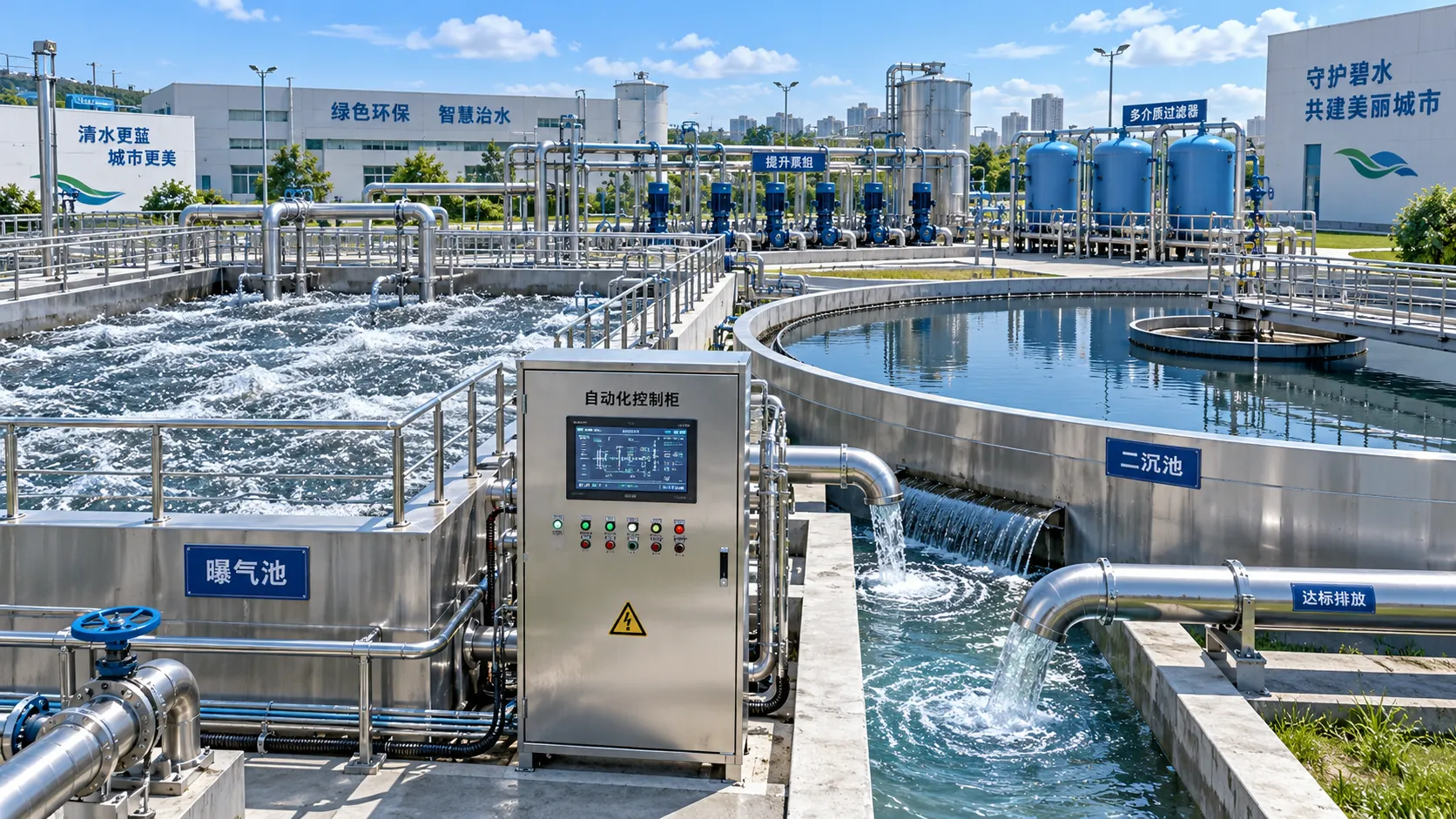
When Should Municipal Wastewater Plants Upgrade Treatment Capacity and Controls?
Municipal wastewater treatment upgrades: learn when capacity, controls, and resilient planning are needed to protect compliance and optimize plant performance.