
Industry News
Curation by industry experts
Hot Articles
Popular Tags
Membrane Filtration Technology: 5 Selection Checks That Prevent Costly Retrofit
For procurement teams, choosing membrane filtration technology is not just a technical decision—it directly affects CAPEX, compliance, uptime, and retrofit risk.
This article explains five practical checks that reduce selection errors, clarify lifecycle cost, and improve project-fit across water treatment and industrial environmental applications.
Why does membrane filtration technology often trigger costly retrofit later?
Retrofit usually starts with a mismatch between design assumptions and actual feedwater behavior.
Many systems are sized around ideal conditions, not seasonal variability, shock loads, or future discharge tightening.
In membrane filtration technology, a small error in fouling tendency or flux expectation can cascade into larger pumps, extra cleaning, and replacement frequency.
This matters across industrial wastewater reuse, municipal polishing, seawater pretreatment, and high-recovery process loops.
The first discipline is simple: buy for the real envelope, not the average day.
Common retrofit triggers
- Feedwater quality swings not captured during pilot work
- Membrane flux chosen too aggressively
- Pretreatment undersized for solids, oil, or biofouling load
- Chemical compatibility overlooked
- Future expansion or compliance upgrades ignored
Check 1: Is the feedwater profile complete enough for membrane filtration technology selection?
A robust feedwater profile is the foundation of membrane filtration technology selection.
Basic TDS and turbidity are not enough.
Selection should examine suspended solids, SDI, oil and grease, organic load, hardness, silica, iron, manganese, oxidants, temperature, and pH variation.
For industrial streams, intermittent contaminants often matter more than average values.
One cleaning solvent upset or batch discharge can damage membrane life assumptions.
What should be verified?
- Minimum, normal, and peak feedwater conditions
- Seasonal shifts in salinity, temperature, and biological activity
- Upset scenarios from upstream production or utility changes
- Required data duration, not just one-time sampling
If the data window is too short, membrane filtration technology appears cheaper than it really is.
That false economy often reappears as pretreatment expansion or emergency membrane replacement.
Check 2: Which membrane process really matches the separation goal?
Not every separation problem needs the same membrane barrier.
Microfiltration, ultrafiltration, nanofiltration, and reverse osmosis serve different contaminant targets and operating economics.
A frequent mistake is selecting a tighter membrane than necessary.
That raises pressure demand, cleaning sensitivity, and energy cost without adding useful value.
Quick process fit logic
- MF: coarse solids and some suspended matter removal
- UF: colloids, bacteria, and stronger pretreatment polishing
- NF: hardness, color, some organics, partial salt rejection
- RO: dissolved salts and high-purity reuse demands
In membrane filtration technology, the right question is not “What is the most advanced option?”
The better question is “What is the minimum barrier needed to achieve performance, compliance, and reliability?”
This approach protects capital discipline while avoiding under-design.
Check 3: How do fouling, cleaning, and pretreatment change total cost?
The true cost of membrane filtration technology is rarely defined by membrane purchase price alone.
It is shaped by fouling rate, cleaning chemistry, downtime, labor, water recovery, and replacement intervals.
A lower-cost membrane can become the expensive option if it needs frequent CIP or loses flux quickly.
Questions that expose hidden lifecycle cost
- What fouling mechanism dominates: scaling, organics, biofouling, or particulates?
- How often is CIP expected under realistic operation?
- Which pretreatment steps are mandatory, recommended, or optional?
- How much flux decline is considered normal before intervention?
- What membrane life is proven in similar duty, not laboratory conditions?
In high-concentration wastewater, membrane filtration technology may need stronger upstream solids control than expected.
In desalination pretreatment, stable SDI control may determine downstream RO life more than the membrane brand itself.
Good selection compares the whole train, not one cartridge, module, or skid.
Check 4: Can the system handle compliance shifts and expansion later?
Environmental compliance is becoming stricter across reuse, discharge, resource recovery, and water security projects.
Membrane filtration technology should be selected with tomorrow’s limits in mind, not only current permit language.
That includes tighter conductivity targets, lower organics, pathogen reduction, or higher recovery expectations.
Future-proofing signals
- Modular expansion without major civil rework
- Pump and piping allowances for staged upgrades
- Control logic ready for changing operating windows
- Compatibility with added polishing or concentrate treatment
Retrofits are often expensive because the original plant left no hydraulic, electrical, or spatial margin.
A slightly more thoughtful membrane filtration technology layout can preserve flexibility for years.
Check 5: What supplier evidence proves real-world membrane filtration technology performance?
Claims should be validated with comparable case history, pilot evidence, and operating references.
A polished brochure cannot replace proven data from similar feedwater, recovery, and uptime targets.
For membrane filtration technology, reference quality matters more than reference quantity.
Evidence worth requesting
- Pilot reports with raw and normalized performance data
- Membrane life records from similar industrial duties
- CIP frequency and chemical consumption benchmarks
- Sensitivity analysis for feedwater swings
- Service response capability and spare parts lead times
This is especially important in strategic sectors such as desalination, ZLD, resource recovery, and advanced industrial reuse.
Equipment intelligence should connect membrane performance with operational resilience and compliance continuity.
How can membrane filtration technology options be compared quickly?
FAQ: What are the most common questions before selection?
What is the practical next step before committing?
Build a structured comparison sheet using the five checks above.
Score each membrane filtration technology option on feedwater fit, separation logic, pretreatment burden, upgrade flexibility, and proven evidence.
Then compare total lifecycle impact, not just skid price.
For complex environmental projects, this disciplined review reduces uncertainty and protects long-term asset performance.
Membrane filtration technology delivers strong value when selected against real operating conditions, realistic maintenance patterns, and future compliance pressure.
The best decision is the one that works reliably before a retrofit ever becomes necessary.
Recommended News
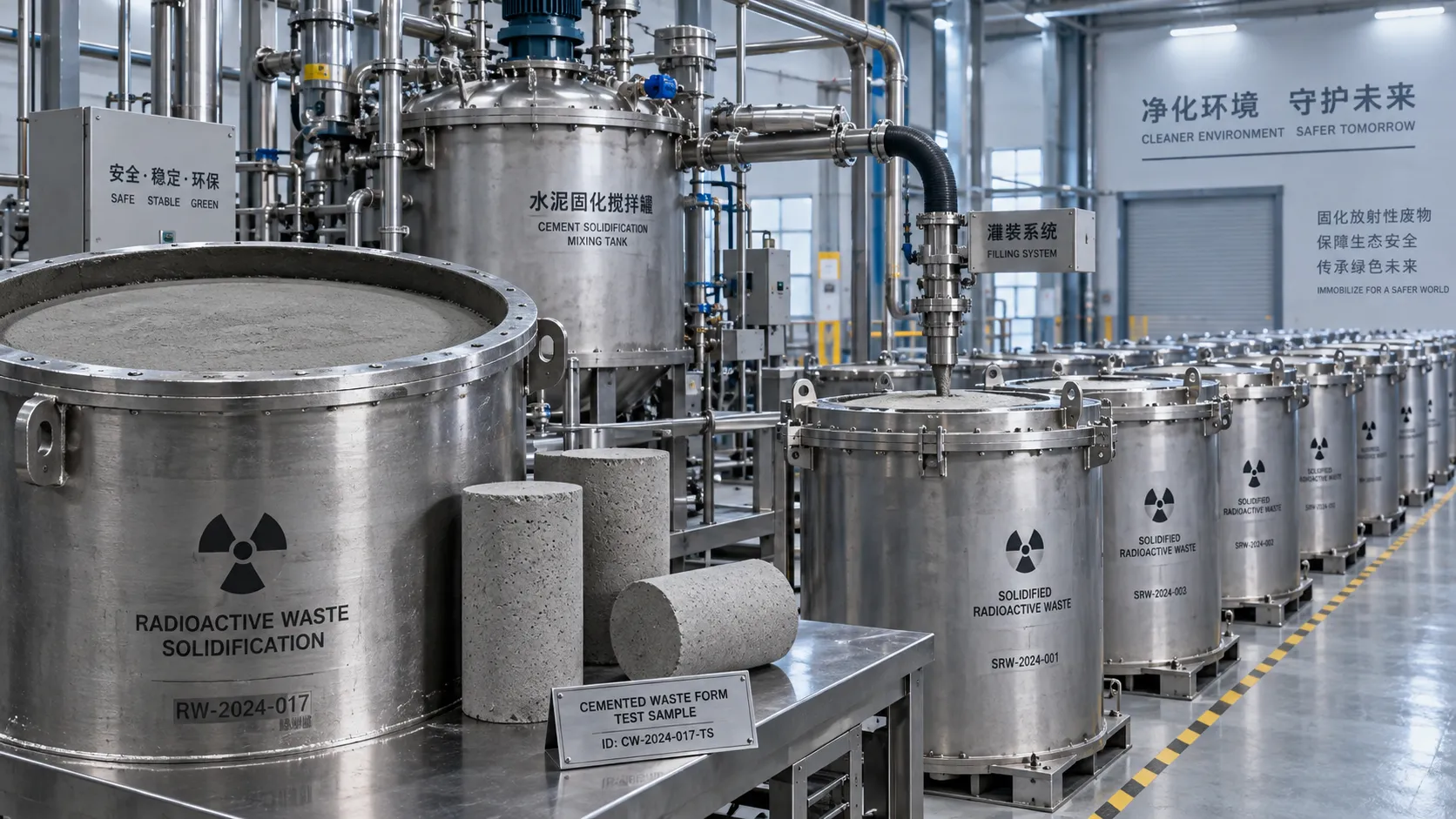
When is cementation suitable for nuclear decommissioning waste?
Explore nuclear waste treatment technology for decommissioning: learn when cementation fits, which risks to assess, and how disposal criteria guide an effective treatment choice.
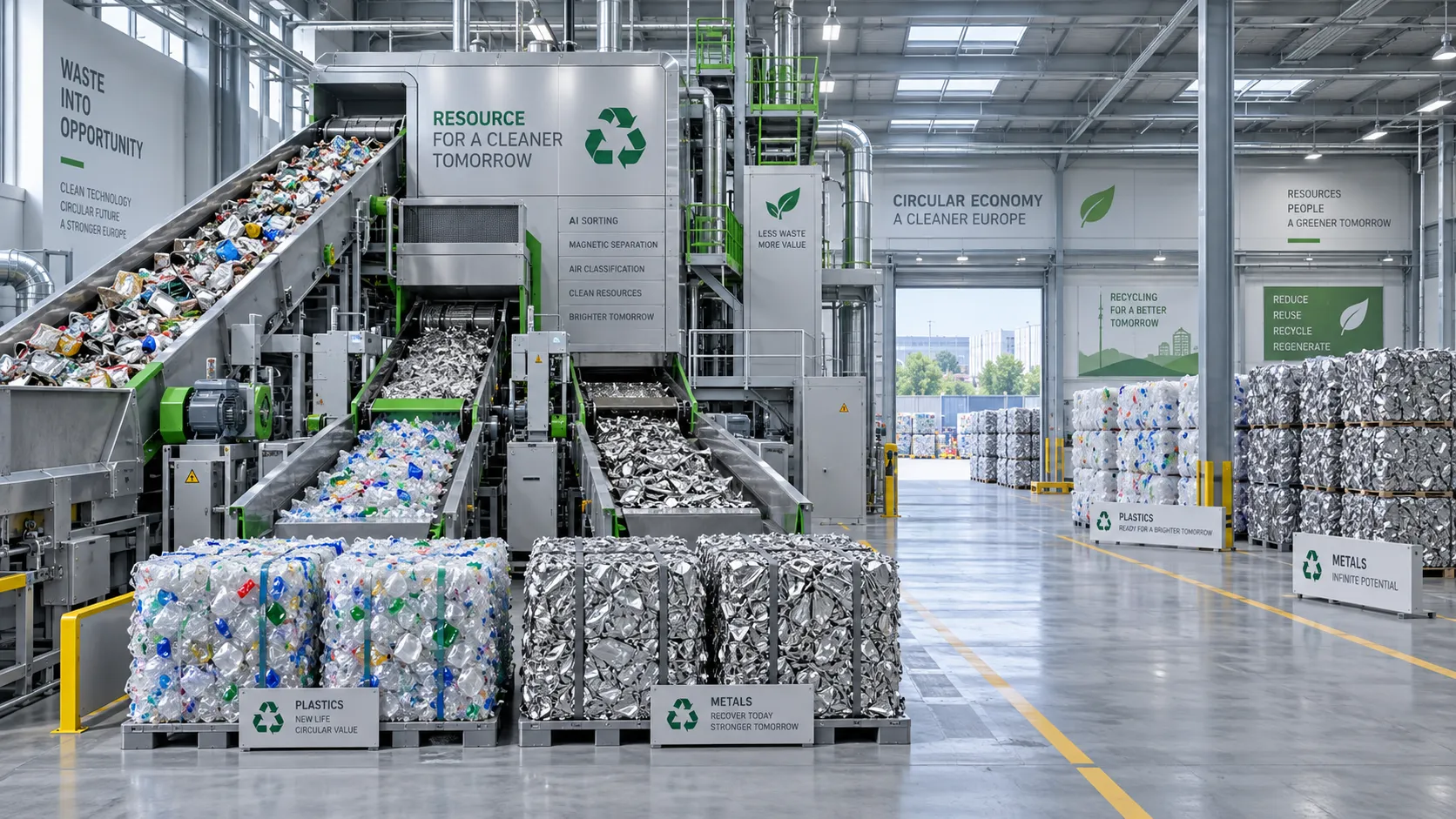
What determines payback for waste-to-resource systems in Europe?
Assess waste-to-resource systems Europe-wide: compare feedstock, recovery yields, costs and contracts to uncover payback drivers and make smarter investment decisions.
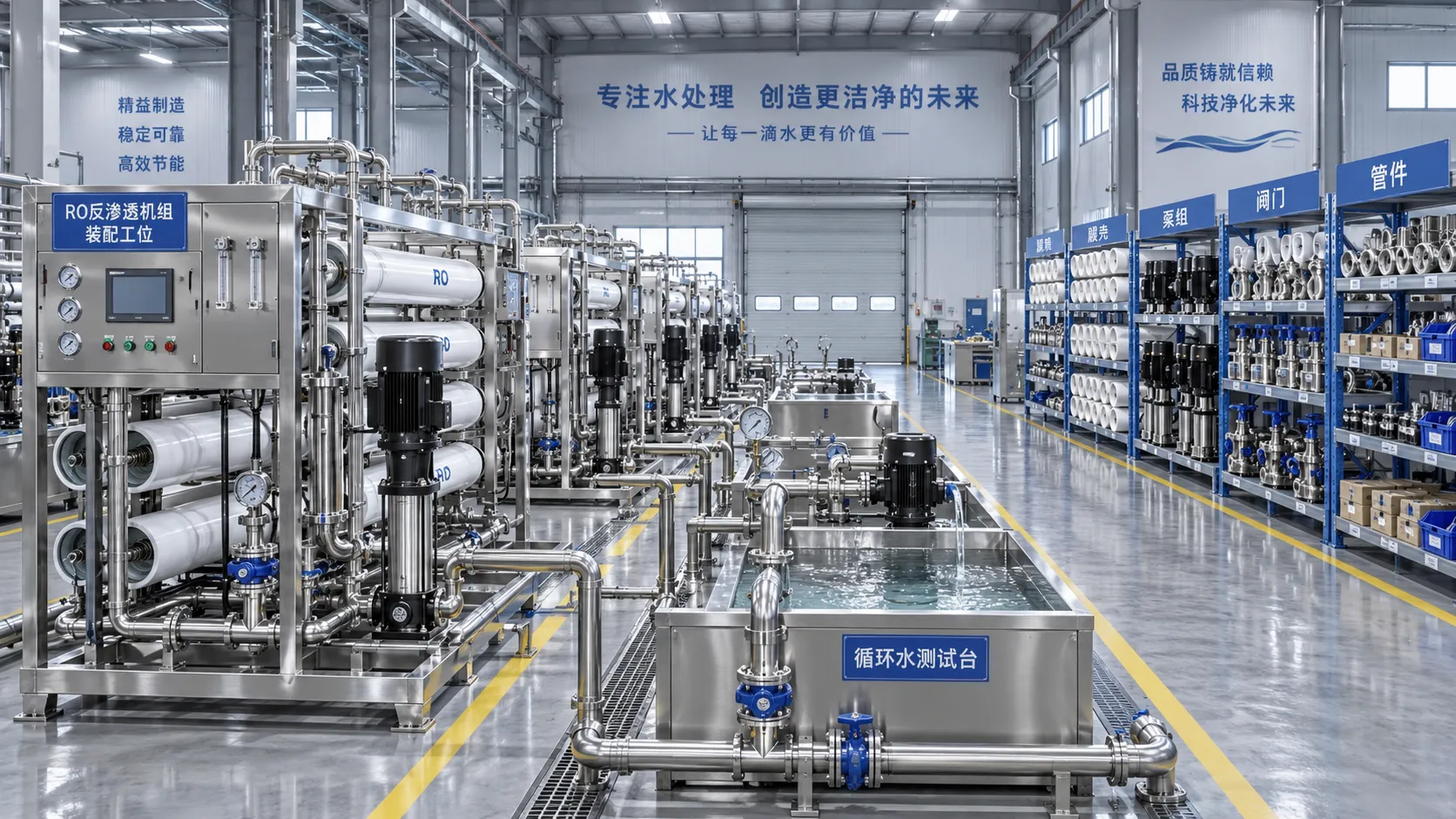
How to verify a water treatment system factory’s production capacity
Verify a water treatment systems factory’s production capacity through records, bottlenecks, component availability, and testing. Learn what to check before accepting a delivery promise.
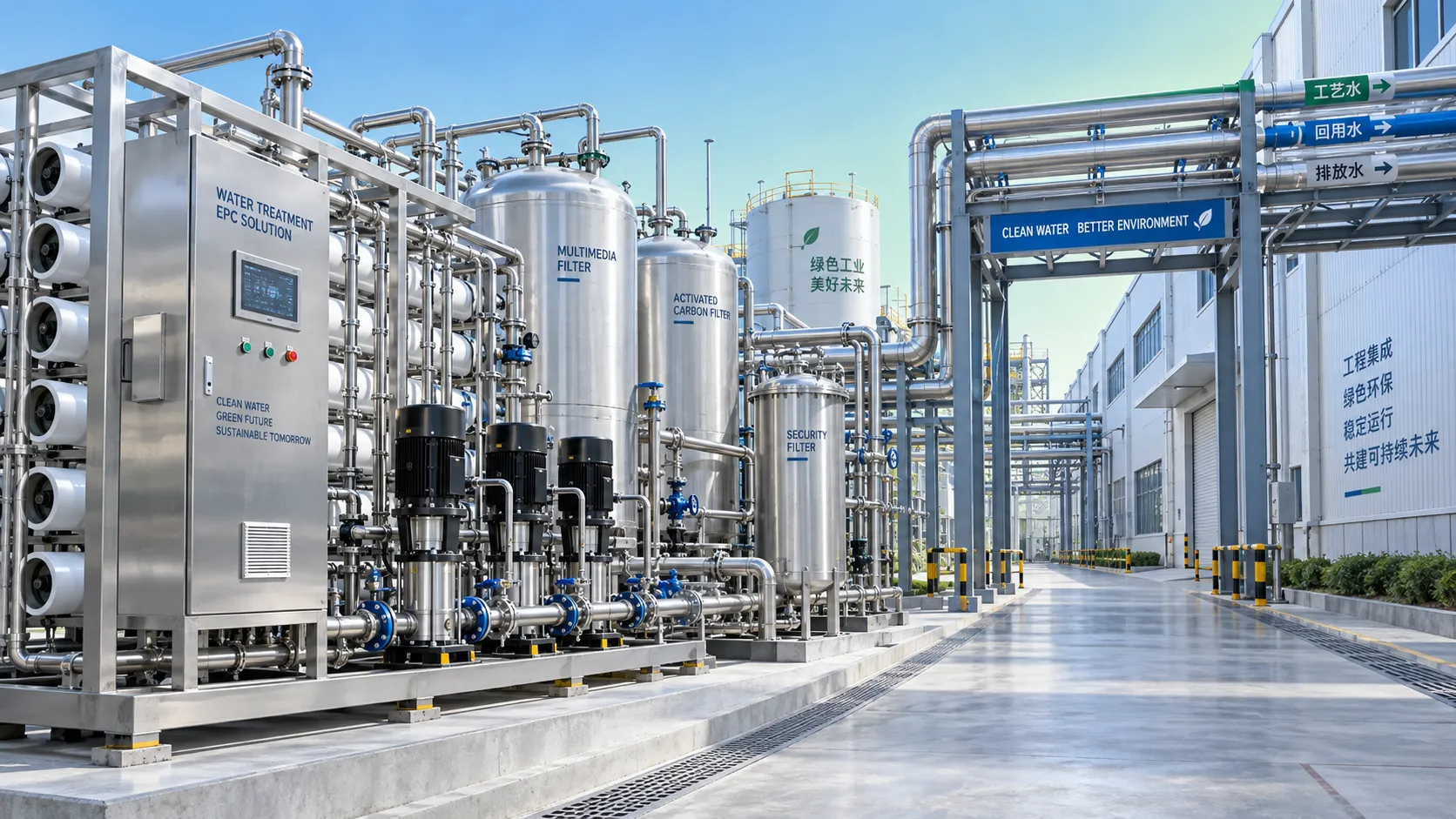
When does EPC environmental project support reduce delivery risk?
EPC environmental project support engineering reduces delivery risk by aligning design, procurement, compliance, construction, and commissioning decisions.
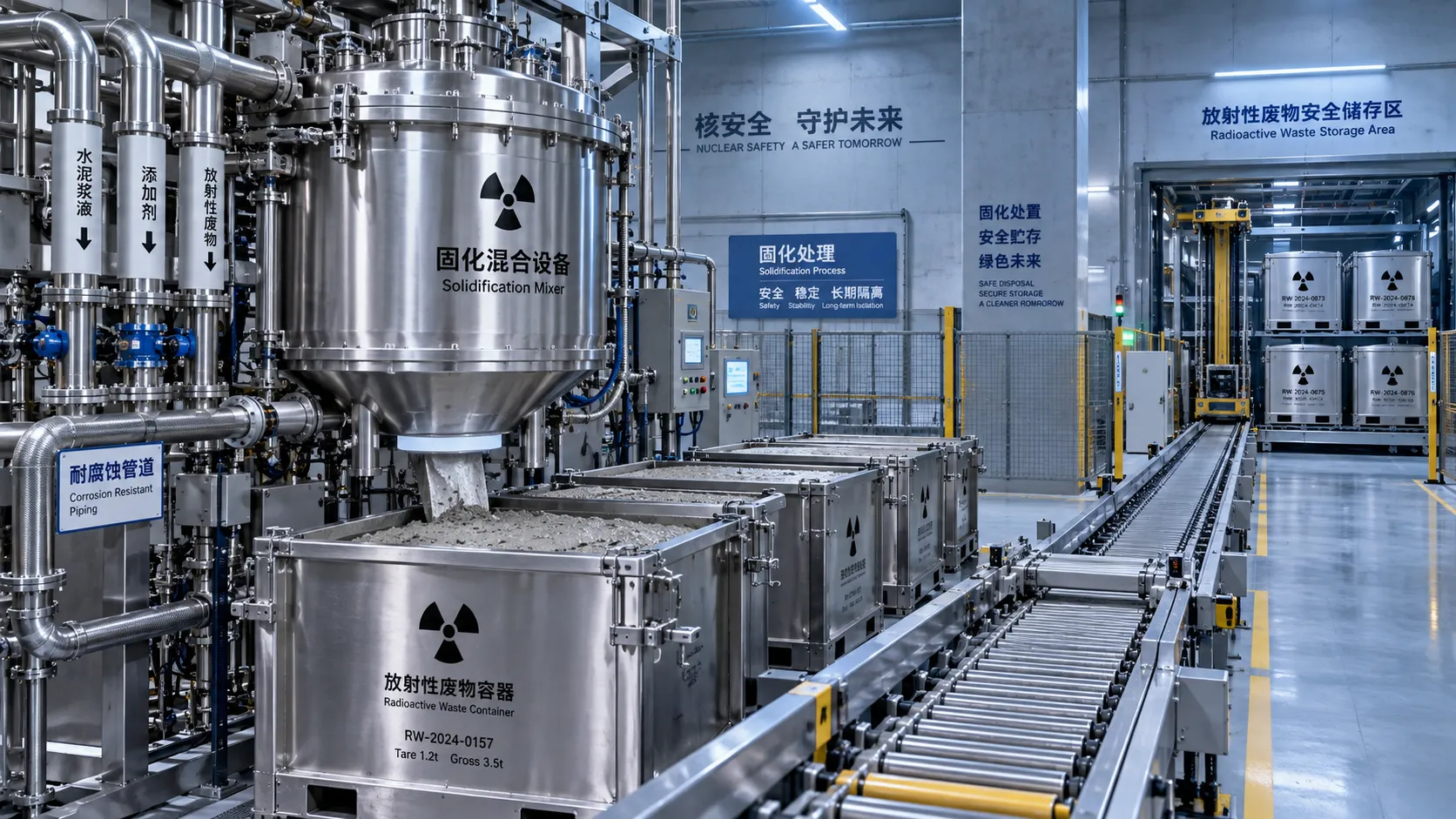
How nuclear plants select a radioactive waste solidification method
Radioactive waste management for nuclear plants: compare vitrification, cementation, polymers, and ceramics to select a compliant, durable solidification solution.
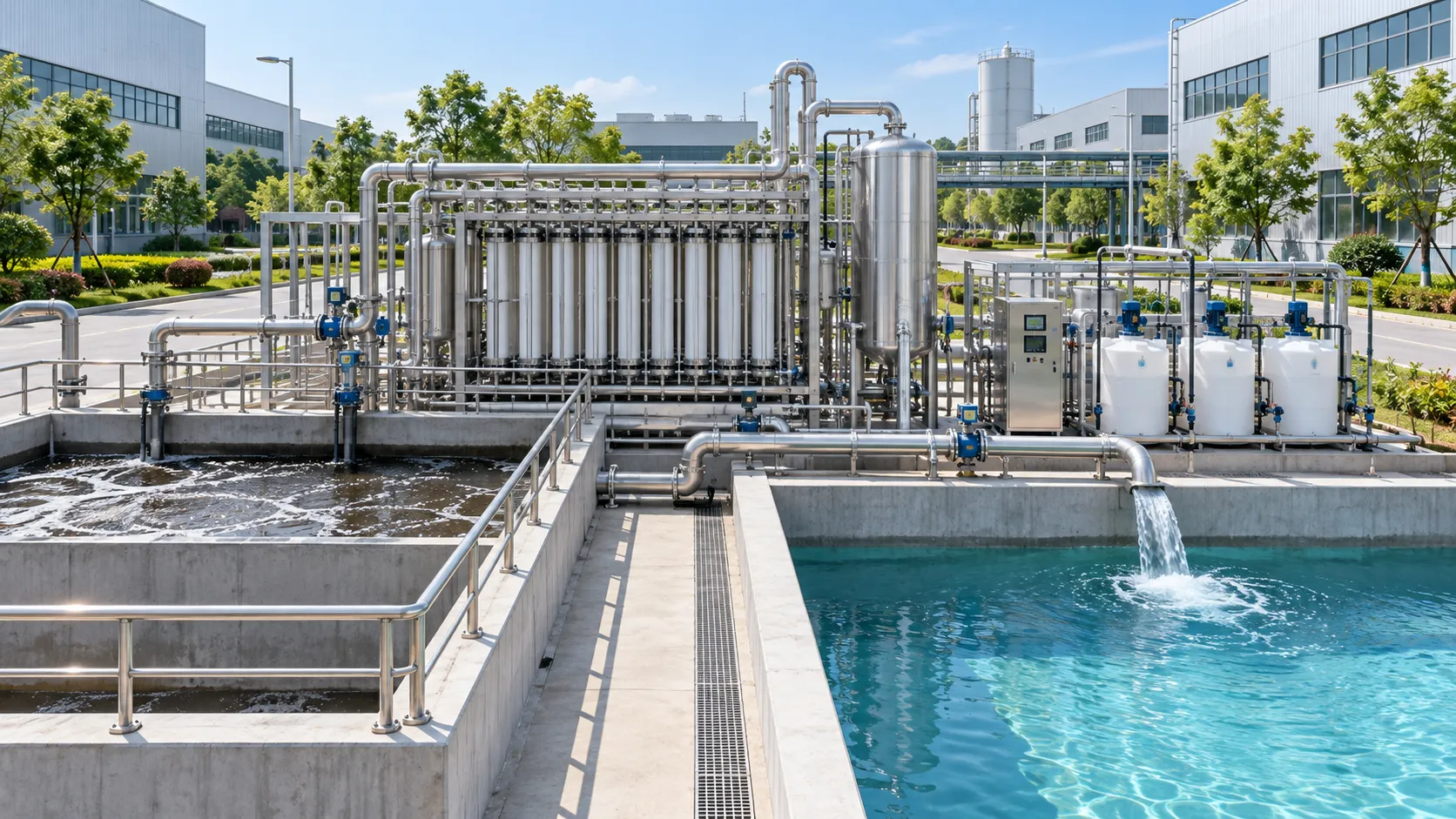
Comparing Upgrade Costs for Industrial Park Wastewater Treatment Systems
Compare costs for wastewater system upgrades in industrial parks with a lifecycle view of CAPEX, OPEX, compliance, resilience, and future expansion.
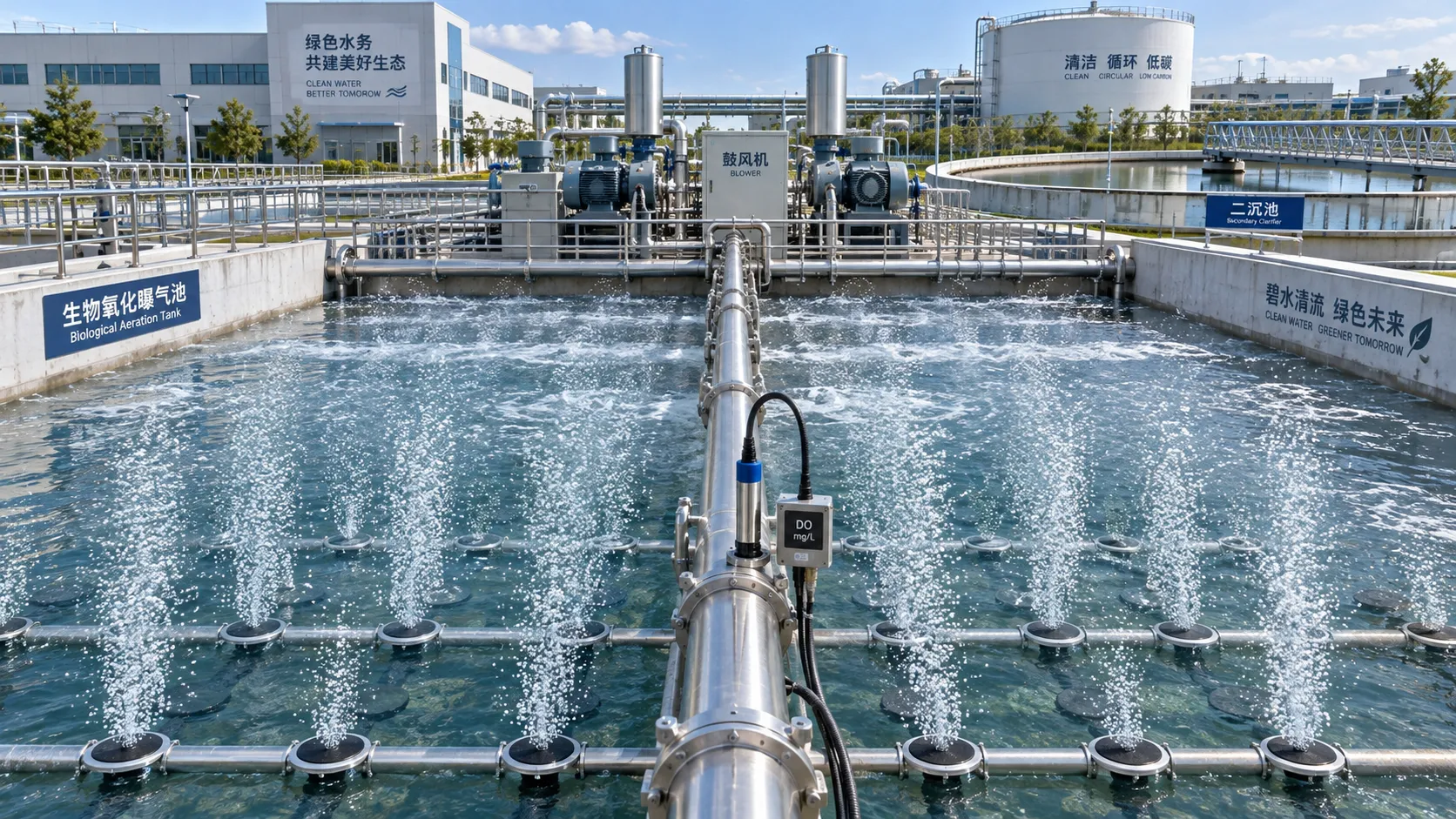
Biological Wastewater Oxidation Explained: Aeration Demand and Process Control
Biological wastewater oxidation explained: optimize aeration demand, DO control, nitrification, and sludge age for stable effluent quality and lower energy costs.
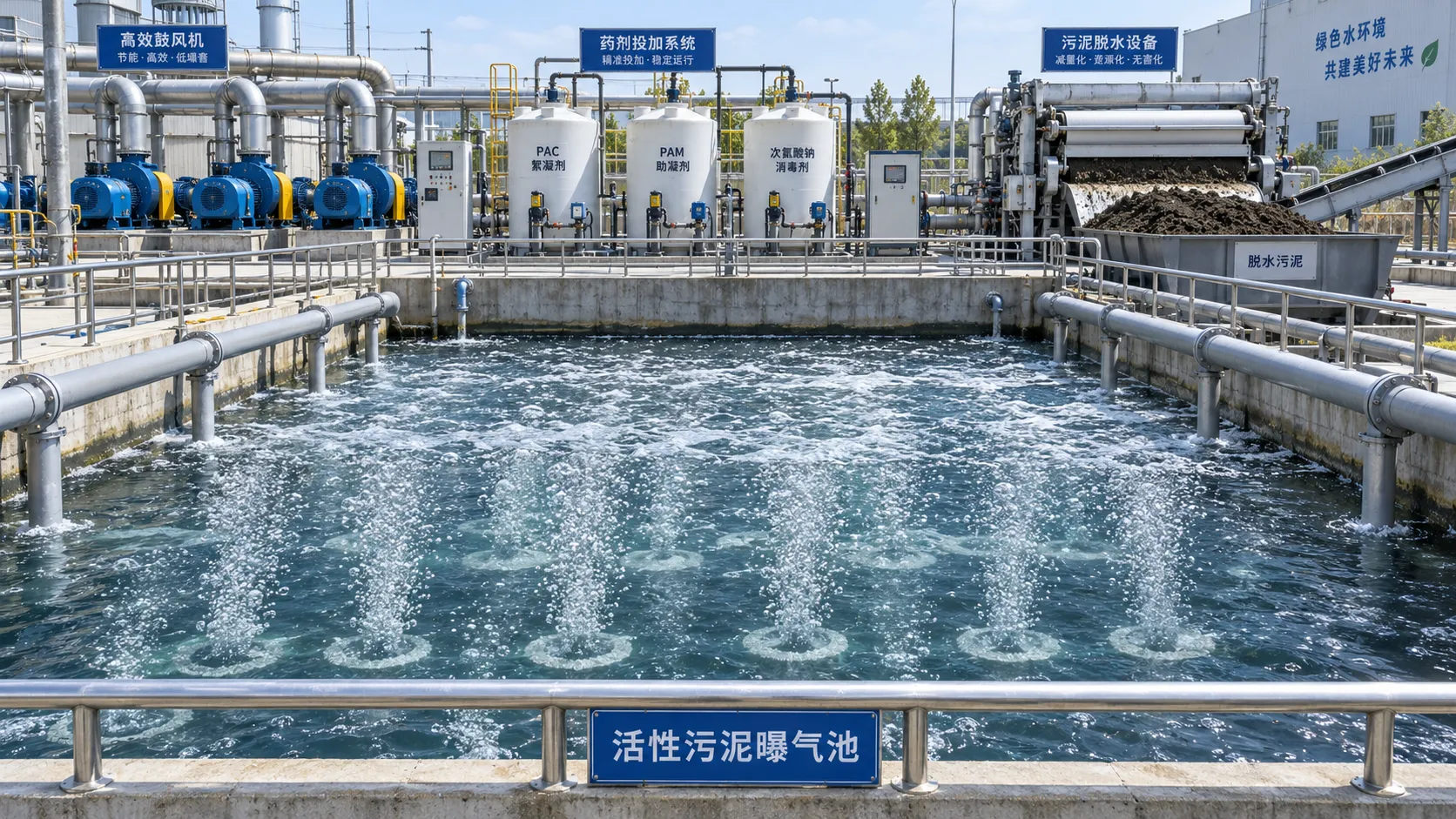
Activated Sludge Cost: Budgeting Energy, Chemicals, Sludge, and Labor
Activated sludge cost explained: compare energy, chemicals, sludge disposal, labor, and compliance risks to build a reliable lifecycle budget.
When Should Municipal Wastewater Plants Upgrade Treatment Capacity and Controls?
Municipal wastewater treatment upgrades: learn when capacity, controls, and resilient planning are needed to protect compliance and optimize plant performance.