
Industry News
Curation by industry experts
Hot Articles
Popular Tags
SWRO Membranes in Seawater Desalination Plants: What Matters Most
In seawater desalination plants, membrane choice shapes far more than nameplate output. It influences specific energy consumption, permeate quality, chemical cleaning frequency, and long-term plant resilience.
For modern seawater desalination plants, the best SWRO membrane is not simply the one with the highest rejection on paper. Real value appears under fluctuating salinity, temperature swings, fouling pressure, and demanding compliance targets.
Within the broader environmental infrastructure sector, membrane selection now connects engineering, finance, and sustainability. A sound decision improves uptime, supports stable water supply, and reduces lifecycle risk across strategic water assets.
SWRO Membranes in Seawater Desalination Plants: Core Definition and Performance Scope
SWRO membranes are semi-permeable barriers used in reverse osmosis systems to separate salts and impurities from seawater. They are the functional heart of many seawater desalination plants worldwide.
Their primary task is simple in concept but demanding in practice. They must deliver high salt rejection while allowing sufficient water flux under elevated pressure and harsh marine feed conditions.
In seawater desalination plants, membrane performance is usually assessed through several linked indicators:
- Salt rejection and permeate conductivity
- Water flux and system recovery balance
- Operating pressure and energy demand
- Resistance to fouling, scaling, and oxidation
- Cleaning tolerance and service life stability
These factors should never be reviewed in isolation. A membrane with excellent flux may increase fouling sensitivity. Another with strong rejection may require higher pressure and greater energy input.
What the Industry Watches Most in Seawater Desalination Plants
Across large water infrastructure projects, expectations for seawater desalination plants are changing. Decision quality now depends on technical performance and on broader operational intelligence.
Several market signals explain why membrane evaluation has become more detailed:
This shift is especially visible in large public utility projects. Seawater desalination plants are increasingly judged as critical infrastructure, where reliability carries national and regional significance.
Why laboratory metrics are not enough
Standard test data remains useful, but it does not fully predict field behavior. Feed pretreatment quality, intake type, biological load, and shutdown frequency can alter membrane outcomes significantly.
For seawater desalination plants, a slightly lower advertised flux may still produce better annual output if membrane fouling is slower and cleaning intervals are longer.
The Factors That Matter Most for Long-Term Value
1. Salt rejection stability
Consistent salt rejection protects finished water quality and downstream treatment stages. In seawater desalination plants, poor rejection stability can increase remineralization complexity and compliance risk.
2. Specific energy consumption
Energy is one of the largest operating costs. Even small reductions in pressure demand can create major savings over the life of seawater desalination plants.
3. Fouling and scaling resistance
Marine feedwater often carries organics, microorganisms, colloids, and scale-forming ions. Membranes that resist deposition can preserve flux and reduce unplanned intervention.
4. Cleanability without fast degradation
Frequent cleaning may recover performance temporarily while shortening useful life. In seawater desalination plants, the best membrane often balances recovery efficiency with durable chemical tolerance.
5. Supplier manufacturing consistency
Element-to-element variation affects pressure vessel balancing, train optimization, and commissioning results. Stable production quality reduces startup risk in seawater desalination plants.
6. Traceable compliance and documentation
Documentation supports technical review, contract confidence, and environmental governance. In global projects, traceability also strengthens alignment with public reporting and regulatory expectations.
Business Meaning Across Environmental Infrastructure Projects
The impact of membrane choice extends beyond water production. In integrated environmental engineering, seawater desalination plants influence industrial continuity, urban resilience, and decarbonization planning.
A well-matched SWRO membrane can support several business outcomes:
- Lower total cost of ownership through reduced energy and fewer replacements
- More stable output under varying marine conditions
- Better compatibility with advanced pretreatment and energy recovery devices
- Improved confidence in long-term public utility delivery
- Stronger positioning for environmental compliance and performance reporting
For intelligence-led platforms such as ESD, this is where equipment evaluation becomes strategic. Membrane decisions should be read together with energy exposure, maintenance logic, and evolving ecological policy pressure.
Typical Evaluation Scenarios in Seawater Desalination Plants
Not all seawater desalination plants face identical feedwater and operating priorities. A useful assessment starts by matching membrane traits to the actual plant scenario.
This scenario-based approach helps compare products on practical value instead of headline specifications alone. It is especially relevant in complex seawater desalination plants with strict uptime obligations.
Practical Selection Guidance and Common Mistakes
A structured review process can reduce technical and commercial surprises. The following practices are useful when screening SWRO options for seawater desalination plants:
- Compare normalized performance, not only initial test figures.
- Review field references under similar intake and pretreatment conditions.
- Check membrane compatibility with CIP chemistry and operating philosophy.
- Examine manufacturing consistency, lead time, and replacement support.
- Model energy impact across expected temperature and salinity ranges.
- Include compliance documentation and traceability in technical scoring.
Frequent mistakes to avoid
- Choosing by lowest price without lifecycle analysis
- Overvaluing peak flux while ignoring fouling risk
- Assuming all seawater desalination plants share the same operating profile
- Neglecting replacement logistics for remote or strategic installations
Next-Step Focus for Smarter Decisions
For seawater desalination plants, what matters most is durable performance under real conditions. The strongest membrane decision combines rejection, energy efficiency, fouling resistance, supplier reliability, and compliance readiness.
A practical next step is to build a comparison matrix using site salinity, pretreatment quality, energy cost, cleaning history, and documentation standards. That method turns membrane selection into a measurable infrastructure decision.
As global water security pressures rise, seawater desalination plants will remain central to ecological engineering strategy. Better SWRO evaluation today supports stronger operational continuity, lower long-term risk, and more resilient environmental investment tomorrow.
Recommended News
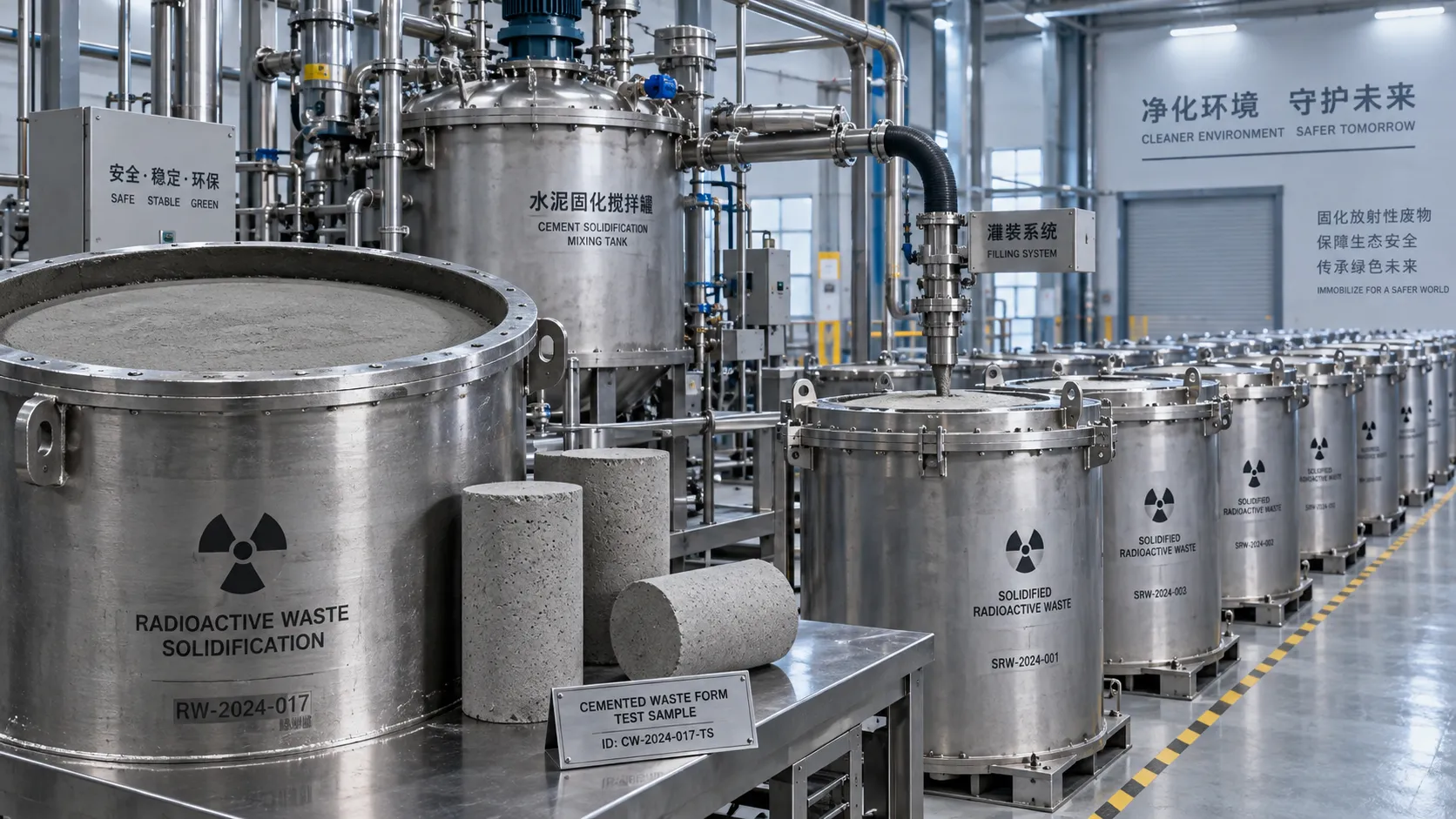
When is cementation suitable for nuclear decommissioning waste?
Explore nuclear waste treatment technology for decommissioning: learn when cementation fits, which risks to assess, and how disposal criteria guide an effective treatment choice.
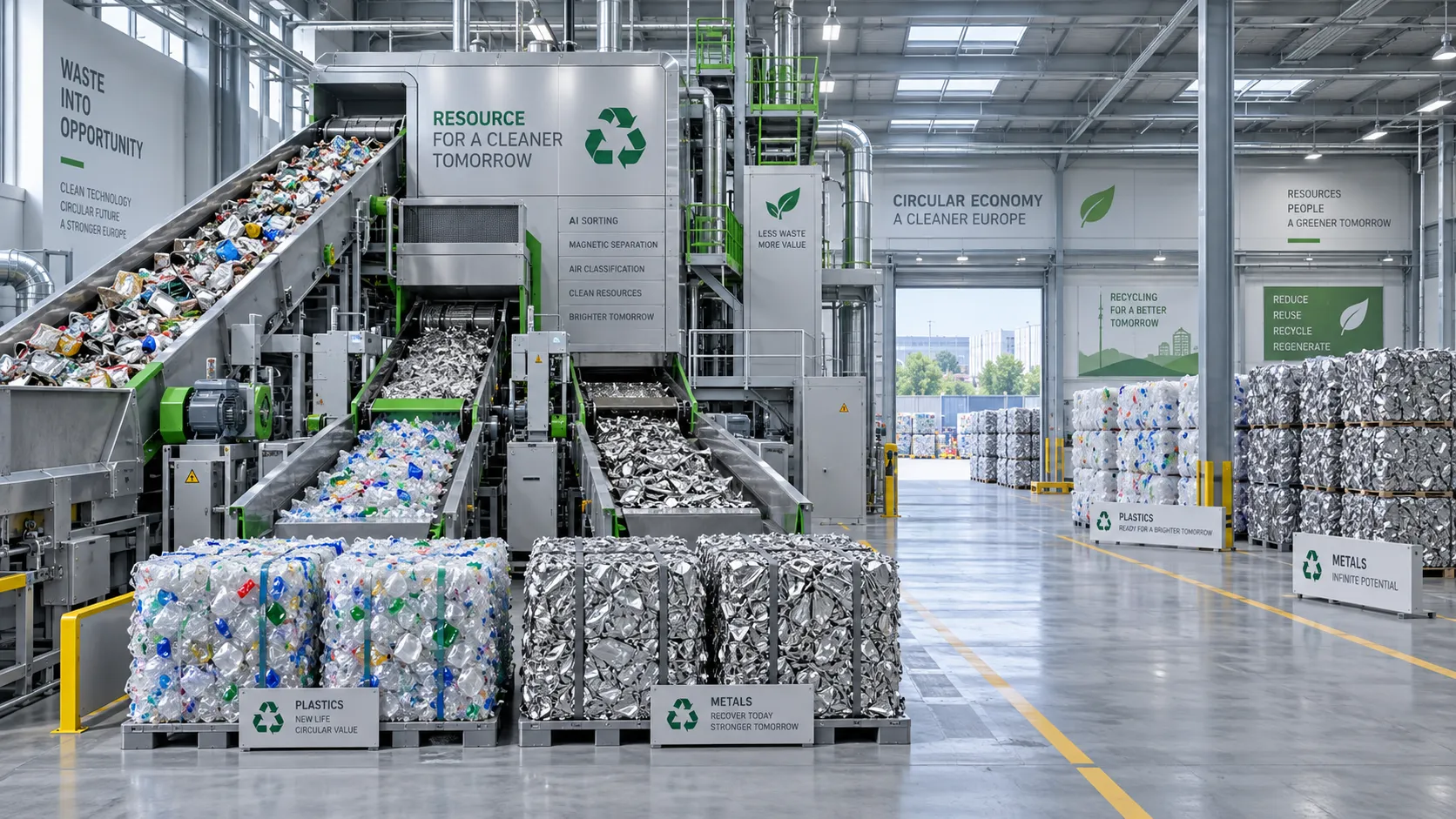
What determines payback for waste-to-resource systems in Europe?
Assess waste-to-resource systems Europe-wide: compare feedstock, recovery yields, costs and contracts to uncover payback drivers and make smarter investment decisions.
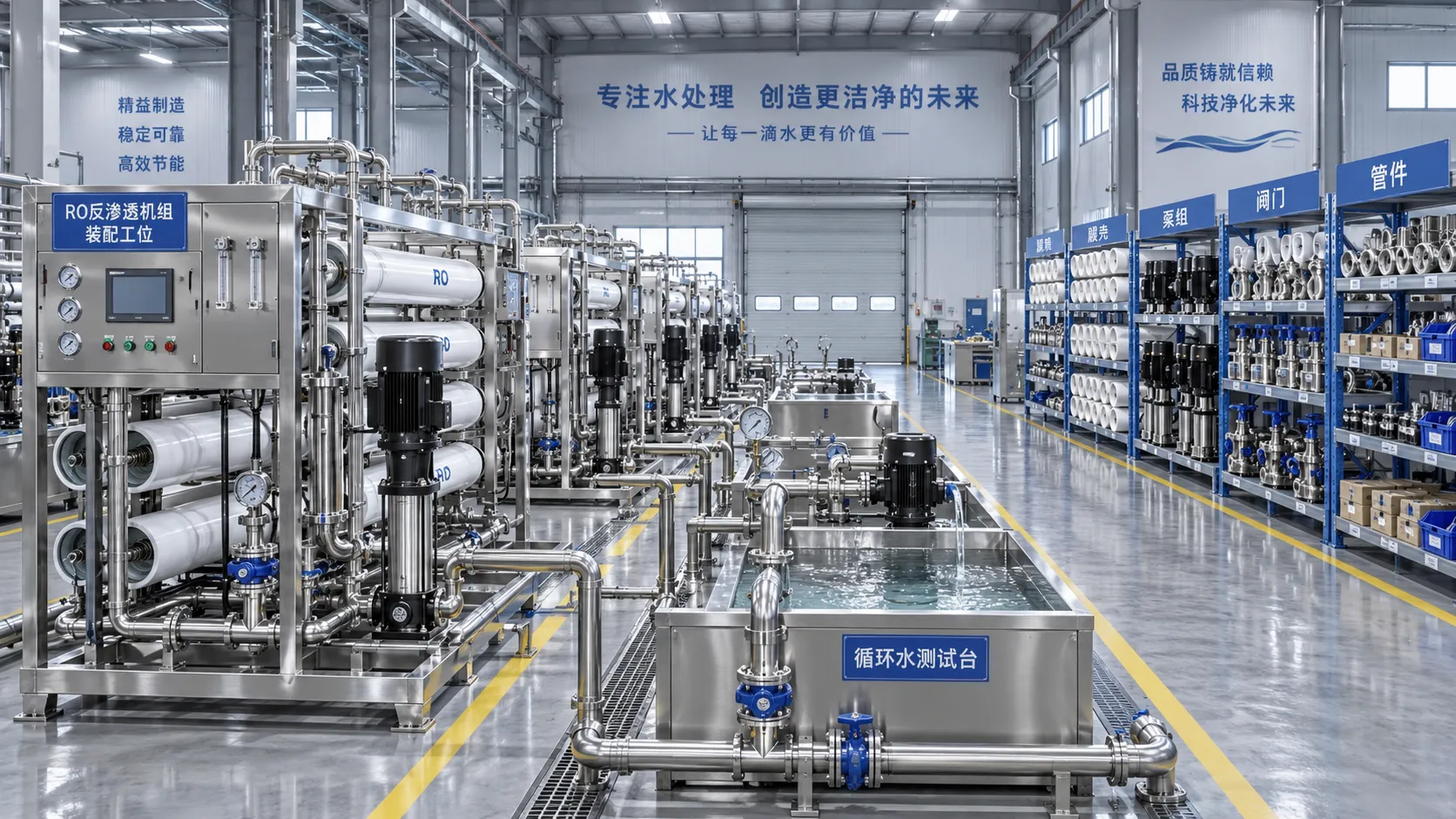
How to verify a water treatment system factory’s production capacity
Verify a water treatment systems factory’s production capacity through records, bottlenecks, component availability, and testing. Learn what to check before accepting a delivery promise.
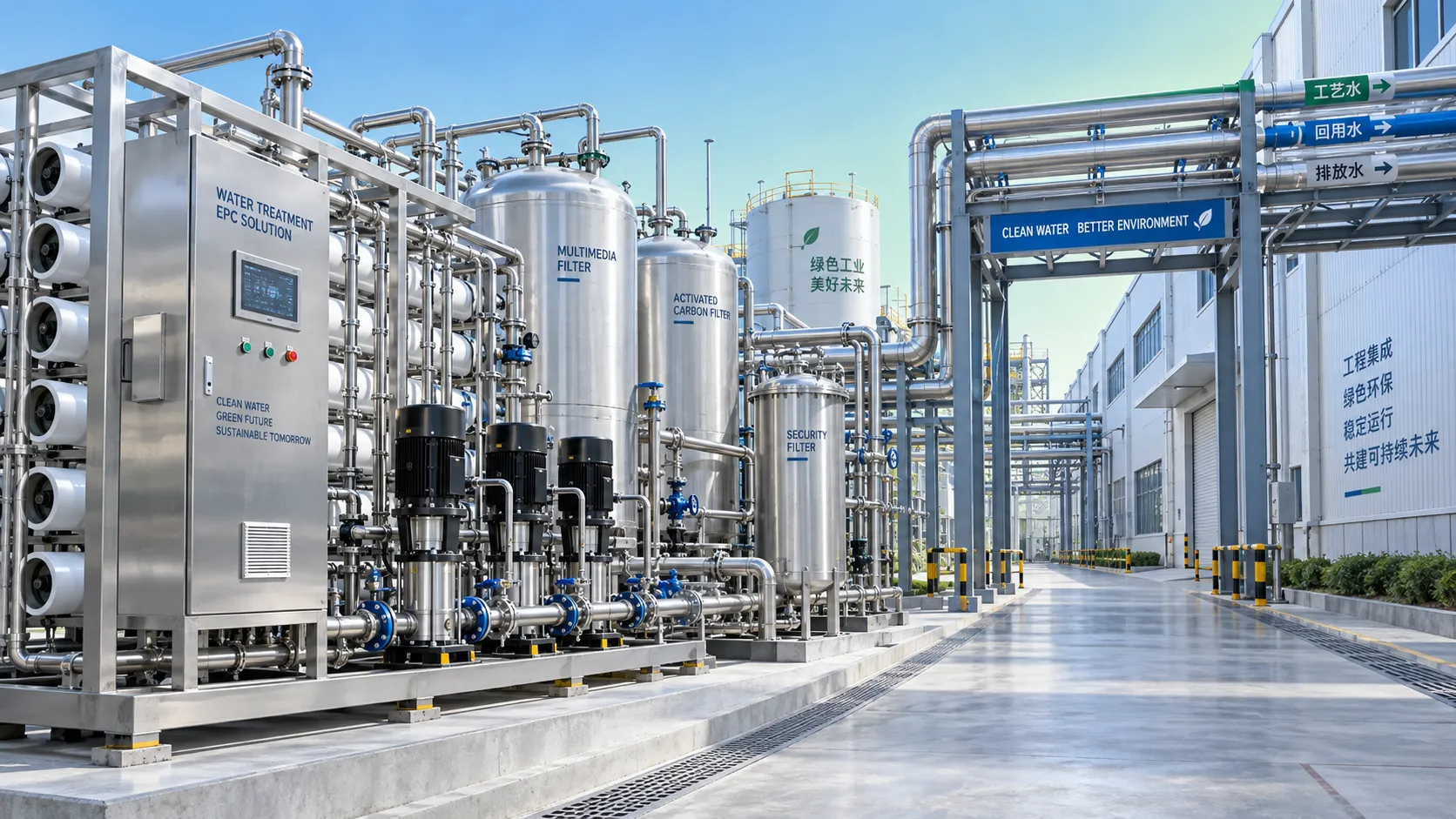
When does EPC environmental project support reduce delivery risk?
EPC environmental project support engineering reduces delivery risk by aligning design, procurement, compliance, construction, and commissioning decisions.
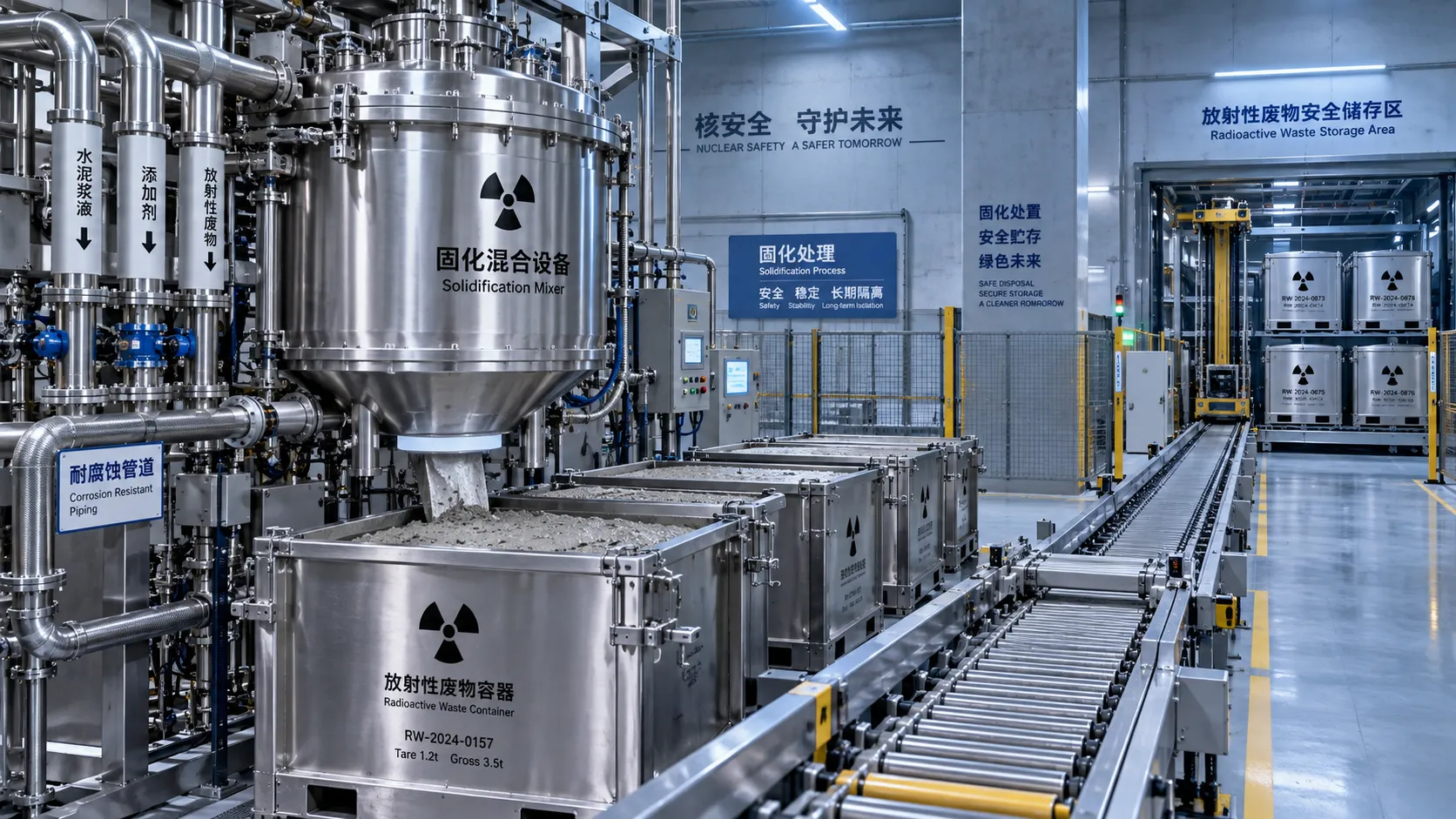
How nuclear plants select a radioactive waste solidification method
Radioactive waste management for nuclear plants: compare vitrification, cementation, polymers, and ceramics to select a compliant, durable solidification solution.
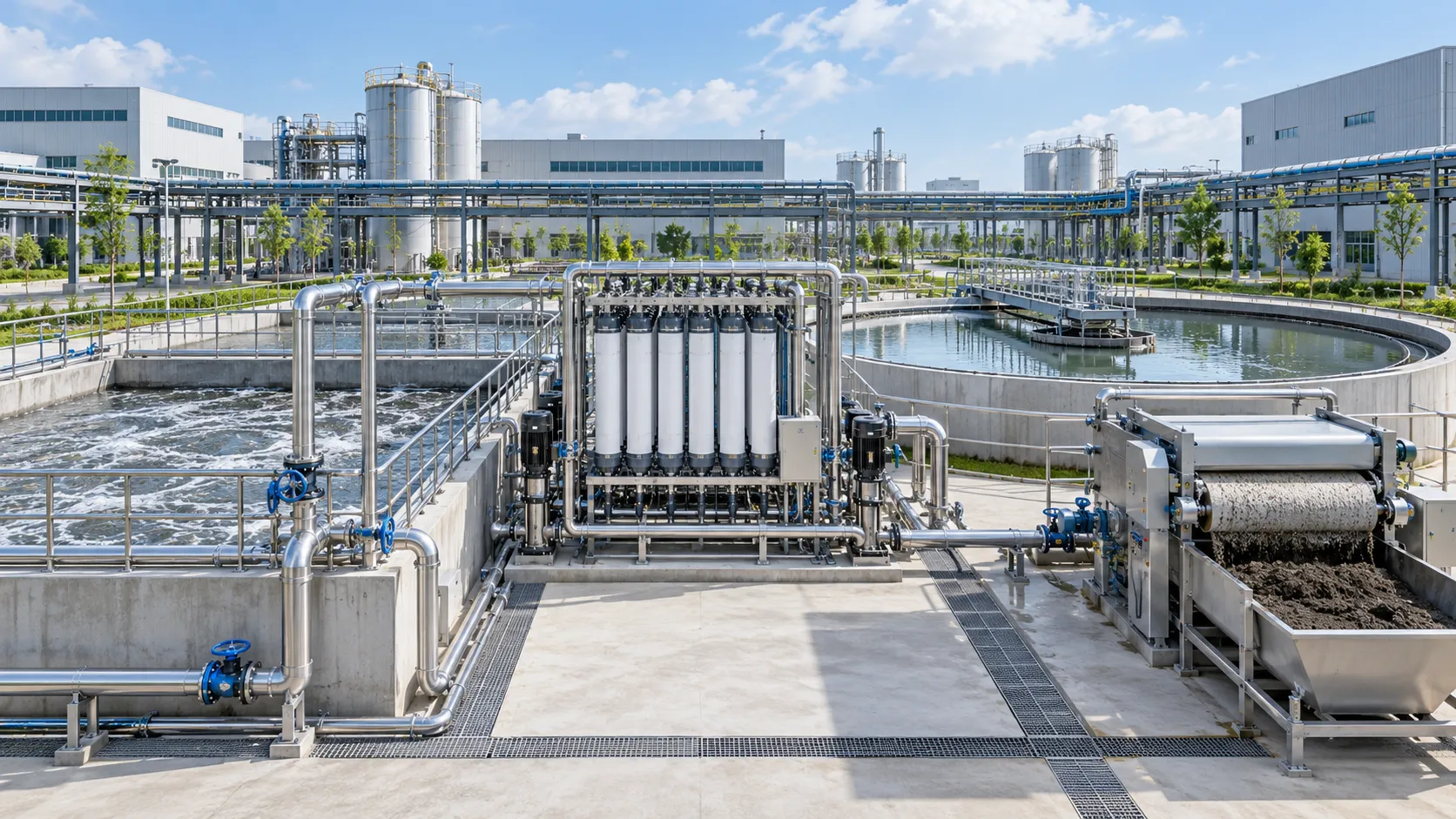
What Drives the Cost of Wastewater System Upgrades in Industrial Parks?
Costs of wastewater system upgrades in industrial parks: uncover key drivers from influent variability and civil works to sludge, energy, compliance, and lifecycle risk.
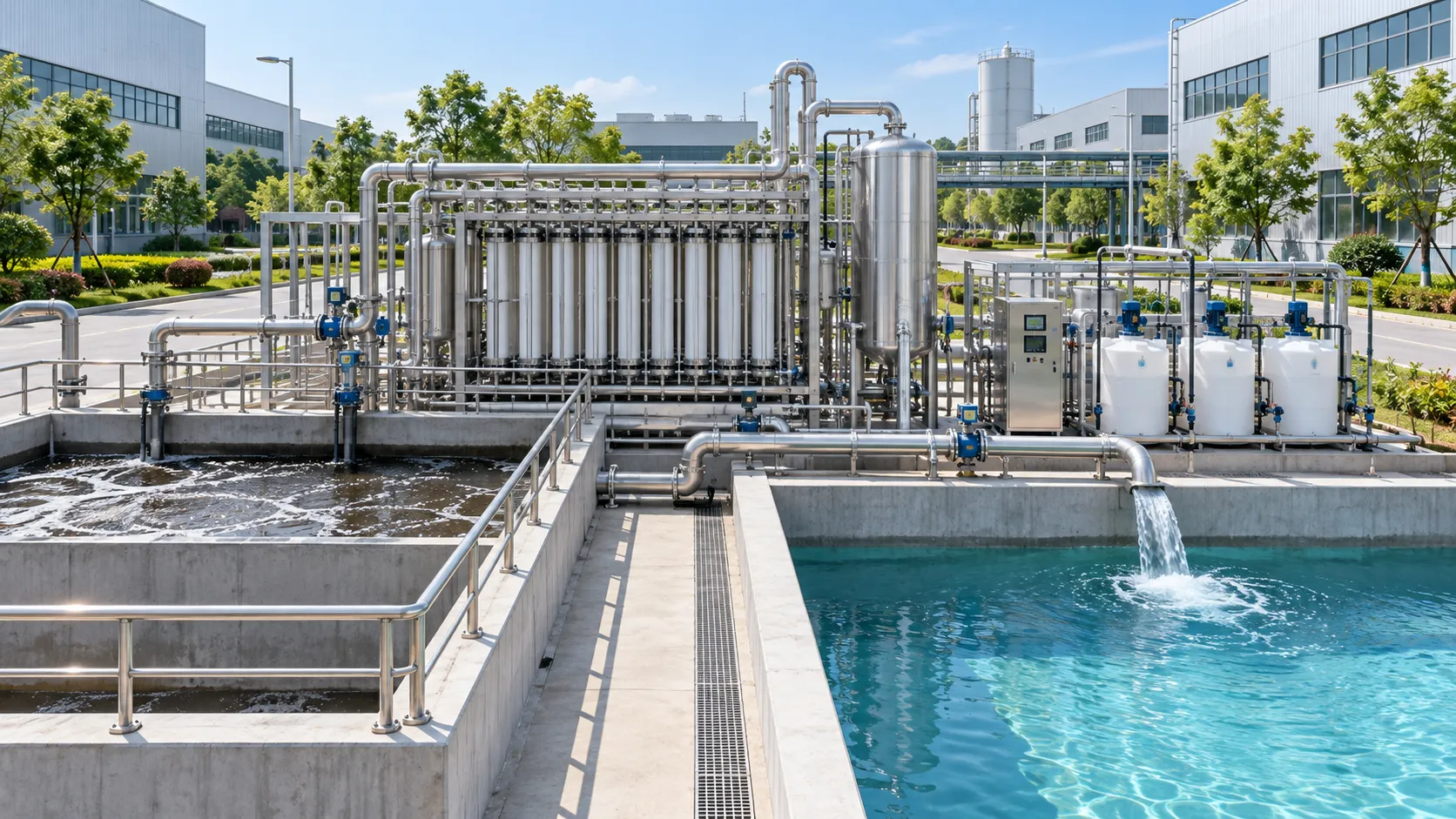
Comparing Upgrade Costs for Industrial Park Wastewater Treatment Systems
Compare costs for wastewater system upgrades in industrial parks with a lifecycle view of CAPEX, OPEX, compliance, resilience, and future expansion.
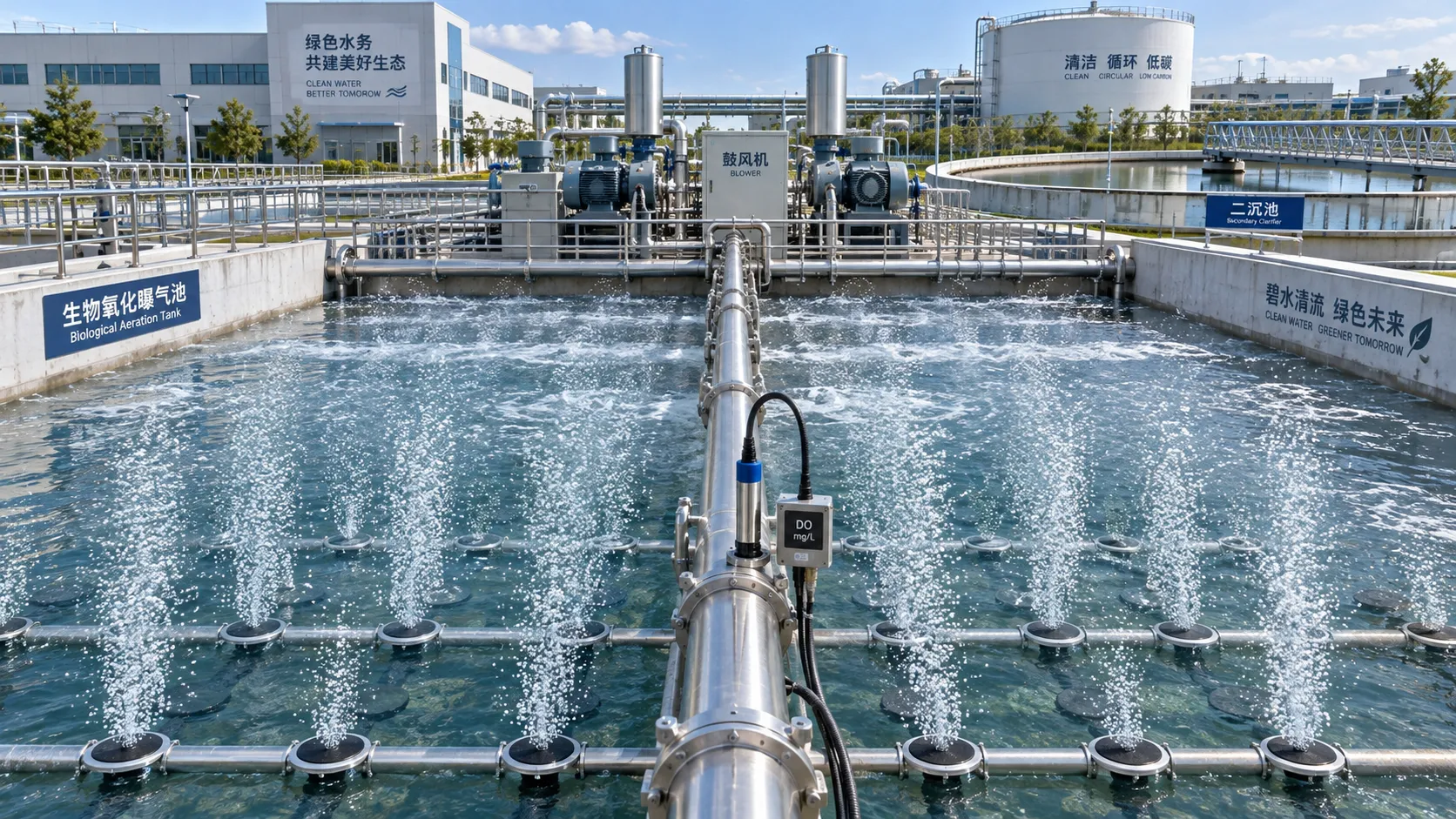
Biological Wastewater Oxidation Explained: Aeration Demand and Process Control
Biological wastewater oxidation explained: optimize aeration demand, DO control, nitrification, and sludge age for stable effluent quality and lower energy costs.
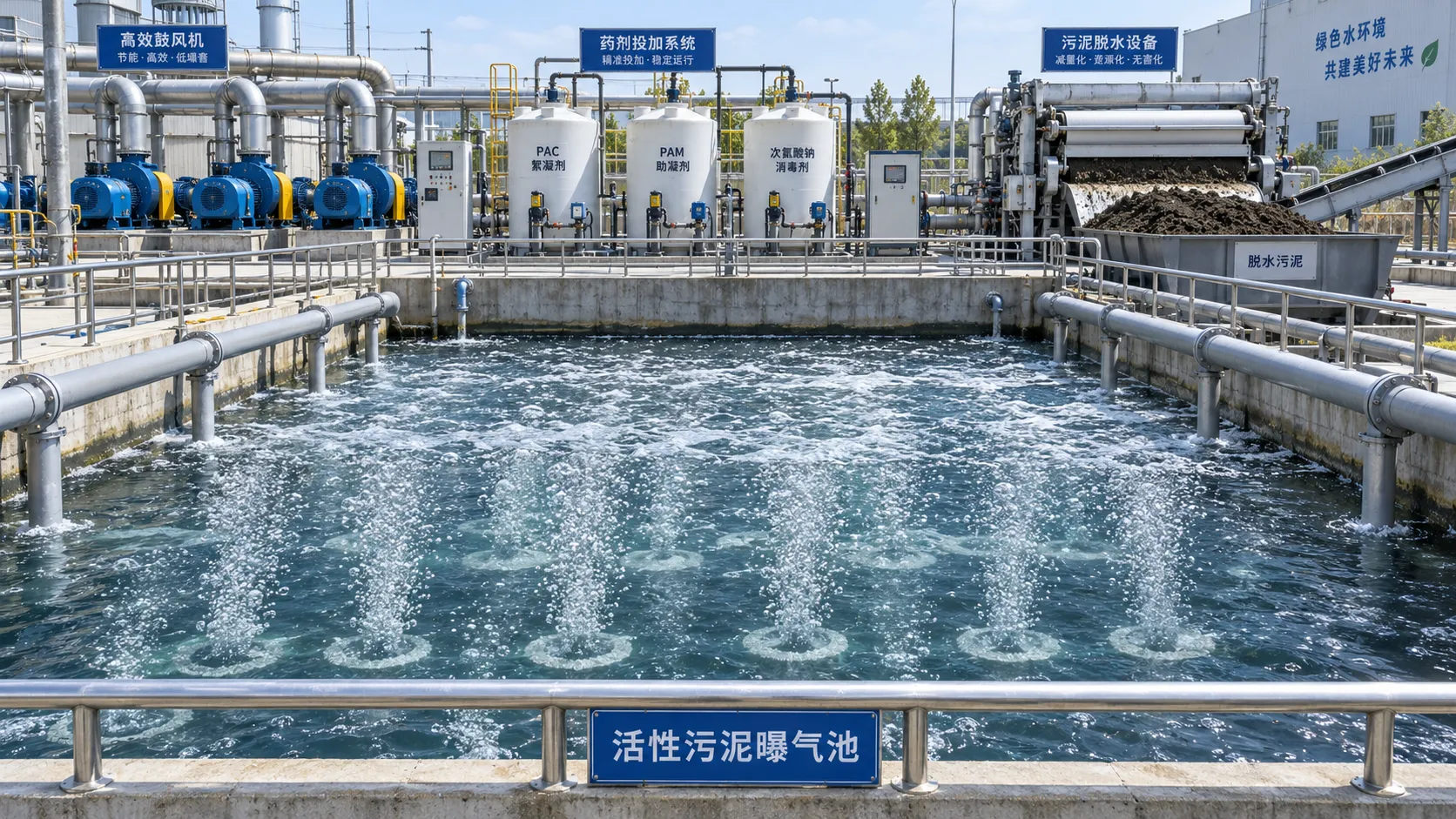
Activated Sludge Cost: Budgeting Energy, Chemicals, Sludge, and Labor
Activated sludge cost explained: compare energy, chemicals, sludge disposal, labor, and compliance risks to build a reliable lifecycle budget.