
Industry News
Curation by industry experts
Hot Articles
Popular Tags
Flue Gas Scrubbing: Key Performance Signs Before Retrofit Decisions
Before capital is committed, flue gas scrubbing systems should show clear, measurable evidence that current performance is no longer sustainable.
Rising pressure drop, unstable emissions, excessive reagent demand, corrosion, and persistent scaling often signal more than routine maintenance needs.
For industrial environmental infrastructure, these symptoms help separate a tune-up opportunity from a true retrofit decision.
This guide explains the most important warning signs, how to interpret them, and when flue gas scrubbing upgrades become strategically justified.
What does declining flue gas scrubbing performance actually look like?
Decline rarely begins with a single failure.
In most plants, flue gas scrubbing deterioration appears as a pattern of smaller deviations across emissions, hydraulics, chemistry, and equipment reliability.
The most common signs include:
- Higher absorber pressure drop than historical baseline
- More frequent SO2 outlet spikes or unstable compliance margins
- Increased limestone, lime, caustic, or additive consumption
- Scaling on spray headers, nozzles, trays, or mist eliminators
- Visible corrosion in ducts, tanks, absorber shells, or recirculation loops
- Unexpected downtime linked to slurry handling or dewatering problems
None of these indicators should be judged in isolation.
A scrubber may still meet permit limits while operating with shrinking safety margin, rising operating cost, and growing failure risk.
That is often the most dangerous phase.
It creates the illusion of control while process resilience is already weakening.
Which process signals usually appear before a flue gas scrubbing retrofit?
Several leading indicators tend to emerge months before retrofit decisions become unavoidable.
1. Pressure drop keeps rising
A steady increase in pressure drop often points to fouling, mist eliminator plugging, tray blockage, or gas distribution imbalance.
If fan loading rises with no corresponding process benefit, the flue gas scrubbing system is losing hydraulic efficiency.
2. Outlet emissions become harder to stabilize
Intermittent SO2 peaks are an early warning sign.
Even if daily averages remain compliant, unstable short-term readings may indicate poor liquid-gas contact, weak pH control, or nozzle degradation.
3. Reagent consumption drifts upward
When reagent use climbs faster than sulfur load, scrubber chemistry is no longer operating efficiently.
This may result from oxidation issues, absorber internals wear, poor mixing, or solids buildup reducing reaction effectiveness.
4. Scaling and solids management worsen
Scale formation narrows passages, degrades spray quality, and increases maintenance frequency.
Once scaling becomes repetitive, routine cleaning may only treat symptoms rather than root causes.
5. Corrosion begins to spread
Corrosion is not only a materials issue.
It can reflect temperature excursions, chloride buildup, poor drainage, gas bypassing, or aged protective linings within the flue gas scrubbing train.
How can teams tell whether optimization is enough or retrofit is necessary?
The key test is persistence.
If operating problems disappear after cleaning, recalibration, balancing, or chemistry adjustment, optimization may still be the right path.
Retrofit becomes more likely when problems repeatedly return despite disciplined maintenance and process tuning.
A practical evaluation should review four dimensions:
- Compliance resilience under peak sulfur load and variable fuel quality
- Operating cost trajectory, including reagent, power, water, and downtime
- Mechanical reliability of pumps, nozzles, fans, slurry piping, and mist eliminators
- Future fit with tighter emission limits or production expansion
If two or more dimensions are deteriorating together, the case for flue gas scrubbing retrofit becomes stronger.
This is especially true where regulatory penalties or unplanned shutdown risk are high.
What are the most important performance thresholds to review before retrofit decisions?
Every installation has unique design conditions.
Still, several threshold categories are widely useful for retrofit screening.
The most valuable benchmark is not generic industry data.
It is the scrubber’s own historical best period, adjusted for current fuel, throughput, and regulatory demands.
Which retrofit triggers are often underestimated in flue gas scrubbing systems?
Many facilities wait for visible non-compliance.
That approach is risky because some of the strongest retrofit triggers are financial and strategic rather than purely regulatory.
Shrinking compliance margin
A system operating close to permit limits has little room for fuel variability, startup transitions, or weather-related process changes.
Rising hidden cost
Extra fan power, wash water, additives, maintenance labor, and spare parts can quietly exceed the economics of a well-targeted retrofit.
Production changes
Higher boiler load, altered waste feed, process expansion, or fuel switching may push the original flue gas scrubbing design beyond its intended envelope.
Upcoming standards
Tighter emission frameworks, regional permitting shifts, and carbon-linked trade requirements can shorten the remaining useful life of marginal scrubber designs.
What mistakes should be avoided when judging flue gas scrubbing retrofit needs?
One common mistake is blaming chemistry alone.
In reality, poor flue gas scrubbing performance may come from internals damage, nozzle wear, instrumentation drift, or upstream particulate changes.
Another mistake is reviewing averages only.
Averages can hide short-duration emission excursions and unstable operating windows that matter greatly during audits and upset conditions.
A third mistake is delaying inspection because the unit still runs.
By the time scaling and corrosion become visually severe, retrofit scope may expand from internals replacement to structural repair.
The last mistake is separating technical review from business review.
A retrofit decision should combine process data, outage risk, lifecycle cost, and future compliance exposure.
How should the next-step evaluation be structured?
A disciplined screening process reduces both overreaction and costly delay.
- Collect twelve to twenty-four months of scrubber operating and emissions data.
- Compare current pressure drop, reagent ratio, and removal efficiency against historical baseline.
- Inspect absorber internals, mist eliminators, piping, lining condition, and slurry handling equipment.
- Separate maintenance-correctable issues from design-limitation issues.
- Model future scenarios, including stricter limits, fuel changes, and higher throughput.
- Estimate retrofit value using total cost, not capex alone.
Flue gas scrubbing retrofit decisions should never be triggered by instinct alone.
The strongest case emerges when hydraulic decline, emissions instability, reagent inefficiency, and asset degradation begin to reinforce each other.
When these signs persist, optimization may preserve operation only temporarily.
The practical next step is a data-backed assessment that links scrubber condition to compliance resilience, lifecycle cost, and future operating demands.
That approach turns flue gas scrubbing retrofit planning from a reactive repair decision into a controlled strategic upgrade.
Recommended News
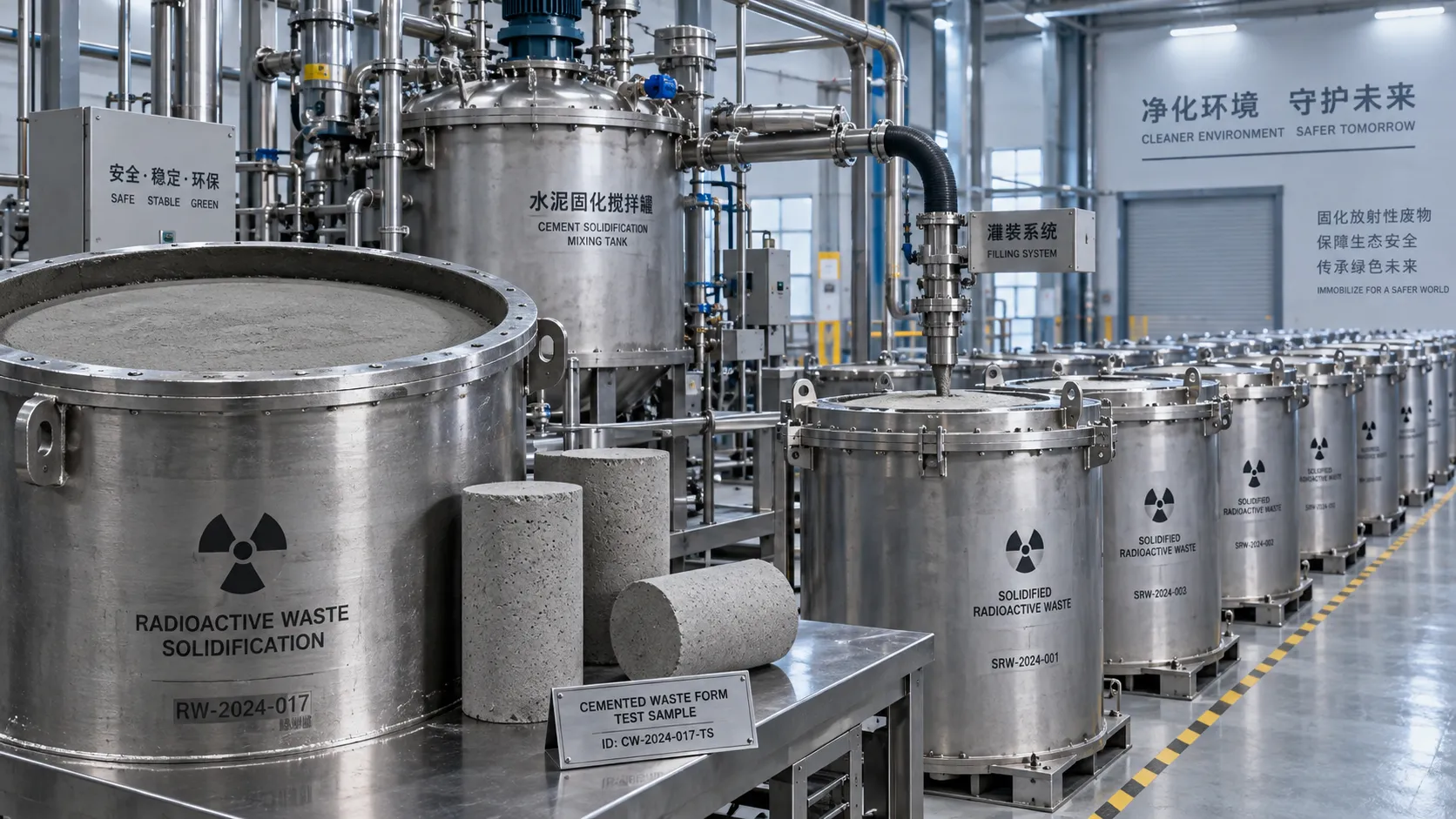
When is cementation suitable for nuclear decommissioning waste?
Explore nuclear waste treatment technology for decommissioning: learn when cementation fits, which risks to assess, and how disposal criteria guide an effective treatment choice.
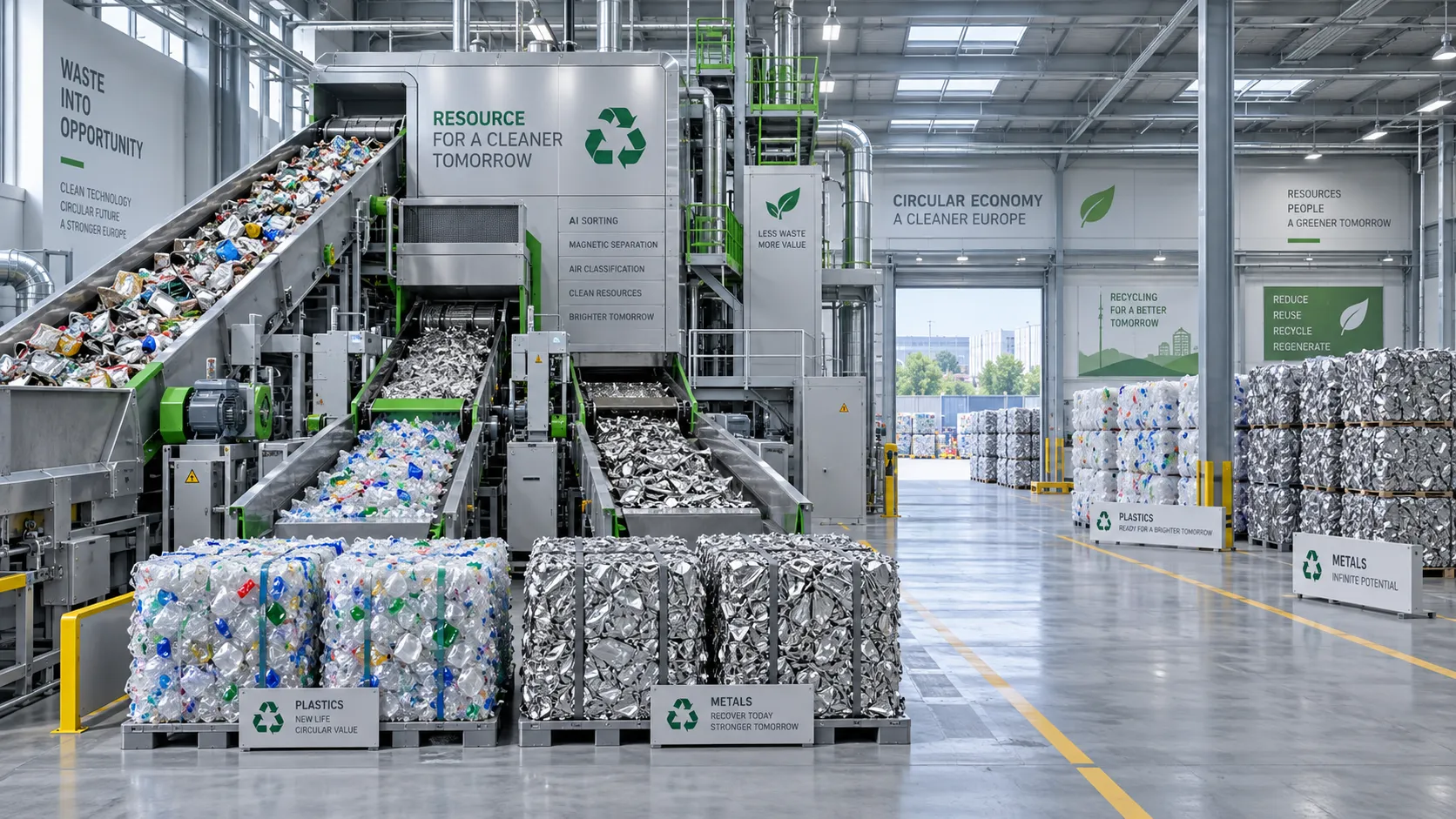
What determines payback for waste-to-resource systems in Europe?
Assess waste-to-resource systems Europe-wide: compare feedstock, recovery yields, costs and contracts to uncover payback drivers and make smarter investment decisions.
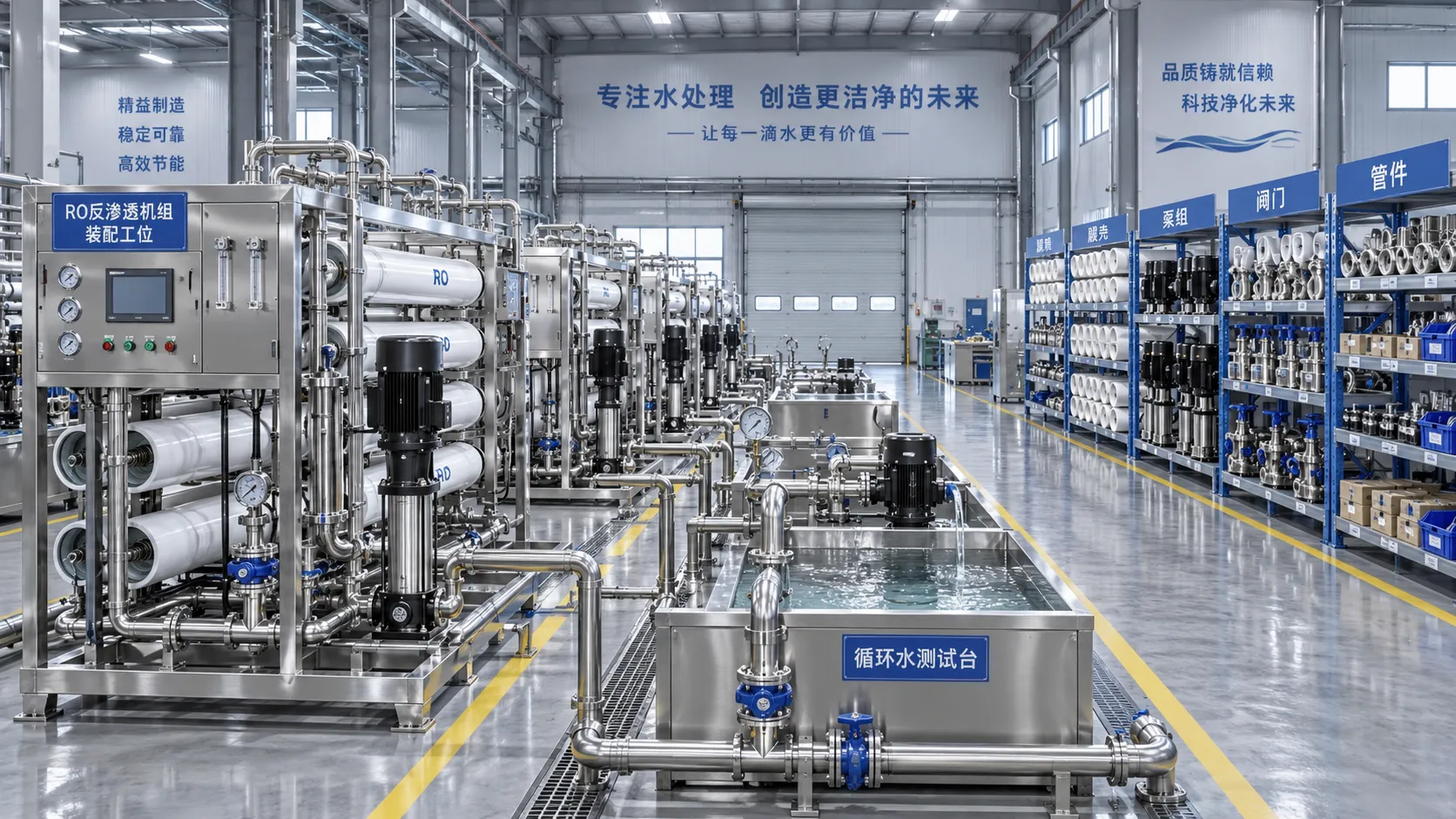
How to verify a water treatment system factory’s production capacity
Verify a water treatment systems factory’s production capacity through records, bottlenecks, component availability, and testing. Learn what to check before accepting a delivery promise.
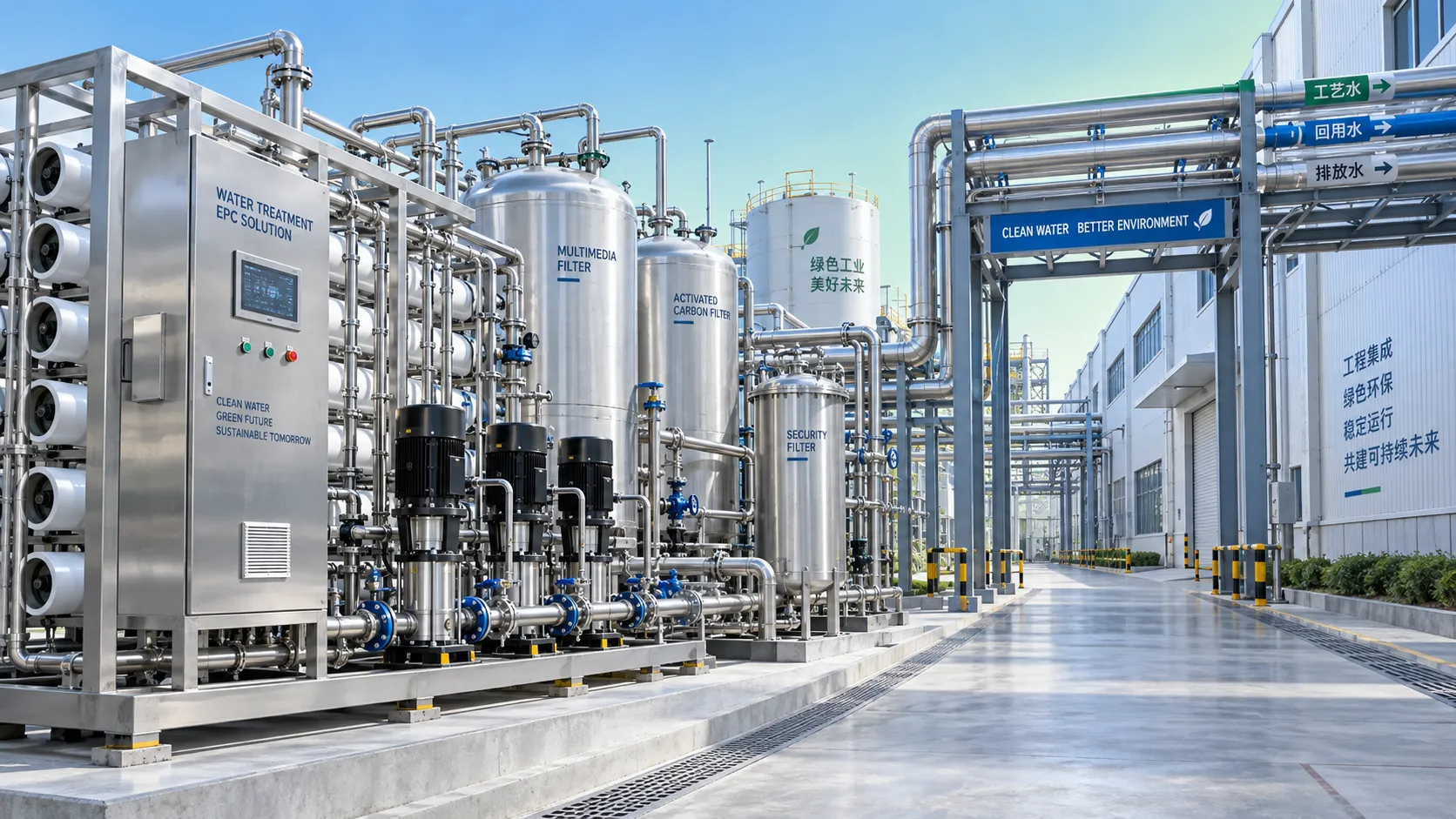
When does EPC environmental project support reduce delivery risk?
EPC environmental project support engineering reduces delivery risk by aligning design, procurement, compliance, construction, and commissioning decisions.
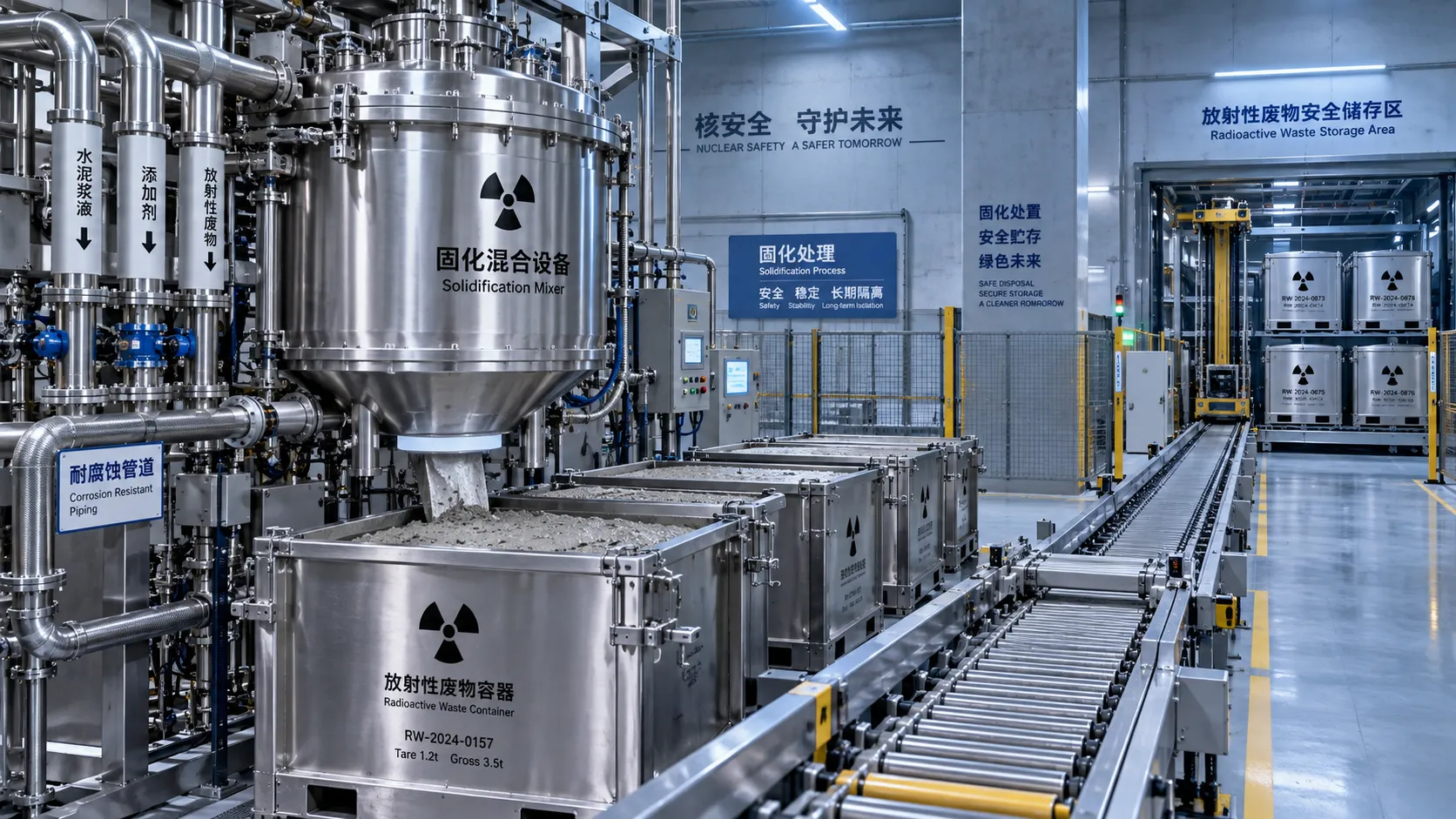
How nuclear plants select a radioactive waste solidification method
Radioactive waste management for nuclear plants: compare vitrification, cementation, polymers, and ceramics to select a compliant, durable solidification solution.
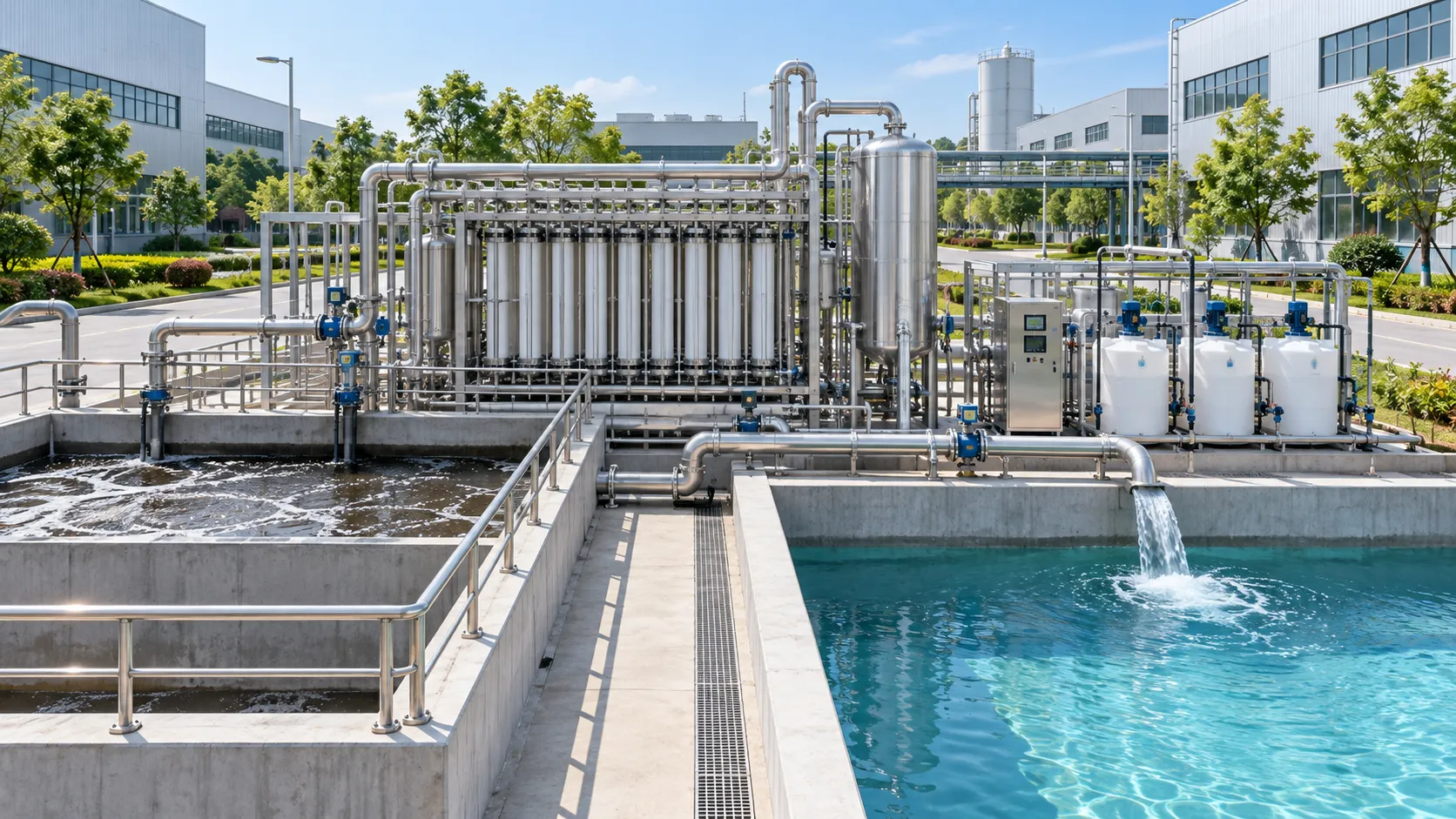
Comparing Upgrade Costs for Industrial Park Wastewater Treatment Systems
Compare costs for wastewater system upgrades in industrial parks with a lifecycle view of CAPEX, OPEX, compliance, resilience, and future expansion.
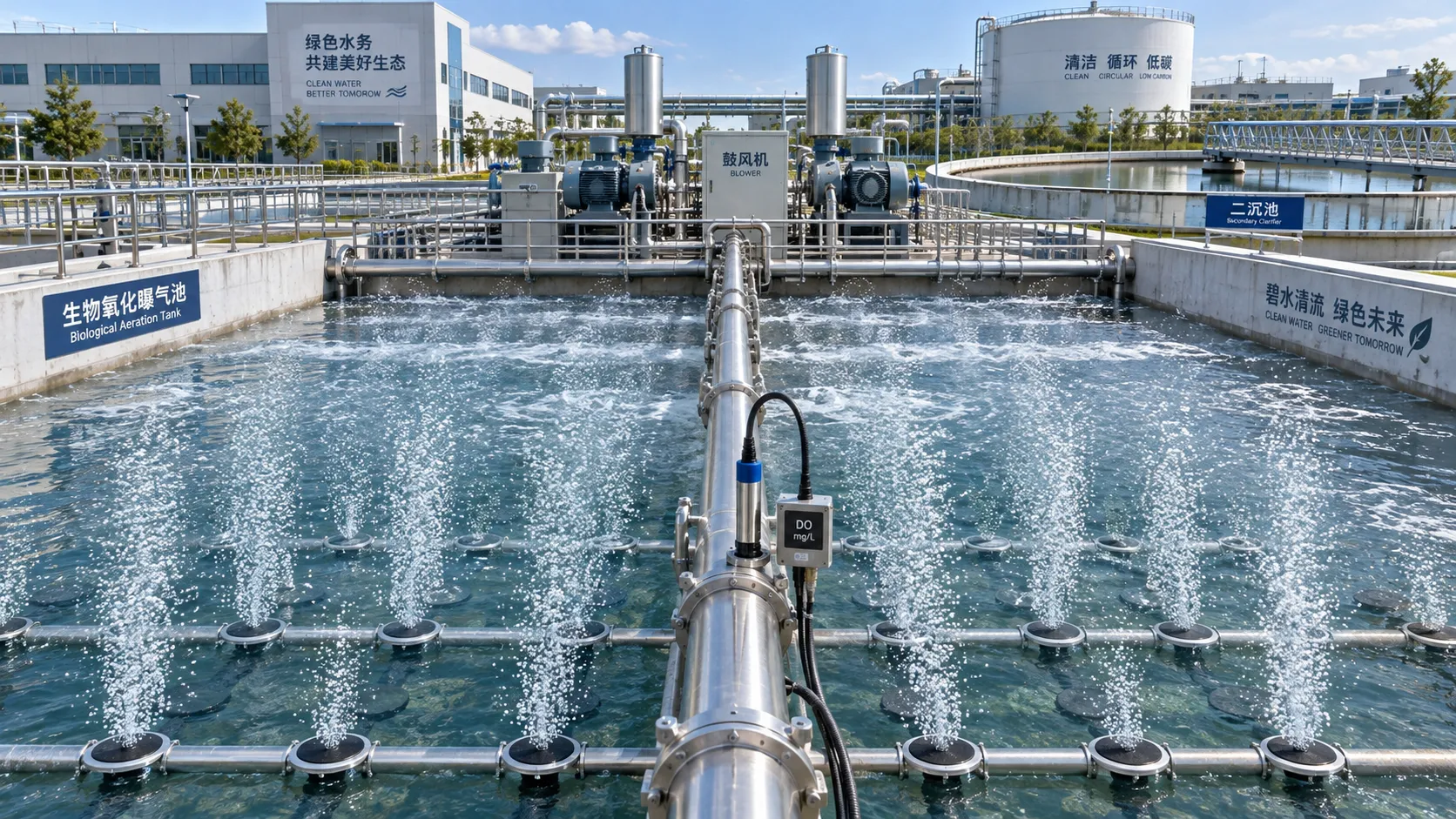
Biological Wastewater Oxidation Explained: Aeration Demand and Process Control
Biological wastewater oxidation explained: optimize aeration demand, DO control, nitrification, and sludge age for stable effluent quality and lower energy costs.
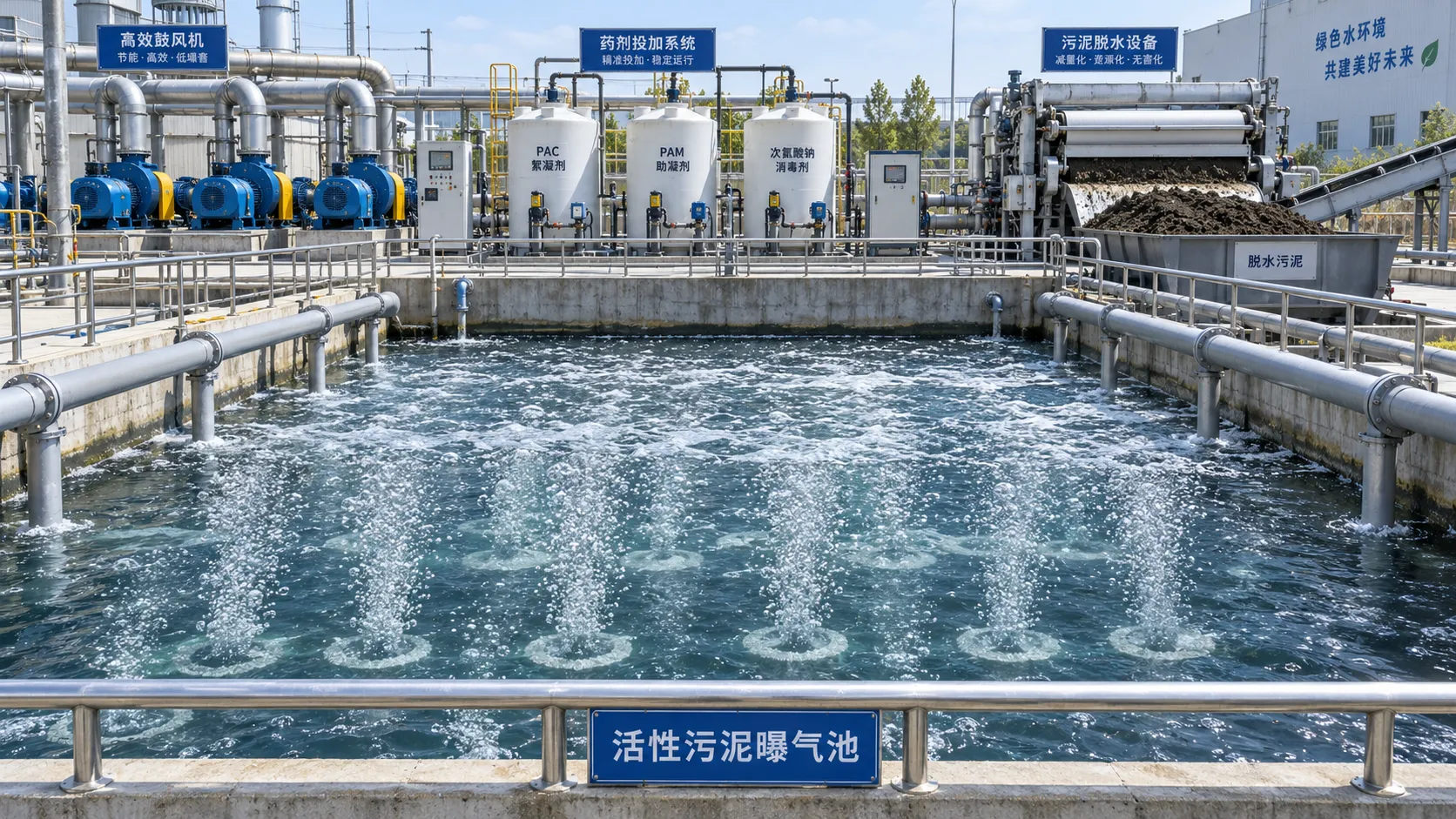
Activated Sludge Cost: Budgeting Energy, Chemicals, Sludge, and Labor
Activated sludge cost explained: compare energy, chemicals, sludge disposal, labor, and compliance risks to build a reliable lifecycle budget.
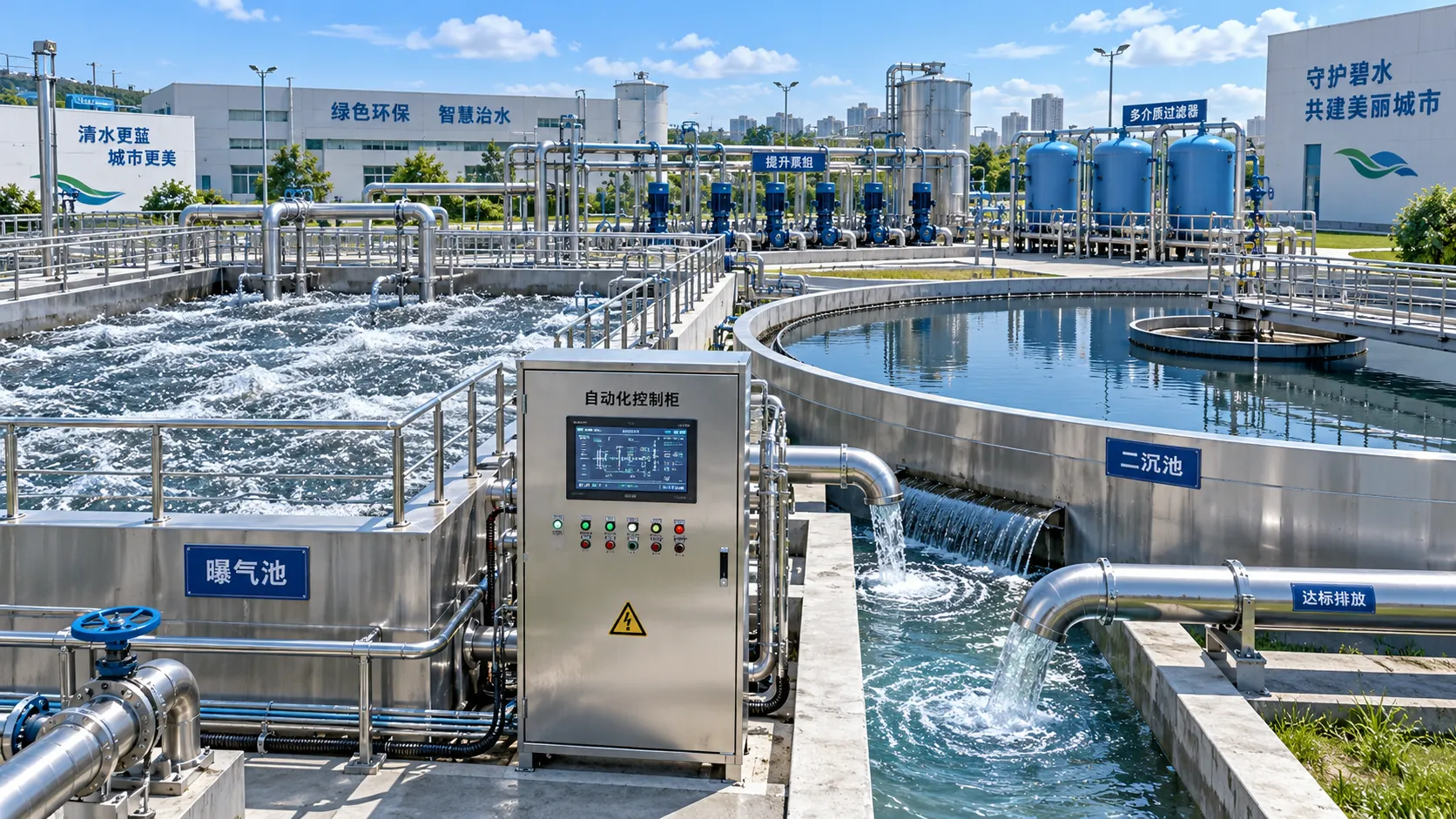
When Should Municipal Wastewater Plants Upgrade Treatment Capacity and Controls?
Municipal wastewater treatment upgrades: learn when capacity, controls, and resilient planning are needed to protect compliance and optimize plant performance.