
Industry News
Curation by industry experts
Hot Articles
Popular Tags
Zero Discharge Solutions: What Drives Lifecycle Cost in 2026?
For finance decision-makers evaluating zero discharge solutions in 2026, lifecycle cost is no longer defined by capital expense alone. Energy intensity, membrane replacement cycles, brine management, compliance risk, uptime, and recoverable resource value now shape long-term returns.
This article explains the cost drivers that matter most, helping budget owners compare options with greater clarity and make investment decisions that balance resilience, regulation, and measurable financial performance.
What Finance Buyers Are Really Searching for When They Compare Zero Discharge Solutions
When users search for zero discharge solutions, the real intent is rarely technical curiosity alone. Most want a decision framework for comparing long-term cost, compliance exposure, and investment risk across competing treatment approaches.
For financial approvers, the central question is straightforward: which system delivers the lowest total lifecycle cost while reliably meeting discharge targets, production needs, and future environmental requirements through 2026 and beyond.
That means broad descriptions of ZLD or water recycling are less useful than practical guidance on cost structure. Buyers need to know what drives spending after commissioning, not just what appears in the initial proposal.
In 2026, Capital Cost Is Only the Starting Point
Many projects still enter internal review with capex as the headline number. That is understandable, but it often leads to distorted comparisons between zero discharge solutions that have very different operating and replacement profiles.
A lower installed price can conceal higher energy consumption, more frequent membrane replacement, unstable chemistry demand, larger labor requirements, or expensive residual handling. Over the asset life, those recurring costs can outweigh the original equipment purchase.
For finance teams, the more reliable lens is total cost of ownership across a realistic operating horizon. In most industrial cases, seven to fifteen years gives a better basis for comparing treatment trains than first-year budget alone.
This is especially true where wastewater composition fluctuates, power prices are volatile, or compliance standards are tightening. In such settings, a system that looks affordable upfront may become the costlier option within a few operating cycles.
The Biggest Lifecycle Cost Driver Is Usually Energy
Energy is often the largest controllable expense in zero discharge solutions, particularly where the process train includes high-pressure membranes, thermal concentration, evaporation, or crystallization. In 2026, this matters even more because energy markets remain uncertain.
Finance decision-makers should ask not only for nameplate consumption, but for energy use at actual plant conditions. Feedwater quality, seasonal temperature shifts, scaling tendency, and turndown operation can all move electricity demand above design assumptions.
Thermal ZLD systems can be especially sensitive to steam pricing, waste heat availability, and load factor. If a supplier presents attractive economics without clearly identifying the energy boundary, the lifecycle model may be materially understated.
It is also important to review how recovery targets affect energy intensity. Pushing recovery from high to very high levels may appear beneficial from a water reuse perspective, yet the final incremental recovery can carry disproportionate energy cost.
For financial evaluation, one useful question is this: what is the marginal cost of each additional cubic meter recovered after the easier fraction of treatment has already been completed? That number often changes the investment ranking.
Membrane Life and Consumables Can Quietly Reshape the Business Case
In membrane-based zero discharge solutions, replacement cycles are a major lifecycle variable. Reverse osmosis, nanofiltration, and downstream polishing units may perform well initially, yet feed variability can shorten useful life and increase cleaning frequency.
Membrane economics depend on far more than unit price. Pretreatment quality, antiscalant program, fouling profile, clean-in-place success rate, and operator discipline all affect how often elements must be replaced and how much performance is lost over time.
Consumables also include chemicals for pH control, oxidation, dechlorination, precipitation, sludge conditioning, and cleaning. A proposal that minimizes capex by reducing pretreatment robustness may shift cost into higher chemical use and unstable membrane performance.
Finance teams should request sensitivity cases showing membrane replacement at best-case, expected-case, and stress-case intervals. That approach is more valuable than relying on a single optimistic assumption drawn from idealized feed conditions.
Brine and Residuals Management Is Often Undervalued in Early Budget Models
One of the most common financial blind spots is underestimating the cost of brine concentration, solids handling, and final residual disposal. Zero discharge solutions do not eliminate waste economics; they transform them into a more concentrated cost center.
As water recovery rises, the remaining stream becomes harder and more expensive to manage. Scaling salts, hazardous constituents, mixed solids, and moisture content can all affect dewatering performance, transport cost, and landfill or recovery fees.
For some facilities, residuals classification creates a step change in lifecycle cost. A non-hazardous disposal assumption may look acceptable in a model, but if chemistry or regulation shifts classification, the project economics can deteriorate rapidly.
That is why finance approvers should examine disposal pathways with the same rigor applied to primary treatment equipment. Contracts, local outlet capacity, transport distance, and contingency options all belong in the investment case.
Compliance Risk Now Has a Direct Financial Price
By 2026, environmental compliance is not simply a legal checkbox. It is a financial variable linked to permit continuity, production uptime, insurance posture, lender confidence, and reputational exposure in increasingly transparent industrial markets.
Zero discharge solutions are often pursued because regulators are tightening limits on liquid discharge, salinity, trace contaminants, or basin-level water withdrawal. In that environment, a system that only meets today's threshold may have limited economic durability.
Finance leaders should evaluate the cost of non-compliance scenarios, including temporary exceedances, shutdown orders, forced trucking, emergency treatment, fines, and delayed plant expansion. These risks can be larger than the savings from a cheaper baseline design.
A prudent model includes the cost of future-proofing. Additional automation, redundancy, polishing capacity, or modular expansion may raise capex, but can materially reduce the net present cost of regulatory adaptation over the asset life.
Uptime and Process Stability Matter More Than Nameplate Recovery
From an operating perspective, the most expensive zero discharge solution is often not the one with the highest utility bill. It is the one that disrupts production, demands frequent intervention, or performs inconsistently under real wastewater variability.
For finance teams, uptime should be translated into business terms. If treatment instability forces reduced throughput, batch delays, off-spec production, or emergency discharge management, the resulting commercial loss can exceed direct treatment operating costs.
That is why technical proposals should be reviewed against actual plant variability rather than average conditions alone. Peak contamination events, cleaning cycles, maintenance outages, and startup-shutdown patterns should all be reflected in the economic model.
Suppliers that can demonstrate stable operation under difficult feed conditions may deserve a pricing premium. The premium is justified when it protects production continuity and lowers the probability of expensive operational exceptions.
Labor, Automation, and Service Support Should Be Evaluated as Cost Drivers
Highly engineered systems can create hidden labor burdens if they require constant adjustment, specialized chemistry control, or difficult solids management. In 2026, staffing constraints make operator dependence an even more relevant financial factor.
Automation quality influences more than convenience. It affects alarm response, dosing precision, recovery optimization, predictive maintenance, and reporting integrity for environmental audits. Better automation can lower both labor cost and compliance risk.
Service support also matters. A zero discharge solution backed by strong regional service, spare parts access, and digital diagnostics may carry lower lifecycle risk than a lower-priced system with weak after-sales coverage.
Finance buyers should ask how much of annual cost depends on external specialists, how quickly critical parts can be sourced, and what downtime assumptions support the supplier's financial projections.
Resource Recovery Can Improve Economics, but Only If Valued Conservatively
Some zero discharge solutions create opportunities to recover salts, metals, process chemicals, or reusable water at commercially meaningful value. In the right industries, this can materially improve project returns and strengthen board-level approval.
However, recovered value should be modeled conservatively. Product purity, market offtake, packaging needs, quality assurance, and logistics can reduce realizable revenue well below theoretical recovery value presented in early-stage proposals.
The strongest business cases treat resource recovery as upside, not as the only justification. If the project remains viable under cautious recovery assumptions, the investment is more resilient to market fluctuation and operational variability.
For finance teams, a useful test is whether the project still meets hurdle rates if recovered product revenue falls by thirty to fifty percent from the supplier's base estimate.
How to Compare Competing Zero Discharge Solutions More Rigorously
To compare options properly, finance decision-makers should require a common evaluation structure. Every bidder should model the same feed characteristics, annual operating hours, utility prices, labor assumptions, disposal fees, and compliance obligations.
Without that normalization, proposals are often incomparable because each supplier optimizes assumptions differently. A lower total number may reflect a narrower scope boundary rather than a genuinely lower lifecycle cost.
A practical review should include capex, energy, chemicals, membranes and consumables, planned maintenance, residual disposal, labor, downtime risk, compliance contingency, and end-of-life replacement planning. Net present value is usually more informative than simple payback.
It is also useful to request scenario analysis. Compare base operation with cases for higher salinity, energy inflation, reduced membrane life, tighter permits, and lower recoverable by-product value. Robust systems hold their economics across multiple scenarios.
Questions Financial Approvers Should Ask Before Signing Off
Several questions can quickly expose weak assumptions. What is the expected operating cost per cubic meter at actual feed variability, not design average? What happens if recovery targets are reduced to protect stability?
How sensitive is the model to electricity or steam price increases? What membrane replacement interval is assumed, and what evidence supports it? How are residuals classified and where are they disposed of under normal and upset conditions?
What level of redundancy is included, and what is the quantified cost of downtime if a critical unit fails? Which compliance upgrades may be needed within five years, and how much retrofit cost has been excluded from the initial proposal?
Finally, what measurable value does the system create beyond compliance: water reuse savings, reduced freshwater dependence, production continuity, avoided discharge fees, or recoverable resources? The best approvals are built on quantified answers to these questions.
Conclusion: The Best Zero Discharge Solutions Win on Cost Stability, Not Just Lowest Price
In 2026, the lifecycle cost of zero discharge solutions is driven by a handful of financial realities: energy intensity, membrane and consumable life, brine and solids management, uptime, labor burden, compliance resilience, and realistic recovery value.
For financial approvers, the key insight is simple. The cheapest proposal on day one is often not the lowest-cost asset over its useful life. Stronger designs can justify higher capex if they reduce operating volatility and regulatory exposure.
The most defensible investment decisions come from comparing total cost under real operating conditions, not ideal assumptions. When finance teams evaluate zero discharge solutions through that lens, they gain clearer visibility into risk, return, and long-term asset performance.
In a market shaped by tighter water governance and more demanding environmental accountability, the winning project is usually the one that combines compliance certainty with durable cost control. That is the standard budget owners should use in 2026.
Recommended News
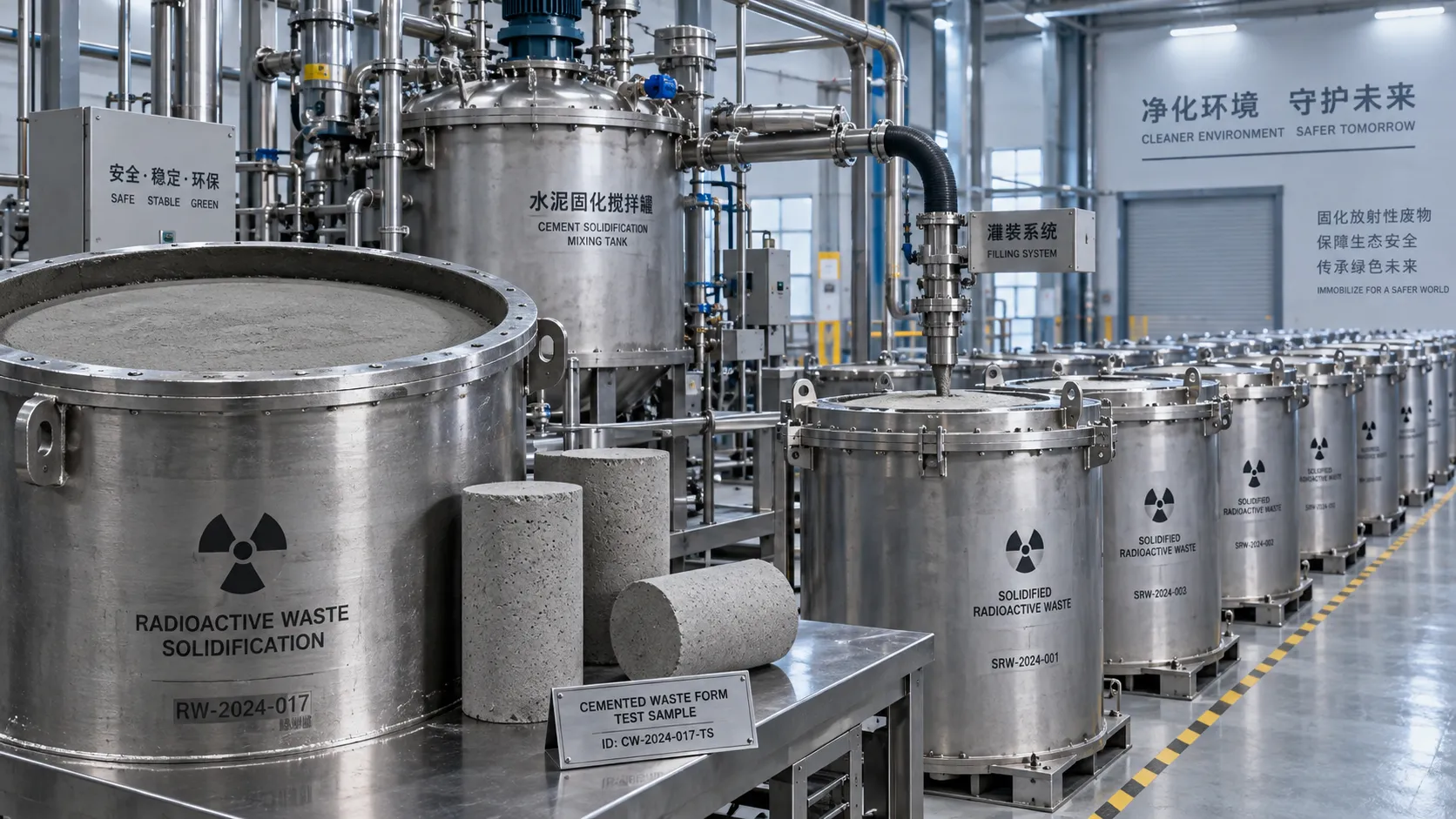
When is cementation suitable for nuclear decommissioning waste?
Explore nuclear waste treatment technology for decommissioning: learn when cementation fits, which risks to assess, and how disposal criteria guide an effective treatment choice.
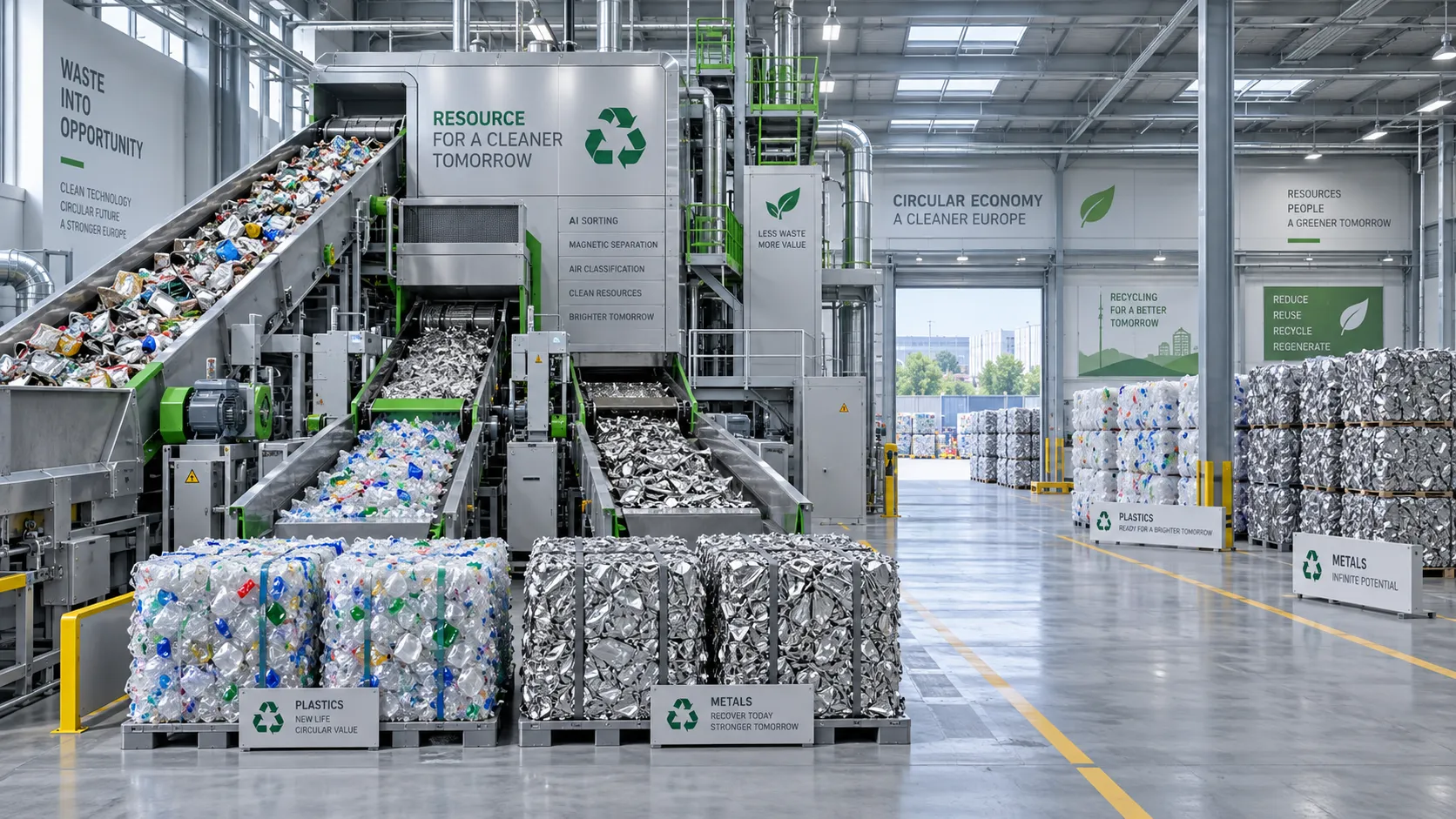
What determines payback for waste-to-resource systems in Europe?
Assess waste-to-resource systems Europe-wide: compare feedstock, recovery yields, costs and contracts to uncover payback drivers and make smarter investment decisions.
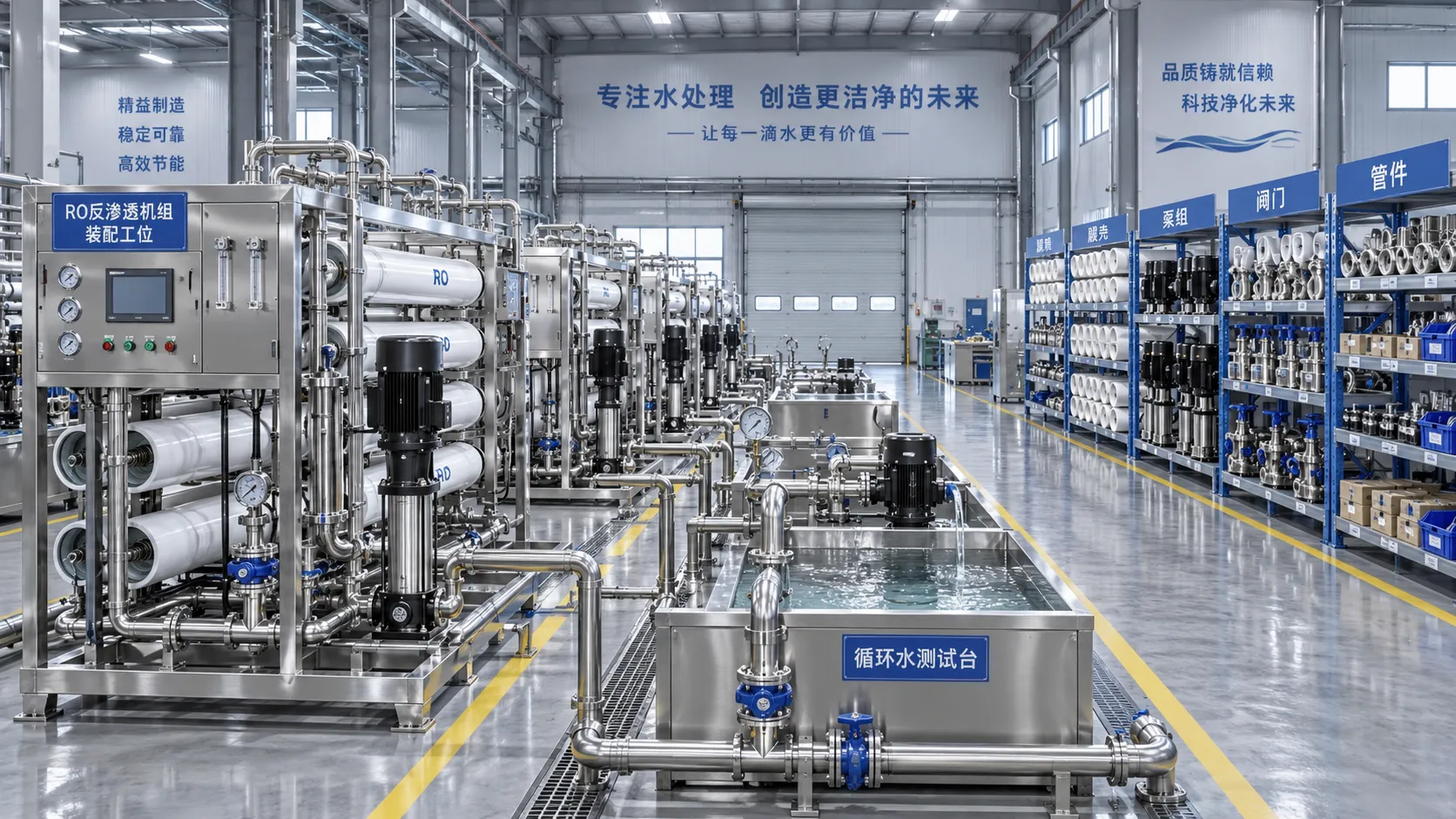
How to verify a water treatment system factory’s production capacity
Verify a water treatment systems factory’s production capacity through records, bottlenecks, component availability, and testing. Learn what to check before accepting a delivery promise.
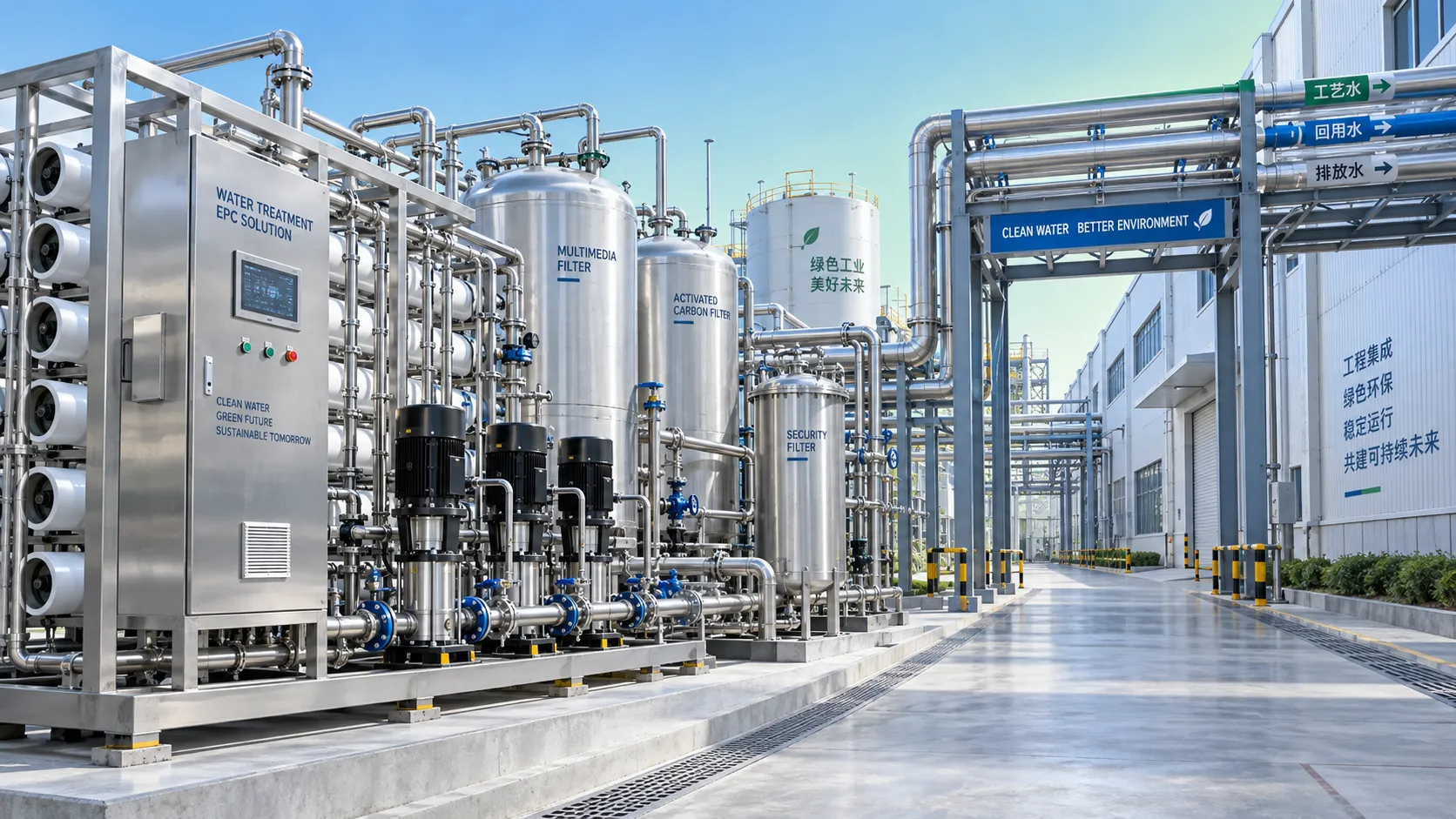
When does EPC environmental project support reduce delivery risk?
EPC environmental project support engineering reduces delivery risk by aligning design, procurement, compliance, construction, and commissioning decisions.
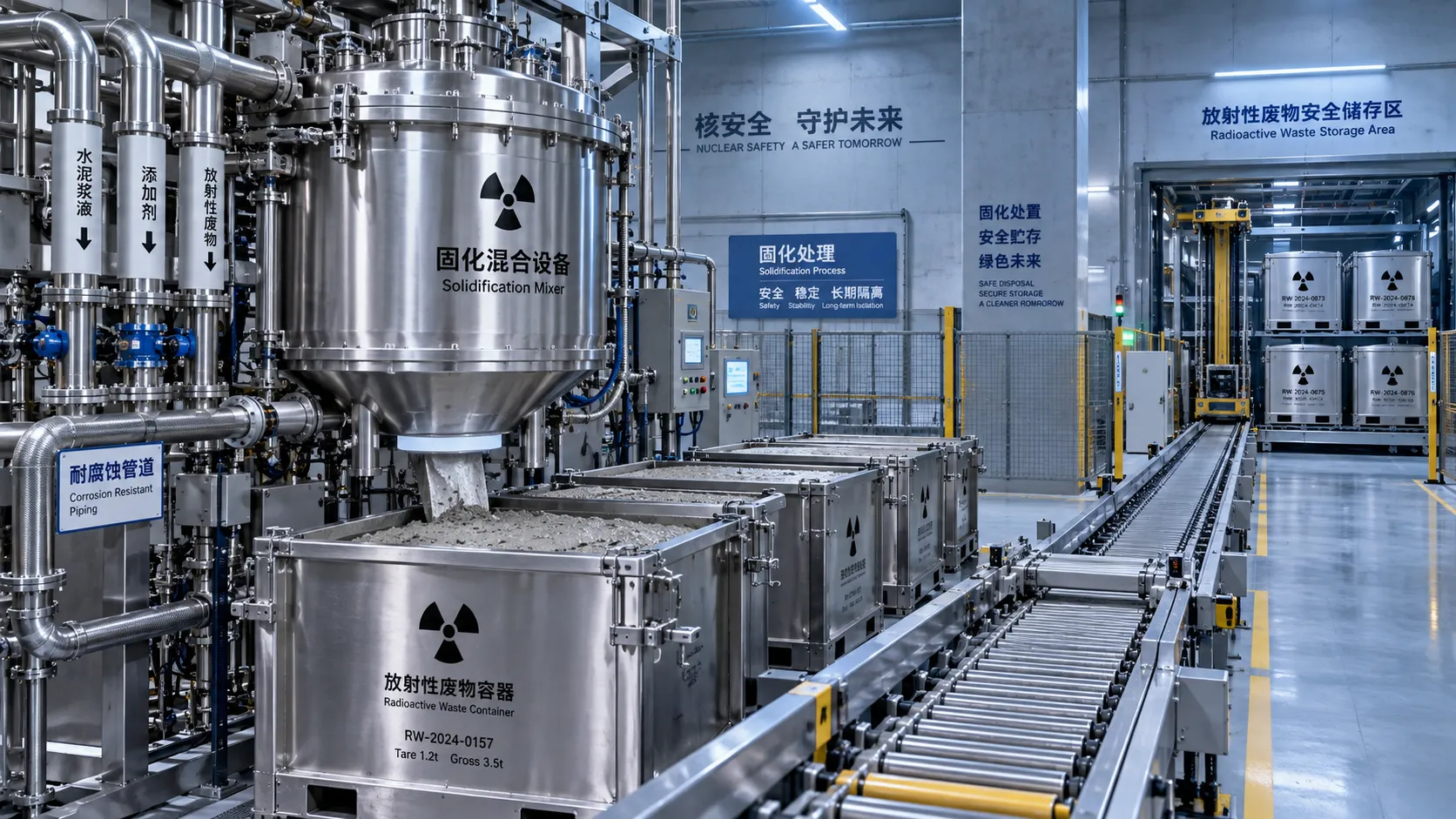
How nuclear plants select a radioactive waste solidification method
Radioactive waste management for nuclear plants: compare vitrification, cementation, polymers, and ceramics to select a compliant, durable solidification solution.
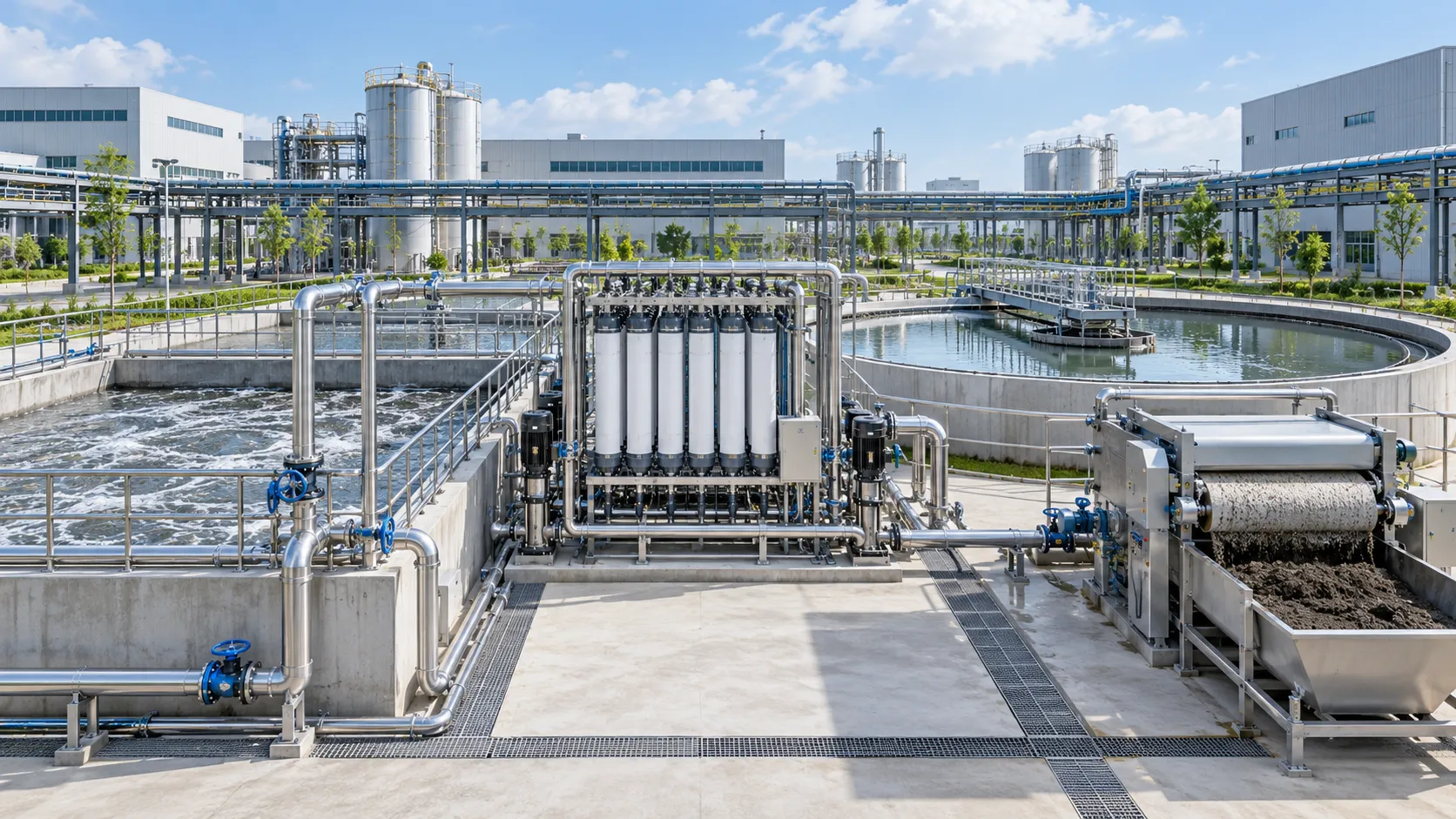
What Drives the Cost of Wastewater System Upgrades in Industrial Parks?
Costs of wastewater system upgrades in industrial parks: uncover key drivers from influent variability and civil works to sludge, energy, compliance, and lifecycle risk.
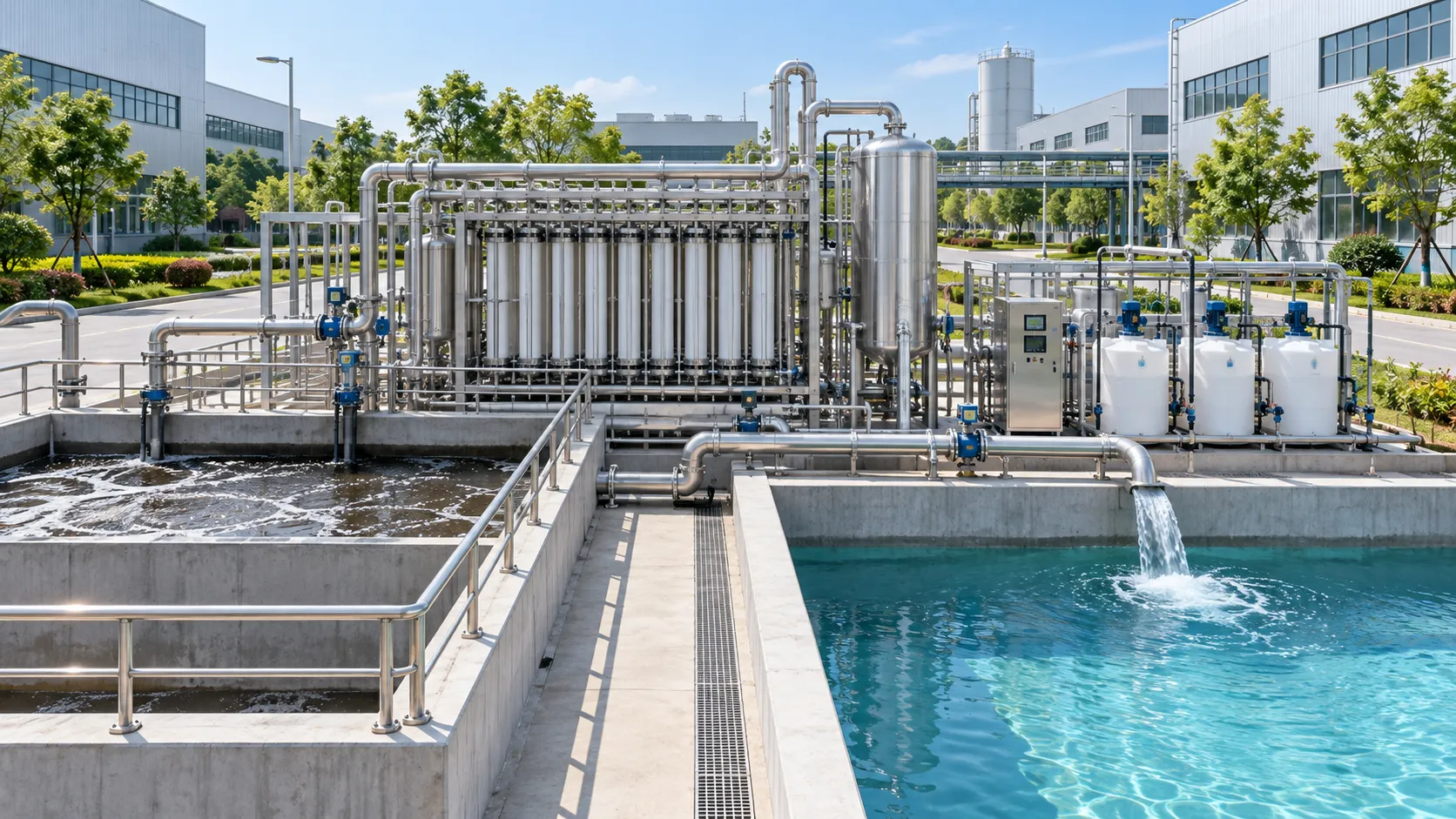
Comparing Upgrade Costs for Industrial Park Wastewater Treatment Systems
Compare costs for wastewater system upgrades in industrial parks with a lifecycle view of CAPEX, OPEX, compliance, resilience, and future expansion.
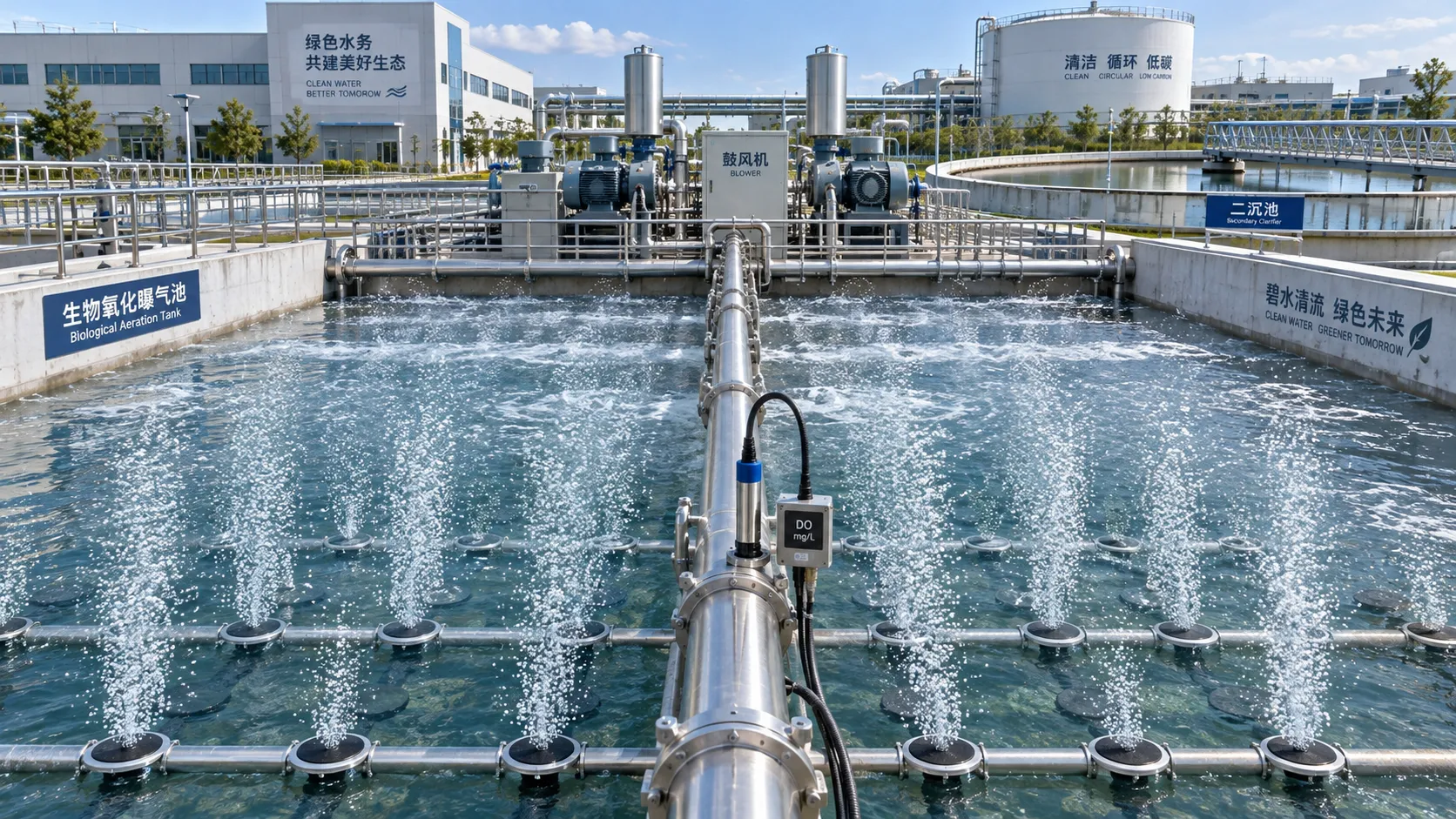
Biological Wastewater Oxidation Explained: Aeration Demand and Process Control
Biological wastewater oxidation explained: optimize aeration demand, DO control, nitrification, and sludge age for stable effluent quality and lower energy costs.
Activated Sludge Cost: Budgeting Energy, Chemicals, Sludge, and Labor
Activated sludge cost explained: compare energy, chemicals, sludge disposal, labor, and compliance risks to build a reliable lifecycle budget.