
Industry News
Curation by industry experts
Hot Articles
Popular Tags
Advanced Oxidation Processes: When Do They Outperform Biological Treatment?
For technical evaluators, the practical answer is straightforward: advanced oxidation processes outperform biological treatment when wastewater contains toxic, non-biodegradable, inhibitory, or highly variable compounds that prevent stable biological removal or create compliance risk. In those cases, the higher operating cost of oxidation can be justified by better destruction of persistent contaminants, more predictable polishing performance, and lower downstream environmental liability.
This matters most in industrial settings where treatment decisions are not only about average removal efficiency, but about failure tolerance, permit compliance, reuse objectives, sludge generation, and the risk of carrying difficult organics into downstream systems. The right comparison is not “AOP versus biology” in theory, but whether advanced oxidation processes create superior lifecycle value under specific influent and regulatory conditions.
What search intent sits behind this topic for technical evaluators?
The core search intent behind “Advanced Oxidation Processes: When Do They Outperform Biological Treatment?” is comparative decision support. Readers are usually not looking for a basic definition. They want to know when advanced oxidation processes should be selected, where biological treatment becomes unreliable, and how to judge the tradeoff between performance gains and higher energy or reagent demand.
Technical evaluators also tend to be screening technologies for industrial wastewater upgrades, water reuse trains, pretreatment design, or compliance-risk reduction. Their real question is often: under what wastewater characteristics, permit requirements, and plant constraints does AOP move from optional polishing tool to strategically necessary unit process?
What this audience cares about most includes four issues. First, contaminant fit: which pollutants are actually better handled by hydroxyl radical or sulfate radical chemistry than by microbial degradation. Second, reliability: whether performance remains stable under toxic shocks, variable loads, or seasonal changes. Third, economics: whether the benefits justify the cost. Fourth, integration: whether AOP should replace biology, protect it, or follow it.
That means the most useful article content is not broad chemistry history or generic process descriptions. What helps evaluators most is a decision framework built around pollutant type, biodegradability, toxicity, compliance pressure, operational sensitivity, and total system objectives such as reuse, ZLD readiness, or micropollutant control.
Start with the main judgment: AOP wins when biology cannot reliably finish the job
Biological treatment remains the default workhorse for bulk biodegradable organic removal because it is usually more cost-effective for high-flow, moderate-strength wastewater rich in readily degradable carbon. Activated sludge, MBR, MBBR, anaerobic systems, and hybrid bioprocesses are proven, scalable, and relatively efficient when influent conditions support microbial health.
Advanced oxidation processes become superior when the treatment objective shifts from bulk BOD reduction to the destruction of compounds that microbes cannot easily metabolize, that suppress microbial activity, or that pass through the biological system and create permit or reuse problems. Examples include phenolics, dyes, pharmaceuticals, PFAS precursors in some cases, endocrine-active compounds, pesticides, solvents, surfactants, and certain refinery, textile, pulp, electronics, and petrochemical contaminants.
In practical evaluation terms, AOP tends to outperform when one or more of the following conditions are present: low BOD/COD ratio, acute or chronic toxicity, color or odor persistence, refractory COD, trace organics under tight discharge limits, high variability in industrial feed composition, or stringent water reuse quality targets that biology alone cannot consistently meet.
So the first screening rule is simple. If the wastewater is mostly biodegradable and influent toxicity can be equalized, biological treatment usually remains the economic core. If the wastewater contains recalcitrant or inhibitory contaminants that drive compliance risk, advanced oxidation processes deserve serious consideration either as pretreatment, polishing, or targeted destruction steps.
Which wastewater characteristics signal that advanced oxidation processes may outperform biology?
One of the strongest indicators is poor biodegradability. A low BOD/COD ratio often suggests that a large portion of the organic load is not readily metabolized. In such cases, biological systems may remove some fraction of the load but leave behind refractory compounds, color bodies, or toxic intermediates. AOP can either directly oxidize those compounds or convert them into forms that are easier for downstream biology to degrade.
Toxicity is another critical trigger. Biological systems depend on healthy microbial consortia, and they are vulnerable to inhibitory substances such as cyanides, phenols at high concentration, chlorinated organics, biocides, solvents, and certain metals or salinity combinations. Where influent spikes can poison biomass, advanced oxidation processes may provide a more robust front-end barrier, especially when upset risk is more costly than reagent consumption.
High variability in composition also favors oxidation in some designs. A biological system can adapt, but adaptation takes time and depends on predictable loading. In batch industrial operations, campaign manufacturing, or mixed-waste industrial parks, sudden changes in COD fraction, pH, toxicity, and surfactant load can destabilize nitrification, settleability, and overall treatment efficiency. AOP can offer faster reaction-based control where biological acclimation is too slow.
Micropollutant and reuse targets are equally important. A biological plant may achieve satisfactory conventional discharge indicators while still allowing residual pharmaceuticals, trace solvents, taste-and-odor compounds, or color to remain. If the downstream objective is process water reuse, membrane protection, advanced desalination pretreatment, or public-facing environmental performance, advanced oxidation processes often deliver value beyond what traditional biological metrics show.
Where biology still has a clear advantage
A fair evaluation must also identify where biology remains stronger. If wastewater contains substantial biodegradable COD or BOD, biological treatment usually offers lower unit cost for mass removal than ozone, UV-peroxide, Fenton, electro-oxidation, or photocatalytic systems. For large municipal flows or industrial wastewater with stable biodegradable content, biology is usually the most rational primary engine.
Biological systems also avoid some common AOP penalties. Oxidation technologies can consume significant electricity, peroxide, ozone-generation power, iron salts, acid, alkali, or catalyst replacement. They may also need quenching, off-gas control, or more sophisticated instrumentation. In contrast, a well-operated bioprocess can deliver lower lifecycle cost for bulk treatment, particularly where nutrient balance and equalization are manageable.
There is also the issue of mineralization efficiency. Not every advanced oxidation process completely converts organics to carbon dioxide and water within practical residence times. Some systems mainly transform contaminants into smaller intermediates, which may still need biological removal downstream. If evaluators expect full destruction from AOP alone, they should verify reaction kinetics, scavenger effects, and achievable residuals under real wastewater conditions.
That is why “outperform” must be defined carefully. If the goal is lowest-cost removal of biodegradable organics at scale, biology often wins. If the goal is reliable control of refractory, toxic, or trace contaminants under tight compliance or reuse conditions, advanced oxidation processes may outperform decisively even at higher operating expense.
How different AOP pathways create value beyond conventional biological treatment
Not all advanced oxidation processes behave the same way. Ozone-based systems are often attractive for color removal, oxidation of unsaturated organics, and micropollutant polishing. UV/hydrogen peroxide is common when transparency is adequate and high-purity oxidation control is needed, especially in reuse applications. Fenton and photo-Fenton approaches can be powerful for difficult industrial wastewaters, though chemical handling and sludge implications must be managed.
Electrochemical oxidation offers compactness and strong oxidation potential in certain niche streams, especially where on-site chemical logistics are difficult or where modular high-intensity treatment is preferred. Persulfate-based systems can be useful in selected applications where sulfate radicals provide stronger reaction pathways for certain contaminants. Wet air oxidation and catalytic oxidation occupy another space for high-strength, difficult streams under more intensive process conditions.
From an evaluator’s perspective, the value of AOP is often not just higher removal percentages. It is the ability to attack pollutant classes that biology leaves behind, reduce toxicity before a membrane or biological step, suppress color and odor that affect discharge perception, and improve compliance consistency when conventional biotreatment becomes fragile.
This is particularly relevant in advanced water treatment trains connected to reuse, desalination pretreatment, or high-end industrial recycling. In such systems, every residual organic can have downstream consequences, including membrane fouling, disinfection byproduct precursor formation, concentrate management complications, or product-quality risks. Here, advanced oxidation processes may create indirect savings that are larger than their direct operating cost suggests.
Use a decision framework instead of a technology preference
Technical evaluators should avoid selecting AOP simply because wastewater is “complex.” A better approach is to score the case across six dimensions: biodegradability, toxicity, variability, compliance stringency, downstream sensitivity, and destruction requirement. This quickly clarifies whether advanced oxidation processes are likely to be marginally helpful or strategically necessary.
If biodegradability is high and toxicity is low, biology should usually remain the backbone. If biodegradability is low but toxicity is moderate, AOP may work best as pretreatment to improve biodegradability. If toxicity is high and flows are variable, AOP may be needed to protect biomass or replace biological removal for critical fractions. If trace-organic discharge or reuse standards are strict, AOP polishing after biology often becomes the strongest option.
Another important screen is what failure costs look like. In some plants, occasional underperformance only affects internal treatment efficiency. In others, it can halt production, trigger permit violations, damage membranes, or create public and regulatory exposure. Where the cost of failure is high, technologies with stronger oxidation certainty can have disproportionate value even if their normal operating cost is higher.
Evaluators should also ask whether treatment goals are about average performance or worst-case performance. Biological systems often perform well on average, but certain industrial profiles are defined by peaks, toxic upsets, or hard-to-remove residuals. Advanced oxidation processes are frequently justified by how they handle the tail risk, not just by how they improve the mean.
Typical use cases where advanced oxidation processes outperform biological treatment
Textile and dyeing wastewater is a classic case. Biological treatment can reduce biodegradable load, but persistent color, surfactants, and specialty chemicals often remain problematic. AOP can provide stronger oxidation for chromophoric compounds and improve final discharge quality where visual standards and COD polishing are tight.
Pharmaceutical and fine chemical wastewaters also frequently favor oxidation. Batch variability, solvent residues, active compounds, and toxicity can destabilize biological systems. In these streams, advanced oxidation processes may serve as front-end detoxification, targeted compound destruction, or final polishing to address substances with high environmental relevance at low concentrations.
Landfill leachate, especially mature leachate, is another important category. As biodegradability declines over time, biological treatment alone often struggles with humic substances, color, refractory COD, and ammonia-related interactions. AOP can improve treatability or reduce recalcitrant residuals when reuse or stringent discharge goals apply.
Electronics, petrochemical, coking, and specialty manufacturing wastewaters can show similar patterns. Where a plant faces low biodegradability, inhibitor presence, severe variability, or membrane reuse ambitions, advanced oxidation processes may outperform biology either alone on specific sidestreams or in hybrid trains designed around risk reduction and polish quality.
What technical evaluators should verify before recommending AOP
Bench optimism is a common mistake. Real wastewater contains radical scavengers such as bicarbonate, chloride, natural organic matter, and suspended solids that can significantly reduce oxidation efficiency. Reaction performance seen in clean-water studies or synthetic matrices may not hold at full scale. Evaluators should insist on tests with authentic wastewater and realistic hydraulic conditions.
They should also verify whether the objective is transformation or true mineralization. If oxidation only breaks large molecules into smaller byproducts, the treatment train must still manage those intermediates. In many strong designs, advanced oxidation processes are not substitutes for all downstream treatment, but enablers that make subsequent biological, membrane, or adsorption steps more effective and stable.
Energy and reagent demand must be normalized to actual pollutant removal, not just to flow. Comparing cost per cubic meter can be misleading if the real challenge is a small set of high-risk compounds. AOP may look expensive on volume basis but highly effective on risk-reduction basis, especially where compliance penalties or reuse failures carry major cost.
Finally, evaluators should consider operability. Ozone transfer efficiency, UV transmittance, peroxide dosing control, iron sludge management, electrode passivation, and safety systems all influence real-world performance. A technically strong AOP design can still underperform if site staffing, instrumentation maturity, and maintenance discipline are not aligned with process complexity.
The most effective strategy is often hybrid, not either-or
In many industrial applications, the best answer is not choosing between advanced oxidation processes and biological treatment as competing alternatives. It is designing them in sequence to exploit their different strengths. AOP can detoxify or increase biodegradability before biology, and it can polish refractory residuals after biology. Both configurations can outperform a single-technology approach.
Pretreatment AOP is useful when biological inhibition is the main bottleneck. By reducing toxic peaks or partially oxidizing hard compounds, it can stabilize biomass and improve total system resilience. Post-biological AOP is more suitable when the plant already removes bulk organic load efficiently but still misses color, trace-organic, odor, or reuse-quality targets.
For high-end reuse or ZLD-oriented systems, hybrid trains become even more attractive. Biological treatment controls bulk load economically, while advanced oxidation processes reduce the residual organics that threaten RO membranes, advanced polishing, or concentrate-management performance. In these scenarios, AOP value extends beyond oxidation alone into asset protection and recovery optimization.
This systems view is especially relevant for infrastructure planners, EPC teams, and industrial decision-makers working under tightening compliance frameworks. The most defensible recommendation is often the one that lowers whole-train risk, not the one that minimizes the cost of a single unit operation.
Conclusion: when should advanced oxidation processes be favored?
Advanced oxidation processes should be favored when biological treatment cannot reliably meet the true treatment objective. That usually means wastewater contains toxic, recalcitrant, color-forming, or trace-priority pollutants; influent composition is highly variable; reuse standards are demanding; or the cost of failure is too high to tolerate biological uncertainty.
Biology still dominates for economical removal of readily biodegradable organics at scale. But when the challenge shifts from bulk degradation to persistent contaminant destruction, compliance assurance, and downstream risk reduction, advanced oxidation processes often outperform in the ways that matter most to technical evaluators.
The right decision is therefore contextual, not ideological. Evaluate pollutant chemistry, biodegradability, inhibition risk, variability, permit pressure, and system-level consequences. When those factors point to refractory load and reliability-driven treatment, advanced oxidation processes are not an expensive luxury. They are often the more strategic engineering choice.
Recommended News
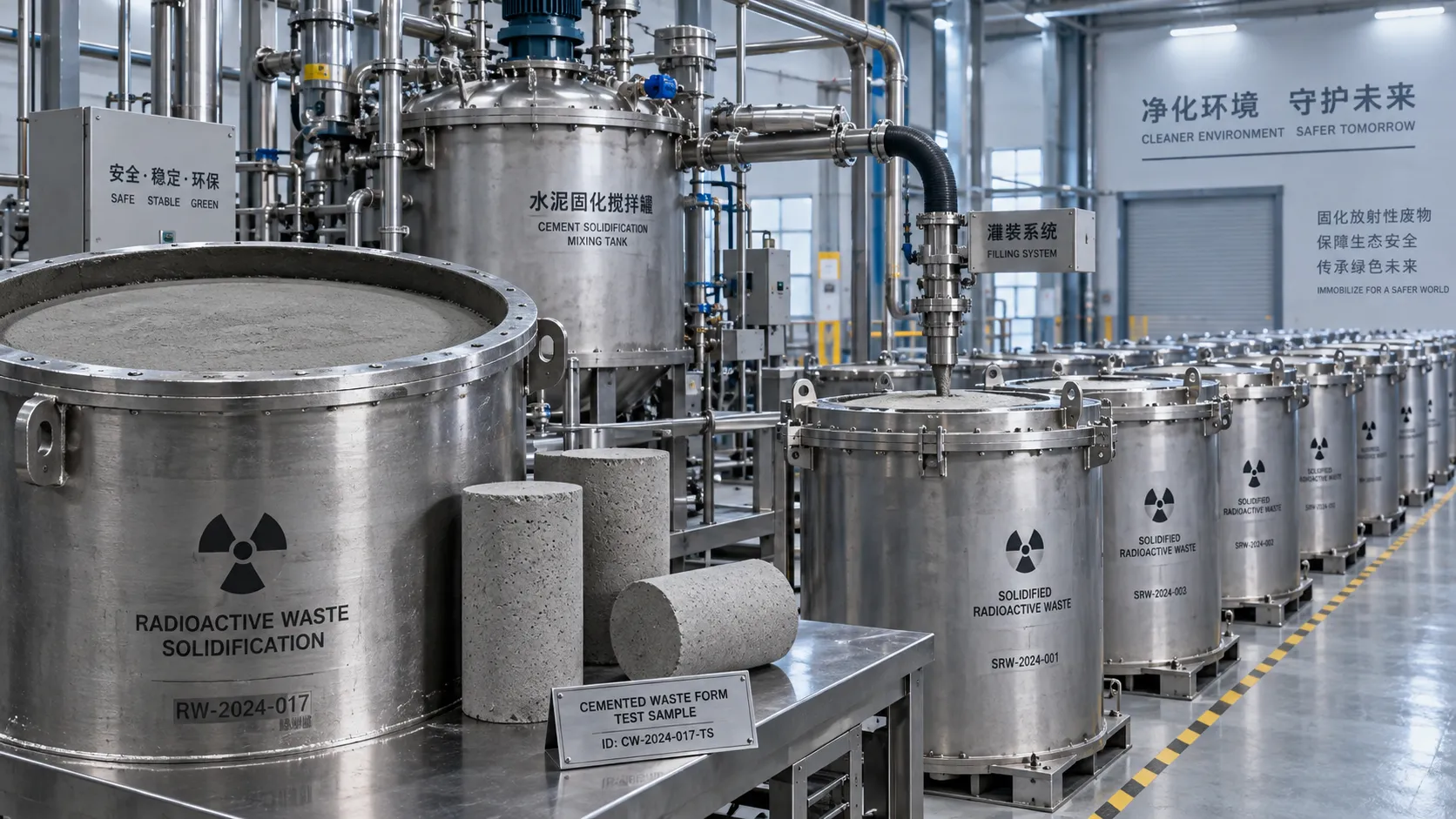
When is cementation suitable for nuclear decommissioning waste?
Explore nuclear waste treatment technology for decommissioning: learn when cementation fits, which risks to assess, and how disposal criteria guide an effective treatment choice.
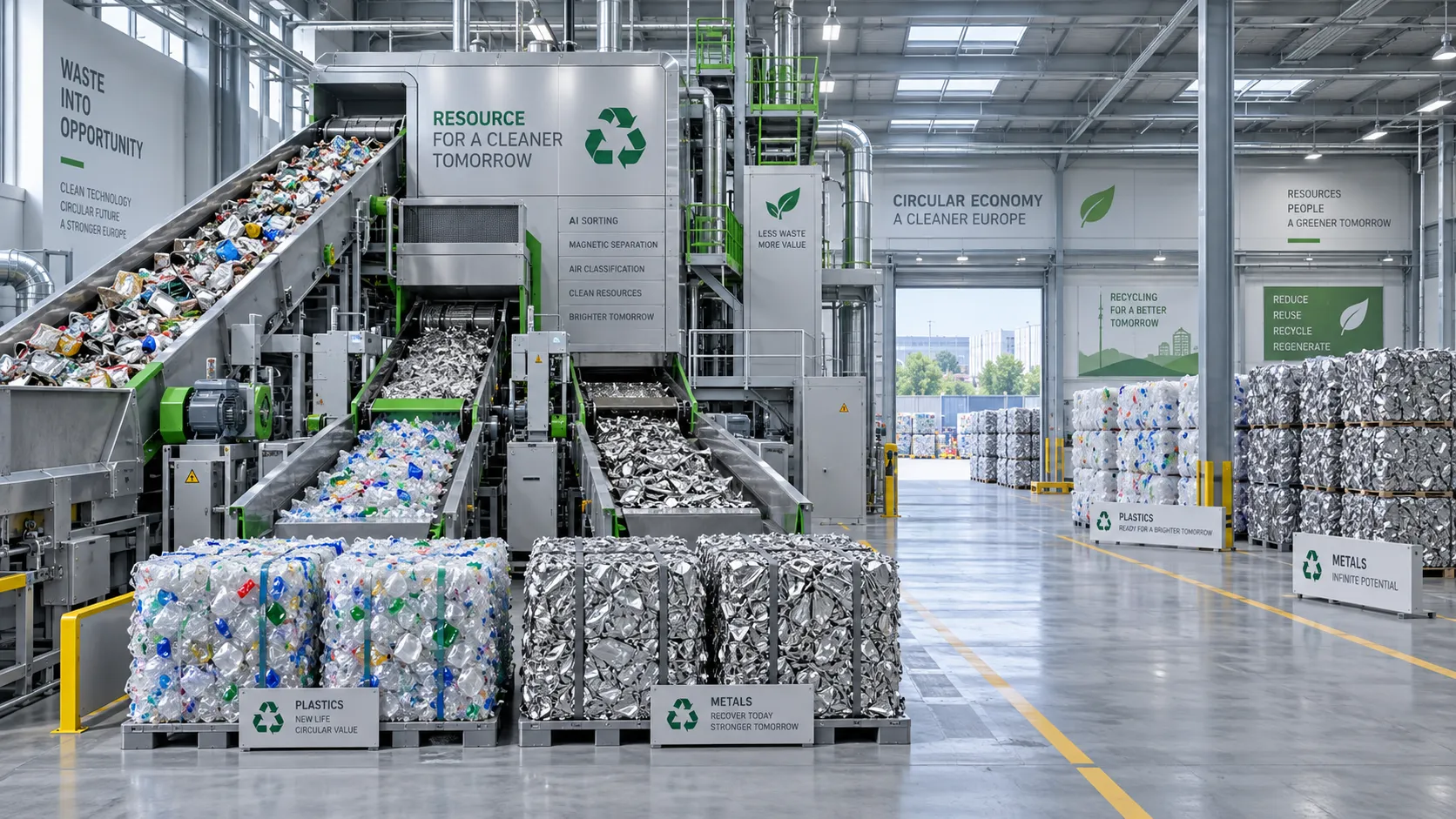
What determines payback for waste-to-resource systems in Europe?
Assess waste-to-resource systems Europe-wide: compare feedstock, recovery yields, costs and contracts to uncover payback drivers and make smarter investment decisions.
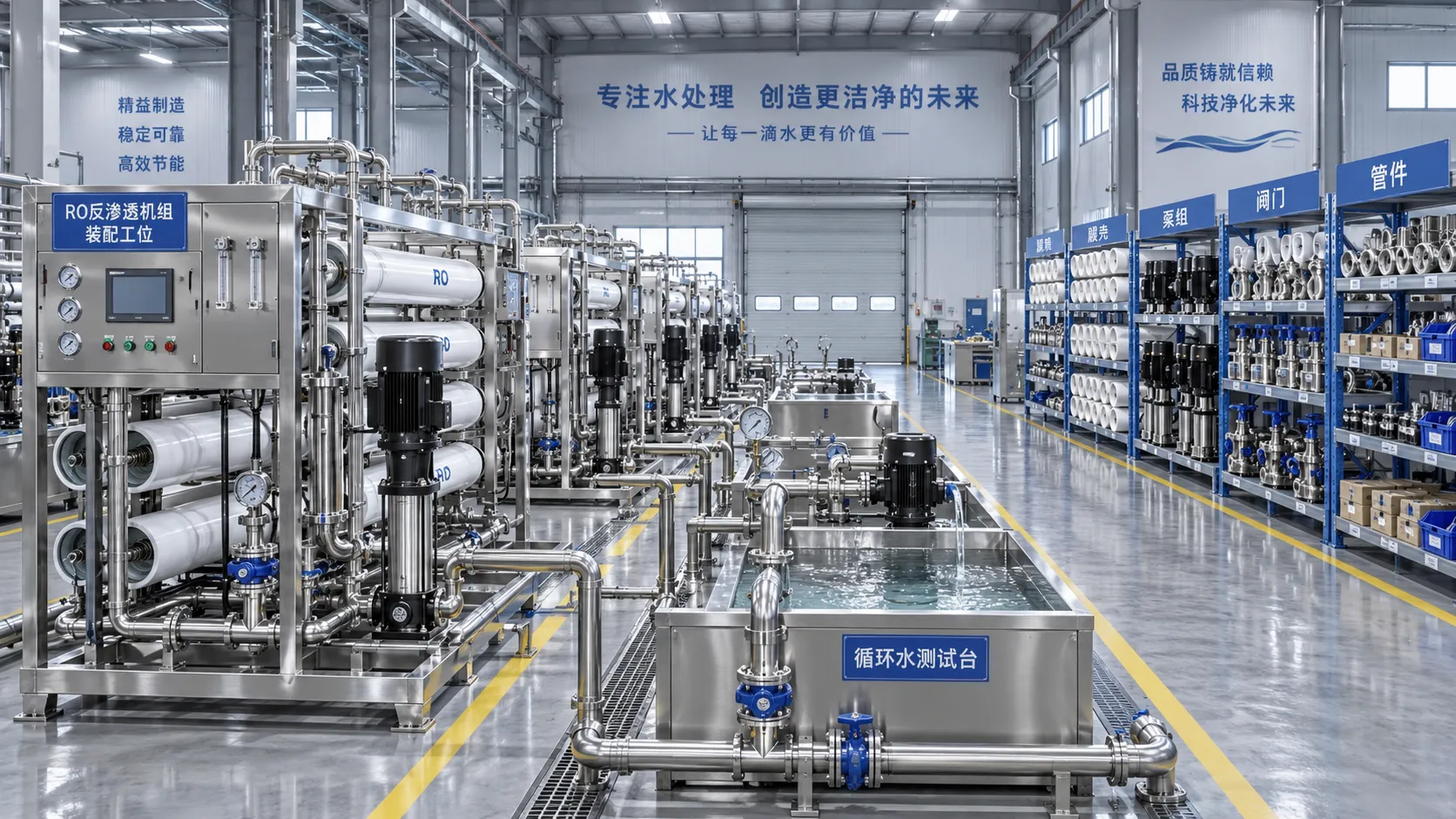
How to verify a water treatment system factory’s production capacity
Verify a water treatment systems factory’s production capacity through records, bottlenecks, component availability, and testing. Learn what to check before accepting a delivery promise.
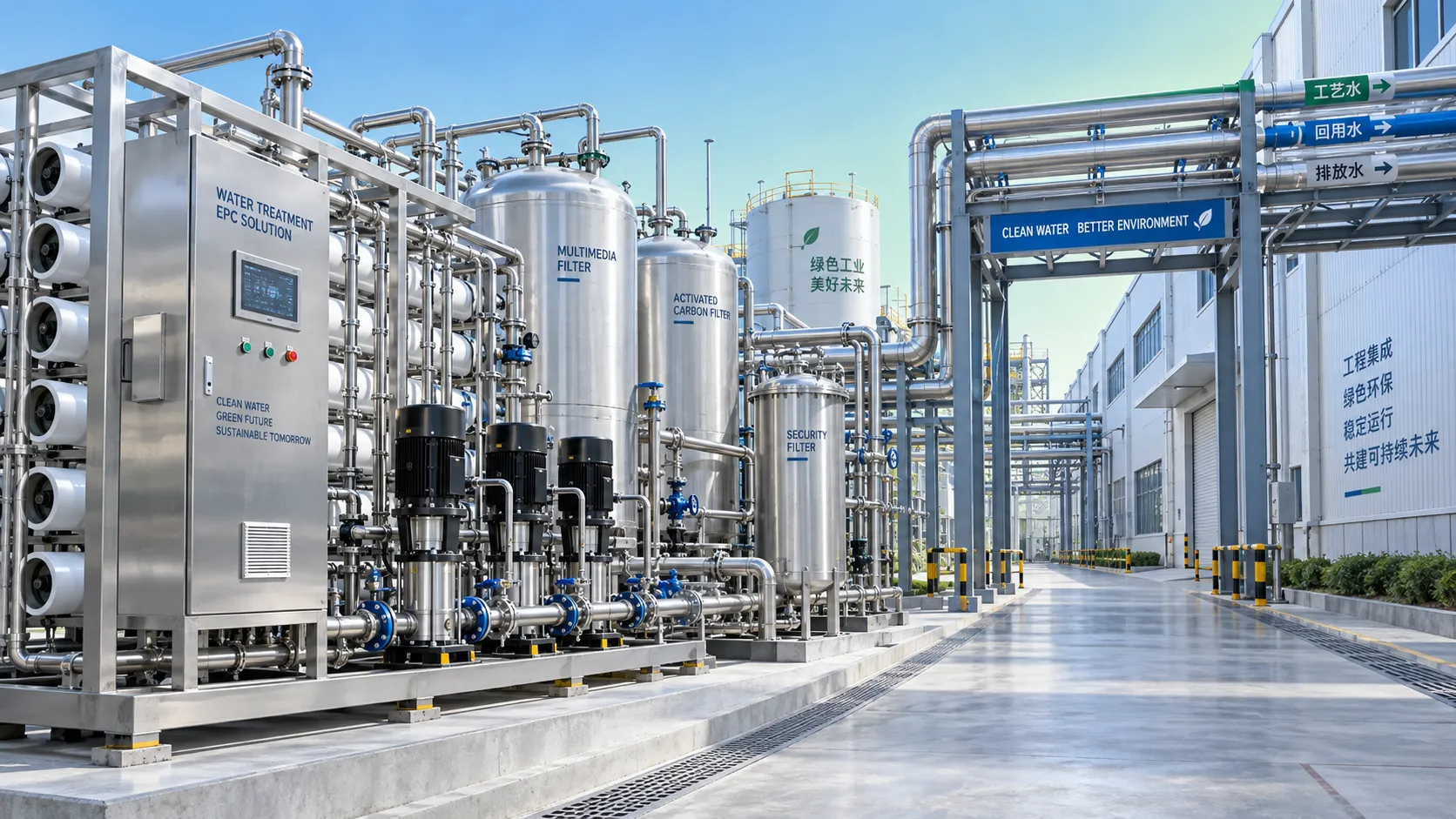
When does EPC environmental project support reduce delivery risk?
EPC environmental project support engineering reduces delivery risk by aligning design, procurement, compliance, construction, and commissioning decisions.
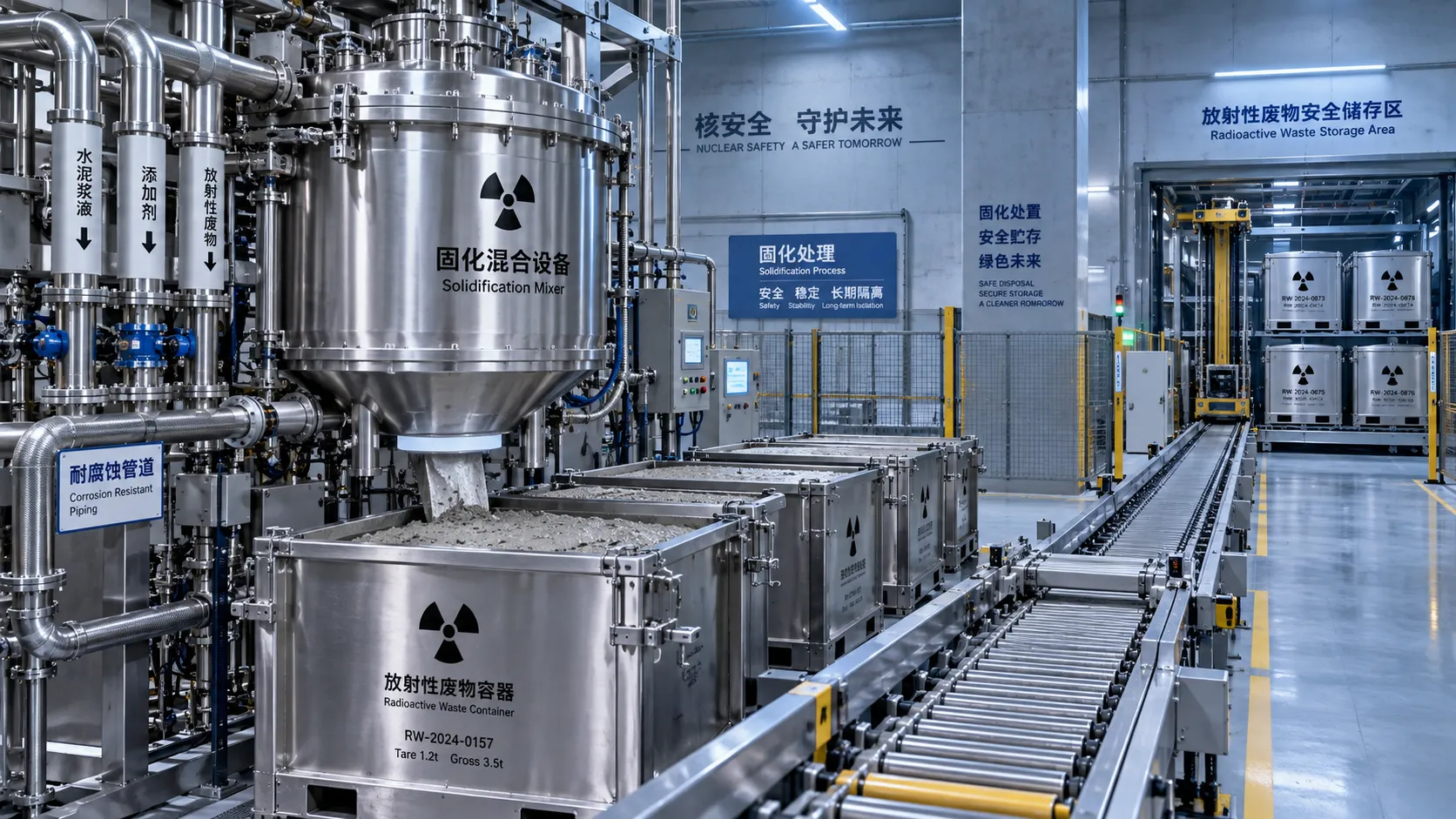
How nuclear plants select a radioactive waste solidification method
Radioactive waste management for nuclear plants: compare vitrification, cementation, polymers, and ceramics to select a compliant, durable solidification solution.
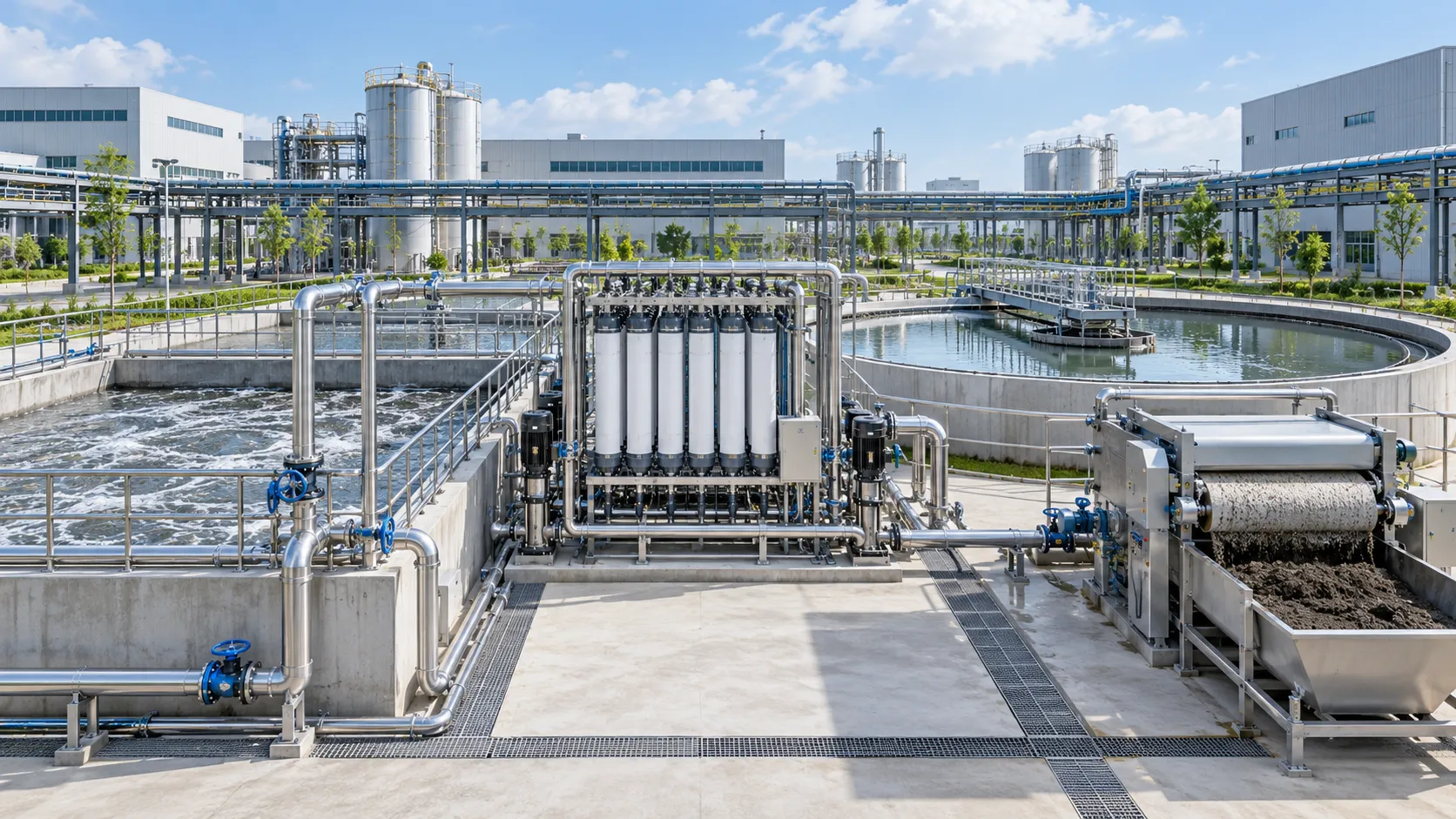
What Drives the Cost of Wastewater System Upgrades in Industrial Parks?
Costs of wastewater system upgrades in industrial parks: uncover key drivers from influent variability and civil works to sludge, energy, compliance, and lifecycle risk.
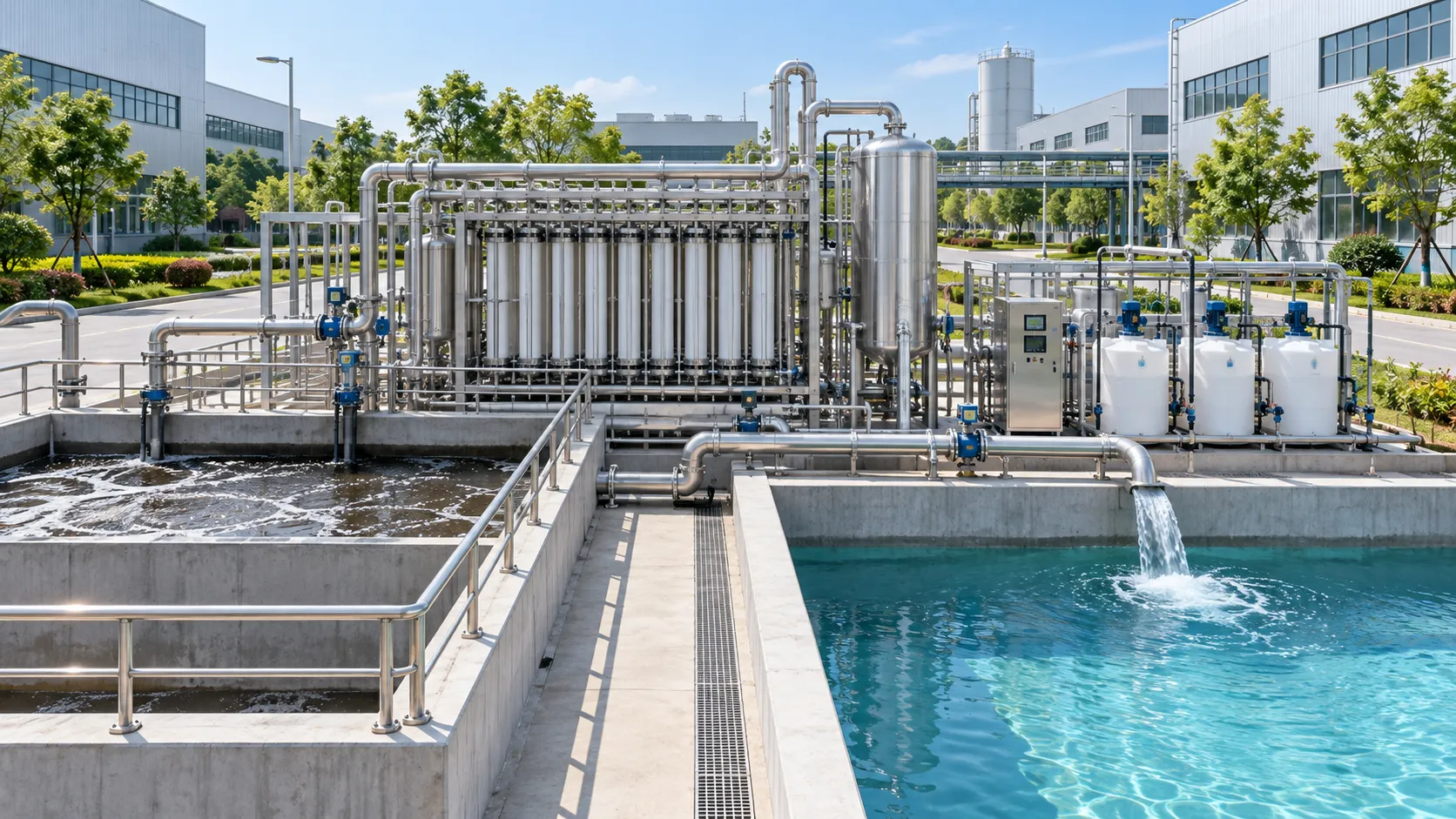
Comparing Upgrade Costs for Industrial Park Wastewater Treatment Systems
Compare costs for wastewater system upgrades in industrial parks with a lifecycle view of CAPEX, OPEX, compliance, resilience, and future expansion.
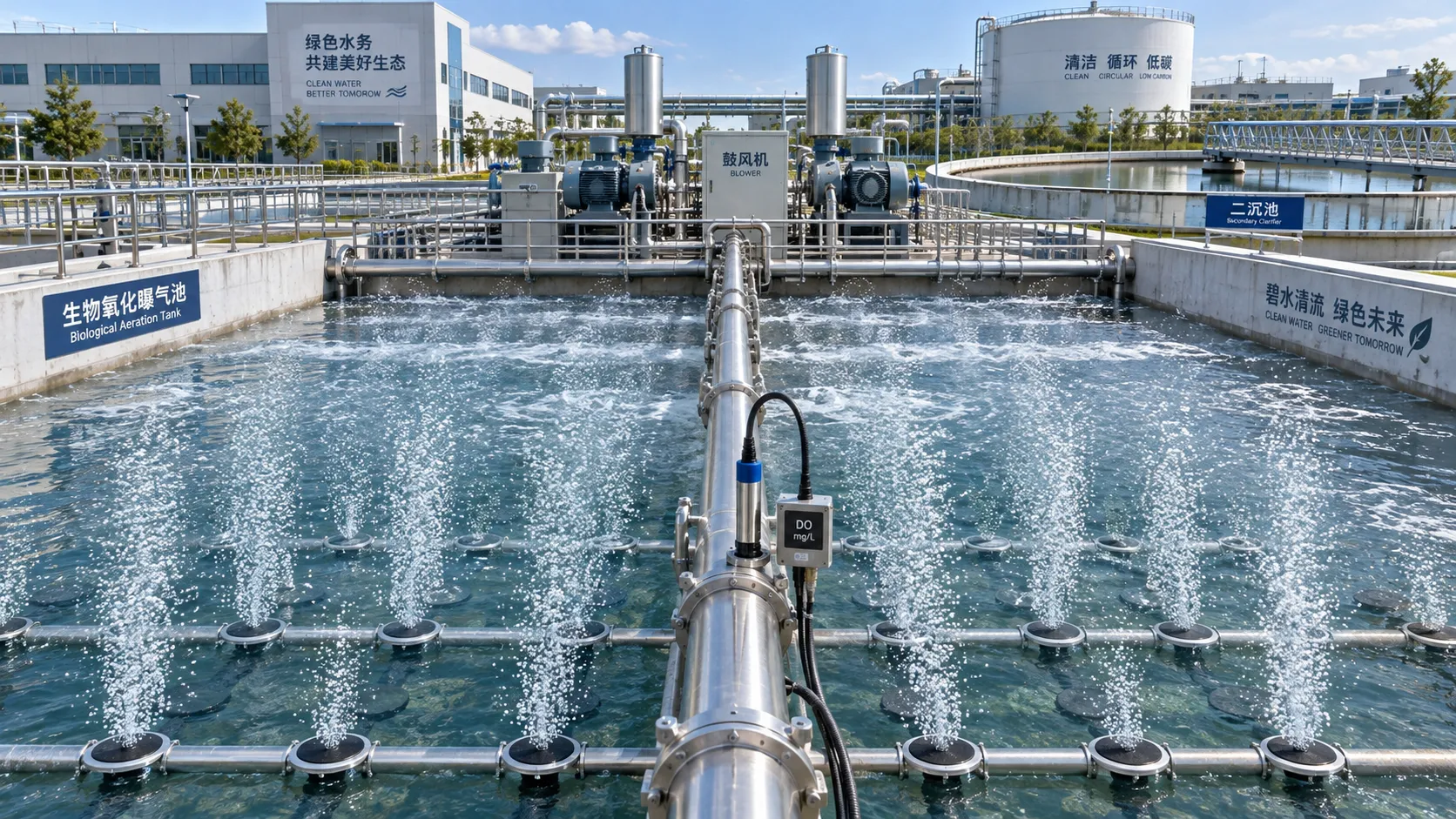
Biological Wastewater Oxidation Explained: Aeration Demand and Process Control
Biological wastewater oxidation explained: optimize aeration demand, DO control, nitrification, and sludge age for stable effluent quality and lower energy costs.
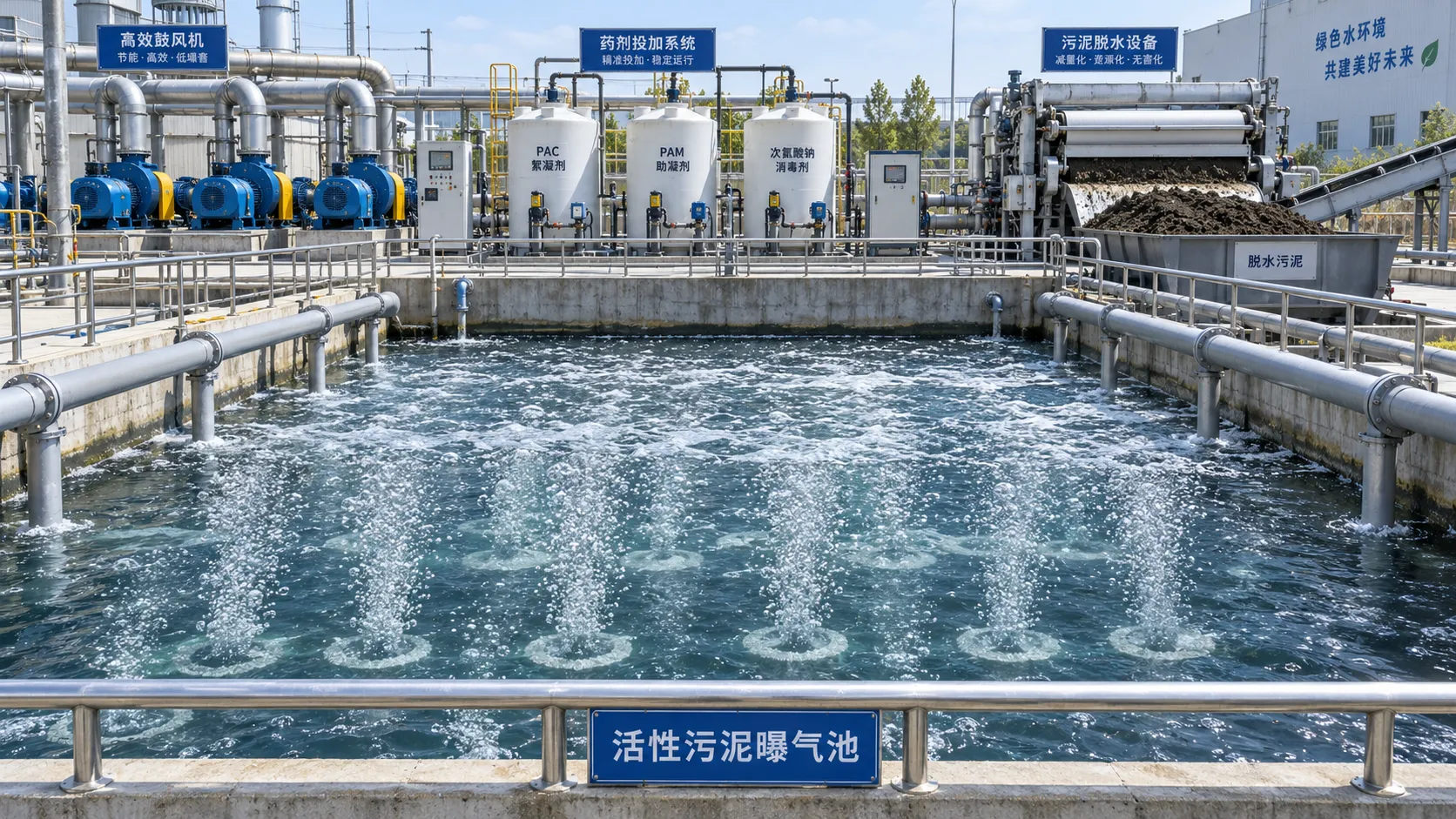
Activated Sludge Cost: Budgeting Energy, Chemicals, Sludge, and Labor
Activated sludge cost explained: compare energy, chemicals, sludge disposal, labor, and compliance risks to build a reliable lifecycle budget.