
Industry News
Curation by industry experts
Hot Articles
Popular Tags
Flue Gas Scrubbing Problems: Common Causes and Practical Fixes
Why flue gas scrubbing problems rarely look the same on site
Flue gas scrubbing problems usually emerge as a chain, not a single fault.
A pressure rise may begin with scaling, then trigger poor gas-liquid contact, mist carryover, and unstable outlet compliance.
In heavy industry, that sequence affects more than emissions.
It changes water balance, corrosion rates, fan load, reagent consumption, and maintenance windows across the wider environmental system.
That is why flue gas scrubbing cannot be judged only by nameplate removal efficiency.
At ESD, flue gas treatment is viewed as one part of an ecological protection chain.
Scrubber performance connects with wastewater treatment, solids handling, energy use, and tightening compliance pressure, including cross-border carbon rules.
In practice, the right fix depends on fuel chemistry, operating rhythm, absorber design, and what the downstream system can tolerate.
Two plants can report similar flue gas scrubbing symptoms while needing very different corrective actions.
Different operating conditions create different flue gas scrubbing priorities
Base-load power units usually value stability first.
The main concern is keeping sulfur removal predictable over long runs, without hidden fouling that appears weeks later.
Waste-to-energy lines face a different pattern.
Fuel variability is wider, acid gas swings are sharper, and particulate character changes faster, so flue gas scrubbing problems often surface as control instability.
Metallurgical furnaces add another layer.
High dust loading, thermal cycling, and trace chlorides can turn a chemically sound design into a maintenance-heavy system.
Marine exhaust cleaning and industrial boilers also look similar on paper, yet their water quality limits and corrosion exposure differ significantly.
A useful first judgment is to ask what changes most often.
If gas composition changes daily, control logic matters more.
If solids loading stays high, internal washing and slurry management move to the front.
If water reuse is strict, the scrubber must be assessed together with blowdown treatment.
When scaling is the visible symptom, chemistry is usually the real problem
Many flue gas scrubbing problems are blamed on dirty internals.
That is only partly true.
The more important question is why deposits formed at that speed and location.
In wet scrubbers, gypsum saturation, oxidation air distribution, absorber pH, and solids residence time usually tell the deeper story.
If scale appears near spray headers, nozzle atomization and local slurry concentration should be checked together.
If deposits concentrate around demisters, carryover and inadequate wash sequencing are stronger suspects.
A common misjudgment is increasing reagent feed to recover removal efficiency.
That may improve capture briefly while accelerating solids buildup and pumping stress.
A better fix is usually staged.
- Confirm slurry density, pH trend, chloride concentration, and oxidation air performance.
- Inspect nozzle wear pattern instead of only checking whether nozzles are open.
- Review wash water quality, especially where recycled water already carries hardness or suspended solids.
- Match cleaning frequency to deposit mechanism, not to a fixed calendar.
This matters especially in integrated environmental plants, where scrubber bleed may already be interacting with ZLD or advanced wastewater treatment loops.
Mist carryover often signals a control and maintenance gap, not only a demister issue
Mist carryover is one of the most underestimated flue gas scrubbing problems.
It can show up as stack opacity, duct corrosion, fan imbalance, or unexplained solids in downstream equipment.
The direct cause may be a blinded demister.
Yet the upstream cause is often unstable liquid loading, poor droplet distribution, or wash cycles that no longer match real operating duty.
In variable-load systems, this becomes more common.
Gas velocity can move outside the original design window, especially after capacity uprates or fuel switching.
When that happens, flue gas scrubbing efficiency may appear acceptable while water carryover quietly damages reliability.
The practical response is to compare actual gas flow, droplet size behavior, and demister wash coverage against current conditions, not historical design assumptions.
Short inspection intervals after process changes are often more valuable than another full shutdown months later.
Unstable inlet gas changes the troubleshooting logic
Some scrubbers fail not because the absorber is weak, but because the inlet stream no longer behaves as expected.
This is common in mixed-fuel boilers, waste combustion, and process lines with irregular feed composition.
Here, flue gas scrubbing problems often look like operator error.
In reality, the control strategy may be reacting too slowly to sulfur spikes, moisture shifts, or dust surges.
A useful field check is to compare analyzer lag with process disturbance frequency.
If the signal arrives late, reagent control can chase the problem instead of preventing it.
That is why reliable flue gas scrubbing in variable-duty plants often depends on better measurement discipline.
- Verify analyzer drift, sample line conditioning, and sensor placement.
- Check whether pH or ORP targets were set for past fuel conditions.
- Review whether fan, pump, and reagent response times are aligned.
- Separate true process variability from instrumentation noise.
In ESD-style system thinking, this is where intelligence matters.
A scrubber should be assessed as part of a dynamic emissions control chain, not as an isolated vessel.
What gets overlooked when comparing similar flue gas scrubbing cases
Plants often compare a problem site with a “similar” reference unit.
That shortcut can be misleading.
Two systems may share absorber size and reagent chemistry, yet differ in chlorides, dust abrasiveness, ambient humidity, or water reuse quality.
Those differences shape corrosion risk and maintenance burden.
Another frequent mistake is focusing on capital upgrades before fixing operating discipline.
Not every flue gas scrubbing problem needs a new demister, pump, or alloy replacement.
Sometimes the cheaper and faster gain comes from tighter blowdown control, corrected spray coverage, or revised wash sequencing.
There is also a long-term blind spot.
A fix that restores outlet compliance today may increase wastewater load, solids disposal cost, or future scaling risk.
For environmental infrastructure operating under stricter carbon and compliance frameworks, that trade-off must be visible early.
A practical path to restore flue gas scrubbing performance
The most effective troubleshooting path is usually narrow, structured, and site-specific.
Start with symptoms that change fastest.
Pressure drop, outlet SO2, demister differential pressure, pump current, and slurry density often reveal whether the problem is hydraulic, chemical, or control-related.
Then connect those findings with operating context.
A scrubber tied to water recycling needs a different fix path than one with generous fresh water and simple waste handling.
A system facing variable fuel needs stronger control resilience than a steady base-load unit.
- Map the symptom to one dominant mechanism before changing multiple settings.
- Confirm whether chemistry, hydraulics, or measurement is the first failure point.
- Check interactions with wastewater, solids recovery, and corrosion management.
- Estimate the maintenance impact of the fix, not only the compliance benefit.
- Document new operating limits after fuel changes, uprates, or water reuse adjustments.
That approach keeps flue gas scrubbing decisions practical.
It also fits the broader ESD view that reliable environmental equipment depends on linked intelligence across purification, recovery, and compliance systems.
The next useful step is to sort the site by operating pattern, water constraints, solids behavior, and control response.
Once those conditions are clear, flue gas scrubbing fixes become easier to prioritize, cost, and sustain.
Recommended News
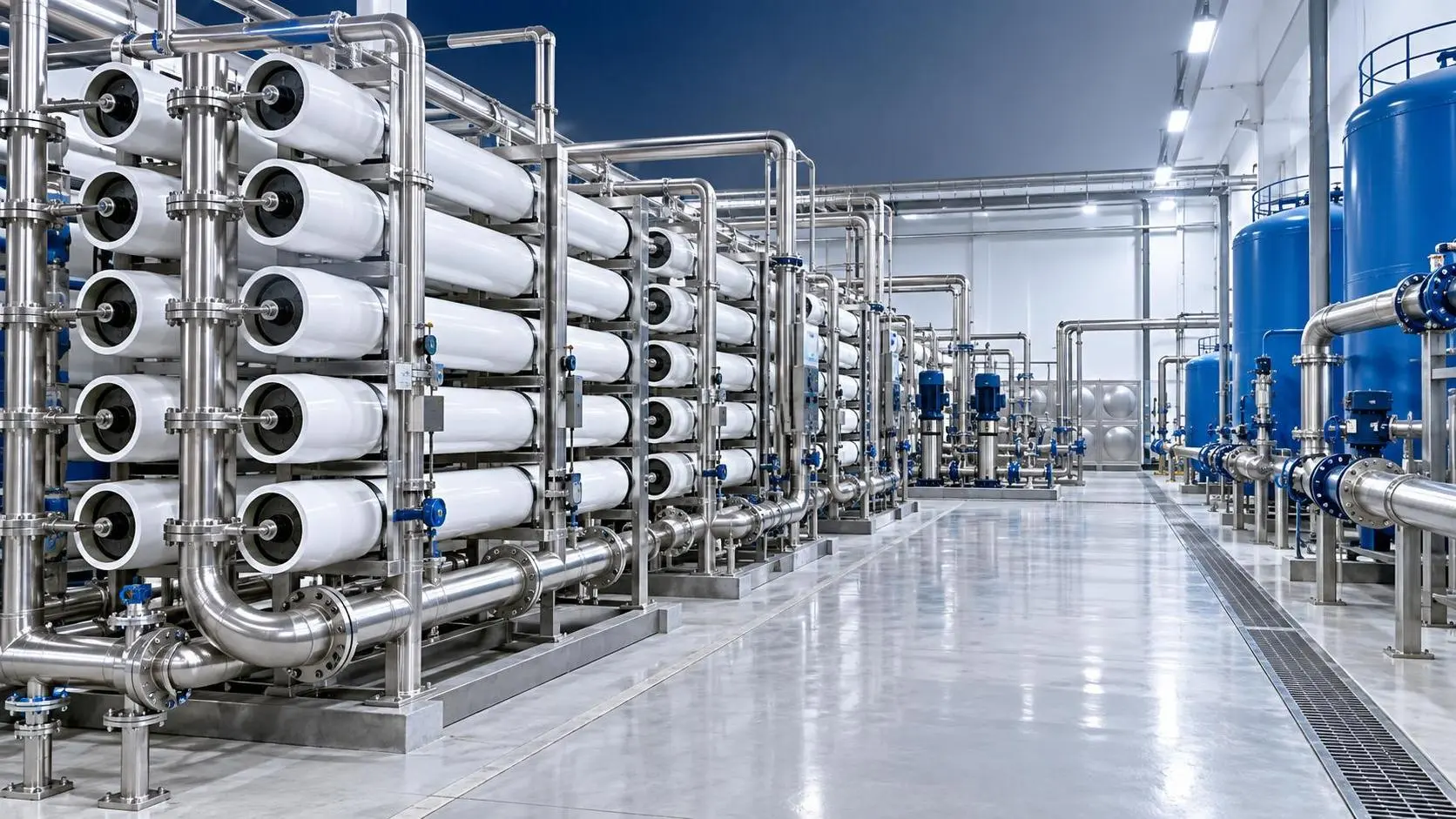
When high flux membrane water treatment justifies a larger footprint
High flux membrane water treatment can justify a larger footprint when variable feedwater, fouling risk, and uptime demands require resilient, lower-flux operation.
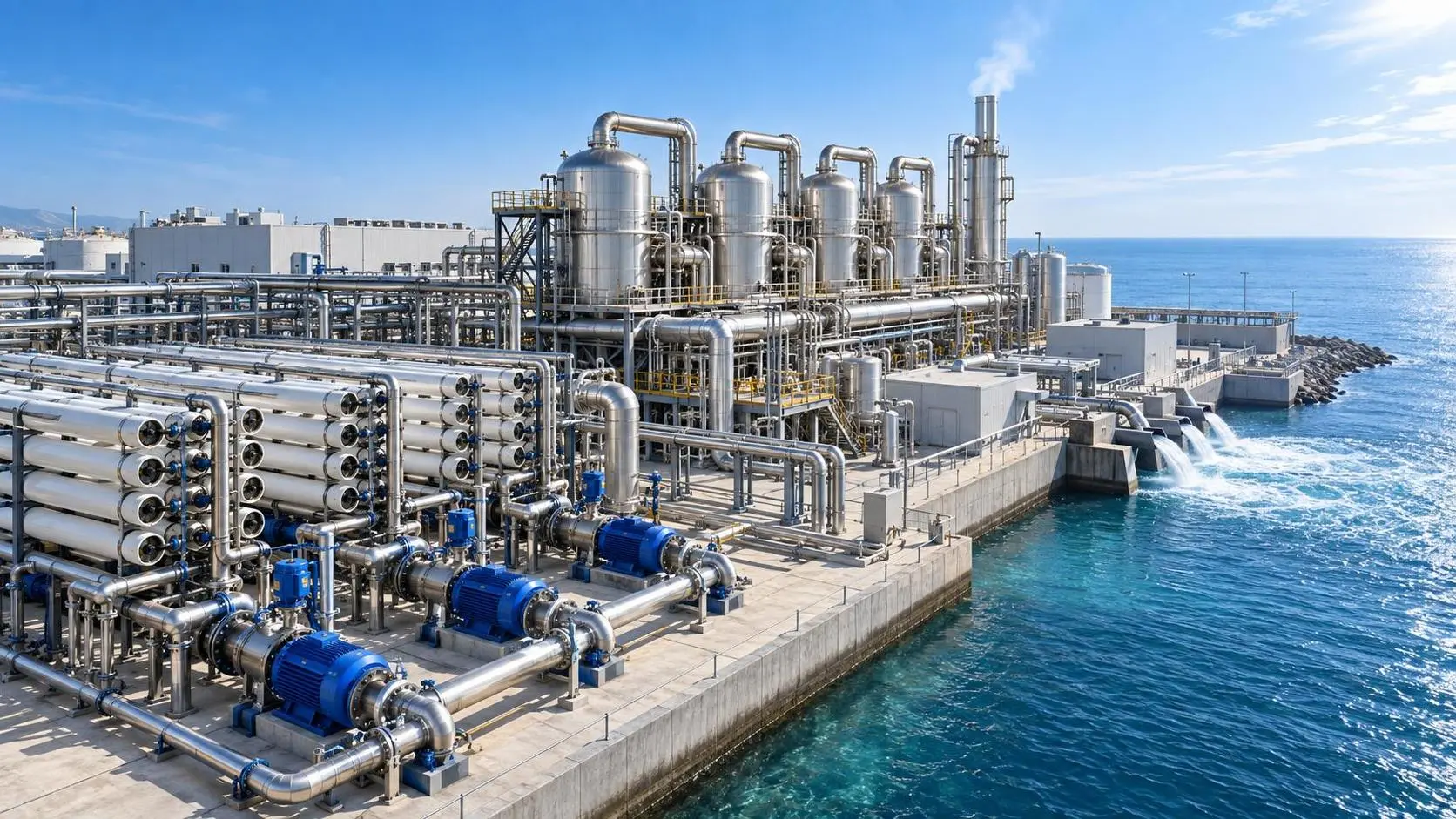
RO vs MED desalination: which is more energy-efficient at scale?
Desalination technology comparison: RO vs MED at scale. See how energy use, waste heat, feedwater, carbon, and flexibility determine the best choice.
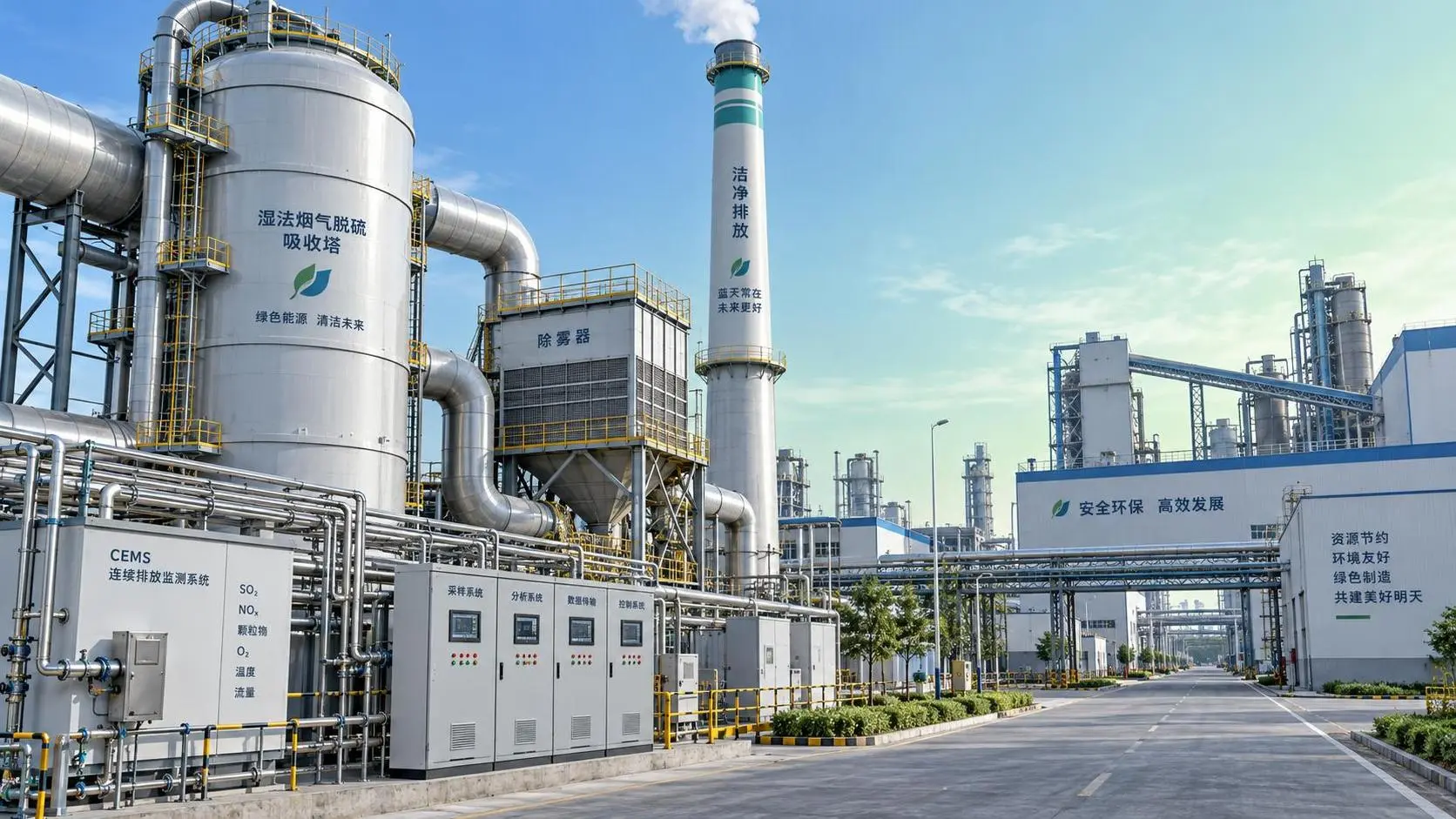
Which ISO standards apply to flue gas treatment systems?
Flue gas treatment systems ISO standards: explore key requirements for emissions testing, CEMS, safety, fabrication, corrosion control, and compliant project evaluation.

When corrosion resistant purification systems are needed for brine treatment
Corrosion resistant purification systems for brine treatment: assess chloride, heat, scaling, materials, and lifecycle reliability for demanding water projects.

How preventive maintenance reduces seawater desalination equipment downtime
Seawater desalination equipment maintenance reduces downtime through proactive monitoring, pretreatment protection, and planned repairs. Explore practical strategies for reliable RO performance.
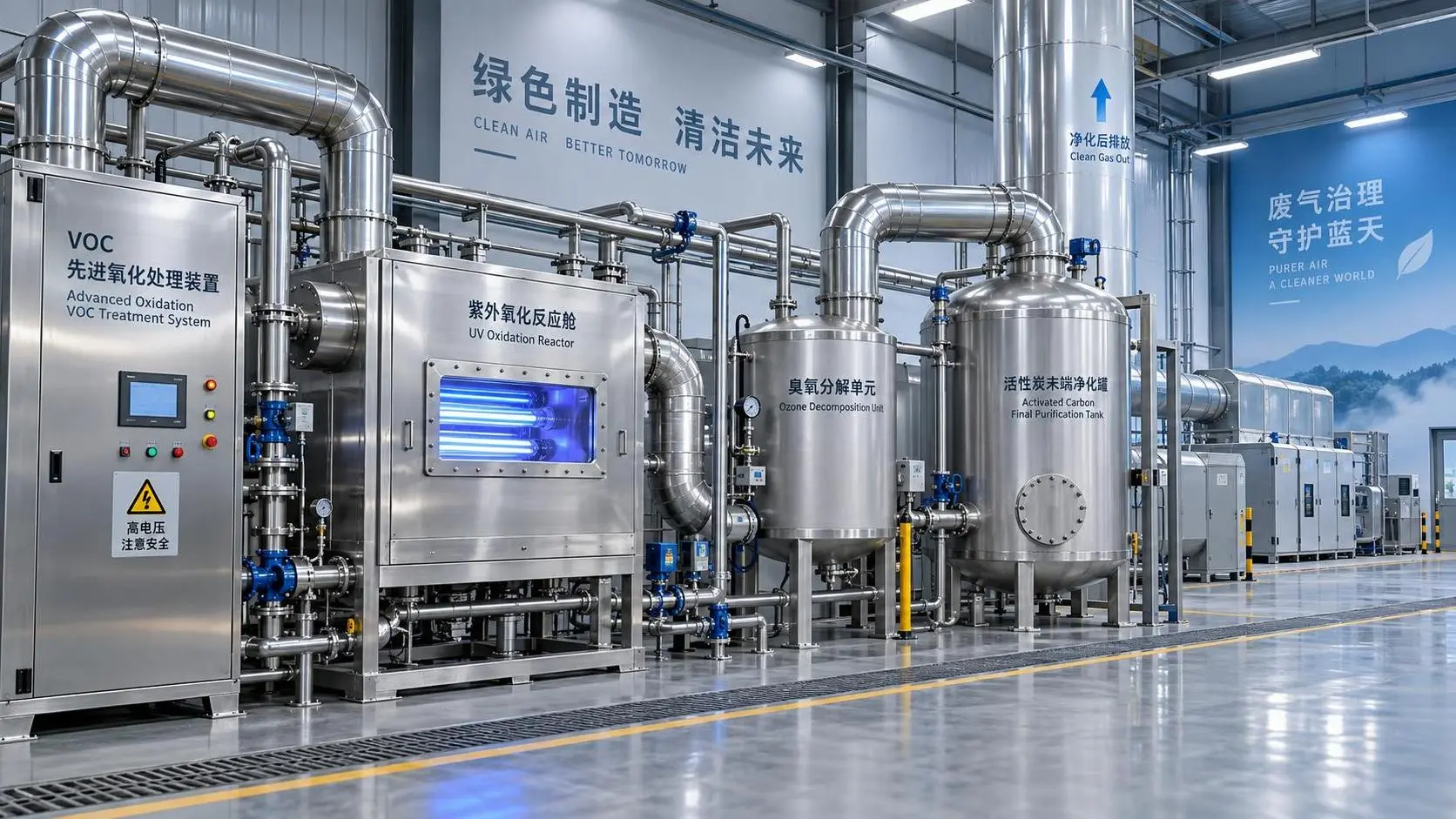
When are advanced oxidation processes the right choice for VOC control?
Advanced oxidation processes for VOC control: learn when AOPs outperform conventional options, manage by-products, and achieve reliable compliance.
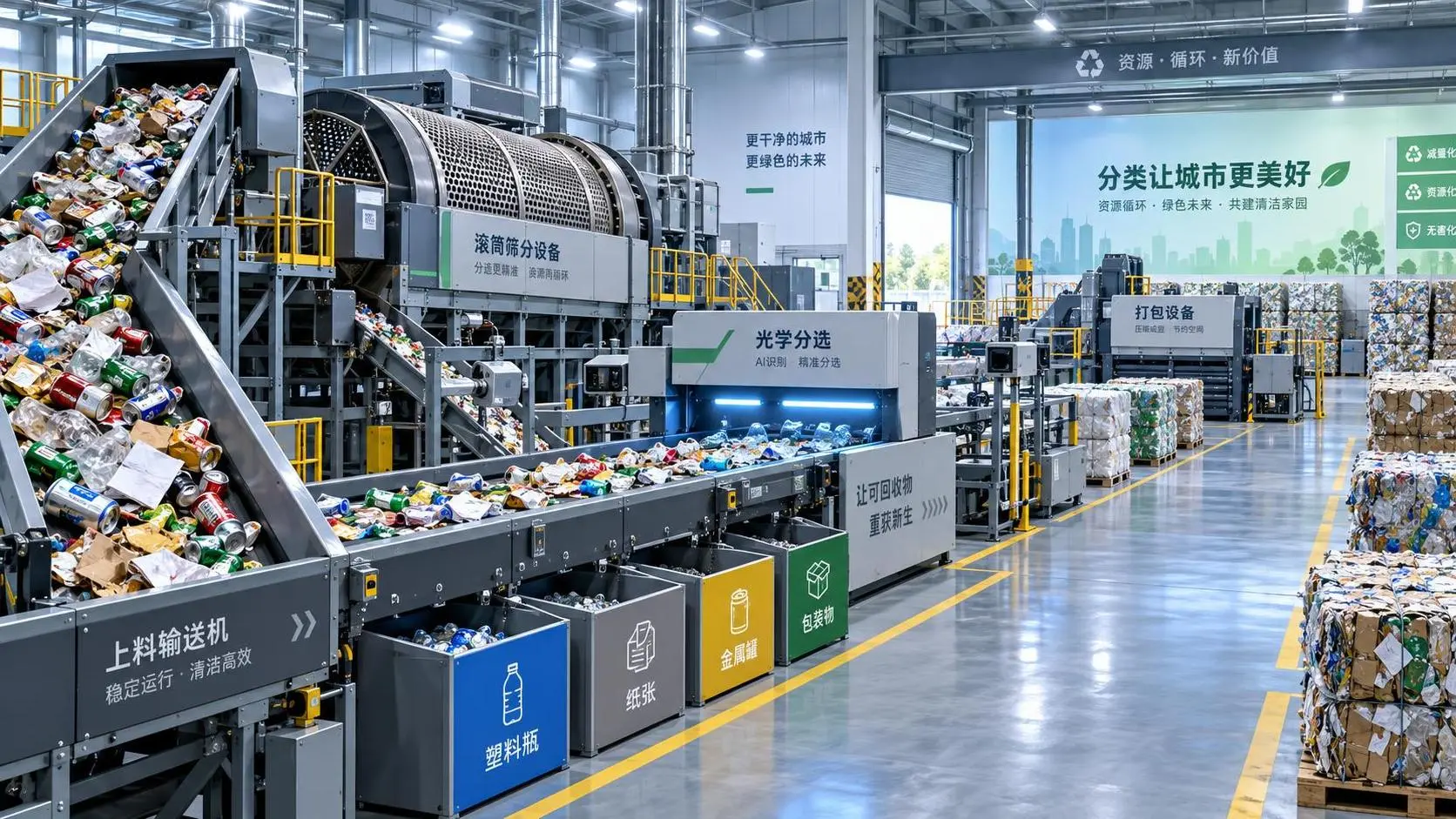
What throughput should municipal waste sorting equipment deliver?
Waste sorting equipment for municipal waste: learn how to set reliable throughput based on peak loads, material quality, uptime, and recovery targets.

What carbon neutrality means for corporate investment decisions
Carbon neutrality is transforming corporate investment decisions. Explore how lifecycle economics, efficiency, compliance, and resilience can drive measurable returns and lasting advantage.
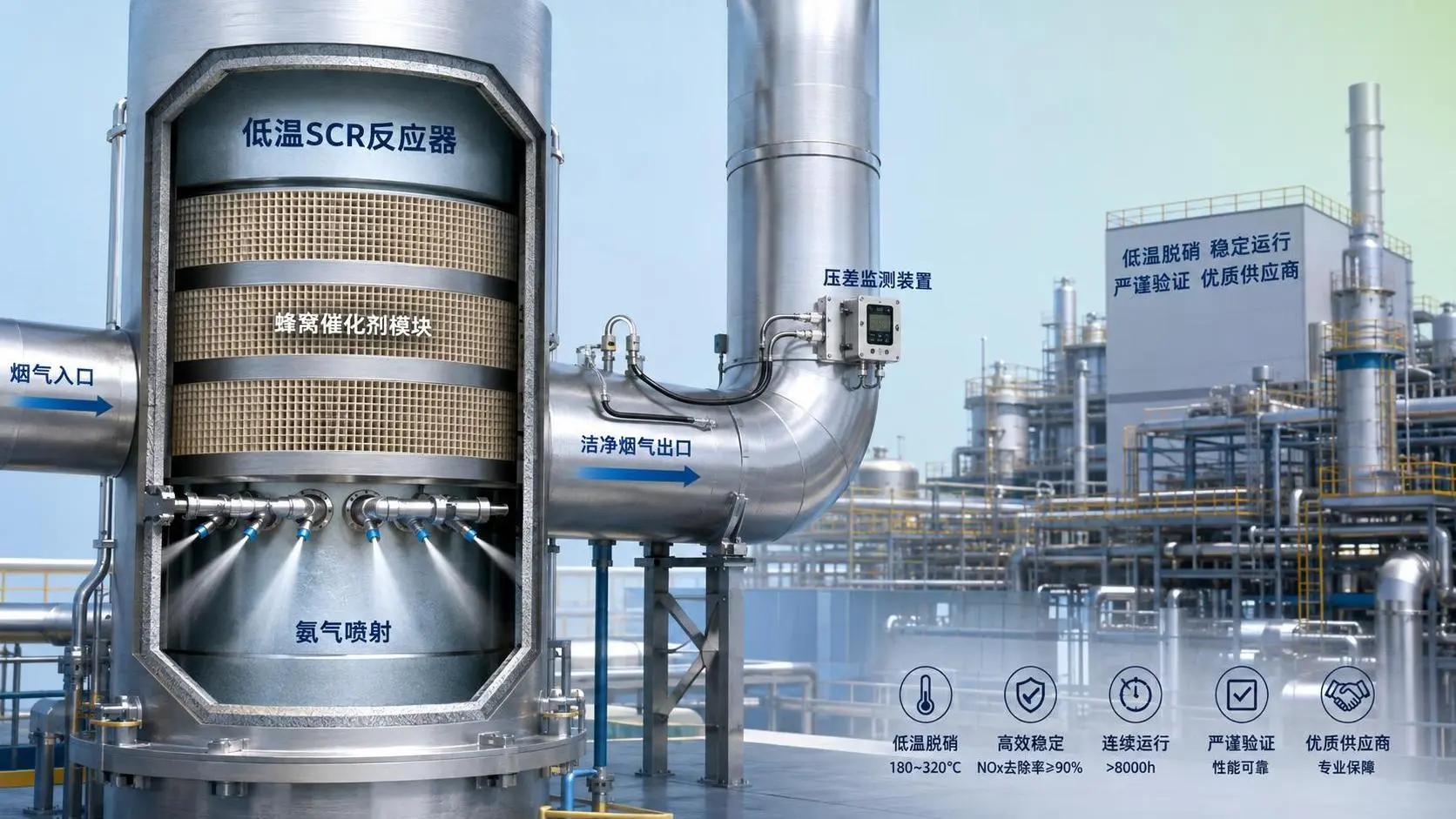
What to verify before choosing a low temperature SCR supplier
Low temperature SCR supplier checklist: verify catalyst temperature range, sulfur resistance, ammonia slip, pressure drop, lifecycle cost, and support before award.