
Industry News
Curation by industry experts
Hot Articles
Popular Tags
Advanced Water Purification Technologies Compared for High-Recovery Projects
Advanced Water Purification Technologies Compared for High-Recovery Projects
For high-recovery projects, technology selection now decides more than water quality.
It shapes CAPEX, OPEX, permit risk, uptime, concentrate handling, and long-term financing confidence.
That is why advanced water purification technologies must be compared as complete project systems, not isolated unit operations.
In practice, the best answer depends on feed variability, recovery targets, discharge limits, energy profile, and expansion plans.
A sound decision connects treatment performance with bankability, compliance resilience, and operational simplicity from day one.
Why High-Recovery Selection Has Become More Complex
Recovery targets are rising across industrial reuse, desalination, municipal reclamation, and ZLD-linked projects.
At the same time, water chemistry is becoming less predictable.
Seasonal swings, mixed industrial loads, and tighter regional standards are pushing systems beyond conventional design comfort zones.
More clearly now, advanced water purification technologies are expected to deliver both higher recovery and lower risk.
This changes how projects should evaluate membranes, pretreatment, polishing, brine concentration, and automation layers.
The Main Advanced Water Purification Technologies in Comparison
Reverse Osmosis and High-Pressure RO
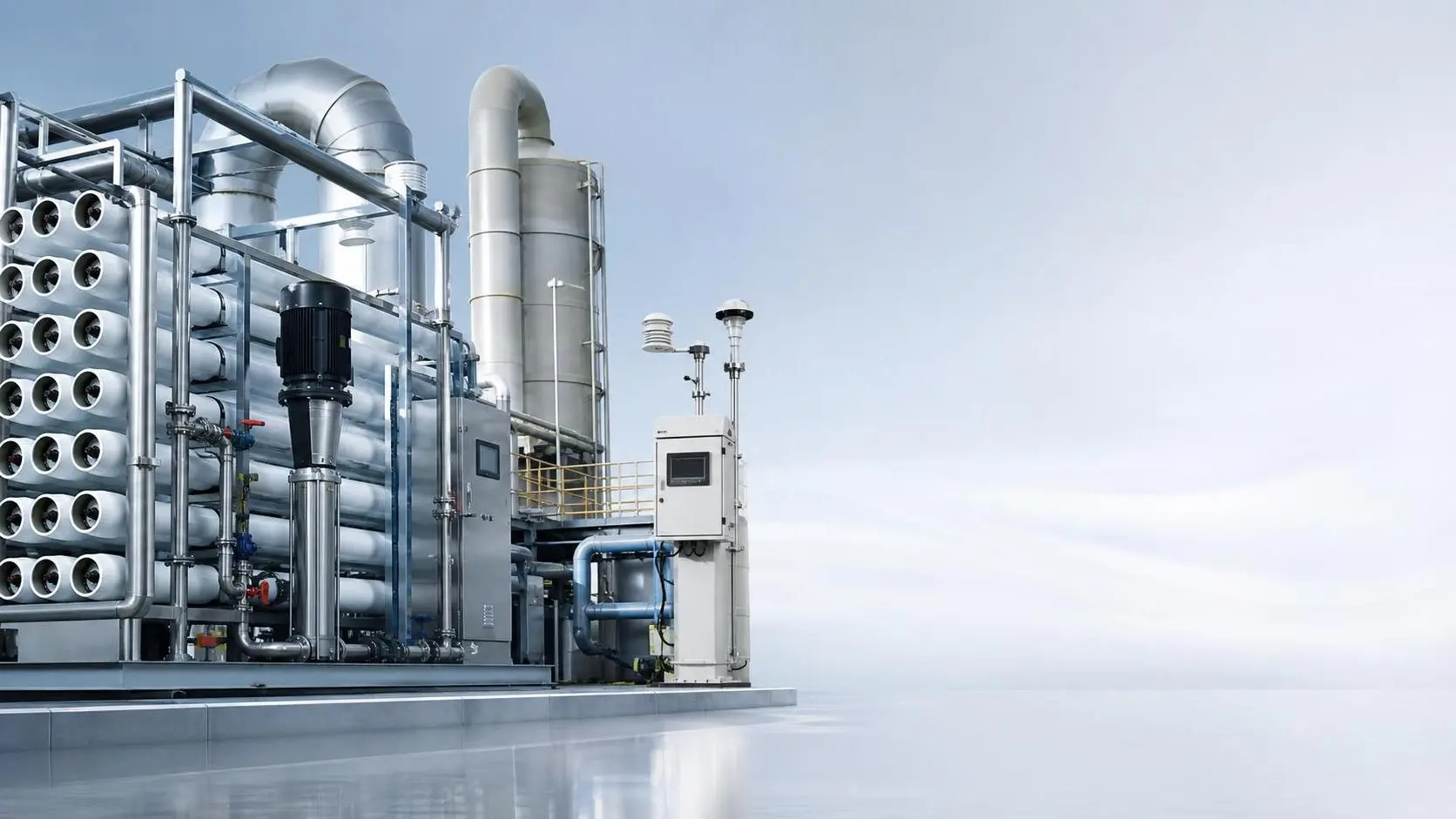
RO remains the backbone of many advanced water purification technologies for high-recovery design.
It offers strong salt rejection, mature supply chains, and predictable scaling into large project footprints.
High-pressure RO extends recovery further, especially where feed salinity and space constraints are major drivers.
Its trade-off is sensitivity to fouling, scaling, and pretreatment quality.
When feed stability is weak, membrane replacement and cleaning costs can rise faster than early models suggest.
Nanofiltration
Nanofiltration works well where selective hardness removal matters more than full desalination.
It is often used upstream to reduce scaling pressure on downstream RO.
Among advanced water purification technologies, NF is attractive for lowering chemical demand and boosting overall system recovery.
Still, it is not a universal replacement for RO where low conductivity product water is required.
Ultrafiltration and Membrane Pretreatment
UF does not solve dissolved solids removal, but it often decides whether the whole plant performs well.
For surface water, municipal reuse, and variable industrial influent, UF improves downstream stability.
That matters because advanced water purification technologies fail most often at interfaces, not at headline design points.
Reliable pretreatment usually protects recovery more effectively than adding complexity at the tail end.
Ion Exchange and Electrodeionization
These technologies are best suited to polishing roles.
They are valuable where ultrapure water, silica control, or specific ion removal is essential.
In the broader family of advanced water purification technologies, they are rarely the recovery engine.
However, they can secure final compliance margins and protect sensitive downstream equipment.
Thermal Systems: MVR, MED, and Evaporation-Crystallization
When projects move toward extreme recovery or ZLD, thermal systems enter the picture.
Mechanical vapor recompression is favored for its relative energy efficiency within thermal treatment.
MED and crystallizers become relevant when brine volume reduction and solids recovery are unavoidable.
These advanced water purification technologies offer unmatched concentration capability.
Their challenge is high CAPEX, complex maintenance, and strong dependence on utility integration.
How to Compare Technologies Beyond Nameplate Performance
A realistic evaluation should move beyond recovery percentage alone.
Different advanced water purification technologies can show similar recovery in pilot reports but behave very differently at scale.
- Check feedwater variability, not only average composition.
- Model fouling and scaling under peak loads.
- Compare specific energy per cubic meter of recovered water.
- Measure chemical dependency and cleaning frequency.
- Account for brine handling and solids disposal costs.
- Review operator skill requirements and automation maturity.
This wider lens makes technology comparison far more useful for real procurement decisions.
Best-Fit Technology by Project Type
Industrial Wastewater Reuse
Industrial reuse projects often need staged treatment rather than one flagship process.
UF plus NF or RO is common, followed by thermal concentration where discharge limits are severe.
Here, advanced water purification technologies should be selected around contaminant complexity and concentrate strategy.
Municipal Water Reclamation
Municipal projects prioritize reliability, public confidence, and low lifecycle disruption.
Membrane bioreactors, UF, RO, and advanced oxidation may be combined depending on reuse standards.
The strongest advanced water purification technologies here are usually the ones with proven uptime and easier operator control.
Desalination and High-Salinity Feed
For seawater and brackish desalination, the recovery conversation is tightly linked to energy economics.
SWRO remains dominant, but hybrid systems are gaining attention where brine minimization matters.
In these cases, advanced water purification technologies must be judged together with energy recovery devices and intake quality.
ZLD and Near-ZLD Programs
ZLD projects are rarely about one technology choice.
They are about sequencing recovery economically before the final thermal step.
The most effective advanced water purification technologies in ZLD are usually hybrid trains with disciplined pretreatment logic.
A Practical Decision Matrix
Common Selection Mistakes to Avoid
A frequent mistake is choosing advanced water purification technologies only by peak recovery claims.
Another is underestimating pretreatment because it looks less strategic on paper.
Some teams also separate water treatment design from brine management too late in the process.
That usually leads to redesign, cost escalation, or a weaker compliance position during approvals.
The better path is to test full-train logic early, including upset conditions and future tightening of standards.
What a Strong Selection Process Looks Like
- Define recovery, reuse, and discharge targets together.
- Build feedwater envelopes using worst-case chemistry.
- Compare advanced water purification technologies as process trains.
- Run pilot or bench validation for fouling and scaling behavior.
- Quantify lifecycle economics, not only equipment quotes.
- Stress-test utility demand, operator readiness, and compliance margins.
This approach keeps procurement grounded in project reality.
It also improves bid quality, schedule certainty, and long-term asset reliability.
Final Takeaway
The best advanced water purification technologies are not always the most advanced on paper.
They are the ones that match feedwater reality, recovery ambition, utility limits, and compliance risk.
For high-recovery projects, hybrid design is increasingly the practical answer.
Membrane systems capture efficient recovery first, while thermal steps handle the hardest concentrate fraction only when necessary.
That balance is often where project value is created.
When evaluating advanced water purification technologies, start with whole-life performance, then narrow to the train that stays efficient under real operating pressure.
Recommended News
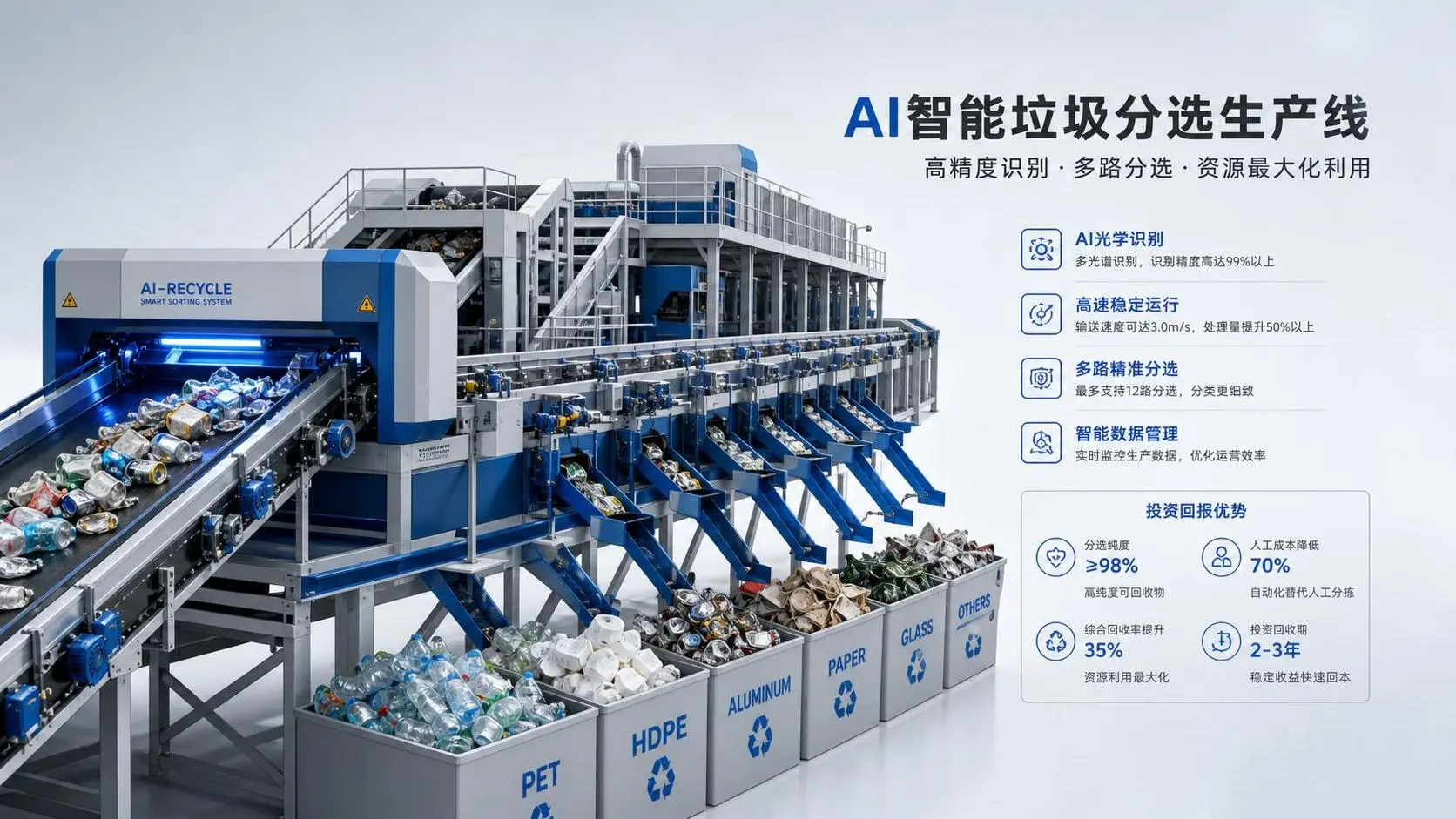
What Drives AI Waste Sorting Price: System Size, Accuracy, and ROI
AI waste sorting price depends on system size, sorting accuracy, waste stream complexity, and ROI. Learn how to compare suppliers, uncover hidden costs, and choose the right investment.
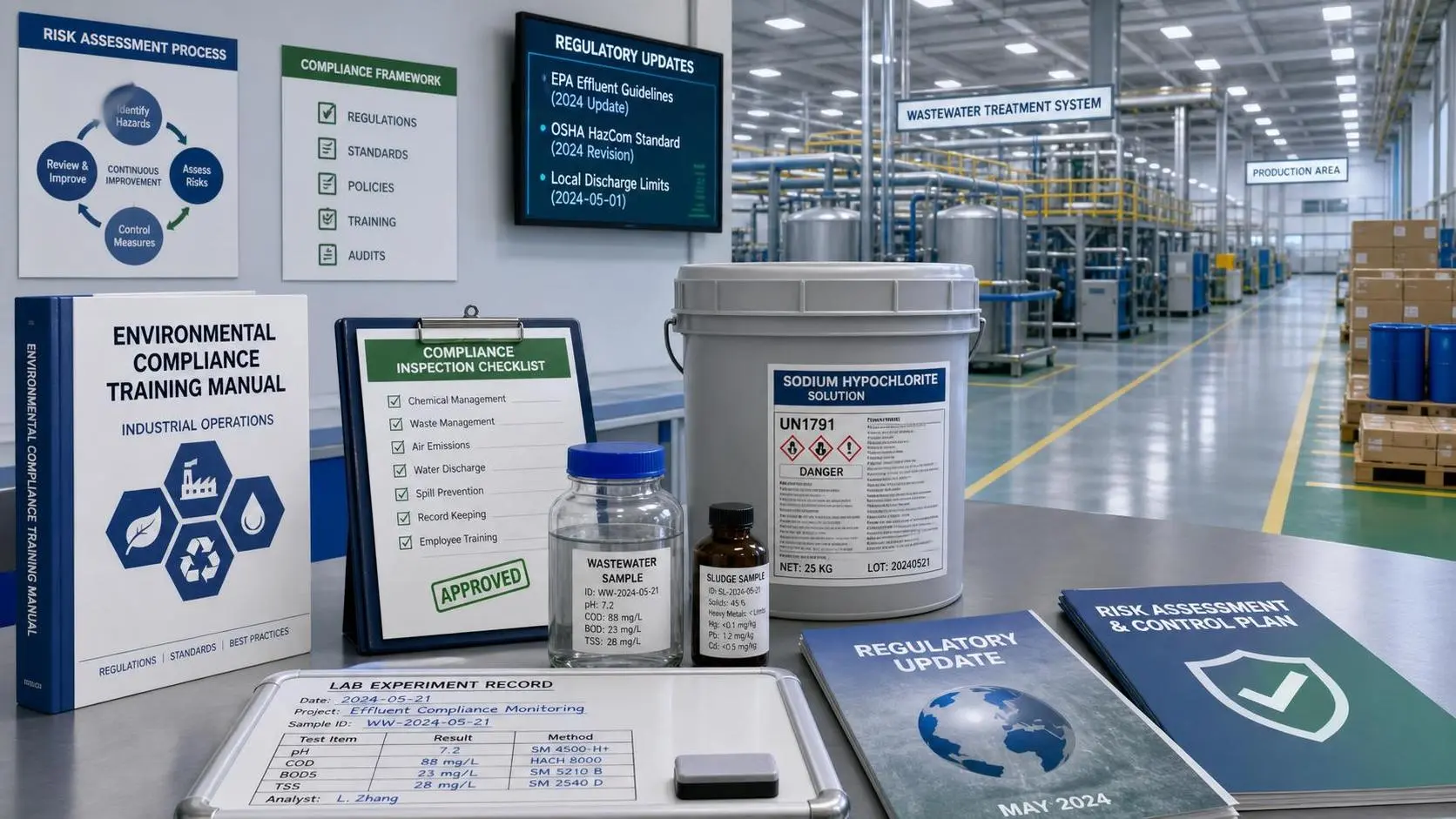
How to Compare Environmental Regulations Training Courses by Scope, Updates, and Compliance Risk
Environmental regulations training courses compared the right way: evaluate scope, update practices, and compliance risk to choose training that reduces audit gaps, reporting errors, and operational exposure.
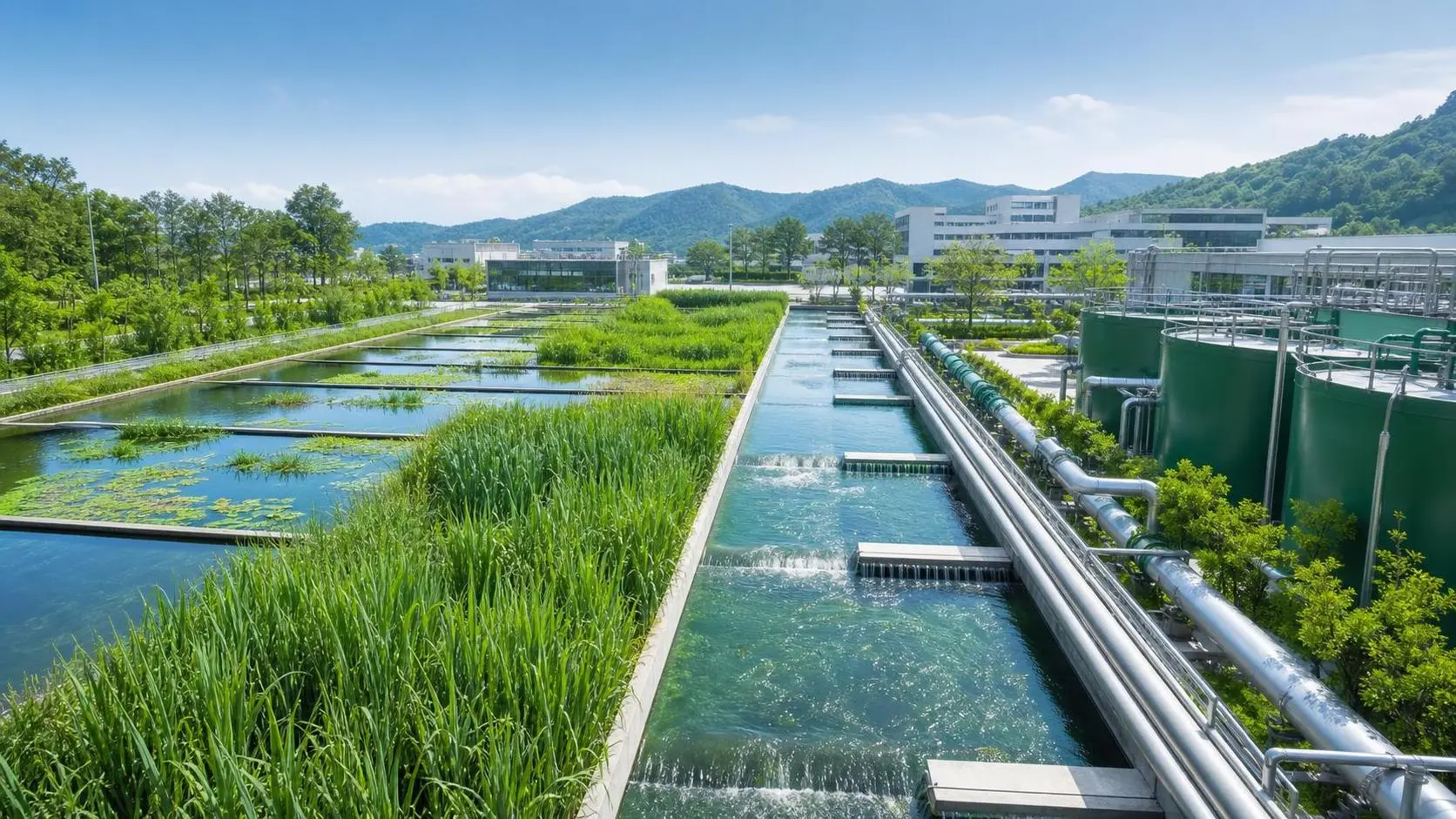
How Ecological Engineering Systems Improve Wastewater Treatment Resilience
Ecological engineering systems improve wastewater treatment resilience by stabilizing effluent quality, handling shock loads, and supporting compliance. Explore practical screening insights and smarter hybrid design choices.
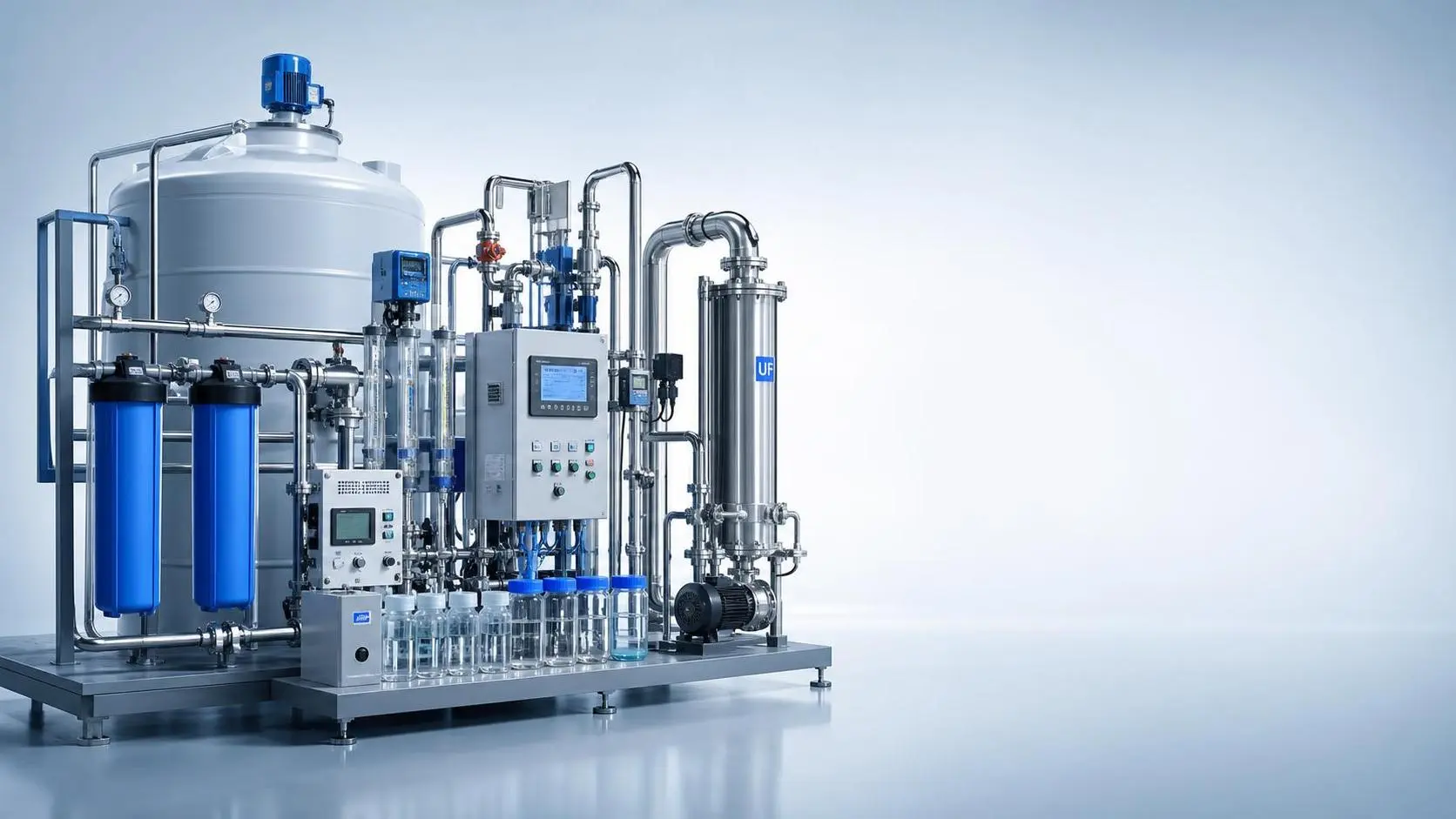
How to Evaluate an Industrial Wastewater Supplier for Cost, Compliance, and System Fit
Industrial wastewater supplier selection affects compliance, OPEX, and uptime. Learn how to compare cost, guarantees, service depth, and system fit before you buy.
Water Treatment Solution Comparison: Cost, Performance, and Supplier Fit
Water treatment solution comparison supplier guide covering cost, performance, compliance, and supplier fit. Compare vendors smarter and choose systems with lower lifecycle risk.
Denitrification Systems Cost: What Drives CAPEX and OPEX?
Denitrification systems cost explained: discover what drives CAPEX and OPEX, from influent quality and carbon dosing to automation, energy, retrofit risk, and compliance.
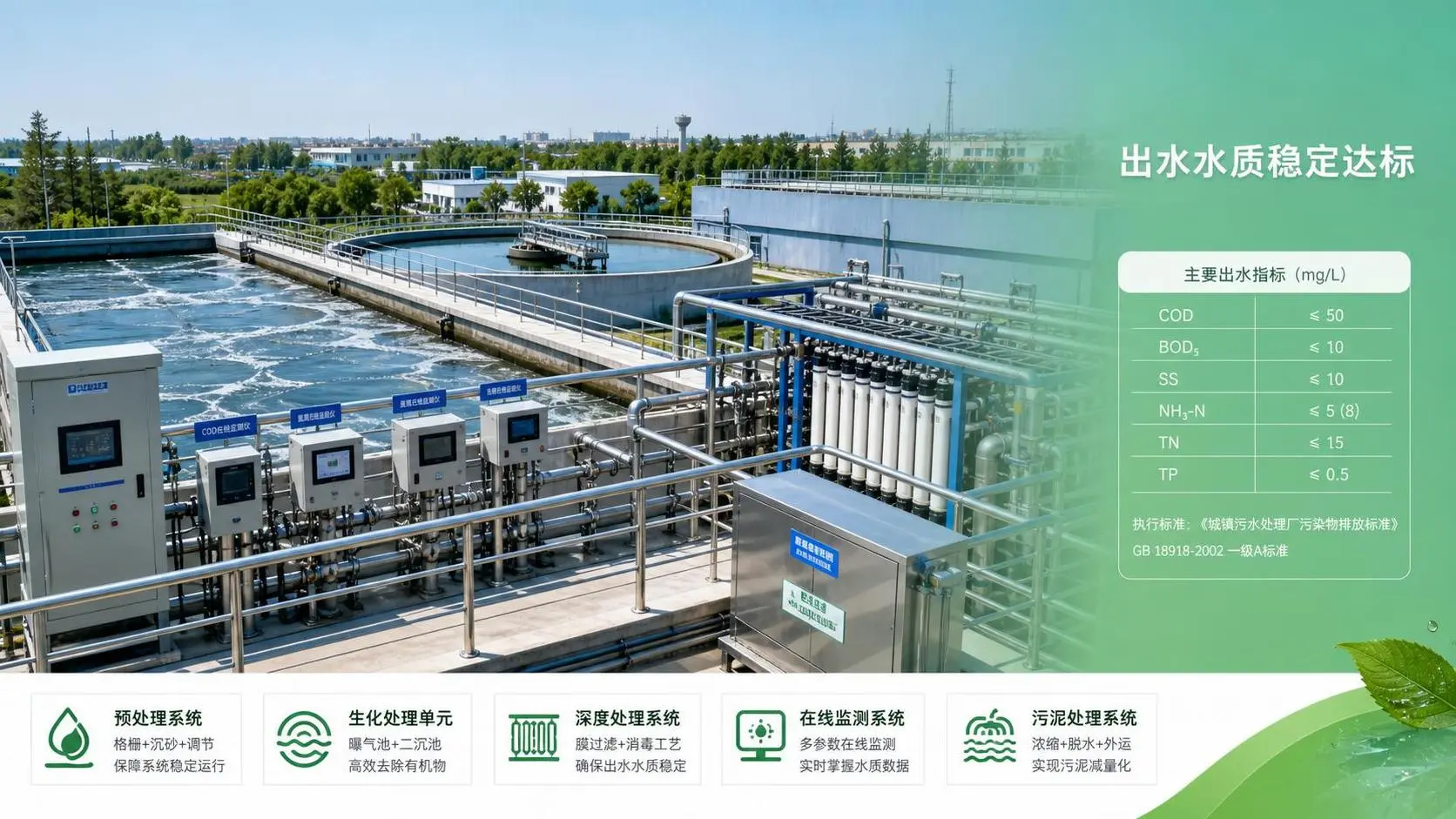
Municipal Wastewater Solutions Standards: Key Compliance Checks
Municipal wastewater solutions standards explained: learn the key compliance checks reviewers use to assess permits, process resilience, instrumentation, sludge handling, and risk.
Low Level Radioactive Waste Management: Key Cost and Compliance Risks
Low level radioactive waste management exposes hidden cost, storage, transport, and compliance risks. Learn how to compare disposal pathways and avoid expensive project delays.
How to Evaluate Environmental Compliance Equipment for Cost, Risk, and Fit
Environmental compliance equipment evaluation starts with cost, risk, and site fit. Learn how to compare lifecycle value, compliance resilience, and operational practicality before you invest.