
Industry News
Curation by industry experts
Hot Articles
Popular Tags
Carbon Neutrality Certification Standards Explained for Global Compliance
Carbon neutrality has moved from a voluntary narrative to a documented compliance issue. For cross-border industrial operations, carbon neutrality certification standards now shape market access, bid credibility, and internal control discipline.
That shift matters most where environmental infrastructure is energy intensive, technically complex, and highly regulated. Water treatment, desalination, flue gas systems, resource recovery, and nuclear waste management all operate under growing pressure to prove emissions integrity.
In that setting, certification is not just a label. It is a way to connect emissions accounting, operational evidence, supplier data, and external verification into one defensible compliance record.
Why carbon neutrality standards now matter in global compliance
The regulatory environment has become more layered. CBAM, ESG disclosure rules, green procurement requirements, and customer due diligence expectations increasingly overlap rather than operate separately.
A facility may already comply with local permits, yet still face export friction if its emissions claims are weak. That gap is where carbon neutrality certification standards become commercially relevant.
For sectors observed closely by ESD, the pressure is especially visible. Desalination plants must justify energy intensity. Waste recovery systems must separate avoided emissions from real reductions. Flue gas projects must align process performance with carbon reporting logic.
More importantly, investors and project owners now ask a harder question: can the claim survive audit, tender review, and cross-border scrutiny? Certification exists to answer that question with evidence.
What carbon neutrality certification standards actually cover
At a basic level, carbon neutrality means measured greenhouse gas emissions are reduced as far as practical, then balanced according to an accepted framework. The critical issue is how that balance is defined and verified.
Most carbon neutrality certification standards focus on four linked elements: boundary setting, emissions quantification, reduction actions, and compensation or neutralization rules.
Boundary setting decides what must be counted. This may include a product, a site, a business unit, or an event. Weak boundaries often produce the weakest claims.
Quantification requires recognized accounting methods. In practice, ISO 14064, the GHG Protocol, and product carbon footprint methods often provide the technical backbone behind certification decisions.
Reduction actions must be real and traceable. A company cannot rely only on offsets while ignoring preventable process emissions, electricity inefficiency, or poor material recovery performance.
Compensation rules define when residual emissions may be balanced. Better standards distinguish residual emissions from emissions that should still be reduced through engineering, sourcing, or operational control.
Common standards and frameworks in use
Different markets use different combinations of standards. The names vary, but the review logic is usually comparable.
A certification body may also combine these with regional schemes, sector rules, or tender-specific disclosure formats. That is why standard selection should start from actual market exposure rather than branding preference.
Where misunderstandings usually begin
Many claims fail because people confuse carbon accounting with carbon neutrality certification standards. Accounting measures emissions. Certification tests whether the neutrality claim is complete, transparent, and independently supportable.
Another common mistake is overreliance on offsets. Offsets may still play a role, but weak offset quality, poor traceability, or double counting can damage the entire claim.
There is also a boundary problem in complex facilities. For example, a ZLD plant may reduce water discharge risk while increasing electricity demand. A pyrolysis line may recover value from waste while creating difficult allocation questions.
In high-consequence sectors, the challenge is even sharper. Nuclear waste management projects, for instance, cannot simplify emissions logic in ways that weaken safety, traceability, or lifecycle accountability.
How to assess certification needs across industrial scenarios
Not every operation needs the same certification path. The practical choice depends on what is being claimed, who will review it, and how the data is generated.
Facility-level claims
These are common in treatment plants, recovery hubs, and large utility assets. The focus is usually Scope 1 and Scope 2, with selected Scope 3 categories when material.
This route is useful when bidding for projects, reporting group performance, or demonstrating compliance maturity to regulators and lenders.
Product or equipment claims
These matter when comparing membranes, scrubbers, sorting lines, pumps, thermal systems, or vitrification equipment. Buyers increasingly ask for lifecycle emissions evidence, not only performance specifications.
Here, product carbon footprint methods usually matter more than broad organizational claims.
Project and EPC claims
Large infrastructure delivery often involves design emissions, construction emissions, procurement impacts, and future operating assumptions. Certification can support financing, public tenders, and owner reporting, but only when assumptions are clearly documented.
What strong verification looks like in practice
The strongest carbon neutrality certification standards do not stop at spreadsheet totals. They test whether evidence flows logically from meter readings, fuel records, procurement files, process data, and supplier declarations.
For environmental infrastructure, verification quality often depends on operational detail. Energy recovery rates, sludge handling, brine concentration pathways, reagent consumption, and maintenance cycles can all change emissions outcomes.
This is where intelligence-led review becomes valuable. ESD’s industry lens is relevant because decarbonization claims in ecological engineering cannot be separated from process physics, resource loops, and compliance design.
- Check whether organizational and operational boundaries match the actual asset structure.
- Confirm that emission factors reflect geography, energy mix, and process reality.
- Separate avoided emissions narratives from certified neutrality claims.
- Review offset quality, retirement evidence, and double-counting controls.
- Test whether reporting remains consistent across ESG, tender, and customs-facing documents.
Decision points before choosing a standard
The best choice is rarely the most visible label. It is the one that aligns with regulatory geography, customer expectations, and the maturity of internal data systems.
A site with fragmented utility data should fix measurement discipline before making ambitious public claims. A supplier facing CBAM-linked pressure may need stronger product-level evidence before pursuing broad neutrality messaging.
It also helps to separate strategic goals from immediate compliance tasks. One standard may support this year’s disclosure. Another may better fit long-cycle procurement or future assurance requirements.
A practical next step for carbon-neutral claims
Start with a claim map rather than a certificate search. Define the asset, the boundary, the intended market, and the document trail needed to support the claim.
Then compare carbon neutrality certification standards against real operating conditions. In many cases, the strongest result comes from combining rigorous GHG accounting, process-aware verification, and cautious public wording.
For organizations working across water, waste, air, desalination, or nuclear systems, this evaluation should also reflect process risk, energy structure, and lifecycle complexity. That is where certification becomes a management tool, not just a communication exercise.
A careful review of standards, evidence quality, and scenario fit will usually reveal the most credible path forward. From there, it becomes much easier to decide what to certify, what to improve first, and what claims are truly ready for global compliance.
Recommended News
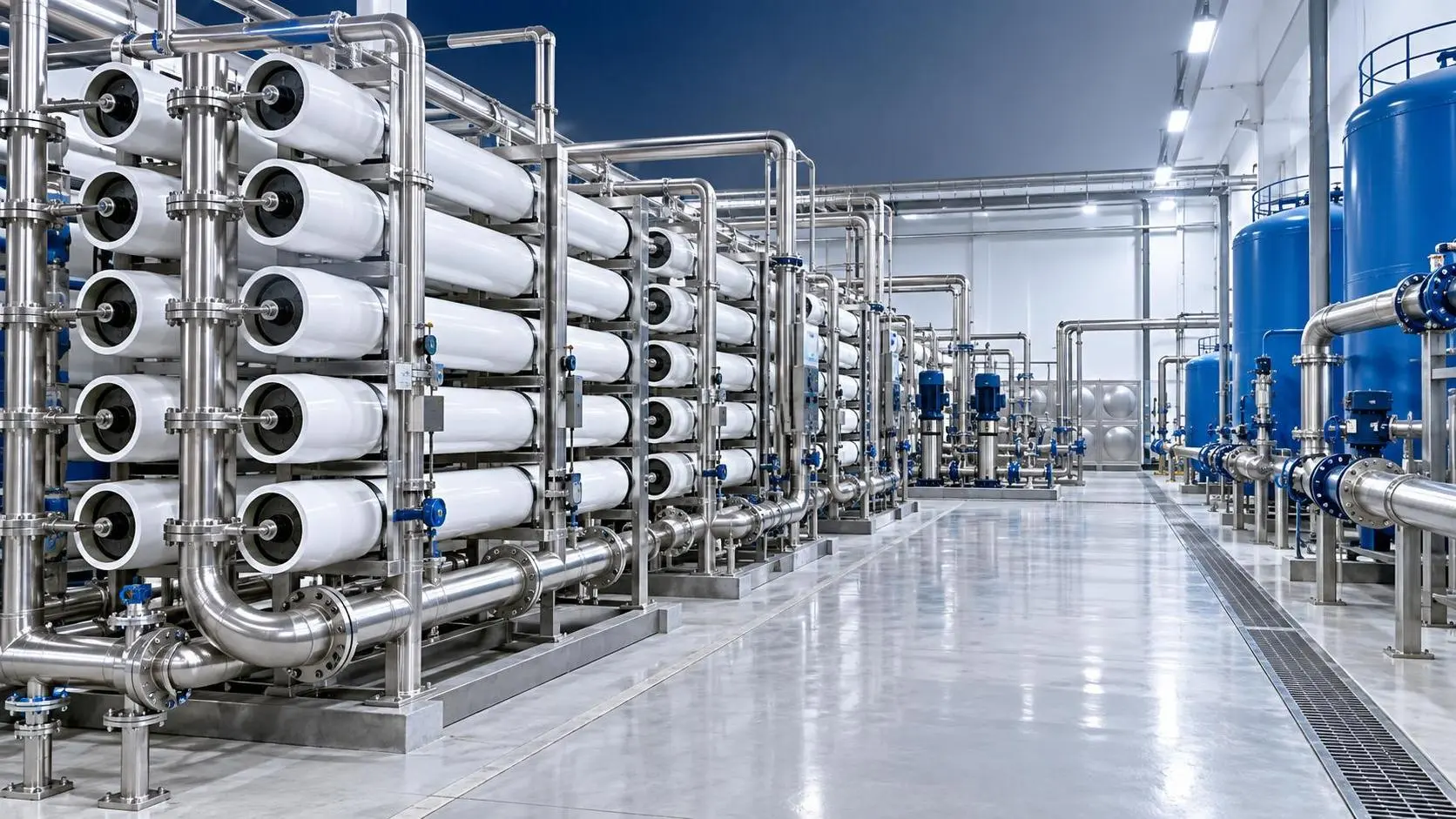
When high flux membrane water treatment justifies a larger footprint
High flux membrane water treatment can justify a larger footprint when variable feedwater, fouling risk, and uptime demands require resilient, lower-flux operation.
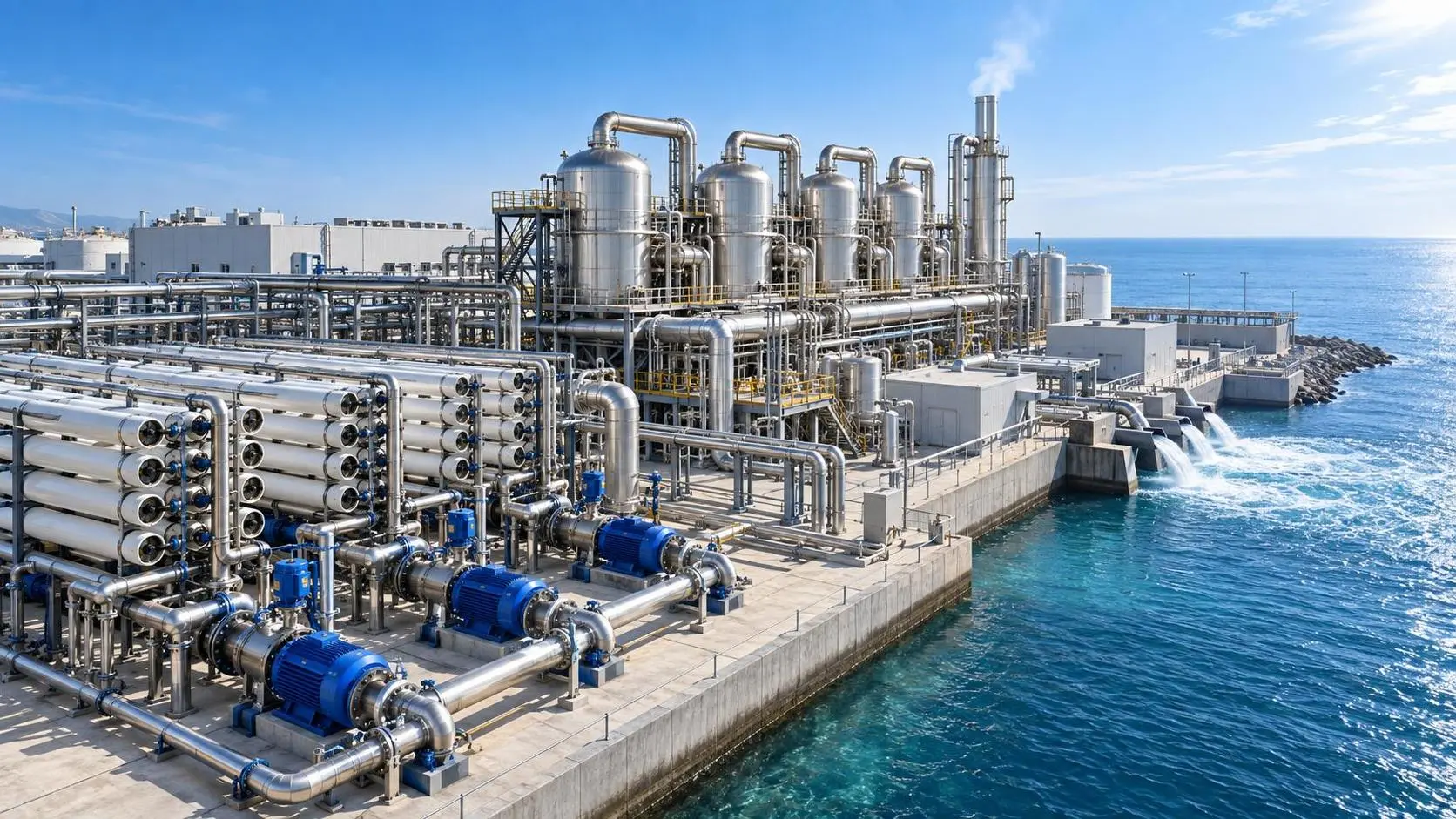
RO vs MED desalination: which is more energy-efficient at scale?
Desalination technology comparison: RO vs MED at scale. See how energy use, waste heat, feedwater, carbon, and flexibility determine the best choice.
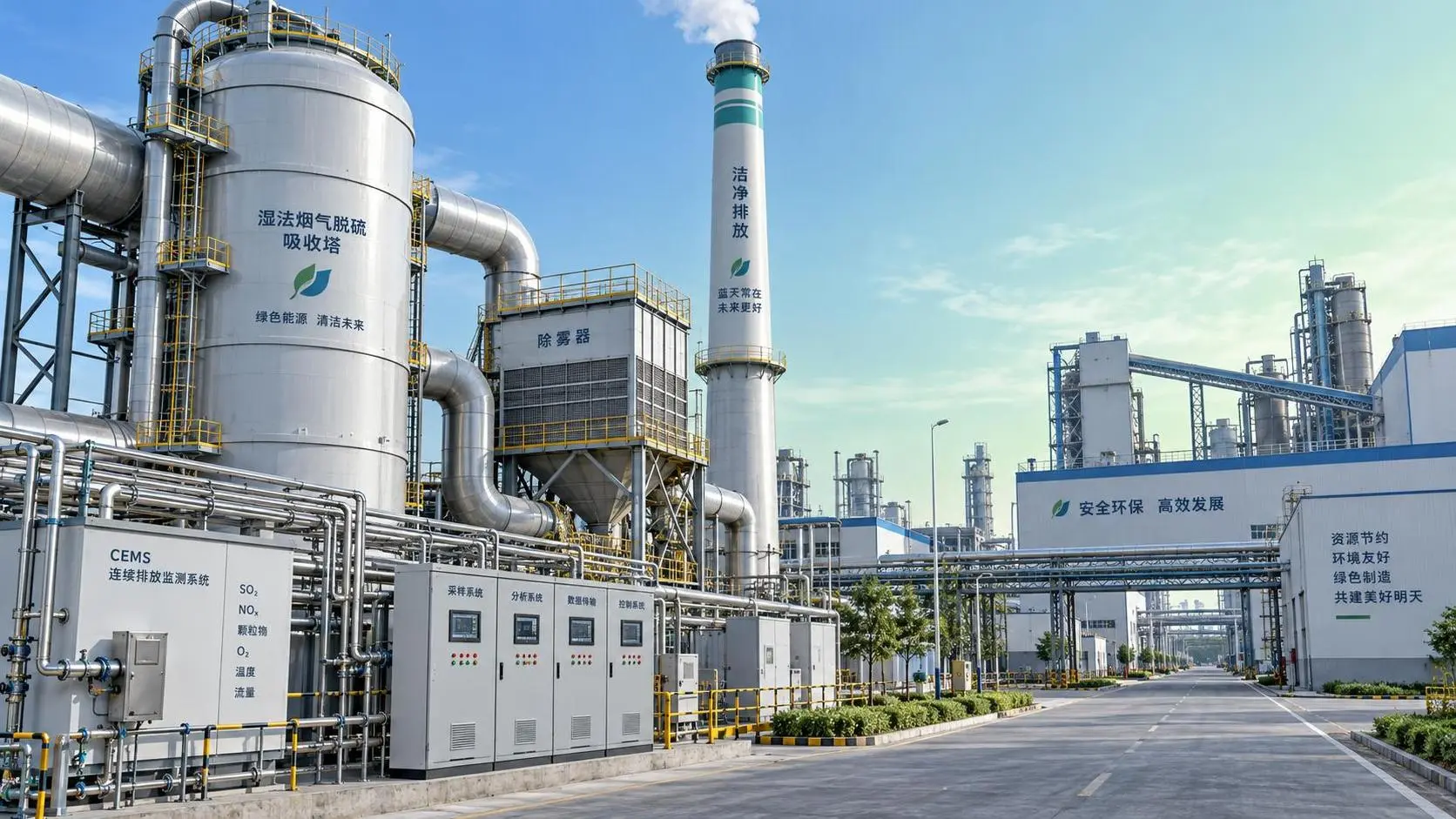
Which ISO standards apply to flue gas treatment systems?
Flue gas treatment systems ISO standards: explore key requirements for emissions testing, CEMS, safety, fabrication, corrosion control, and compliant project evaluation.

When corrosion resistant purification systems are needed for brine treatment
Corrosion resistant purification systems for brine treatment: assess chloride, heat, scaling, materials, and lifecycle reliability for demanding water projects.

How preventive maintenance reduces seawater desalination equipment downtime
Seawater desalination equipment maintenance reduces downtime through proactive monitoring, pretreatment protection, and planned repairs. Explore practical strategies for reliable RO performance.
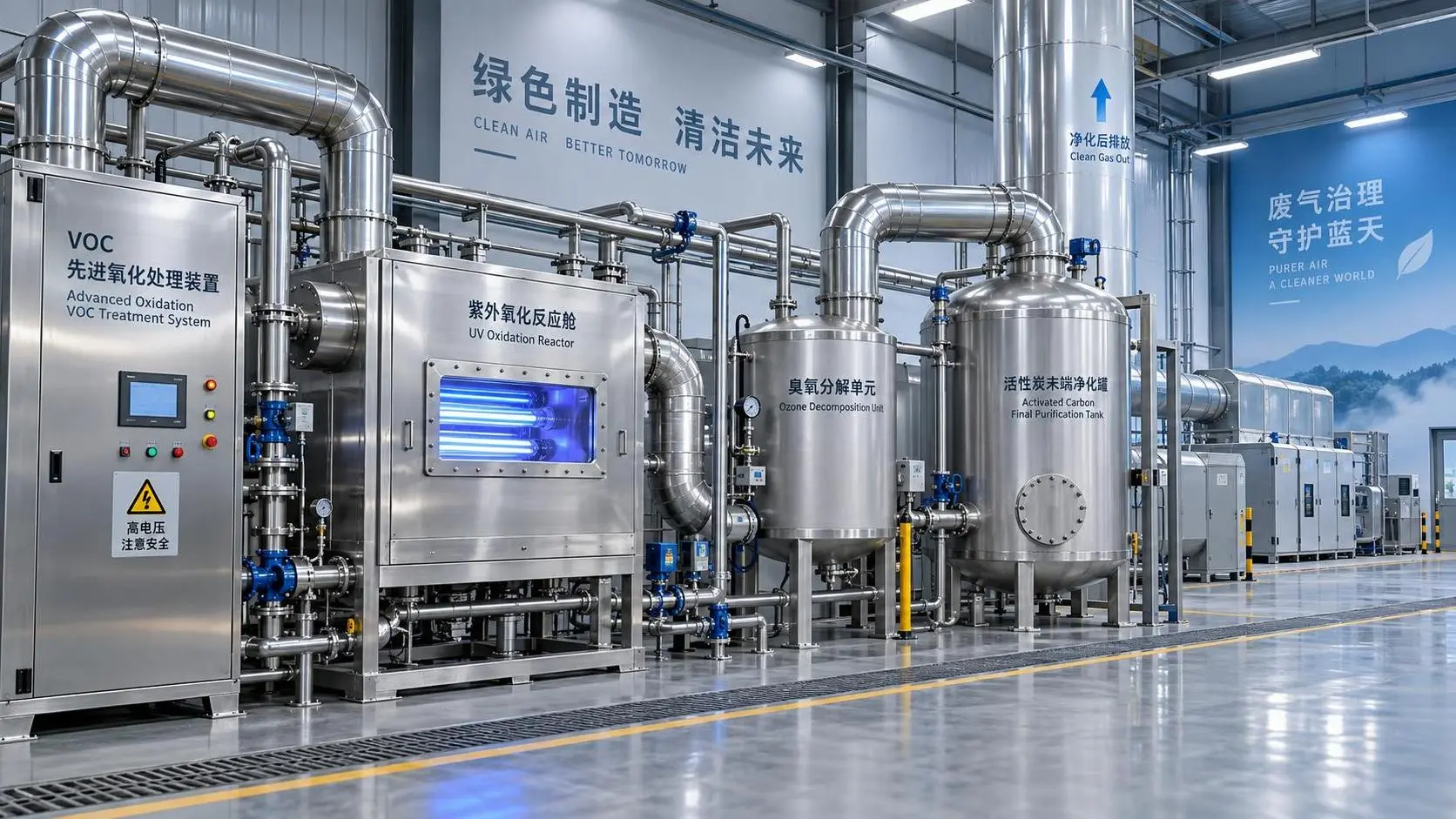
When are advanced oxidation processes the right choice for VOC control?
Advanced oxidation processes for VOC control: learn when AOPs outperform conventional options, manage by-products, and achieve reliable compliance.
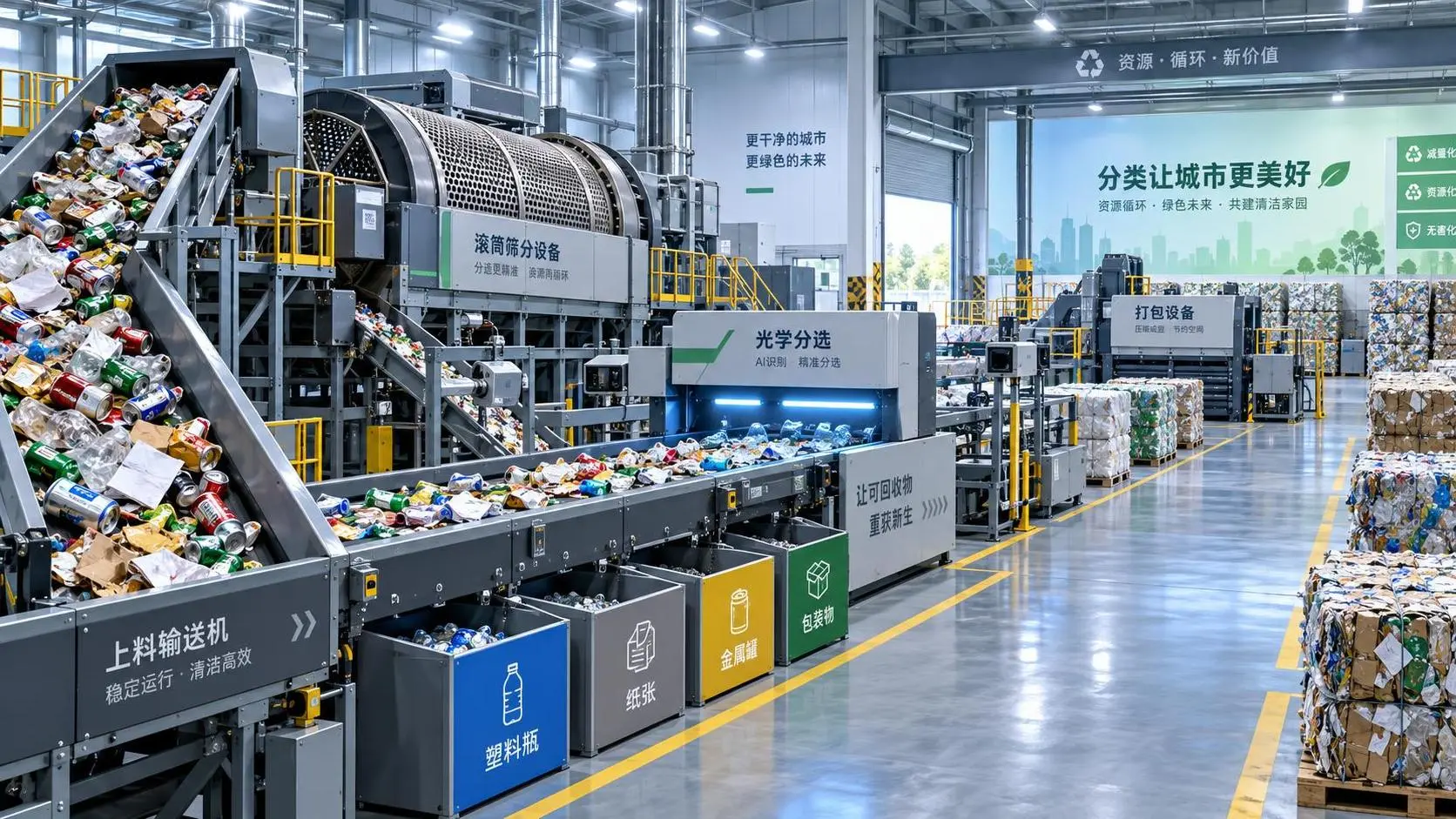
What throughput should municipal waste sorting equipment deliver?
Waste sorting equipment for municipal waste: learn how to set reliable throughput based on peak loads, material quality, uptime, and recovery targets.
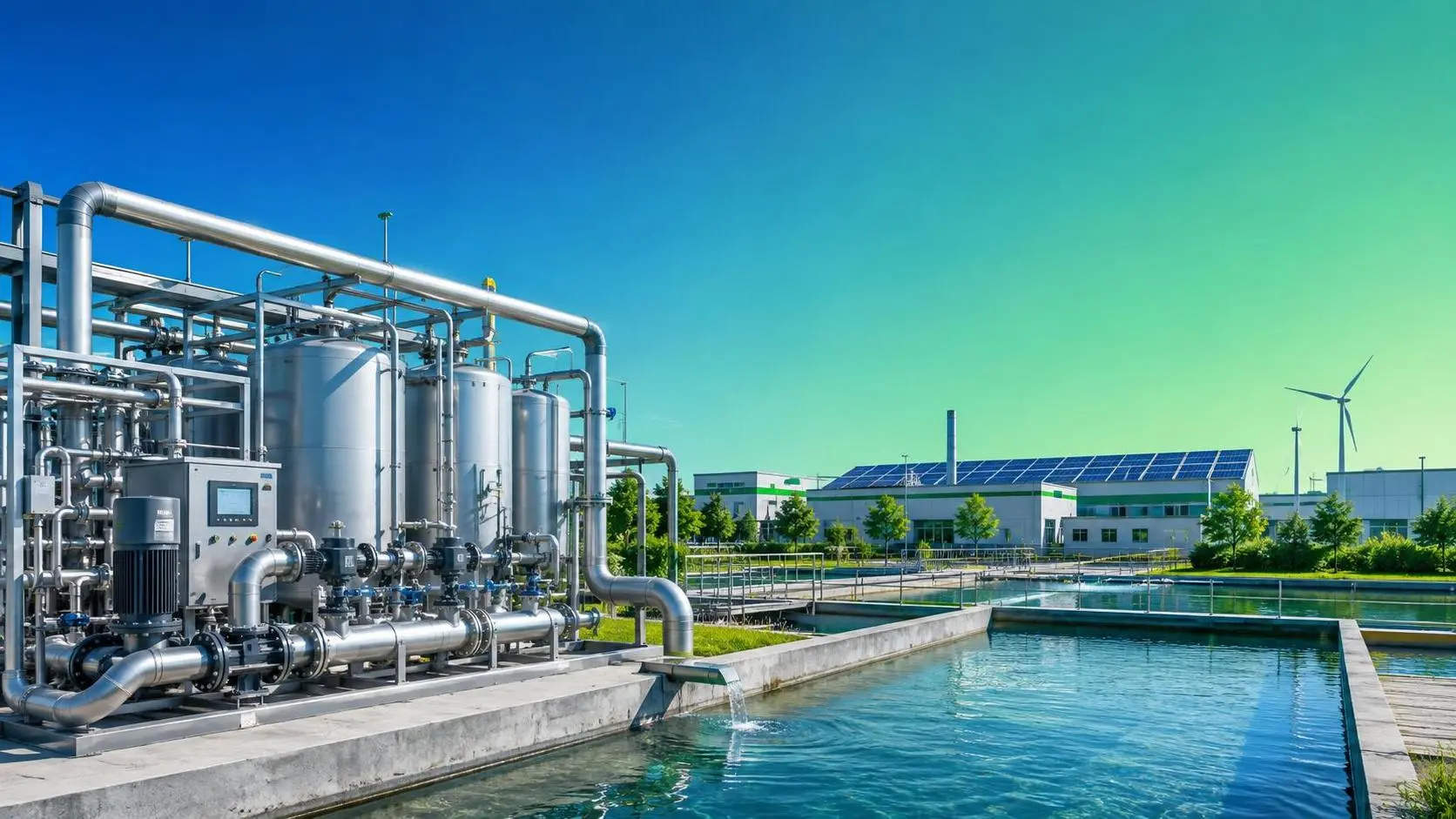
What carbon neutrality means for corporate investment decisions
Carbon neutrality is transforming corporate investment decisions. Explore how lifecycle economics, efficiency, compliance, and resilience can drive measurable returns and lasting advantage.
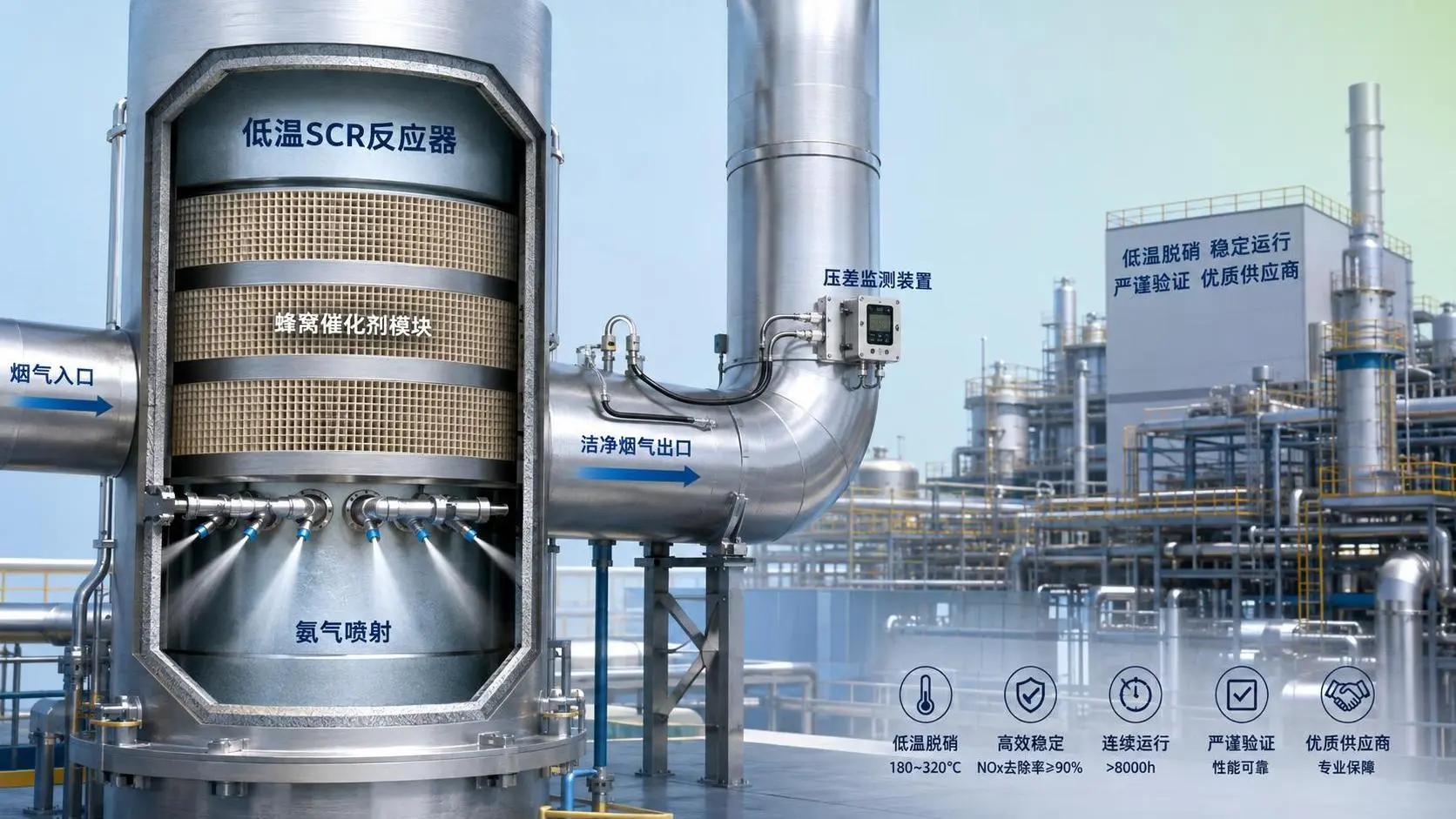
What to verify before choosing a low temperature SCR supplier
Low temperature SCR supplier checklist: verify catalyst temperature range, sulfur resistance, ammonia slip, pressure drop, lifecycle cost, and support before award.