
Industry News
Curation by industry experts
Hot Articles
Popular Tags
Flue Gas Scrubbing: Wet vs Dry System Selection
Choosing between wet and dry flue gas scrubbing is rarely a simple equipment decision. It shapes compliance margin, utility demand, maintenance rhythm, and long-term operating flexibility.
For heavy industry, the right answer depends on more than sulfur removal efficiency. Water balance, reagent logistics, corrosion risk, waste handling, and future regulation all matter at the same time.
At ESD, flue gas treatment is viewed as part of a wider ecological engineering system. A scrubber does not stand alone. It affects wastewater treatment, solids recovery, carbon strategy, and project bankability.
This article breaks down the wet vs dry decision in a practical way, so flue gas scrubbing can be matched to plant realities instead of brochure claims.
Start with the Real Emission Target
The first question is not technology. It is target certainty. If the compliance window is tight, the choice of flue gas scrubbing must begin with required outlet limits, fuel variability, and expected enforcement pressure.
Wet systems usually offer stronger removal performance for high sulfur loads. Dry and semi-dry systems often win on simplicity, but their margin can narrow when inlet conditions swing sharply.
- Define the guaranteed SOx limit, peak load condition, and startup periods before comparing vendors. A low average target can still fail if short-term peaks are ignored.
- Check fuel sulfur variation across seasons. Flue gas scrubbing sized for nominal fuel may underperform when coal, petcoke, or mixed waste composition shifts.
- Review future compliance, not only current permits. If tighter emission rules are likely, extra removal headroom often justifies a higher initial investment.
- Confirm whether acid gases beyond SOx matter. HCl, HF, and fine particulate interactions can push the project toward a different flue gas scrubbing path.
Why margin matters more than nameplate efficiency
Two systems may both claim high removal efficiency, yet deliver very different compliance reliability. The real issue is how stable performance remains during load changes, reagent fluctuation, and maintenance interruptions.
That is where ESD’s intelligence-led view becomes useful. Flue gas scrubbing should be evaluated as a dynamic operating envelope, not a static specification sheet.
Compare Water, Reagent, and Residue Together
A wet scrubber may solve one emissions problem while creating a water treatment problem. A dry system may reduce water use but increase sorbent consumption and solid residue volume.
This is where many projects misjudge total cost. Flue gas scrubbing economics only make sense when utilities and byproducts are assessed as one connected balance.
- Map plant water availability early. Wet flue gas scrubbing can become difficult in water-stressed regions, especially when ZLD or reuse targets already strain utilities.
- Calculate delivered reagent cost, not list price. Lime, limestone, sodium reagents, and logistics distance can change the preferred system more than equipment cost.
- Identify the fate of residues before final selection. Gypsum quality, fly ash contamination, or mixed solids disposal can strongly affect lifecycle economics.
- Check wastewater chemistry from wet systems. Chlorides, heavy metals, and suspended solids may require a dedicated treatment train instead of simple neutralization.
Match the System to Plant Conditions
Not every facility needs the same flue gas scrubbing architecture. High-sulfur coal, waste incineration, smelting, and process heating each create very different design pressures.
In retrofit projects, site limits often dominate. Tight layouts, outage windows, and tie-in constraints can make an elegant process option impractical in the field.
For coal and petcoke firing
When sulfur loading is high and compliance risk is serious, wet flue gas scrubbing often brings the strongest technical cushion. This matters even more when fuel quality changes between suppliers.
Still, that advantage disappears if the project underestimates water treatment needs or materials selection in chloride-rich service.
For waste-to-energy and mixed fuel streams
Dry and semi-dry flue gas scrubbing can be attractive where multi-pollutant capture, operational simplicity, and compact integration are priorities. But reagent control must be precise.
These plants often face variable acid gas peaks. The selection should focus on controllability, not just average design conditions.
- Check gas temperature, moisture, and particulate loading before locking in the process route. These parameters shape absorber performance and downstream filtration behavior.
- Evaluate outage limits during retrofit planning. A technically strong flue gas scrubbing system can still fail commercially if installation disrupts production too long.
- Review local residue disposal routes. Dry system solids may look simple until landfill classification, transport limits, or stabilization costs are fully priced.
- Confirm integration with upstream and downstream controls. SCR, baghouse, quench, and heat recovery links often decide whether the chosen setup works smoothly.
Do Not Underestimate Reliability Risks
In flue gas scrubbing, reliability problems usually come from details that seem secondary during bidding. Scaling, corrosion, atomization quality, plugging, and poor reagent preparation create most avoidable failures.
That is why lifecycle review matters more than a low EPC number. A cheaper system that struggles every quarter is rarely cheaper in practice.
- Request materials details for absorber internals, ducts, and pumps. Corrosion failures in wet flue gas scrubbing often start where specifications stay too generic.
- Check slurry or sorbent preparation design carefully. Reagent quality variation can trigger poor reaction efficiency, nozzle wear, and unstable compliance performance.
- Ask how the system handles partial load operation. Many flue gas scrubbing issues appear during ramping, not full-load steady state.
- Review spare parts and operator support early. Imported core components with weak local service can become a bigger risk than process selection itself.
A common blind spot
Teams often compare removal efficiency and CAPEX, then stop. But the more decisive question is how quickly the unit recovers after upset conditions.
ESD frequently tracks this through linked intelligence across water treatment, solids handling, and regulatory exposure. Recovery behavior often reveals the stronger choice.
Use a Decision Framework That Survives Future Change
A good flue gas scrubbing decision should still make sense five years later. Carbon policy, CBAM pressure, water scarcity, and stricter local permits are reshaping project assumptions quickly.
That is especially relevant in integrated environmental projects, where one utility bottleneck can affect several treatment systems at once.
- Score options against future water stress, not current utility conditions. A wet system may become less attractive if freshwater restrictions tighten later.
- Include carbon and logistics effects in reagent evaluation. Transport distance and processing footprint can change the real sustainability profile of flue gas scrubbing.
- Test whether byproducts can become usable outputs. Marketable gypsum or cleaner residue streams may improve project economics and circularity performance.
- Build a decision matrix that weighs compliance margin, uptime, utilities, residue handling, and retrofit complexity together instead of ranking one factor alone.
What to Confirm Before Final Approval
Before closing the selection, bring the conversation back to field reality. Flue gas scrubbing works best when process, civil, utility, and environmental teams validate the same assumptions.
A short review at this stage can prevent years of avoidable operating pain.
- Verify the guaranteed performance basis line by line. Fuel envelope, load profile, reagent quality, and ambient conditions must match the contractual model.
- Confirm all hidden utility impacts. Water makeup, compressed air, wastewater treatment, and solids handling often sit outside the main equipment package budget.
- Review operability with actual staffing and maintenance capability. A sophisticated flue gas scrubbing design still needs routines the site can consistently sustain.
- Stress-test the decision against a bad-case scenario. The best selection is usually the one that remains manageable during fuel upset or permit tightening.
In the end, wet versus dry flue gas scrubbing is not a debate about which technology is universally better. It is about fit.
If sulfur load is heavy, compliance tolerance is narrow, and byproduct management is strong, wet flue gas scrubbing often provides the safer long-term path.
If water is constrained, retrofit simplicity matters, and the emissions envelope is manageable, dry or semi-dry flue gas scrubbing may deliver the better project balance.
The next step is simple: build the decision around actual site constraints, future regulatory pressure, and full-system economics. That is where a durable selection starts.
Recommended News
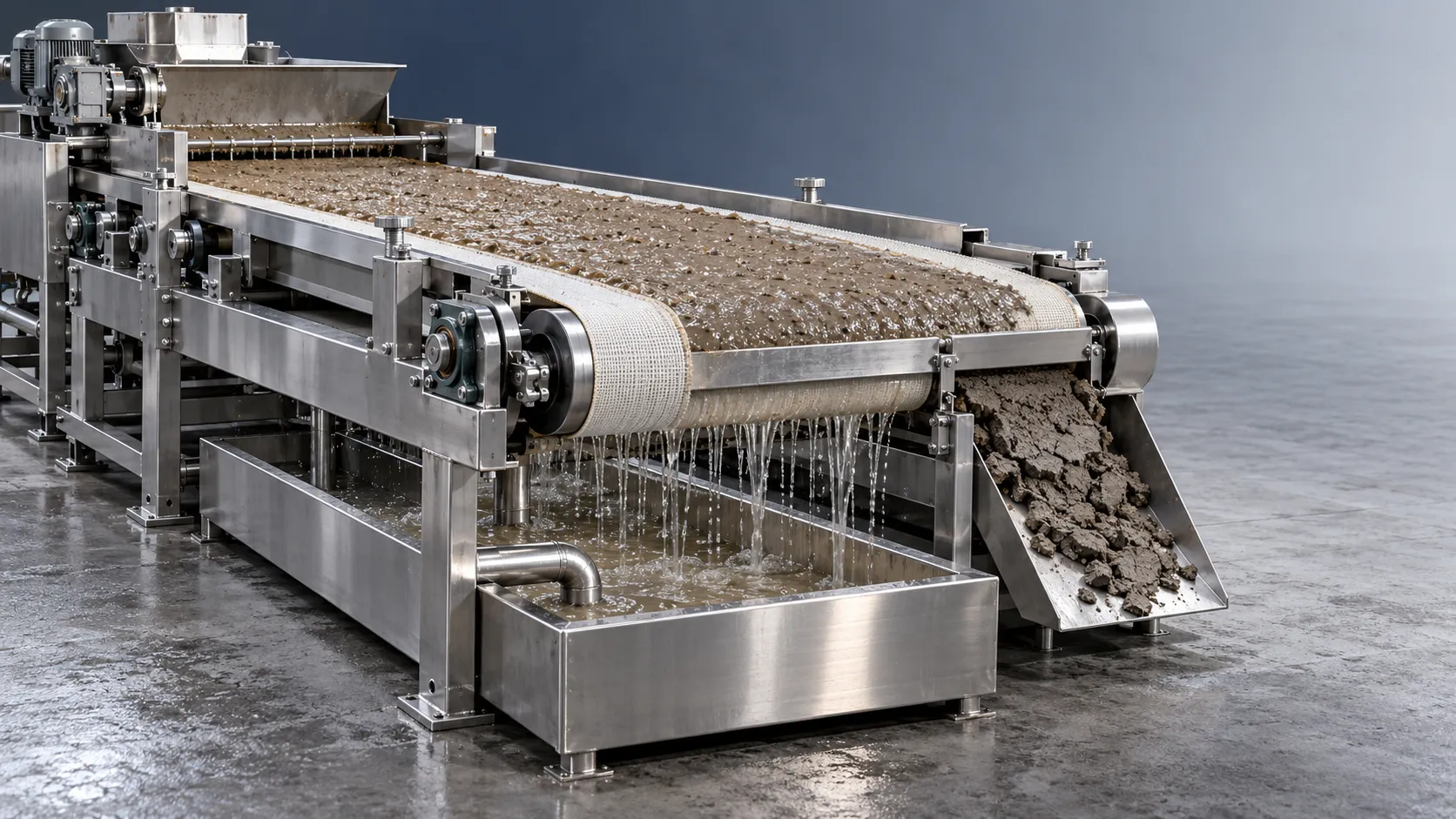
How solids concentration affects dewatering in waste recovery systems
Optimize waste recovery systems dewatering with insights on solids concentration. Learn to balance throughput, cake dryness, and solids capture while avoiding costly equipment overloads.
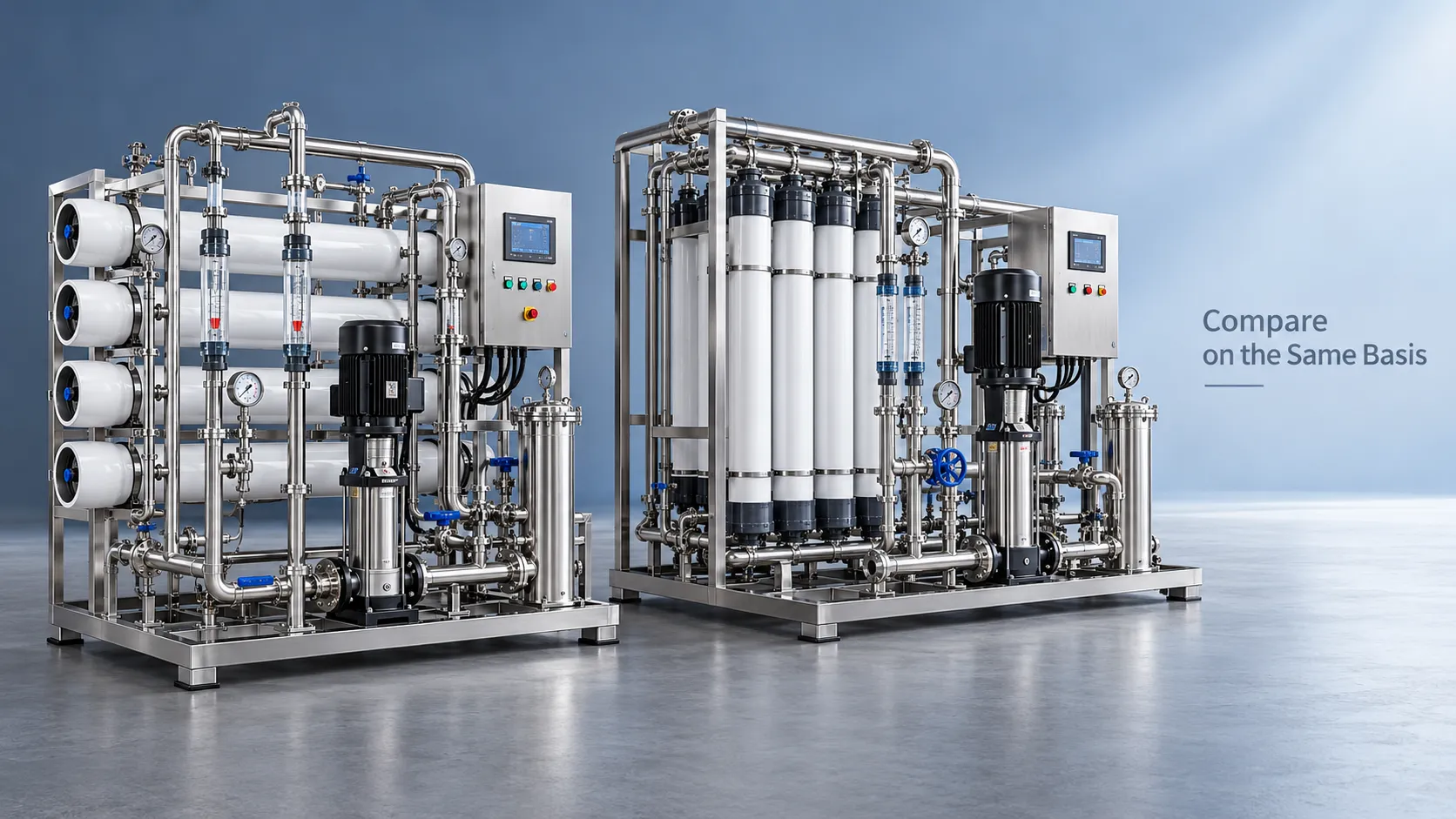
How to compare technical specs in an environmental equipment directory
Use this environmental equipment directory technical guide to compare capacity, energy use, compliance, and supplier evidence. Build a defensible shortlist and choose with confidence.
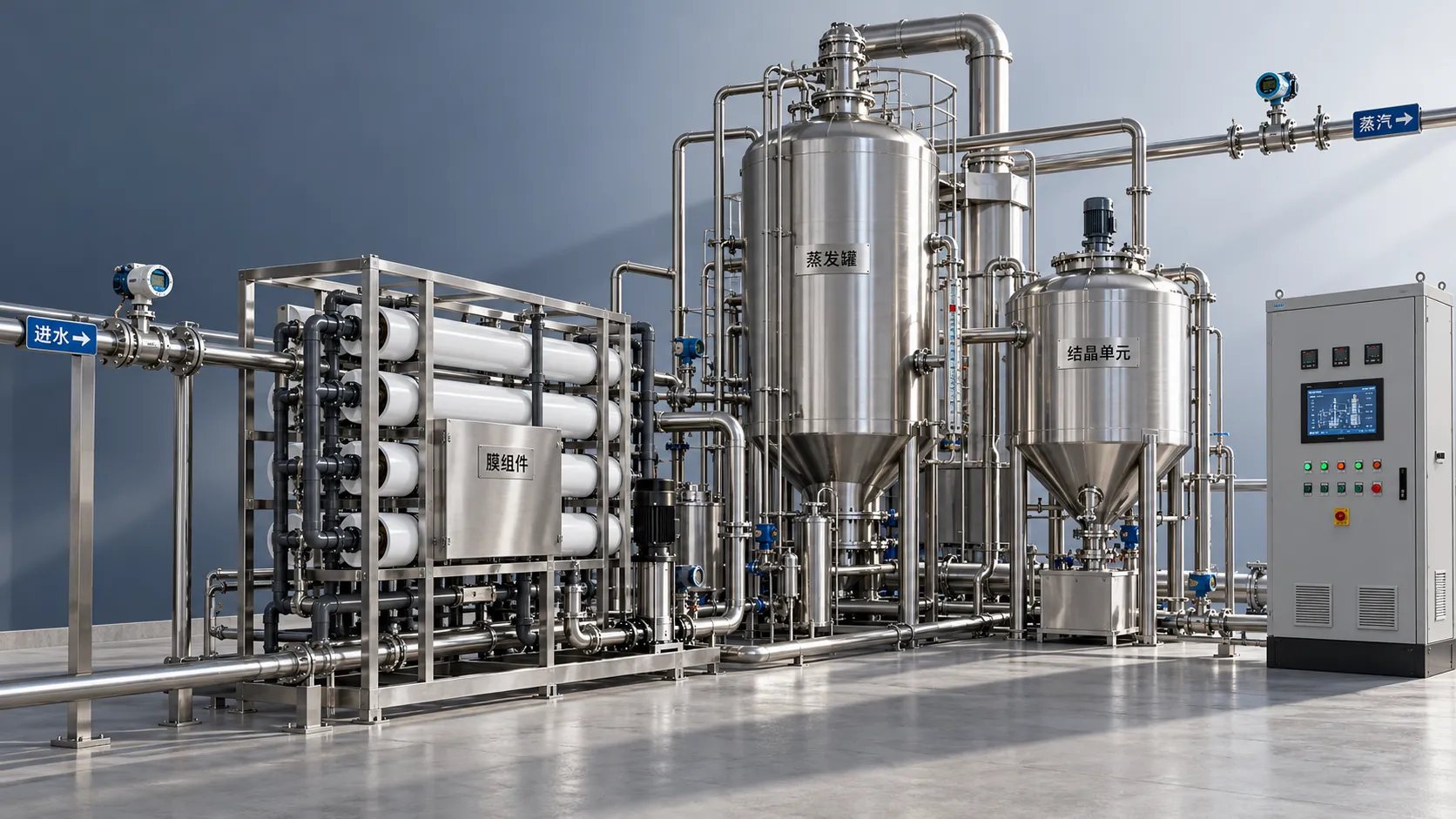
How to assess a zero liquid discharge equipment supplier’s energy claims
Assess a zero liquid discharge equipment supplier’s energy claims. Learn how to verify system boundaries, compare real costs, and demand testable guarantees before you buy.
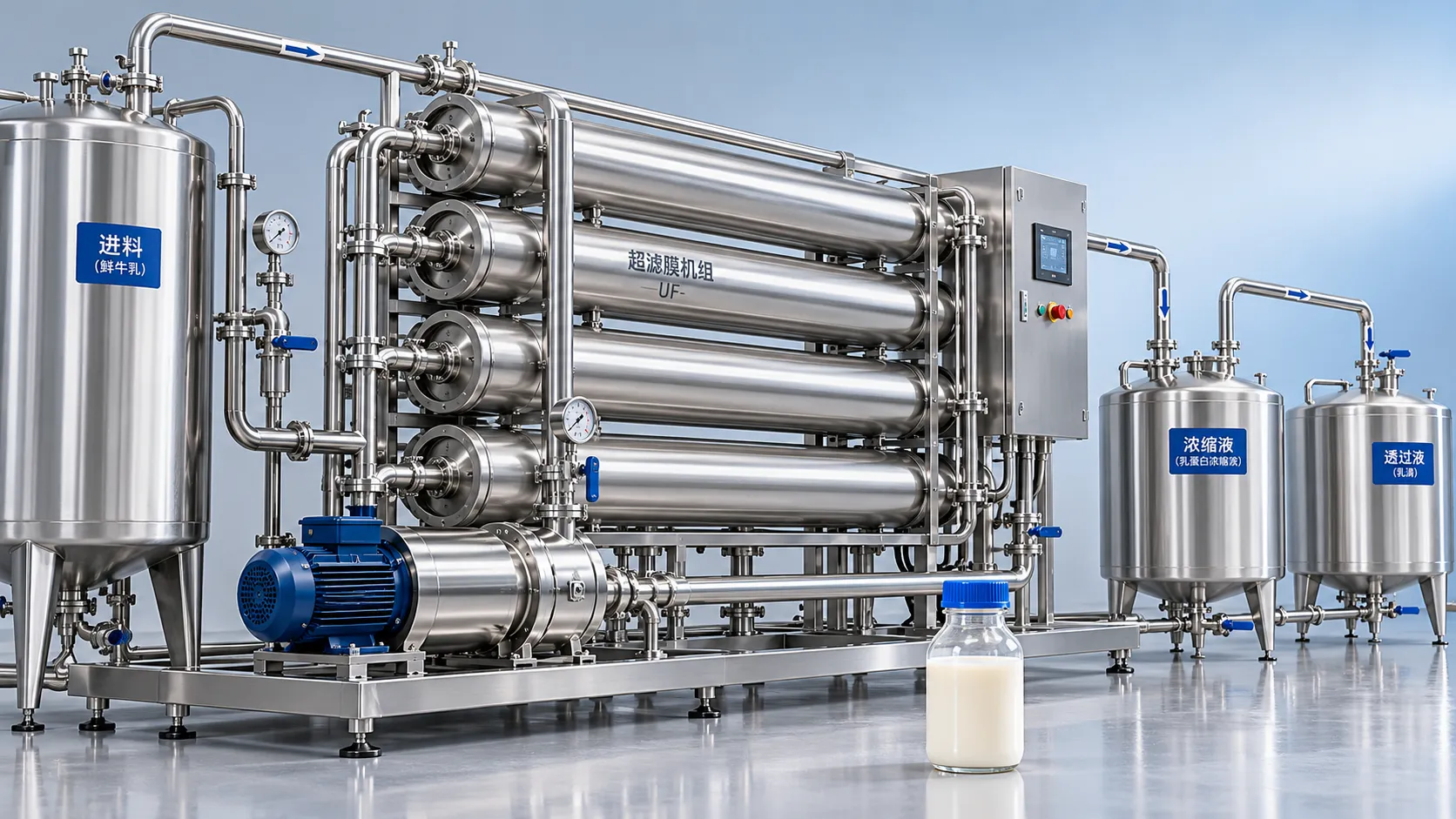
Which membrane filtration process suits dairy protein concentration?
Explore membrane filtration for dairy: compare UF, MF, and RO to select the right process for protein concentration, lactose reduction, and better recovery. Find your best fit.
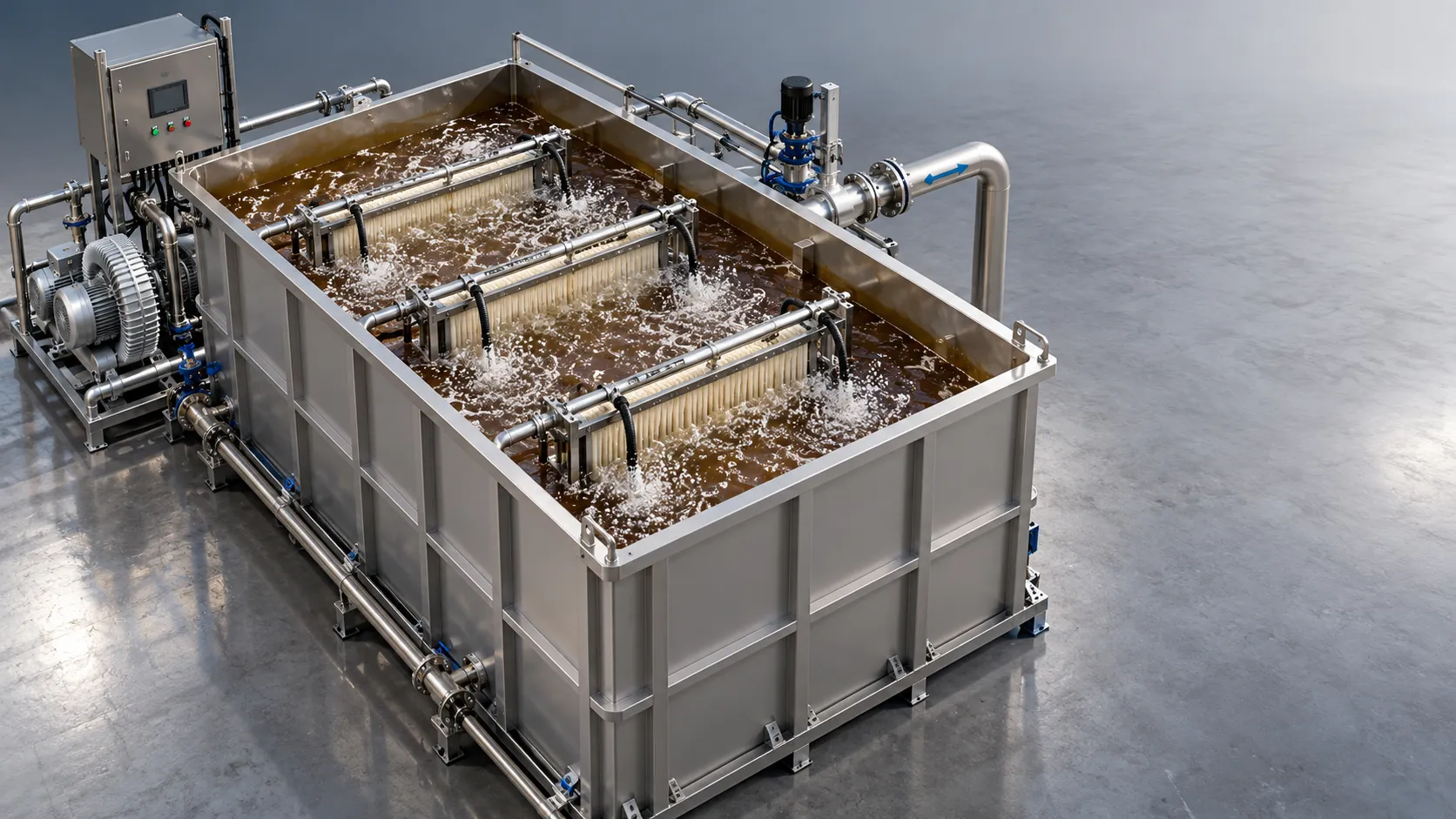
When is an MBR suitable for wastewater purification for bioprocessing?
For wastewater purification for bioprocessing, discover when an MBR fits your needs. Compare water quality, fouling risks, and lifecycle costs before investing.
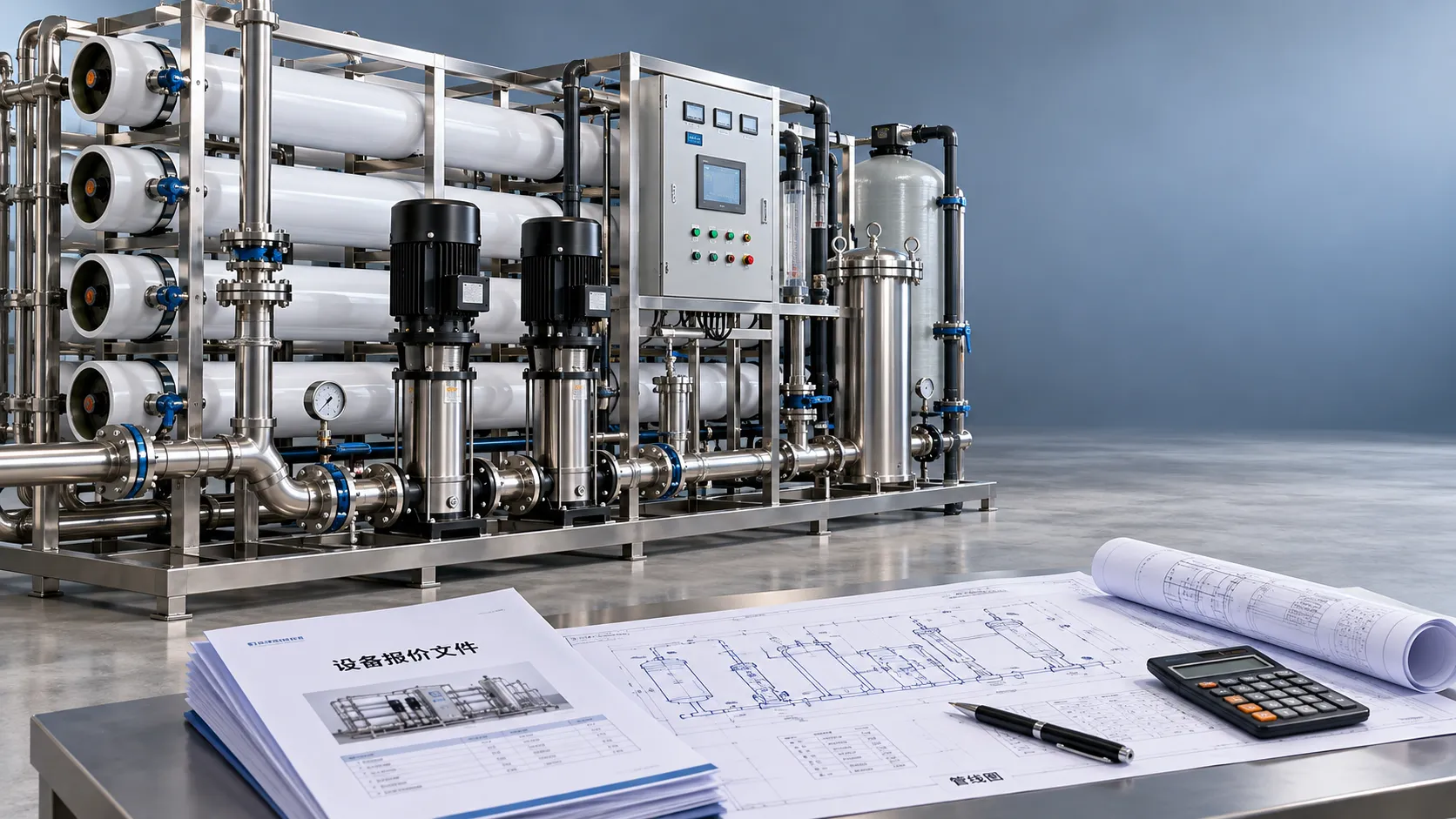
How to check a water treatment quotation for hidden project costs
Review your water treatment quotation for hidden costs, scope gaps, and operating expenses. Learn what to check before signing to protect your budget and avoid costly surprises.
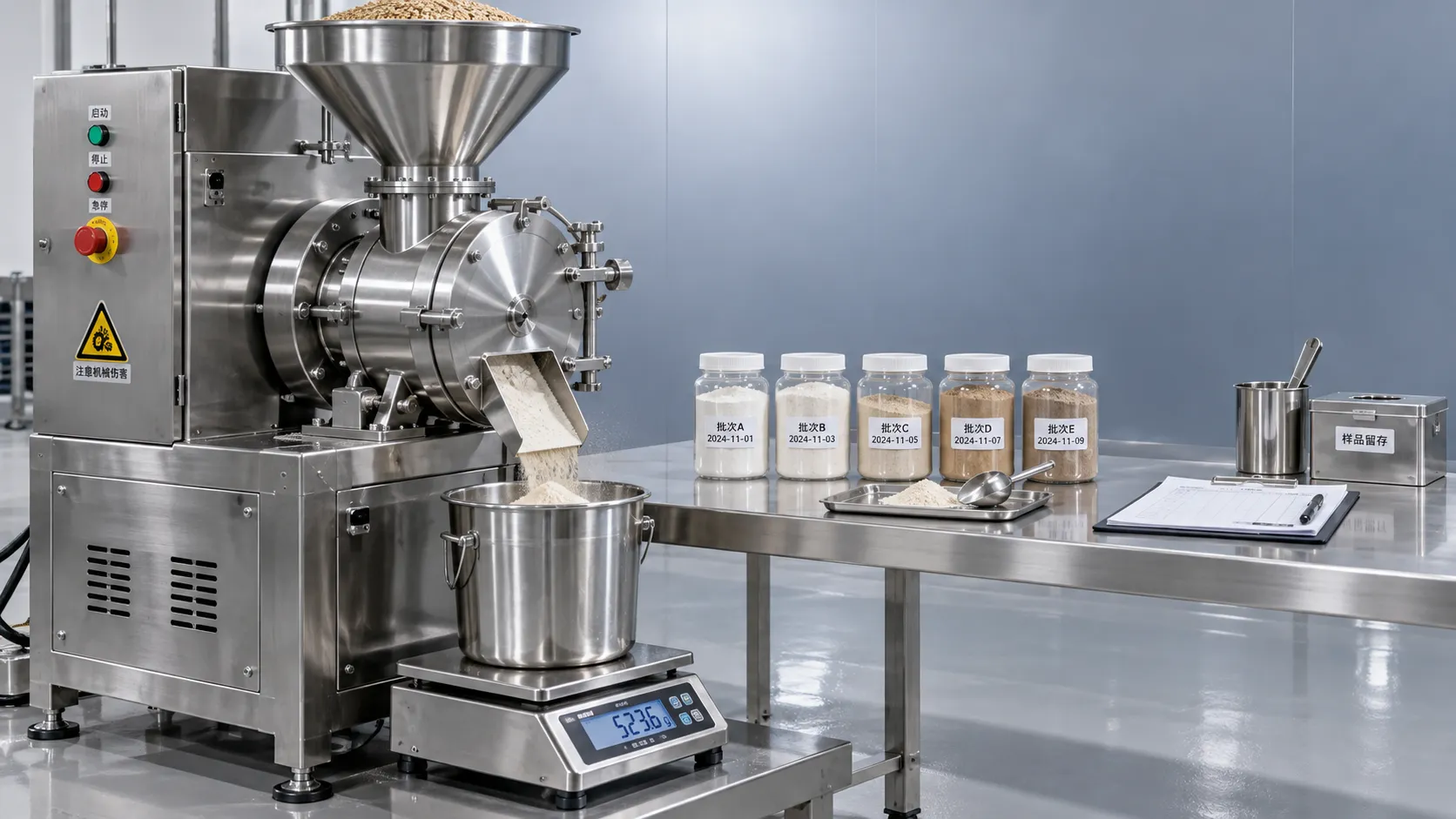
How to vet ingredient processing equipment manufacturers using trials
Vet ingredient processing equipment manufacturers with real-world trials. Learn how to verify yield, cleaning, energy use, and scale-up before you invest.
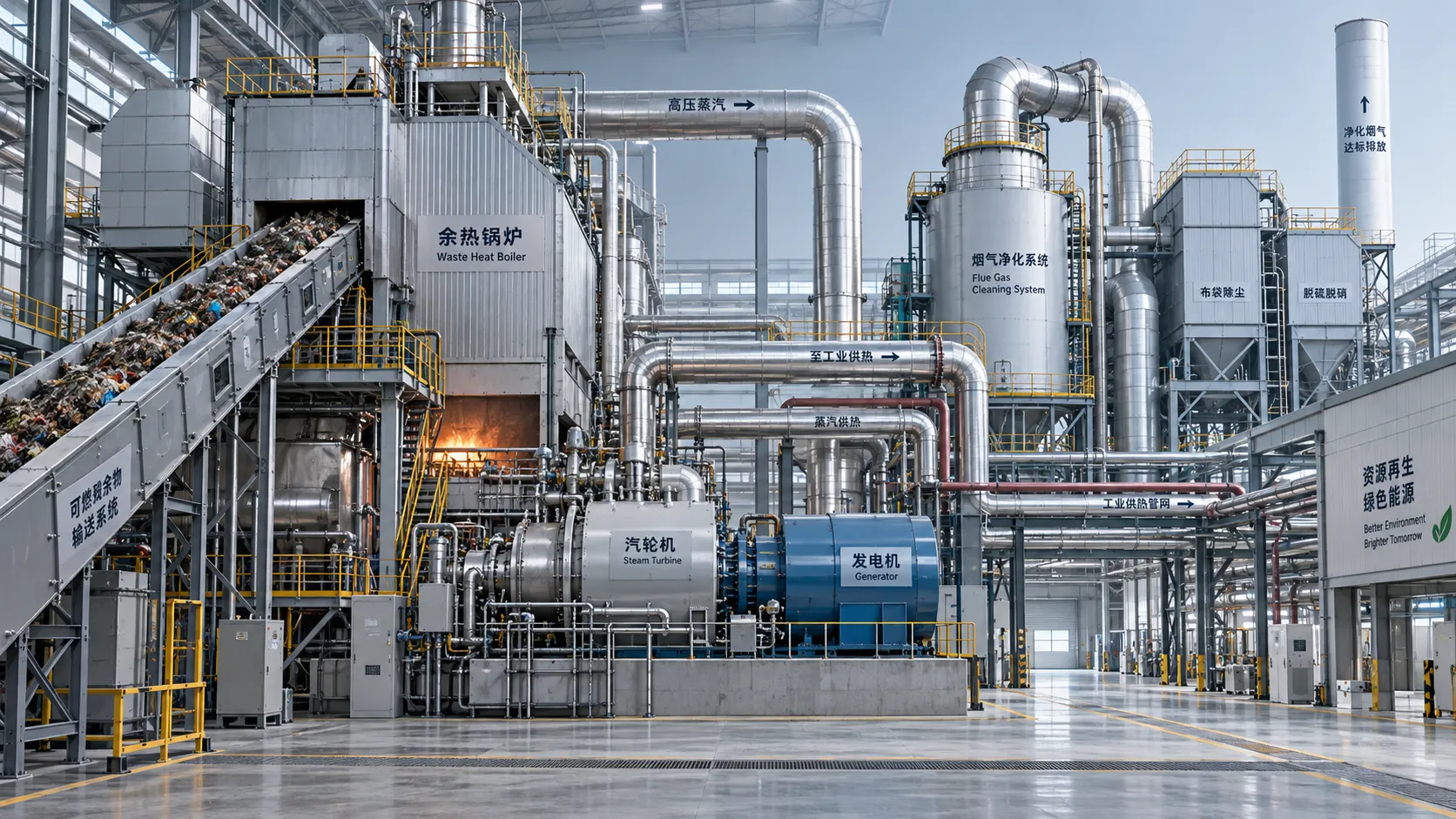
When is energy recovery viable in the solid waste recovery process?
When is energy recovery viable in the solid waste recovery process? Explore feedstock quality, net energy, emissions, and costs to assess feasibility and make smarter investment decisions.
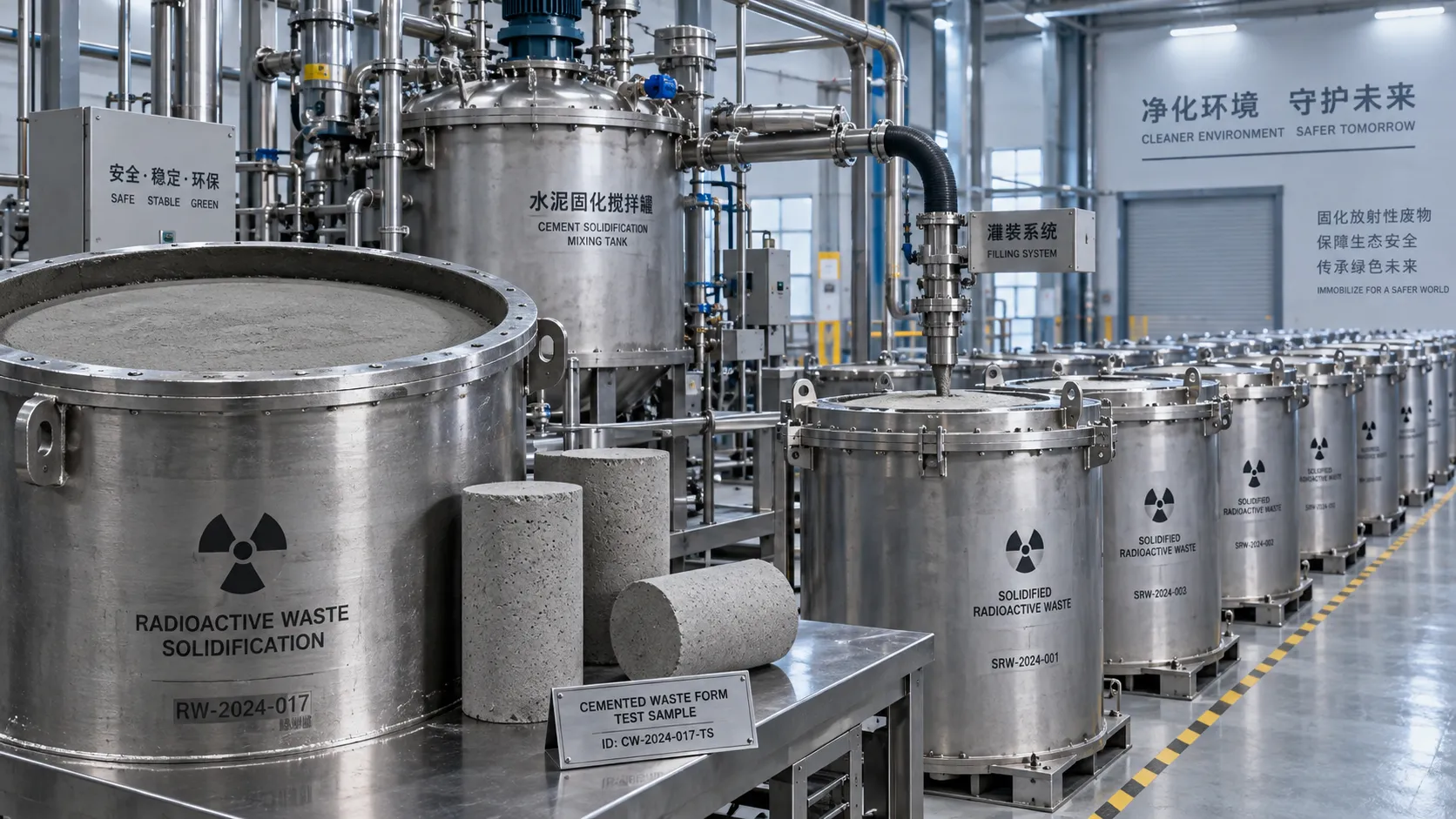
When is cementation suitable for nuclear decommissioning waste?
Explore nuclear waste treatment technology for decommissioning: learn when cementation fits, which risks to assess, and how disposal criteria guide an effective treatment choice.