
Industry News
Curation by industry experts
Hot Articles
Popular Tags
How Low-Temperature Reaction Improves Process Stability
For technical evaluators, low-temperature reaction performance is more than a chemistry detail. It is a practical signal of process stability, energy efficiency, and compliance confidence.
Across water treatment, flue gas control, waste recovery, desalination, and nuclear waste handling, the same pattern appears. When reaction temperature drops, systems either stay controlled or start drifting.
That is why low-temperature reaction behavior matters so much in ESD-focused sectors. It affects conversion rate, catalyst life, fouling tendency, startup flexibility, and the margin between steady operation and repeated correction.
The good news is that process stability at lower temperatures is not guesswork. It can be evaluated through a few clear checks, paired with realistic operating data and field-specific context.
Why low-temperature reaction matters first
In simple terms, a low-temperature reaction slows molecular activity. But in real facilities, the effect is broader. Slower kinetics often change residence time needs, heat balance, by-product formation, and control response.
If a process can maintain conversion and selectivity under lower heat input, it usually gains a more stable operating window. That often means fewer thermal shocks, lower energy use, and better compliance consistency.
For ESD intelligence work, this point is especially relevant. Whether the subject is SWRO pretreatment chemistry, SCR catalyst behavior, or waste vitrification support steps, low-temperature reaction performance often reveals the real resilience of the system.
What to verify before trusting the data
- Check whether the low-temperature reaction data comes from steady-state runs, not short lab peaks. Stable readings over time say far more about process stability than isolated best-case results.
- Review the real feed composition window. Small shifts in salinity, sulfur load, moisture, ash, or organics can change low-temperature reaction behavior faster than design sheets suggest.
- Confirm the minimum effective temperature, not just the nominal range. Many systems look acceptable at low temperature until conversion suddenly drops below a narrow threshold.
- Measure by-product risk at the same time. A low-temperature reaction that preserves conversion but raises deposits, ammonia slip, scaling, or sludge instability is not truly stable.
- Compare startup and turndown performance. Some equipment performs well at base load, then loses control margin when low-temperature reaction conditions appear during partial-load operation.
- Look for heat-transfer limitations around the reactor or treatment zone. Weak insulation, cold spots, or uneven distribution can distort low-temperature reaction results and hide stability risks.
The main stability gains to look for
Not every low-temperature reaction improves performance. The value comes when lower-temperature operation reduces stress without sacrificing control. That balance is what should be tested.
A stable low-temperature reaction often brings operational benefits that are easy to miss at first glance. They show up in maintenance intervals, alarm frequency, reagent efficiency, and compliance records.
- Lower thermal stress can protect catalysts, membranes, linings, and seals. That matters in large environmental systems where material degradation quietly drives unplanned shutdowns and repair cost.
- Better energy balance improves process stability over long campaigns. When a low-temperature reaction meets targets with less heating, control loops usually face fewer abrupt correction cycles.
- A wider operating window supports compliance reliability. That is critical where emission limits, discharge permits, or radioactive handling rules leave little room for transient instability.
- Reduced hot-spot formation can improve product consistency and equipment life. This is especially useful in reactors treating variable feed streams or seasonal intake changes.
- More flexible turndown behavior helps facilities handle load swings. A strong low-temperature reaction profile usually means better control during startup, standby, and demand-driven operation.
A quick comparison framework
How this plays out in key ESD sectors
In flue gas treatment, low-temperature reaction performance is often tied to SCR catalyst activity. The issue is not only NOx removal. It is also whether the catalyst stays active without increasing ammonia slip or deposit formation.
A good evaluation checks sulfur conditions, dust profile, and transient load swings. A reactor that looks efficient on paper may still lose process stability when actual stack temperatures fluctuate below the preferred band.
In large water treatment and ZLD-related systems, low-temperature reaction conditions can affect precipitation, oxidation, neutralization, and biological support steps. Slower kinetics may reduce treatment consistency if dosing logic is not adjusted.
The key check here is whether lower temperatures increase chemical consumption, sludge handling difficulty, or membrane fouling downstream. Stable treatment is never only about one reaction vessel.
In solid waste recovery, pyrolysis and preconditioning steps also depend on temperature-sensitive reaction pathways. Lower-temperature operation may save energy, but it must still preserve useful output quality and avoid sticky intermediate products.
For seawater desalination support systems, low-temperature reaction behavior matters in pretreatment, antiscalant performance, and chemical cleaning efficiency. A small change in reaction speed can ripple into higher pressure loss or unstable membrane protection.
In nuclear waste management, the tolerance for instability is far lower. Any low-temperature reaction involved in conditioning, immobilization support chemistry, or secondary waste control must be validated against microstructural and long-duration stability outcomes, not short-term conversion alone.
Practical checks that often prevent bad decisions
- Ask for performance curves under realistic ambient changes. Seasonal temperature shifts often expose low-temperature reaction weaknesses that factory acceptance data does not show clearly.
- Verify residence time and mixing quality together. Poor contact efficiency can look like weak low-temperature reaction chemistry when the real problem is flow distribution.
- Review cleaning and regeneration frequency. If lower-temperature operation increases fouling or deactivation, the apparent efficiency gain may disappear in maintenance downtime.
- Check instrumentation placement around the reaction zone. Bad sensor location can hide local temperature gradients and create false confidence in process stability.
- Test control logic during low-load operation. A low-temperature reaction may be manageable at design capacity but unstable during ramp-down, standby, or intermittent feed conditions.
Common blind spots in technical evaluation
One common mistake is treating low-temperature reaction performance as a catalyst-only topic. In reality, hydraulics, feed variability, heat recovery, material compatibility, and control logic can matter just as much.
Another blind spot is using average temperature alone. Process stability is often lost because of local cold zones, delayed reheating, or uneven solids distribution, not because the average number looked too low.
ESD sector analysis repeatedly shows the same lesson. Environmental systems become more reliable when low-temperature reaction data is connected to lifecycle behavior, regulatory performance, and maintenance burden at the same time.
- Do not accept single-point efficiency claims. A useful low-temperature reaction assessment needs trend data, operating limits, and failure behavior near boundary conditions.
- Do not separate chemistry from compliance. If lower temperature increases emission spikes, discharge variance, or waste instability, process stability is already compromised.
- Do not ignore shutdown and restart cycles. Many low-temperature reaction problems appear after thermal cycling, not during the first continuous run.
- Do not assume lower energy always means lower cost. Extra reagent use, higher cleaning frequency, or shortened catalyst life can erase the expected benefit quickly.
What to do next with the findings
A sound review of low-temperature reaction performance should end with a decision path, not a data dump. The goal is to determine whether the process stays stable under real constraints, not ideal ones.
Start with three questions. What is the minimum temperature for stable conversion? What side effects appear near that point? And how does the system recover after disturbance?
If the answers are supported by long-run evidence, realistic feed variation, and maintenance data, the low-temperature reaction profile is probably trustworthy. If not, the process still carries hidden stability risk.
For ESD-linked sectors, that distinction matters. It influences not only equipment selection, but also energy planning, compliance resilience, and long-term asset reliability in increasingly strict environmental operating conditions.
In practice, the best next step is simple: compare low-temperature reaction claims against site-specific load changes, by-product risk, and control behavior. That is where real process stability is proven.
Recommended News
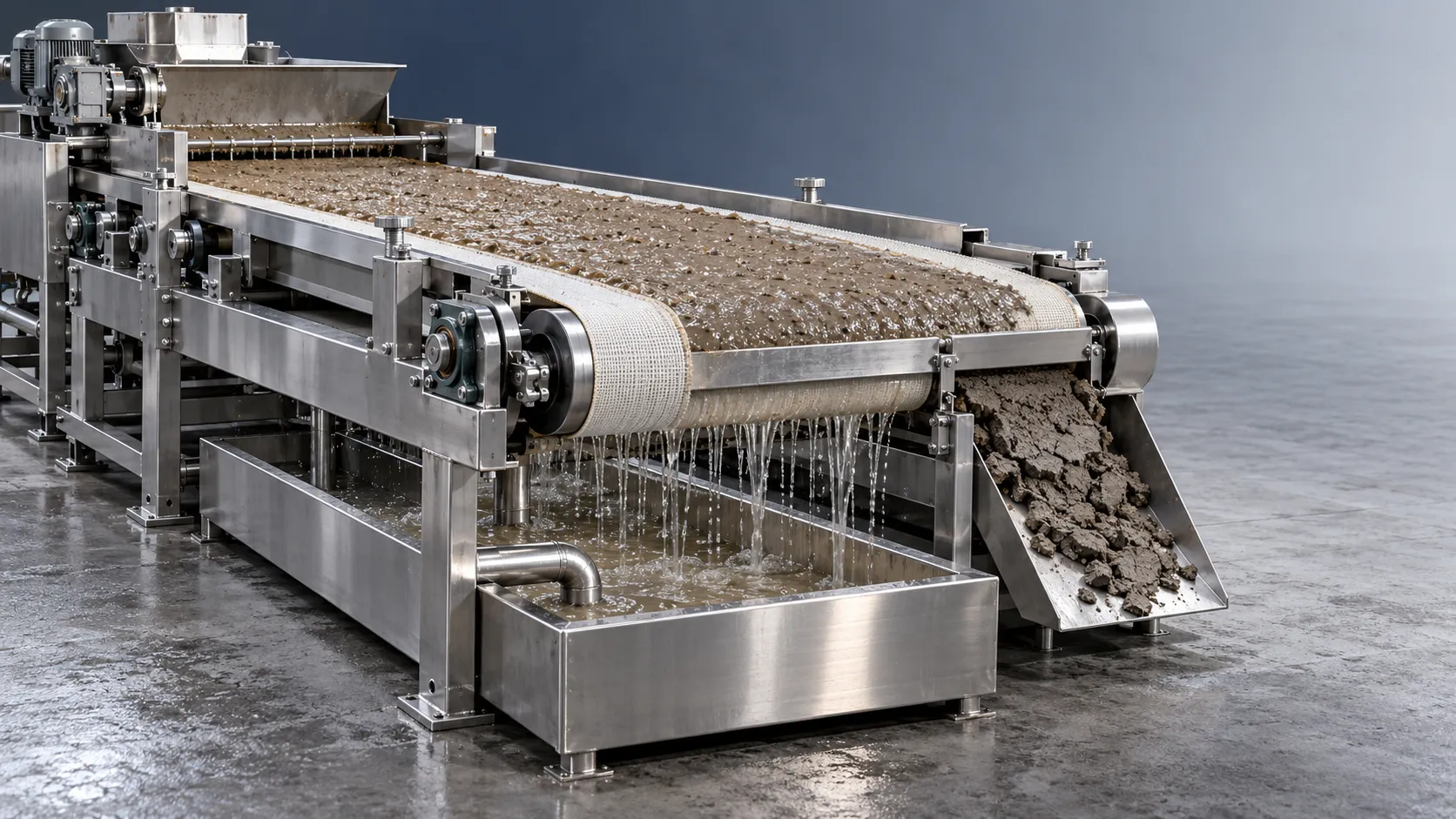
How solids concentration affects dewatering in waste recovery systems
Optimize waste recovery systems dewatering with insights on solids concentration. Learn to balance throughput, cake dryness, and solids capture while avoiding costly equipment overloads.
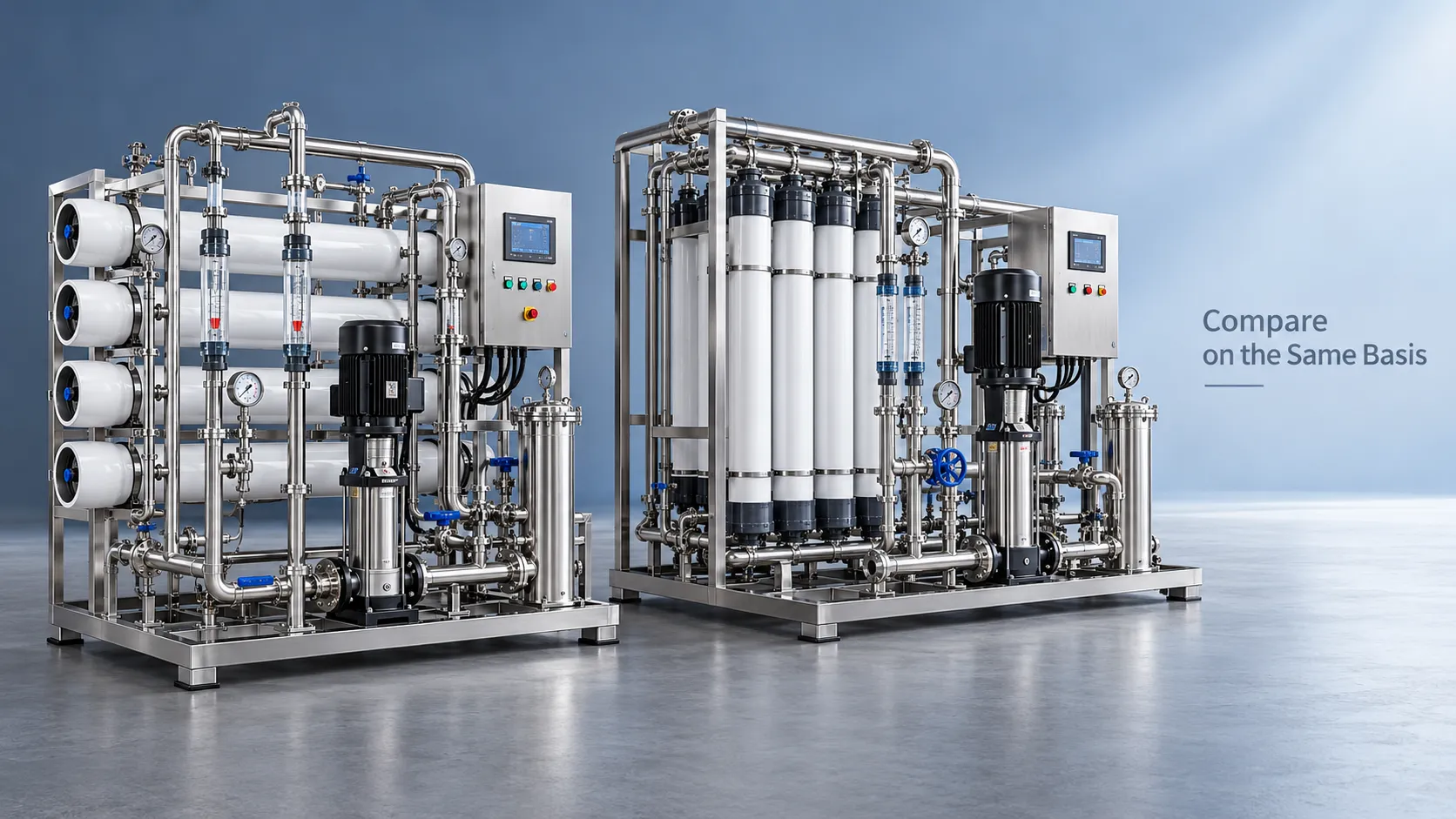
How to compare technical specs in an environmental equipment directory
Use this environmental equipment directory technical guide to compare capacity, energy use, compliance, and supplier evidence. Build a defensible shortlist and choose with confidence.
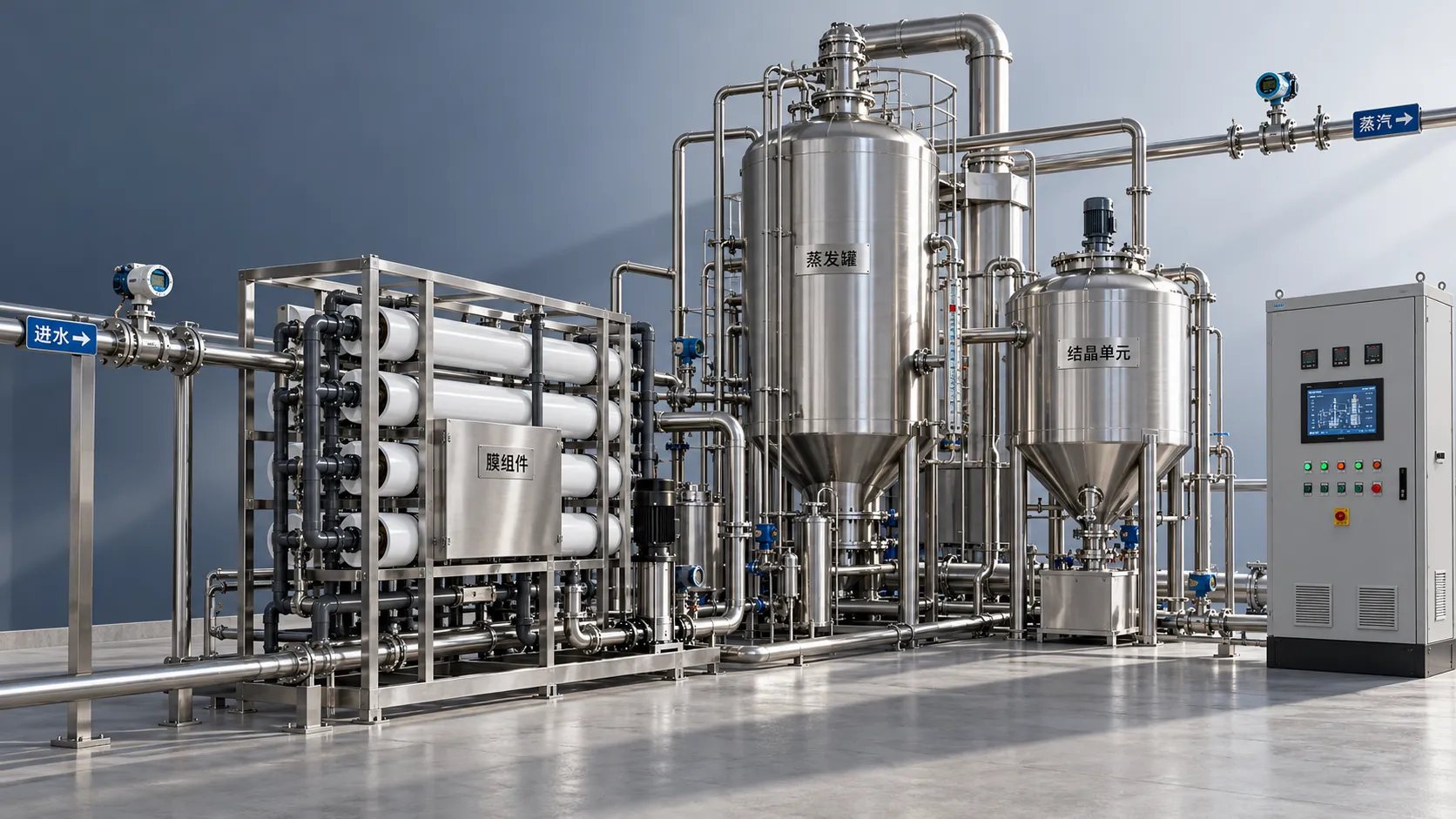
How to assess a zero liquid discharge equipment supplier’s energy claims
Assess a zero liquid discharge equipment supplier’s energy claims. Learn how to verify system boundaries, compare real costs, and demand testable guarantees before you buy.
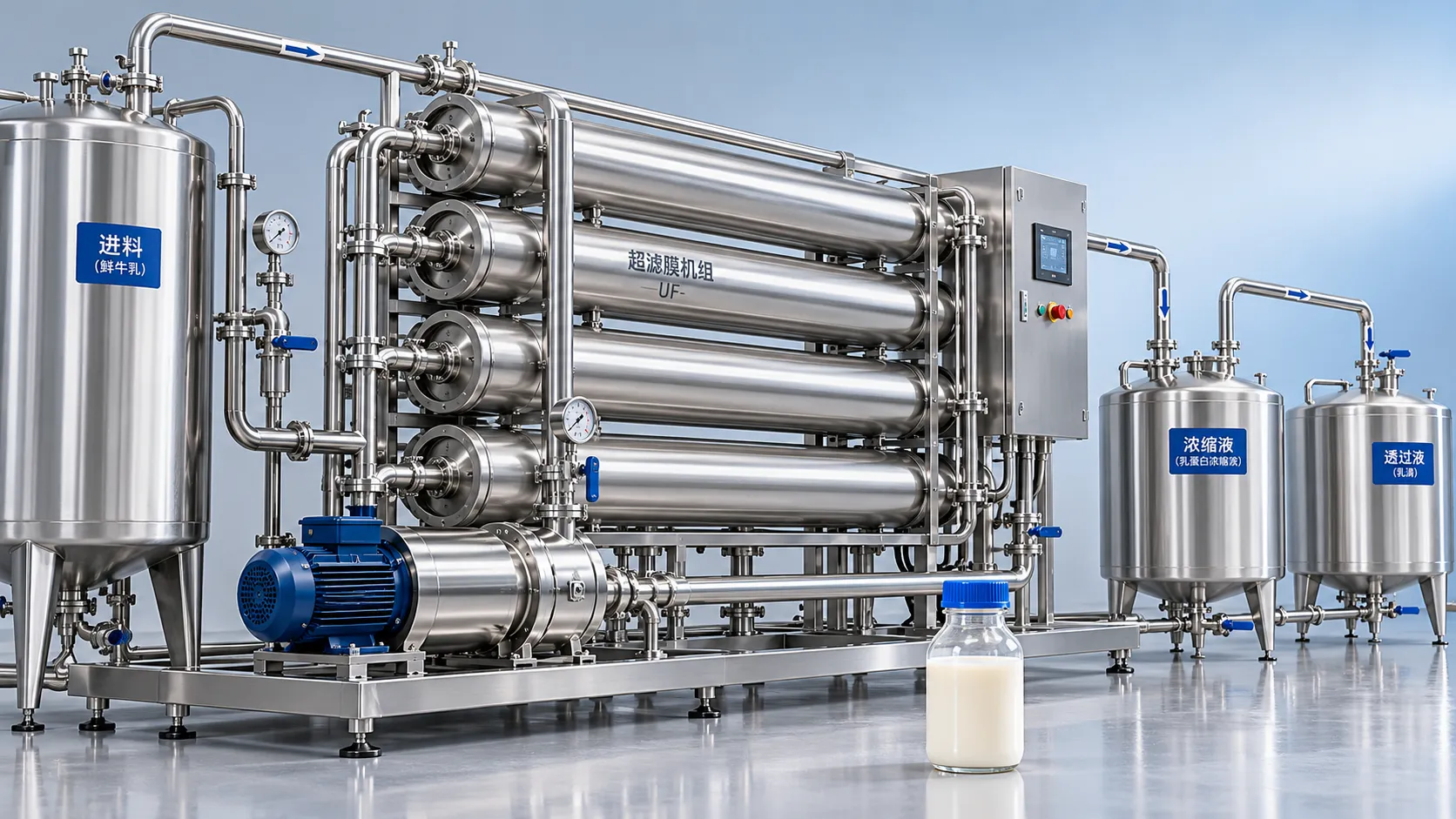
Which membrane filtration process suits dairy protein concentration?
Explore membrane filtration for dairy: compare UF, MF, and RO to select the right process for protein concentration, lactose reduction, and better recovery. Find your best fit.
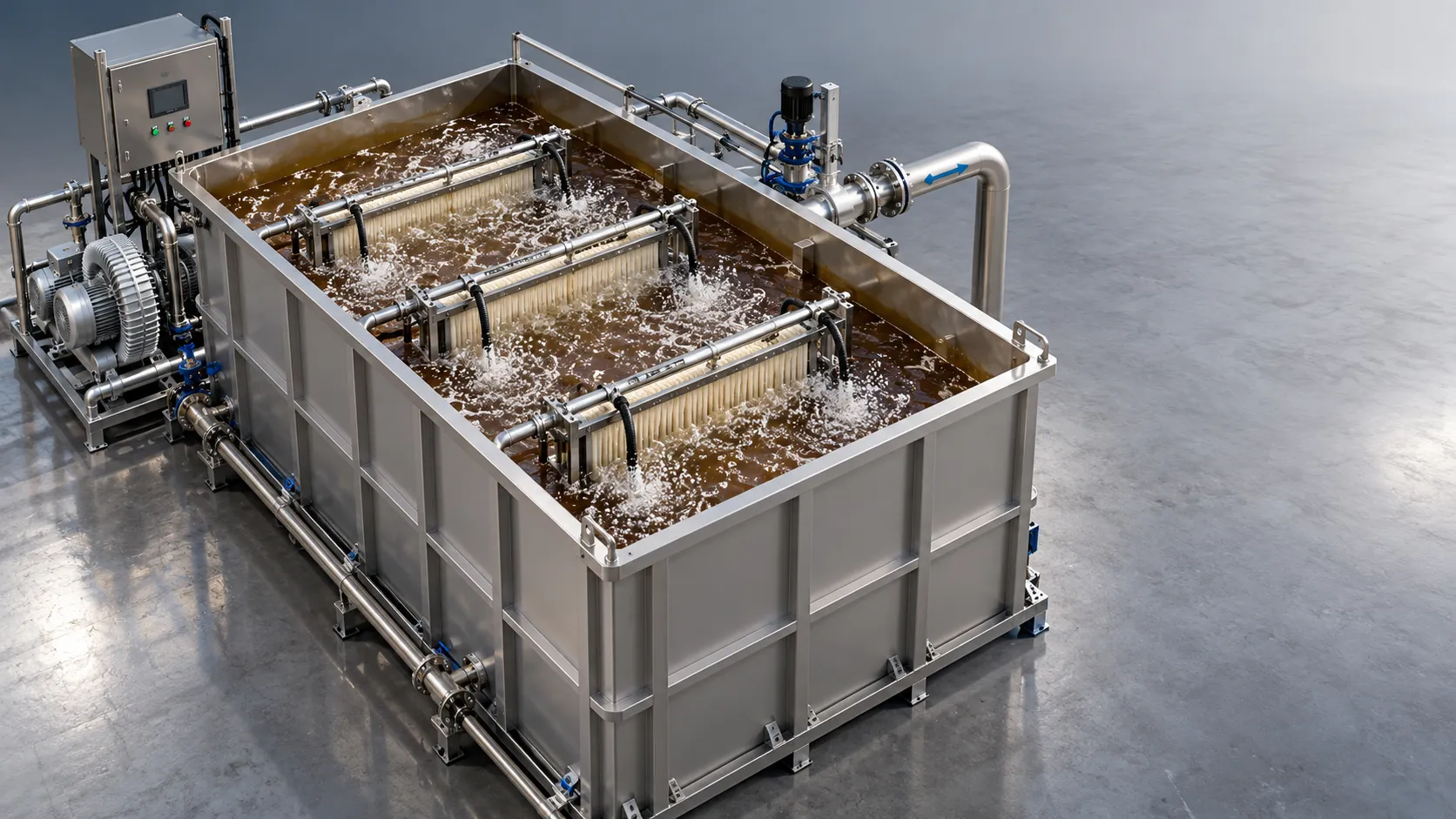
When is an MBR suitable for wastewater purification for bioprocessing?
For wastewater purification for bioprocessing, discover when an MBR fits your needs. Compare water quality, fouling risks, and lifecycle costs before investing.
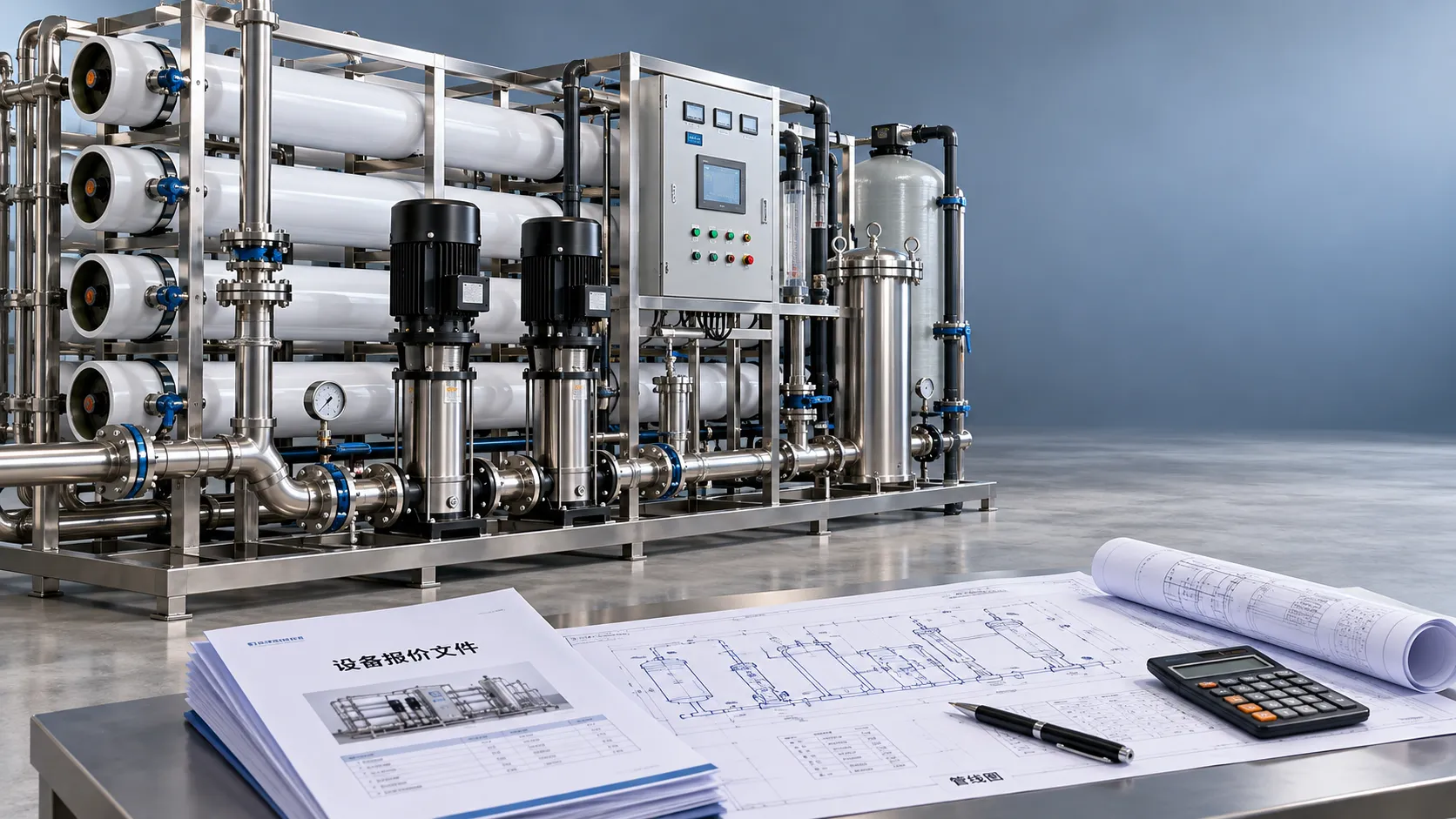
How to check a water treatment quotation for hidden project costs
Review your water treatment quotation for hidden costs, scope gaps, and operating expenses. Learn what to check before signing to protect your budget and avoid costly surprises.
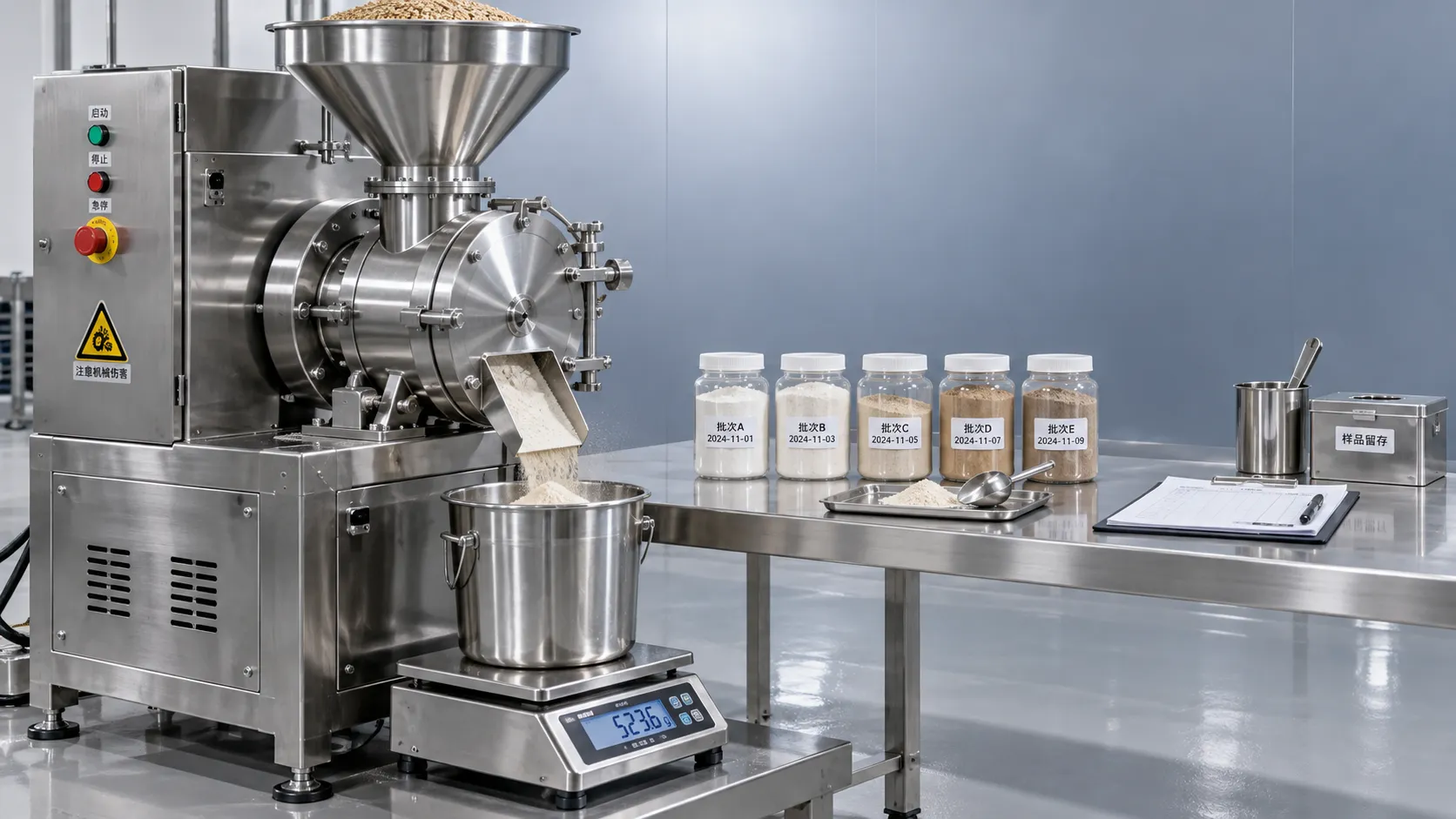
How to vet ingredient processing equipment manufacturers using trials
Vet ingredient processing equipment manufacturers with real-world trials. Learn how to verify yield, cleaning, energy use, and scale-up before you invest.
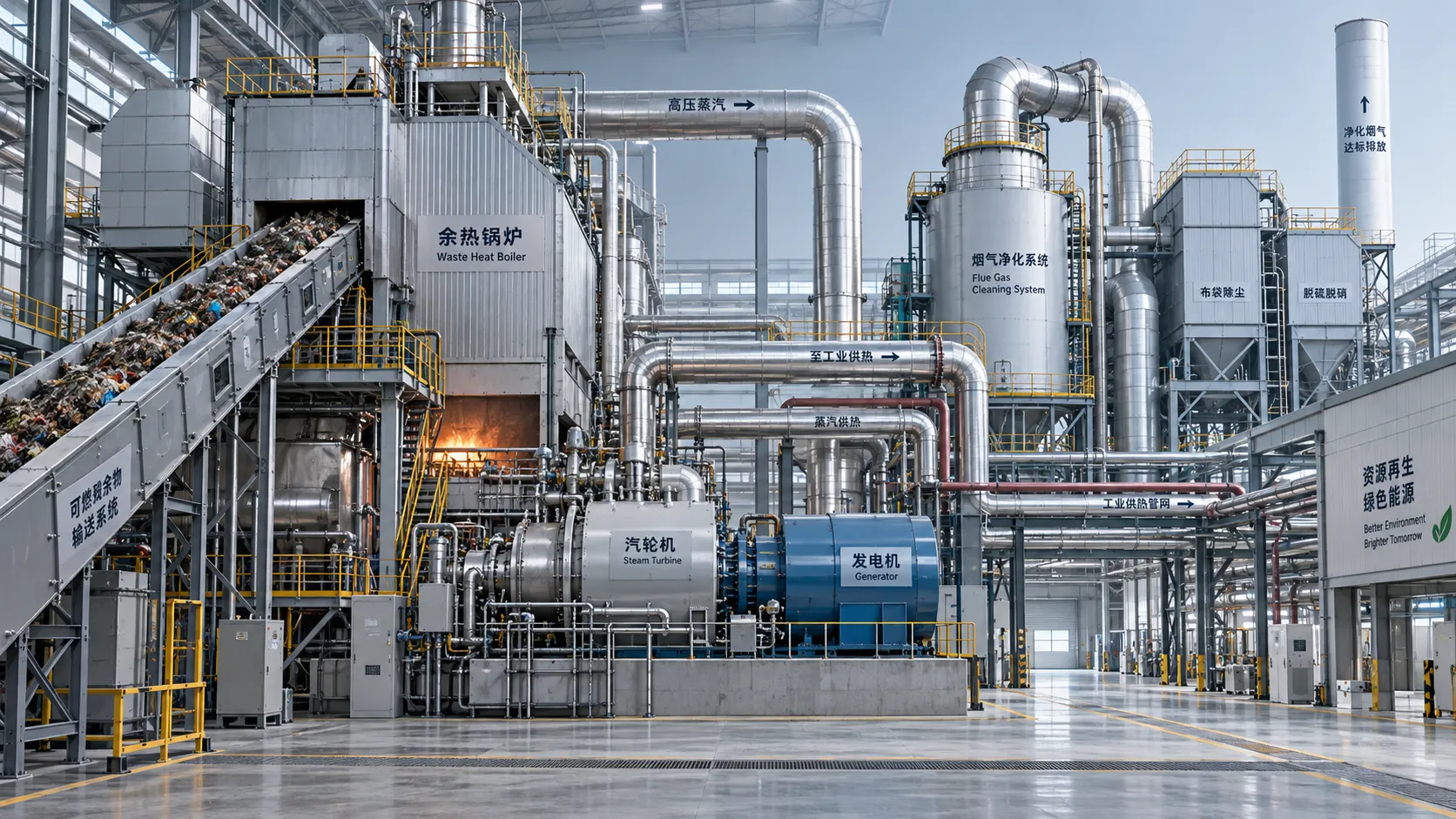
When is energy recovery viable in the solid waste recovery process?
When is energy recovery viable in the solid waste recovery process? Explore feedstock quality, net energy, emissions, and costs to assess feasibility and make smarter investment decisions.
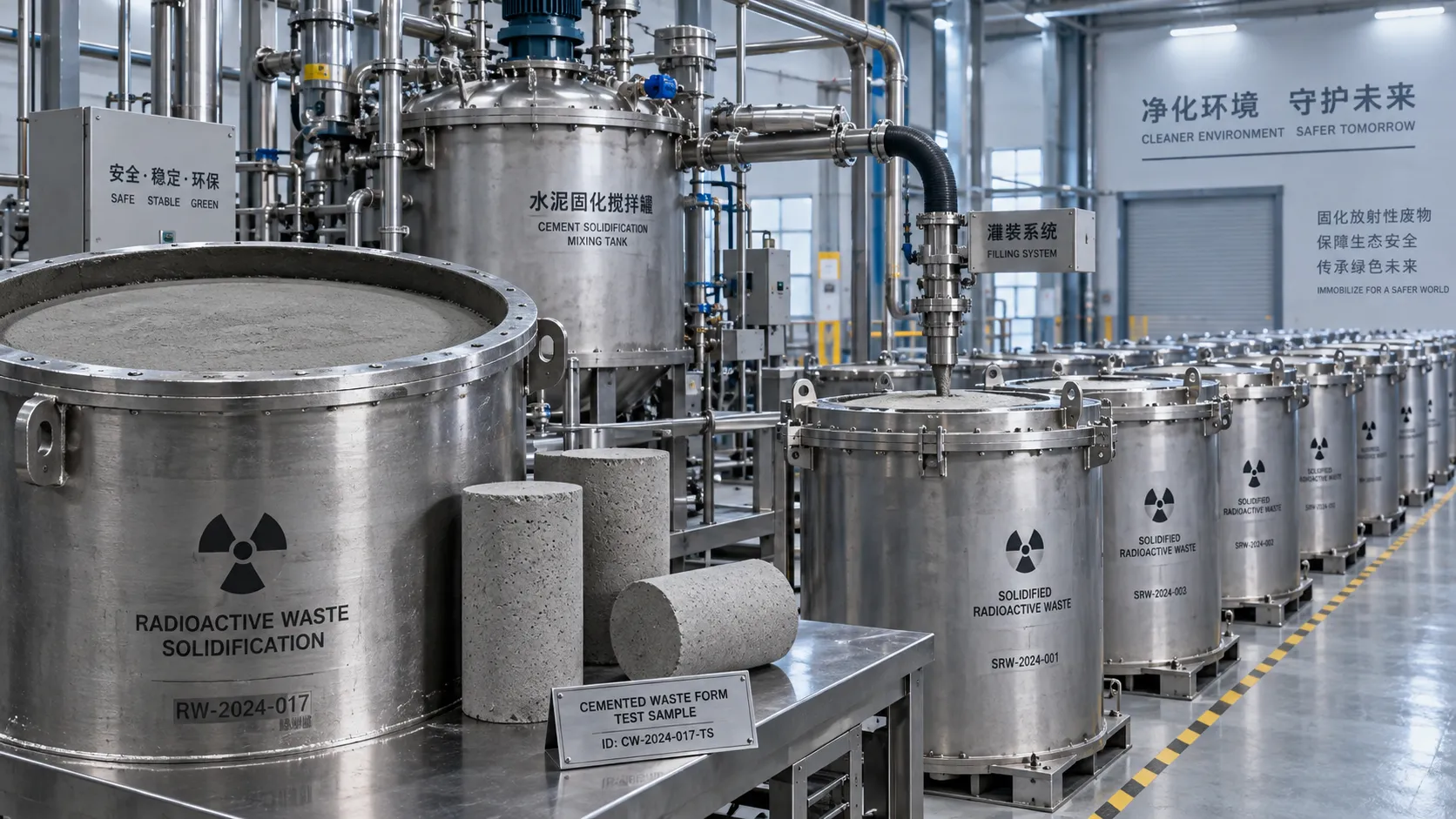
When is cementation suitable for nuclear decommissioning waste?
Explore nuclear waste treatment technology for decommissioning: learn when cementation fits, which risks to assess, and how disposal criteria guide an effective treatment choice.