
Industry News
Curation by industry experts
Hot Articles
Popular Tags
Wastewater Intelligence for Early Fault Detection
For operators managing complex treatment systems, wastewater intelligence is becoming essential for spotting hidden process deviations before they turn into costly failures. From industrial effluent lines to municipal plants, early fault detection improves stability, compliance, and recovery performance.
That matters even more across integrated environmental infrastructure, where water treatment, resource recovery, desalination, and compliance targets increasingly affect each other. In that setting, wastewater intelligence is not just about alarms. It is about seeing weak signals early enough to act calmly.
Drawing on the broader intelligence logic seen across ESD’s eco-shield perspective, the most useful approach is practical: connect process data, operating context, and maintenance action so abnormal patterns become visible before performance drops hard.
Why early fault detection matters more now
Wastewater systems now run under tighter discharge limits, rising energy pressure, and more variable influent quality. A small drift in pH, conductivity, sludge age, or membrane pressure can quickly become a compliance event.
In large treatment networks, faults rarely stay isolated. A sensor bias in pretreatment may distort chemical dosing. That can push biological stages, recovery units, and downstream polishing equipment out of balance.
- Start with the variables that fail quietly: dissolved oxygen drift, ORP instability, pump current change, and filter differential pressure. These usually show trouble before visible water quality declines.
- Build wastewater intelligence around trend direction, not single alarms. A slow deviation over three shifts often matters more than one brief spike during a cleaning cycle.
- Match process data with operator logs. When odor, foam, color, or noise changes align with analytics, early fault detection becomes faster and far more reliable.
- Separate normal operating transitions from real faults. Startup, CIP, backwash, and load swings should have their own data labels, or wastewater intelligence will overreact.
- Check whether rising energy use is tied to water quality drift. That link often reveals fouling, aeration imbalance, valve wear, or hidden recirculation loss.
- Review compliance-critical points first. In most plants, influent shocks are manageable, but unnoticed deterioration near final discharge creates the highest operational risk.
What to watch before a fault becomes obvious
The best wastewater intelligence setups do not wait for a hard failure. They focus on small changes that repeat, widen, or spread across related equipment.
Core signals worth checking every shift
- Track flow against load, not flow alone. If COD, ammonia, or salinity rises while hydraulic flow looks stable, process stress may already be building.
- Compare parallel units every day. When one basin, train, or membrane rack starts behaving differently, wastewater intelligence can flag hidden imbalance before alarms trigger.
- Watch chemical consumption per treated volume. A sudden increase often signals upstream variability, dosing control drift, or reduced reaction efficiency somewhere else.
- Review sensor confidence, not just sensor values. Flat lines, repeated numbers, or implausibly clean trends often indicate instrument trouble, not process stability.
- Check sludge and solids behavior closely. Changes in settleability, cake dryness, or return flow consistency often appear earlier than final effluent deterioration.
- Link vibration and motor current with process data. Mechanical stress and process stress often rise together, especially around pumps, blowers, and high-pressure desalination equipment.
One common mistake is trusting a single dashboard too much. Wastewater intelligence works better when field observation still matters. If the basin looks different, smells different, or sounds different, that information belongs in the diagnosis.
How this works in real operating environments
In a high-concentration industrial wastewater line, early fault detection often starts with conductivity, temperature, and pressure relationships. A membrane system may appear stable until energy use climbs and recovery starts slipping.
Here, wastewater intelligence should compare pretreatment quality, antiscalant dosing, and differential pressure together. Looking at one trend alone usually hides the root cause.
In municipal treatment, the warning signs are often slower. Ammonia breakthrough, blower inefficiency, or sludge bulking can build over days. Pattern recognition across shifts helps reveal whether the issue is biological, mechanical, or seasonal.
In integrated eco-industrial sites, the value grows further. Water recovery, solid waste handling, flue gas treatment, and desalination may share utilities, energy loads, and compliance constraints. That broader ESD-style view helps explain why local deviations can have system-wide consequences.
Fast checks that usually pay off
- Set baseline windows for normal operation by season, shift, and feed condition. Wastewater intelligence becomes more accurate when “normal” reflects real plant variability.
- Create simple fault families such as fouling, scaling, toxicity, aeration loss, instrument drift, and dosing error. This helps teams move from alert to action faster.
- Escalate by persistence, not noise. A small anomaly lasting six hours often deserves more attention than a larger fluctuation that clears in ten minutes.
- Use operator rounds to confirm digital alerts. Visual checks on leaks, foam, color, vibration, and valve position reduce false conclusions from dashboards alone.
- Review near-miss events after every upset. These cases train wastewater intelligence models and improve future response without waiting for another real failure.
Common blind spots that weaken wastewater intelligence
Many systems collect a lot of data but still miss faults early. The issue is usually not data volume. It is context, consistency, or poor operational follow-through.
- Do not treat all alarms equally. If every deviation generates the same urgency, teams start ignoring the wastewater intelligence platform instead of trusting it.
- Avoid isolated KPI review. Effluent quality, energy, chemical use, sludge output, and equipment stress should be read together, not in separate reports.
- Do not skip calibration history. A drifting analyzer can imitate process failure and trigger unnecessary intervention, chemical waste, or avoidable shutdown decisions.
- Watch data gaps after maintenance work. Instrument replacement, software updates, and rewiring often create hidden discontinuities that confuse fault detection logic.
- Do not ignore low-probability high-impact events. Toxic shocks, salinity jumps, or brine concentration changes may be rare, but they deserve dedicated monitoring rules.
Turning insight into daily action
Useful wastewater intelligence should make shift work easier, not heavier. The goal is simple: shorten the time between weak signal, diagnosis, and corrective action.
A practical operating rhythm
- Start each shift with three questions: what changed, what persisted, and what spread. This keeps wastewater intelligence focused on operational meaning, not screen clutter.
- Assign one owner for anomaly review each shift. Clear accountability prevents repeated alerts from being noticed by everyone but acted on by no one.
- Document the first corrective step and the result time. That simple record makes future fault detection smarter and improves handover quality.
- Use thresholds with operating context. A conductivity spike during cleaning means something different from the same spike during normal recovery mode.
- Recheck the process after intervention within a defined window. Wastewater intelligence is only useful when action closes the loop and confirms recovery.
This is where broader environmental intelligence also helps. ESD’s cross-sector view shows that process stability, resource efficiency, and compliance resilience are now deeply connected. Better wastewater intelligence supports all three at once.
If the current setup already captures core process data, the next step is not necessarily more sensors. It may be better tagging, cleaner baselines, stronger shift review, or tighter linking between field checks and digital trends.
For early fault detection, the most effective move is usually small and disciplined: define the few signals that predict trouble earliest, review them consistently, and connect every alert to a practical response path.
That is how wastewater intelligence becomes useful on the ground. It helps catch drift before disruption, protect compliance before risk grows, and keep critical treatment infrastructure running with more confidence every day.
Recommended News
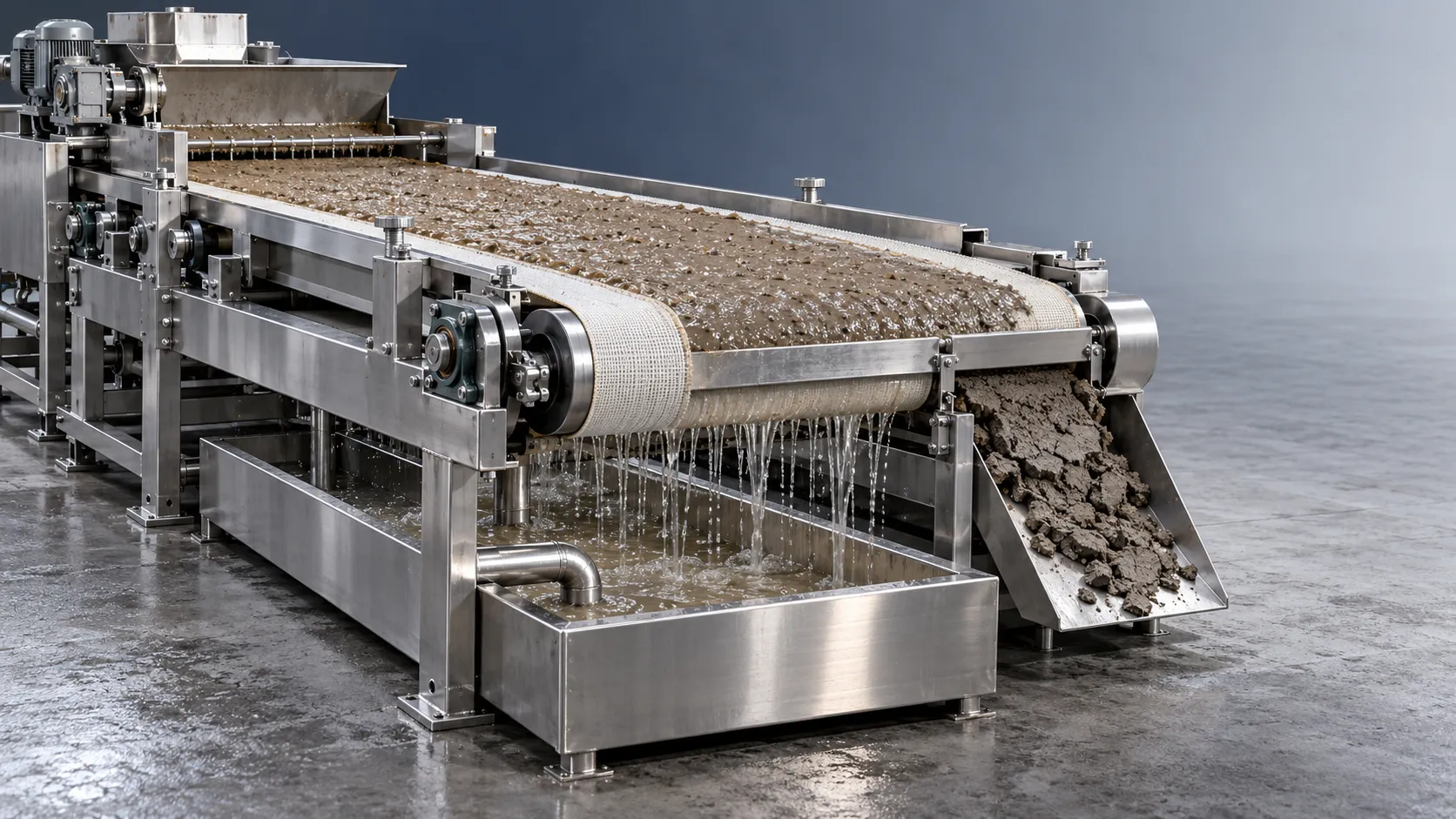
How solids concentration affects dewatering in waste recovery systems
Optimize waste recovery systems dewatering with insights on solids concentration. Learn to balance throughput, cake dryness, and solids capture while avoiding costly equipment overloads.
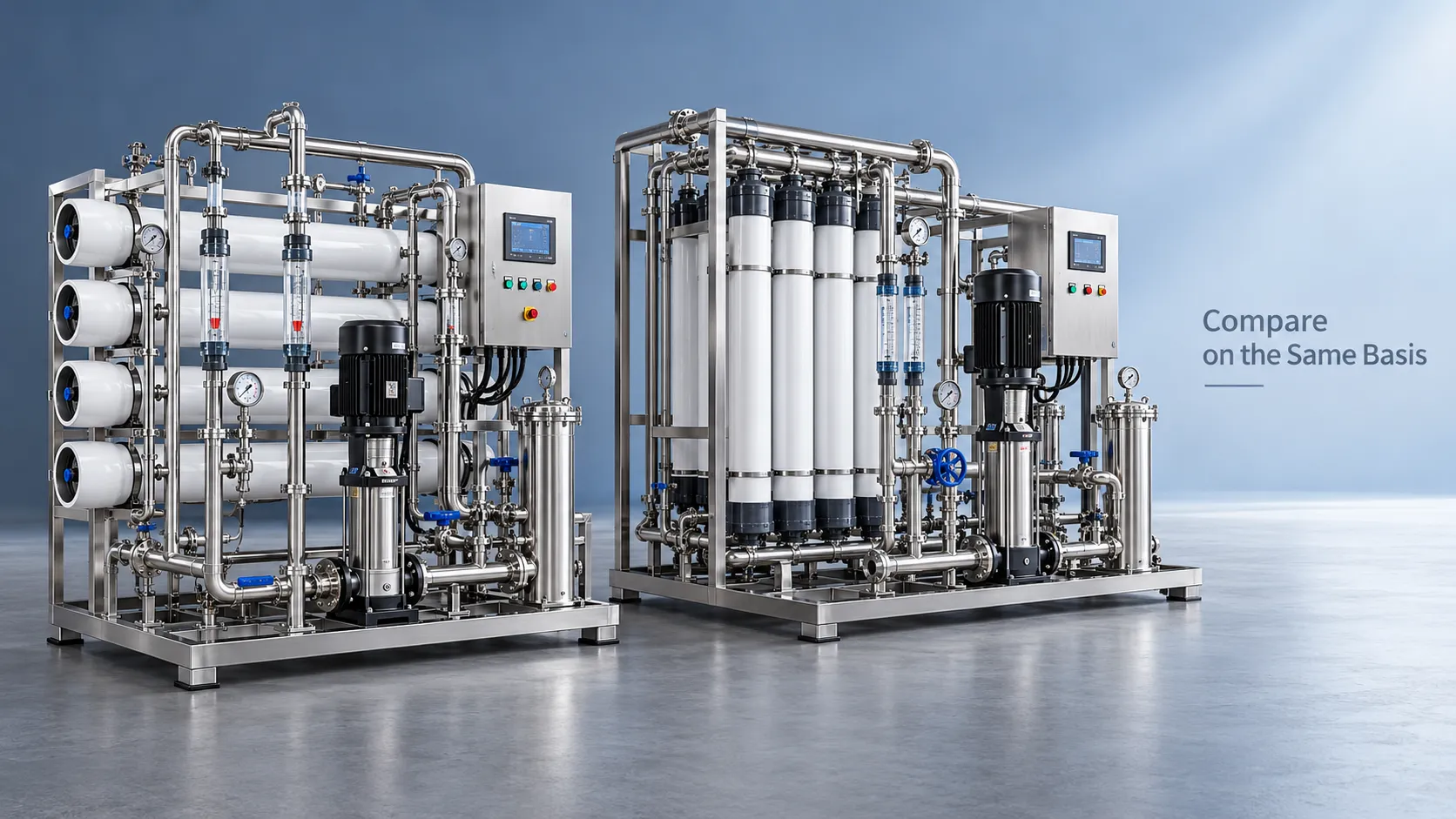
How to compare technical specs in an environmental equipment directory
Use this environmental equipment directory technical guide to compare capacity, energy use, compliance, and supplier evidence. Build a defensible shortlist and choose with confidence.
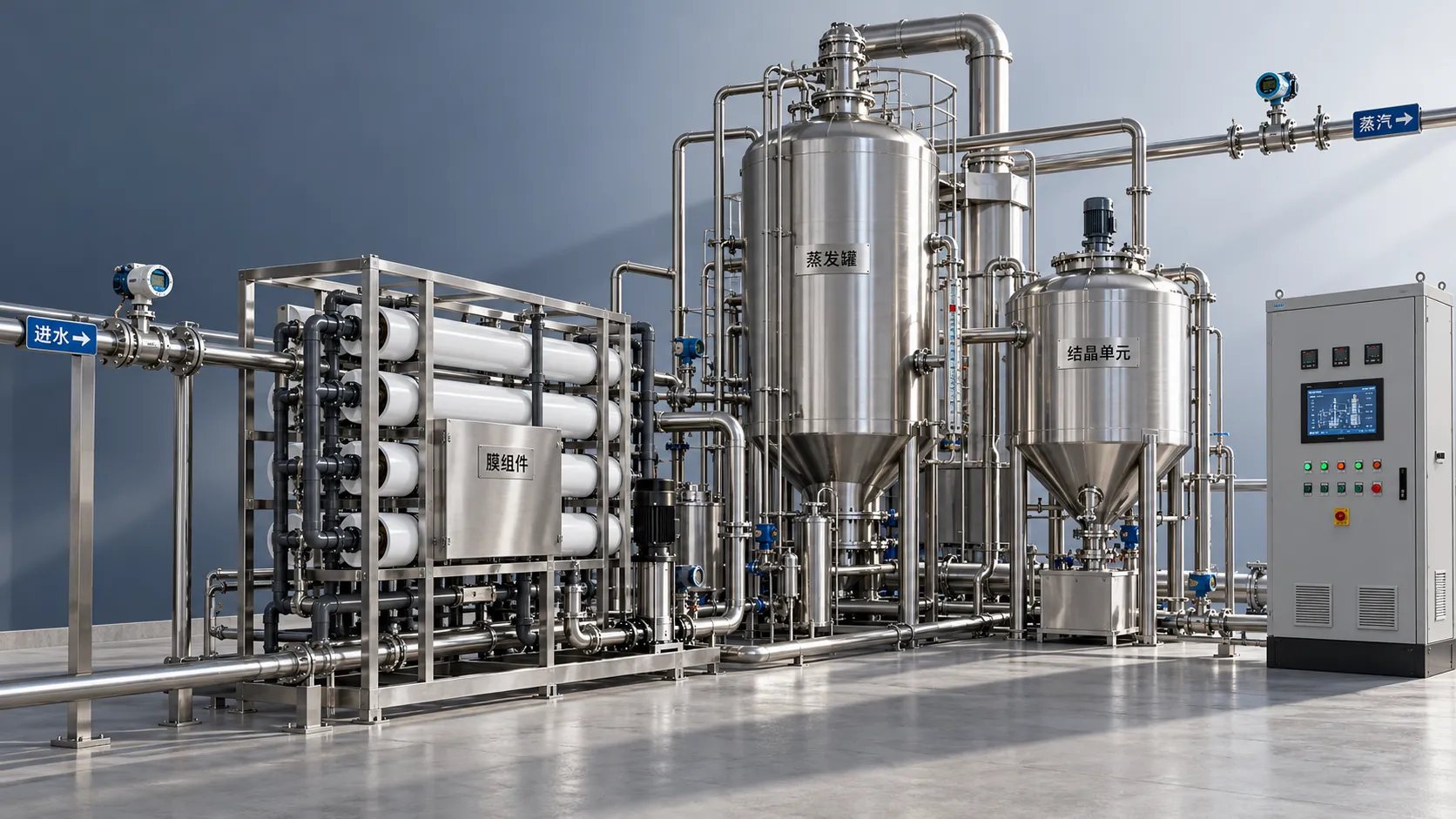
How to assess a zero liquid discharge equipment supplier’s energy claims
Assess a zero liquid discharge equipment supplier’s energy claims. Learn how to verify system boundaries, compare real costs, and demand testable guarantees before you buy.
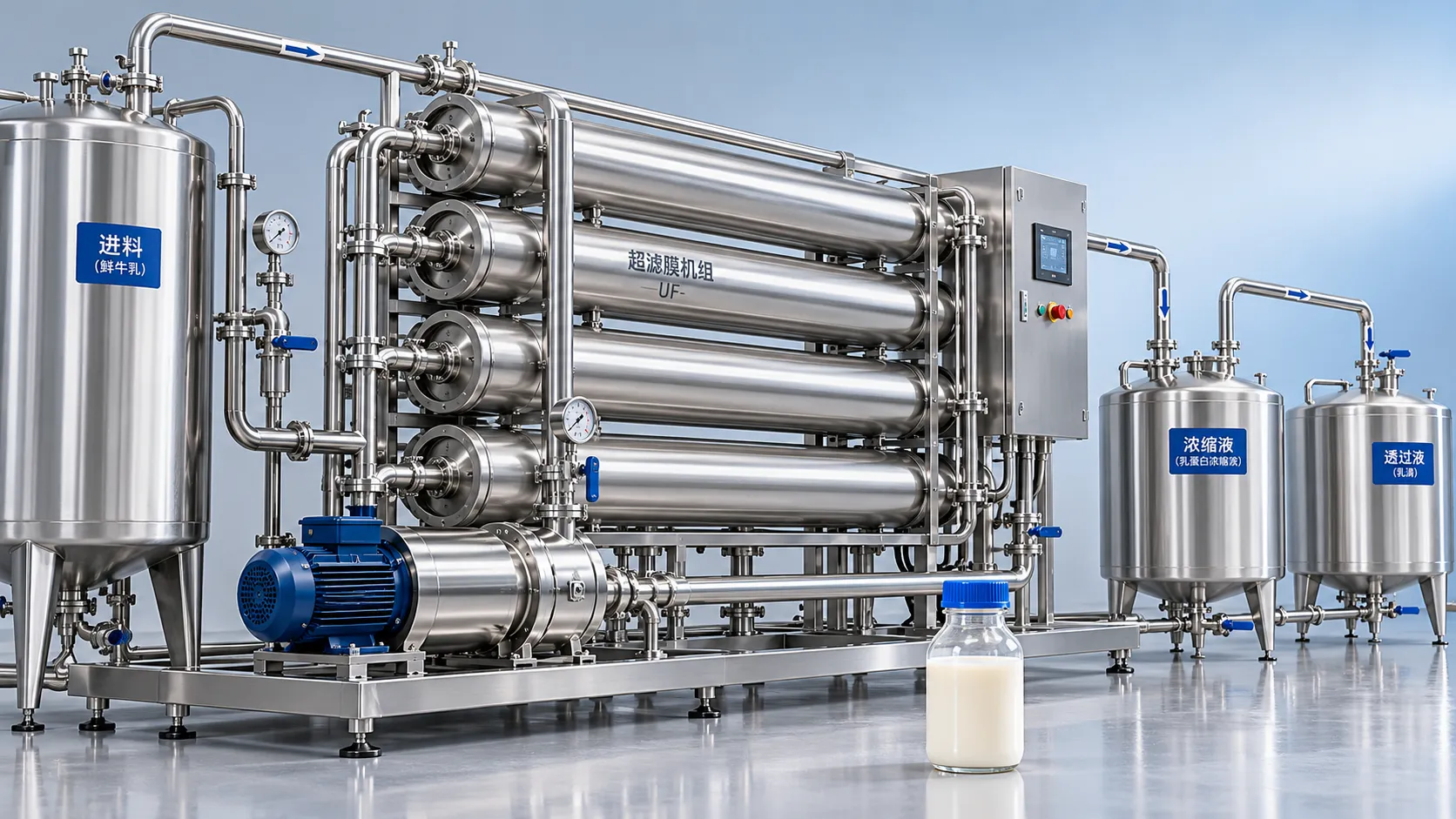
Which membrane filtration process suits dairy protein concentration?
Explore membrane filtration for dairy: compare UF, MF, and RO to select the right process for protein concentration, lactose reduction, and better recovery. Find your best fit.
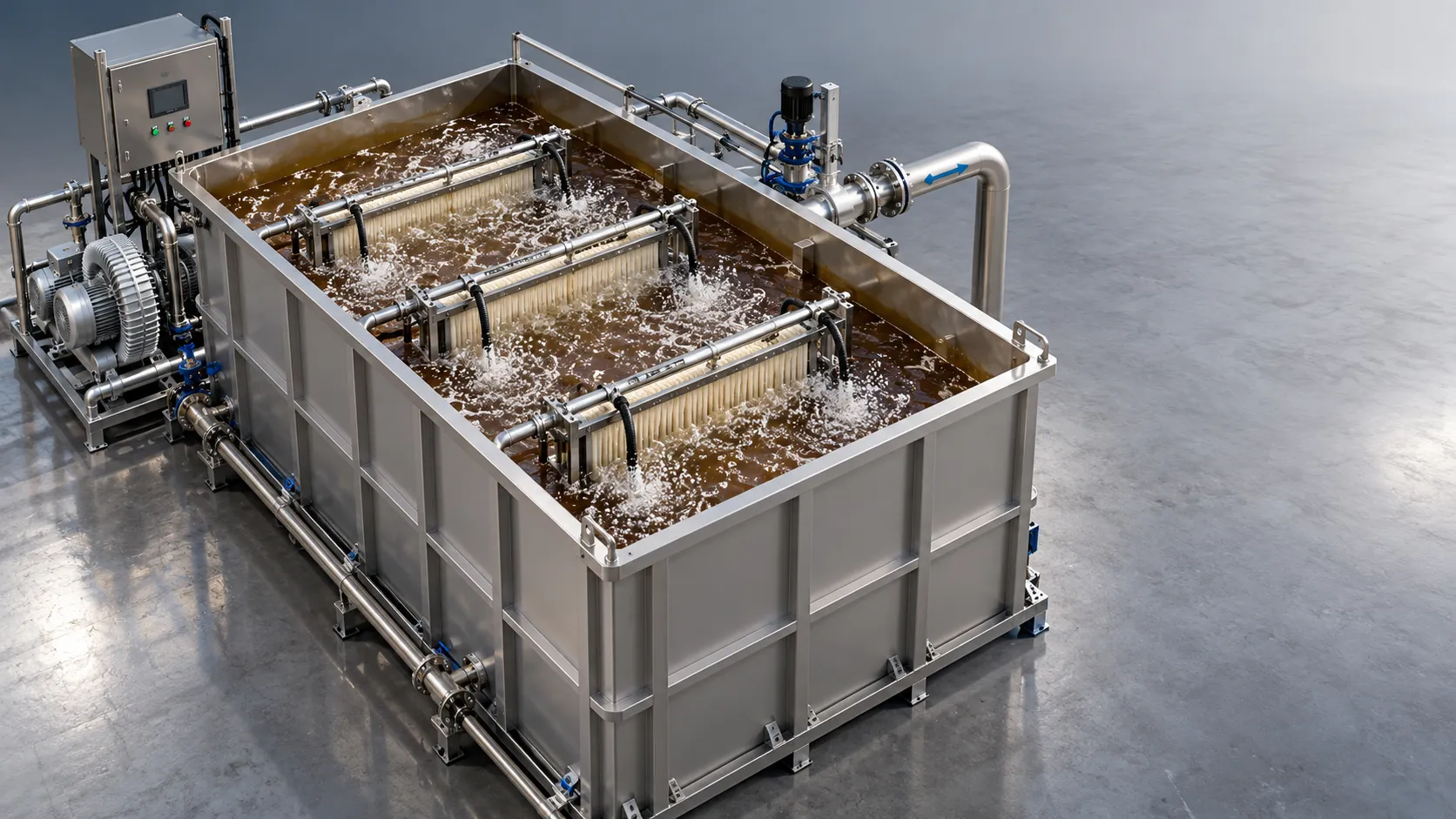
When is an MBR suitable for wastewater purification for bioprocessing?
For wastewater purification for bioprocessing, discover when an MBR fits your needs. Compare water quality, fouling risks, and lifecycle costs before investing.
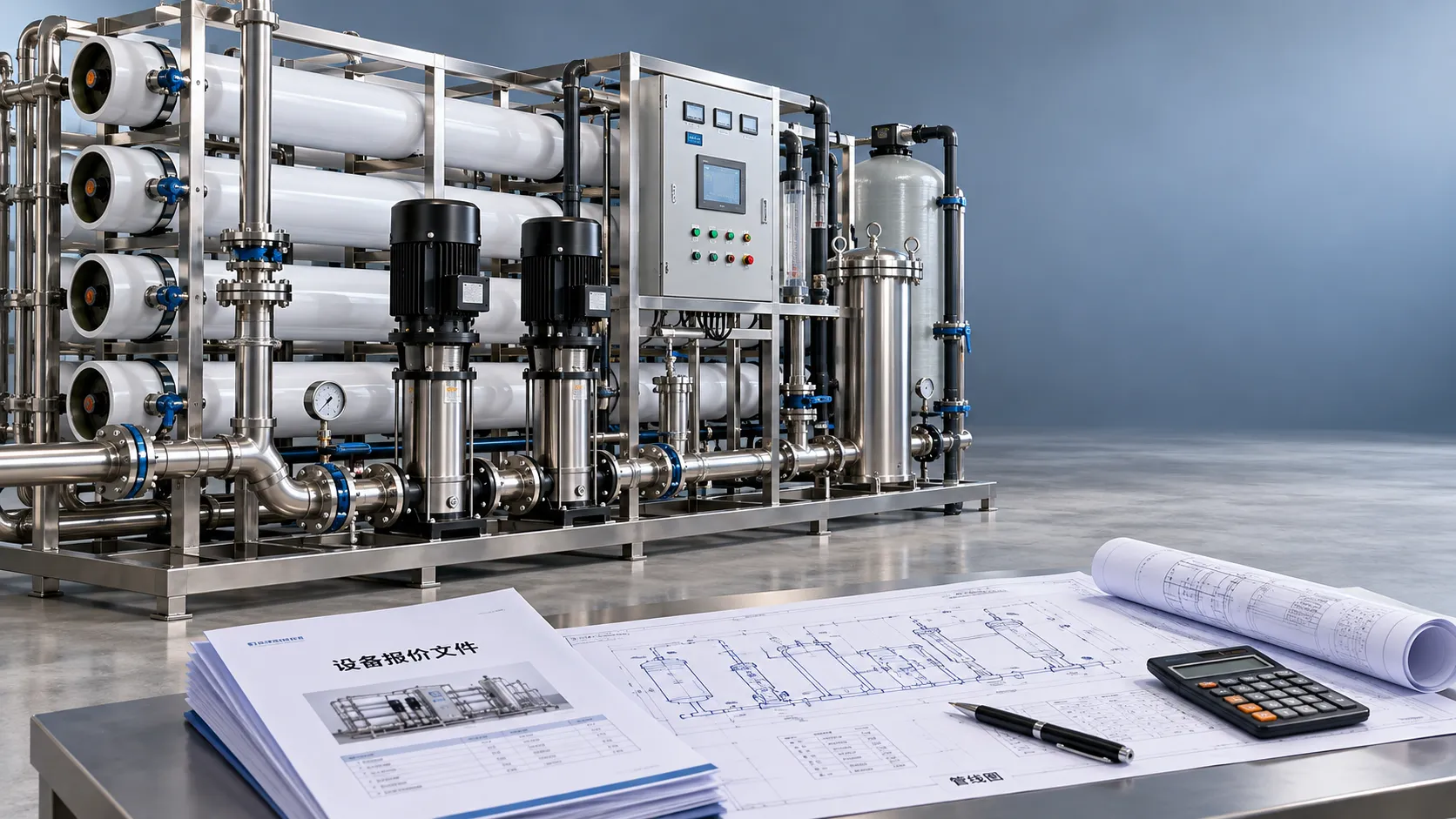
How to check a water treatment quotation for hidden project costs
Review your water treatment quotation for hidden costs, scope gaps, and operating expenses. Learn what to check before signing to protect your budget and avoid costly surprises.
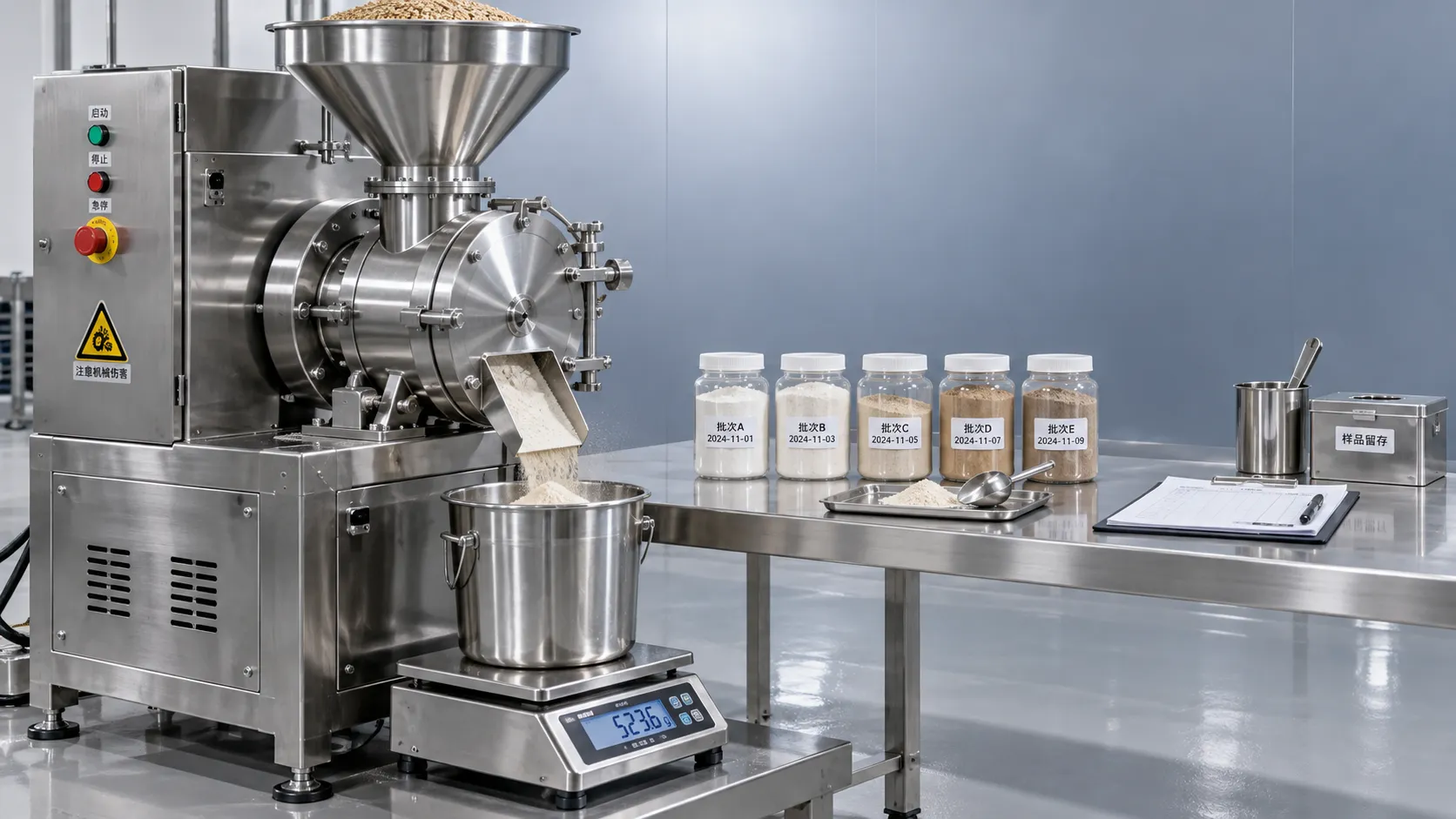
How to vet ingredient processing equipment manufacturers using trials
Vet ingredient processing equipment manufacturers with real-world trials. Learn how to verify yield, cleaning, energy use, and scale-up before you invest.
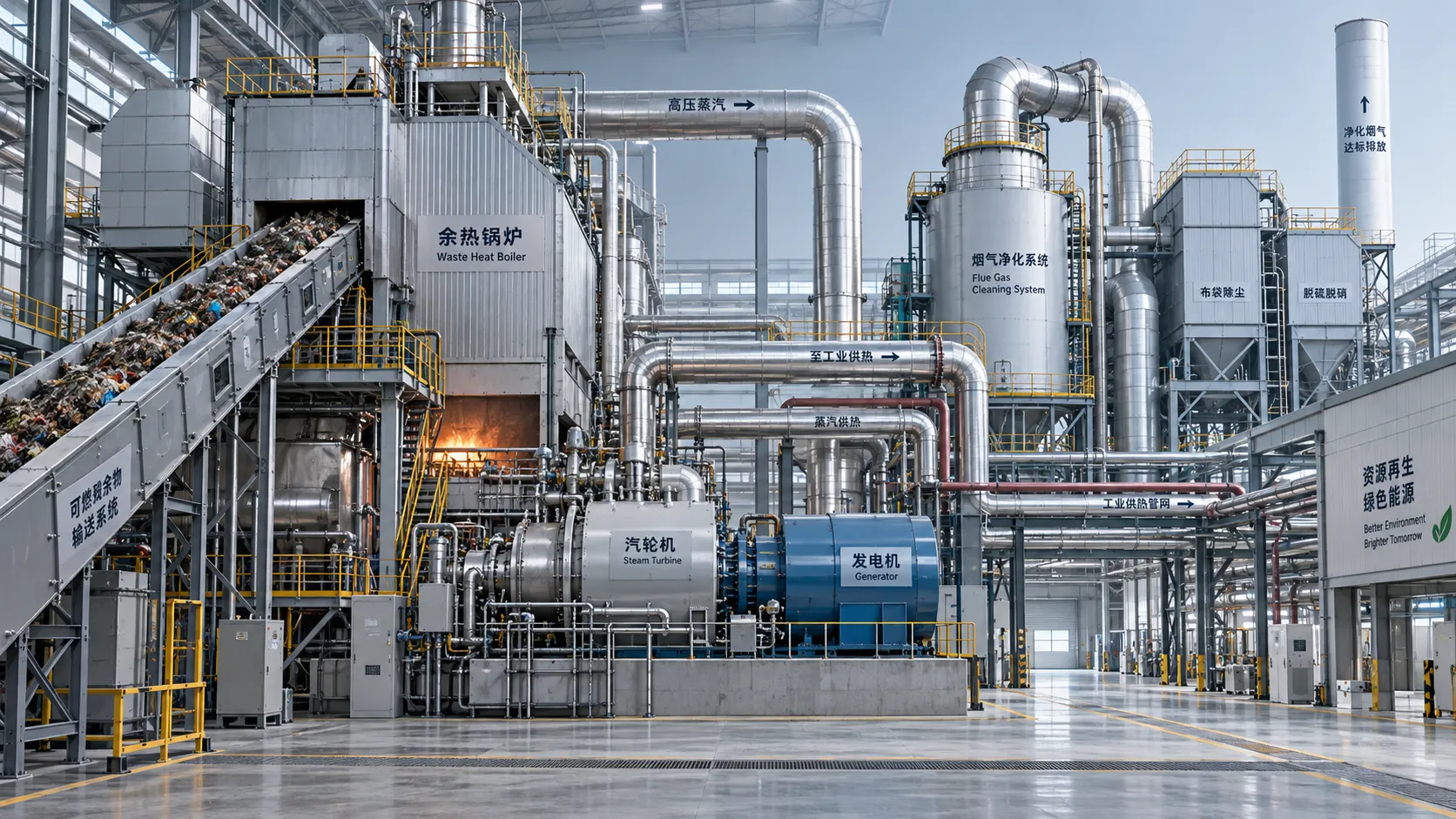
When is energy recovery viable in the solid waste recovery process?
When is energy recovery viable in the solid waste recovery process? Explore feedstock quality, net energy, emissions, and costs to assess feasibility and make smarter investment decisions.
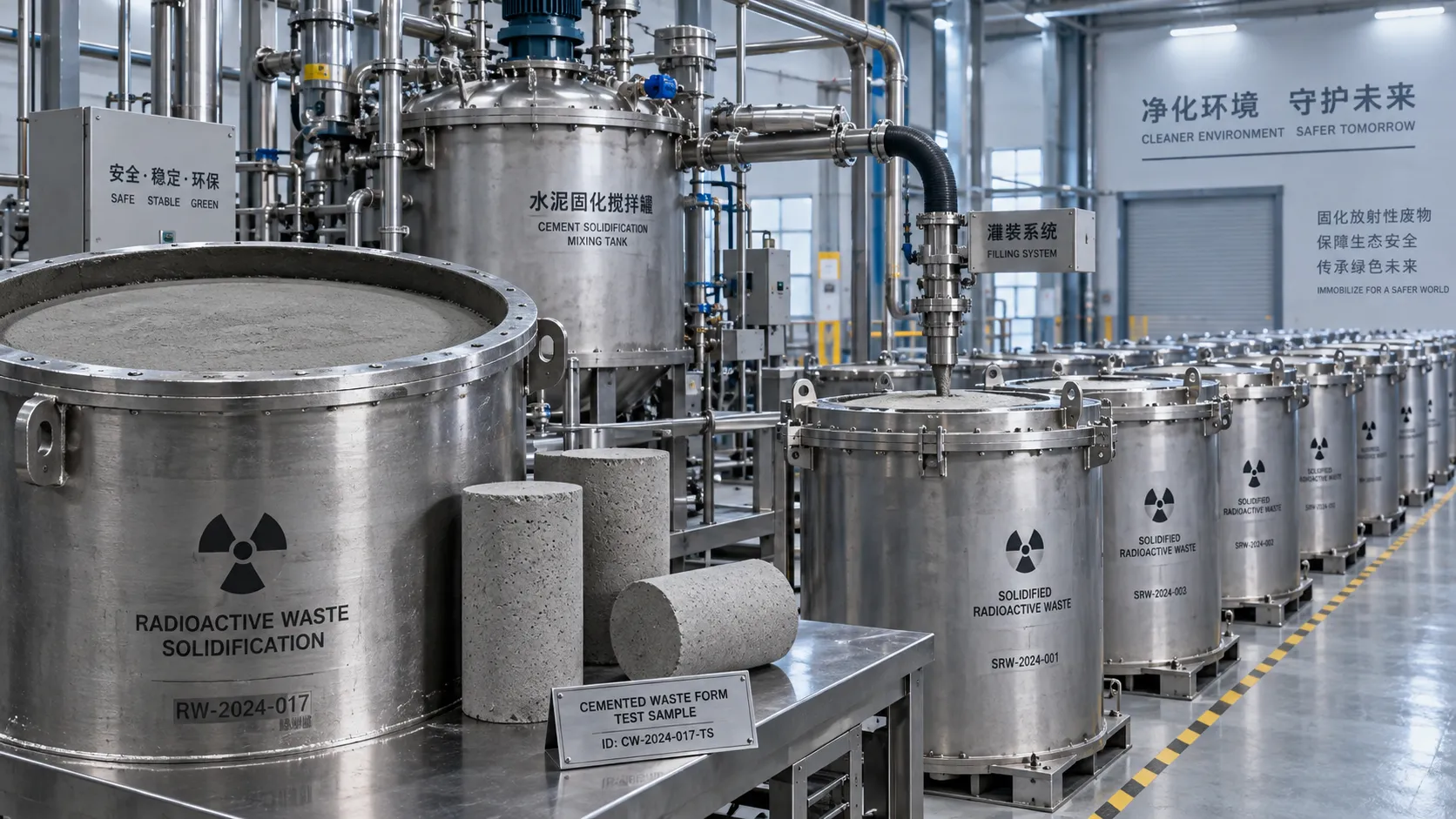
When is cementation suitable for nuclear decommissioning waste?
Explore nuclear waste treatment technology for decommissioning: learn when cementation fits, which risks to assess, and how disposal criteria guide an effective treatment choice.