
Industry News
Curation by industry experts
Hot Articles
Popular Tags
How to Evaluate Industrial Water Reuse Systems for Process Water
How to Evaluate Industrial Water Reuse Systems for Process Water
Evaluating industrial water reuse systems for process water requires more than checking removal efficiency on a datasheet.
The real question is whether the system can protect production, stay compliant, and remain economical under changing plant conditions.
That matters even more now, as water stress, discharge limits, and energy pricing are reshaping industrial decisions across sectors.
For technical evaluation work, the best approach is structured and practical.
You need to compare influent risk, target water quality, process compatibility, lifecycle cost, resilience, and operational complexity together.
A strong review of industrial water reuse systems for process water should also test how performance changes during upset conditions.
That includes seasonal feedwater shifts, production variability, membrane fouling, concentrate management, and tighter environmental compliance requirements.
Start With the Process Water Demand
Before comparing technologies, define exactly where reused water will go.
Cooling makeup, boiler feed pretreatment, washing lines, rinsing baths, slurry preparation, and utility systems all tolerate different water quality profiles.
This is where many industrial water reuse systems for process water are misjudged.
Teams often evaluate for maximum purity, even when the process only needs stable, moderate-quality reclaimed water.
That drives unnecessary CAPEX, higher energy use, and avoidable maintenance burdens.
A better method is to map each reuse application against critical limits such as:
- Conductivity and TDS
- Hardness and silica
- TOC, COD, and residual organics
- Suspended solids and turbidity
- Microbiological risk
- Oil, grease, and surfactants
- Chlorides, sulfates, and corrosion drivers
- Trace metals and process-specific inhibitors
Once the water quality window is clear, the evaluation of industrial water reuse systems for process water becomes far more realistic.
Assess the Feedwater, Not Just the Design Case
The next step is understanding the true wastewater or secondary effluent entering the reuse train.
Average values are useful, but they rarely tell the full story.
In actual operations, process upsets, cleaning cycles, product changes, and shutdown events can move water chemistry fast.
That means industrial water reuse systems for process water should be evaluated against variance, not only nominal conditions.
A solid assessment normally includes:
- Composite and grab sampling across production cycles
- Peak loading analysis for COD, ammonia, TSS, and salinity
- Fouling potential indicators such as SDI, oil carryover, and scaling salts
- Shock event review for pH swings, solvents, and cleaning chemicals
- Seasonal effects on temperature and biological behavior
From a risk perspective, this step often decides whether a membrane-led scheme will stay stable or demand heavy pretreatment.
Compare Technology Trains as Integrated Systems
Industrial water reuse systems for process water should never be judged by a single unit operation.
The system works as a train, and weak links usually appear at the interfaces.
Depending on the reuse target, the train may combine clarification, DAF, UF, activated carbon, biological treatment, RO, EDI, ion exchange, AOP, or evaporation.
What matters is not only removal efficiency, but stability between stages, automation logic, cleaning frequency, and reject handling.
When comparing options, focus on these decision points:
- Can pretreatment consistently protect the polishing stage?
- Is the design tolerant of changing feed composition?
- How much operator intervention is required each week?
- What is the expected recovery rate under real conditions?
- How is concentrate or sludge managed?
- Can the train be expanded without a full redesign?
This integrated view gives a more reliable basis for selecting industrial water reuse systems for process water in complex facilities.
Check Process Compatibility and Reliability
A reuse system is only valuable if downstream production accepts the water without hidden losses.
This is why process compatibility deserves separate evaluation.
For example, small chloride shifts may be harmless in cooling, yet unacceptable in metal finishing or high-pressure boilers.
Likewise, residual TOC may affect product quality, bath chemistry, or microbial growth in recirculating systems.
For industrial water reuse systems for process water, reliability should be tested through actual operating scenarios.
Useful evaluation questions include:
- What happens during a membrane cleaning outage?
- Is there storage to buffer reuse quality fluctuations?
- Can the plant blend reused water with freshwater when needed?
- Are online instruments sufficient for rapid intervention?
- Has the proposed quality been validated with process owners?
In practice, cross-functional validation often prevents expensive redesign later.
Model Total Cost, Energy, and Operational Burden
Cost comparison should go well beyond equipment price.
Industrial water reuse systems for process water often look attractive in pilot mode, then become difficult under full-scale utility pricing.
A realistic model should include capital, chemicals, membranes, power, labor, cleaning downtime, spare parts, sludge disposal, and concentrate treatment.
It should also compare the avoided cost of freshwater purchase, discharge fees, and compliance exposure.
The most useful metrics are usually:
- Cost per cubic meter of reused process water
- Specific energy consumption
- Water recovery percentage
- Chemical consumption per cubic meter
- Expected membrane or media replacement interval
- Annual unplanned downtime risk
More importantly, compare best-case and stressed-case economics, because industrial water reuse systems for process water rarely operate forever at design perfection.
Review Compliance, Data, and Vendor Proof
Regulatory alignment is no longer a secondary checkbox.
In many regions, industrial reuse decisions are influenced by discharge caps, water abstraction permits, ESG targets, and site-specific environmental conditions.
That means industrial water reuse systems for process water should be reviewed for compliance margin, not only minimum acceptance.
Vendor claims also need disciplined verification.
Ask for evidence in four areas:
- Reference plants with similar influent and reuse targets
- Pilot or demonstration data over enough operating time
- Guaranteed performance boundaries and exclusions
- Service response capability, spares strategy, and digital monitoring support
Short pilot runs can be misleading when foulants accumulate slowly or when seasonal chemistry has not yet appeared.
The better signal is repeatable data under conditions that genuinely resemble the full plant.
A Practical Evaluation Framework
To make the final comparison usable, score each option against a weighted framework.
This keeps industrial water reuse systems for process water from being selected on one attractive metric alone.
A practical weighting model may include:
- Water quality fit: 25%
- Operational reliability: 20%
- Lifecycle cost: 20%
- Energy and resource efficiency: 10%
- Compliance resilience: 10%
- Maintainability and support: 10%
- Expansion flexibility: 5%
The exact weighting can change by sector, but the structure helps expose weak assumptions early.
From recent market shifts, the stronger signal is clear.
The best industrial water reuse systems for process water are not simply the most advanced.
They are the systems that match process demand, tolerate feed variability, control total cost, and remain compliant over time.
In real industrial decision-making, that balanced view is what protects both operations and long-term water strategy.
If you are benchmarking industrial water reuse systems for process water, begin with application-specific quality limits, test for variability, and validate vendor claims against full lifecycle reality.
Recommended News
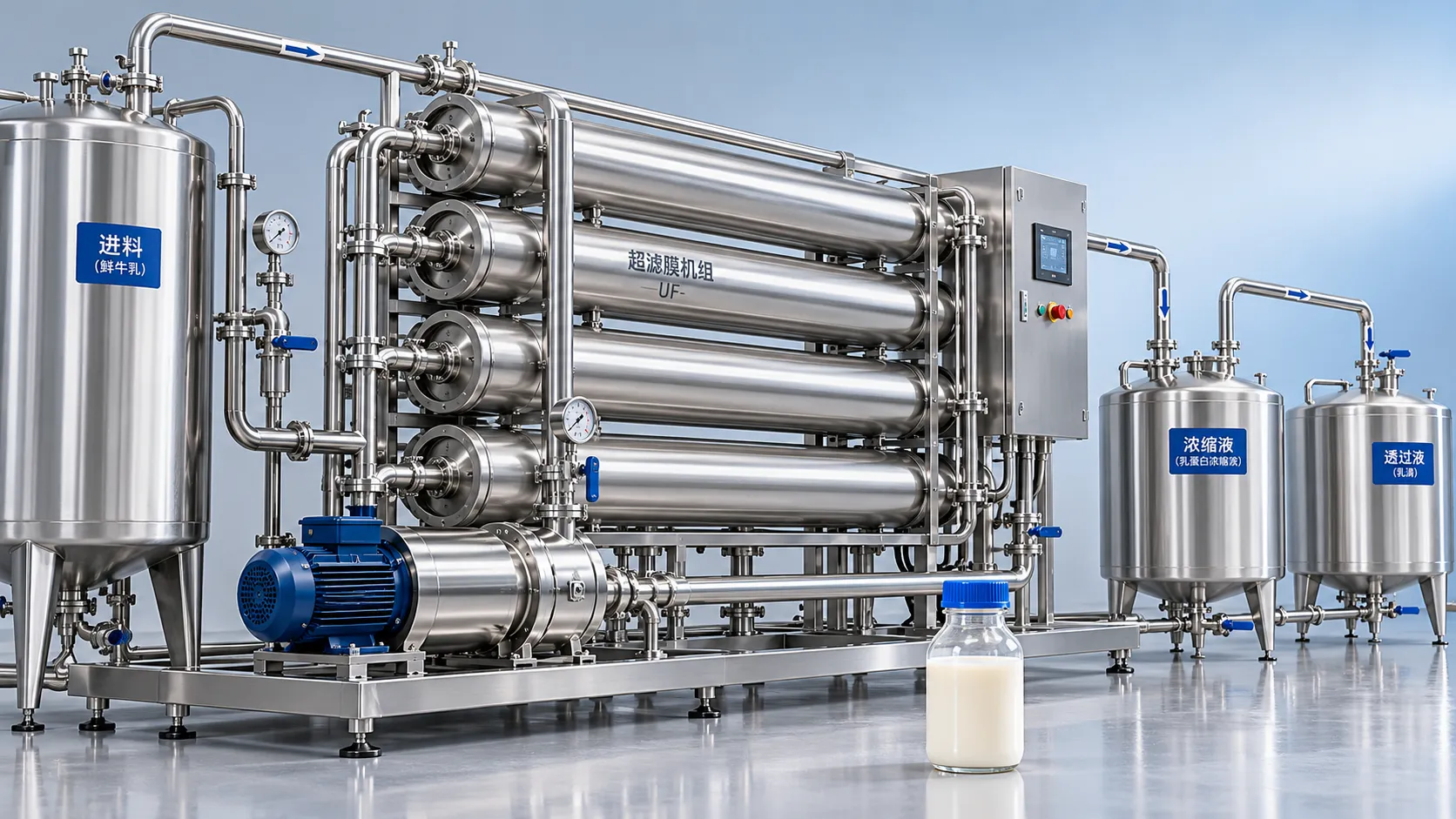
Which membrane filtration process suits dairy protein concentration?
Explore membrane filtration for dairy: compare UF, MF, and RO to select the right process for protein concentration, lactose reduction, and better recovery. Find your best fit.
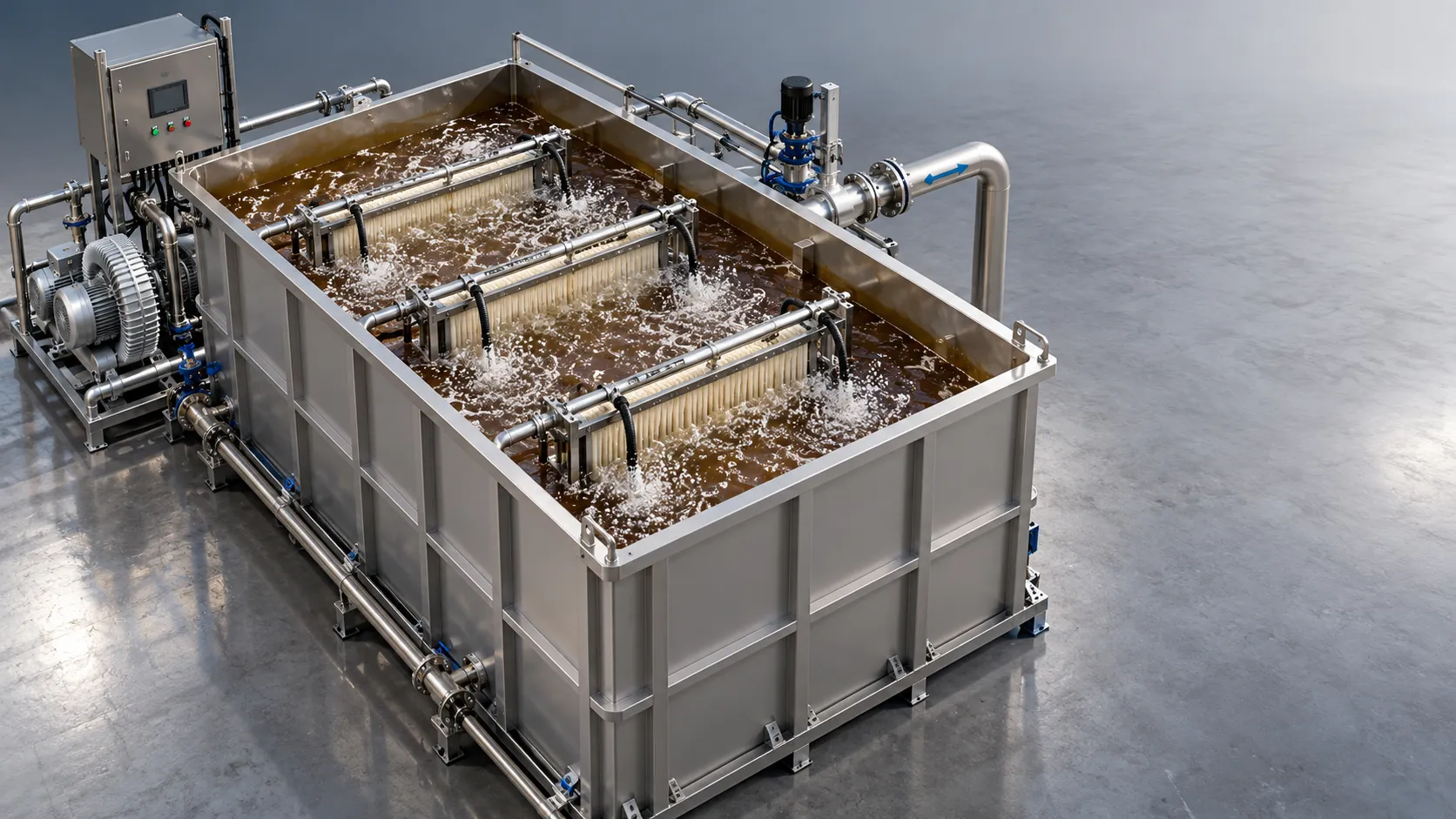
When is an MBR suitable for wastewater purification for bioprocessing?
For wastewater purification for bioprocessing, discover when an MBR fits your needs. Compare water quality, fouling risks, and lifecycle costs before investing.
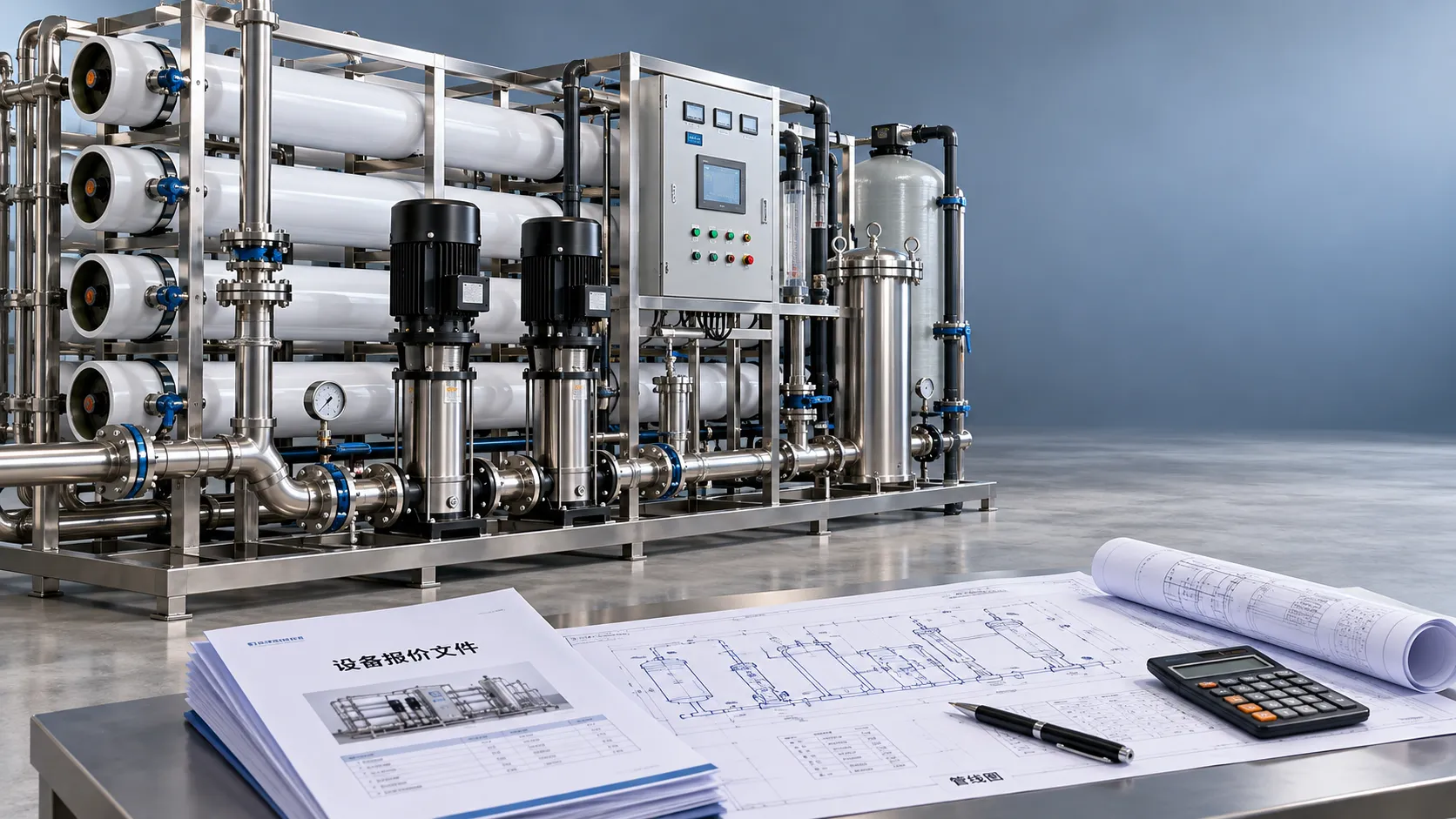
How to check a water treatment quotation for hidden project costs
Review your water treatment quotation for hidden costs, scope gaps, and operating expenses. Learn what to check before signing to protect your budget and avoid costly surprises.
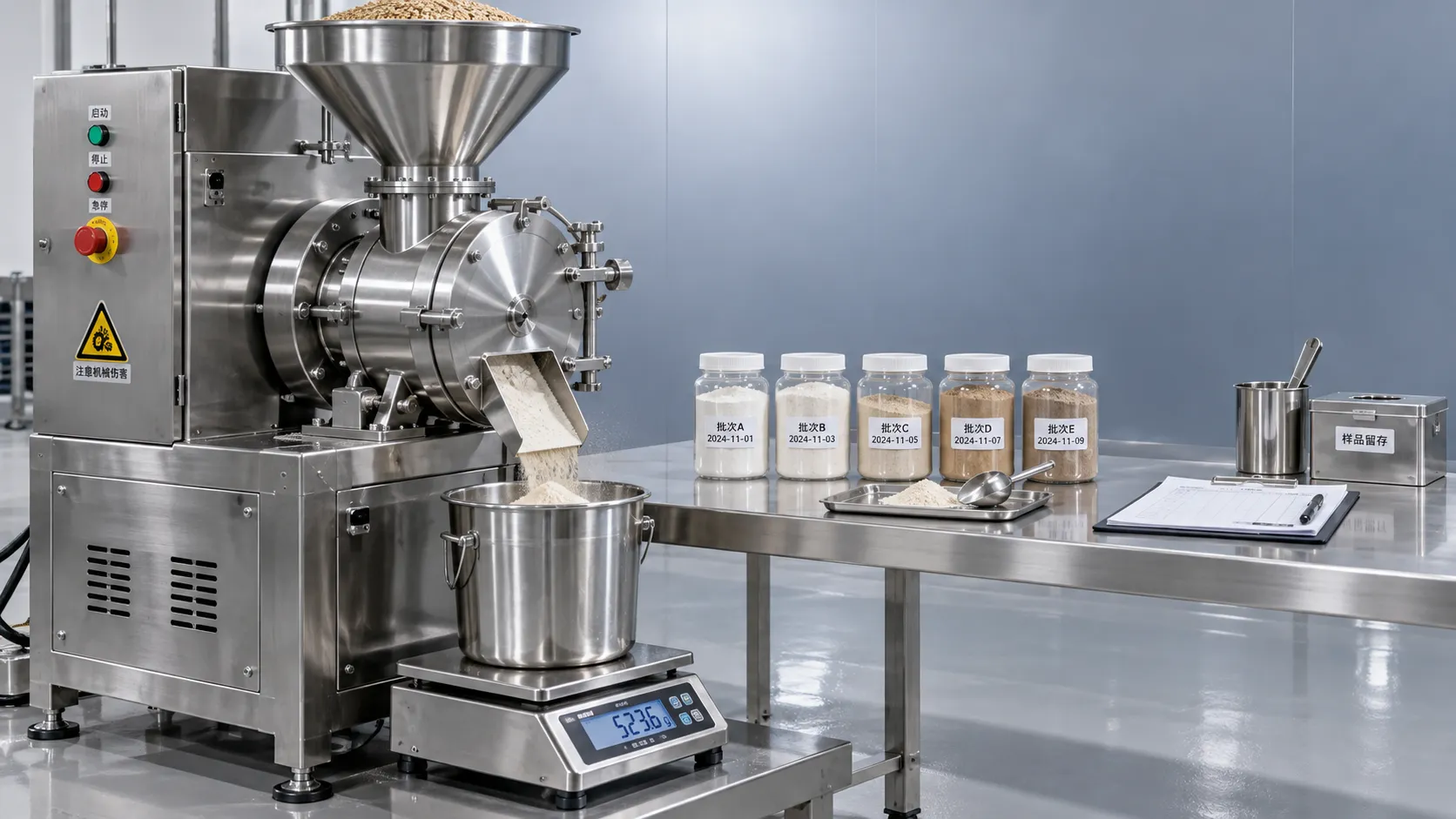
How to vet ingredient processing equipment manufacturers using trials
Vet ingredient processing equipment manufacturers with real-world trials. Learn how to verify yield, cleaning, energy use, and scale-up before you invest.
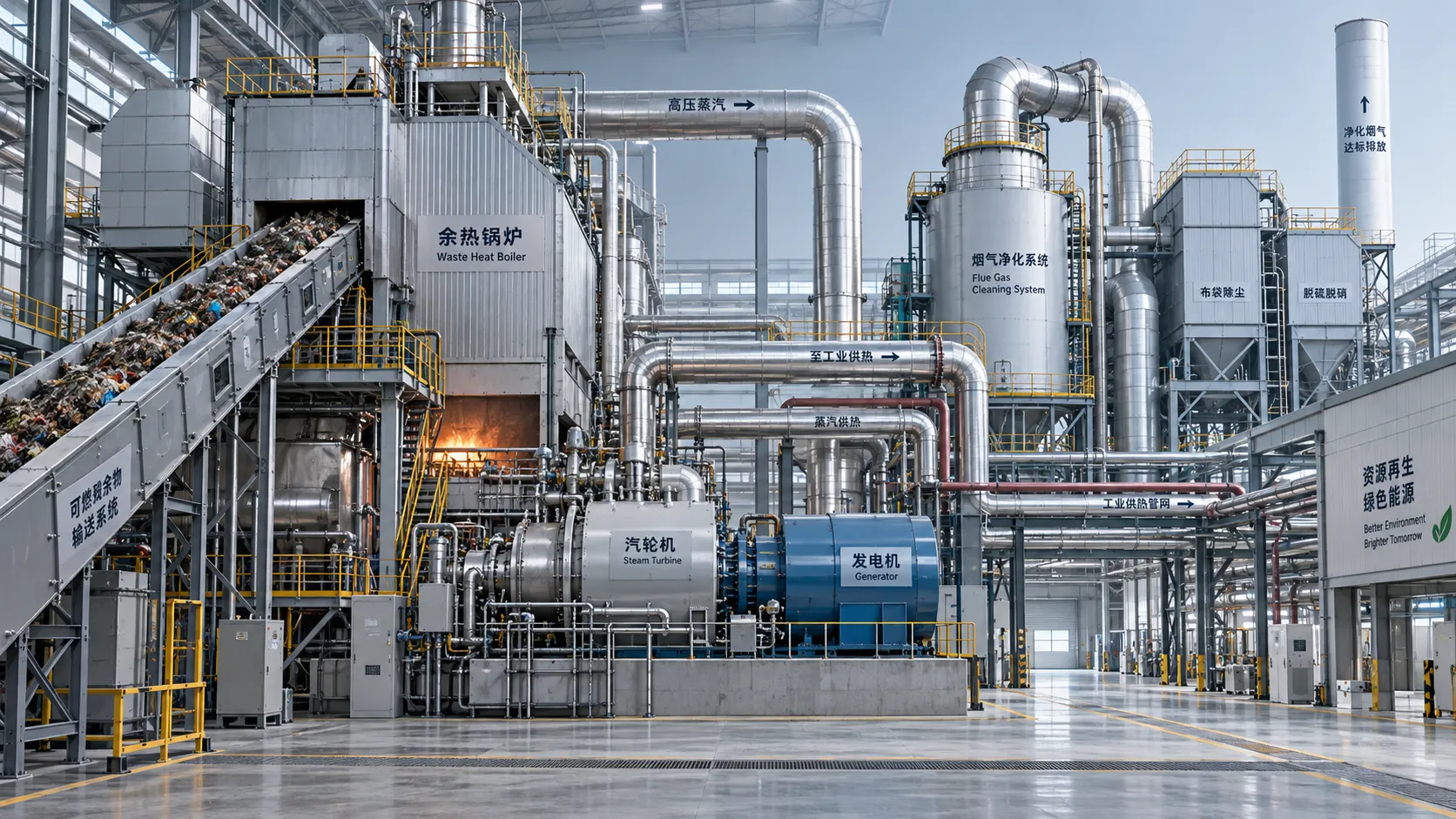
When is energy recovery viable in the solid waste recovery process?
When is energy recovery viable in the solid waste recovery process? Explore feedstock quality, net energy, emissions, and costs to assess feasibility and make smarter investment decisions.
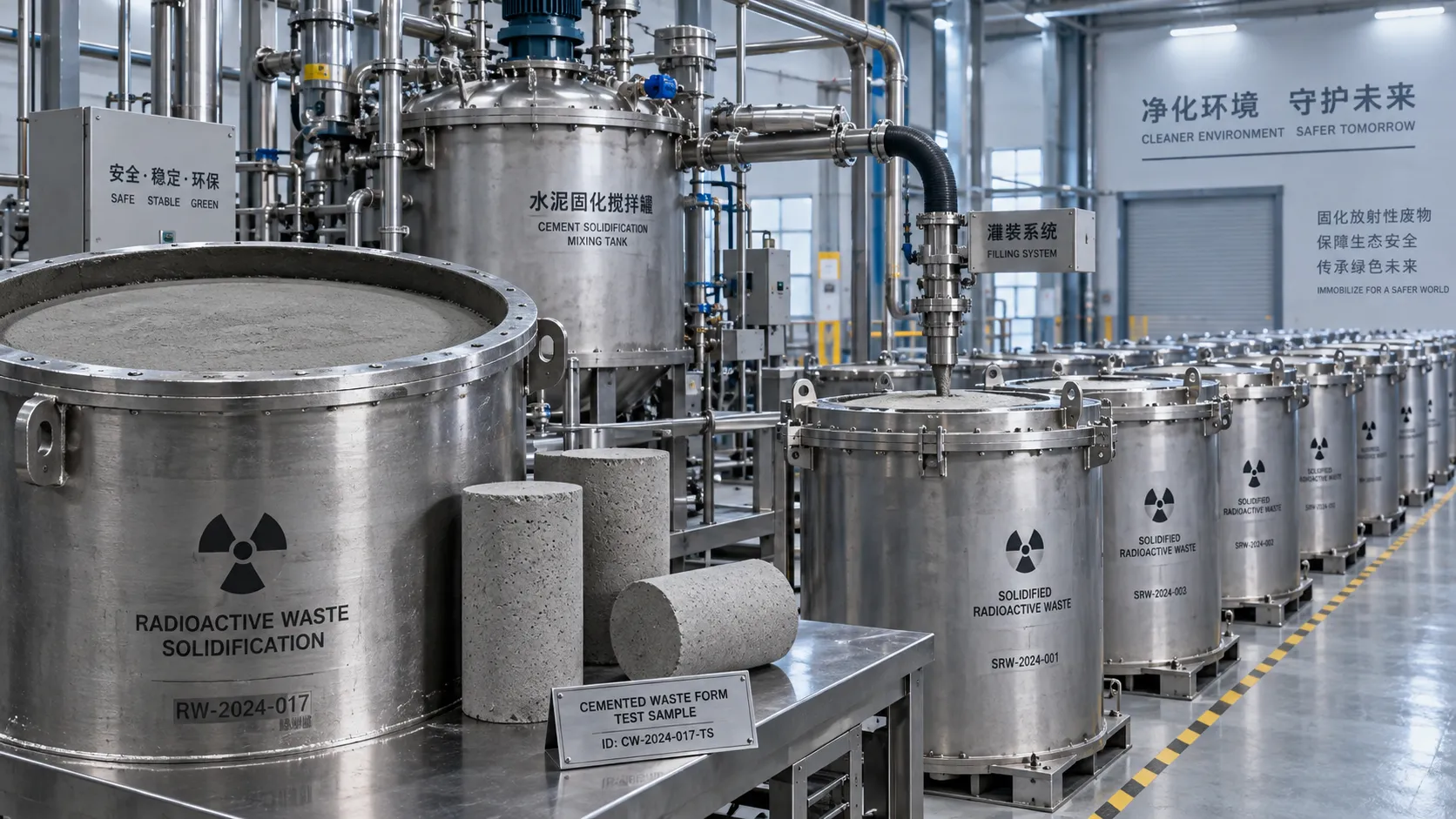
When is cementation suitable for nuclear decommissioning waste?
Explore nuclear waste treatment technology for decommissioning: learn when cementation fits, which risks to assess, and how disposal criteria guide an effective treatment choice.
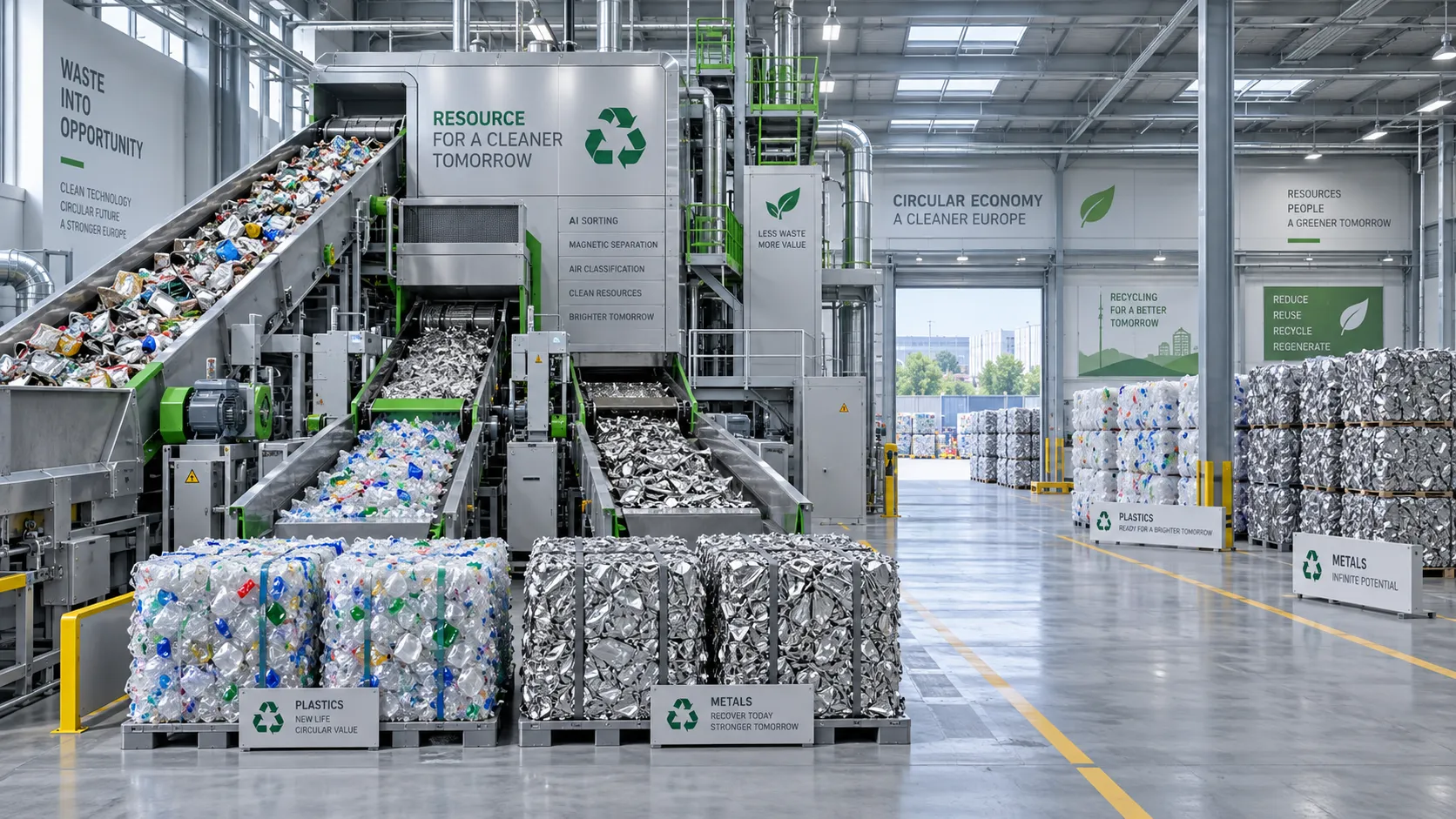
What determines payback for waste-to-resource systems in Europe?
Assess waste-to-resource systems Europe-wide: compare feedstock, recovery yields, costs and contracts to uncover payback drivers and make smarter investment decisions.
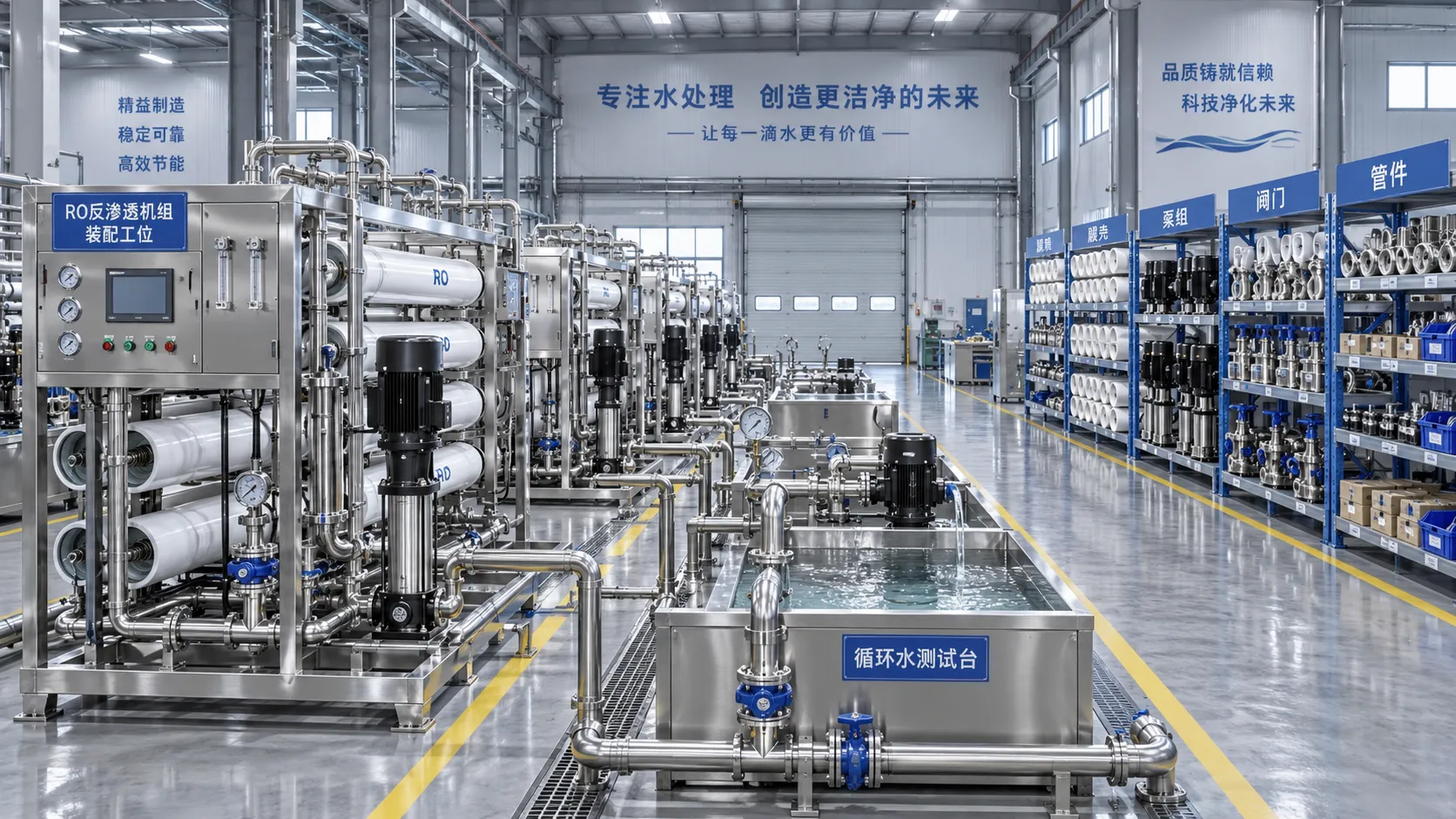
How to verify a water treatment system factory’s production capacity
Verify a water treatment systems factory’s production capacity through records, bottlenecks, component availability, and testing. Learn what to check before accepting a delivery promise.
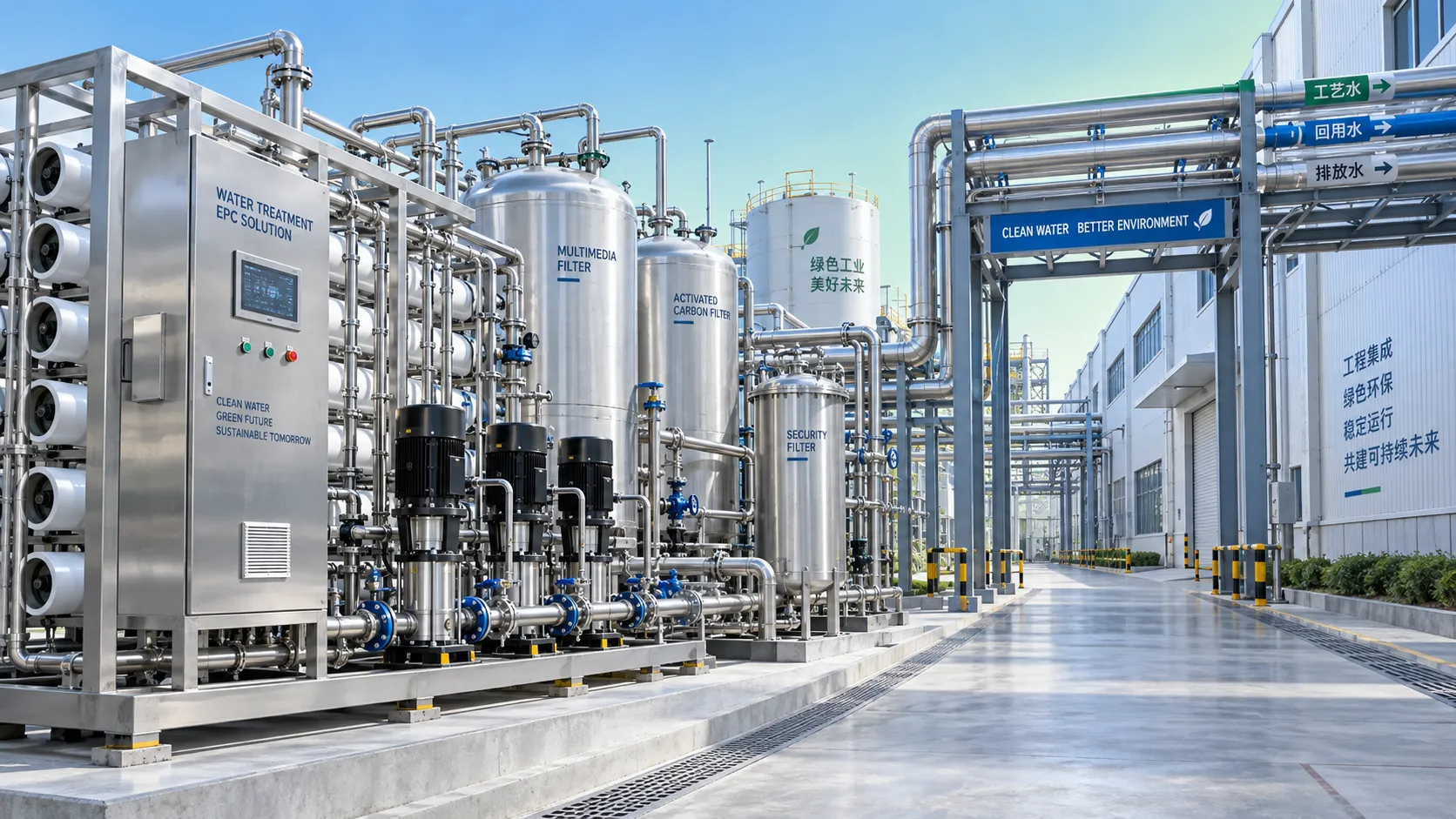
When does EPC environmental project support reduce delivery risk?
EPC environmental project support engineering reduces delivery risk by aligning design, procurement, compliance, construction, and commissioning decisions.