
Industry News
Curation by industry experts
Hot Articles
Popular Tags
What drives seawater reverse osmosis system price in large desalination projects
If you are pricing a large desalination project, the first thing to clear up is this: seawater reverse osmosis system price is rarely driven by the membrane skids alone. In real procurement work, the quoted number moves up or down because of feedwater quality, recovery target, energy design, pretreatment scope, materials, redundancy philosophy, and local project conditions. Two systems with the same daily capacity can land in very different cost ranges once those variables are defined properly.
This is why early supplier comparisons often go wrong. One bidder prices a lean package based on stable intake water and standard metallurgy. Another includes conservative pretreatment, higher-grade alloys, more spare trains, and stricter guarantees. On paper, both are offering “SWRO systems.” In practice, they are pricing different risk assumptions.
What really changes seawater reverse osmosis system price
The fastest answer is simple: price follows risk, energy, and reliability.
When a project owner asks for lower specific energy consumption, longer membrane life, tighter product water guarantees, higher availability, and stronger corrosion resistance, the system price usually rises. Not because suppliers are inflating cost without reason, but because those requirements change equipment selection across the whole plant.
Procurement teams often focus on the membrane rack because it is the visible center of the process. But in large plants, the major cost drivers usually sit across the full process chain: intake, pretreatment, high-pressure pumping, energy recovery, membrane trains, chemical dosing, post-treatment, controls, CIP, and brine-related interfaces.
A useful way to read any offer is to ask one question repeatedly: what operating risk is this line item reducing? That question cuts through a lot of sales language.
Capacity matters, but scale does not always make pricing simple
Larger plants usually benefit from economies of scale, but buyers should not assume that unit cost falls in a straight line as capacity rises.
At moderate scale, suppliers can optimize train arrangement, pump sizing, and common auxiliaries. That can reduce cost per cubic meter of installed capacity. Once projects become very large, however, civil interfaces, intake design complexity, grid connection, redundancy strategy, and site logistics start to offset some of that advantage.
There is also a commercial point here. A 50,000 m3/day facility and a 500,000 m3/day facility do not go through the same supply chain exposure. On a mega-project, procurement is often affected by long-lead pumps, energy recovery devices, specialty valves, instrumentation packages, and regional fabrication constraints. The result is that the apparent equipment price is shaped by project execution reality, not just by process design.
So yes, plant size influences seawater reverse osmosis system price, but not in a way that can be reduced to a simple “bigger is cheaper” rule.
Pretreatment is where many budgets start drifting
This is one of the most common blind spots in desalination buying. Teams may benchmark SWRO pricing using membrane and pump data, then discover later that the pretreatment section is what changes the economics.
If the intake water has high turbidity, seasonal algae events, oil contamination risk, or difficult biofouling potential, the front end becomes more demanding. That may mean dissolved air flotation, dual media filtration, ultrafiltration, more robust chemical dosing, or a more conservative backwash and cleaning arrangement. Each choice changes both CAPEX and OPEX.
The key mistake is treating pretreatment as a standard module. It is not. In many coastal regions, raw seawater quality is highly variable. A cheaper pretreatment configuration can look attractive during tender review, then become expensive in operation through unstable SDI performance, higher membrane fouling, more frequent CIP, and lower overall plant availability.
Experienced buyers usually test the logic backwards: if a supplier is noticeably below the market on price, check whether the pretreatment basis is optimistic. That is often where the gap sits.
Membrane selection affects more than replacement cost
Membranes are often discussed as if the decision is mainly about purchase price per element. That is too narrow for large projects.
Different membrane choices influence:
- specific energy consumption
- recovery rate
- boron and salt rejection performance
- cleaning frequency
- expected replacement cycle
- sensitivity to feedwater upsets
A lower-priced membrane can still be the more expensive option over the plant life if it causes higher pressure demand, shorter service life, or weaker water quality stability. On the other hand, the most premium membrane is not automatically the best buy if the water specification is moderate and the operating philosophy does not justify the extra cost.
This is where procurement and operations need to align. Buying on element price alone is a short-term move. Buying on lifecycle fit is usually the right move.
Energy recovery devices and pumps often separate serious offers from basic ones
In seawater desalination, energy is never a side issue. It sits close to the center of the commercial model. Because of that, the design of high-pressure pumps and energy recovery devices has a direct impact on seawater reverse osmosis system price.
Higher-efficiency equipment typically costs more upfront, but the payback can be strong in large continuous-duty plants. Whether that premium is justified depends on electricity tariff structure, operating profile, maintenance capability, and contract horizon.
There is also a reliability angle. Some buyers push hard for the lowest possible initial package price and end up with a design that looks acceptable in a bid tabulation but leaves little margin for performance drift. In desalination, that can become an expensive compromise very quickly, especially where power cost is high or water offtake penalties are strict.
If you are comparing offers, ask suppliers to state their design assumptions clearly: feed salinity, temperature, fouling allowance, net recovery, guaranteed SEC basis, and ERD efficiency basis. Without that, “efficient design” is just wording.
Materials of construction can move the number sharply
Large SWRO plants live in a harsh corrosion environment. Duplex stainless steel, super duplex, GRP, FRP, titanium, rubber-lined carbon steel, and specialty coatings each appear in different parts of the system for a reason. The price impact can be substantial.
Procurement teams sometimes see metallurgy upgrades as optional cost additions. In some cases they are. In others, they are protection against exactly the kind of failure that creates long outages and ugly warranty disputes.
The right decision depends on site salinity, temperature, chlorine exposure, cleaning chemistry, maintenance discipline, and local operating experience. If a supplier’s offer is materially cheaper, check where materials have been downgraded. That may be a rational optimization, or it may be a deferred problem.
Guarantees, redundancy, and compliance are built into the price
Not every bid includes the same level of commitment. This matters more than many first-round evaluations admit.
A system priced with stronger water quality guarantees, broader performance test obligations, larger spare parts scope, and higher redundancy will naturally cost more. So will a package designed to satisfy stricter local codes, environmental approvals, discharge requirements, or owner-specific technical standards.
In government-backed or utility-scale desalination projects, compliance is not a side document. It changes engineering depth, documentation workload, instrumentation, cybersecurity scope, factory testing, and site acceptance requirements. Buyers comparing suppliers across regions should be careful here: a low quote from one market may exclude compliance tasks that another bidder has already included.
This is also where market intelligence becomes useful. Platforms such as ESD are relevant less as a promotional source and more as a way to track how regulation, membrane technology, and strategic equipment demand are shifting in large environmental infrastructure projects. For procurement teams, that context helps explain why price movement is happening, not just where it lands.
Location and delivery conditions are rarely “external” costs
Buyers often treat freight, import duties, local assembly, and commissioning conditions as separate from core system price. Commercially, that may be how the bid is structured. Practically, they still affect what the system will cost you.
Project location can change:
- transport method for skids, vessels, and pumps
- packaging and preservation requirements
- import taxation and customs clearance risk
- need for local content or regional certification
- site labor productivity and installation schedule
- availability of qualified service support after handover
In remote or politically sensitive regions, supply security may justify a higher equipment price from a vendor with stronger regional support, approved references, or better spare parts positioning. That is not overpaying. It is buying execution confidence.
Why the lowest bid can become the highest-cost option
Most procurement professionals know this in theory. In desalination, it shows up in very concrete ways.
A low initial quote may exclude membrane loading margin, CIP flexibility, future expansion allowance, conservative pretreatment, or realistic spare parts coverage. The contract award looks efficient. Two years later, the owner is paying through higher cleaning frequency, unplanned shutdowns, unstable product quality, and rushed retrofit packages.
One practical check is to compare offers across three layers, not one:
- initial supplied scope and exclusions
- expected operating cost over a defined period
- risk cost if performance assumptions prove optimistic
That third layer is where many “cheap” systems stop looking cheap.
How buyers should compare quotes before entering final negotiation
When evaluating seawater reverse osmosis system price, try to normalize the offers before discussing discounts. If you negotiate too early on an uneven technical basis, you may simply drive suppliers to hide cost elsewhere.
At minimum, align these points across bidders:
- design feedwater basis and seasonal variation assumptions
- net product water specification
- recovery rate and fouling allowance
- specific energy consumption guarantee basis
- pretreatment scope
- membrane brand, model class, and replacement assumptions
- materials of construction
- automation, testing, and documentation scope
- spares, warranty, and commissioning support
Once those items are normalized, the pricing conversation becomes much more honest. You can see who is truly competitive, who is pricing risk conservatively, and who is relying on scope ambiguity.
The most reliable procurement decisions in large desalination projects are rarely built on a single number. They come from understanding why that number is what it is. If you are assessing seawater reverse osmosis system price, look beyond the skid and read the proposal as a statement of technical assumptions, operating risk, and lifecycle intent. That is where the real cost sits.
FAQ
Should I ask suppliers for a price per m3/day benchmark?
Yes, but only as a rough screening tool. It is not reliable for final comparison unless feedwater basis, pretreatment scope, metallurgy, and guarantees are aligned.
What is the most overlooked cost driver in large SWRO procurement?
Pretreatment and design assumptions around feedwater variability. These often create bigger lifecycle cost differences than buyers expect at tender stage.
Is a premium membrane always worth the extra price?
No. It depends on water quality targets, energy cost, fouling risk, and operating strategy. Premium only pays when the plant can actually capture the benefit.
Why do two suppliers quote very different prices for the same capacity?
Because they may not be pricing the same reliability level, compliance scope, materials, or performance guarantees, even if the nameplate output looks identical.
Internal Link Anchor Text Suggestions
- SWRO pretreatment selection for variable seawater quality: pretreatment technology guide
- How to compare desalination EPC bids: bid evaluation or tender strategy page
- Energy recovery devices in seawater RO plants: component or technical explainer page
- Lifecycle cost analysis for desalination equipment: procurement decision framework page
- Membrane fouling risks in coastal desalination plants: operations and maintenance topic page
External Authority Source Directions
- International desalination association materials and industry reports
- Government water authority or utility desalination procurement documents
- Official technical documentation from major membrane, pump, and energy recovery device manufacturers
Recommended News
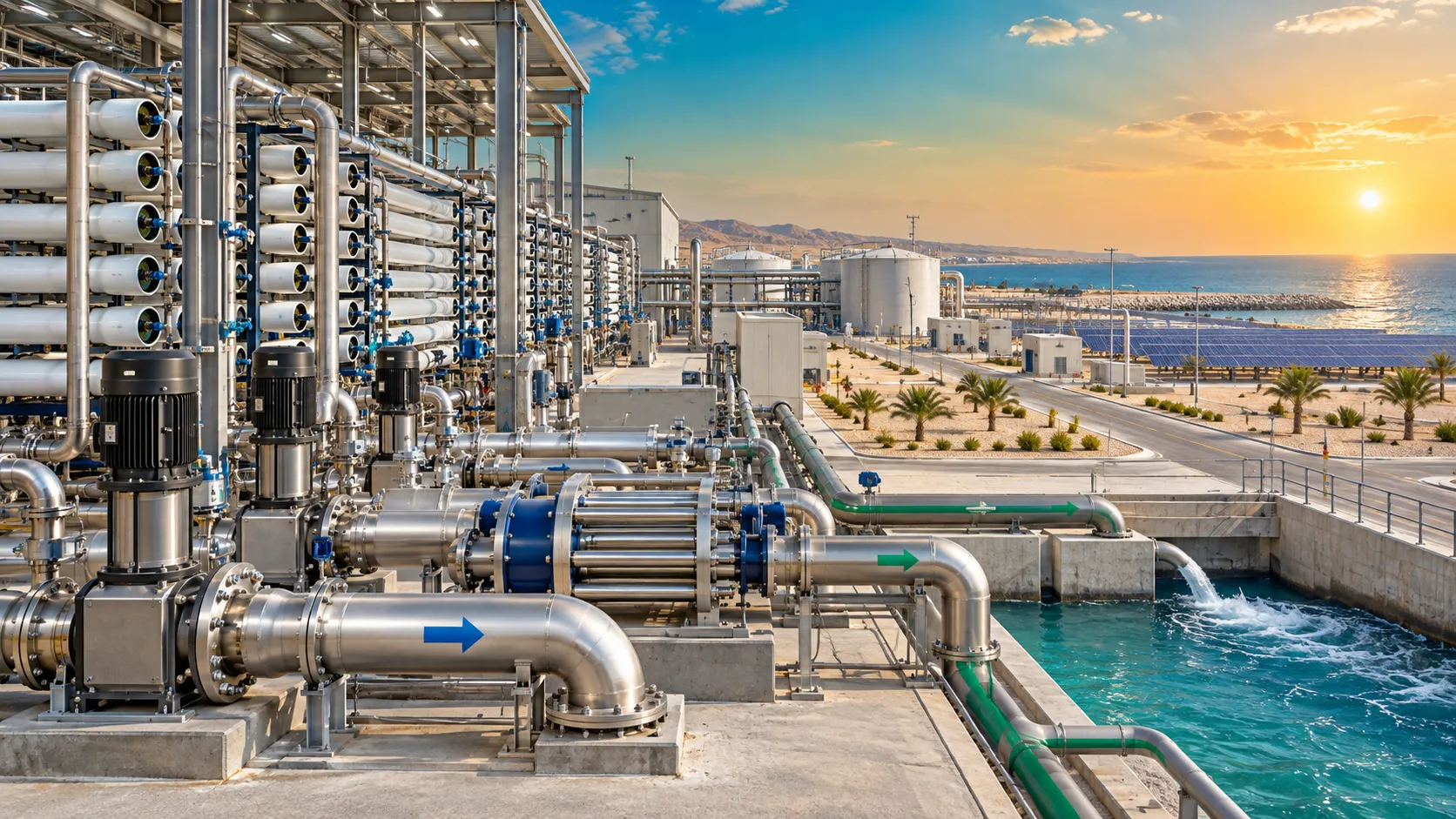
How energy recovery cuts the cost of seawater desalination in the Middle East
Seawater desalination Middle East projects can cut lifecycle costs with energy recovery. Explore savings, bankability, power-risk strategies, and smarter investment decisions.
What drives nuclear safety solutions pricing for new facility projects?
Nuclear safety solutions pricing explained: uncover the key cost drivers for new facilities, from qualification and interfaces to lifecycle support.
What drives radioactive waste cost over the life of a disposal project?
Radioactive waste cost depends on classification, treatment, transport, storage, disposal access, and long-term compliance. Explore the key lifecycle cost drivers.
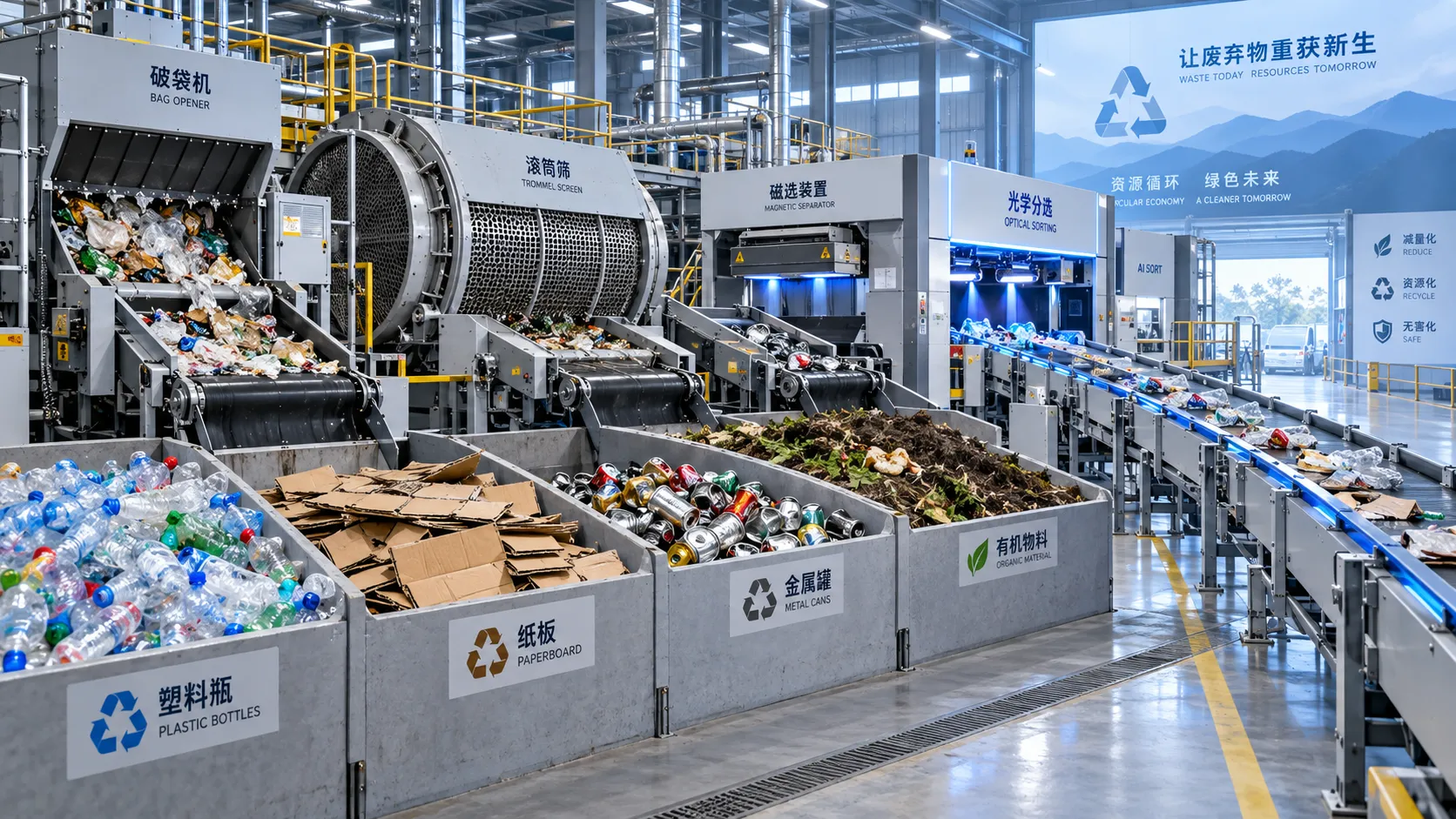
How to choose solid waste equipment based on waste stream characteristics
Environmental equipment guide for solid waste: discover how to match sorting, treatment, and recovery equipment to waste composition, moisture, contamination, and output goals.
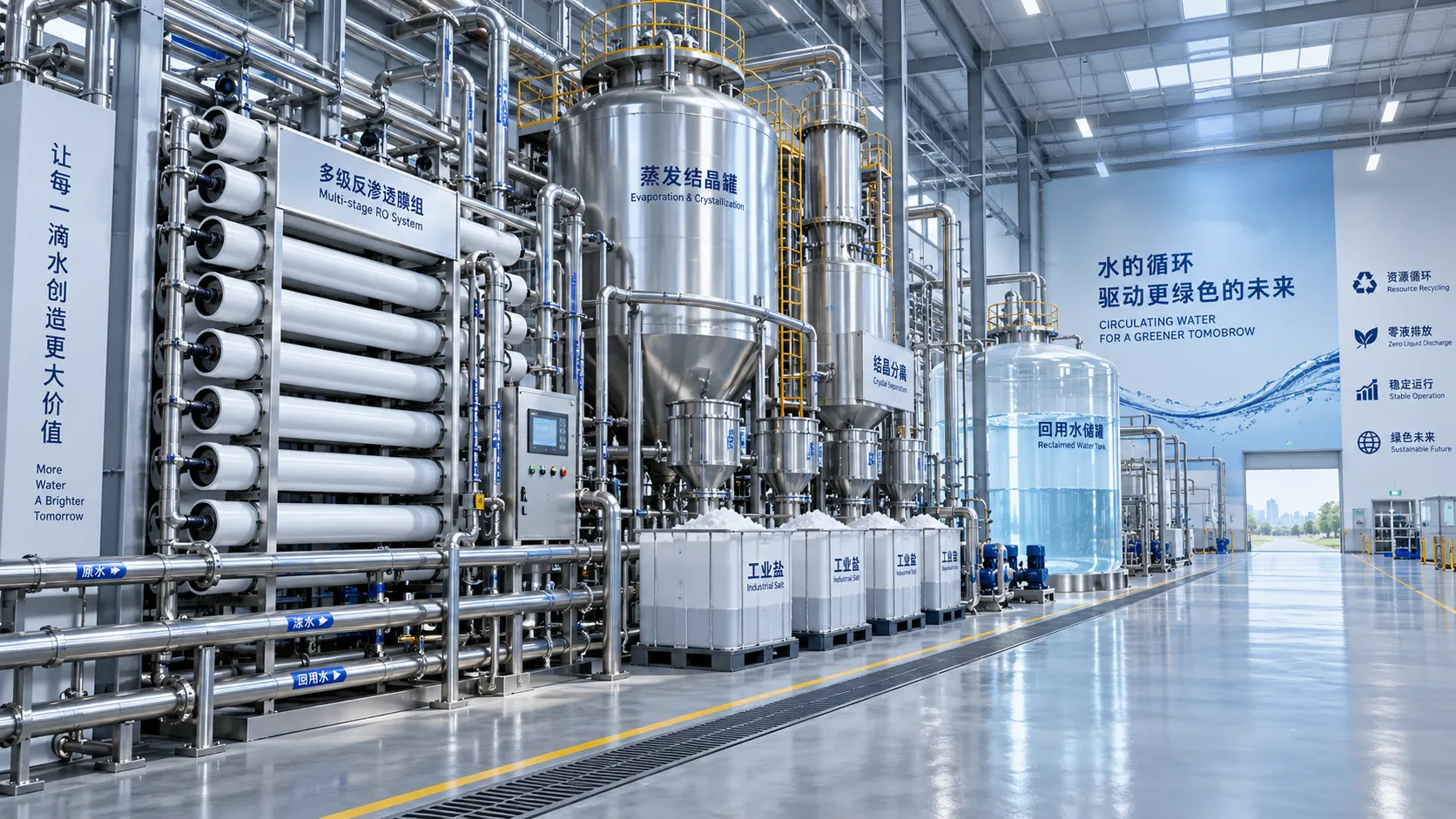
When does high recovery ZLD equipment justify its higher capital cost?
High recovery ZLD equipment can justify higher capital cost when water scarcity, discharge risks, brine disposal, and downtime threaten operations. Explore the decision factors.

How high purity heavy metal recovery affects recovered metal value
High purity heavy metal recovery boosts recovered metal value by improving payability, reducing penalties, and unlocking stronger buyer opportunities. Explore smarter netback strategies.
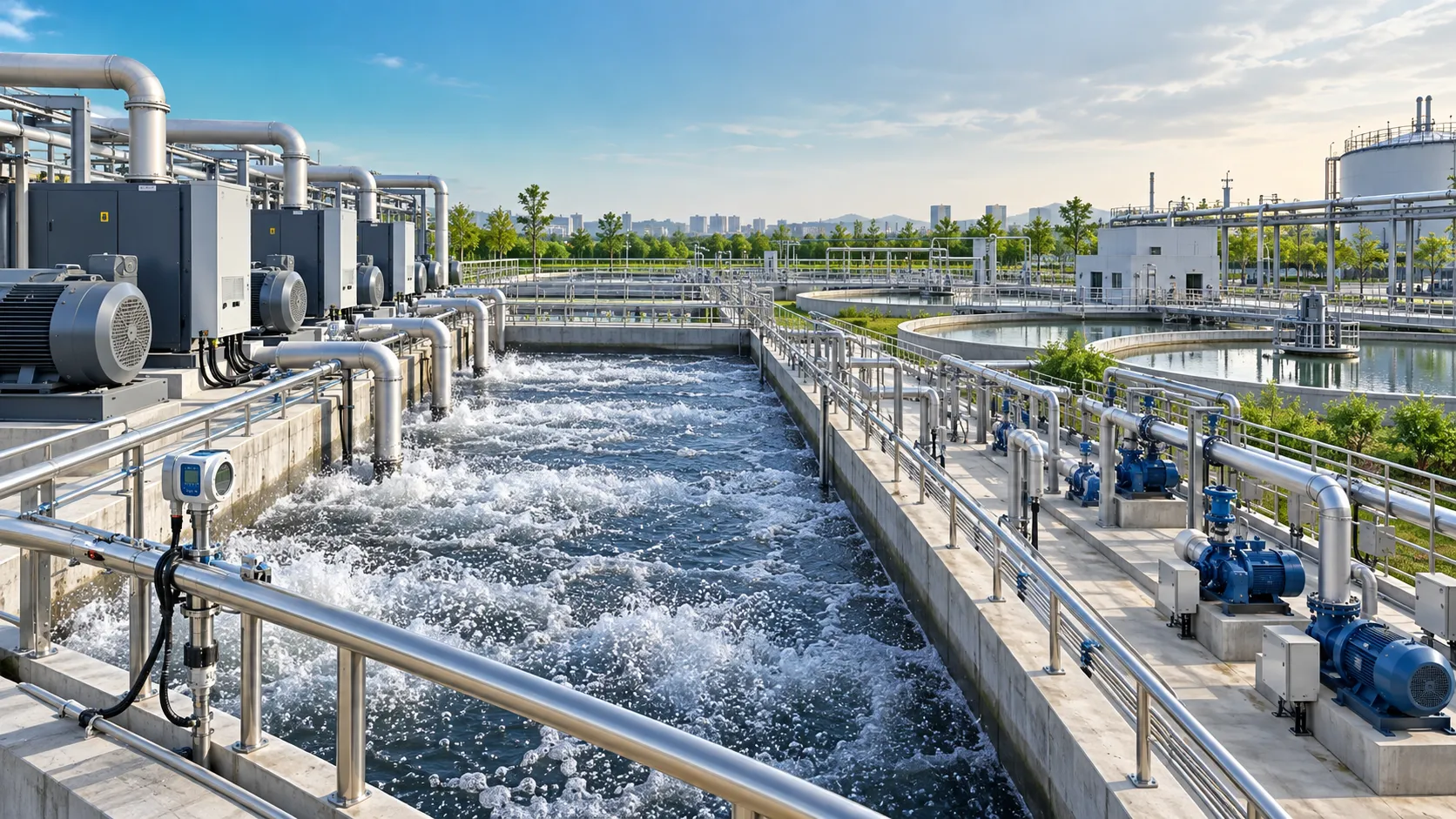
When does environmental equipment intelligence reduce wastewater plant energy use?
Environmental equipment intelligence for wastewater plants cuts energy use through smarter aeration, pumping, and data-driven controls—without compromising compliance. Discover when it delivers measurable savings.
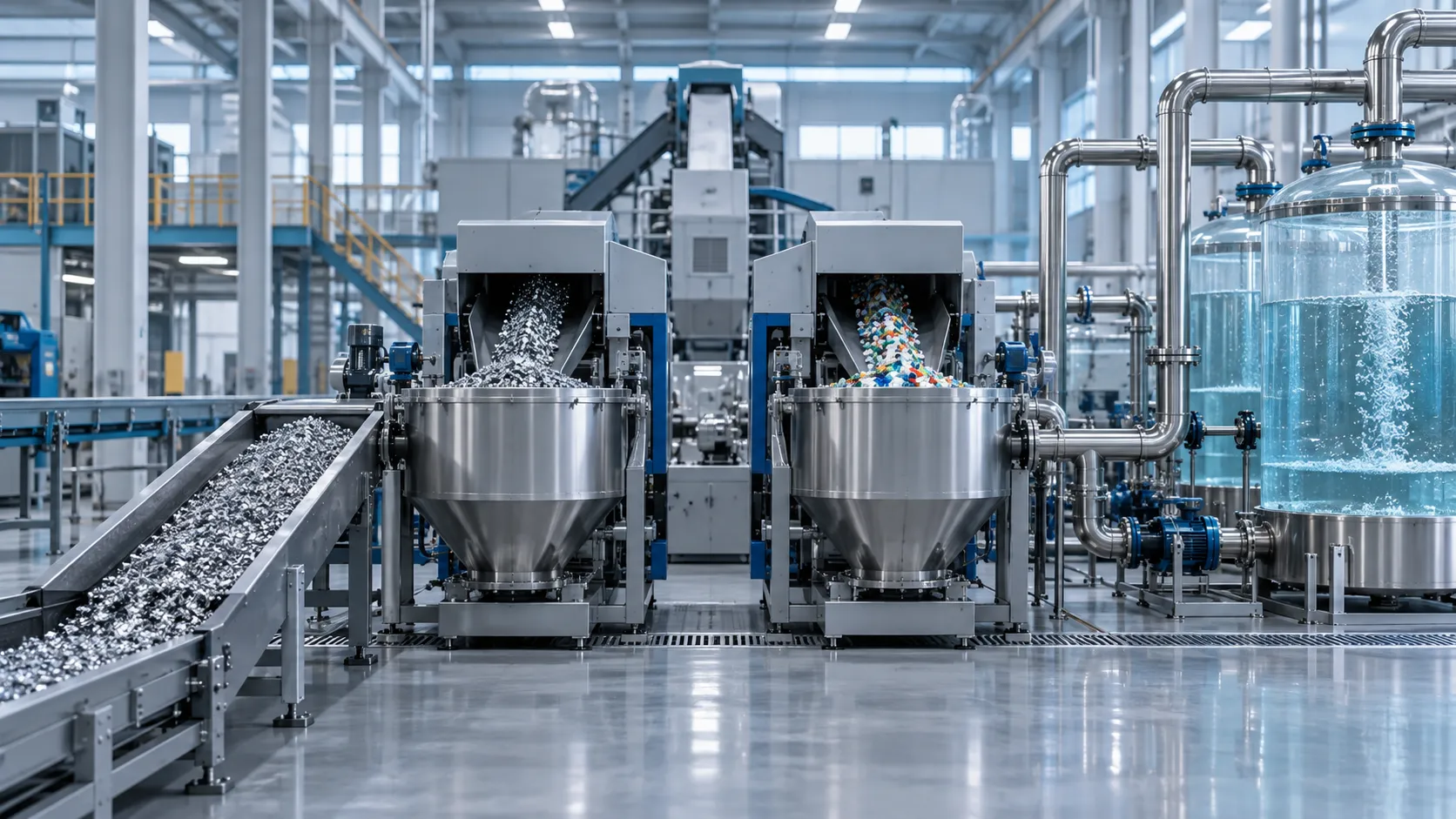
Which Circular Economy Model Is Best for Industrial Waste Recovery?
Which circular economy model works best for industrial waste recovery? Compare closed loops, industrial symbiosis, recycling, and energy recovery to choose the right strategy.
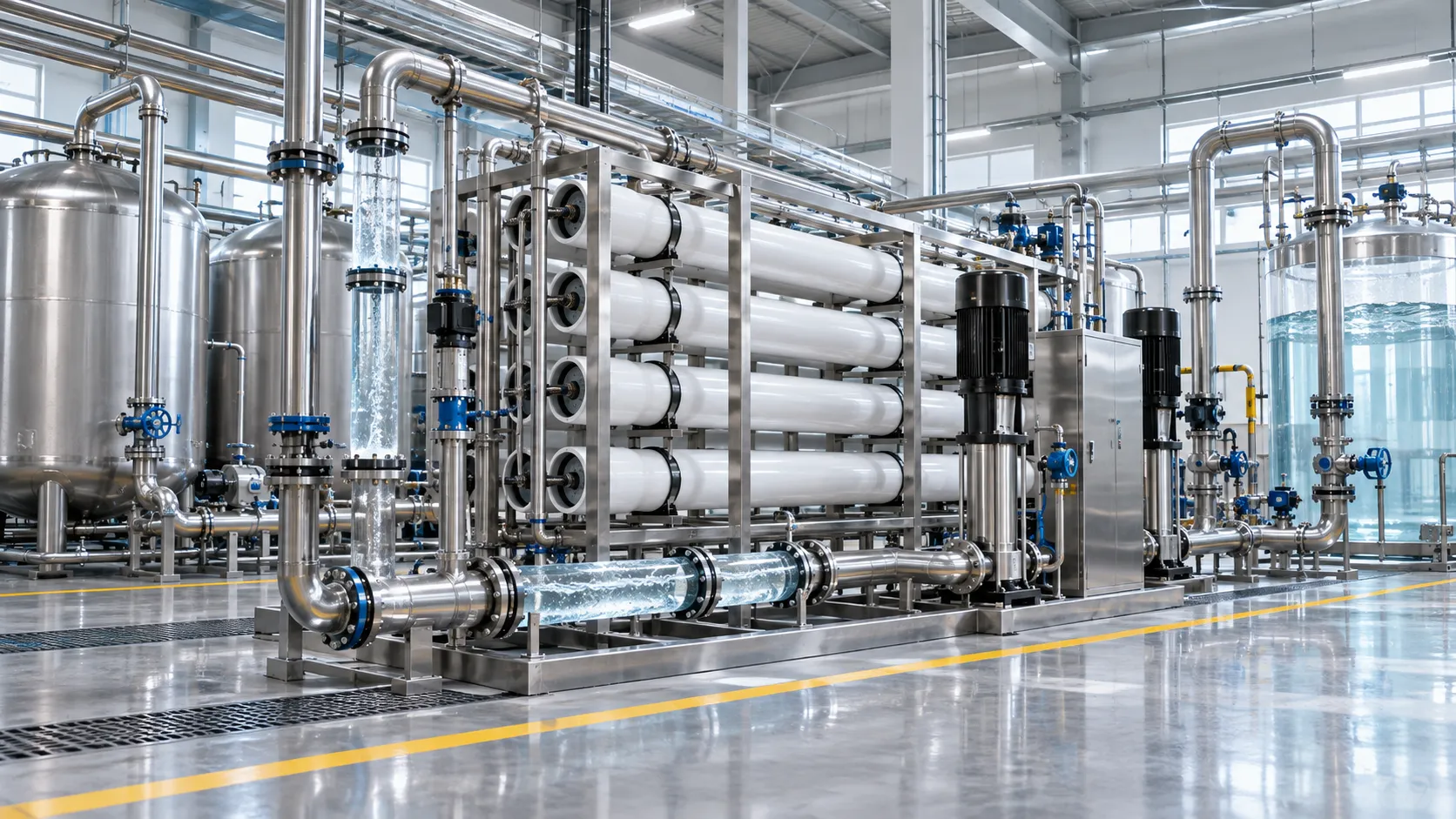
How Is the Payback Period for Resource Recovery Equipment Calculated?
How do you calculate the payback period for resource recovery equipment? Learn to model installed costs, savings, revenue, operating expenses, and realistic cash flows.