
Industry News
Curation by industry experts
Hot Articles
Popular Tags
Low-Temperature Reaction Routes for Lower Energy Use
As energy prices, carbon constraints, and compliance pressures intensify, low-temperature reaction routes are becoming a practical answer to lower energy use across environmental infrastructure.
From water treatment to flue gas control, this low-temperature reaction shift changes process economics, retrofit logic, and reliability targets in measurable ways.
For ESD’s focus sectors, the value is not only reduced heat demand. It also includes faster compliance adaptation, smaller thermal stress, and wider integration with electrified systems.
Why low-temperature reaction routes are moving from niche option to mainstream strategy
The industrial landscape is changing quickly. Power volatility, carbon accounting, and stricter discharge thresholds are forcing operators to reassess every unit of thermal consumption.
A low-temperature reaction route reduces the need for high heat input while preserving target conversion, separation, or destruction performance.
That matters in integrated plants where steam is scarce, waste heat is unstable, or electricity-based decarbonization is replacing fossil-fired thermal support.
In water systems, low-temperature reaction design can improve advanced oxidation, biological stability, and selective recovery under tighter energy budgets.
In flue gas treatment, low-temperature reaction performance directly affects catalyst selection, SCR placement, and startup flexibility.
In waste recovery and nuclear waste handling, lower thermal windows can reduce material degradation, improve controllability, and support safer process envelopes.
The strongest trend signals now visible across environmental engineering
Several market signals confirm that low-temperature reaction planning is no longer experimental. It is entering capital allocation, retrofit roadmaps, and compliance strategy.
- More projects are evaluated by total energy intensity, not only removal efficiency.
- Regulation increasingly rewards lower indirect emissions and operational resilience.
- Retrofit projects prefer low-temperature reaction options that avoid major furnace or steam modifications.
- Catalyst, membrane, and sorbent innovation is expanding effective low-temperature operating windows.
- Digital controls now make low-temperature reaction systems easier to stabilize under variable loads.
These signals are especially visible in high-energy sectors such as seawater desalination, ZLD, flue gas denitrification, and hazardous waste resource recovery.
What is driving the rise of low-temperature reaction adoption
The low-temperature reaction trend is shaped by a combination of technical, financial, and policy pressures.
This combination explains why low-temperature reaction studies now appear earlier in feasibility reviews, not only after operating problems emerge.
How low-temperature reaction performance is reshaping key ESD sectors
Water treatment and ZLD systems are prioritizing energy-smart chemistry
In industrial wastewater treatment, a low-temperature reaction pathway can reduce steam dependence in concentration, polishing, and selective contaminant destruction.
It also supports modular treatment trains where biological, catalytic, and membrane steps operate with less thermal mismatch.
Solid waste recovery is shifting toward controlled, lower-heat conversion windows
Resource recovery facilities increasingly value low-temperature reaction control to improve selectivity, reduce byproduct formation, and preserve recoverable fractions.
That can strengthen circular economy outcomes, especially where feedstock quality varies and energy costs dominate operating margins.
Flue gas treatment is seeing direct catalyst and layout implications
Low-temperature reaction capability is highly relevant for SCR and related gas treatment systems operating under cooler flue conditions.
The result can be less reheating, improved startup response, and easier retrofit integration where space and duct temperature are limiting factors.
Desalination and nuclear waste systems benefit from thermal risk reduction
In desalination, low-temperature reaction strategies align with broader efforts to lower specific energy consumption and protect material durability.
In nuclear waste management, lower-temperature reaction environments may improve control precision, secondary waste minimization, and equipment life in sensitive operations.
The business impact goes beyond utility savings
A low-temperature reaction upgrade should not be judged only by reduced fuel or steam bills. The wider value chain impact is often larger.
- Lower thermal stress can extend maintenance intervals.
- Reduced reheating can simplify emissions reporting.
- Improved flexibility can support variable renewable power integration.
- Compact retrofits can lower shutdown duration and construction risk.
- Better low-load performance can reduce compliance excursions.
For complex environmental assets, that means low-temperature reaction choices can influence financing confidence, insurance perception, and long-term asset competitiveness.
What deserves close attention before committing to a low-temperature reaction route
Not every low-temperature reaction option delivers value under real plant conditions. Performance depends on chemistry, contamination, residence time, and control quality.
- Verify kinetic performance across expected seasonal and load variations.
- Assess catalyst poisoning, fouling, and deactivation risks early.
- Map heat balance changes across upstream and downstream equipment.
- Check whether lower temperatures create new condensation or corrosion zones.
- Quantify total lifecycle economics, not only nameplate energy savings.
- Integrate digital monitoring for reaction stability and predictive maintenance.
In many cases, the winning approach is a hybrid design, where low-temperature reaction steps are combined with selective heat recovery and advanced control layers.
A practical framework for evaluating the next phase of low-temperature reaction deployment
This framework helps separate genuine low-temperature reaction value from claims based only on laboratory conditions or narrow energy calculations.
The next strategic step is better intelligence, not faster assumptions
Low-temperature reaction routes are gaining momentum because they align with three unavoidable priorities: lower energy use, stronger compliance resilience, and smarter asset utilization.
The best results come from linking reaction kinetics, equipment limits, heat integration, and regulatory direction into one decision model.
For organizations tracking water, waste, desalination, flue gas, and nuclear waste systems, now is the right time to benchmark low-temperature reaction options across current and future projects.
Use technical intelligence, pilot evidence, and lifecycle economics to identify where a low-temperature reaction route can deliver durable advantage rather than short-term savings.
That disciplined approach will define which environmental assets remain efficient, compliant, and investable in the next decade.
Recommended News
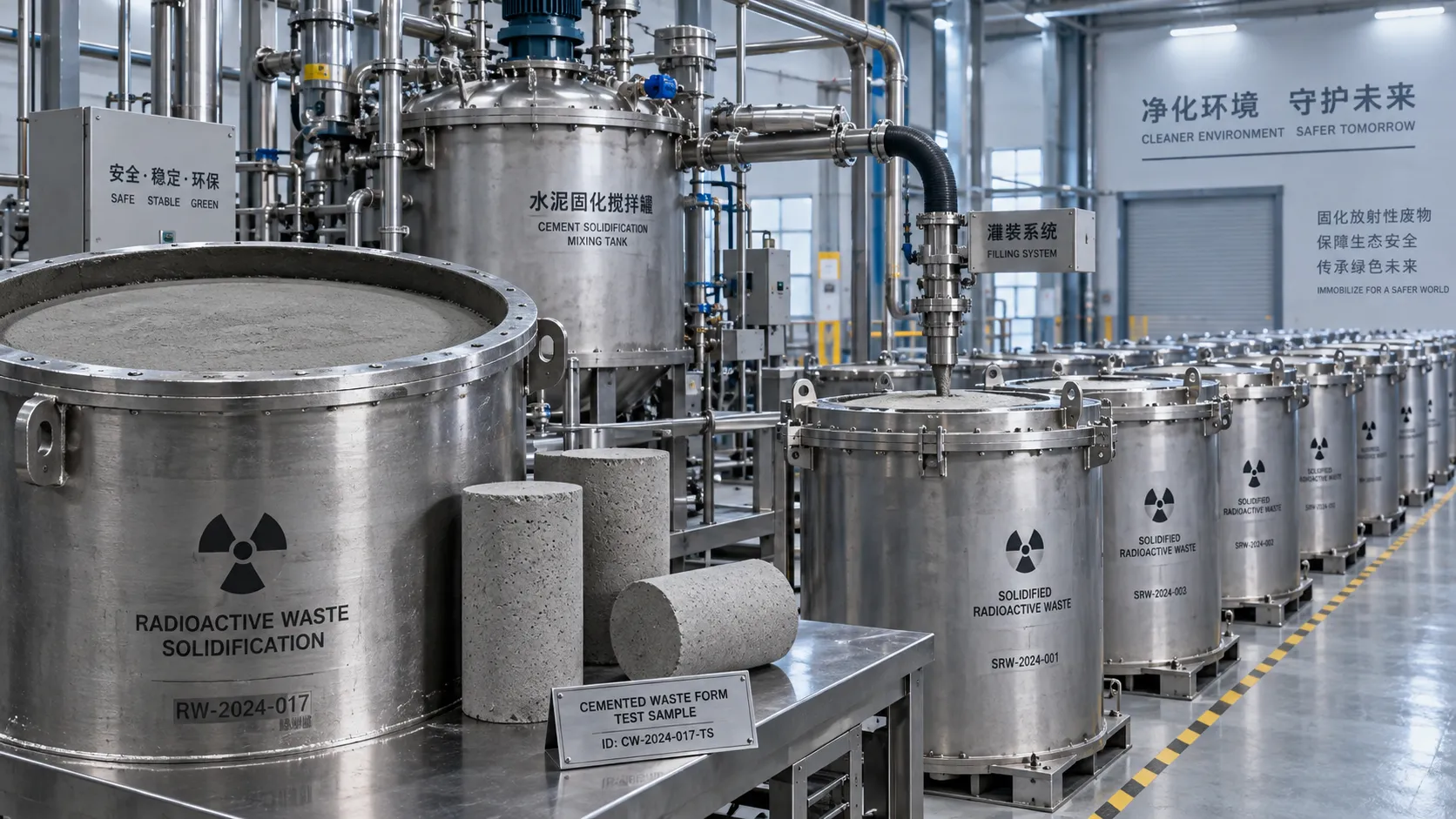
When is cementation suitable for nuclear decommissioning waste?
Explore nuclear waste treatment technology for decommissioning: learn when cementation fits, which risks to assess, and how disposal criteria guide an effective treatment choice.
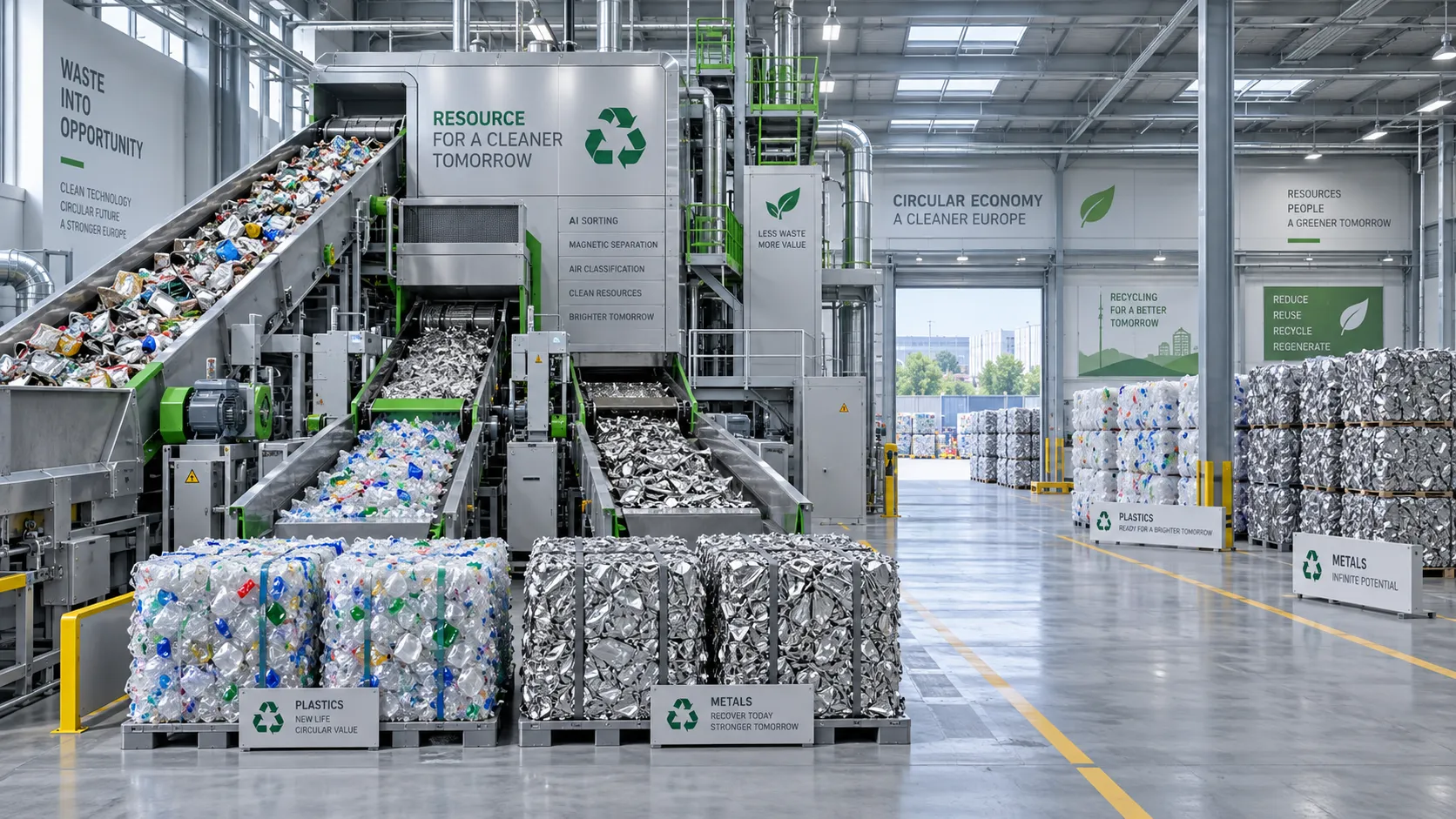
What determines payback for waste-to-resource systems in Europe?
Assess waste-to-resource systems Europe-wide: compare feedstock, recovery yields, costs and contracts to uncover payback drivers and make smarter investment decisions.
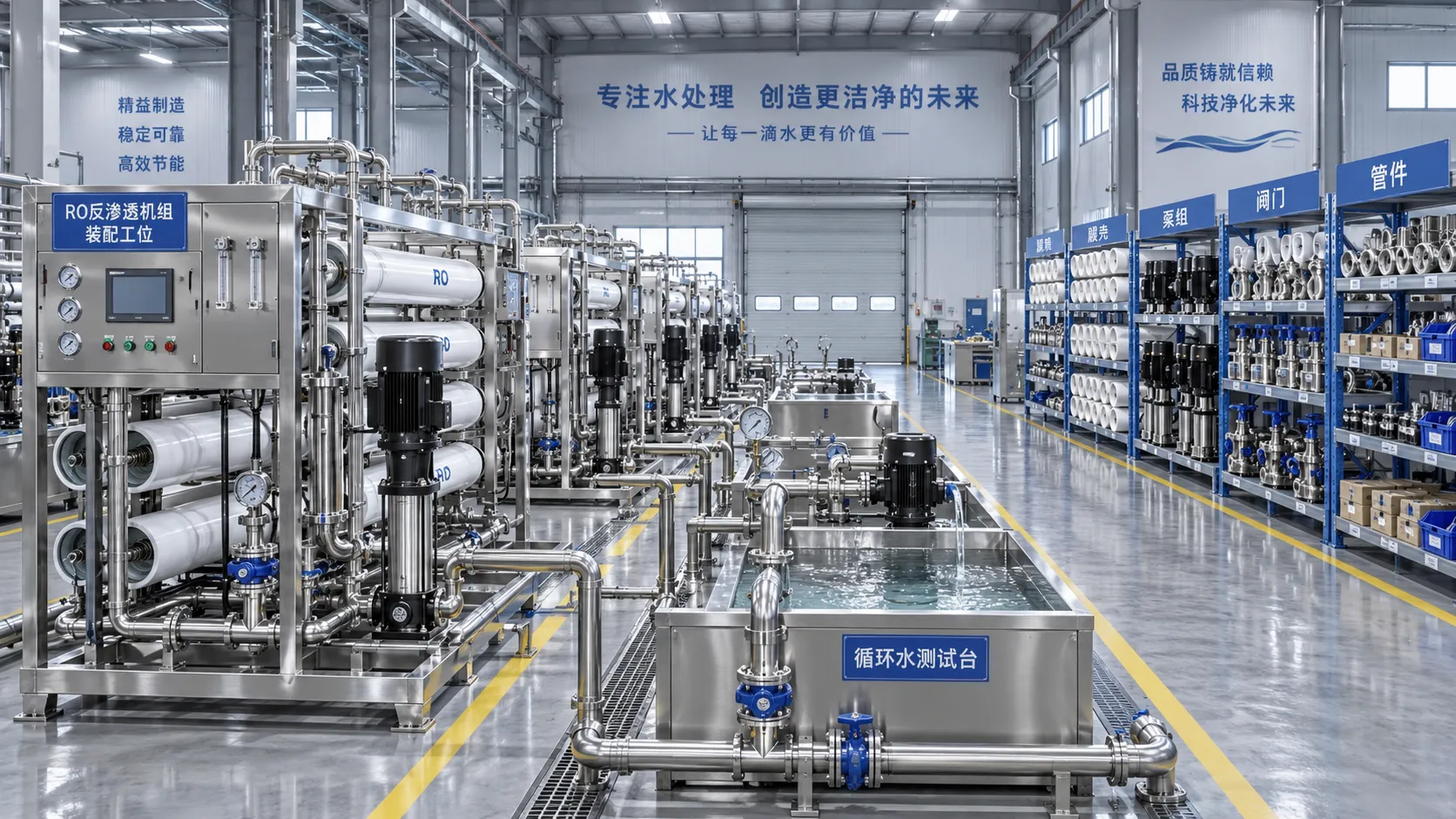
How to verify a water treatment system factory’s production capacity
Verify a water treatment systems factory’s production capacity through records, bottlenecks, component availability, and testing. Learn what to check before accepting a delivery promise.
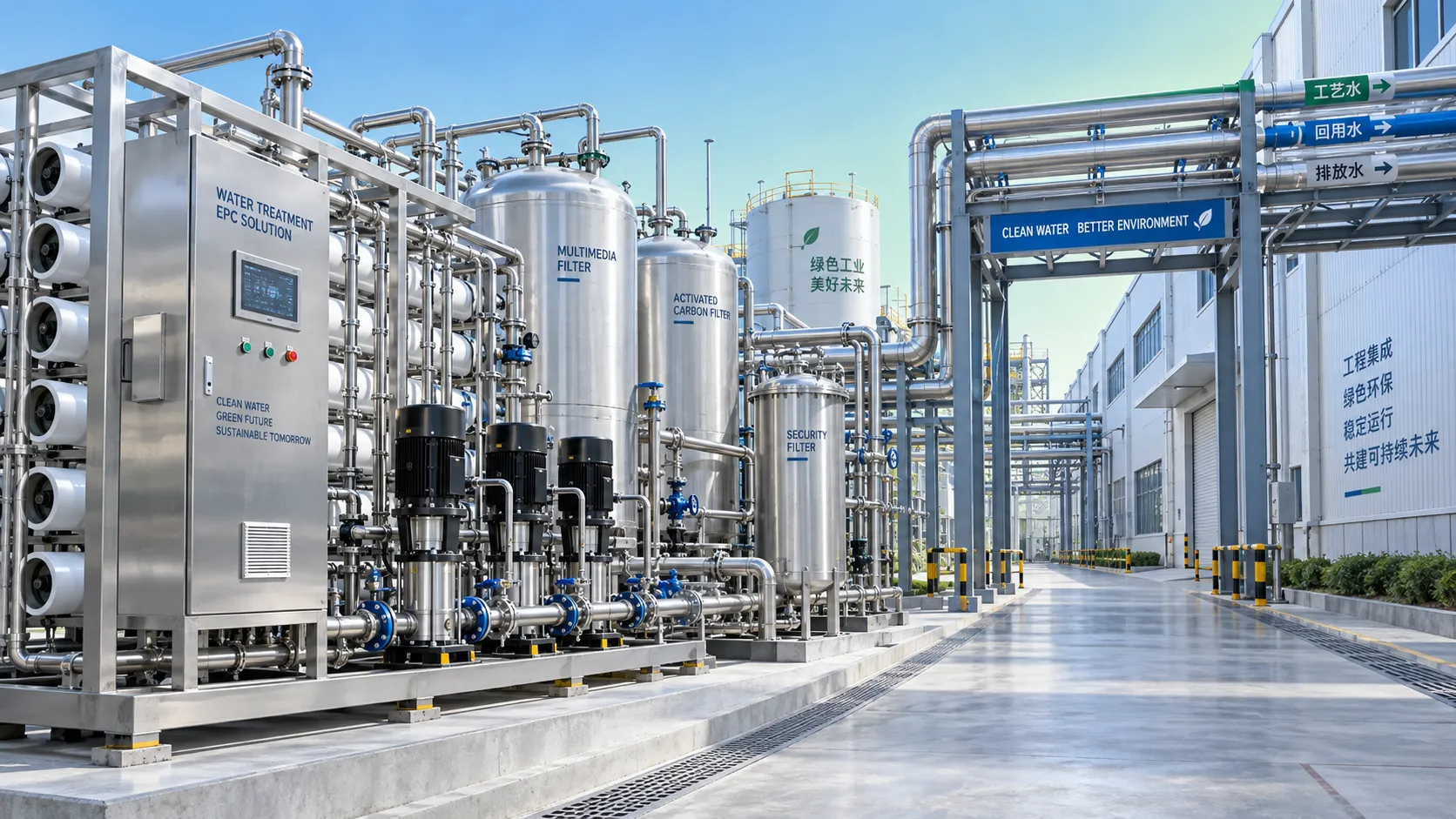
When does EPC environmental project support reduce delivery risk?
EPC environmental project support engineering reduces delivery risk by aligning design, procurement, compliance, construction, and commissioning decisions.
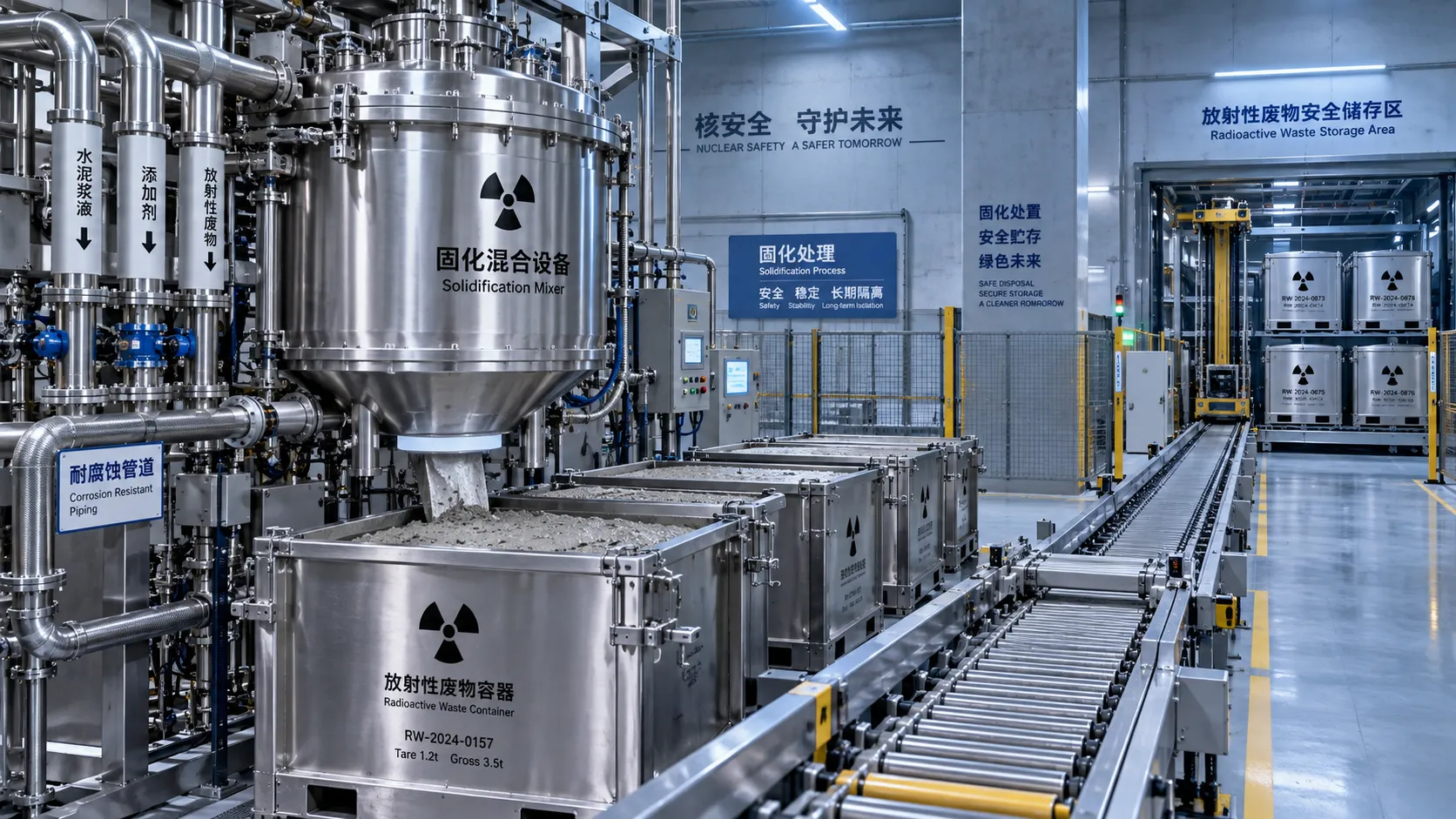
How nuclear plants select a radioactive waste solidification method
Radioactive waste management for nuclear plants: compare vitrification, cementation, polymers, and ceramics to select a compliant, durable solidification solution.
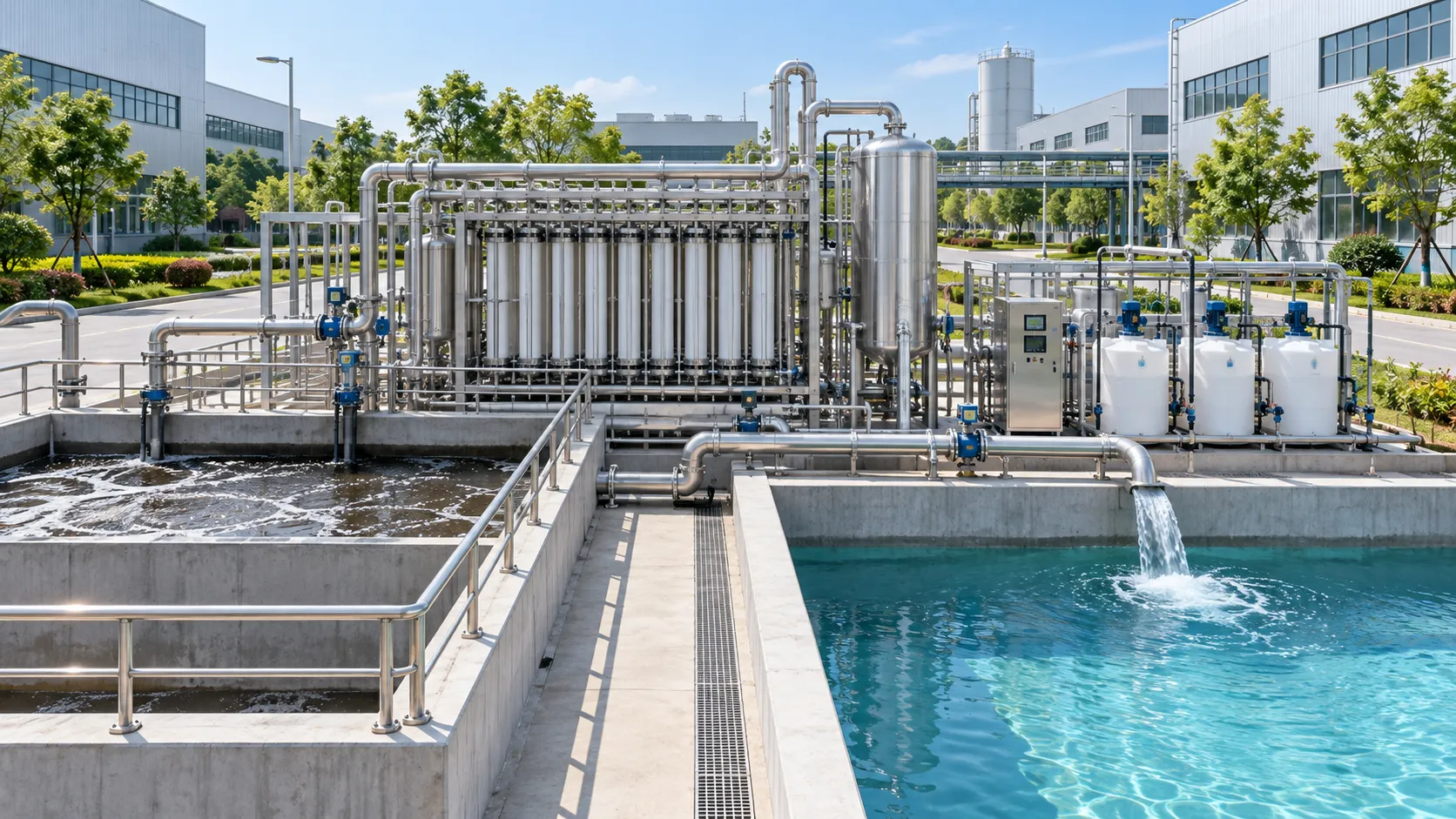
Comparing Upgrade Costs for Industrial Park Wastewater Treatment Systems
Compare costs for wastewater system upgrades in industrial parks with a lifecycle view of CAPEX, OPEX, compliance, resilience, and future expansion.
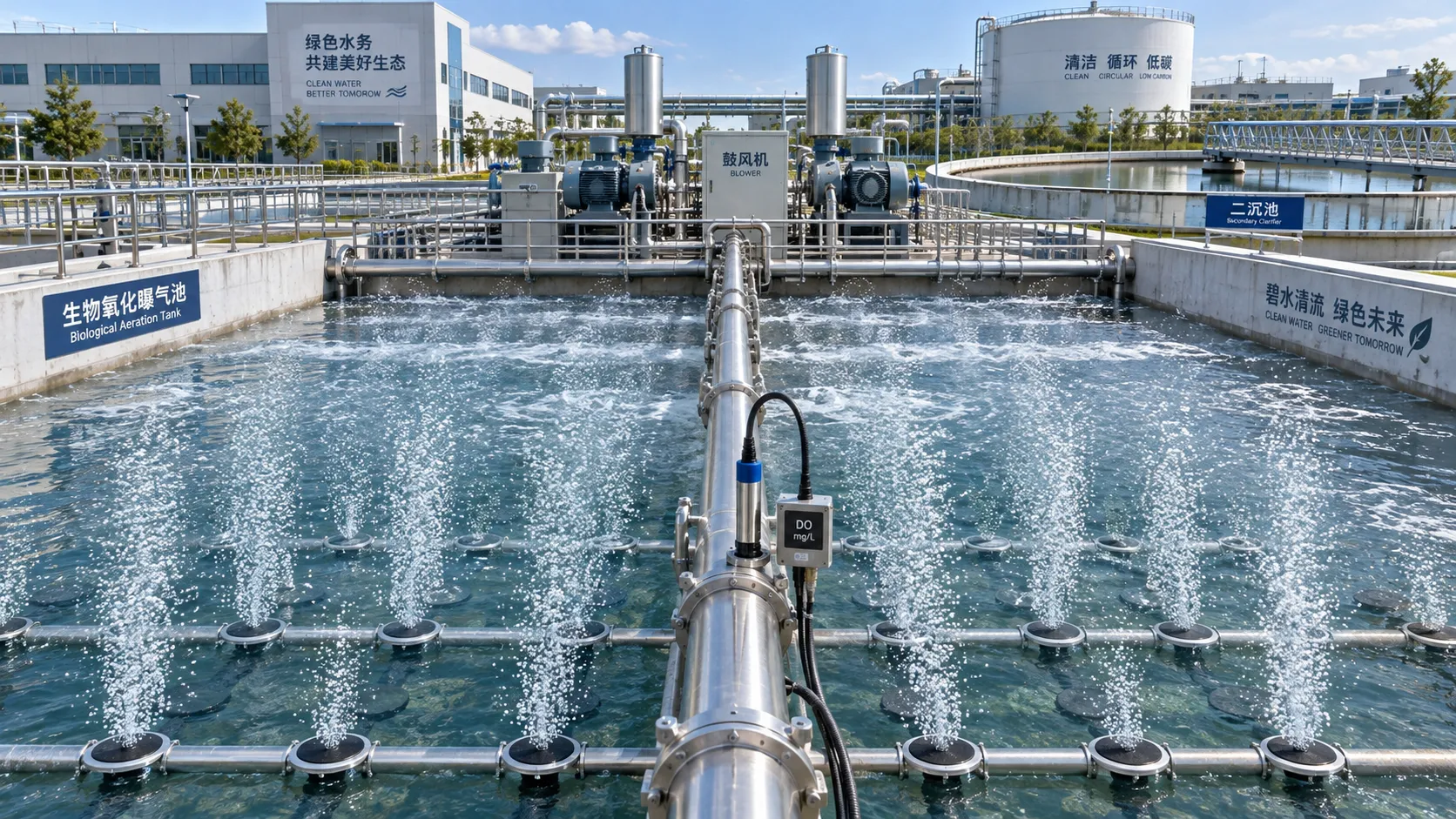
Biological Wastewater Oxidation Explained: Aeration Demand and Process Control
Biological wastewater oxidation explained: optimize aeration demand, DO control, nitrification, and sludge age for stable effluent quality and lower energy costs.
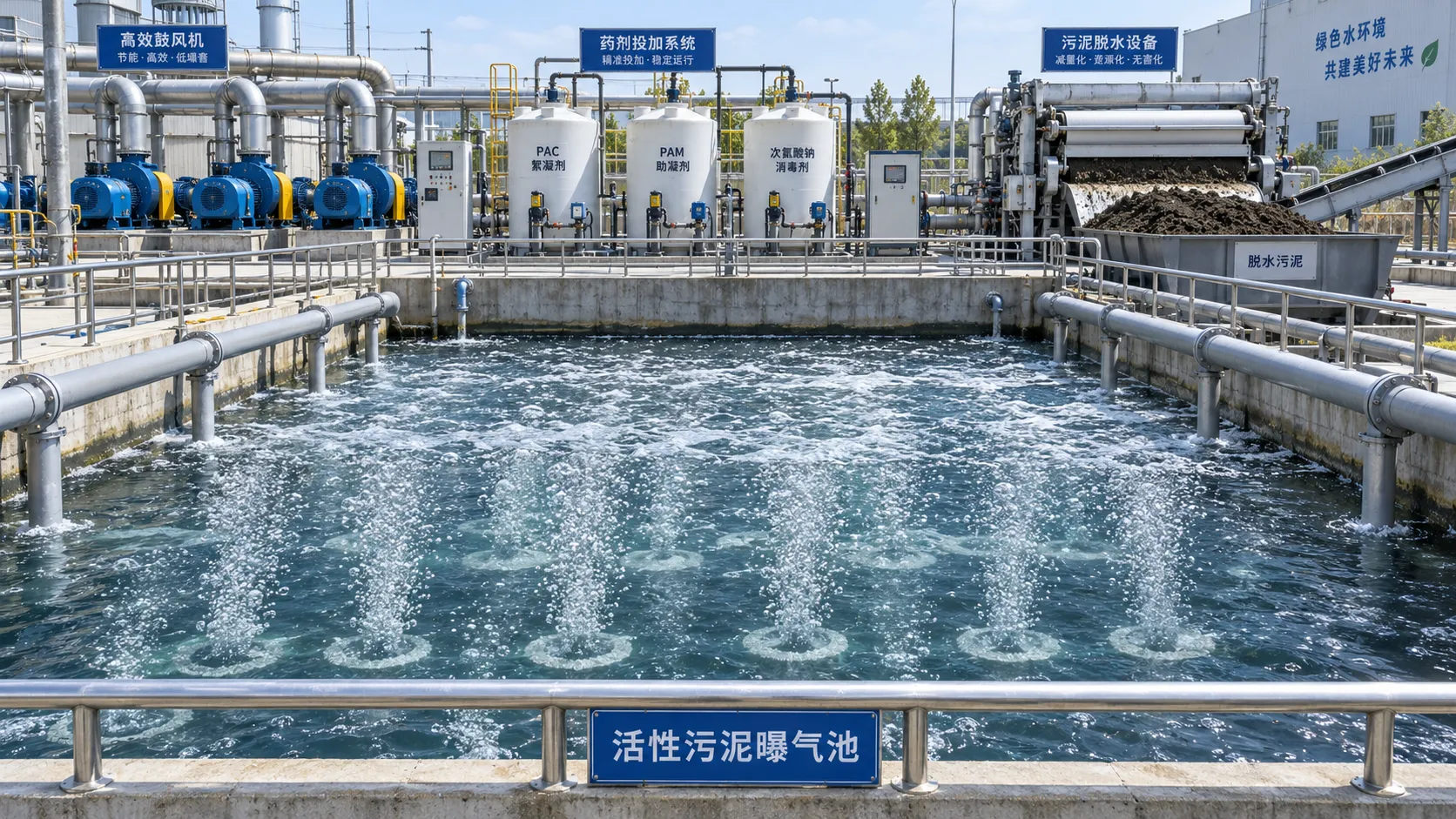
Activated Sludge Cost: Budgeting Energy, Chemicals, Sludge, and Labor
Activated sludge cost explained: compare energy, chemicals, sludge disposal, labor, and compliance risks to build a reliable lifecycle budget.
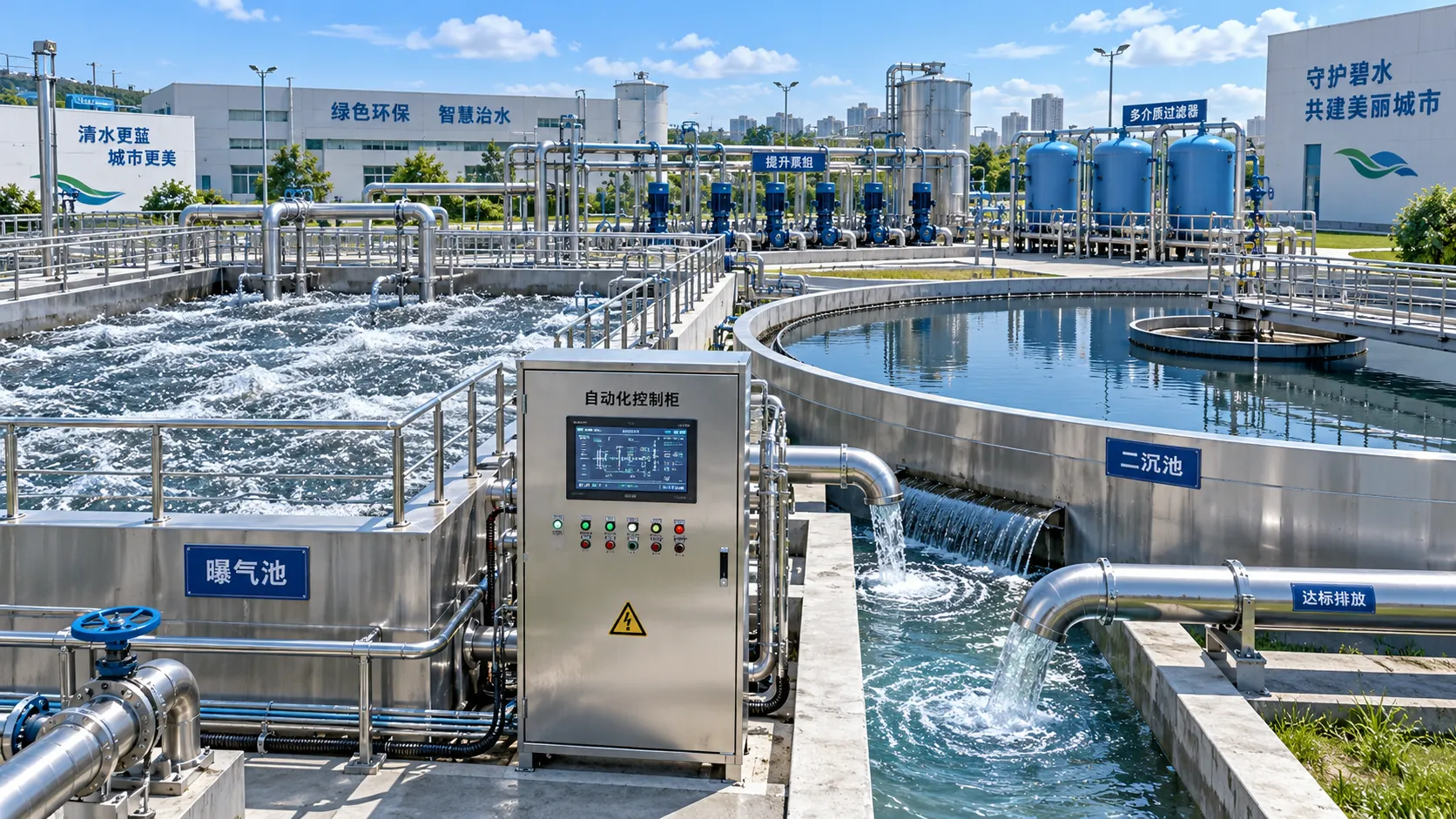
When Should Municipal Wastewater Plants Upgrade Treatment Capacity and Controls?
Municipal wastewater treatment upgrades: learn when capacity, controls, and resilient planning are needed to protect compliance and optimize plant performance.