
Industry News
Curation by industry experts
Hot Articles
Popular Tags
Industrial Purification Options for Stable High-Load Operations
For technical evaluators managing demanding process environments, industrial purification now sits at the center of uptime, compliance, and cost control.
In heavy-duty systems, the wrong purification route can trigger scaling, fouling, emissions drift, unstable throughput, and early equipment fatigue.
The right industrial purification strategy supports stable high-load operations by aligning process chemistry, load variability, discharge targets, and maintenance realities.
Across water treatment, flue gas control, desalination, and recovery loops, practical selection depends on performance under stress, not brochure efficiency alone.
What does industrial purification really mean in high-load operations?
Industrial purification covers the controlled removal, separation, conversion, or stabilization of unwanted substances inside demanding production and utility systems.
It includes wastewater polishing, flue gas treatment, solids separation, desalination pretreatment, brine concentration, odor control, and hazardous residue conditioning.
Under high load, industrial purification is not just about meeting a numeric limit at design flow.
It must stay effective during shock loads, feed variation, temperature shifts, corrosive conditions, and long operating cycles.
A stable system usually combines several barriers rather than relying on a single unit process.
- Physical barriers remove suspended solids, oil droplets, ash, and coarse contaminants.
- Chemical steps neutralize, precipitate, oxidize, reduce, or disinfect critical pollutants.
- Membrane and adsorption stages deliver fine polishing and selective separation.
- Thermal and immobilization methods handle extreme salinity or hazardous residues.
This layered approach matters because stable high-load operations depend on resilience, not only peak removal efficiency.
Which industrial purification options are most practical for continuous heavy-duty service?
The best industrial purification options depend on contaminant profile, recovery target, energy balance, and compliance margin.
Still, several technology groups consistently support stable high-load operations across mixed industrial settings.
1. Clarification and high-rate solids removal
Lamella clarifiers, dissolved air flotation, hydrocyclones, and high-rate settlers reduce bulk solids before finer treatment stages.
These systems protect downstream membranes, ion exchange beds, and thermal equipment from overload and abrasion.
2. Biological and hybrid oxidation systems
For high-COD streams, biological treatment remains cost-effective when toxicity and salinity stay inside workable limits.
Where variability is severe, hybrid trains add equalization, advanced oxidation, or membrane bioreactors for tighter control.
3. Membrane-based industrial purification
UF, NF, RO, and specialty membranes are central to industrial purification in desalination, reuse, and ZLD-oriented treatment.
They offer compact polishing and selective separation, but pretreatment quality determines long-term stability.
4. Adsorption and ion exchange
Activated carbon, specialty resins, and tailored media work well for trace organics, metals, PFAS-like compounds, and polishing duties.
They are especially useful when regulatory thresholds are strict and residual spikes cannot be tolerated.
5. Thermal concentration and crystallization
Evaporators and crystallizers are energy-intensive, yet often unavoidable for extreme brine management and near-zero discharge strategies.
In these cases, industrial purification becomes a resource and liability control function at the same time.
6. Flue gas purification systems
Bag filters, ESPs, scrubbers, SCR, and dry sorbent injection remain essential for stable atmospheric compliance.
These units must handle dust loading, acid gases, catalyst temperature windows, and corrosion risk without disrupting core production.
How should industrial purification be selected for different process scenarios?
Selection starts with a realistic operating envelope rather than a single design point.
Many failures happen because systems were sized for average conditions, not worst credible conditions.
Use the following decision lenses when comparing industrial purification pathways.
For example, seawater desalination pretreatment often prioritizes stable SDI control and biofouling resistance over simple turbidity reduction.
Flue gas trains may focus on temperature compatibility and reagent efficiency more than nameplate capture percentages.
In waste recovery systems, industrial purification may need to preserve valuable fractions rather than destroy contaminants outright.
What are the most common mistakes when comparing industrial purification solutions?
A common mistake is selecting by capex alone.
Low upfront pricing can hide high membrane replacement, reagent use, sludge disposal, or downtime penalties.
Another mistake is treating industrial purification as an isolated package instead of part of a whole process chain.
If upstream control is weak, downstream polishing becomes unstable and expensive.
Teams also underestimate scaling, corrosion, and byproduct formation.
A technology may remove one contaminant effectively while creating concentrate, spent media, secondary salts, or difficult sludge.
Pilot testing is often skipped or made too narrow.
Short tests under clean conditions do not predict high-load behavior during seasonal changes or upset events.
- Do not compare only average removal rates.
- Check cleaning frequency and recovery after fouling.
- Map every secondary waste stream.
- Stress-test the industrial purification train at realistic peak loads.
How do cost, implementation time, and compliance shape the final decision?
Industrial purification decisions become stronger when cost, schedule, and compliance are evaluated together.
Fast deployment may matter when discharge permits are tightening or capacity expansion cannot wait.
However, quick installation should not sacrifice maintainability or future regulatory headroom.
Cost perspective
Look beyond capex to energy intensity, consumables, labor, spares, cleaning downtime, and residual handling.
In some cases, a higher-cost industrial purification train lowers total cost by protecting critical assets and reducing shutdown risk.
Implementation perspective
Modular systems can shorten installation, especially where footprint is limited or retrofits must occur during narrow outage windows.
Yet modularity should still support access, cleaning, sensor placement, and safe residue management.
Compliance perspective
Global environmental controls are moving toward tighter trace contaminant limits, stronger carbon scrutiny, and more transparent reporting.
That means industrial purification should be chosen with future compliance scenarios in mind, not only current permit numbers.
Which industrial purification checklist helps stabilize high-load systems fastest?
The most useful first step is a structured review of risk points, bottlenecks, and treatment objectives.
Stable high-load performance comes from disciplined matching of technology, chemistry, redundancy, and operating logic.
The best industrial purification solution is rarely the most complex one.
It is the option that remains controllable under stress, supports compliance, and minimizes lifecycle disruption across the whole system.
As a practical next step, review peak-load data, define future compliance thresholds, and compare industrial purification pathways using full lifecycle metrics.
That approach creates a more reliable basis for upgrades in water treatment, flue gas control, desalination, recovery systems, and other critical environmental infrastructure.
Recommended News
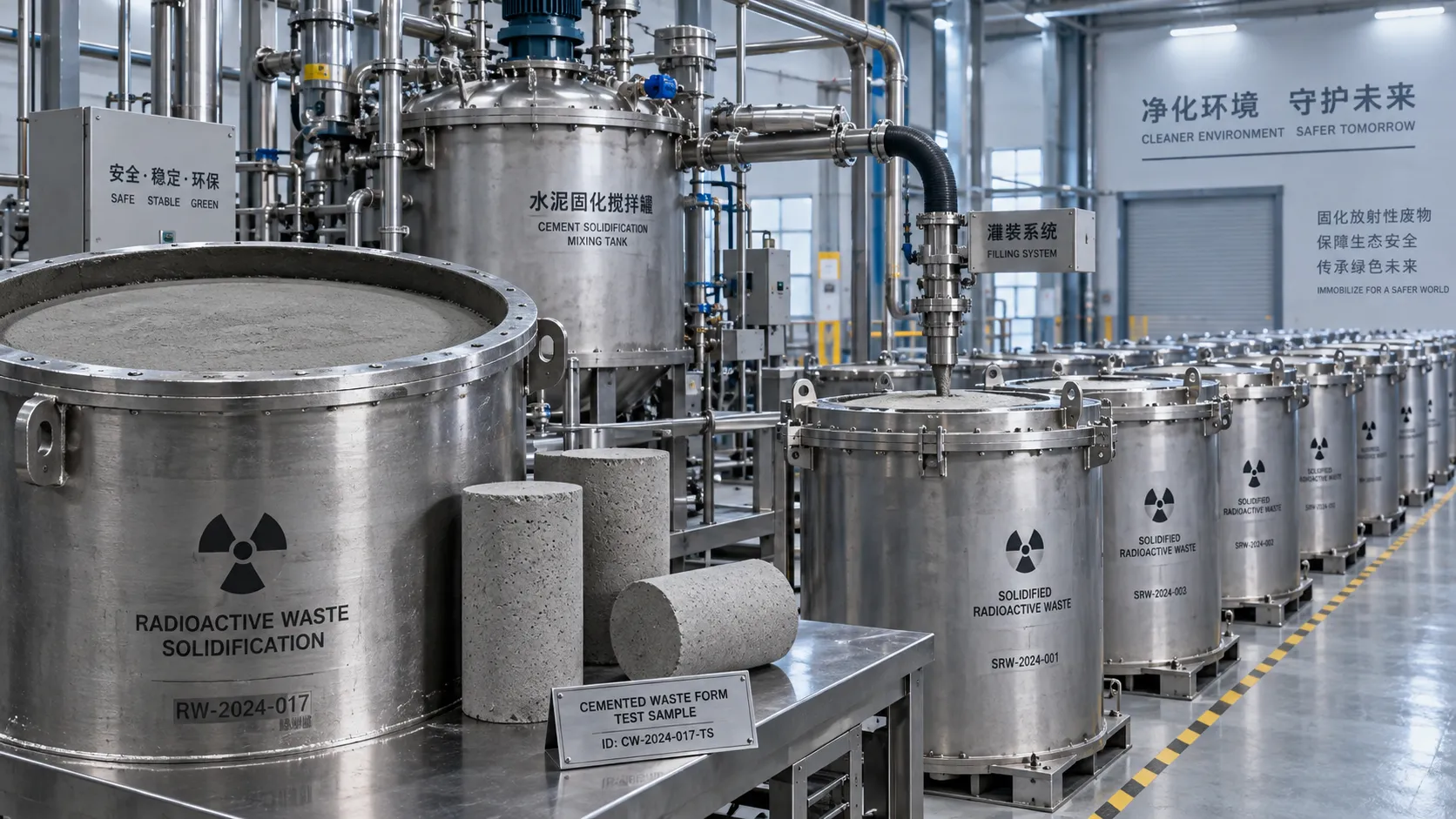
When is cementation suitable for nuclear decommissioning waste?
Explore nuclear waste treatment technology for decommissioning: learn when cementation fits, which risks to assess, and how disposal criteria guide an effective treatment choice.
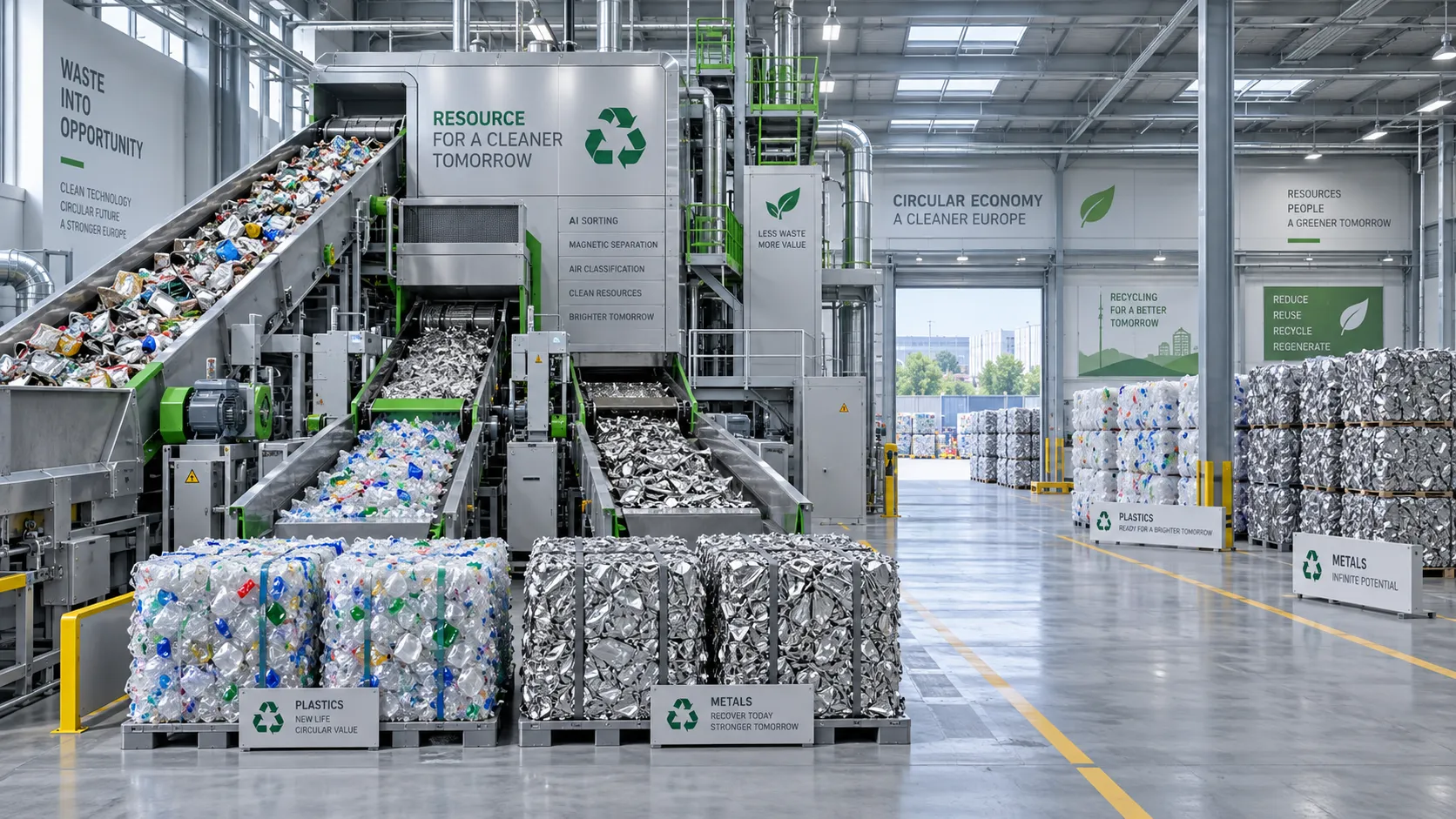
What determines payback for waste-to-resource systems in Europe?
Assess waste-to-resource systems Europe-wide: compare feedstock, recovery yields, costs and contracts to uncover payback drivers and make smarter investment decisions.
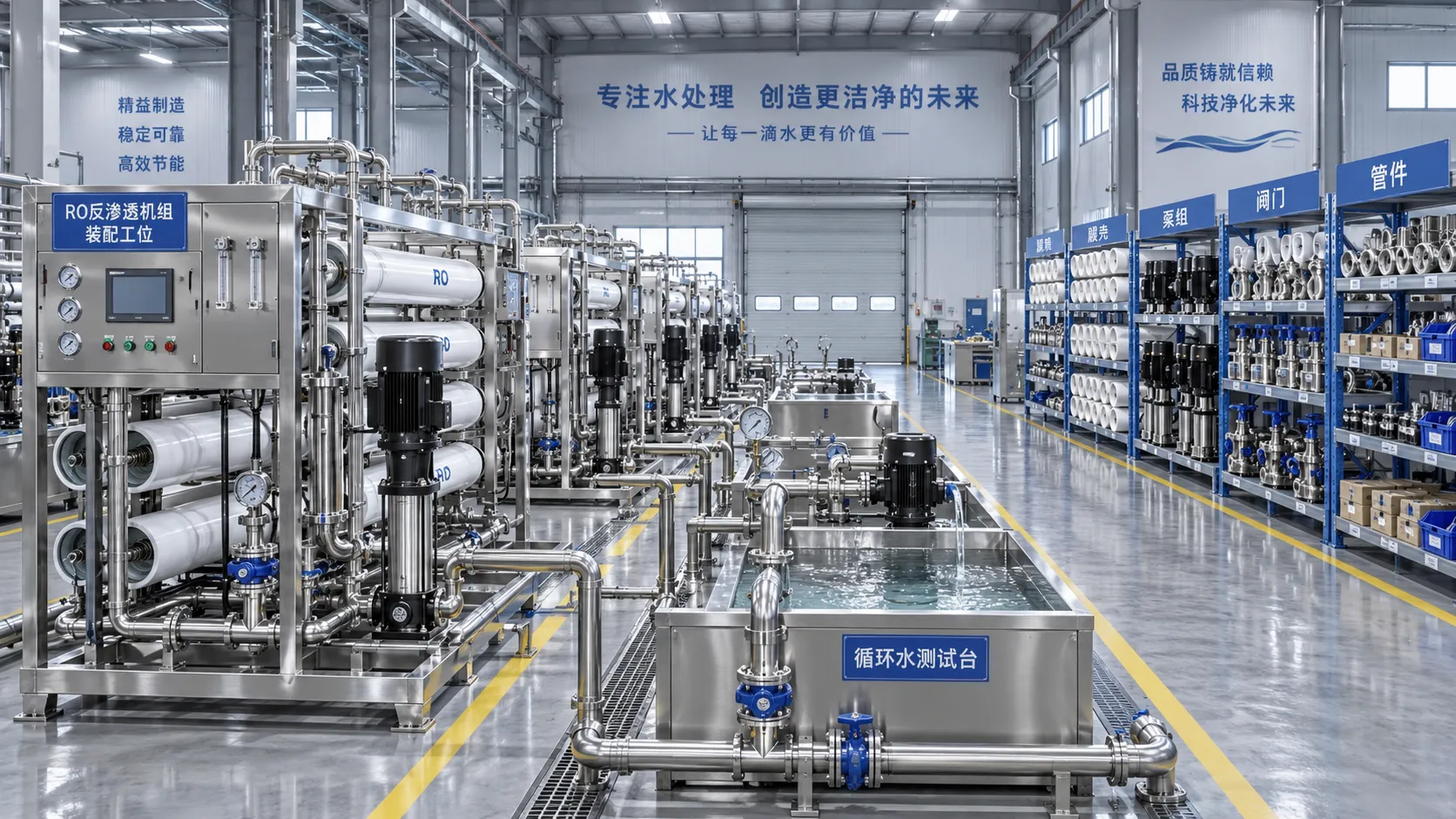
How to verify a water treatment system factory’s production capacity
Verify a water treatment systems factory’s production capacity through records, bottlenecks, component availability, and testing. Learn what to check before accepting a delivery promise.
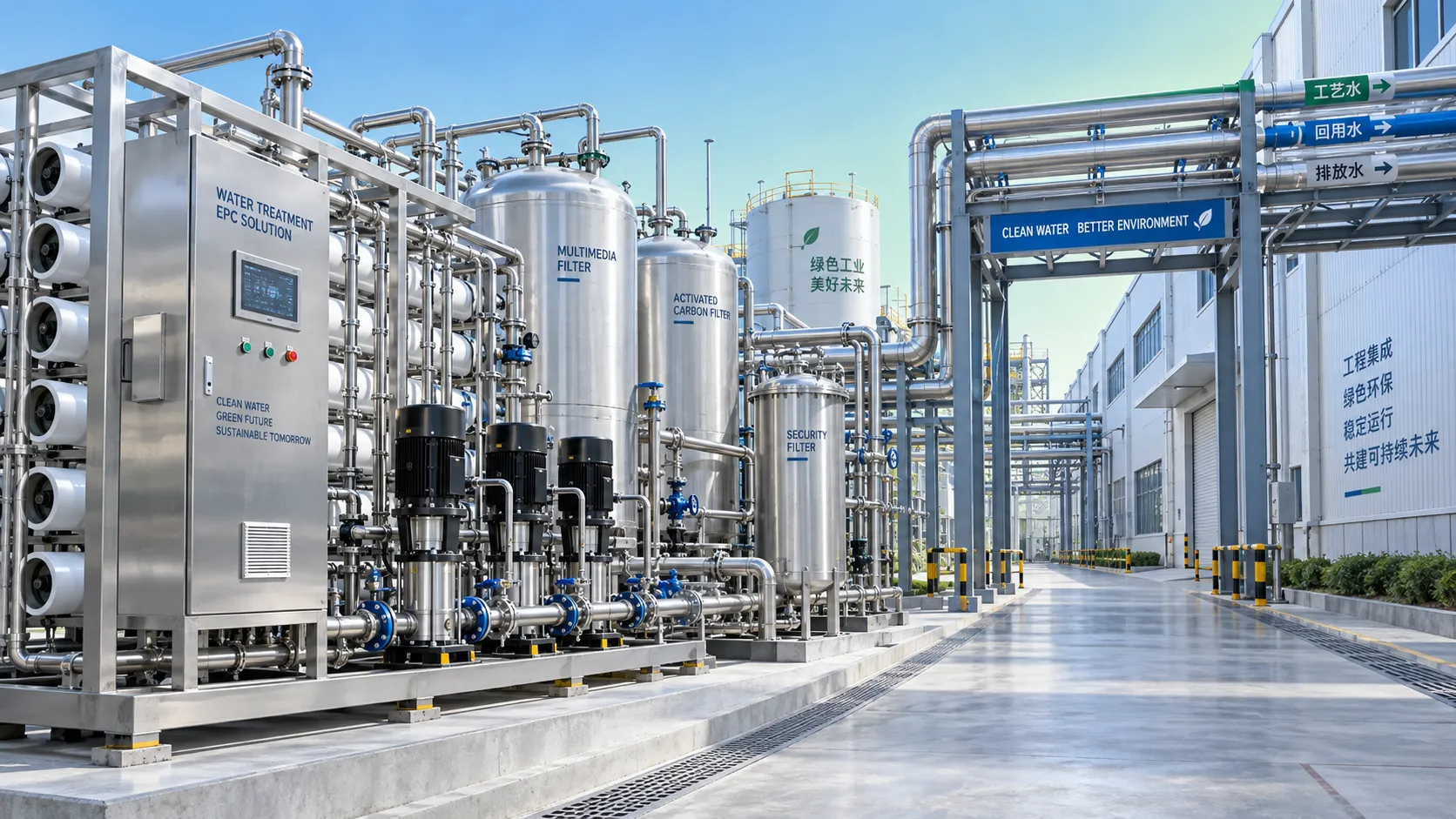
When does EPC environmental project support reduce delivery risk?
EPC environmental project support engineering reduces delivery risk by aligning design, procurement, compliance, construction, and commissioning decisions.
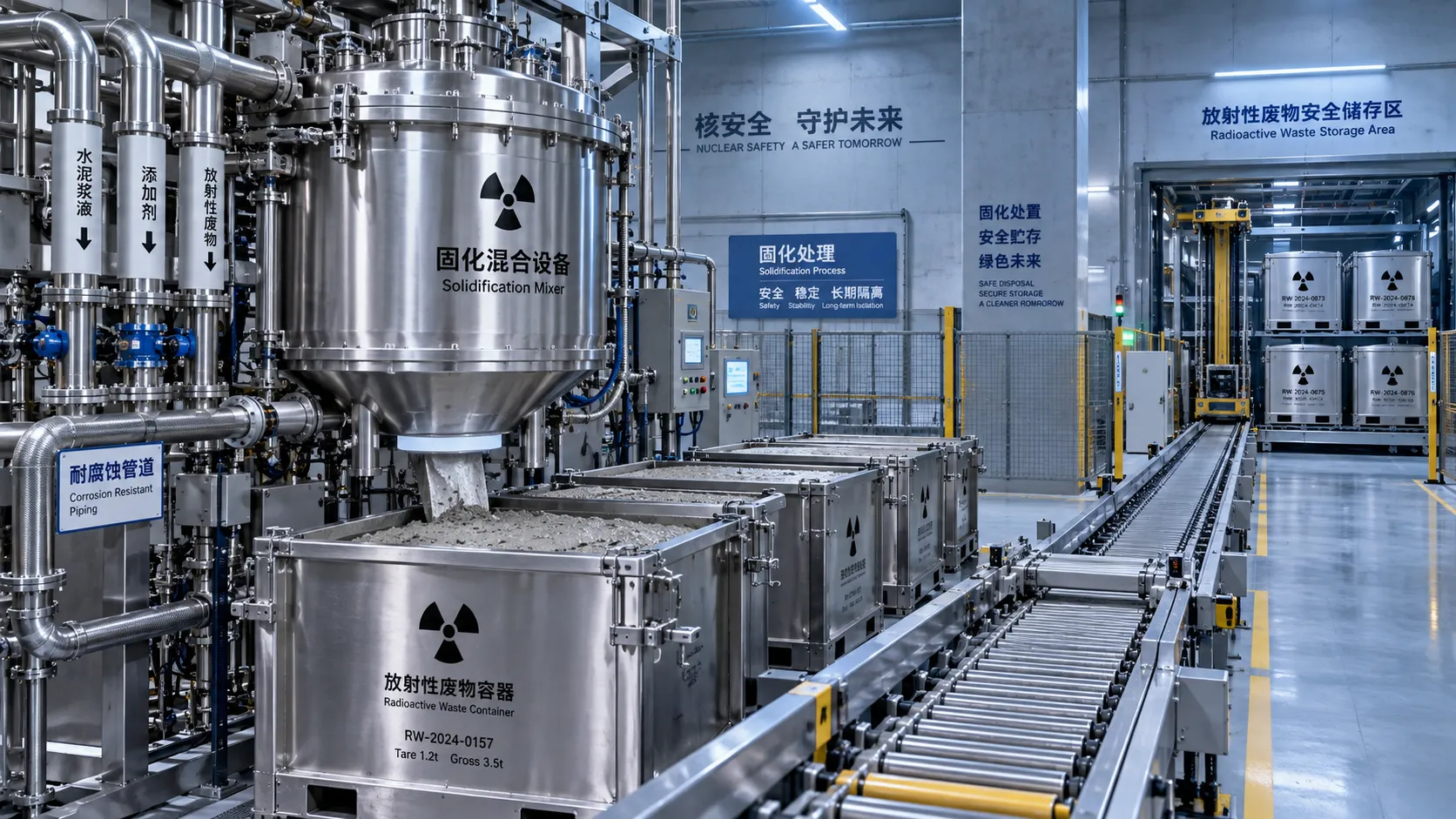
How nuclear plants select a radioactive waste solidification method
Radioactive waste management for nuclear plants: compare vitrification, cementation, polymers, and ceramics to select a compliant, durable solidification solution.
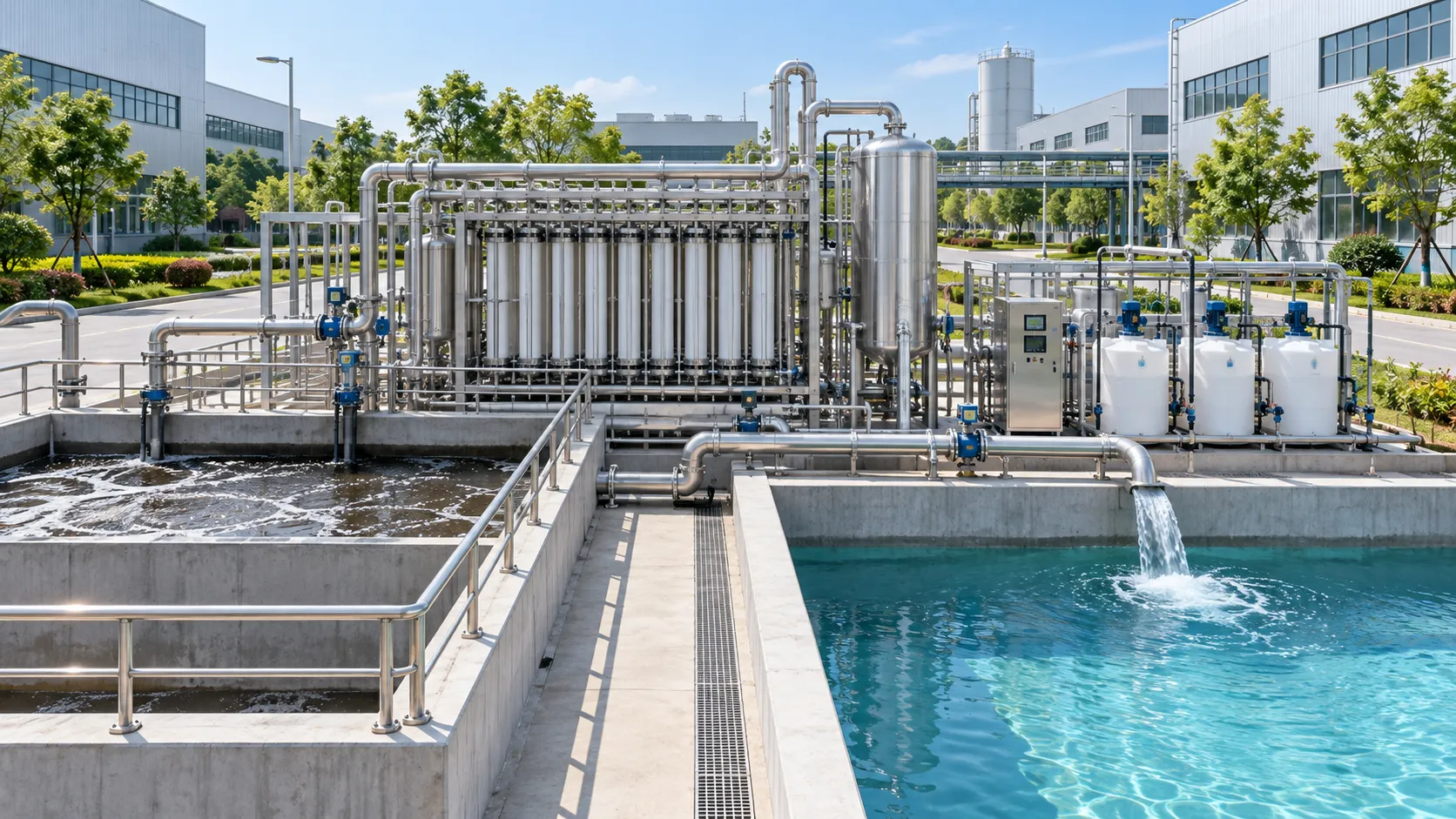
Comparing Upgrade Costs for Industrial Park Wastewater Treatment Systems
Compare costs for wastewater system upgrades in industrial parks with a lifecycle view of CAPEX, OPEX, compliance, resilience, and future expansion.
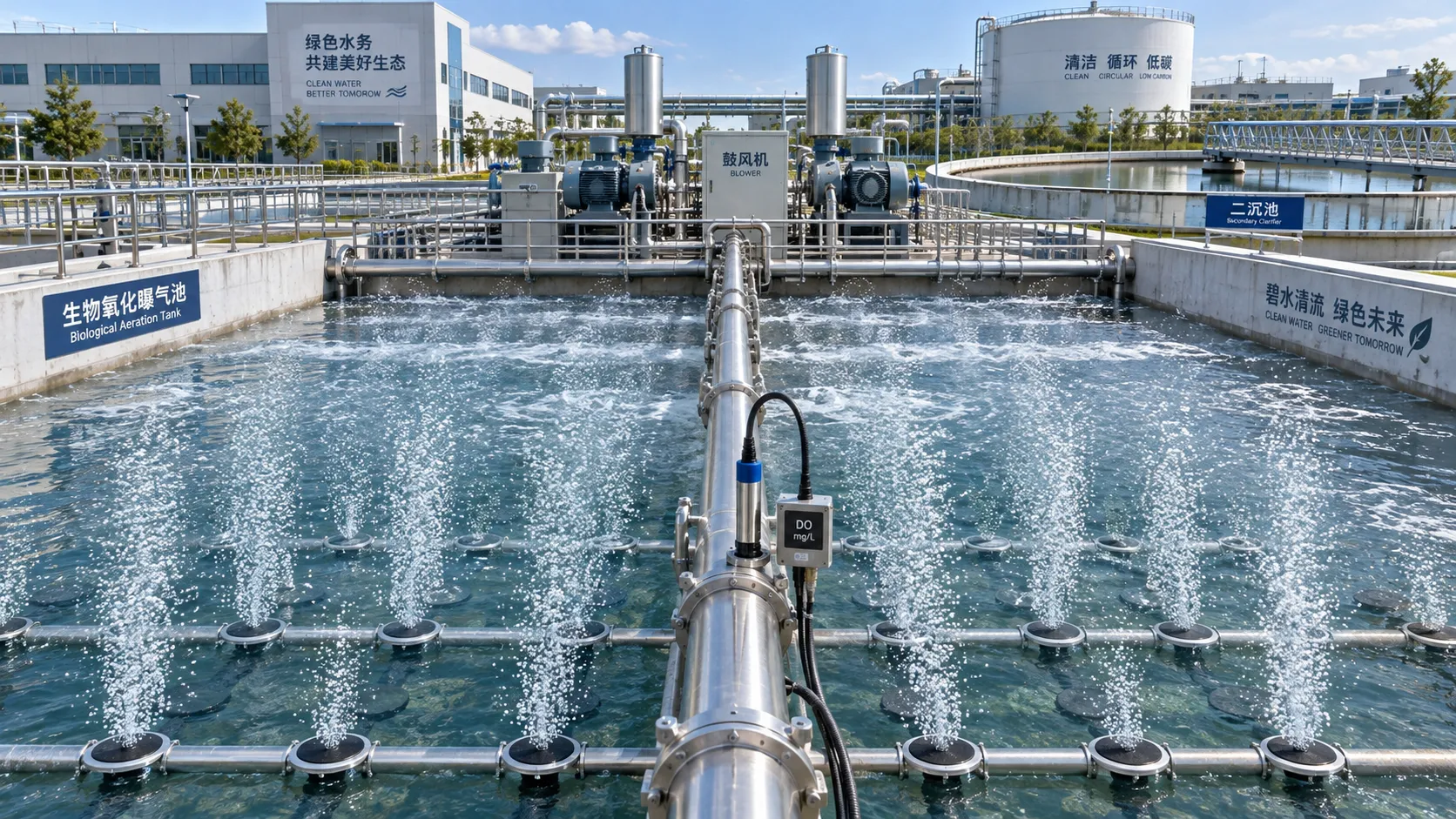
Biological Wastewater Oxidation Explained: Aeration Demand and Process Control
Biological wastewater oxidation explained: optimize aeration demand, DO control, nitrification, and sludge age for stable effluent quality and lower energy costs.
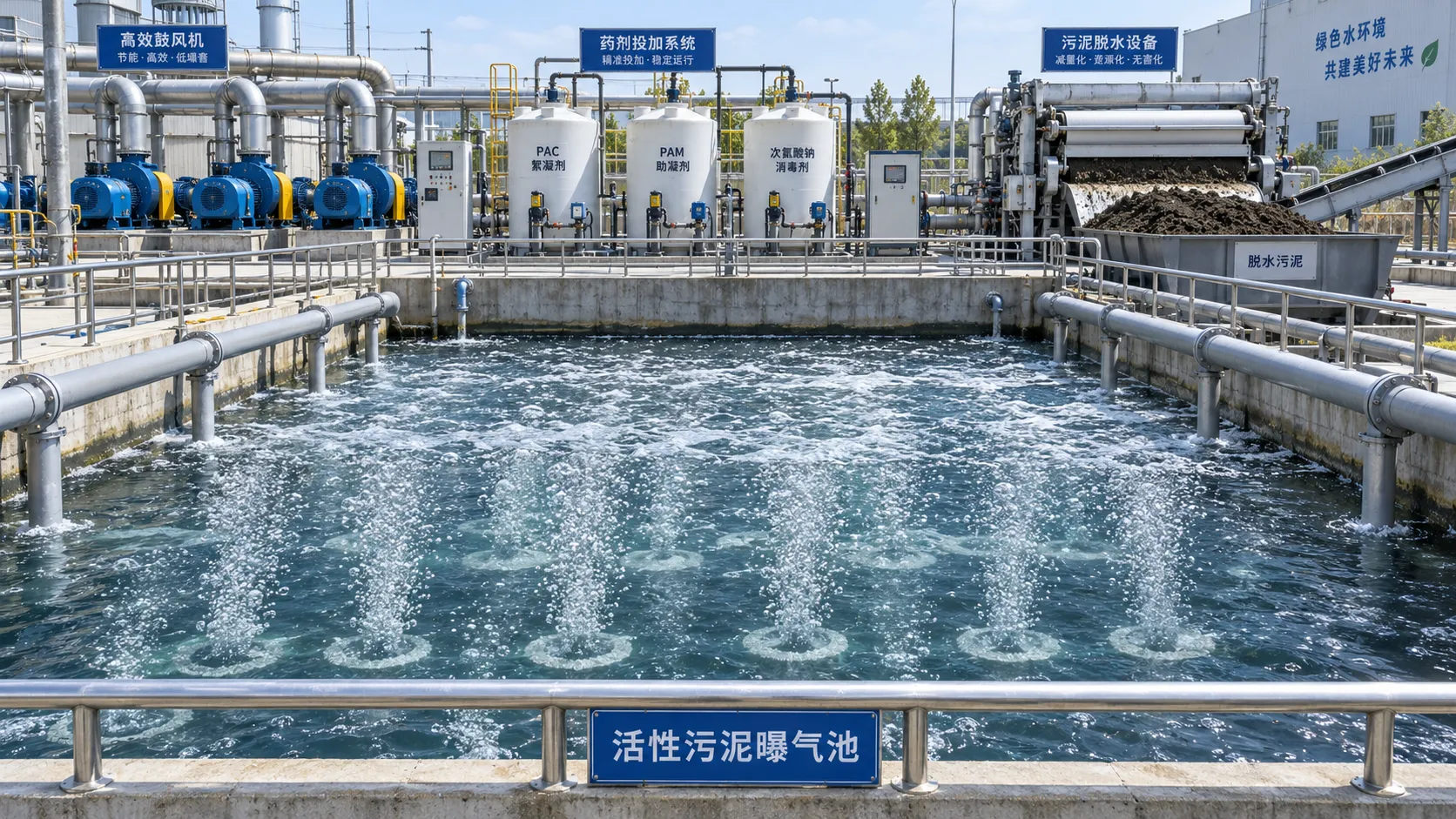
Activated Sludge Cost: Budgeting Energy, Chemicals, Sludge, and Labor
Activated sludge cost explained: compare energy, chemicals, sludge disposal, labor, and compliance risks to build a reliable lifecycle budget.
When Should Municipal Wastewater Plants Upgrade Treatment Capacity and Controls?
Municipal wastewater treatment upgrades: learn when capacity, controls, and resilient planning are needed to protect compliance and optimize plant performance.