
Industry News
Curation by industry experts
Hot Articles
Popular Tags
Solid Waste Recovery Costs: What Changes ROI in Industrial Projects
Solid Waste Recovery Costs: What Changes ROI in Industrial Projects
For financial decision-makers, solid waste recovery is no longer only an environmental initiative—it is a capital allocation question.
In industrial projects, ROI can move fast.
Feedstock quality, equipment choice, energy pricing, compliance pressure, and recovered material value all change the final investment case.
That also means a simple payback model is rarely enough.
A strong solid waste recovery decision needs a realistic view of cost drivers, downside risks, and long-term operating resilience.
Why Solid Waste Recovery ROI Is More Volatile Than It Looks
Many industrial teams first evaluate solid waste recovery through disposal savings.
That is important, but it is only one part of the economics.
The real ROI combines avoided landfill fees, transport reduction, energy use, labor demand, maintenance intensity, and revenue from recovered outputs.
More importantly, every variable changes at a different speed.
Gate fees may rise steadily, while commodity prices can swing sharply within one quarter.
In practice, the best solid waste recovery projects are not always those with the highest headline yield, but those with the most stable economics.
The First ROI Driver: Feedstock Quality and Consistency
Feedstock is where most project models become too optimistic.
A solid waste recovery line performs differently when input composition changes.
Moisture, contamination, particle size, calorific value, and hazardous fractions directly affect throughput and product quality.
This matters because design capacity is rarely equal to effective annual output.
If incoming waste varies too much, operators need more sorting, more downtime, and more blending.
Those hidden steps raise processing costs and weaken forecast margins.
Before approving any solid waste recovery investment, ask three basic questions:
- Is the feedstock source contracted, seasonal, or spot-based?
- What contamination range was used in pilot data?
- How much does ROI change under lower-grade input scenarios?
When feedstock risk is high, conservative utilization assumptions usually protect capital better than aggressive output claims.
Technology Selection Changes More Than Capex
Technology choice is often compared on purchase price first.
That is understandable, but incomplete.
A lower-cost system may require more labor, higher maintenance, or tighter feedstock control.
A premium system may cost more upfront, yet protect uptime and output quality.
In solid waste recovery, that difference can materially change net present value.
Common options include:
- Mechanical sorting for recyclable extraction and contamination removal.
- AI-assisted sorting for higher purity and lower manual dependence.
- Pyrolysis for plastics or mixed waste streams with energy and oil recovery goals.
- Refuse-derived fuel systems for thermal value capture.
Each route has a different cost structure.
Some are capex-heavy but operationally efficient.
Others look lighter on capex, but become vulnerable when labor costs rise or output specifications tighten.
The better procurement question is not “Which system is cheaper?” but “Which solid waste recovery system stays bankable under real operating conditions?”
Energy and Utility Costs Can Reshape the Payback Curve
From recent market shifts, energy has become a much stronger ROI variable.
Electricity, thermal demand, compressed air, water, and wastewater treatment all influence operating cost.
This is especially true for drying, thermal conversion, and advanced sorting stages.
A solid waste recovery project that looks attractive under low utility prices may weaken fast under stressed energy markets.
To avoid that trap, operating models should include:
- Base-case and high-cost utility scenarios.
- Peak demand penalties and load management assumptions.
- Potential heat recovery or self-generation offsets.
- Water reuse and discharge treatment implications.
In many cases, utility integration improves solid waste recovery economics more than a small reduction in equipment purchase price.
Compliance Costs Are No Longer a Side Note
Environmental compliance used to be treated as a supporting cost line.
Now it can be central to project viability.
Air emissions control, wastewater handling, ash management, hazardous residue disposal, and monitoring systems all affect lifetime cost.
This is where many solid waste recovery models become too narrow.
They estimate process equipment carefully, but underestimate permitting delays, reporting obligations, and future tightening of environmental rules.
A more durable investment case should test:
- Current compliance capex and recurring monitoring costs.
- Expected regulatory tightening across five to ten years.
- Insurance, liability, and shutdown exposure.
- Costs of non-compliance or delayed commissioning.
For procurement decisions, compliance resilience often matters as much as direct recovery yield.
Recovered Material Value Is the Most Visible, and Often the Least Stable, Variable
The upside story in solid waste recovery usually depends on product value.
Recovered metals, plastics, oils, fuel fractions, or secondary raw materials can create meaningful revenue.
But this revenue line is rarely stable enough to support optimistic assumptions.
Purity standards, buyer concentration, logistics cost, export restrictions, and commodity cycles all matter.
A project may recover large volumes, yet still miss return targets if output quality is inconsistent.
This is why revenue diligence should cover:
- Offtake agreements and floor-price structures.
- Quality penalties and rejection rates.
- Storage, packaging, and outbound transport needs.
- Local versus export market dependence.
In actual business terms, the strongest solid waste recovery projects are usually backed by contracted demand, not only forecast market prices.
A Practical Cost Framework for Procurement Approval
A useful review model should move beyond headline capex.
It should compare full lifecycle economics across realistic scenarios.
This framework helps solid waste recovery decisions stay grounded in finance, not only engineering promise.
What Stronger Projects Usually Have in Common
Across industrial markets, stronger solid waste recovery projects often share the same traits.
- They secure predictable feedstock instead of depending on uncertain supply.
- They match technology to waste reality, not to marketing claims.
- They test utilities and compliance under stressed conditions.
- They anchor revenue with offtake agreements where possible.
- They model downside cases before approving the base case.
That last point is especially important.
In a volatile market, a resilient solid waste recovery project is often more valuable than a theoretically higher-return one.
Capital tends to perform better when surprises are limited.
Final Takeaway for Investment Approval
Solid waste recovery can create real savings, new revenue, and stronger compliance positioning.
Still, ROI changes when feedstock shifts, utilities rise, regulations tighten, or output markets weaken.
That is why approval should rest on full-cycle economics, not a single optimistic payback number.
The most bankable solid waste recovery investments usually combine realistic assumptions, flexible technology, and credible downstream demand.
When procurement teams ask better cost questions early, project ROI becomes easier to defend later.
For industrial buyers, that is the real advantage: approving solid waste recovery projects that remain financially sound long after commissioning.
Recommended News
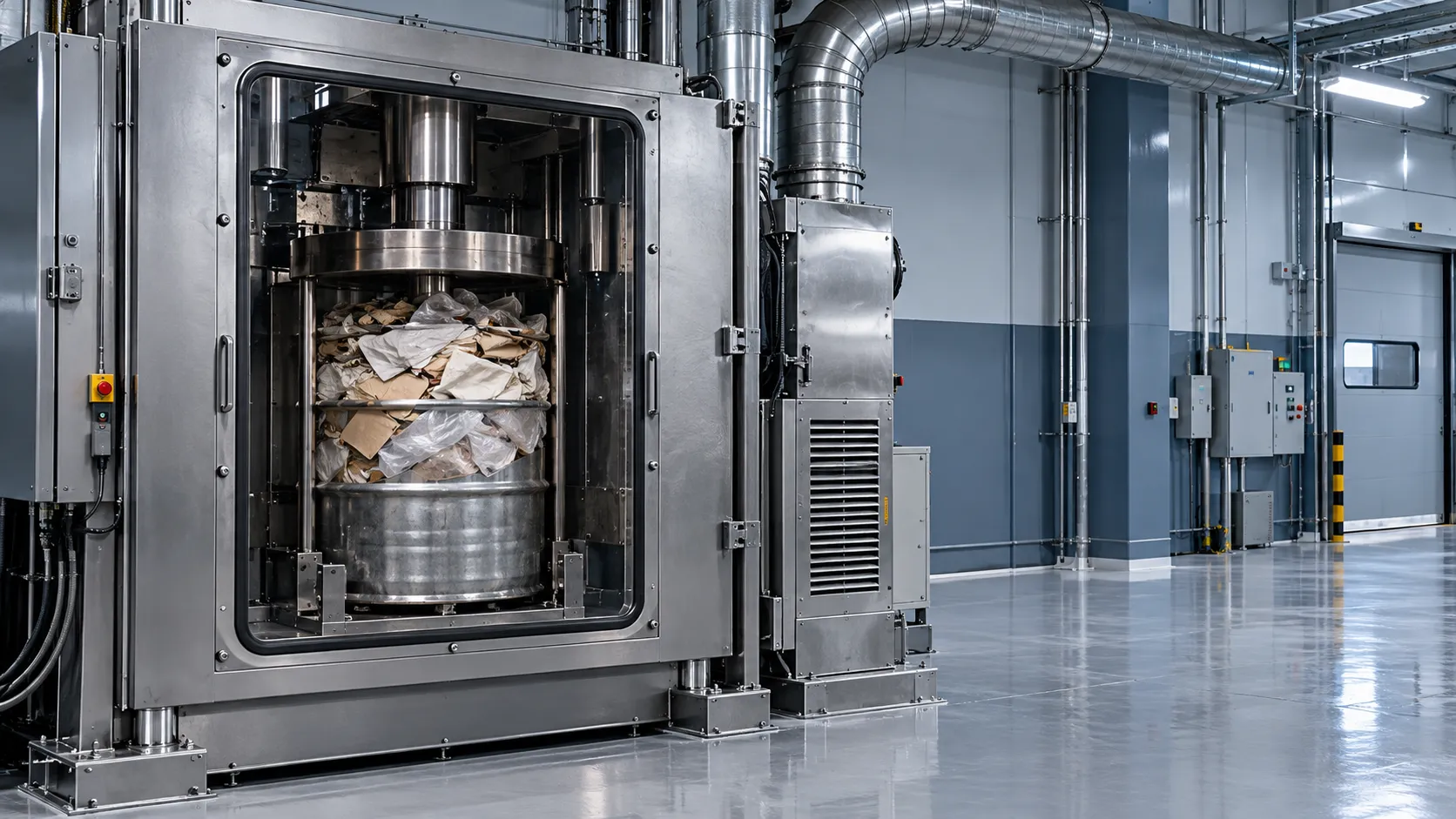
When is compaction suitable for solid nuclear waste treatment?
Is compaction right for solid nuclear waste treatment? Discover suitable waste streams, key safety checks, and disposal requirements to reduce package volume and optimize costs.
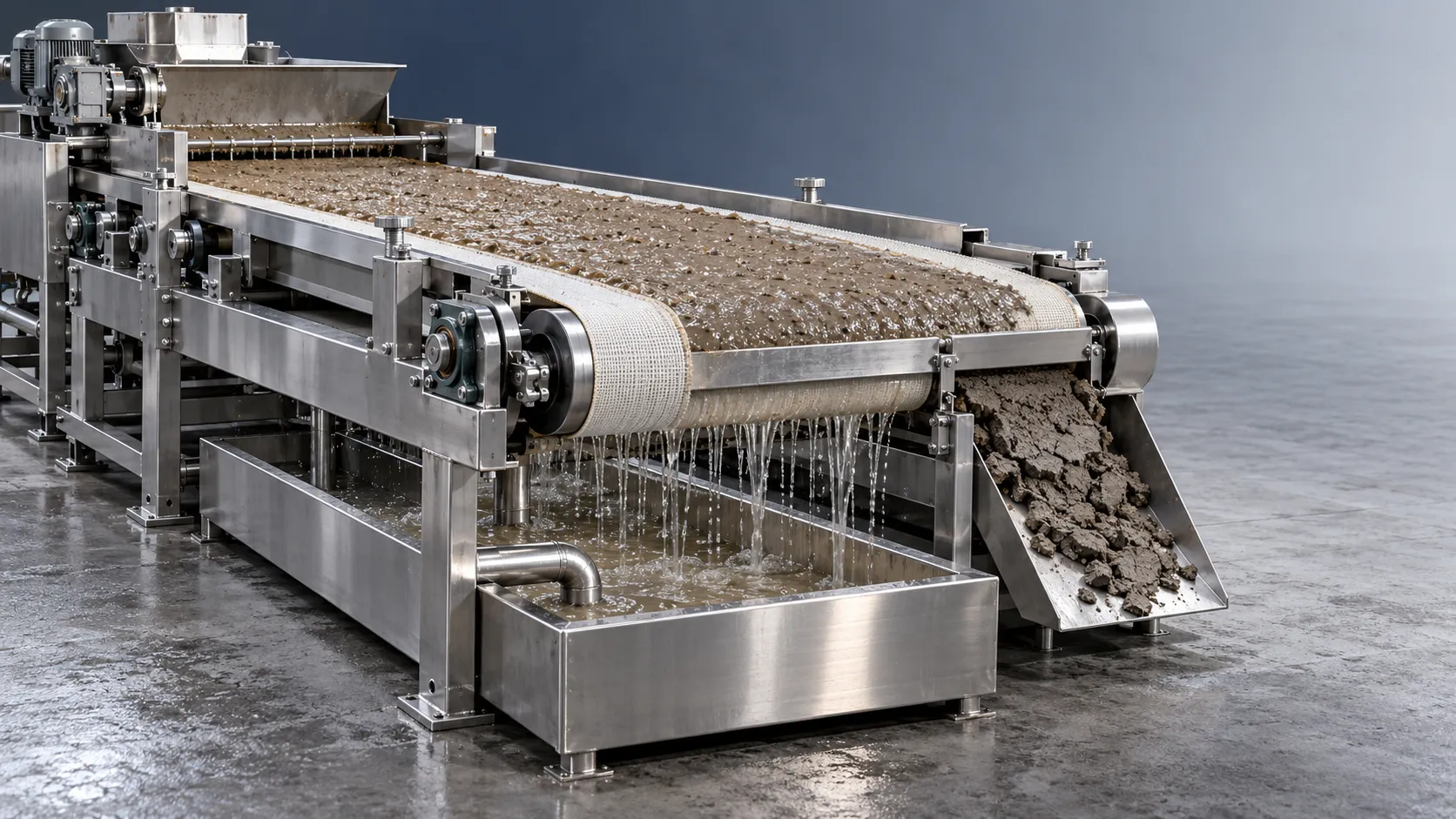
How solids concentration affects dewatering in waste recovery systems
Optimize waste recovery systems dewatering with insights on solids concentration. Learn to balance throughput, cake dryness, and solids capture while avoiding costly equipment overloads.
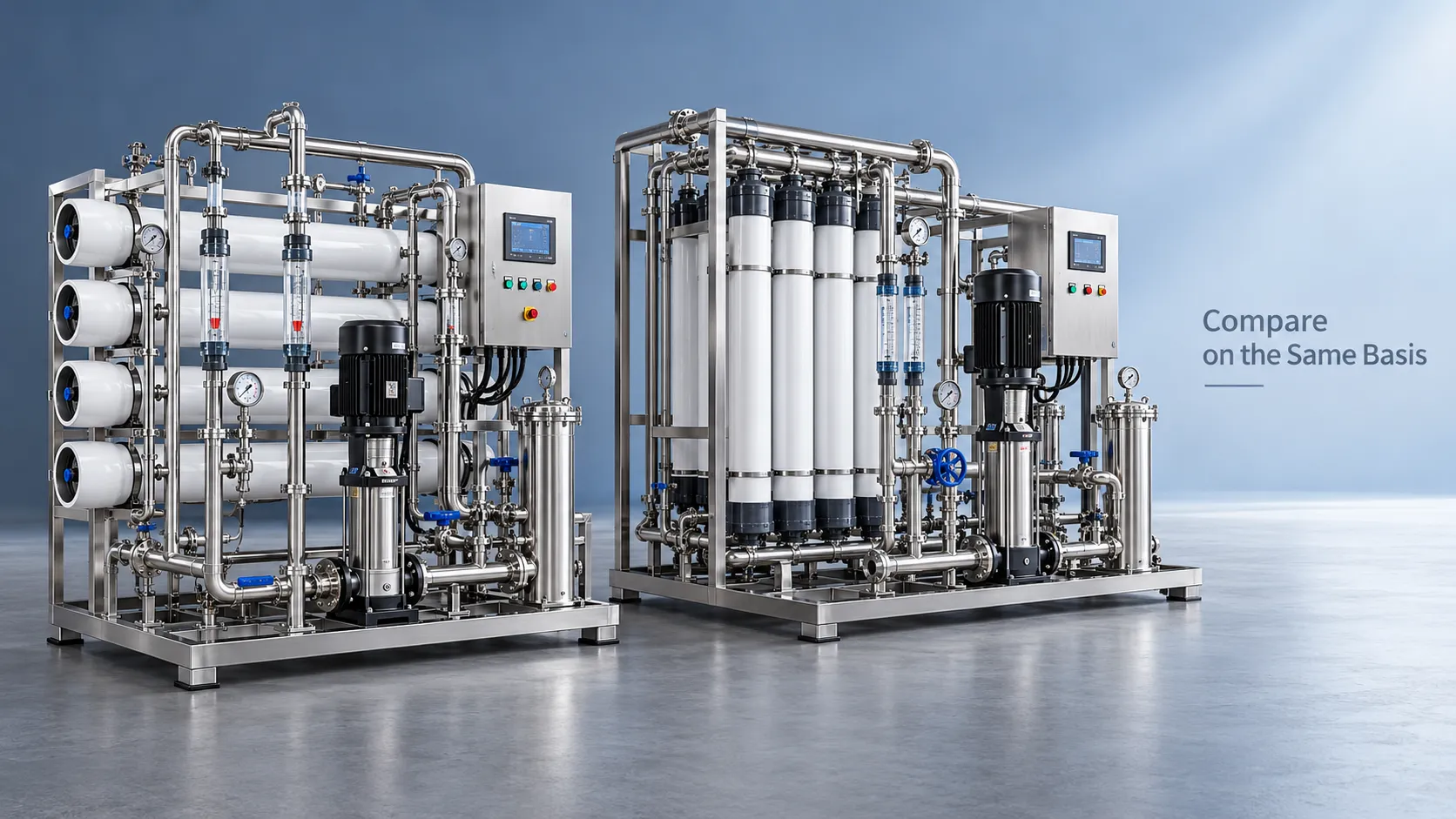
How to compare technical specs in an environmental equipment directory
Use this environmental equipment directory technical guide to compare capacity, energy use, compliance, and supplier evidence. Build a defensible shortlist and choose with confidence.
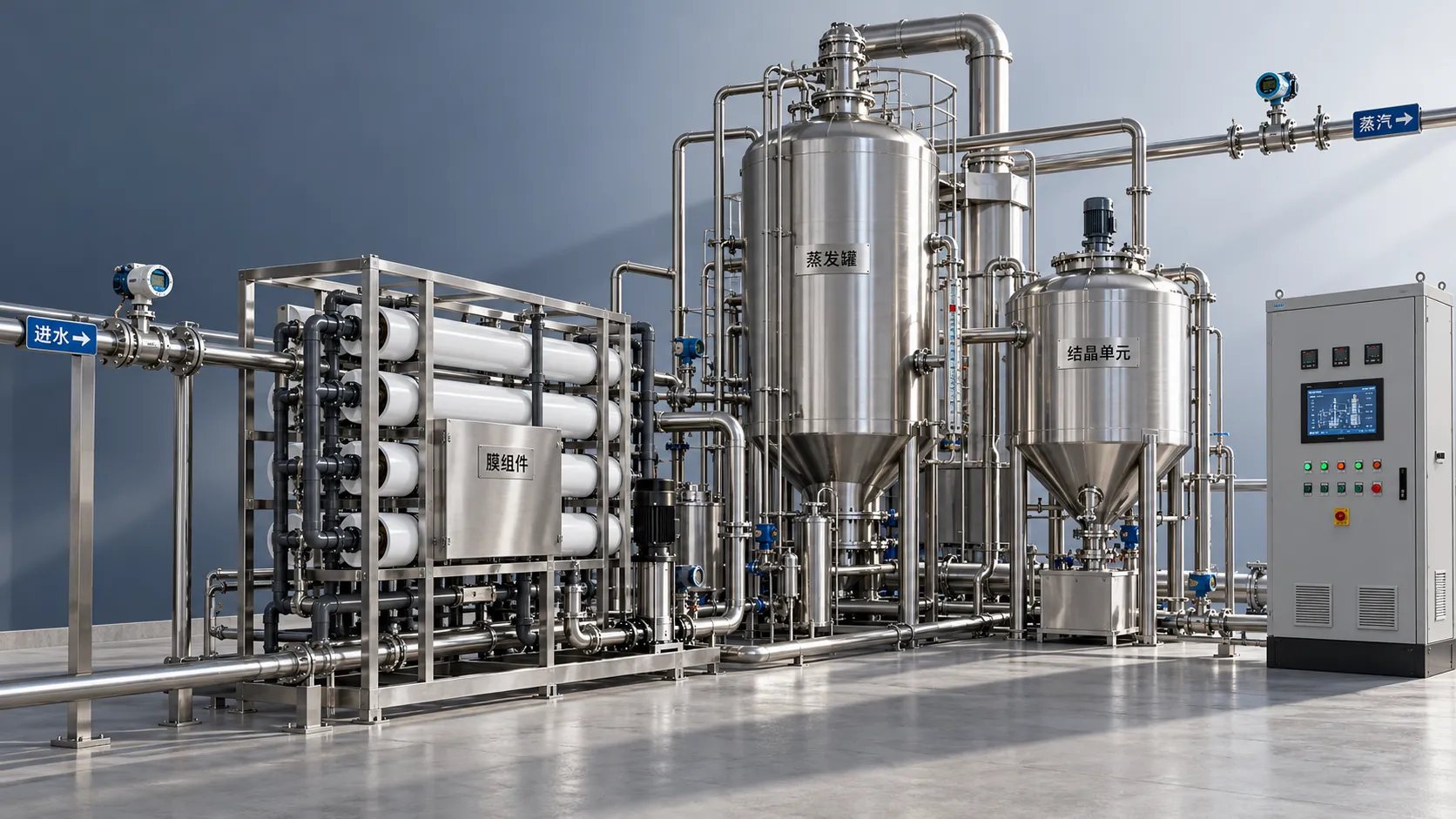
How to assess a zero liquid discharge equipment supplier’s energy claims
Assess a zero liquid discharge equipment supplier’s energy claims. Learn how to verify system boundaries, compare real costs, and demand testable guarantees before you buy.
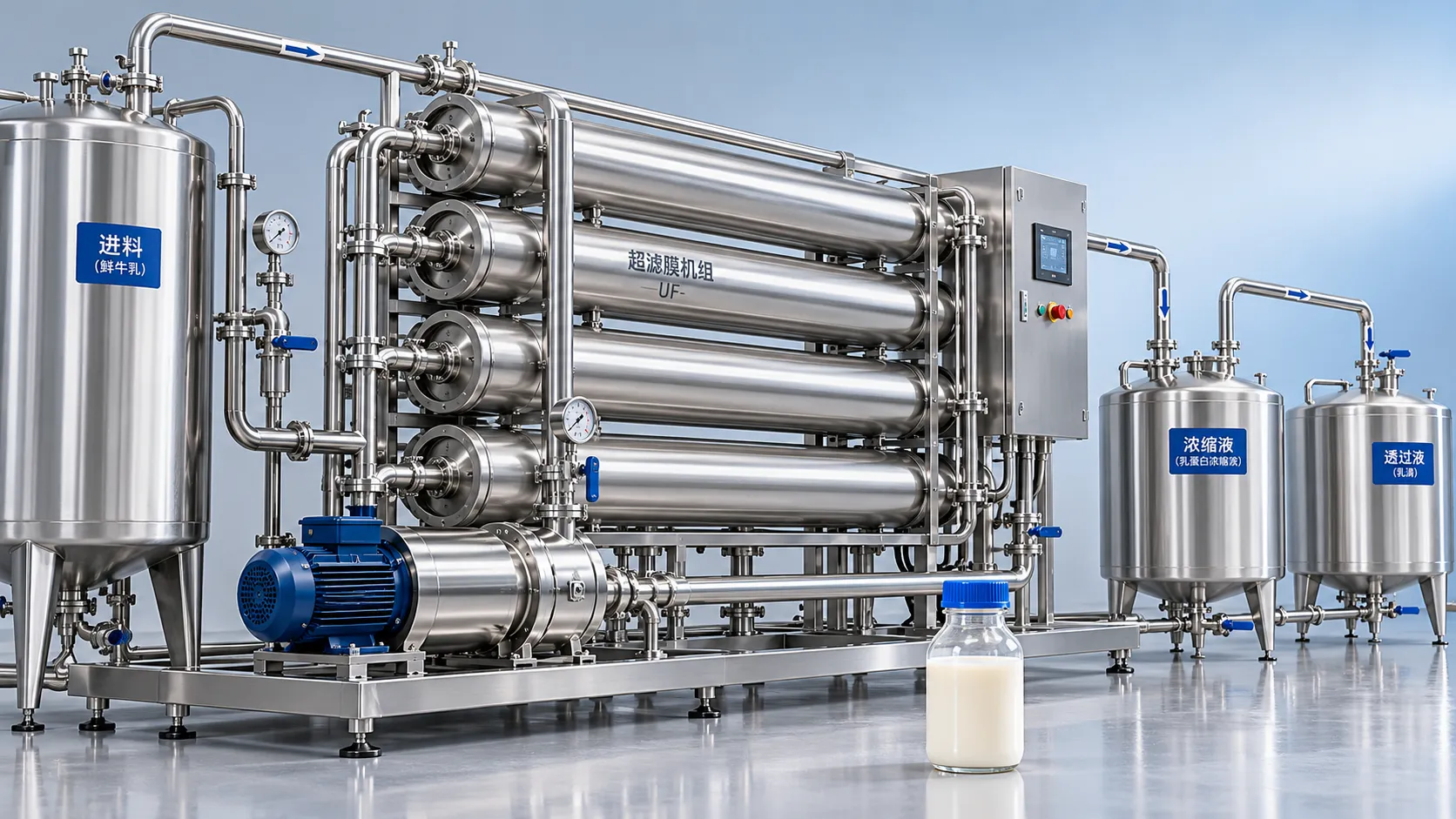
Which membrane filtration process suits dairy protein concentration?
Explore membrane filtration for dairy: compare UF, MF, and RO to select the right process for protein concentration, lactose reduction, and better recovery. Find your best fit.
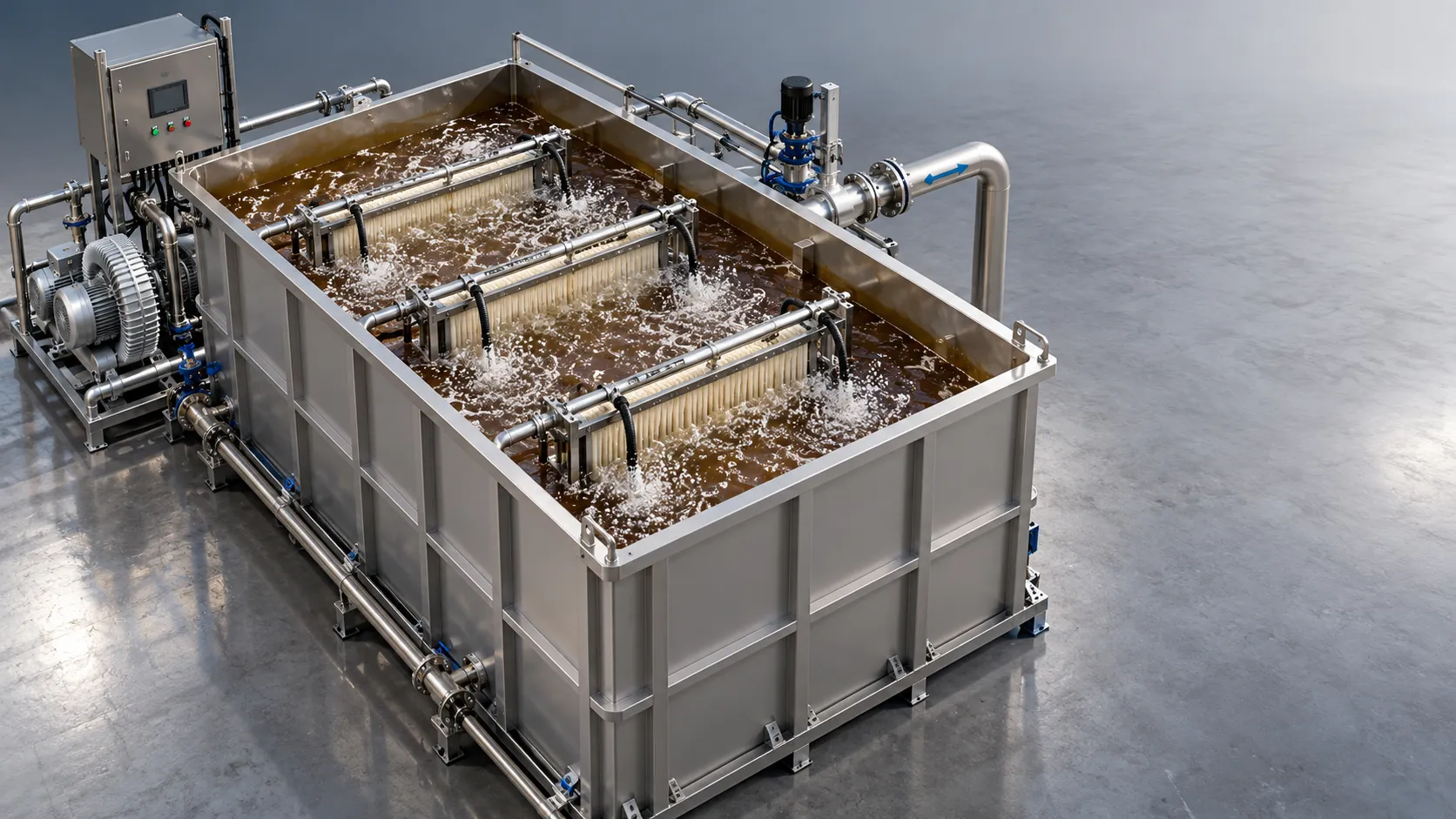
When is an MBR suitable for wastewater purification for bioprocessing?
For wastewater purification for bioprocessing, discover when an MBR fits your needs. Compare water quality, fouling risks, and lifecycle costs before investing.
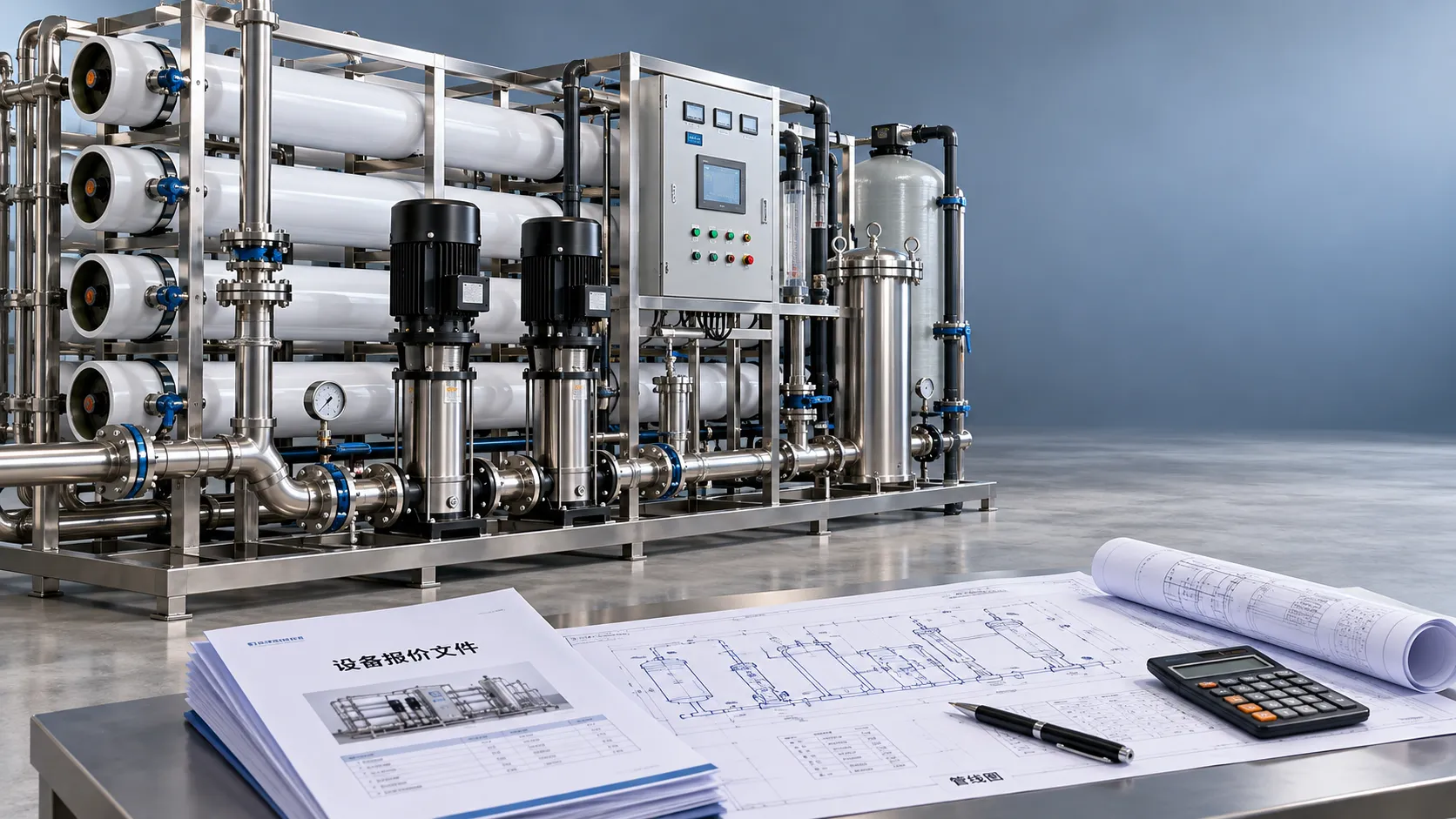
How to check a water treatment quotation for hidden project costs
Review your water treatment quotation for hidden costs, scope gaps, and operating expenses. Learn what to check before signing to protect your budget and avoid costly surprises.
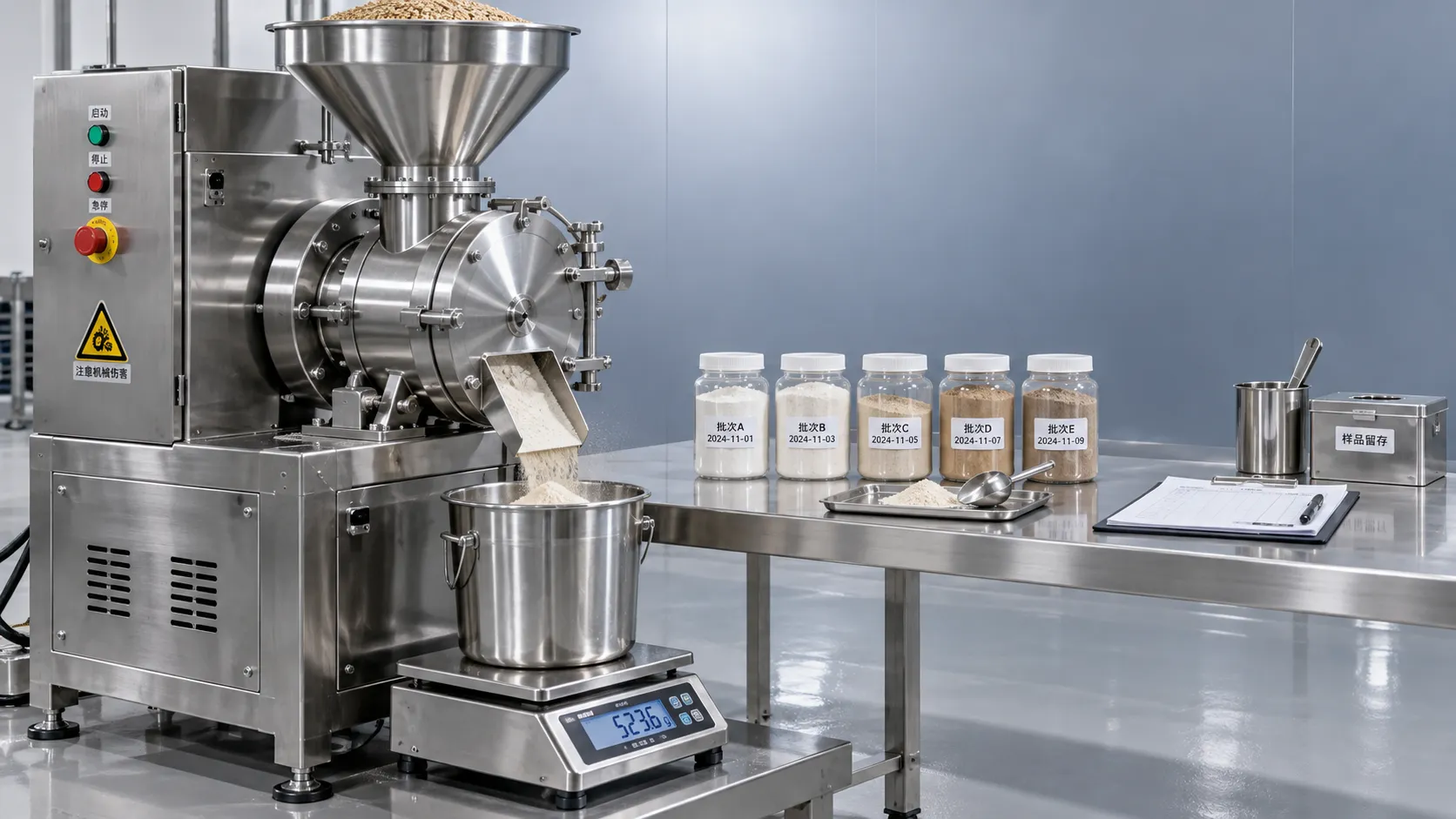
How to vet ingredient processing equipment manufacturers using trials
Vet ingredient processing equipment manufacturers with real-world trials. Learn how to verify yield, cleaning, energy use, and scale-up before you invest.
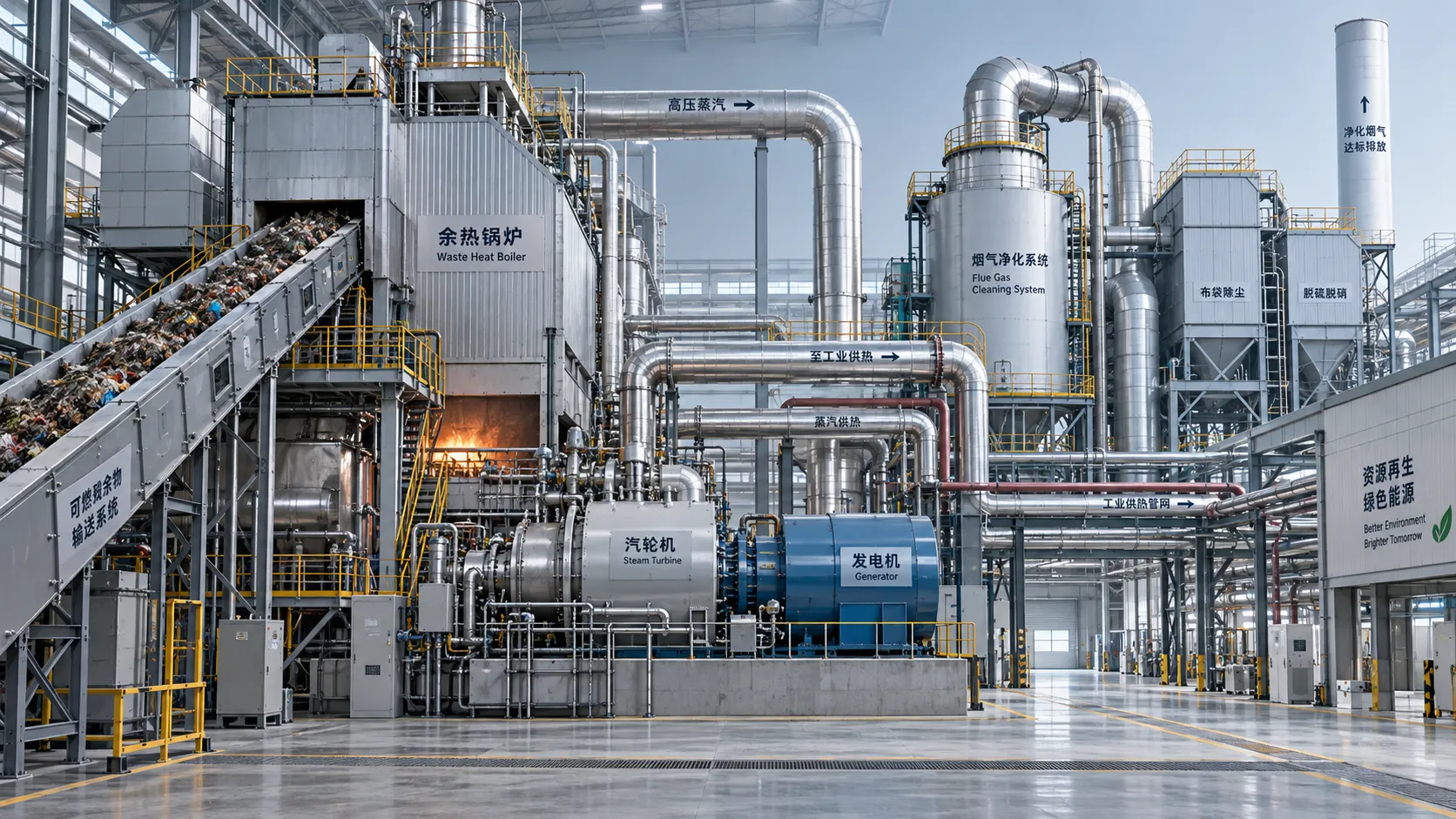
When is energy recovery viable in the solid waste recovery process?
When is energy recovery viable in the solid waste recovery process? Explore feedstock quality, net energy, emissions, and costs to assess feasibility and make smarter investment decisions.