
Industry News
Curation by industry experts
Hot Articles
Popular Tags
Wastewater Intelligence Tools: What Improves Process Control First?
Wastewater Intelligence Tools: What Improves Process Control First?
For operators under pressure to stabilize effluent quality, cut downtime, and respond faster to process deviations, wastewater intelligence tools are becoming the first practical upgrade—not the last.
From sensor-driven visibility to real-time alerts and control insights, wastewater intelligence helps teams see what is changing before performance slips.
That matters because better process control rarely starts with larger equipment. It usually starts with sharper awareness, faster decisions, and tighter daily follow-through.
In practical terms, the first gains often come from seeing influent shifts earlier, tracking asset behavior more clearly, and responding before alarms turn into violations.
This is where wastewater intelligence moves from a nice dashboard to a real operating advantage.
Why wastewater intelligence changes process control so quickly
Process control problems are often not sudden. They build through small changes that teams do not see early enough.
A blower draws more power. Sludge age drifts. DO becomes unstable. Feed quality shifts after a production change upstream.
None of these signals look dramatic at first. Together, they quietly reduce treatment stability.
Wastewater intelligence brings those weak signals into view. It connects sensor data, trends, alerts, and operating context into something teams can act on fast.
That is why the earliest benefit is usually not automation alone. It is earlier intervention.
When teams intervene earlier, they protect effluent quality, chemical efficiency, energy use, and maintenance planning at the same time.
The first question to ask
Before buying more software, ask one simple question: where does process control break down first in daily operations?
For many plants, the answer is not a missing machine. It is delayed visibility.
- Influent quality changes are noticed too late.
- Operators spend time checking scattered screens and logs.
- Alarms show symptoms, not root causes.
- Control responses depend too heavily on individual experience.
- Maintenance issues appear only after performance has dropped.
Wastewater intelligence addresses these gaps first, which is why it often improves process control faster than a major hardware retrofit.
What improves first after adoption
Not every metric improves at once. The fastest gains usually appear in a few high-impact areas.
1. Influent change detection
This is often the first and most valuable win.
When wastewater intelligence tracks flow, pH, conductivity, turbidity, COD proxies, ammonia, and temperature together, pattern changes stand out earlier.
Instead of reacting after clarifiers upset or biology weakens, teams get a lead time window.
That lead time is what improves process control first.
2. Aeration and biological stability
Aeration is expensive, sensitive, and easy to misjudge during changing loads.
With wastewater intelligence, operators can compare DO behavior, airflow, ammonia trends, and basin response in one view.
This makes it easier to spot over-aeration, under-aeration, sensor drift, or mixing problems.
The result is steadier nitrification and better energy discipline without guessing.
3. Chemical dosing consistency
Coagulants, pH correction chemicals, carbon sources, and dewatering polymers are often adjusted under time pressure.
Wastewater intelligence reduces trial-and-error by linking dose changes to actual process response.
That gives teams a clearer basis for tuning cost versus performance.
In many plants, that alone pays back early investment.
4. Alarm quality and response speed
Too many alarms create noise. Too little context creates hesitation.
Wastewater intelligence improves both by ranking urgency, showing trend direction, and linking alarms to upstream signals.
That means faster, more confident action during shift operations.
The most useful wastewater intelligence tools in daily operations
The best wastewater intelligence setup is not always the most complex one.
It is the one that helps teams make better decisions during real operating pressure.
Trend dashboards with operating context
A useful dashboard does more than display numbers. It shows relationships.
For example, it should connect flow surges, oxygen demand, blower loading, and effluent risk in one operating story.
Exception-based alerts
Good alerts do not flood screens. They highlight conditions that need action now.
The strongest wastewater intelligence systems use thresholds, rate-of-change triggers, and combined conditions.
That approach catches instability earlier than single-point alarms.
Asset health visibility
Process control depends on asset condition more than many teams realize.
A fouled sensor, unstable VFD, weak blower, or sticking valve can distort process behavior quickly.
Wastewater intelligence helps separate true process shifts from equipment-related noise.
Shift-to-shift knowledge capture
One overlooked benefit is consistency between teams.
When events, responses, and outcomes are tracked clearly, wastewater intelligence turns personal know-how into shared operating practice.
That reduces decision gaps across shifts, weekends, and staffing changes.
How to prioritize implementation without overbuilding
A common mistake is trying to digitize everything at once.
A better approach is to start where process control is most exposed.
- Map the top three recurring instability events.
- Identify which signals appear before each event.
- Check whether those signals are reliable and connected.
- Build alerts around early deviation, not final failure.
- Review response actions and standardize them by shift.
This sequence keeps wastewater intelligence practical, measurable, and easier to scale later.
Start with the control loops that hurt most
In many facilities, that means one of these areas first:
- Aeration control in activated sludge systems
- Equalization response during variable industrial loads
- Nutrient removal stability under changing temperature
- Chemical dosing for coagulation and pH correction
- Sludge dewatering consistency and polymer performance
If wastewater intelligence stabilizes even one of these areas, the operating impact becomes visible quickly.
Common risks that slow results
The tools matter, but execution matters more.
Several issues can weaken wastewater intelligence results, even when the platform looks strong on paper.
- Poor sensor maintenance creates false confidence.
- Too many dashboards hide the few signals that matter.
- Alert thresholds are copied from design values, not actual plant behavior.
- Operations and maintenance teams review data separately.
- No one defines what action should follow each alert.
From recent operating trends, the more successful sites treat wastewater intelligence as a decision layer, not just a reporting layer.
That also means regular review, threshold tuning, and clear ownership for response quality.
What a strong first-phase rollout looks like
A solid rollout is focused, quick to learn from, and tied to operating pain points.
This kind of phased deployment creates confidence because it ties wastewater intelligence to visible control improvement, not abstract digital transformation goals.
The practical takeaway
If the goal is better process control, start with the tools that improve visibility before they promise full autonomy.
In most facilities, wastewater intelligence delivers first value by detecting change sooner, improving alarm quality, and making operator response more consistent.
That is the real first step: not replacing judgment, but strengthening it with better timing and better evidence.
For teams managing tighter discharge targets, rising energy pressure, and unpredictable influent conditions, wastewater intelligence is no longer a future layer.
It is the most practical place to improve process control first.
The next smart move is simple: identify one unstable process area, connect the earliest signals, and use wastewater intelligence to act before performance slips.
Recommended News
When is compaction suitable for solid nuclear waste treatment?
Is compaction right for solid nuclear waste treatment? Discover suitable waste streams, key safety checks, and disposal requirements to reduce package volume and optimize costs.
How solids concentration affects dewatering in waste recovery systems
Optimize waste recovery systems dewatering with insights on solids concentration. Learn to balance throughput, cake dryness, and solids capture while avoiding costly equipment overloads.
How to compare technical specs in an environmental equipment directory
Use this environmental equipment directory technical guide to compare capacity, energy use, compliance, and supplier evidence. Build a defensible shortlist and choose with confidence.
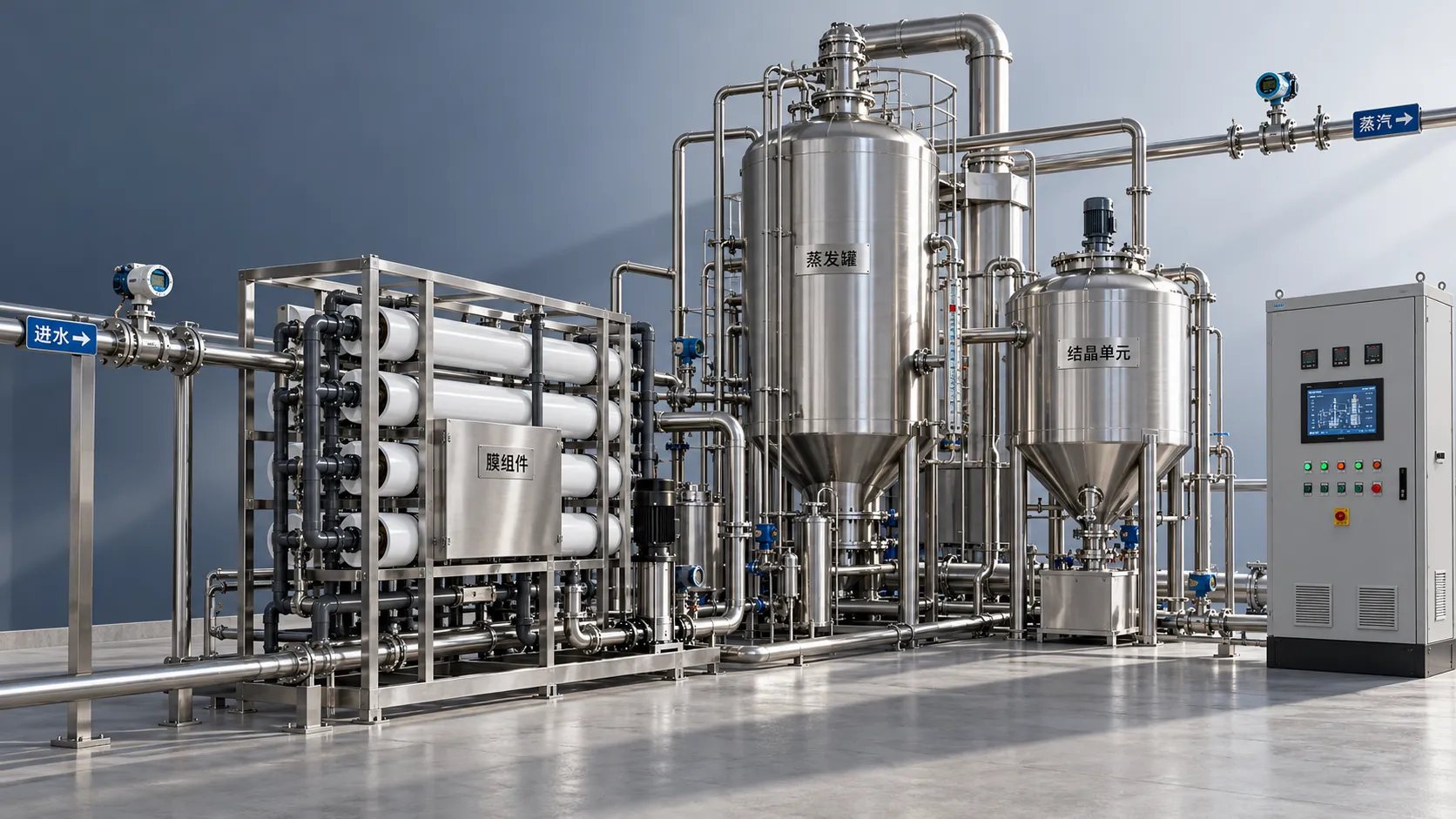
How to assess a zero liquid discharge equipment supplier’s energy claims
Assess a zero liquid discharge equipment supplier’s energy claims. Learn how to verify system boundaries, compare real costs, and demand testable guarantees before you buy.
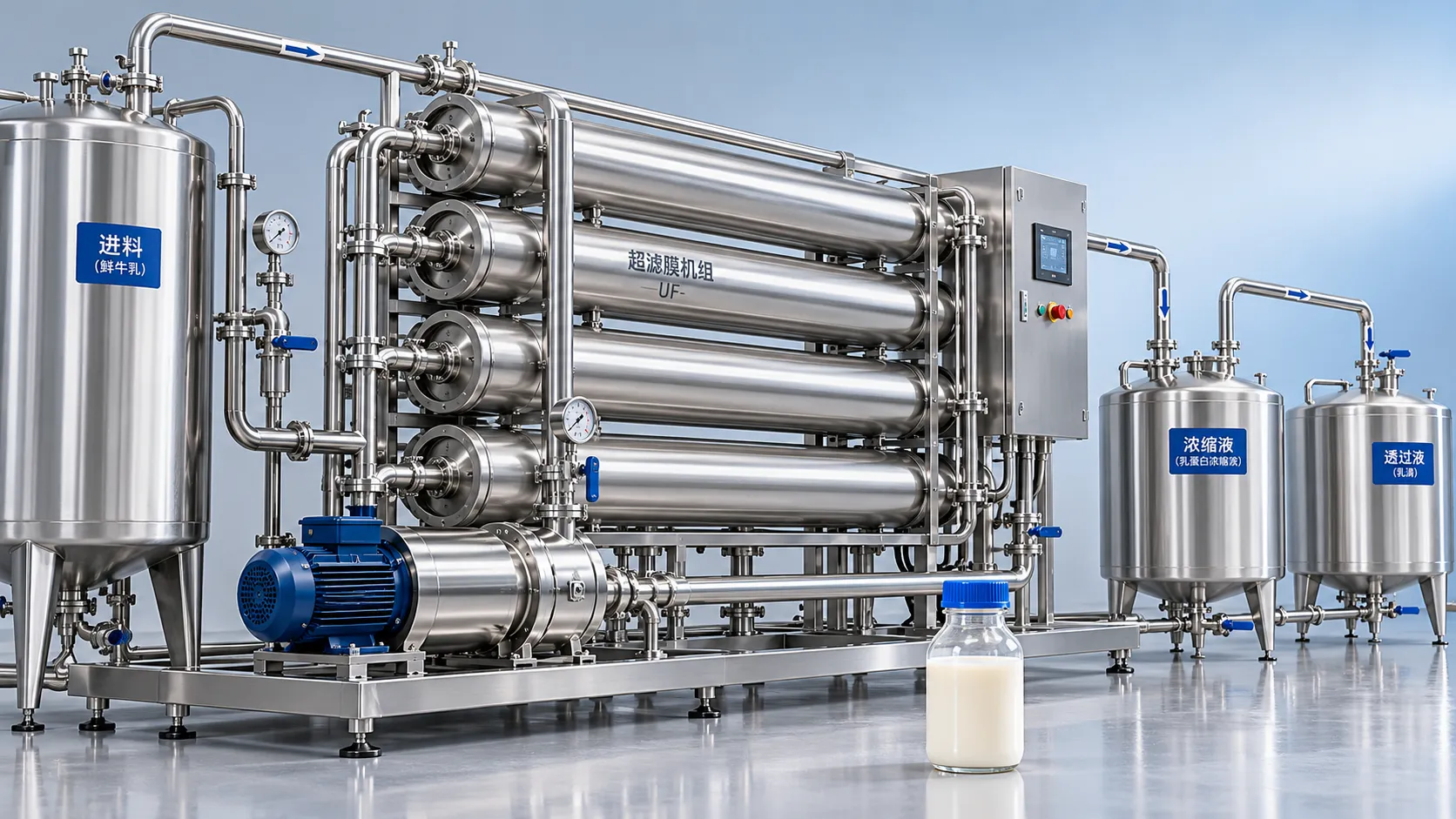
Which membrane filtration process suits dairy protein concentration?
Explore membrane filtration for dairy: compare UF, MF, and RO to select the right process for protein concentration, lactose reduction, and better recovery. Find your best fit.
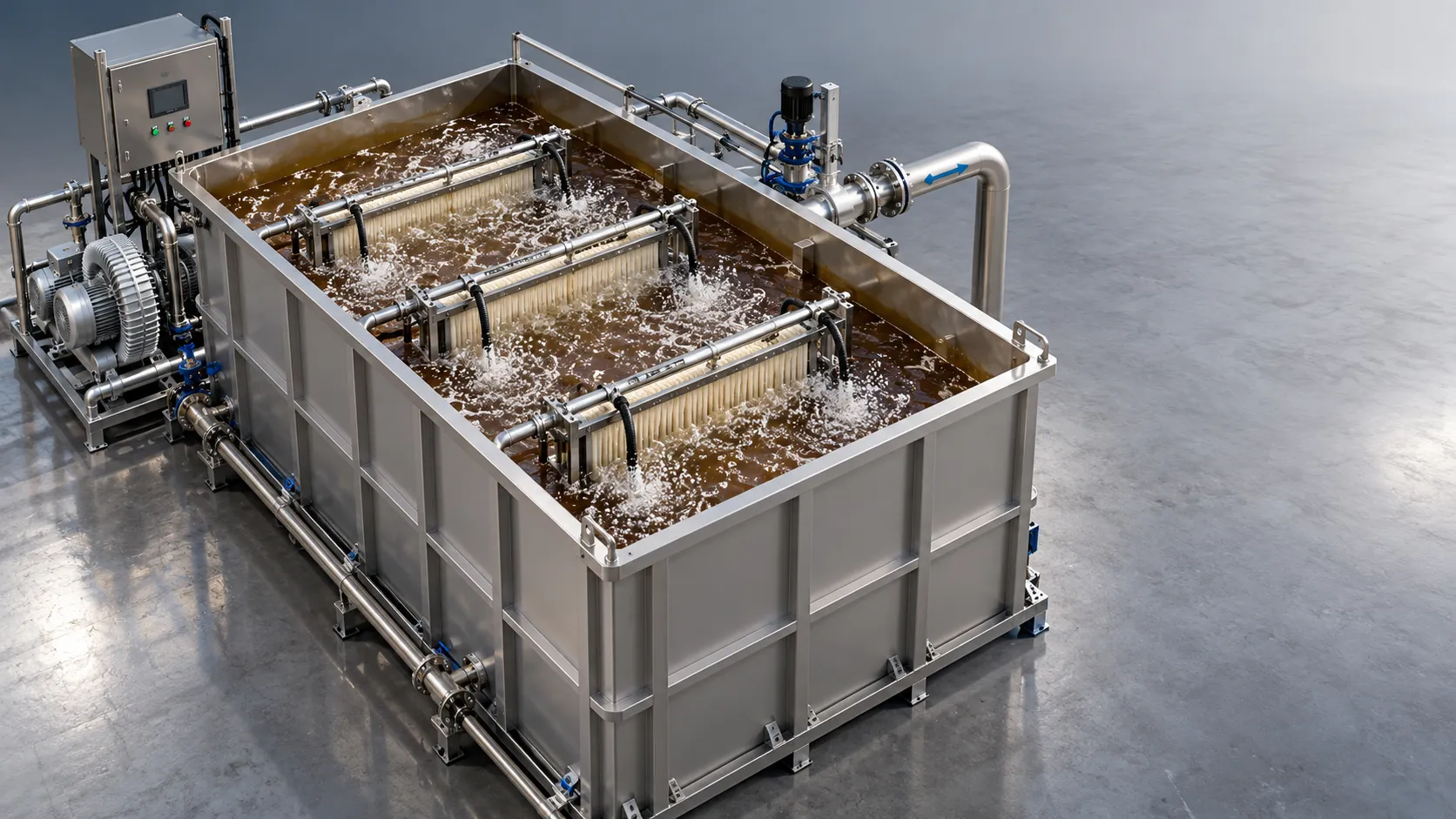
When is an MBR suitable for wastewater purification for bioprocessing?
For wastewater purification for bioprocessing, discover when an MBR fits your needs. Compare water quality, fouling risks, and lifecycle costs before investing.
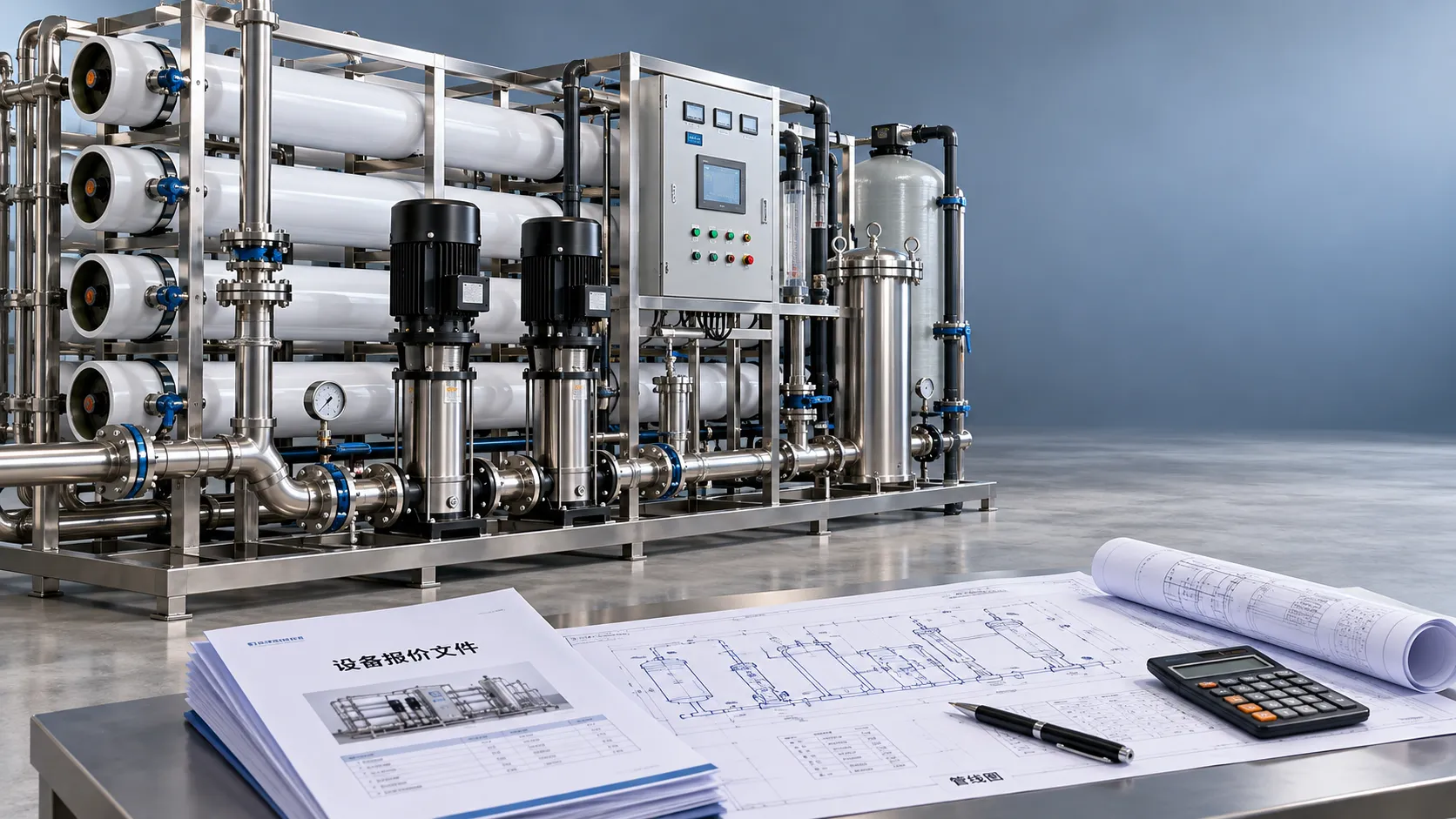
How to check a water treatment quotation for hidden project costs
Review your water treatment quotation for hidden costs, scope gaps, and operating expenses. Learn what to check before signing to protect your budget and avoid costly surprises.
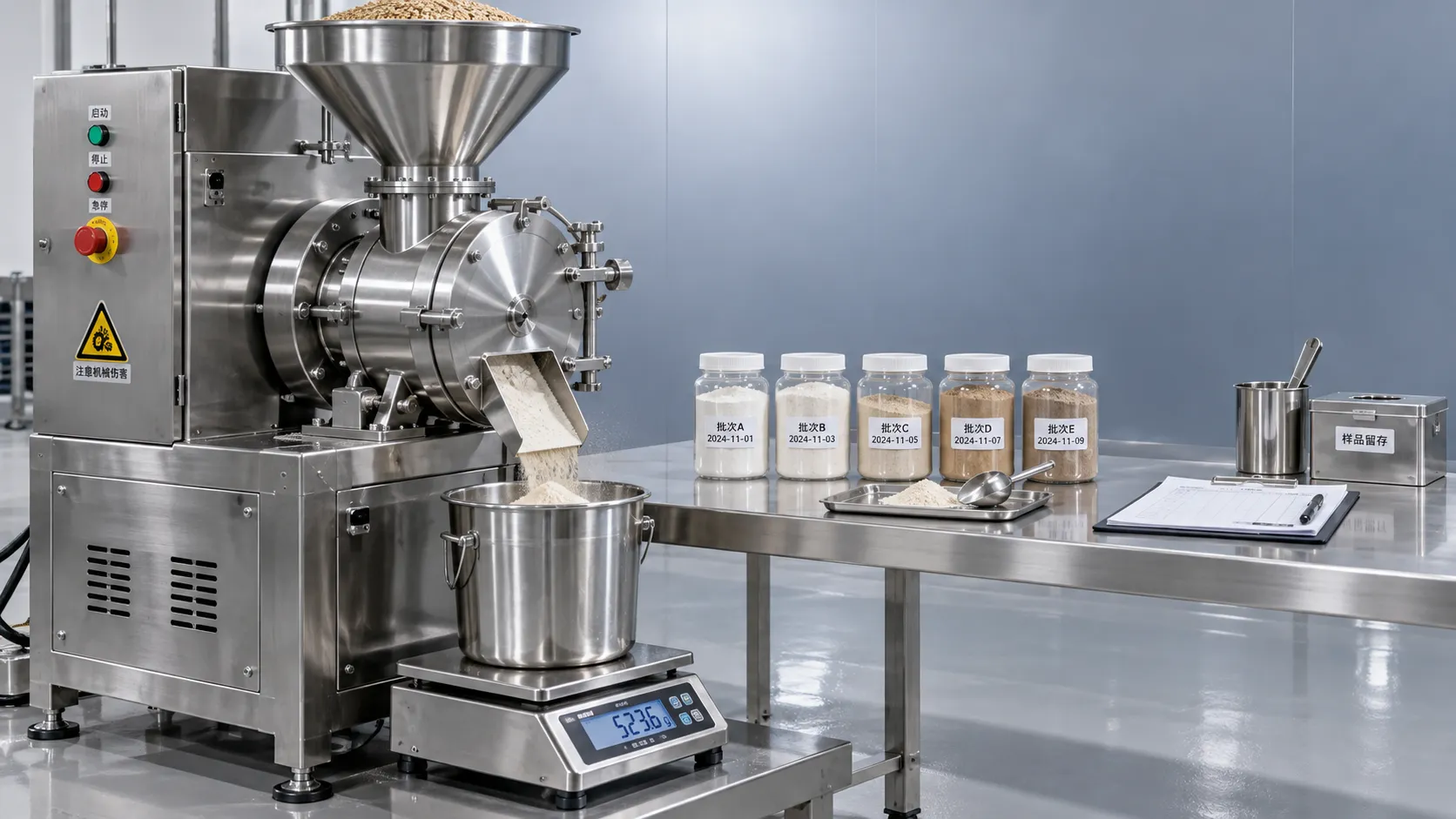
How to vet ingredient processing equipment manufacturers using trials
Vet ingredient processing equipment manufacturers with real-world trials. Learn how to verify yield, cleaning, energy use, and scale-up before you invest.
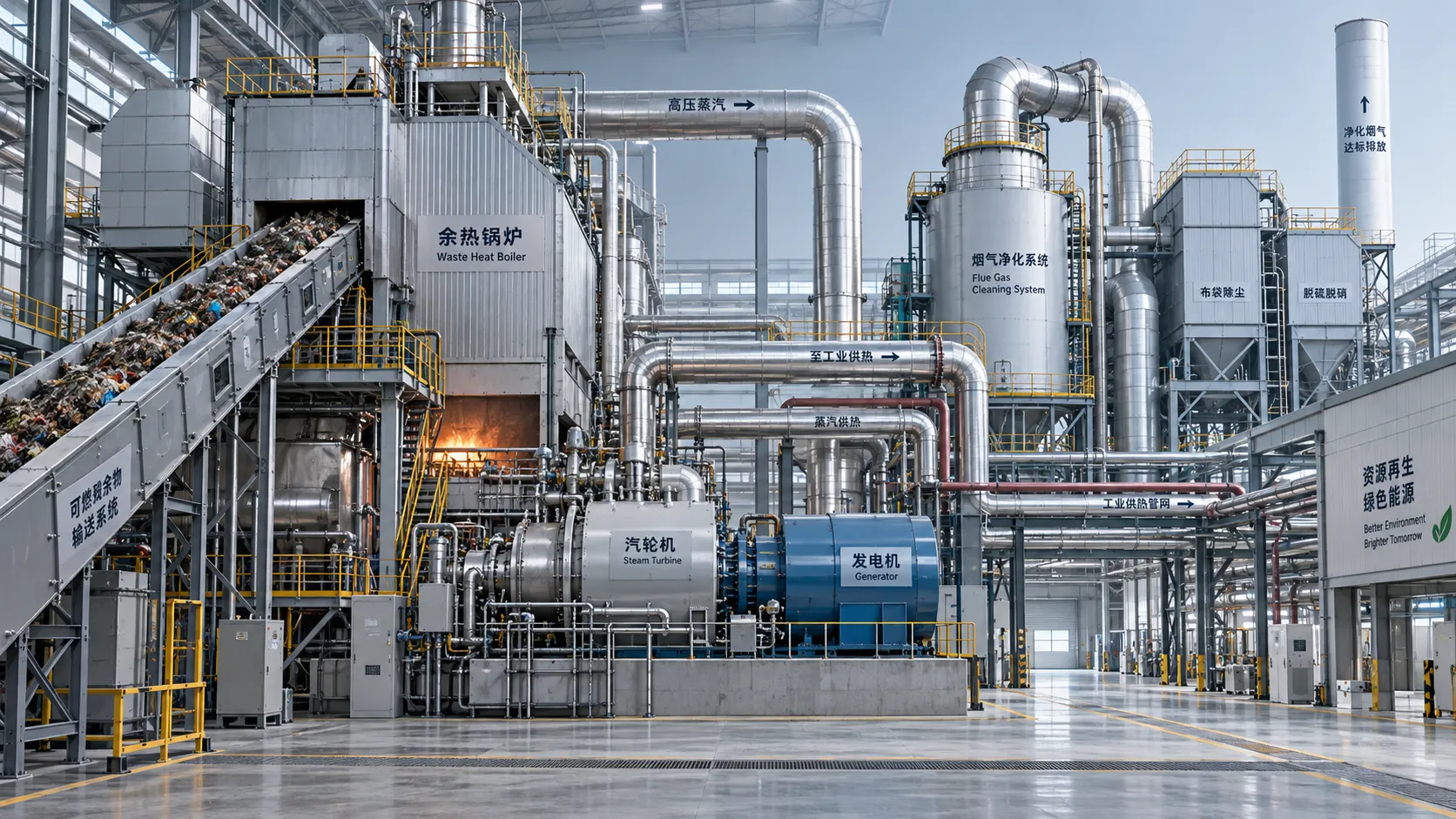
When is energy recovery viable in the solid waste recovery process?
When is energy recovery viable in the solid waste recovery process? Explore feedstock quality, net energy, emissions, and costs to assess feasibility and make smarter investment decisions.