
Industry News
Curation by industry experts
Hot Articles
Popular Tags
Urban Mining Waste Processing: Key Risks, Yields, and Tech Trade-Offs
Urban Mining Waste Processing: Key Risks, Yields, and Tech Trade-Offs
Urban mining waste processing is moving from niche recovery work to core industrial strategy.
The logic is simple.
Cities already hold large stocks of metals, polymers, rare elements, and reusable mineral fractions.
What used to be called waste now looks more like a fragmented resource base.
That shift matters for project delivery.
In urban mining waste processing, profit rarely depends on one machine alone.
It depends on feedstock quality, contamination control, process routing, offtake confidence, and compliance design.
Recent market signals make this even clearer.
Critical mineral security, landfill restrictions, and carbon pressure are pushing recovery projects into faster approval cycles.
Still, faster decisions do not remove technical risk. They only raise the cost of choosing the wrong process path.
Why Urban Mining Waste Processing Is Harder Than It Looks
At first glance, urban mining waste processing seems like a sorting problem.
In practice, it is a variability problem.
Electronic scrap, construction debris, end-of-life batteries, and mixed municipal residues all behave differently.
Moisture changes separation efficiency.
Embedded plastics alter thermal balance.
Fine particles increase dust, loss, and fire exposure.
This also means plant design cannot rely on headline recovery rates from vendor brochures.
A line that performs well on stable scrap can underperform badly on mixed urban feed.
The most successful facilities usually start with disciplined feed characterization, not aggressive nameplate claims.
Three sources of complexity
- Material diversity creates unstable particle size, density, and chemistry.
- Contaminants reduce saleable output and increase treatment cost.
- Regulatory thresholds can redefine a recoverable stream as hazardous waste.
Key Risks That Shape Project Performance
Urban mining waste processing projects often fail in the gaps between engineering, procurement, and operations.
The main risks are usually visible early, if teams look beyond equipment lists.
1. Feedstock risk
Feed inconsistency is the biggest hidden driver of weak yield.
A project modeled on one waste profile may receive something very different six months later.
Supplier contracts without composition bands create planning blind spots.
2. Contamination risk
Heavy metals, brominated compounds, oils, salts, and organics can downgrade recovered materials.
In battery and e-waste lines, cross-contamination can also trigger safety incidents.
That affects both product quality and permit status.
3. Fire and process safety risk
Lithium batteries, dust clouds, solvent residues, and hot processing stages create layered hazards.
Urban mining waste processing needs fire zoning, gas detection, inerting logic, and strong housekeeping.
4. Offtake and quality risk
Recovery is not the same as monetization.
A copper-rich fraction may still miss smelter acceptance criteria.
A recycled polymer may still fail odor, ash, or additive limits.
5. Compliance and residue risk
Every recovery process creates residues.
Dust, sludge, char, spent media, wastewater, and air emissions need a disposal or treatment route.
If residue handling is under-scoped, the full economics of urban mining waste processing can shift quickly.
Typical Recovery Yields and What They Really Mean
Yield is one of the most misunderstood metrics in urban mining waste processing.
Some teams track mass recovery.
Others track metal recovery, purity, or revenue capture.
Those are not interchangeable.
A high mass yield can still produce low-value fractions if purity is poor.
These ranges are directional, not guaranteed.
Real performance depends on pre-sorting, liberation size, contamination level, and downstream acceptance rules.
This is why yield modeling should always include three layers.
- Gross recovery at unit level.
- Net recovery after reject and residue treatment.
- Commercial recovery after purity penalties and logistics.
Core Technology Trade-Offs in Urban Mining Waste Processing
Technology selection is where many urban mining waste processing decisions become locked in.
The right answer is rarely the most advanced option on paper.
It is usually the option that best matches feed uncertainty, utility availability, labor capability, and residue obligations.
Mechanical sorting vs AI-assisted sorting
Mechanical systems are robust and easier to maintain.
AI-assisted optical sorting improves precision on mixed streams.
The trade-off is capital cost, data quality, and calibration effort.
Dry processing vs wet processing
Dry routes reduce water demand and simplify plant layout.
Wet routes can improve separation efficiency and dust control.
But they add wastewater treatment, sludge management, and corrosion exposure.
Pyrolysis vs direct material recovery
Pyrolysis can handle complex organic-rich fractions and reduce landfill burden.
Direct recovery preserves more material value when streams are clean enough.
The trade-off centers on energy use, char quality, emissions control, and product marketability.
Centralized plants vs modular systems
Centralized plants often deliver better unit economics at scale.
Modular systems reduce transport burden and support phased capacity growth.
This becomes a location strategy question as much as a process question.
A Practical Decision Framework for Better Execution
A strong urban mining waste processing plan starts with fewer assumptions and better gates.
That sounds basic, but it changes procurement quality and schedule realism.
- Define feed envelopes using seasonal, supplier, and contamination data.
- Test recovery routes at pilot or semi-industrial scale before final equipment lock-in.
- Separate technical yield from saleable yield in the financial model.
- Map all residue streams, not only target products.
- Check utility demand, emissions control, and water balance early.
- Secure offtake criteria in writing before ramp-up planning.
In real projects, these steps reduce redesign loops.
They also improve vendor comparisons.
More importantly, they make urban mining waste processing performance easier to defend during internal approvals.
What Smarter Projects Do Differently
The better projects do not chase maximum theoretical recovery at any cost.
They optimize for stable throughput, acceptable purity, safe operations, and compliant residue handling.
That is a more durable definition of success.
From a portfolio view, urban mining waste processing is no longer only a waste solution.
It is becoming a supply security tool, a compliance hedge, and a circular value platform.
That also raises the bar for project discipline.
The next wave of advantage will likely go to facilities that connect sorting intelligence, recovery chemistry, and residue governance from day one.
If the goal is reliable value recovery, urban mining waste processing should be designed as an integrated system, not a collection of isolated machines.
Recommended News
When is compaction suitable for solid nuclear waste treatment?
Is compaction right for solid nuclear waste treatment? Discover suitable waste streams, key safety checks, and disposal requirements to reduce package volume and optimize costs.
How solids concentration affects dewatering in waste recovery systems
Optimize waste recovery systems dewatering with insights on solids concentration. Learn to balance throughput, cake dryness, and solids capture while avoiding costly equipment overloads.
How to compare technical specs in an environmental equipment directory
Use this environmental equipment directory technical guide to compare capacity, energy use, compliance, and supplier evidence. Build a defensible shortlist and choose with confidence.
How to assess a zero liquid discharge equipment supplier’s energy claims
Assess a zero liquid discharge equipment supplier’s energy claims. Learn how to verify system boundaries, compare real costs, and demand testable guarantees before you buy.
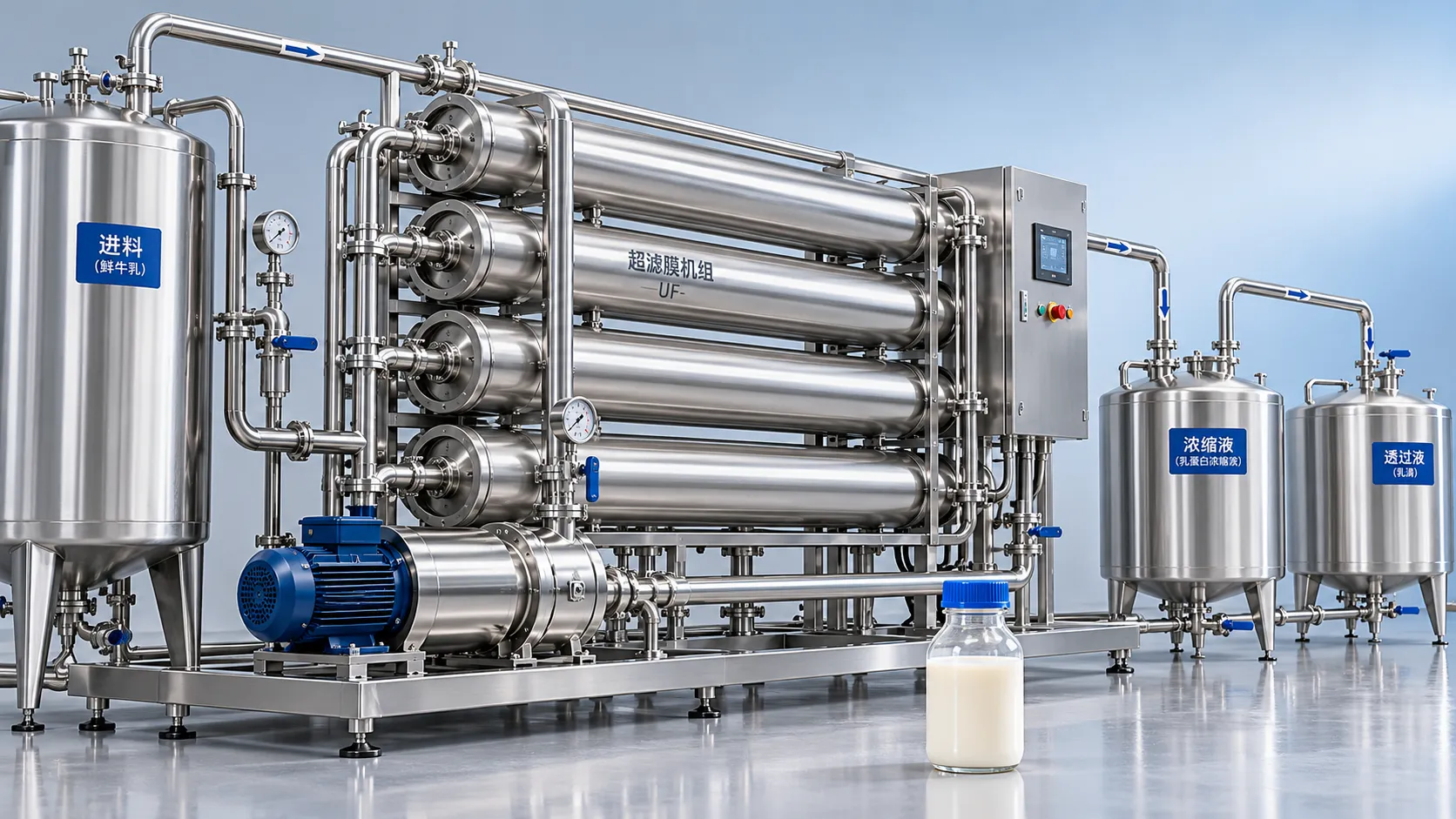
Which membrane filtration process suits dairy protein concentration?
Explore membrane filtration for dairy: compare UF, MF, and RO to select the right process for protein concentration, lactose reduction, and better recovery. Find your best fit.
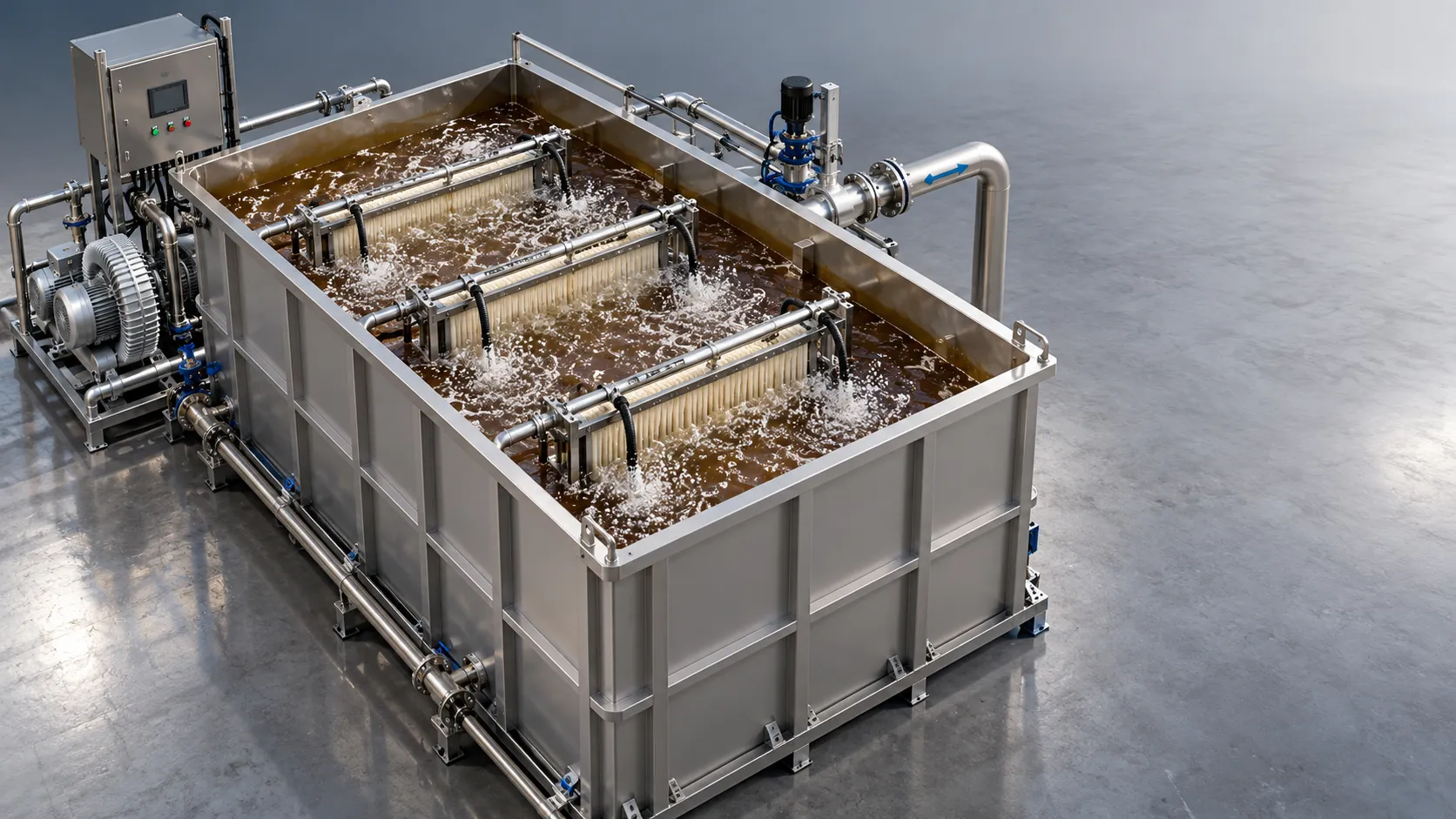
When is an MBR suitable for wastewater purification for bioprocessing?
For wastewater purification for bioprocessing, discover when an MBR fits your needs. Compare water quality, fouling risks, and lifecycle costs before investing.
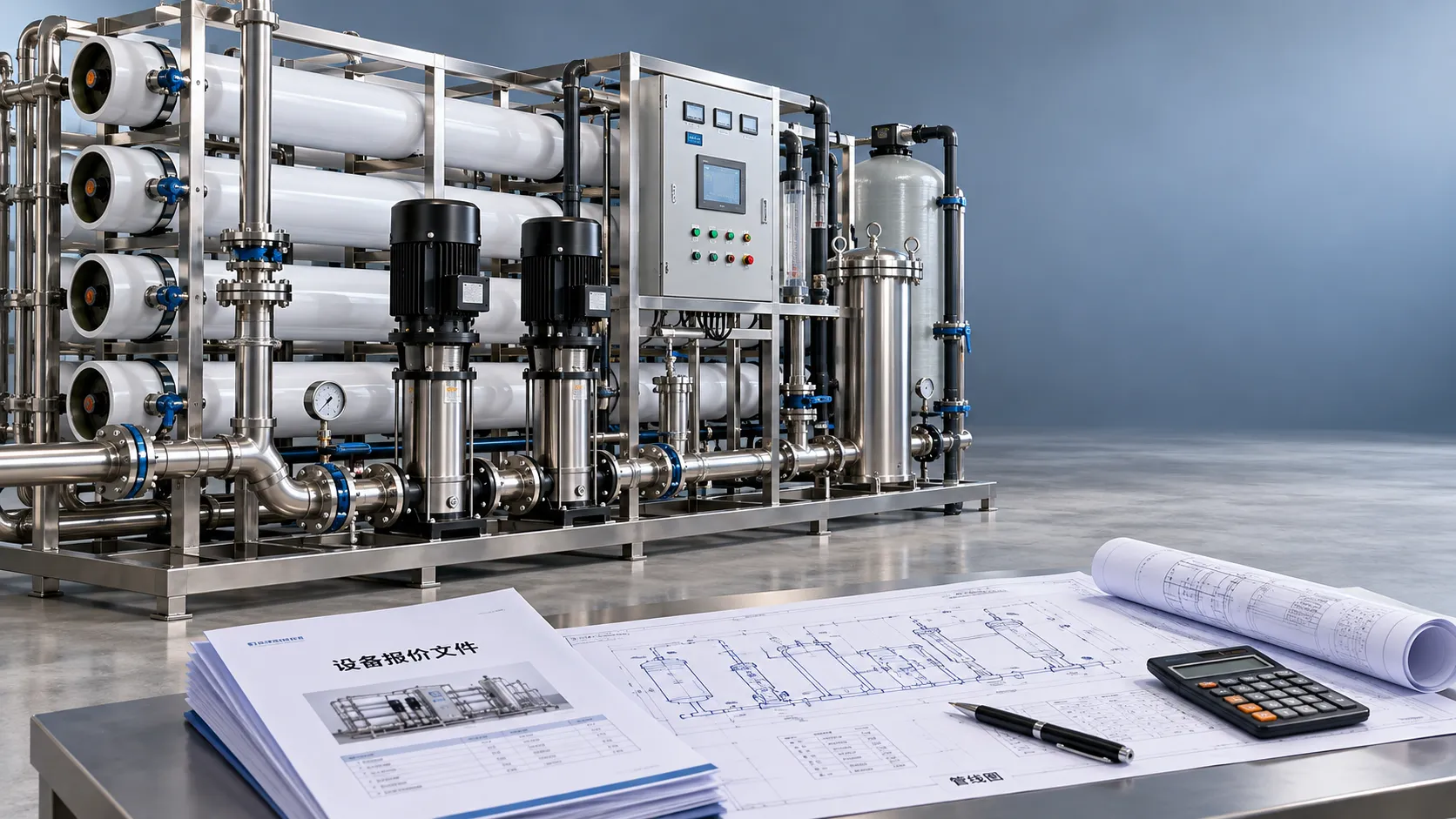
How to check a water treatment quotation for hidden project costs
Review your water treatment quotation for hidden costs, scope gaps, and operating expenses. Learn what to check before signing to protect your budget and avoid costly surprises.
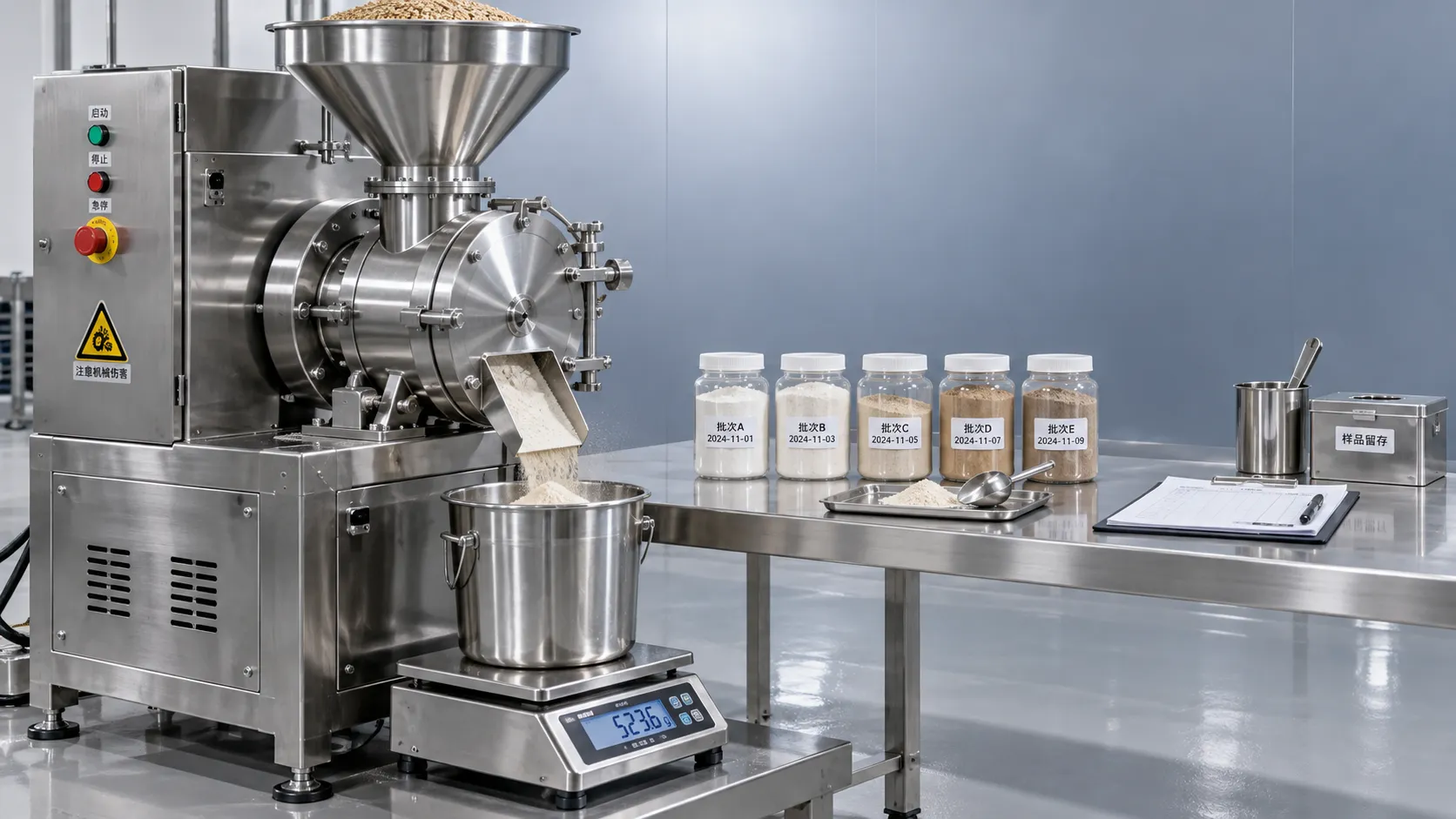
How to vet ingredient processing equipment manufacturers using trials
Vet ingredient processing equipment manufacturers with real-world trials. Learn how to verify yield, cleaning, energy use, and scale-up before you invest.
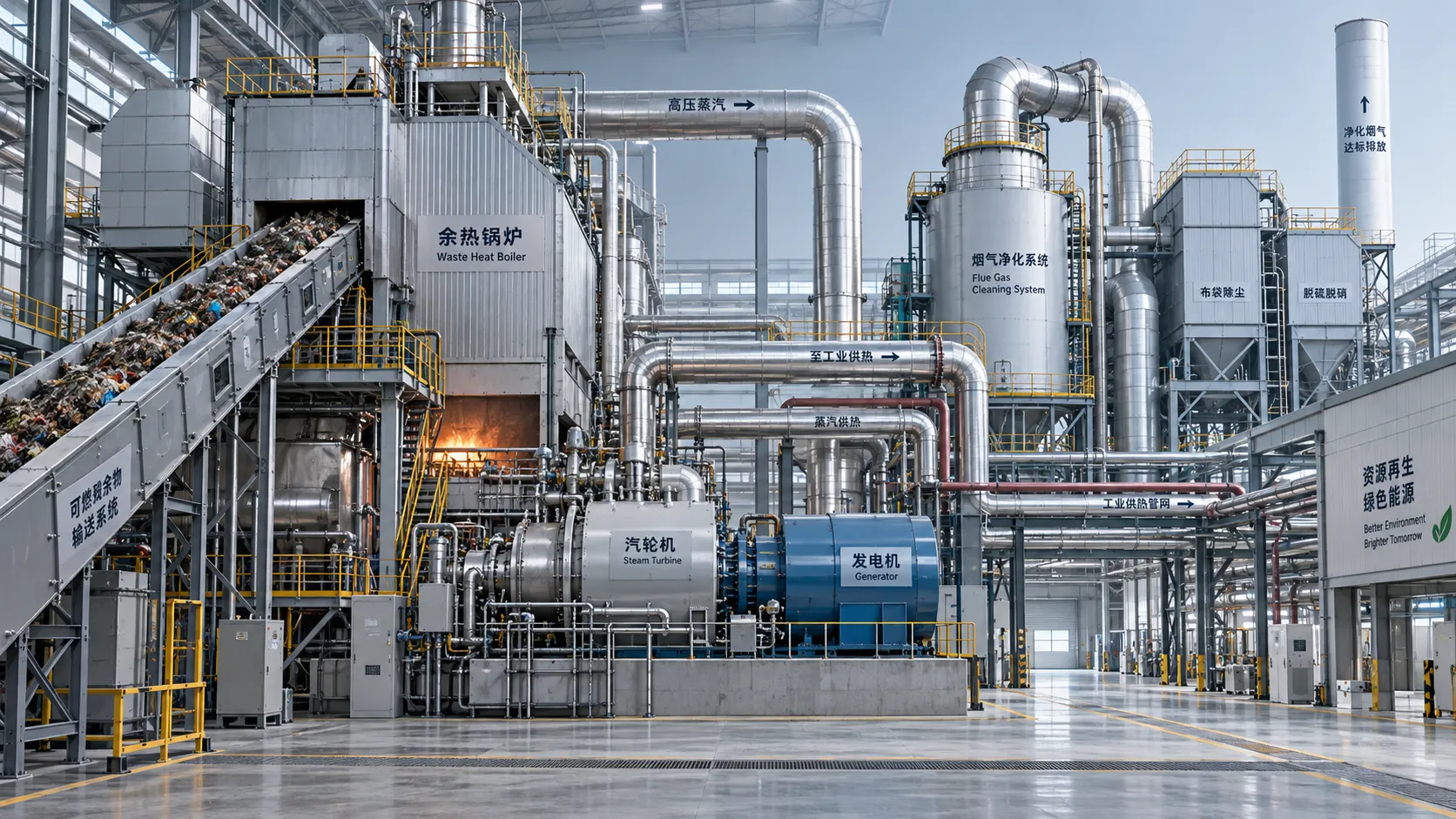
When is energy recovery viable in the solid waste recovery process?
When is energy recovery viable in the solid waste recovery process? Explore feedstock quality, net energy, emissions, and costs to assess feasibility and make smarter investment decisions.