
Industry News
Curation by industry experts
Hot Articles
Popular Tags
How to Evaluate a Government Projects Consultant Before Bid Stage
How to Evaluate a Government Projects Consultant Before Bid Stage
Before committing time and budget to a public tender, project leaders need more than a polished profile. They need evidence of capability, compliance insight, and real execution strength.
A skilled government projects consultant can sharpen bid positioning, reduce compliance mistakes, and improve delivery planning long before submission day.
That matters even more in sectors with high technical stakes. Water treatment, waste recovery, flue gas control, desalination, and nuclear waste projects rarely forgive weak preparation.
The right review process helps separate a strategic advisor from a generalist. Here is how to evaluate a government projects consultant before the bid stage with confidence.
Start With Sector Fit, Not Sales Language
Many firms present broad public sector credentials. That sounds reassuring, but it is rarely enough for complex infrastructure and environmental projects.
A government projects consultant should understand your technical environment, procurement logic, and operating risk from the beginning.
In practical terms, ask whether the consultant has worked on similar assets, plant scales, and approval pathways.
- Industrial wastewater treatment and ZLD systems
- Municipal sewage upgrades and reuse projects
- Solid waste recovery, pyrolysis, and AI sorting lines
- Flue gas treatment and emissions compliance programs
- Large SWRO and energy-intensive desalination plants
- Nuclear waste handling, containment, or vitrification support
A government projects consultant with direct exposure to these fields will ask sharper questions. That usually leads to stronger bid-stage decisions.
Check Their Bid-Stage Role in Past Projects
Experience alone can be misleading. Some advisors join after award, while others shape the strategy before the tender is even released.
You want a government projects consultant who has contributed during pre-bid positioning, document review, partner selection, and risk mapping.
Ask for examples with clear scope. A credible answer should explain what the consultant actually did, what constraints existed, and what improved.
- Interpreted procurement rules and qualification thresholds
- Reviewed technical specifications for hidden compliance risks
- Advised on consortium structure or subcontractor fit
- Identified pricing, timeline, or documentation gaps early
- Improved responsiveness to government evaluation criteria
This is where a strong government projects consultant proves practical value. The pre-bid stage is about judgment, not just presentation.
Evaluate Regulatory and Compliance Intelligence
Public projects move inside a strict compliance frame. A consultant who misses regulatory signals can weaken a bid before it is submitted.
This is especially true in environmental and utility sectors. Standards, permit conditions, local content rules, and reporting obligations can shift fast.
A capable government projects consultant should track more than current regulations. They should also understand upcoming policy pressure.
Recent signals make this more important. Carbon-related trade measures, discharge limits, hazardous handling rules, and procurement transparency demands are rising.
For example, desalination bids may be judged through both water security and energy efficiency. Waste recovery projects may face traceability and emissions scrutiny.
When evaluating a government projects consultant, ask how they monitor regulatory change and how that insight changes bid advice.
Useful Questions to Ask
- Which regulations most often affect pre-bid strategy in this sector?
- How do you verify compliance assumptions before tender release?
- What recent policy changes changed your bid recommendations?
- How do you handle cross-border environmental compliance issues?
Look for Technical Depth Behind Commercial Advice
A government projects consultant should not operate as a pure document coordinator in technical industries.
Strong commercial recommendations usually come from technical understanding. Without that, pricing advice and win strategy can drift away from project reality.
This becomes obvious in complex systems. Membrane choice, catalyst performance, materials compatibility, waste stabilization, or process reliability can reshape bid assumptions.
A credible government projects consultant should be comfortable discussing performance tradeoffs, lifecycle risk, and operating constraints with engineering teams.
That does not mean they replace designers or EPC specialists. It means they can connect technical detail to procurement strategy in a disciplined way.
Review Their Evidence, Not Just Their Claims
A polished proposal deck proves very little. Decision quality improves when you ask for evidence that can be checked and compared.
A reliable government projects consultant should provide practical proof, even if confidential details are limited.
The best government projects consultant will welcome this level of review. Serious advisors know procurement decisions deserve hard evidence.
Assess Communication With Technical and Public Stakeholders
Bid-stage success often depends on translation. Technical truth, commercial logic, and public procurement language need to align.
A government projects consultant should communicate clearly with engineers, legal teams, finance leaders, procurement officers, and external partners.
Pay attention to how they answer difficult questions. Good consultants explain constraints without becoming vague or defensive.
This also affects internal speed. Cleaner communication usually means faster document cycles, fewer misreads, and more consistent bid positioning.
Test Their Process Before You Commit
One of the best ways to evaluate a government projects consultant is to review their working method in detail.
Ask them to outline the first thirty days of pre-bid support. The answer should be structured, realistic, and specific.
- Initial review of tender signals and opportunity fit
- Gap analysis across technical, legal, and commercial areas
- Stakeholder mapping and decision timeline setup
- Compliance checkpoint and document readiness plan
- Bid strategy recommendations with clear owners
If the process sounds generic, that is a warning sign. A strong government projects consultant should adapt the method to project complexity and tender risk.
In high-value environmental infrastructure, the early work often determines whether later effort has a chance to pay off.
Watch for Red Flags Early
Some problems appear before any contract is signed. These signals are worth taking seriously.
- They rely on public sector buzzwords without project detail
- They cannot explain sector-specific compliance pressure
- They avoid measurable examples of pre-bid contribution
- They promise bid wins instead of better decision quality
- They struggle to engage technical reviewers in a credible way
A dependable government projects consultant will usually be candid about uncertainty, tradeoffs, and limits. That honesty is part of the value.
Make the Final Decision on Measurable Fit
Choosing a government projects consultant before the bid stage is really about reducing avoidable risk and increasing strategic clarity.
The strongest choice usually combines five things: sector relevance, pre-bid experience, compliance intelligence, technical fluency, and disciplined process.
In industries shaped by environmental regulation and capital intensity, that combination matters even more.
Whether the opportunity involves ZLD, desalination, flue gas treatment, recycling systems, or nuclear waste management, early consultant selection affects the entire bid path.
Use a structured review, ask for evidence, and test how the consultant thinks under project-specific constraints.
That approach gives your team a practical way to evaluate a government projects consultant before committing real bid resources, and it improves the odds of entering the tender with a stronger position.
Recommended News
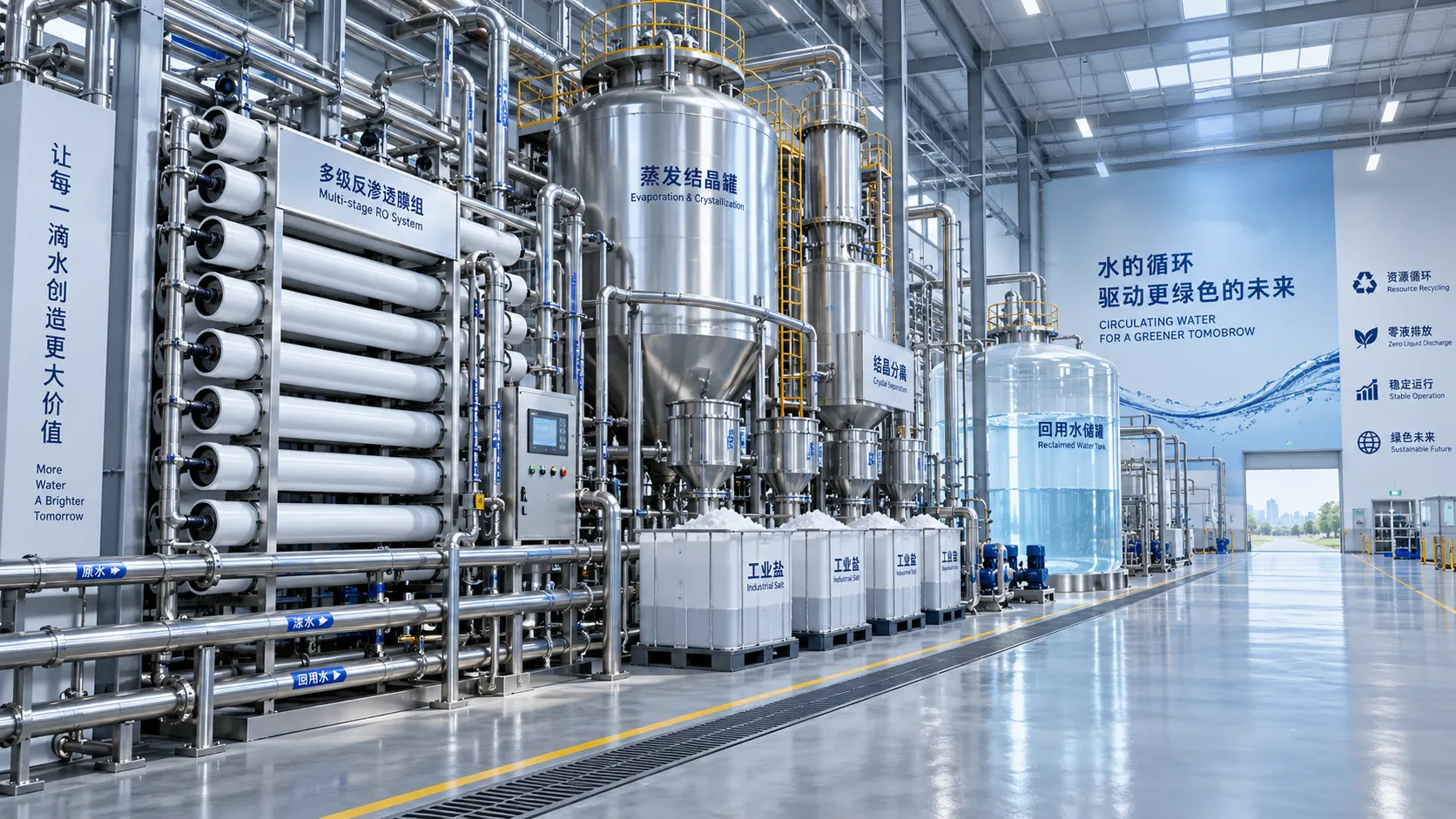
When does high recovery ZLD equipment justify its higher capital cost?
High recovery ZLD equipment can justify higher capital cost when water scarcity, discharge risks, brine disposal, and downtime threaten operations. Explore the decision factors.

How high purity heavy metal recovery affects recovered metal value
High purity heavy metal recovery boosts recovered metal value by improving payability, reducing penalties, and unlocking stronger buyer opportunities. Explore smarter netback strategies.
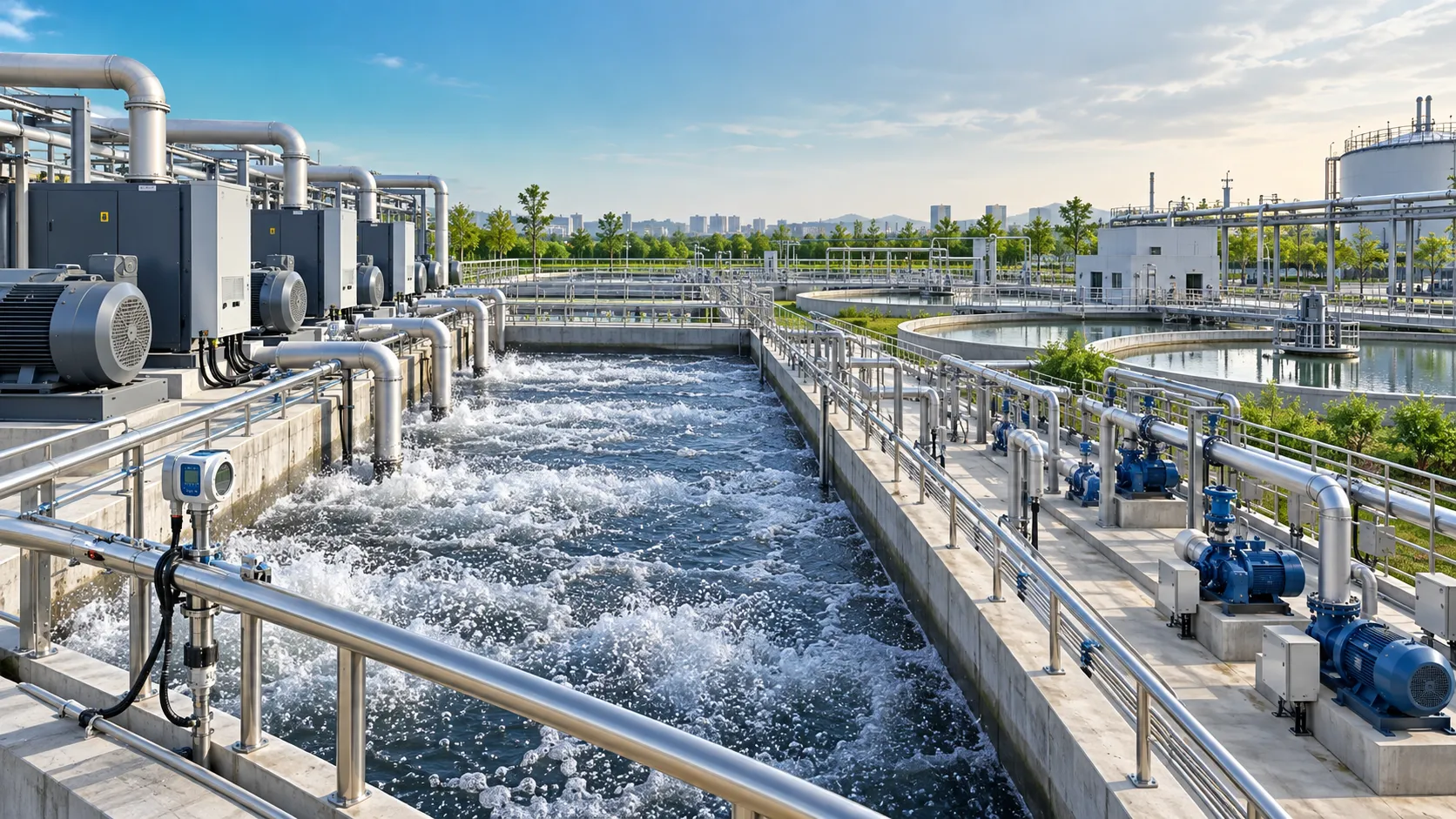
When does environmental equipment intelligence reduce wastewater plant energy use?
Environmental equipment intelligence for wastewater plants cuts energy use through smarter aeration, pumping, and data-driven controls—without compromising compliance. Discover when it delivers measurable savings.
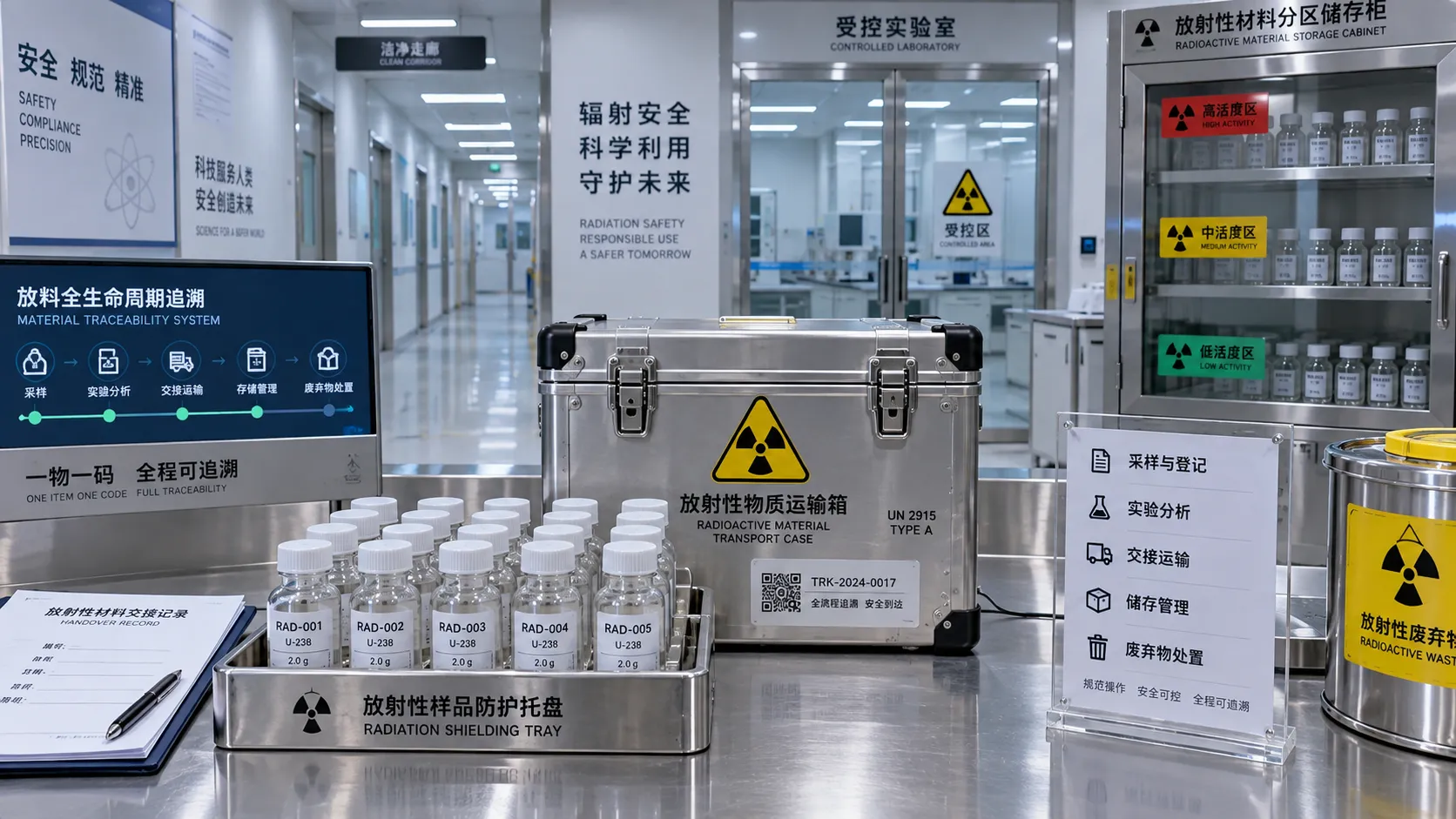
Choosing a Radioisotope Management System for Multi-Site Research Facilities
Radioisotope management system guide for multi-site research facilities: compare traceability, chain of custody, waste controls, roles, and integrations.
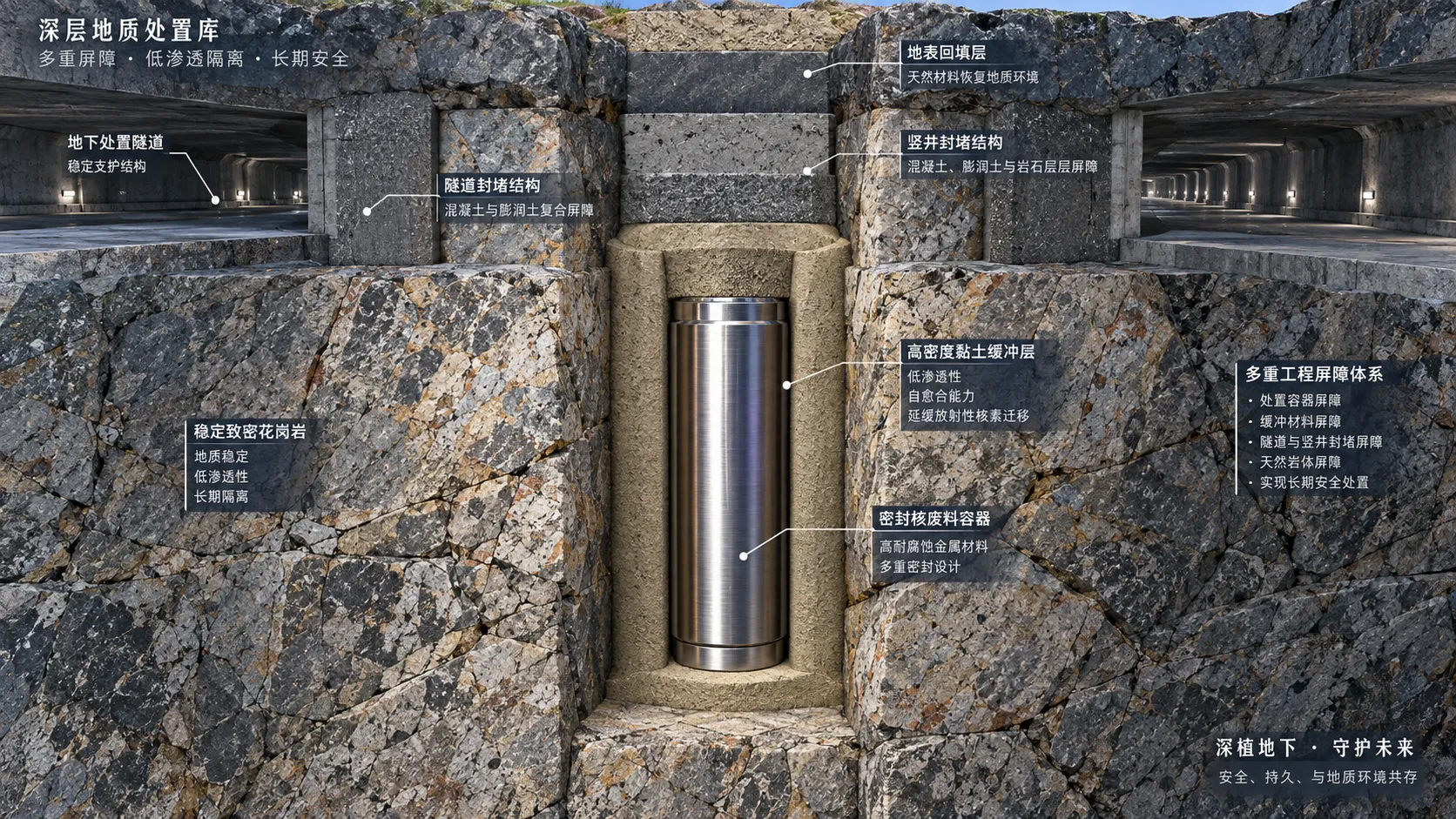
Applying C. McCombie’s Disposal Principles to Long-Lived Radioactive Waste
Explore principles and standards for the disposal of long-lived radioactive wastes C. McCombie, covering geological isolation, engineered barriers, safety cases, and intergenerational protection.
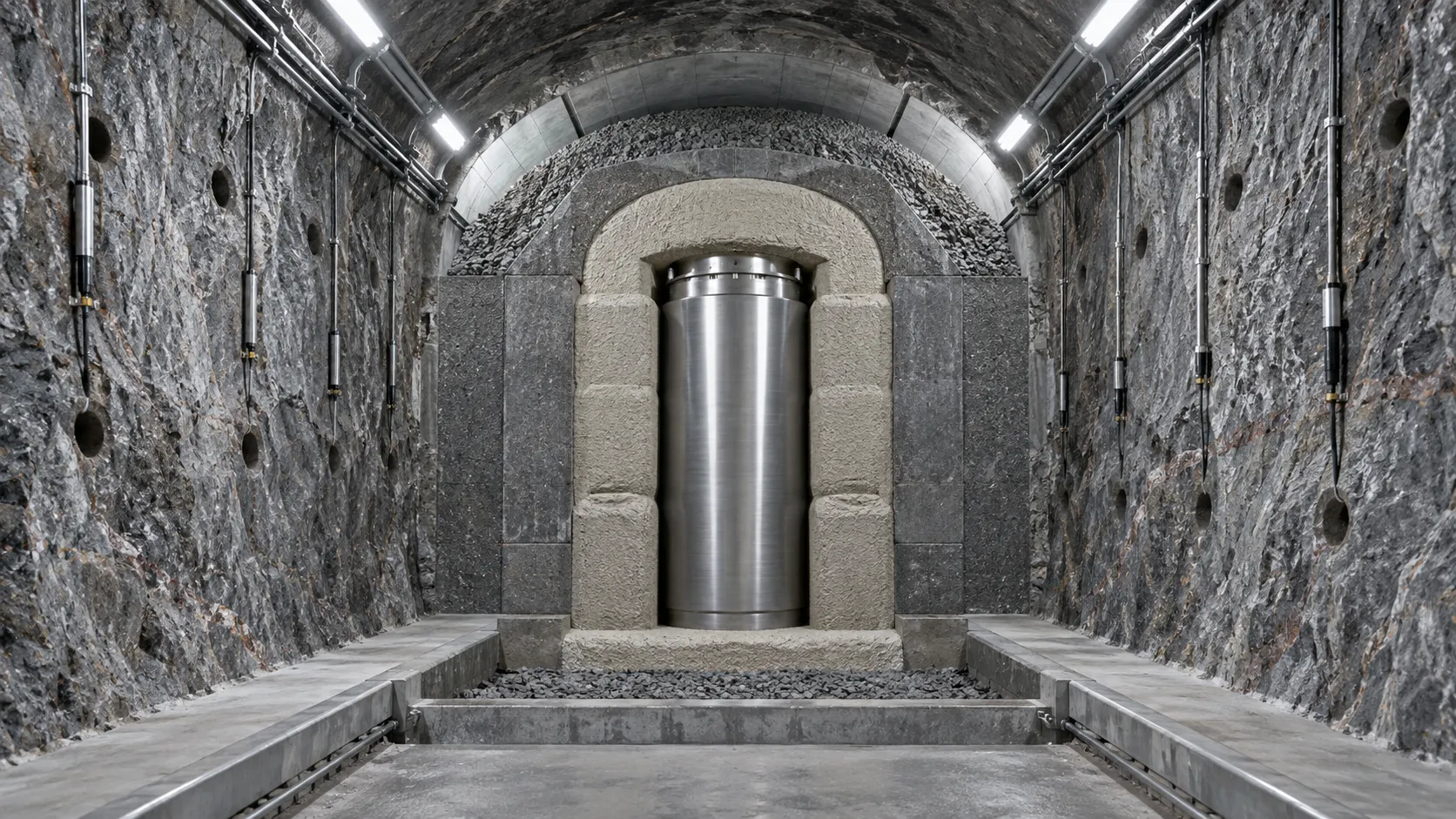
What Evidence Supports the Long-Term Safety Case for Geological Disposal?
Long-term safety of geological disposal: explore the evidence behind multi-barrier systems, site science, uncertainty testing, and auditable safety cases.
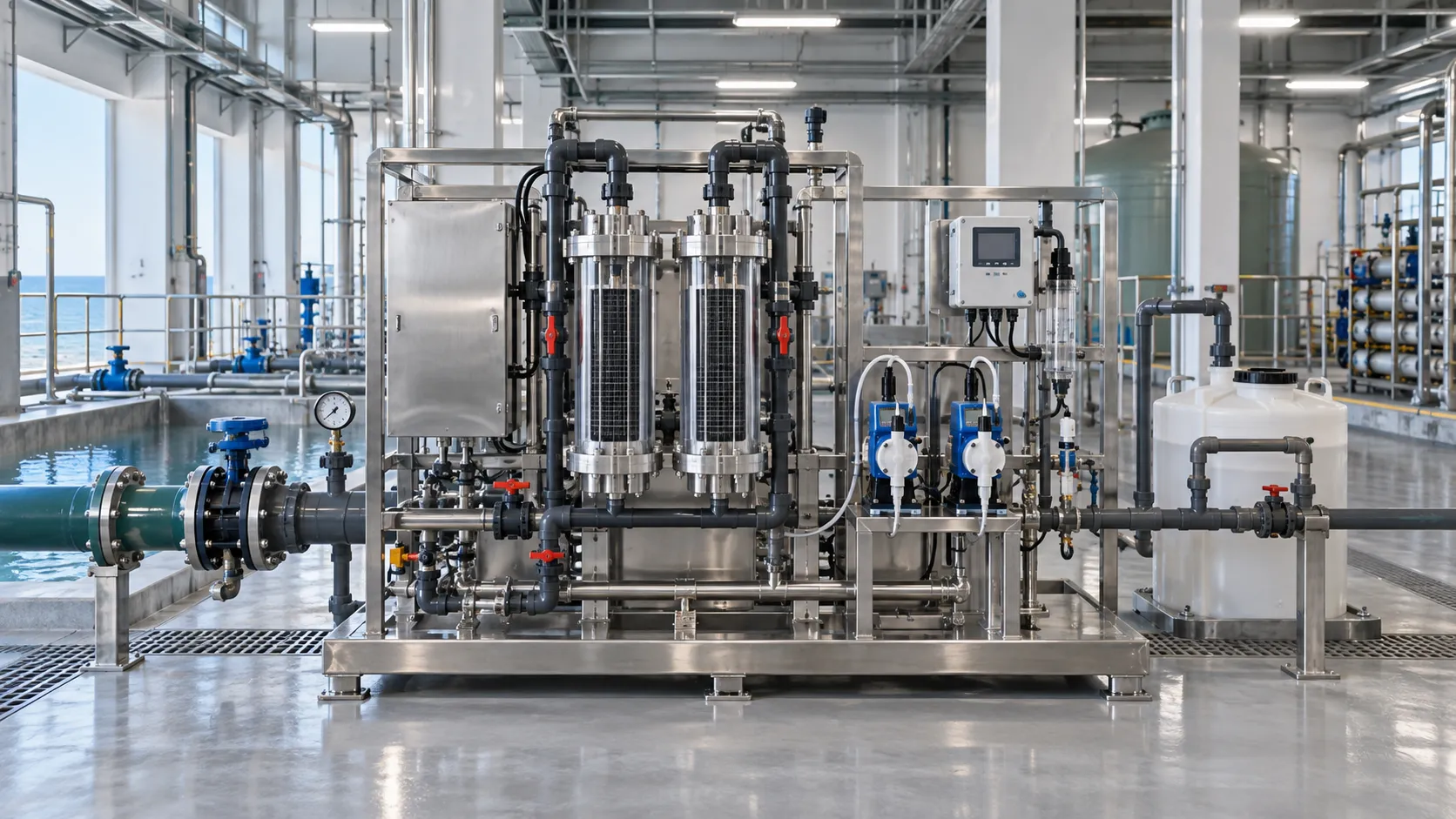
What Do Seawater Disinfection Systems Cost Over Their Full Operating Life?
What are the costs associated with seawater disinfection systems? Explore lifecycle expenses for equipment, energy, chemicals, maintenance, compliance, and risk.
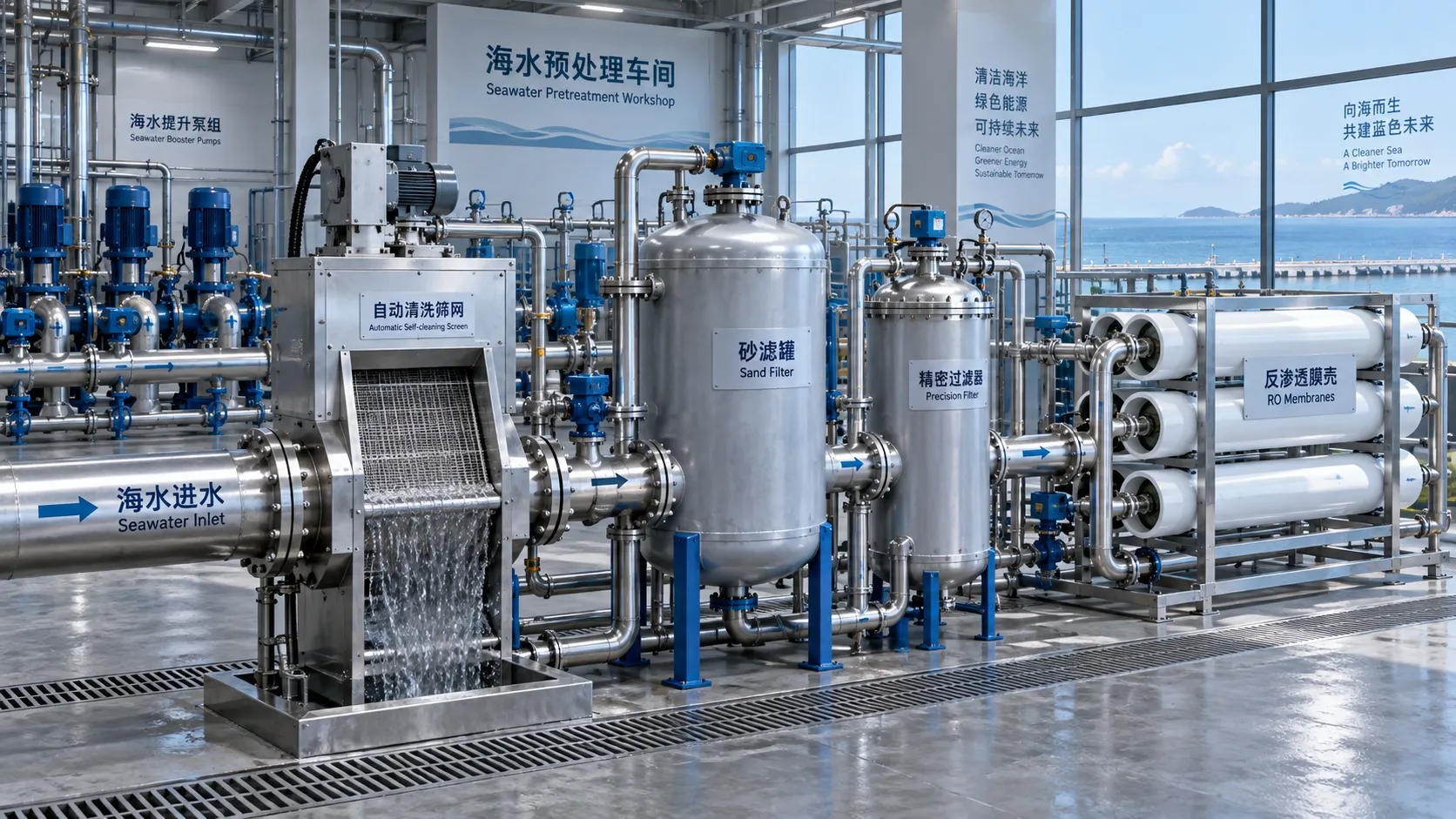
How to Improve Industrial Seawater Quality Before Cooling or Membrane Treatment
How can I improve the quality of seawater used for industrial processes? Explore proven pretreatment strategies for cooling systems and RO membranes.
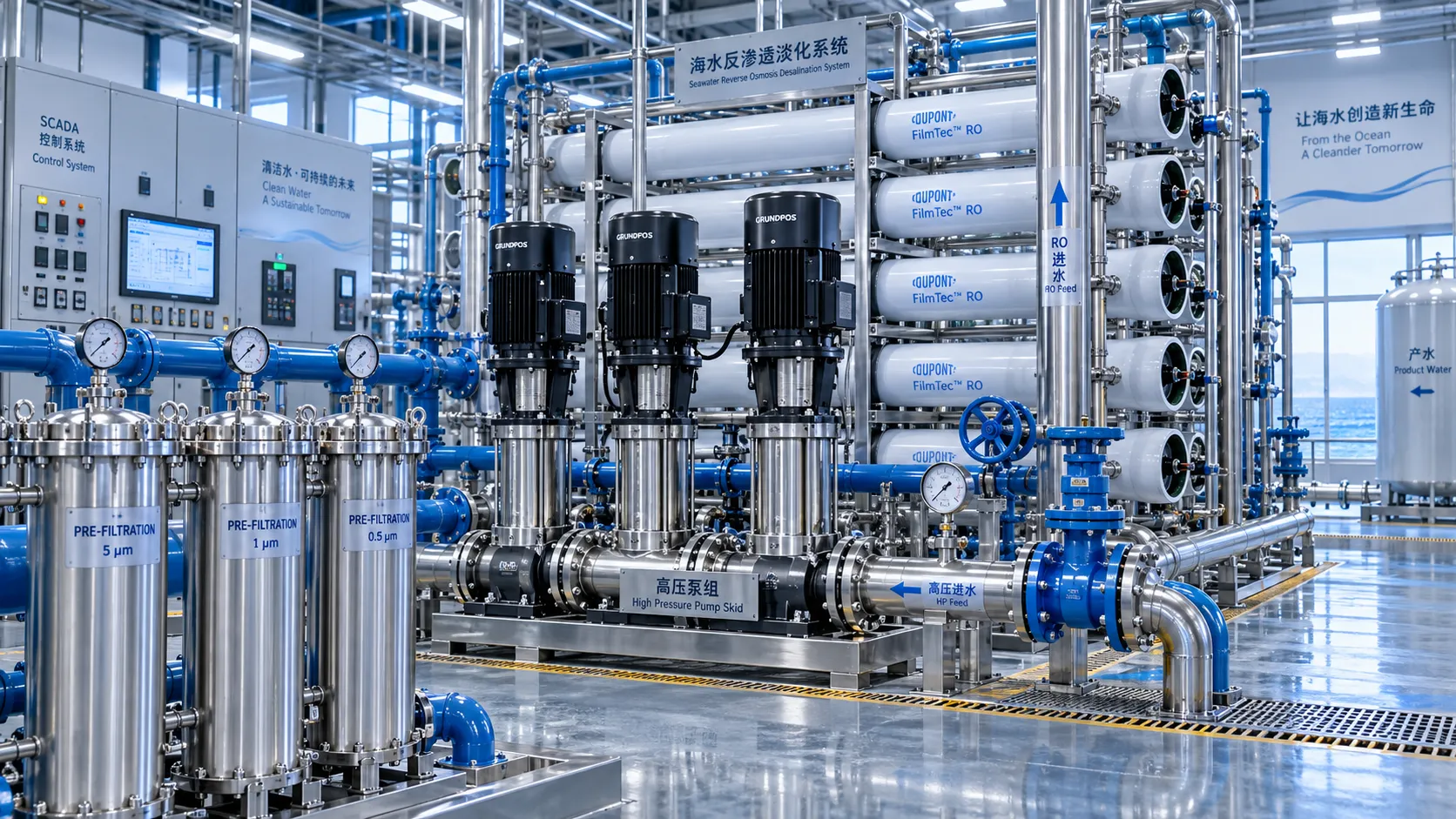
Desalination Plant Maintenance Priorities That Prevent Unplanned Downtime
Desalination plant maintenance priorities that reduce unplanned downtime: protect pretreatment, RO membranes, pumps, chemical dosing, and critical controls.