
Industry News
Curation by industry experts
Hot Articles
Popular Tags
Green Tech Solutions for Water Treatment in High-Salinity Plants
In high-salinity plants, operators face relentless pressure from scaling, corrosion, energy costs, and tightening discharge rules. This is where green tech solutions for water treatment become essential—not only to improve system stability and water recovery, but also to support safer, smarter, and more compliant plant performance. Understanding the right technologies can help frontline users turn complex treatment challenges into practical operational gains.
What Green Tech Solutions for Water Treatment Mean in High-Salinity Plants
High-salinity plants process water with elevated dissolved solids, hardness, silica, chlorides, sulfates, or mixed industrial contaminants.
These conditions are common in desalination, chemical production, mining, power generation, food processing, and wastewater reuse systems.
Green tech solutions for water treatment focus on reducing chemical intensity, lowering energy demand, increasing water recovery, and minimizing secondary waste.
They combine process optimization, cleaner separation technologies, digital control, and circular resource recovery.
Instead of treating salinity as only a disposal burden, advanced systems treat it as a controllable process variable and, sometimes, a recoverable resource stream.
Core technical targets
- Stabilize membrane and evaporator performance
- Reduce scaling, fouling, and corrosion
- Lower specific energy consumption per cubic meter
- Improve water recovery and concentrate management
- Support ZLD and stricter discharge compliance
Industry Context and Current Focus Areas
Across the broader environmental sector, salinity management has become a strategic issue rather than a narrow utility concern.
Water scarcity, carbon pressure, and compliance risk now shape technology selection.
For intelligence platforms like ESD, this topic links water treatment, resource recovery, desalination, and industrial resilience.
The strongest trend is integration. Plants no longer rely on one unit process to solve every salinity problem.
They build treatment trains that match feed variability, recovery targets, and lifecycle cost constraints.
Key Green Technologies Delivering Measurable Results
Advanced pretreatment
Effective pretreatment remains the first defense in green tech solutions for water treatment.
High-rate clarification, ultrafiltration, selective softening, and optimized oxidation reduce downstream stress.
This lowers membrane fouling, extends cleaning intervals, and improves overall recovery.
Membrane-based separation
Nanofiltration and reverse osmosis remain central for desalting and reuse.
Modern low-energy membranes, improved spacer designs, and better flux control reduce electricity use.
Selective NF can remove divalent ions early, reducing scale risk before high-pressure RO stages.
Electrodialysis and selective ion management
Electrodialysis can perform well in specific brackish and industrial applications with targeted ion separation needs.
It becomes valuable where selective removal, modularity, and lower chemical consumption are priorities.
Thermal concentration with energy optimization
For very high salinity, membrane systems alone may reach practical limits.
Mechanical vapor recompression, brine concentrators, and crystallizers support near-ZLD strategies.
Green design improves these systems through waste heat use, better heat transfer, and process integration.
Digital monitoring and intelligent control
Smart instrumentation is now part of green tech solutions for water treatment, not an optional add-on.
Online conductivity, ORP, pH, silica, turbidity, and differential pressure data improve control quality.
Predictive analytics can detect scaling onset before performance collapse and expensive cleaning events.
Business Value and Operational Meaning
The value of green tech solutions for water treatment is practical and measurable.
Better salinity management improves uptime, lowers chemical use, and reduces emergency maintenance exposure.
It also supports stronger environmental reporting and more stable compliance performance.
- Lower membrane replacement frequency
- Reduced acid, antiscalant, and cleaning demand
- Higher water reuse ratios
- Less concentrate volume for disposal
- Improved readiness for future ESG and carbon frameworks
For large infrastructure portfolios, the long-term advantage is not only efficiency. It is decision certainty.
Reliable intelligence helps align capex choices with regulations, resource recovery logic, and asset durability.
Typical Plant Scenarios and Recommended Treatment Paths
No single train fits every plant. Feed chemistry, temperature, flow profile, and discharge pathway must guide design.
Implementation Priorities and Technical Cautions
Strong project outcomes depend on disciplined front-end evaluation.
- Map full water chemistry, including silica, organics, scaling ions, and trace metals.
- Model recovery limits under seasonal and upset conditions, not only average feed values.
- Compare energy, chemicals, cleaning, and disposal in lifecycle terms.
- Verify material compatibility against chloride stress, temperature, and corrosion exposure.
- Build automation around actionable alarms, not data overload.
A common mistake is pushing recovery too aggressively without adequate pretreatment or concentrate strategy.
Another is selecting green tech solutions for water treatment based only on peak efficiency claims.
Real performance depends on robustness under variable feedwater and maintenance realities.
A Practical Next Step for Smarter High-Salinity Water Management
The most effective path starts with a treatment train review grounded in actual plant constraints.
Focus on where scaling begins, where energy spikes, and where concentrate creates the highest risk.
From there, prioritize green tech solutions for water treatment that combine pretreatment strength, selective separation, intelligent monitoring, and realistic recovery goals.
Within the wider ecological engineering landscape, this approach supports cleaner water, stronger compliance, and more resilient industrial infrastructure.
For organizations tracking desalination, reuse, waste recovery, and environmental equipment intelligence, better salinity strategy is no longer optional. It is foundational.
Recommended News
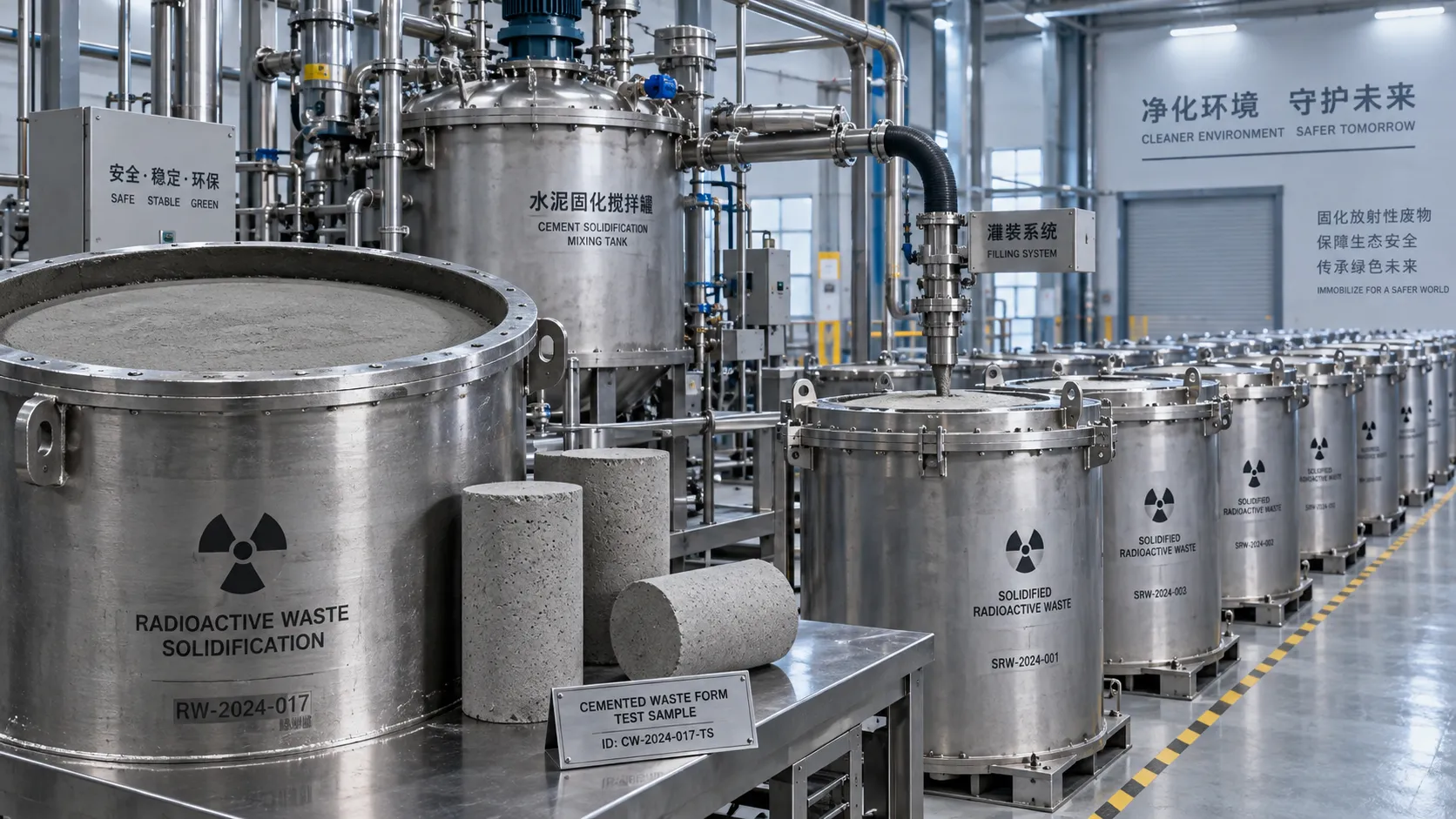
When is cementation suitable for nuclear decommissioning waste?
Explore nuclear waste treatment technology for decommissioning: learn when cementation fits, which risks to assess, and how disposal criteria guide an effective treatment choice.
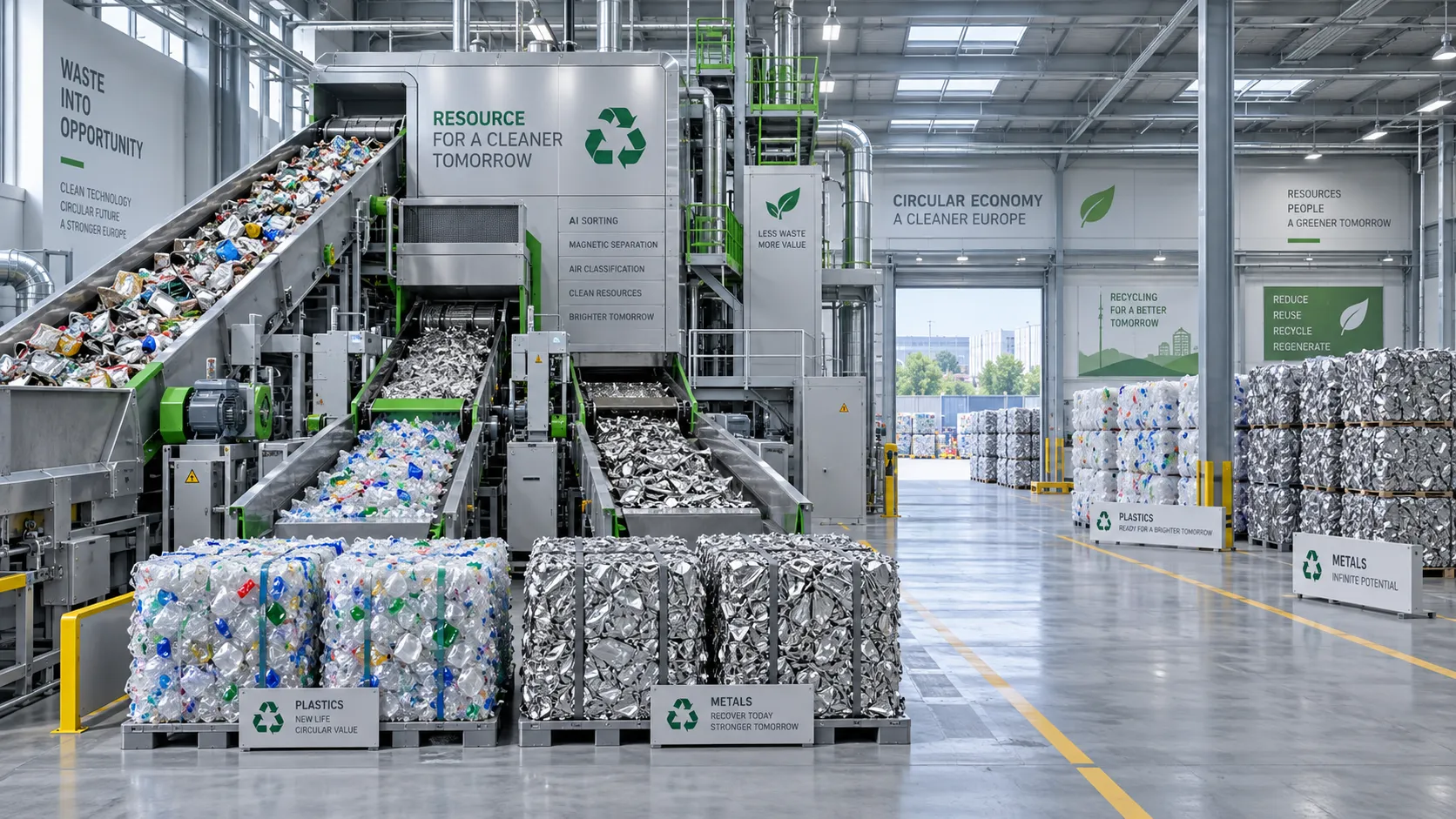
What determines payback for waste-to-resource systems in Europe?
Assess waste-to-resource systems Europe-wide: compare feedstock, recovery yields, costs and contracts to uncover payback drivers and make smarter investment decisions.
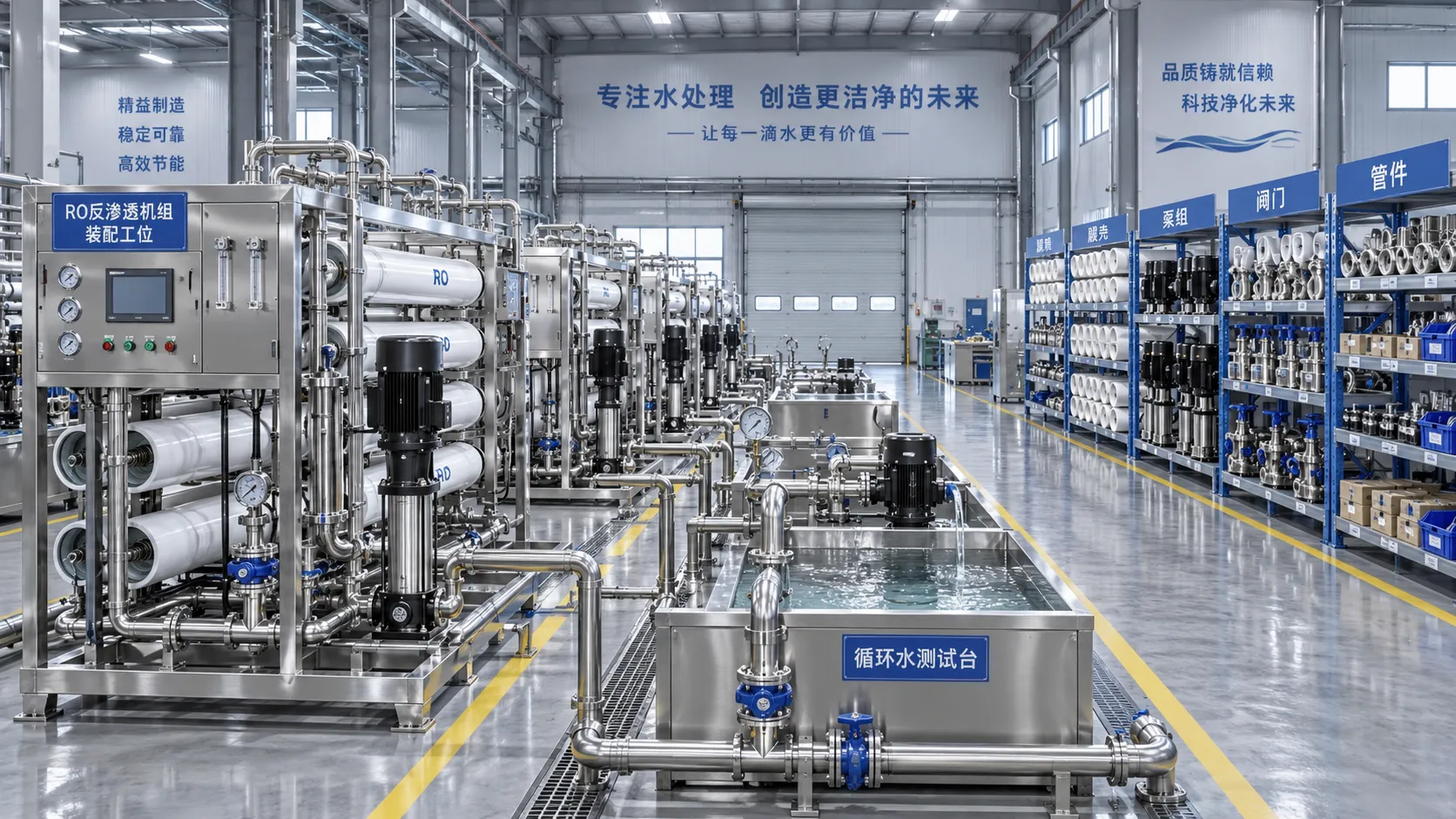
How to verify a water treatment system factory’s production capacity
Verify a water treatment systems factory’s production capacity through records, bottlenecks, component availability, and testing. Learn what to check before accepting a delivery promise.
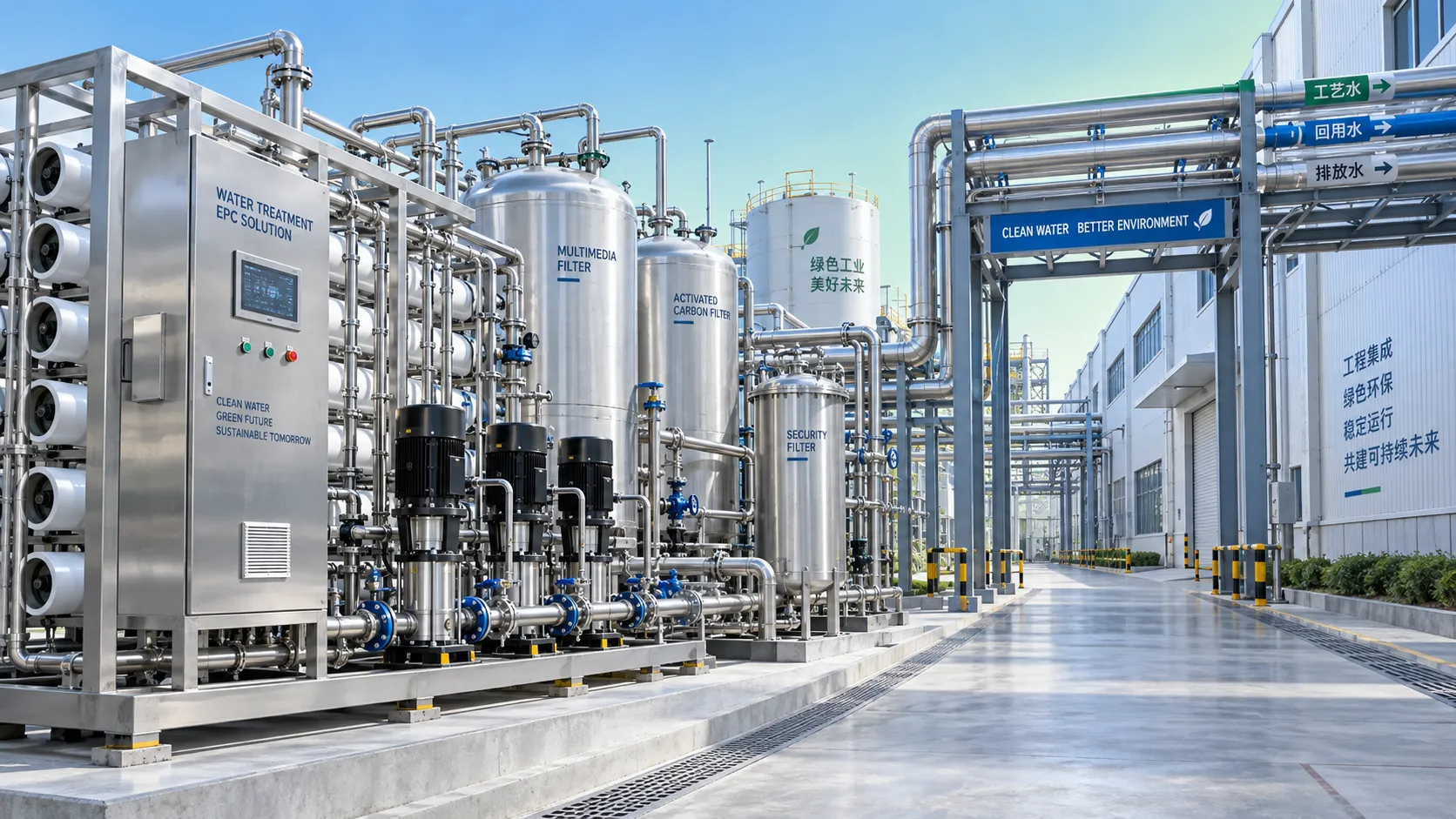
When does EPC environmental project support reduce delivery risk?
EPC environmental project support engineering reduces delivery risk by aligning design, procurement, compliance, construction, and commissioning decisions.
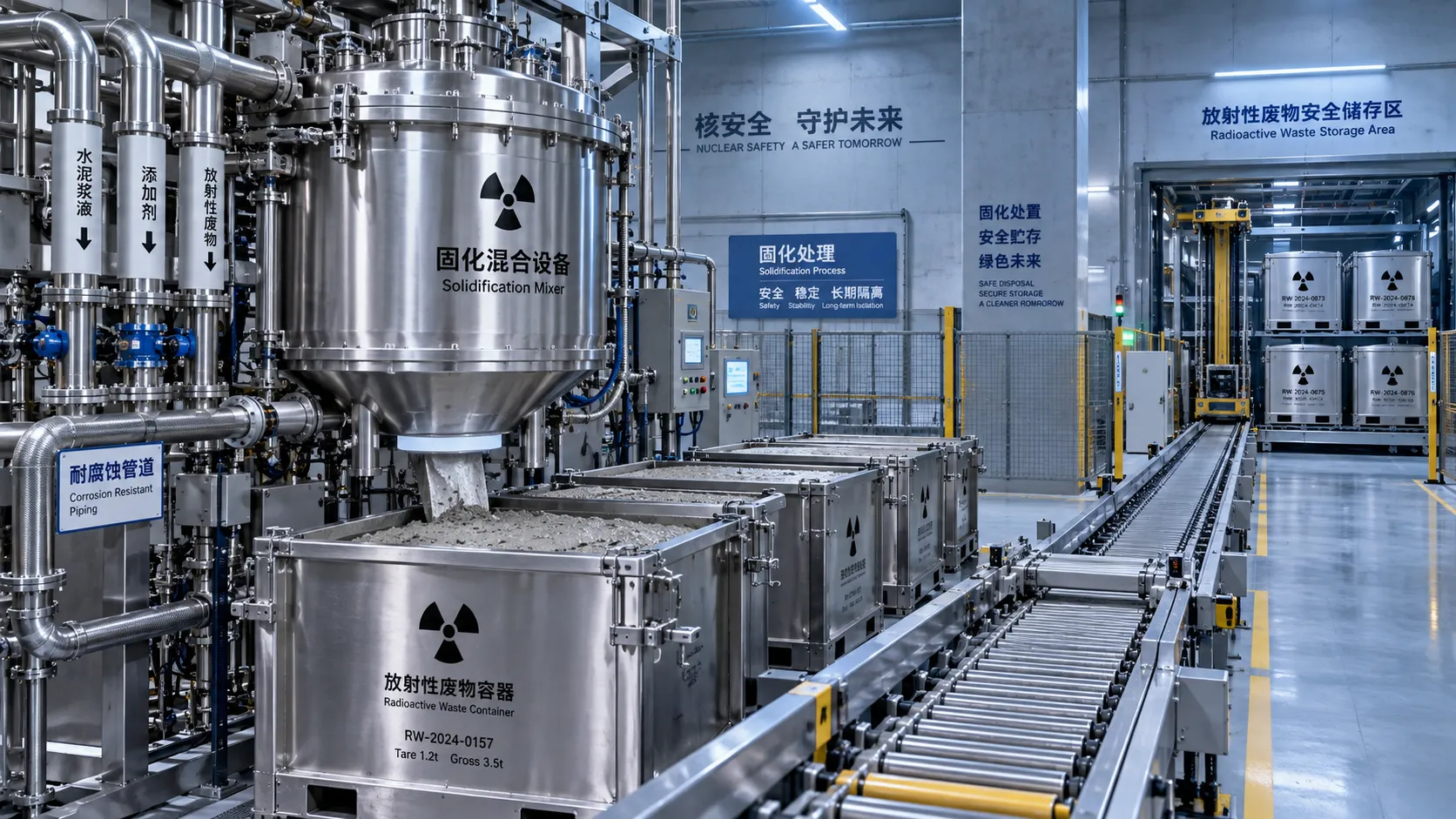
How nuclear plants select a radioactive waste solidification method
Radioactive waste management for nuclear plants: compare vitrification, cementation, polymers, and ceramics to select a compliant, durable solidification solution.
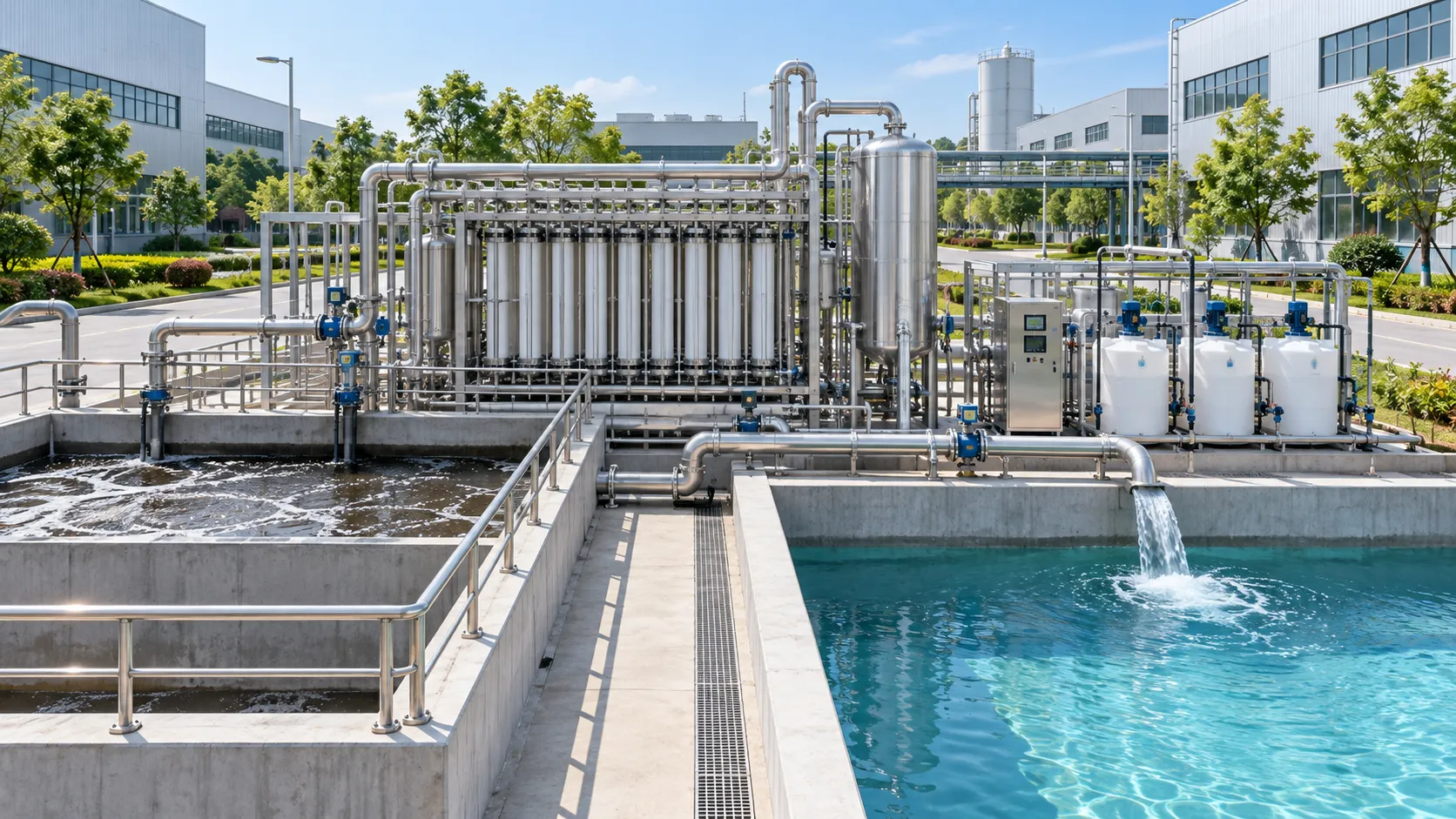
Comparing Upgrade Costs for Industrial Park Wastewater Treatment Systems
Compare costs for wastewater system upgrades in industrial parks with a lifecycle view of CAPEX, OPEX, compliance, resilience, and future expansion.
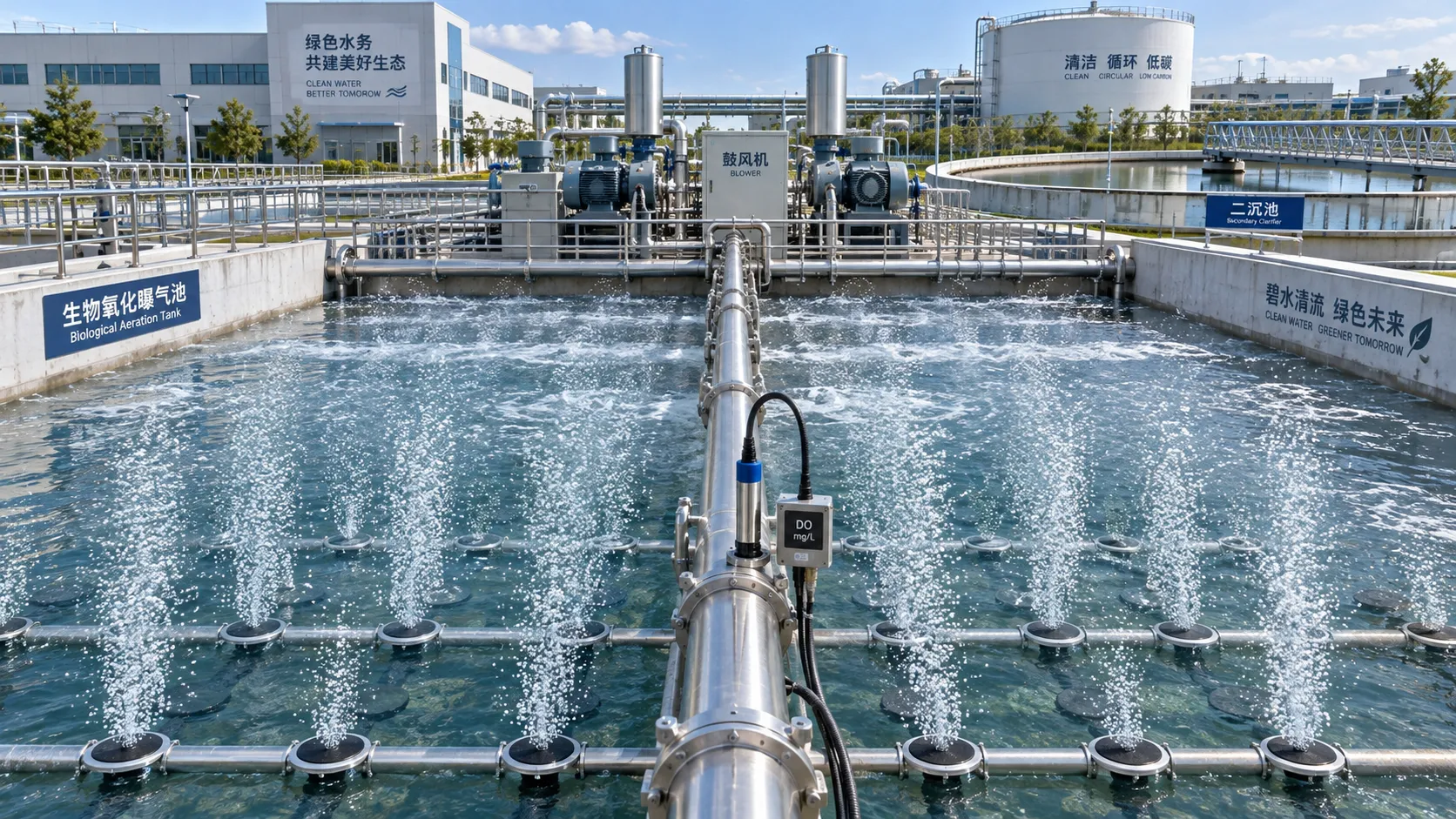
Biological Wastewater Oxidation Explained: Aeration Demand and Process Control
Biological wastewater oxidation explained: optimize aeration demand, DO control, nitrification, and sludge age for stable effluent quality and lower energy costs.
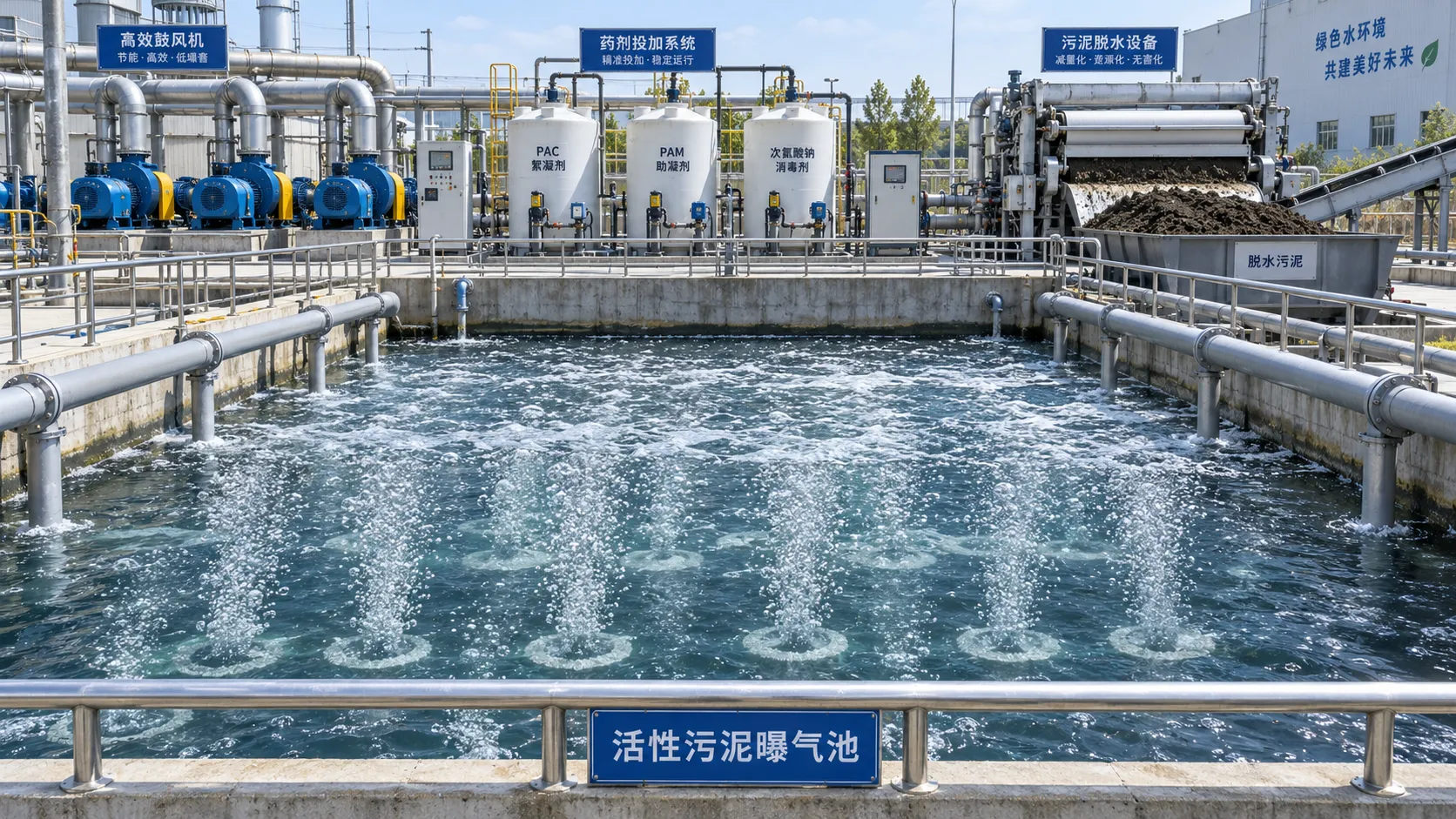
Activated Sludge Cost: Budgeting Energy, Chemicals, Sludge, and Labor
Activated sludge cost explained: compare energy, chemicals, sludge disposal, labor, and compliance risks to build a reliable lifecycle budget.
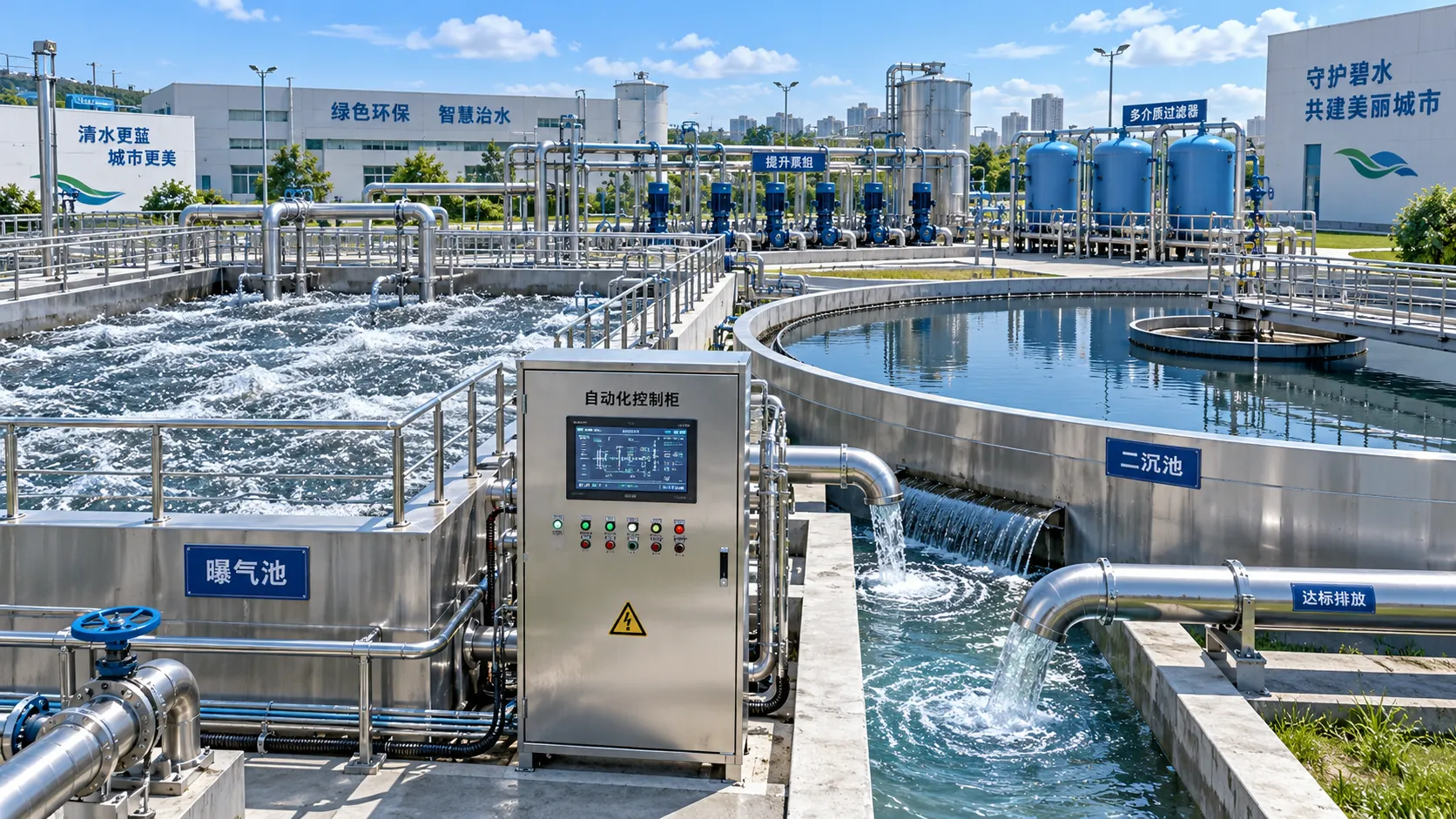
When Should Municipal Wastewater Plants Upgrade Treatment Capacity and Controls?
Municipal wastewater treatment upgrades: learn when capacity, controls, and resilient planning are needed to protect compliance and optimize plant performance.