
Industry News
Curation by industry experts
Hot Articles
Popular Tags
Zero Discharge Solutions: What Drives Crystallization Operating Cost
For financial decision-makers evaluating zero discharge solutions, crystallization operating cost is where process engineering becomes a budget reality. In most projects, the crystallizer is not simply another unit operation. It is often the cost center that determines whether a Zero Liquid Discharge strategy remains commercially sustainable over ten to fifteen years.
The central judgment is straightforward: crystallization operating cost is driven less by equipment nameplate capacity than by feedwater chemistry, energy intensity, solids behavior, uptime, and the quality of upstream concentration control. For approval teams, the right question is not “What is the crystallizer price?” but “What conditions will shape the cost per cubic meter and cost per ton of solids over the asset life?”
This matters because two systems with similar capital budgets can perform very differently once steam, electricity, antiscalants, cleaning downtime, labor, disposal, and compliance risks are included. A financially sound decision therefore depends on understanding the variables that move operating expenditure, how strongly they move it, and which design choices can stabilize that exposure.
What financial approvers should know first about crystallization cost
In Zero Liquid Discharge projects, crystallization is typically the final and most energy-intensive polishing step after upstream volume reduction. Reverse osmosis, brine concentrators, or evaporators may shrink the waste stream, but the crystallizer handles the hardest fraction: high-salinity, high-fouling brine that must be converted into recoverable solids and reusable water.
That final step is expensive because it pushes the process toward the thermodynamic limit. Every additional unit of water removed from a dense brine requires more energy discipline, tighter solids management, and more maintenance attention. As concentration rises, minor chemistry changes create major cost effects through scaling, viscosity growth, entrainment, and unstable crystal formation.
For finance teams, the practical implication is that crystallization operating cost should be evaluated as a variable operating model, not a fixed utility line. The strongest cost drivers are usually thermal energy, electric load, feedwater composition, solids handling, maintenance frequency, labor intensity, and disposal or by-product logistics.
Any vendor discussion that emphasizes theoretical recovery but does not quantify these drivers in a site-specific operating window should be treated cautiously. A credible proposal must connect feed characteristics, target recovery, utility assumptions, and maintenance cycles to a transparent operating expenditure forecast.
Why energy usually dominates the operating budget
Energy is commonly the largest contributor to crystallization operating cost. Whether the system relies on steam, mechanical vapor recompression, thermal vapor recompression, or hybrid configurations, the economics are shaped by how much energy is required to evaporate water from increasingly concentrated brine.
In many facilities, thermal energy pricing is the first sensitivity that can overturn a project business case. If natural gas, steam, or electricity prices rise materially after commissioning, the annual operating budget can shift far more than expected. This is especially true where the crystallizer runs continuously and where feed volumes fluctuate seasonally.
The right financial review therefore asks several questions. What is the specific energy consumption at the actual design salinity, not just at ideal conditions? How much of the load can be reduced by better upstream concentration? Can waste heat, low-grade steam, or cogeneration lower the effective utility cost? What is the tariff exposure during peak power periods?
Energy performance must also be tested against turndown and off-design operation. A crystallizer may look efficient at full load but become costly when production falls or when brine chemistry changes. For budgeting purposes, decision-makers should model both nominal and stressed operating scenarios rather than rely on a single average figure.
How feedwater chemistry changes the real cost profile
If energy is the largest visible cost, feedwater chemistry is often the deepest hidden driver. The concentrations of calcium, sulfate, silica, magnesium, chlorides, organics, and trace metals strongly affect scaling tendency, boiling performance, crystal quality, and cleaning frequency. These factors directly influence utility use and equipment availability.
Two plants processing the same volume can face very different costs because their brines behave differently under concentration. One may produce stable crystals with manageable purge and low fouling. Another may form sticky solids, fine crystals, or tenacious scale that increases recirculation load, contaminates product solids, and shortens maintenance intervals.
For financial approvers, this means laboratory data and pilot testing are not optional formalities. They are cost-risk tools. Reliable characterization should cover seasonal variability, upset conditions, upstream pretreatment limits, and the effect of any cleaning chemicals or process additives carried into the crystallizer feed.
A vendor that prices operating cost from generic total dissolved solids values alone is not giving a dependable economic forecast. The more complex the industrial wastewater, the greater the need to understand supersaturation control, impurity partitioning, and the relationship between chemistry and solids handling behavior.
Scaling and fouling are not maintenance details; they are cost multipliers
Scaling and fouling deserve special attention because they multiply several cost categories at once. They reduce heat transfer efficiency, increase energy consumption, force chemical cleaning, shorten run length, raise labor demand, and sometimes require unplanned shutdowns. Their effect extends well beyond a maintenance budget line.
For example, a moderate decline in heat transfer can quietly increase steam or power consumption for months before it becomes visible in annual cost reports. Meanwhile, cleaning events consume chemicals, labor, water, and lost production time. If disposal costs are high, the cleaning waste itself can become a nontrivial expense.
The financial significance is even greater in regulated operations where downtime jeopardizes discharge compliance. If the crystallizer underperforms, the plant may be forced to curtail production, divert waste, or rely on emergency hauling. Those contingency costs can quickly exceed the apparent savings of a lower-cost original design.
Approvers should therefore ask how the design limits scaling: seed management, circulation velocity, material selection, pretreatment, anti-foam strategy, crystal classification, and control logic. The right design may not be the cheapest on paper, but it can produce the lowest lifecycle operating cost.
Why solids handling often decides whether economics hold up
In many Zero Liquid Discharge systems, the crystallizer does not fail financially because of evaporation alone. It fails because solids management was underestimated. Crystal size distribution, slurry density, centrifuge performance, dewatering quality, and final disposal or reuse pathways can each add cost and operational friction.
Fine or unstable crystals can cause carryover, blockages, difficult dewatering, or poor product consistency. That increases operator intervention and may reduce the value of any recoverable salts. If solids are destined for landfill rather than recovery, moisture content becomes a direct cost issue because higher water content means more mass transported and disposed.
When recovery is part of the business case, quality specifications matter. A salt by-product is only valuable if impurities, particle form, and moisture remain within acceptable ranges. Otherwise, expected recovery revenue disappears while processing costs remain. Financial models should treat by-product revenue conservatively unless there is a documented offtake route.
For this reason, solids handling should be examined as an integrated cost chain from crystal formation to final shipment. The question is not simply whether the system can make solids, but whether it can make solids that are manageable, compliant, and economically consistent over time.
Labor, automation, and operator burden are often underestimated
Crystallization systems are complex assets, especially in industrial environments with variable wastewater streams. Operator skill, control system quality, alarm management, and maintenance accessibility all influence the true staffing burden. A highly manual process may appear acceptable during procurement but become expensive in continuous operation.
Financial approvers should compare not only headcount but also operator intensity. How often does the system require manual adjustment? Are cleanings routine or disruptive? Can the controls stabilize operation through feed changes, or does the plant need frequent expert intervention? These questions affect both labor cost and uptime reliability.
Automation can reduce cost volatility if it is properly engineered. Better sensors, predictive monitoring, and integrated controls can improve crystal growth conditions, optimize utility use, and reduce unplanned shutdowns. However, digital sophistication only creates value when backed by maintainable instrumentation and a service team able to support it.
In practical terms, labor should be budgeted alongside training, spare parts strategy, remote support availability, and maintenance planning. A lower purchase price can be outweighed by years of specialized operating burden if the system is difficult to run or dependent on scarce expertise.
Compliance risk and downtime can outweigh direct operating expenses
For many facilities, the strategic value of zero discharge solutions lies in avoiding environmental liability, securing permits, and protecting production continuity. That means crystallization operating cost cannot be viewed in isolation from compliance risk. An unreliable system can become far more expensive than a stable one, even if its nominal utility consumption is lower.
If discharge regulations tighten, hauling options shrink, or water reuse targets increase, the crystallizer may move from a support asset to a compliance-critical asset. In that context, downtime has a shadow cost: production losses, contractual penalties, reputational damage, and delayed expansion plans.
Financial decision-makers should therefore evaluate resilience. How does the design handle feed shocks, utility interruptions, and seasonal variability? What redundancy exists in key components? How quickly can the vendor respond to process problems? What are the spare part lead times? These factors belong in the operating cost conversation.
In sectors with high environmental scrutiny, the cheapest hourly operating profile may not be the strongest investment. The better asset is often the one that reduces the probability of extreme cost events, even if its routine operating expense is slightly higher.
How to compare zero discharge solutions without oversimplifying the economics
When comparing vendors or process routes, finance teams should resist the temptation to rank options by one number alone. A useful evaluation framework separates operating cost into major drivers: thermal energy, electricity, chemicals, labor, maintenance, planned downtime, unplanned downtime, solids disposal, water recovery value, and compliance risk exposure.
Each driver should then be tested against three scenarios: expected operation, adverse but likely operation, and stressed operation. This approach reveals whether a proposal is robust or merely optimized for favorable assumptions. It also prevents underestimation of feed variability, utility inflation, or solids management complications.
Another important discipline is to request vendor guarantees in operational terms that matter financially. These may include specific energy consumption within a defined chemistry range, minimum availability, cleaning interval expectations, product water quality, and solids moisture or purity levels. Guarantees tied only to design-point throughput are not enough.
Lifecycle costing should also include integration effects. Better upstream pretreatment, brine concentration, or segregation of high-risk side streams can significantly reduce crystallizer burden. Sometimes the most economical crystallization project is achieved not by refining the crystallizer itself, but by improving what enters it.
A practical approval checklist for finance leaders
Before approving a crystallization package, finance leaders should confirm that the operating model reflects actual site conditions. This includes verified wastewater characterization, realistic utility tariffs, maintenance assumptions, labor needs, and disposal routes. If those inputs are weak, the output economics will be weak as well.
Second, ensure that pilot or demonstration data supports the claimed cost profile. For difficult industrial brines, pilot evidence can reveal scaling behavior, solids quality, and cleaning frequency that desktop studies miss. That evidence is especially valuable when a project depends on high recovery rates to meet compliance or reuse targets.
Third, ask whether the proposal reduces volatility as well as average cost. Stable economics are often more valuable than the lowest theoretical operating number. Designs that tolerate feed swings, protect uptime, and simplify solids handling usually create better long-term budget control.
Finally, examine the strategic fit. The right zero discharge solution should align with the plant’s broader objectives: water security, compliance assurance, carbon management, and production continuity. Crystallization cost is important, but the winning investment is the one that balances cost, resilience, and environmental performance over the full asset life.
Conclusion: the real driver is not one cost item, but system behavior
For financial decision-makers, the most important insight is that crystallization operating cost is not driven by a single line item. It is the result of system behavior under real operating conditions. Energy matters most in many cases, but chemistry, scaling, solids handling, labor burden, and compliance exposure determine whether projected costs remain credible after startup.
That is why the best investment decisions around zero discharge solutions come from disciplined lifecycle analysis rather than equipment-price comparison. A robust crystallization system is one that controls variability, protects uptime, and keeps cost per cubic meter predictable despite changing feed and regulatory conditions.
In short, approving a Zero Liquid Discharge project means approving a long-term operating model. The stronger that model is in chemistry understanding, energy strategy, solids management, and reliability planning, the more likely the project will deliver both environmental compliance and defensible financial returns.
Recommended News
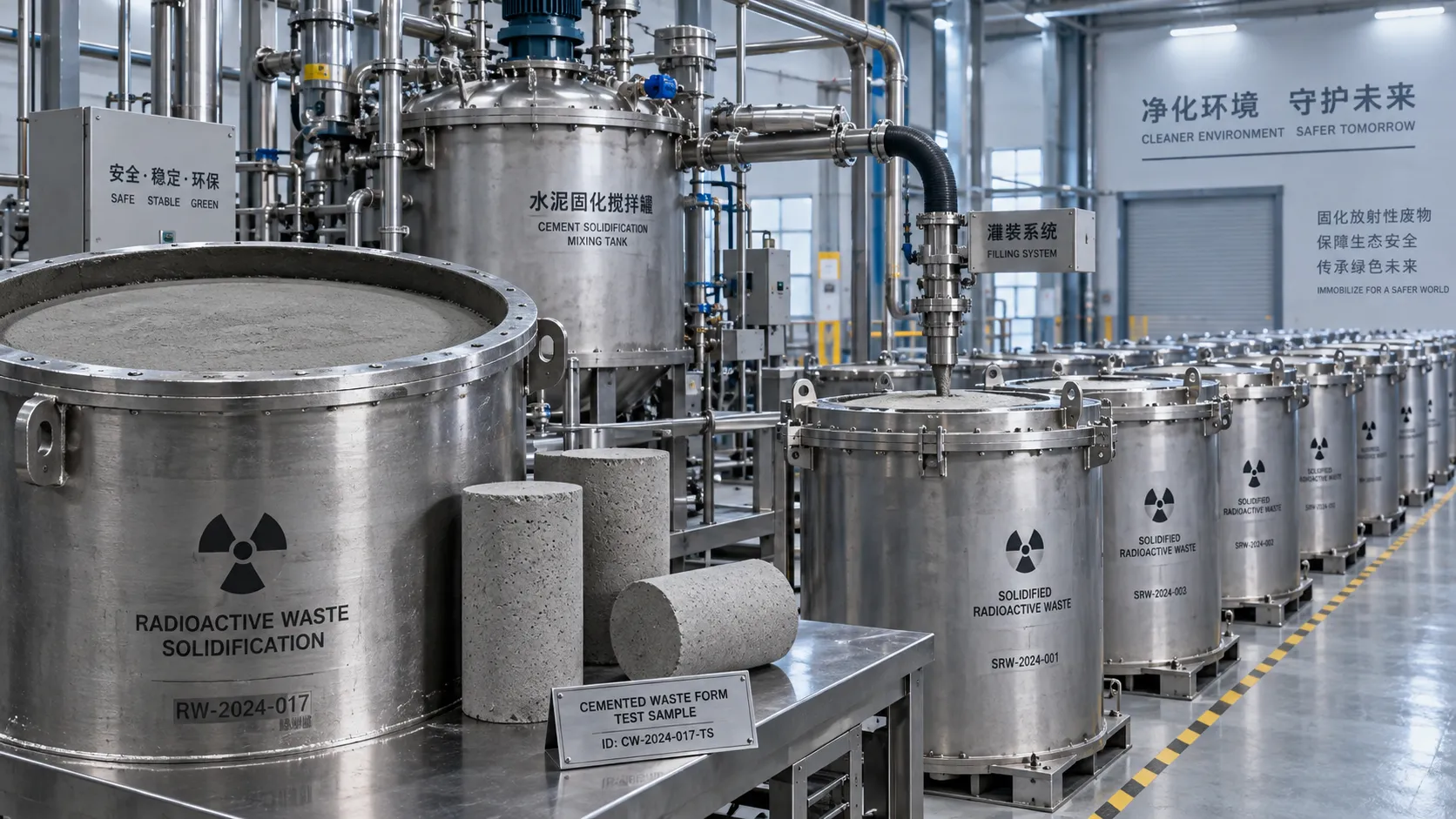
When is cementation suitable for nuclear decommissioning waste?
Explore nuclear waste treatment technology for decommissioning: learn when cementation fits, which risks to assess, and how disposal criteria guide an effective treatment choice.
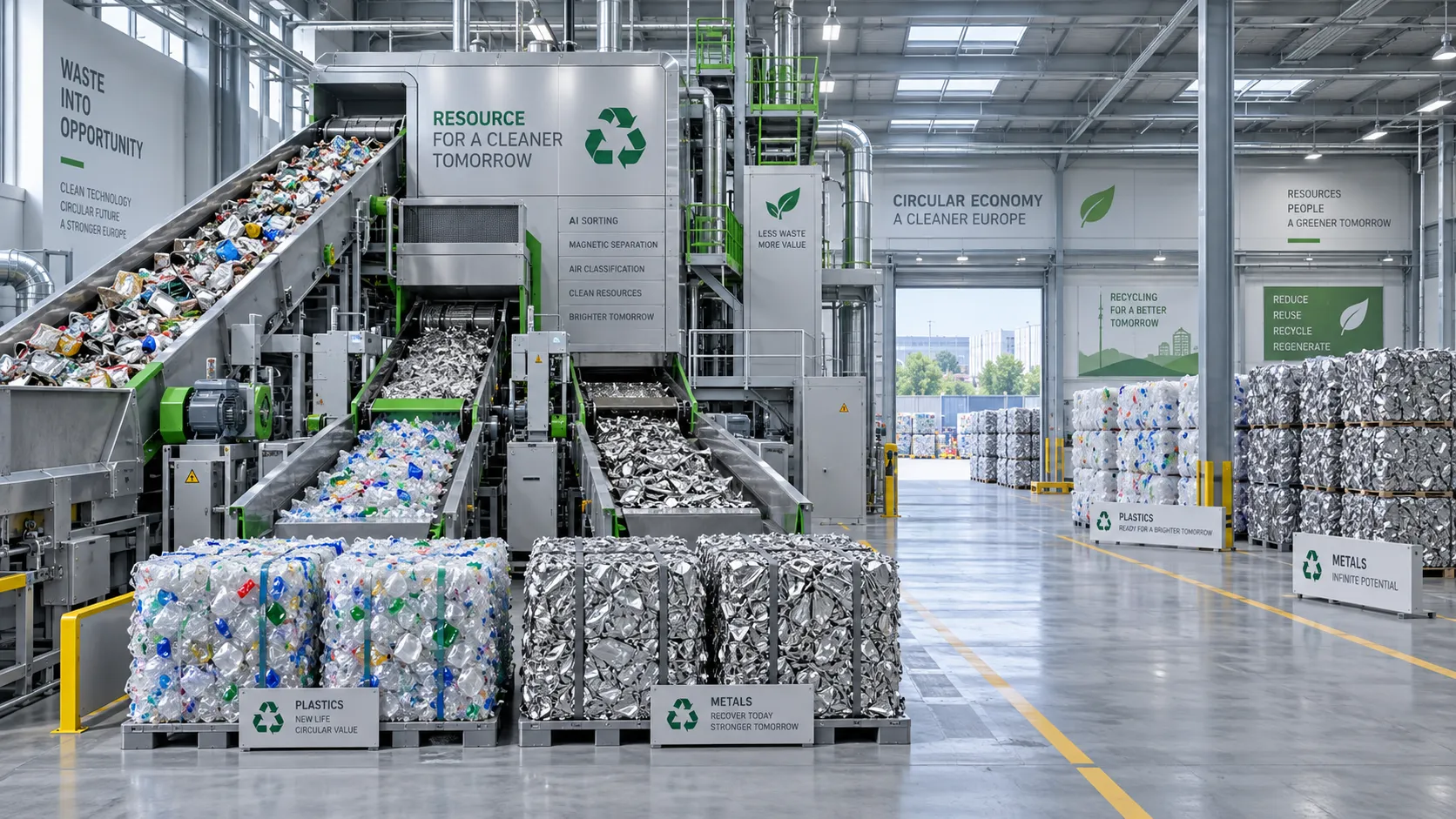
What determines payback for waste-to-resource systems in Europe?
Assess waste-to-resource systems Europe-wide: compare feedstock, recovery yields, costs and contracts to uncover payback drivers and make smarter investment decisions.
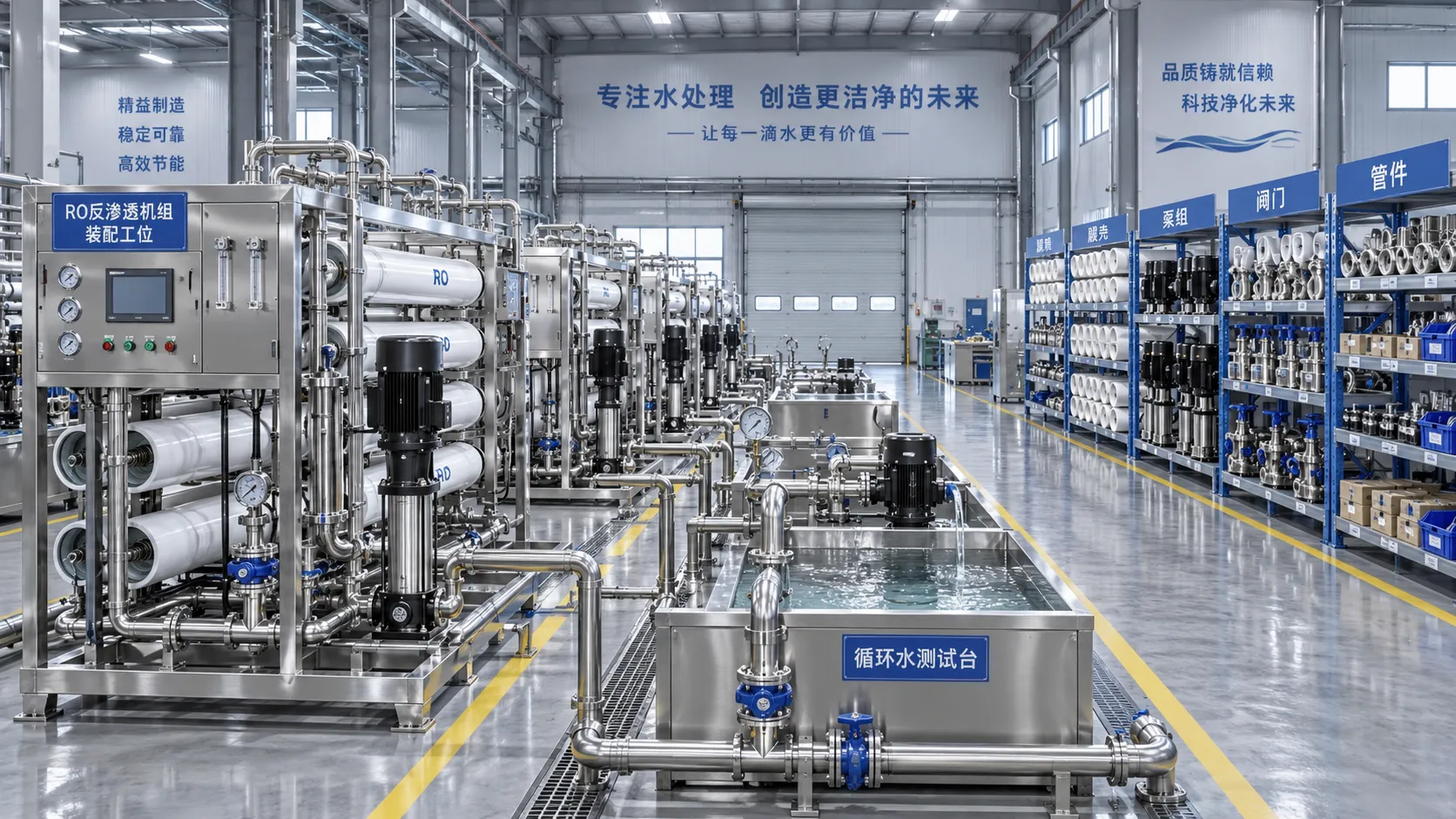
How to verify a water treatment system factory’s production capacity
Verify a water treatment systems factory’s production capacity through records, bottlenecks, component availability, and testing. Learn what to check before accepting a delivery promise.
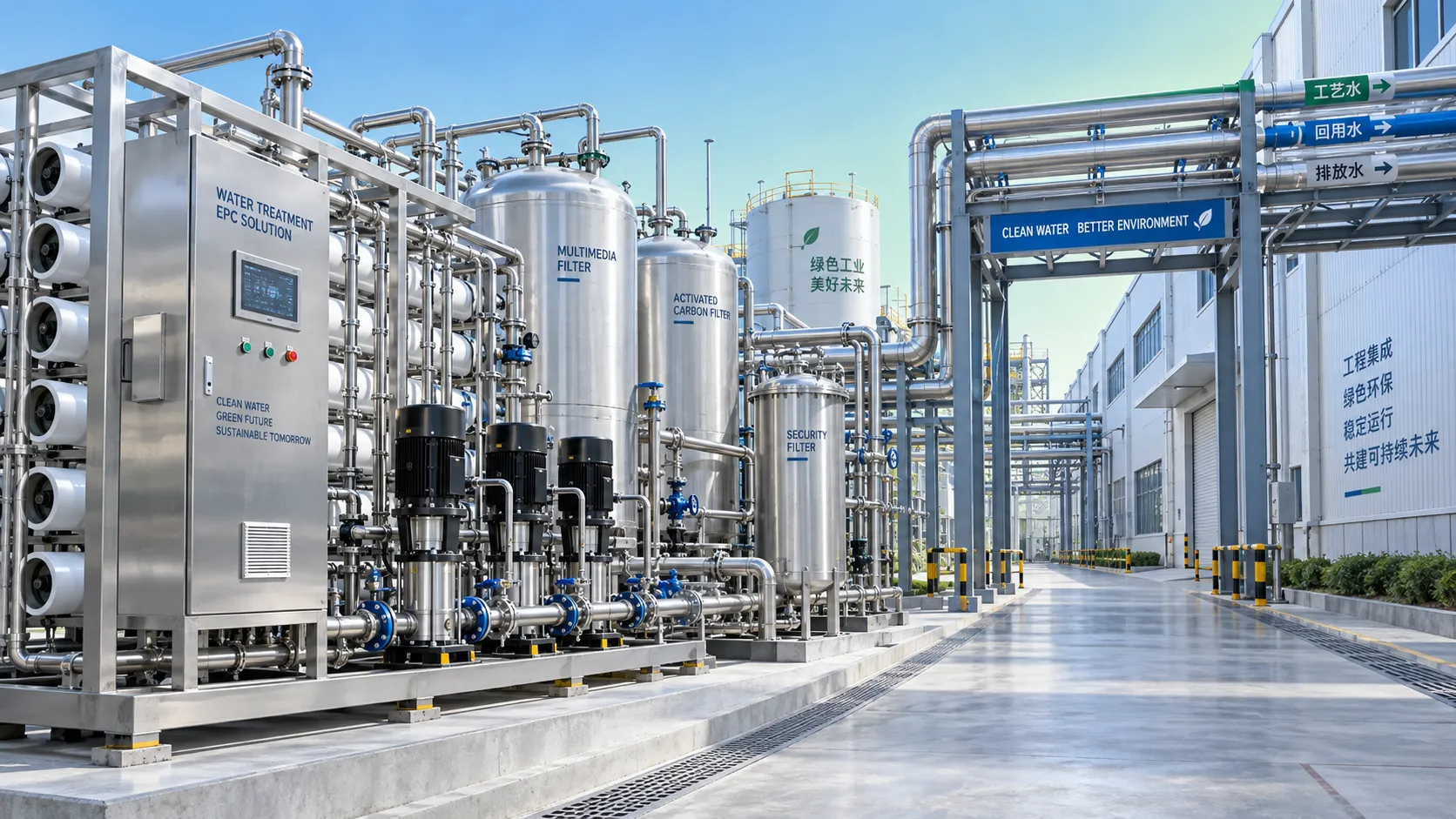
When does EPC environmental project support reduce delivery risk?
EPC environmental project support engineering reduces delivery risk by aligning design, procurement, compliance, construction, and commissioning decisions.
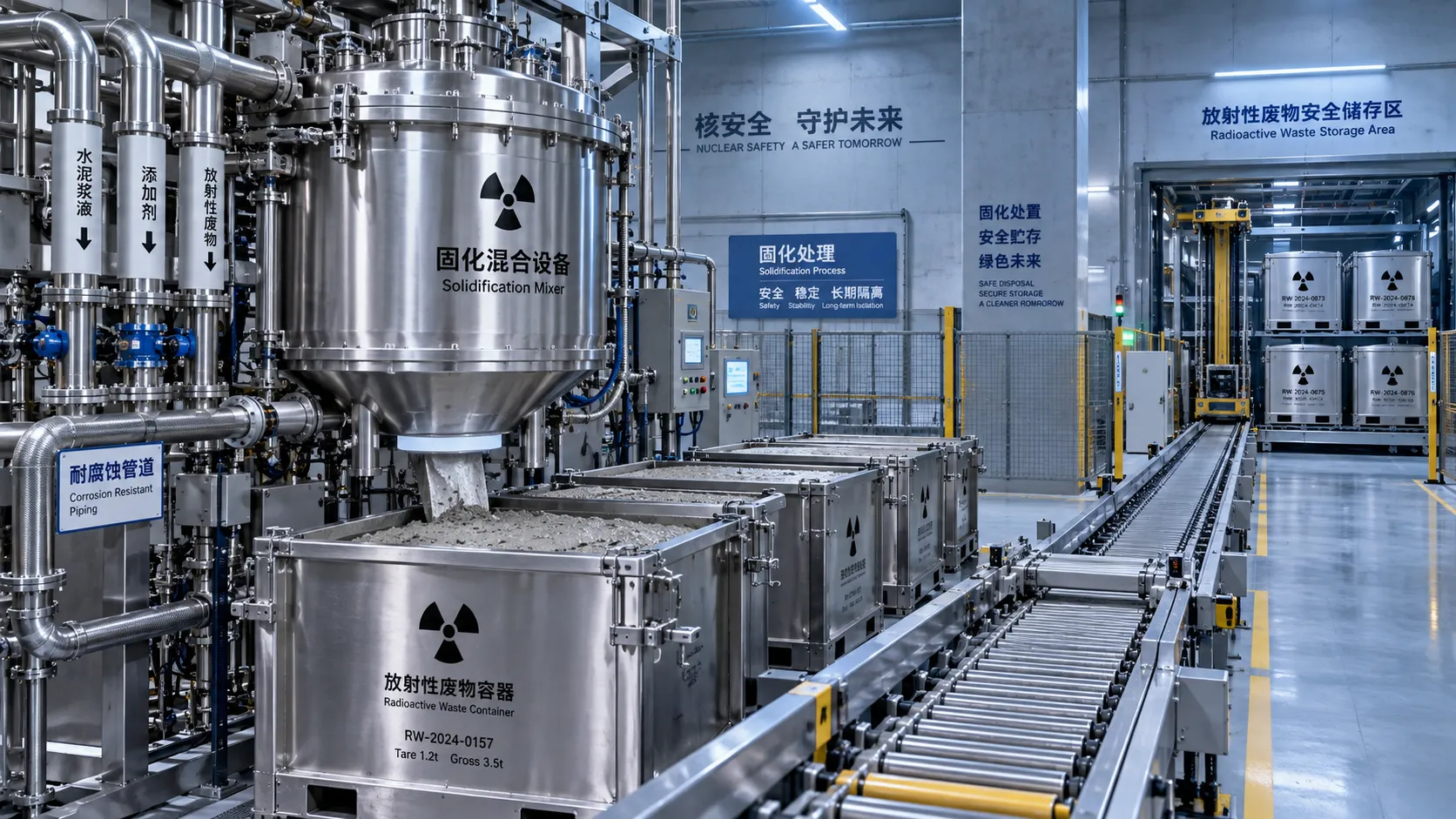
How nuclear plants select a radioactive waste solidification method
Radioactive waste management for nuclear plants: compare vitrification, cementation, polymers, and ceramics to select a compliant, durable solidification solution.
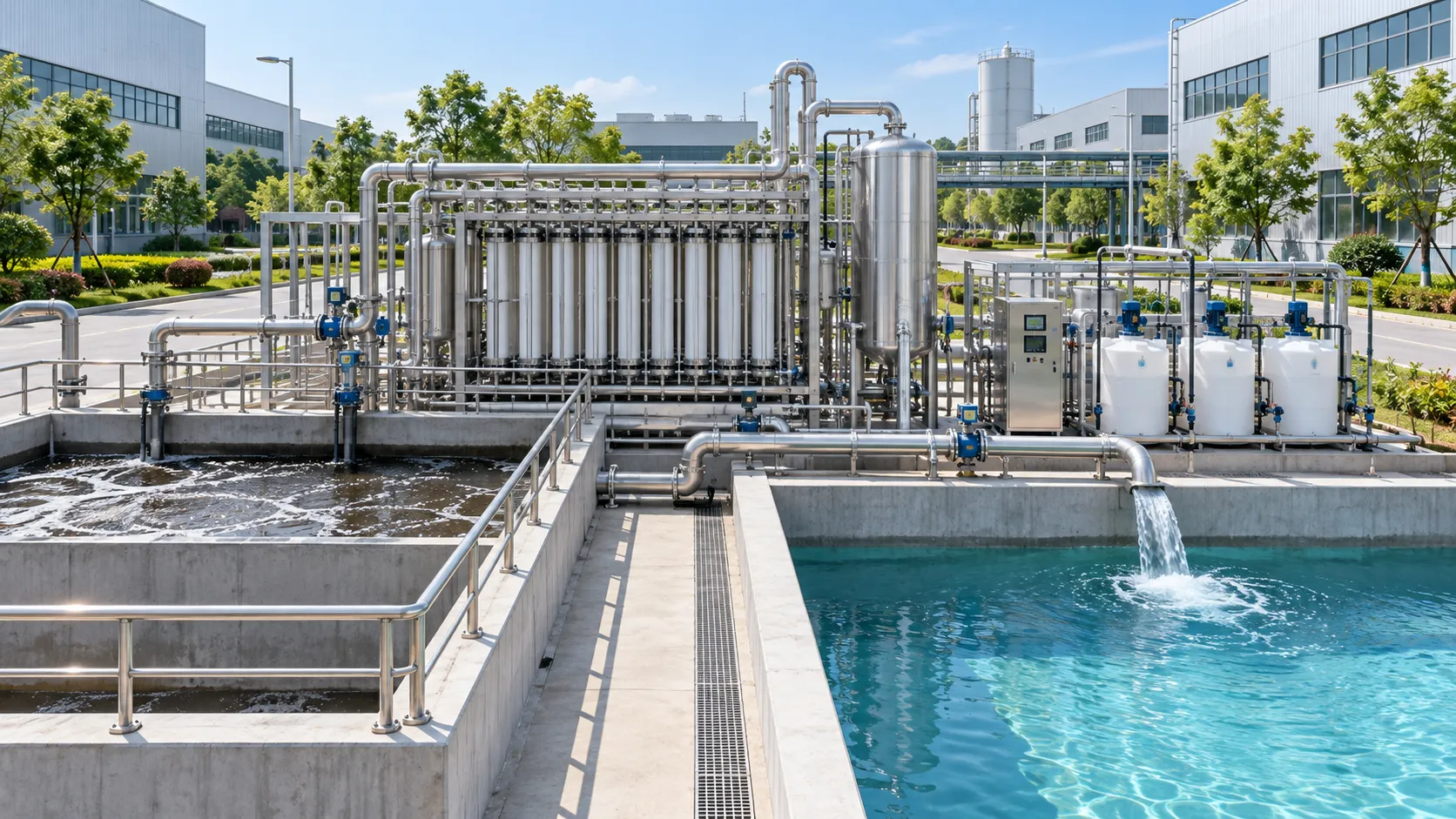
Comparing Upgrade Costs for Industrial Park Wastewater Treatment Systems
Compare costs for wastewater system upgrades in industrial parks with a lifecycle view of CAPEX, OPEX, compliance, resilience, and future expansion.
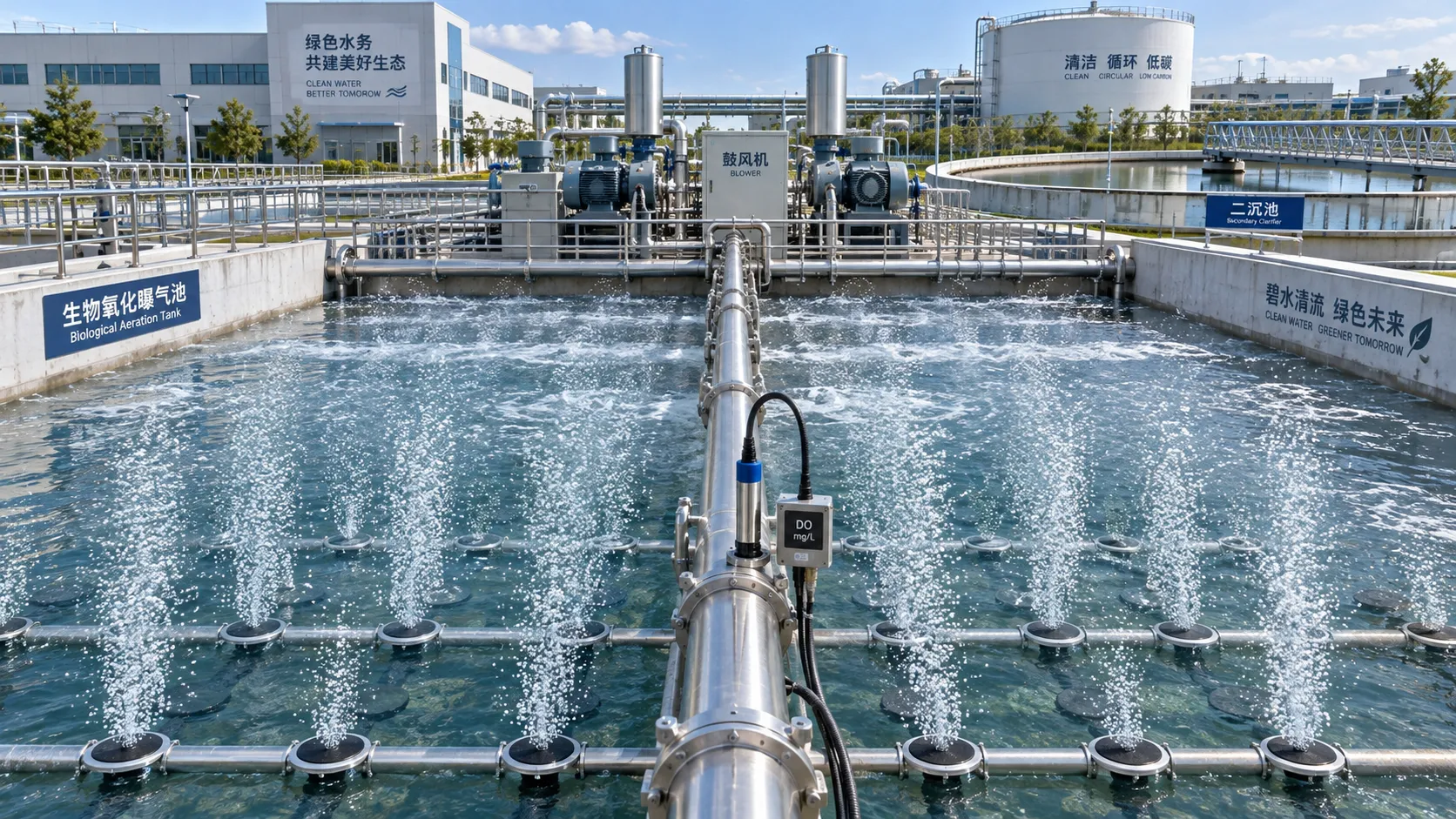
Biological Wastewater Oxidation Explained: Aeration Demand and Process Control
Biological wastewater oxidation explained: optimize aeration demand, DO control, nitrification, and sludge age for stable effluent quality and lower energy costs.
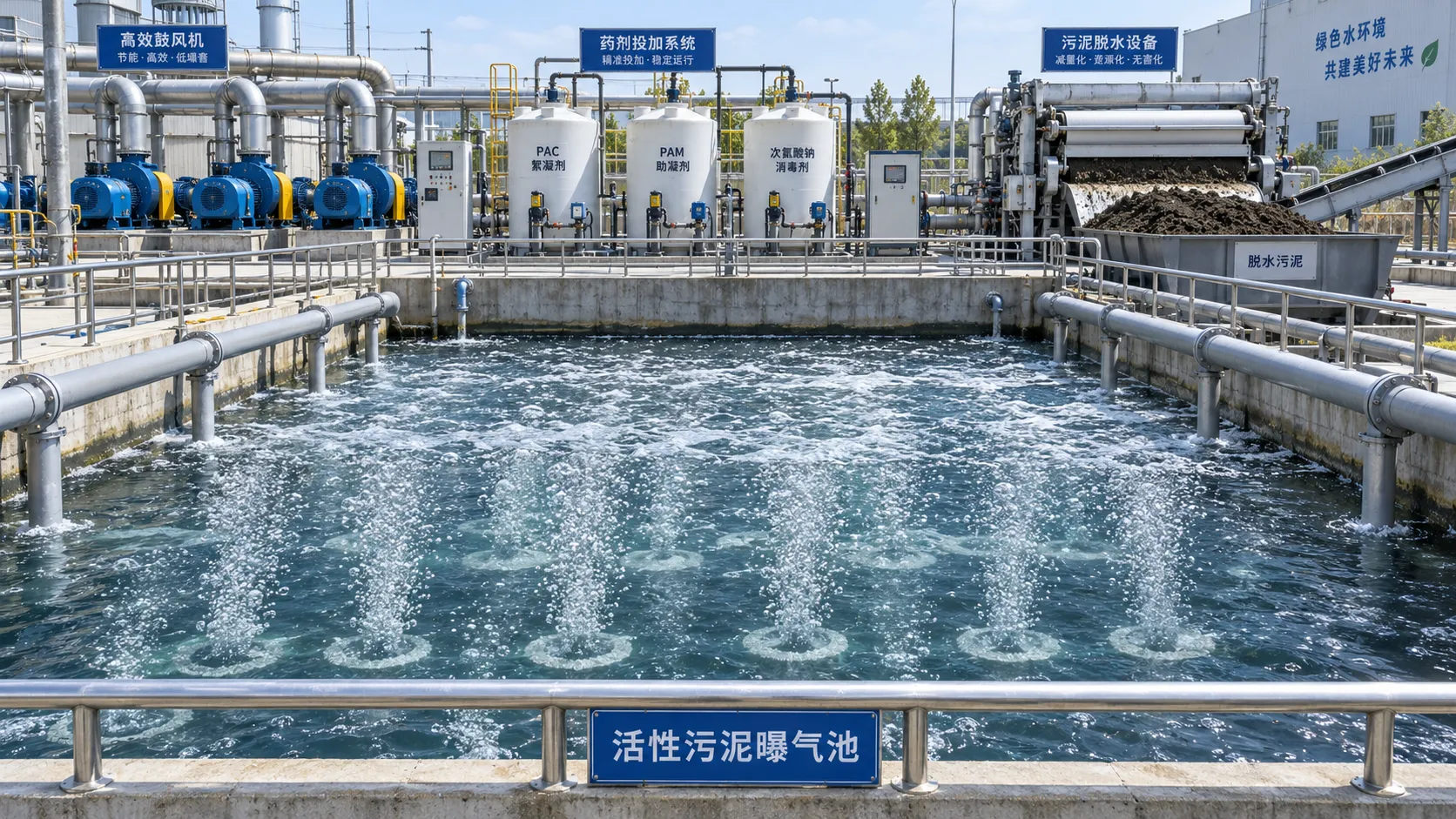
Activated Sludge Cost: Budgeting Energy, Chemicals, Sludge, and Labor
Activated sludge cost explained: compare energy, chemicals, sludge disposal, labor, and compliance risks to build a reliable lifecycle budget.
When Should Municipal Wastewater Plants Upgrade Treatment Capacity and Controls?
Municipal wastewater treatment upgrades: learn when capacity, controls, and resilient planning are needed to protect compliance and optimize plant performance.