
Industry News
Curation by industry experts
Hot Articles
Popular Tags
How to Compare Industrial Water Purification Systems by OPEX and Water Quality
For procurement teams, comparing industrial water purification systems is no longer just about upfront price. OPEX, effluent stability, compliance risk, and lifecycle reliability all shape the real value of an investment. This guide explains how to evaluate industrial water purification systems through operating cost and water quality metrics, helping buyers make smarter, lower-risk decisions in demanding industrial environments.
In sectors such as manufacturing, food processing, power generation, chemicals, mining, and municipal-industrial partnerships, the wrong treatment choice can lock a facility into 10 to 20 years of avoidable cost. A system that looks competitive on CAPEX may later consume more energy, chemicals, membranes, labor hours, and downtime than expected.
For buyers managing RFQs, EPC coordination, compliance targets, and plant uptime, the practical comparison framework is simple: measure what the system costs per cubic meter, and verify whether it can consistently deliver the water quality your process or discharge permit requires.
Why OPEX and Water Quality Should Lead System Selection
Industrial water purification systems are rarely evaluated in a stable operating environment. Feedwater TDS can shift by 15% to 30%, suspended solids can spike during seasonal events, and production loads may change across 2 or 3 shifts. That is why procurement teams should compare systems under realistic operating windows, not ideal test conditions.
A buyer focused only on purchase price may miss the larger risk profile. If one treatment line needs CIP every 4 weeks while another needs it every 8 to 12 weeks, the effect on labor, chemical use, and output continuity becomes significant over a full contract period.
The two questions that matter most
- What is the total operating cost per m³ over 3, 5, and 10 years?
- Can the system hold target water quality within required limits during normal fluctuation and upset conditions?
For example, a pharmaceutical rinse application may require conductivity below 10 µS/cm, while a boiler feed train may focus on silica, hardness, and dissolved oxygen control. A metal finishing plant may prioritize heavy metal removal and pH neutrality. Different end uses require different comparison logic.
Where buyers often make mistakes
- Using average feedwater data instead of worst-case ranges.
- Comparing recovery rate without considering scaling risk.
- Ignoring reject handling, sludge disposal, or concentrate management.
- Accepting vendor performance claims without a defined test boundary.
In high-reliability environments, especially where ZLD, water reuse, or discharge permits are involved, those omissions can turn into expensive retrofit work within 12 to 24 months.
How to Compare OPEX Across Industrial Water Purification Systems
OPEX should be broken into at least 6 categories: energy, chemicals, consumables, labor, maintenance, and waste handling. For some facilities, compliance monitoring and spare parts inventory should be treated as separate line items because they can represent 5% to 12% of annual operating cost.
Core OPEX categories buyers should request
When suppliers quote industrial water purification systems, procurement should request a normalized cost sheet using the same feedwater basis, production hours, and target treated volume. A useful benchmark is cost per m³ at 70%, 85%, and 100% design load.
The key takeaway is that not all low-energy systems are low-cost systems. A design with lower power demand may still have higher chemical spend, shorter membrane life, or more frequent cleaning events. Buyers should model total annual OPEX, not single-variable savings.
Typical OPEX differences by technology path
Different technology trains shift operating cost in different ways. Ultrafiltration plus RO may reduce SDI risk and improve downstream membrane stability, while softening plus RO may lower scaling risk in high-hardness water. Ion exchange can produce excellent polishing quality, but regeneration chemical handling must be assessed carefully.
Common comparison points
- Recovery rate: often 65% to 85% for many RO-based industrial applications, depending on feed quality and scaling margin.
- Membrane replacement cycle: commonly 2 to 5 years, influenced by pretreatment quality and cleaning discipline.
- Cartridge filter change interval: often 2 to 8 weeks in variable solids conditions.
- CIP frequency: may range from monthly to quarterly depending on fouling load.
These ranges are not guarantees, but they are useful for comparing vendor assumptions. If one proposal shows unusually long replacement intervals or very low chemical consumption, procurement should ask for the operating basis and water analysis behind those figures.
How to Evaluate Water Quality Beyond Nameplate Claims
Water quality comparison should begin with the actual use case. Industrial water purification systems for process reuse, cooling tower makeup, boiler feed, ingredient water, microelectronics, or discharge compliance each require different metrics. “High purity” means little unless the required limits are defined in measurable terms.
Match quality metrics to the application
A strong procurement specification usually includes 5 to 8 target indicators, not just one. Depending on the industry, these may include conductivity, TDS, TOC, turbidity, silica, hardness, COD, ammonia, heavy metals, microbial count, and pH.
This comparison prevents a common purchasing error: choosing a system optimized for one purity parameter while underperforming on another that actually drives compliance or process stability. A lower conductivity number does not automatically mean lower total risk.
Test stability, not only best-case output
Procurement teams should ask vendors for performance across at least 3 conditions: normal feedwater, high-load feedwater, and cleaning recovery or restart conditions. In practice, many quality failures happen during transition periods rather than during steady-state operation.
A robust evaluation may include pilot runs of 2 to 6 weeks, hourly or daily data logs, and alarm records showing how the system responds to SDI spikes, hardness changes, or conductivity drift. This is particularly important for reuse projects and high-recovery systems.
A Procurement Framework for Fair Vendor Comparison
To compare industrial water purification systems fairly, procurement should force a common basis. Without this, one proposal may include pretreatment and automation while another excludes them, creating a misleading price advantage. A structured bid matrix reduces that risk.
The 7-point bid comparison checklist
- Design flow in m³/h and daily operating hours.
- Feedwater range, including TDS, hardness, SDI, COD, and seasonal variation.
- Guaranteed treated water quality with test conditions clearly defined.
- Recovery rate and reject or sludge management scope.
- Energy consumption at partial and full load.
- Consumable replacement assumptions and annual spare list.
- Commissioning, training, warranty, and response time for service support.
For large projects, especially those linked to desalination, industrial reuse, or centralized treatment plants, this checklist should be expanded into a weighted scorecard. Many buying teams use weighting bands such as 30% technical fit, 25% OPEX, 20% serviceability, 15% compliance confidence, and 10% commercial terms.
Questions that reveal hidden lifecycle cost
- What happens to OPEX if feedwater conductivity rises by 20%?
- How many hours of unplanned shutdown were assumed per year?
- Which spare parts have lead times longer than 6 weeks?
- What operator skill level is required for daily control and CIP?
These questions matter because procurement does not buy equipment alone. It buys operating continuity, compliance confidence, and service resilience. In remote industrial sites, support response time can be as important as membrane rejection rate.
Common Trade-Offs in Real Industrial Projects
There is rarely a perfect system. Buyers usually balance 4 variables: purity, recovery, OPEX, and resilience. Pushing one too aggressively can weaken another. A higher recovery design may reduce intake water but increase scaling tendency and cleaning frequency.
Examples of trade-off logic
In a high-TDS industrial reuse project, a buyer may compare a conventional RO train against a more intensive recovery setup. The second option may save 10% to 15% more water, but if concentrate handling cost rises sharply, net OPEX may still be higher.
In a food plant, a more advanced polishing step may improve final water consistency, but if it adds complex sanitation procedures or more frequent resin replacement, the added purity may not justify the lifecycle burden unless the process truly requires it.
Red flags during evaluation
- Guaranteed water quality without a stated feedwater envelope.
- Very high recovery claims with no scaling or fouling control explanation.
- Low OPEX projections that exclude reject disposal or operator labor.
- Service commitments with no defined parts availability or response window.
For intelligence-driven buyers, especially those following stricter environmental compliance and reuse strategies, the best decision is often the one with the most predictable cost and quality performance, not the most aggressive specification on paper.
From Evaluation to Purchase Decision
A disciplined purchase process usually moves through 5 stages: water analysis, application definition, technical screening, pilot or verification, and final commercial negotiation. Skipping one of these steps often leads to change orders, missed quality targets, or underestimated OPEX.
What a strong buyer package should include
- At least 12 months of representative water data if seasonal fluctuation exists.
- Daily and peak demand profiles.
- Clear treated water or discharge targets.
- Utility costs for power, chemicals, labor, and waste handling.
- Site limits such as footprint, redundancy needs, and automation level.
This level of detail allows suppliers to quote industrial water purification systems more accurately and allows procurement to compare bids on the same technical and commercial basis. It also shortens clarification cycles, which can otherwise extend procurement timelines by 2 to 4 weeks.
Final decision guidance
Choose the system that delivers required water quality with manageable operating complexity and transparent cost assumptions. If two proposals are close in CAPEX, the better choice is usually the one with stronger pretreatment logic, clearer consumable planning, and more credible performance data under fluctuating feed conditions.
For organizations evaluating industrial reuse, desalination-linked supply, or high-compliance wastewater treatment, a technically grounded comparison of OPEX and water quality creates stronger negotiations and lowers post-award risk. To discuss project-specific evaluation criteria, obtain a tailored comparison framework, or explore broader treatment intelligence across large-scale water systems, contact ESD for a customized solution and deeper procurement insight.
Recommended News
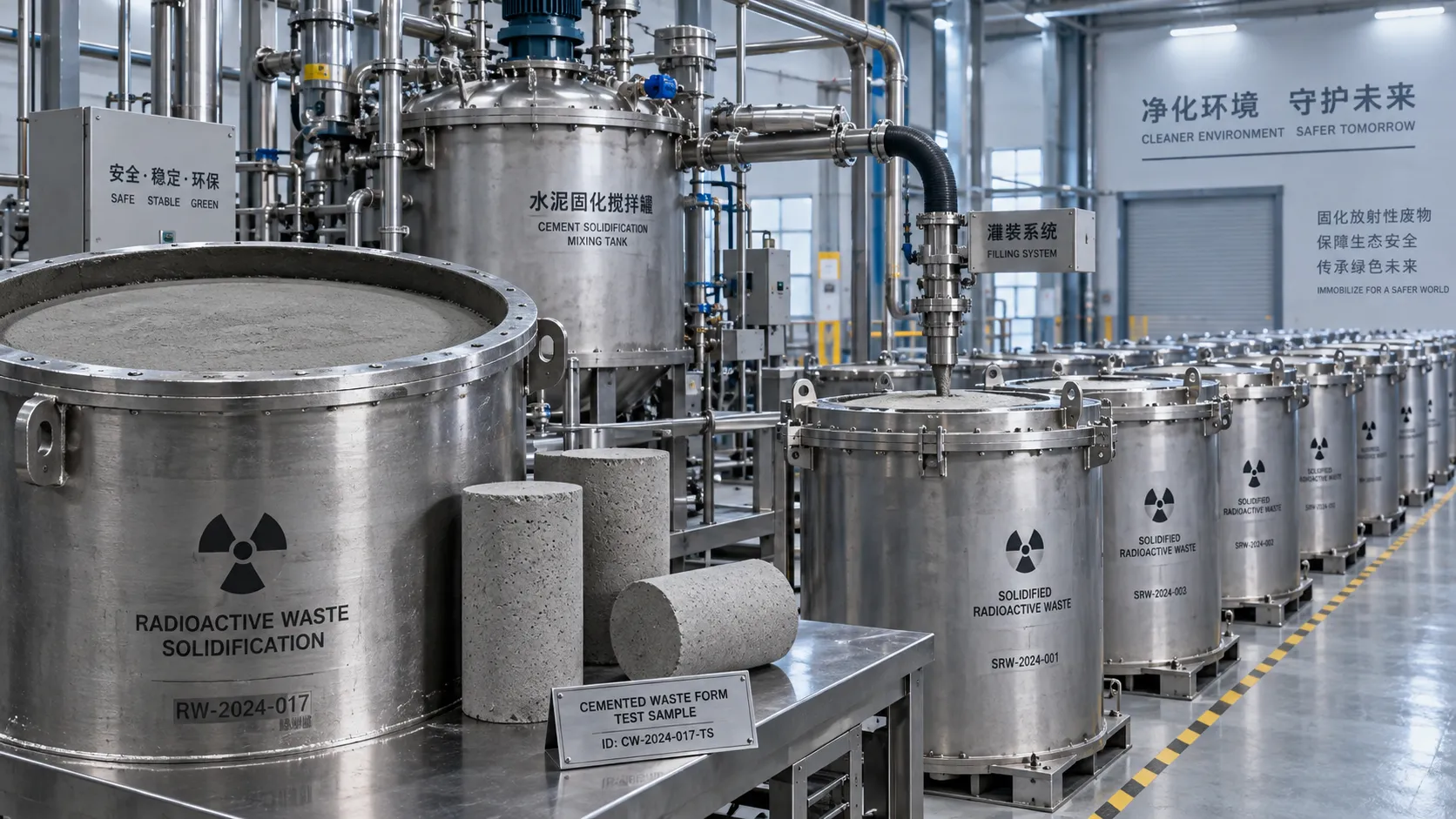
When is cementation suitable for nuclear decommissioning waste?
Explore nuclear waste treatment technology for decommissioning: learn when cementation fits, which risks to assess, and how disposal criteria guide an effective treatment choice.
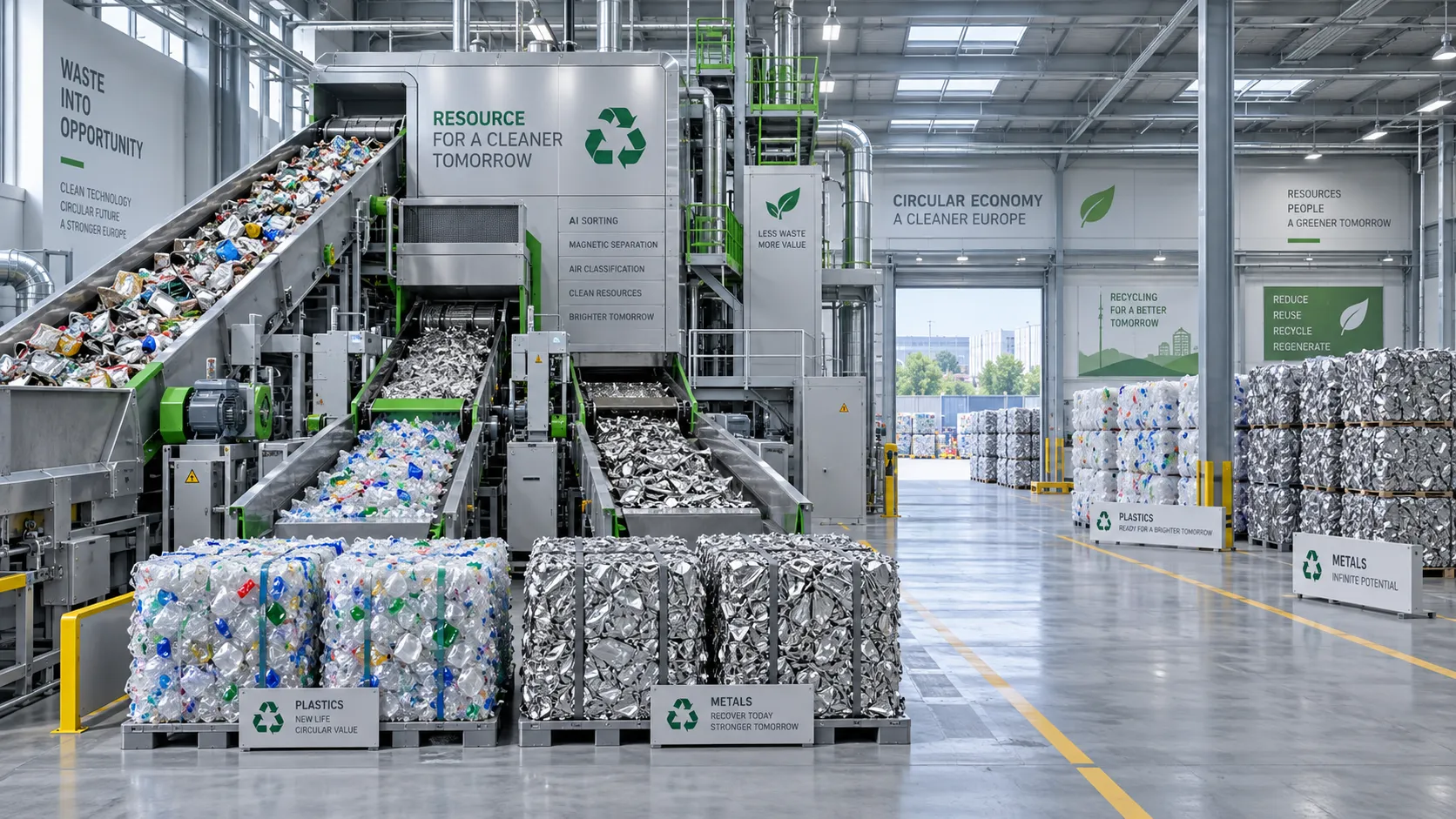
What determines payback for waste-to-resource systems in Europe?
Assess waste-to-resource systems Europe-wide: compare feedstock, recovery yields, costs and contracts to uncover payback drivers and make smarter investment decisions.
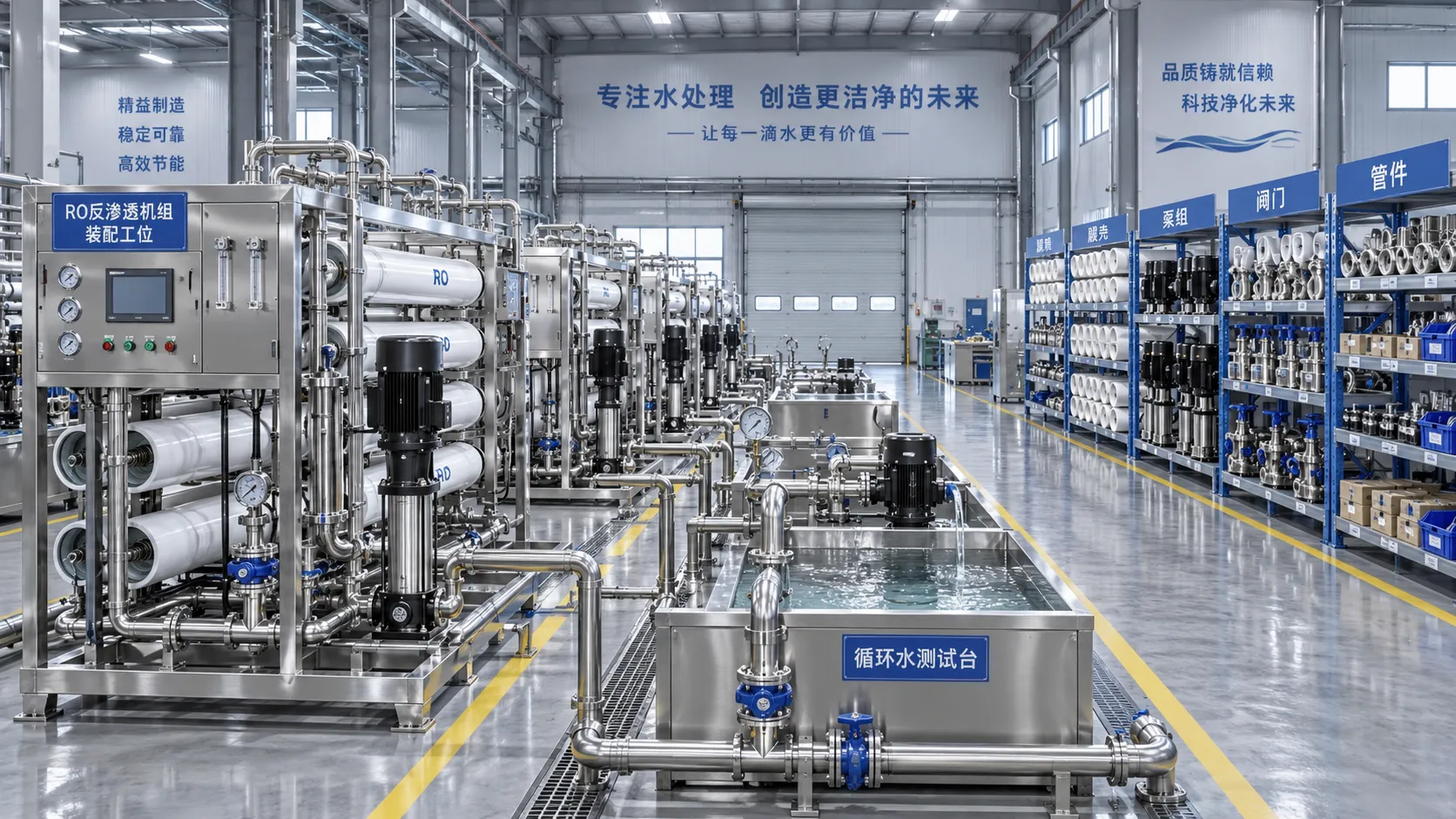
How to verify a water treatment system factory’s production capacity
Verify a water treatment systems factory’s production capacity through records, bottlenecks, component availability, and testing. Learn what to check before accepting a delivery promise.
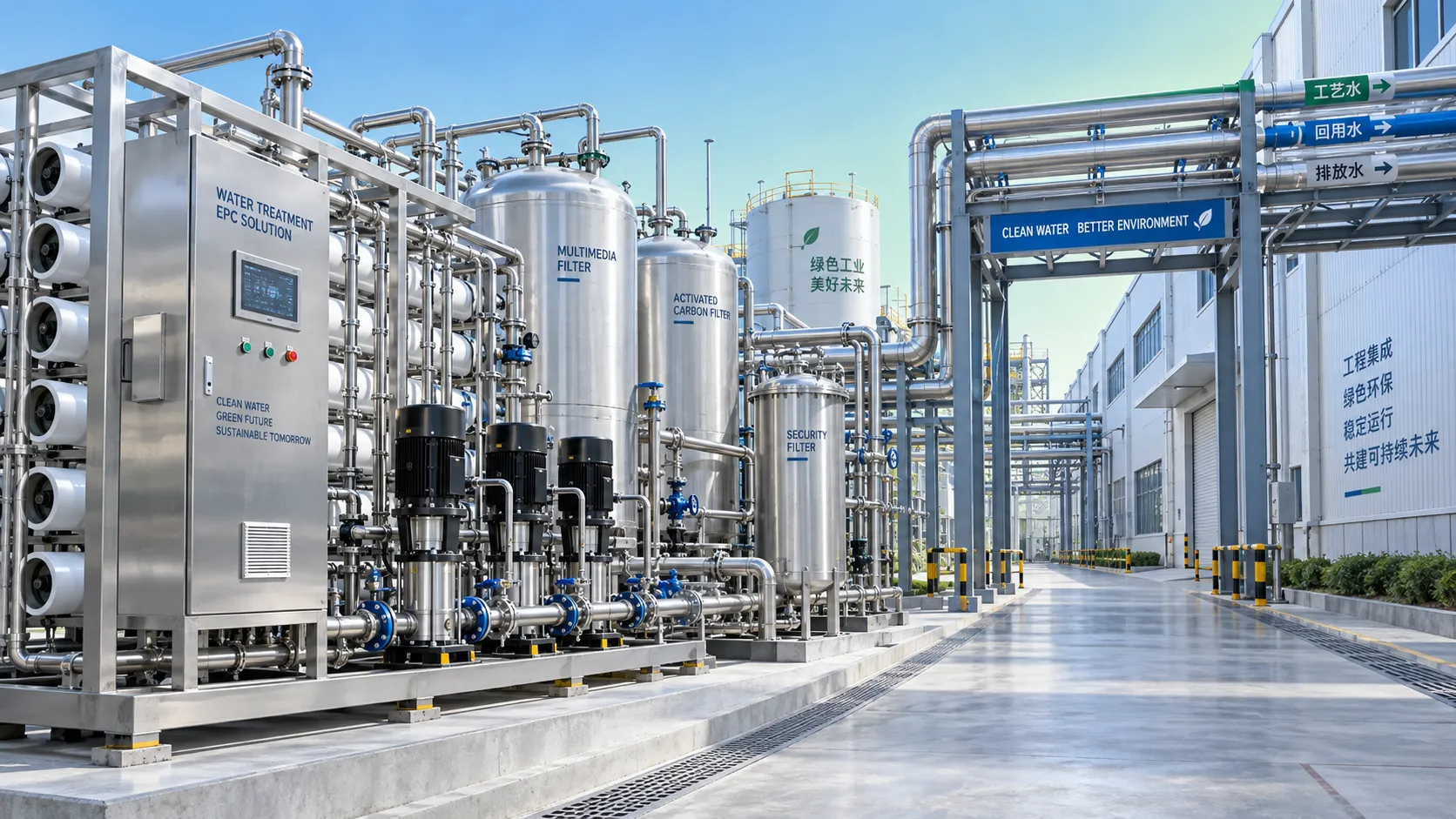
When does EPC environmental project support reduce delivery risk?
EPC environmental project support engineering reduces delivery risk by aligning design, procurement, compliance, construction, and commissioning decisions.
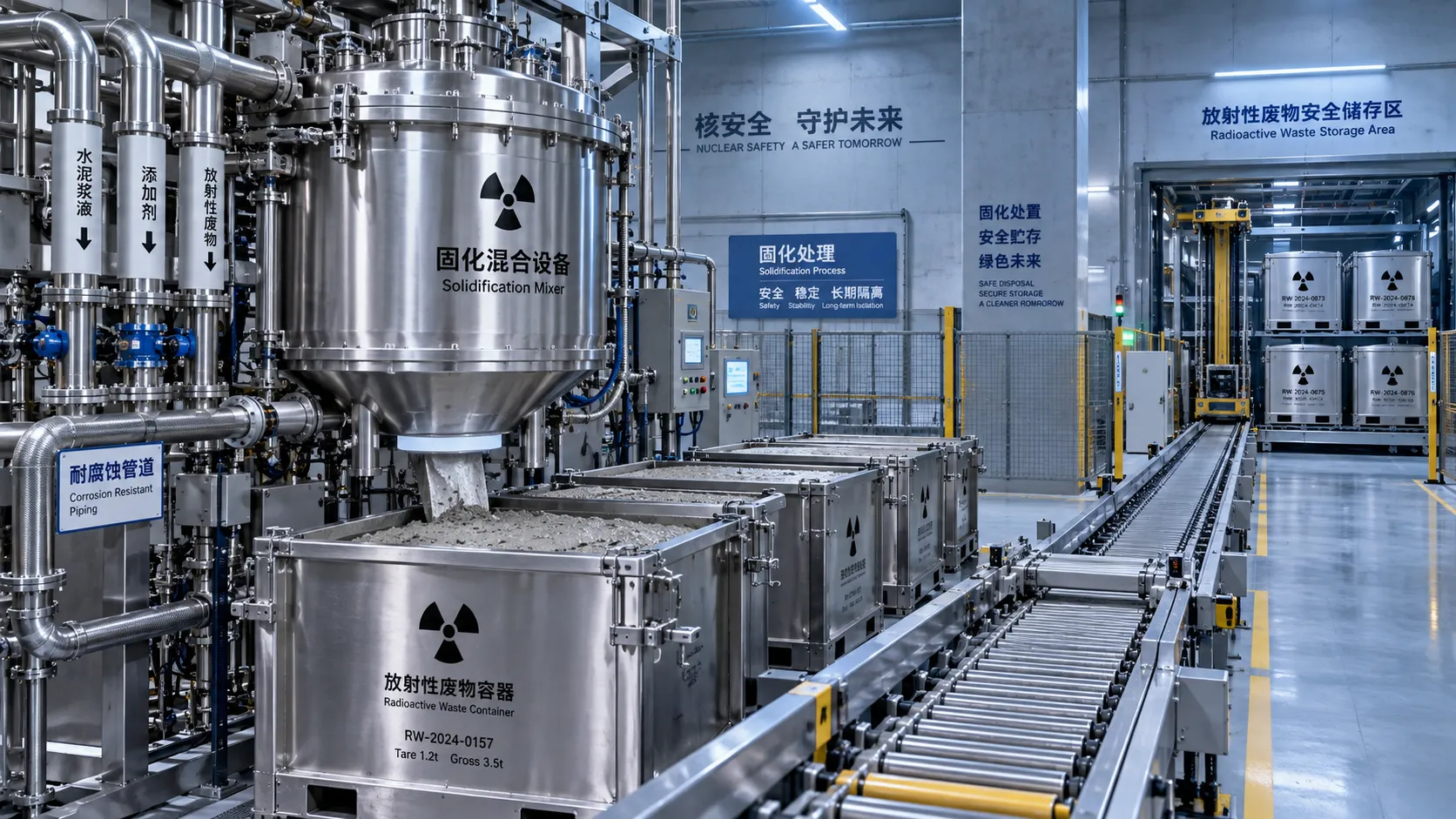
How nuclear plants select a radioactive waste solidification method
Radioactive waste management for nuclear plants: compare vitrification, cementation, polymers, and ceramics to select a compliant, durable solidification solution.
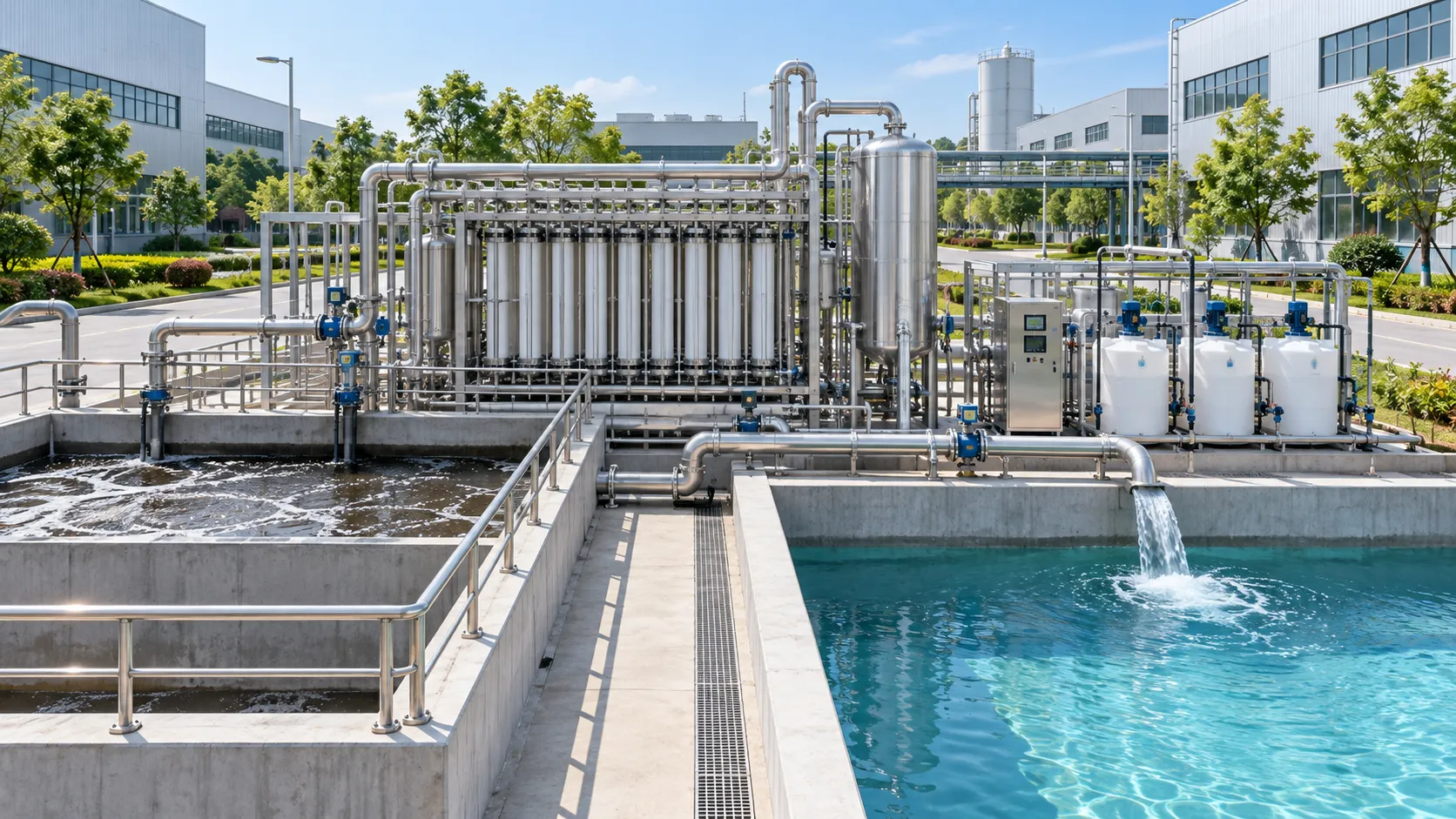
Comparing Upgrade Costs for Industrial Park Wastewater Treatment Systems
Compare costs for wastewater system upgrades in industrial parks with a lifecycle view of CAPEX, OPEX, compliance, resilience, and future expansion.
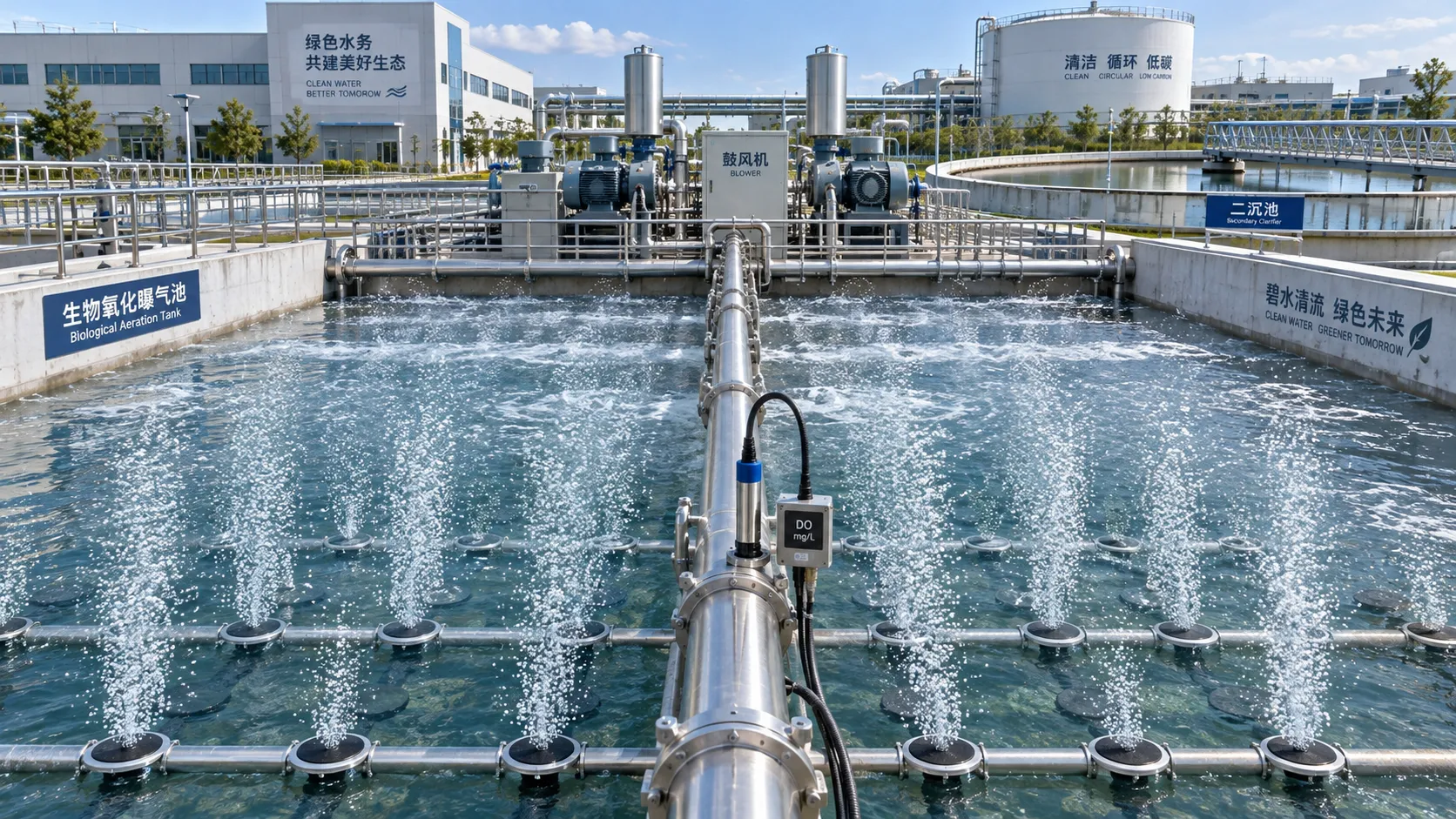
Biological Wastewater Oxidation Explained: Aeration Demand and Process Control
Biological wastewater oxidation explained: optimize aeration demand, DO control, nitrification, and sludge age for stable effluent quality and lower energy costs.
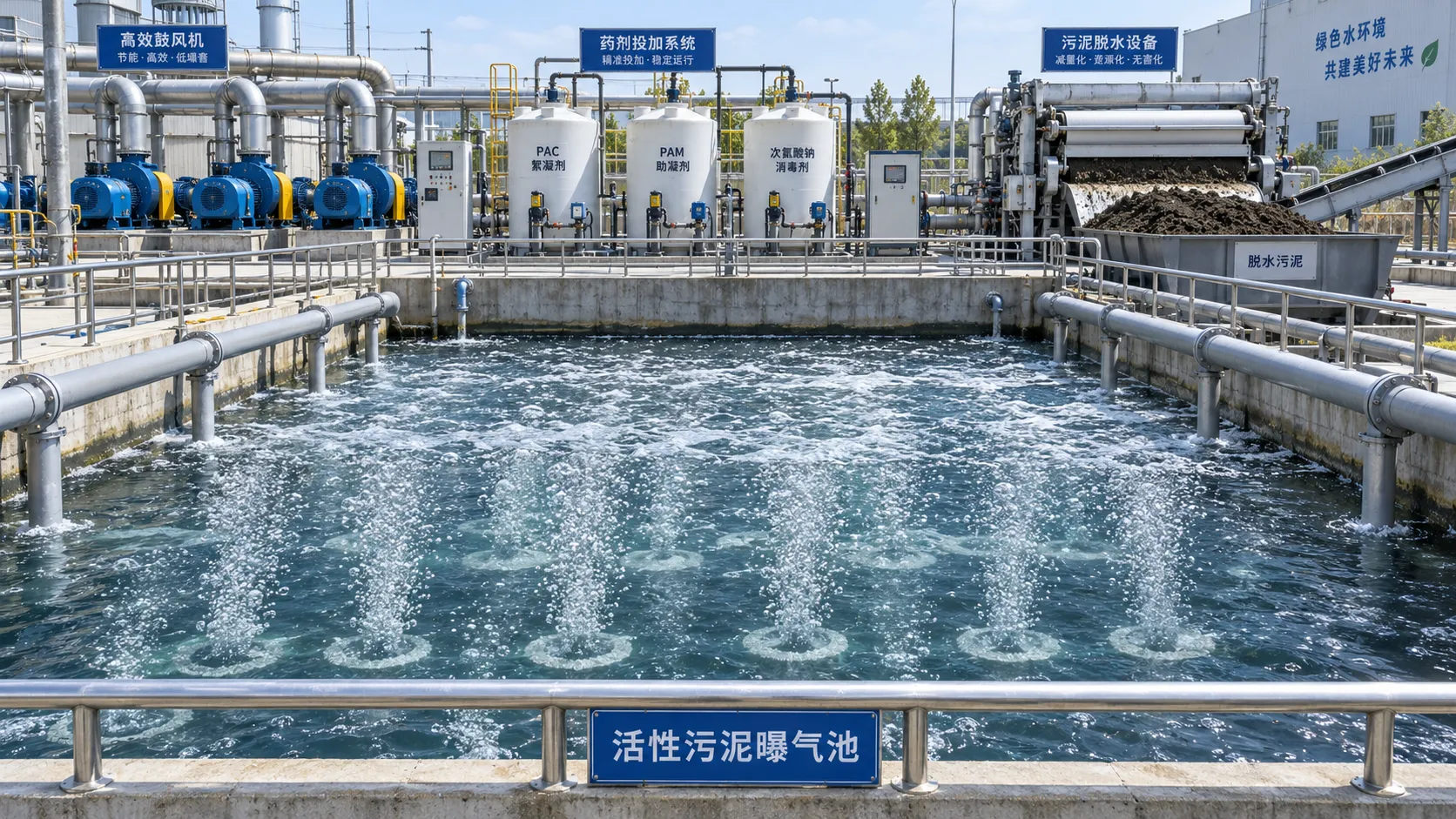
Activated Sludge Cost: Budgeting Energy, Chemicals, Sludge, and Labor
Activated sludge cost explained: compare energy, chemicals, sludge disposal, labor, and compliance risks to build a reliable lifecycle budget.
When Should Municipal Wastewater Plants Upgrade Treatment Capacity and Controls?
Municipal wastewater treatment upgrades: learn when capacity, controls, and resilient planning are needed to protect compliance and optimize plant performance.