
Industry News
Curation by industry experts
Hot Articles
Popular Tags
Advanced Water Purification Technologies for Industrial Wastewater Reuse
Why site conditions change the logic of industrial water reuse
Advanced water purification technologies now sit at the center of industrial wastewater reuse decisions. The pressure comes from stricter discharge limits, rising freshwater risk, and tighter carbon and compliance expectations.
In practice, the right solution rarely starts with a single membrane or reactor. It starts with the wastewater profile, recovery target, reuse purpose, and operating stability required over time.
That is why ESD tracks water treatment as part of a broader ecological engineering system. The real question is not whether advanced water purification technologies work, but where each technology fits best.
A polishing line for boiler make-up water needs different control logic than a refinery brine minimization project. Both reuse water, yet their tolerance for fouling, salinity swings, and downtime is not comparable.
The same wastewater label often hides very different treatment needs
Industrial wastewater is often grouped by sector, but field conditions are usually more decisive than sector names. Flow variability, silica, oil carryover, refractory COD, and dissolved salts can reshape the full treatment train.
More demanding sites usually face two simultaneous goals. They must push water recovery higher while keeping membranes, oxidants, and thermal units stable enough for continuous operation.
This is where advanced water purification technologies become less about headline efficiency and more about compatibility. A technology that performs well in pilot conditions may fail economically under unstable loading.
When high-organic streams drive the decision
Chemical processing, food ingredients, landfill leachate, and pharmaceutical intermediates often produce water with persistent organics. In these cases, biological treatment alone may not create reliable reuse quality.
Advanced oxidation processes become relevant when color, toxicity, or refractory COD blocks downstream reuse. Ozone, UV, and catalytic oxidation can improve biodegradability or provide final polishing, depending on the target.
The judgment point is energy and reagent efficiency under real matrix conditions. High scavenger loads can reduce oxidation effectiveness, so pretreatment quality matters as much as the oxidation stage itself.
When dissolved salts define the whole reuse strategy
Power, mining, textiles, and inland desalination concentrate management often face a salinity problem before anything else. Here, advanced water purification technologies usually combine RO, NF, EDR, brine concentration, and ZLD steps.
The key is not chasing the highest nominal recovery. It is finding a stable point where scaling risk, antiscalant demand, concentrate handling, and energy consumption remain acceptable over long operating cycles.
What matters more in high-recovery membrane systems
High-efficiency membrane platforms are often the first choice for industrial water reuse because they can deliver compact footprints and predictable water quality. Yet membrane-led systems only work well when pretreatment discipline is strong.
In actual projects, the membrane decision is rarely just UF versus RO. The more useful comparison is how each configuration responds to suspended solids, colloids, hardness, organic fouling, and cleaning frequency.
This comparison shows why advanced water purification technologies should be selected as systems, not isolated units. The bottleneck usually appears at interfaces between stages, not inside one equipment package.
Where advanced oxidation and polishing make more sense
Not every reuse project needs aggressive oxidation. It becomes more valuable when water is destined for sensitive recycling loops, such as cooling systems, process wash lines, or high-quality utility reuse.
A frequent field mistake is using advanced oxidation to compensate for weak upstream separation. If oil, solids, or unstable COD peaks are not controlled first, oxidant costs rise quickly and process stability falls.
In more mature designs, polishing is layered. Coagulation protects membranes, membranes reduce bulk load, and oxidation removes what remains difficult. That sequence usually performs better than overloading one step.
- Use AOP when reuse quality depends on low color, low odor, or trace organics control.
- Use adsorption or ion exchange when selective removal is more economical than full oxidation.
- Confirm byproduct control before scaling any oxidation-based reuse line.
ZLD becomes relevant when discharge risk is higher than energy risk
Zero Liquid Discharge is often discussed as the ultimate form of industrial wastewater reuse. In reality, ZLD is justified only where water scarcity, inland disposal limits, or strategic compliance pressure outweigh its energy and capex burden.
This is common in large chemical parks, thermal power facilities, and coastal or arid projects with limited discharge flexibility. There, advanced water purification technologies support not just reuse, but long-term permit resilience.
The difficult part is usually not evaporation itself. It is the path leading to the thermal endgame, including softening, organics control, high-recovery RO, and reliable solids handling.
ESD often frames this as an ecological boundary issue. Once discharge margins tighten, the treatment train must connect chemistry, energy, and residue logic as one closed-loop engineering problem.
Different reuse goals need different quality targets
One reason advanced water purification technologies are misapplied is that “reuse” sounds like a single target. It is not. Cooling tower makeup, boiler feed, floor washing, and process rinsing all impose different risks.
A moderate-quality reuse loop may tolerate residual salts but not suspended solids. A high-pressure boiler line may do the opposite, demanding strict silica and conductivity control above all else.
The most effective planning method is to classify reuse destinations before final technology selection. That prevents overdesign in low-risk loops and underdesign in critical utility applications.
A practical way to separate decision paths
- Utility reuse focuses on conductivity, hardness, silica, and microbiological stability.
- Process reuse usually prioritizes product interaction risk, trace contaminants, and seasonal variation.
- Environmental reuse often centers on discharge substitution, storage stability, and low operating complexity.
Common misjudgments before implementation
Several errors appear repeatedly in industrial water projects. The first is selecting advanced water purification technologies from catalog performance rather than from feed variability and maintenance reality.
Another is treating similar sectors as identical. Two textile sites may have completely different dye chemistry, salt burden, and recycle economics. The same applies to electronics, food processing, or metal finishing.
A third mistake is ignoring downstream residues. Concentrate, sludge, spent media, and cleaning solutions can redefine the true operating cost and compliance profile of a reuse project.
There is also a timing issue. Systems designed only for current loads often struggle when production ramps up, feed chemistry shifts, or local standards tighten under new environmental policy.
How to build a more reliable selection path
A stronger approach starts with water mapping, not equipment mapping. Characterize peak and average loads, identify non-negotiable contaminants, and define where reused water will actually go.
Then compare advanced water purification technologies by lifecycle behavior. Cleaning intervals, membrane replacement, oxidant demand, scaling margin, and automation needs are usually more informative than single-pass removal numbers.
It also helps to examine the project through the wider ESD lens. Water reuse now intersects with carbon exposure, industrial resilience, circular economy targets, and future regulatory tightening across multiple environmental systems.
- Define reuse endpoints before finalizing treatment depth.
- Test pretreatment robustness under variable feed conditions.
- Model concentrate and residue handling from the start.
- Check energy, chemicals, downtime, and compliance together.
Advanced water purification technologies deliver the most value when matched to actual site constraints. The next useful step is to compare reuse scenarios, confirm quality targets, and build a selection standard around operating risk rather than headline claims.
Recommended News

When corrosion resistant purification systems are needed for brine treatment
Corrosion resistant purification systems for brine treatment: assess chloride, heat, scaling, materials, and lifecycle reliability for demanding water projects.

How preventive maintenance reduces seawater desalination equipment downtime
Seawater desalination equipment maintenance reduces downtime through proactive monitoring, pretreatment protection, and planned repairs. Explore practical strategies for reliable RO performance.
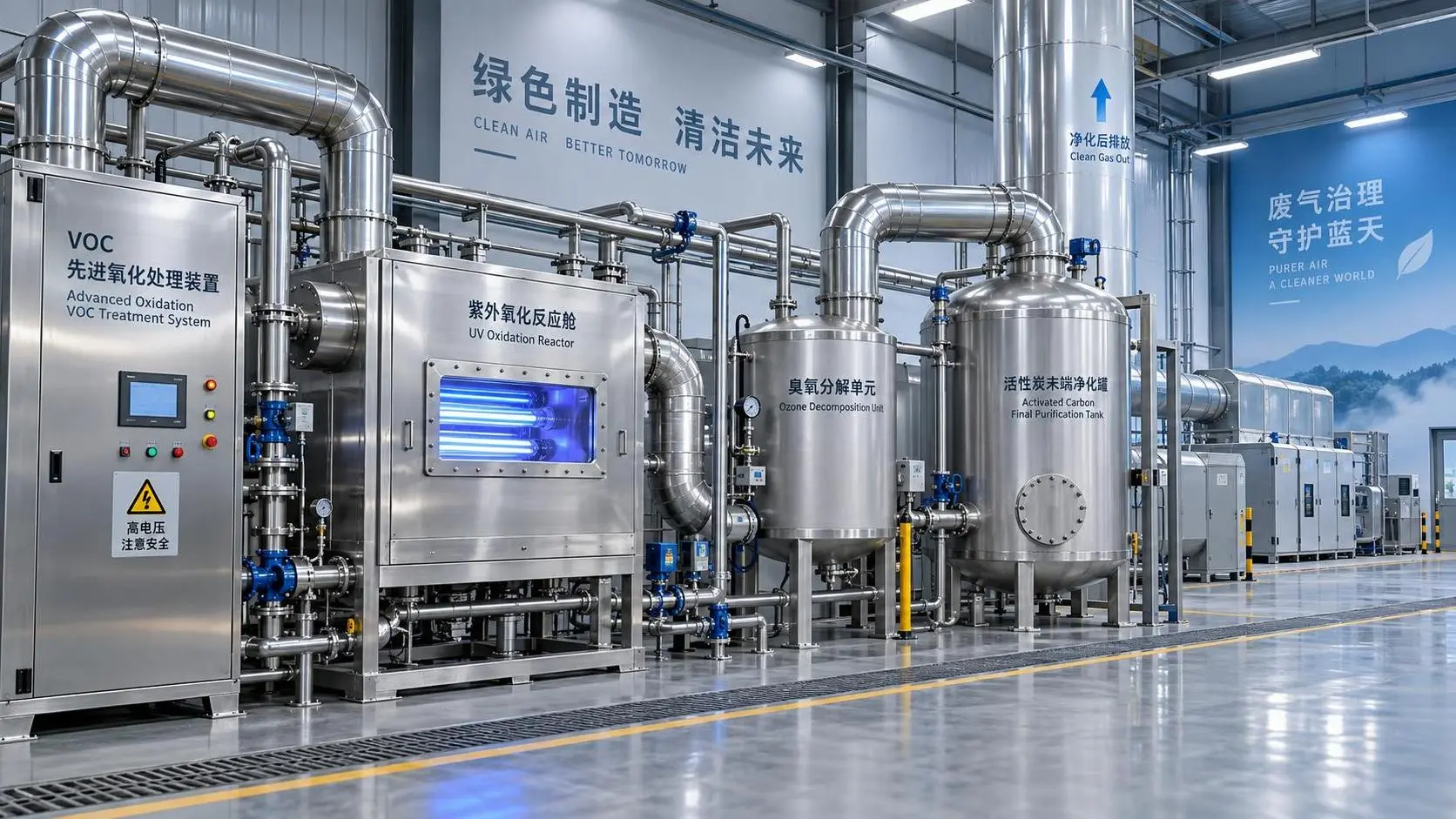
When are advanced oxidation processes the right choice for VOC control?
Advanced oxidation processes for VOC control: learn when AOPs outperform conventional options, manage by-products, and achieve reliable compliance.
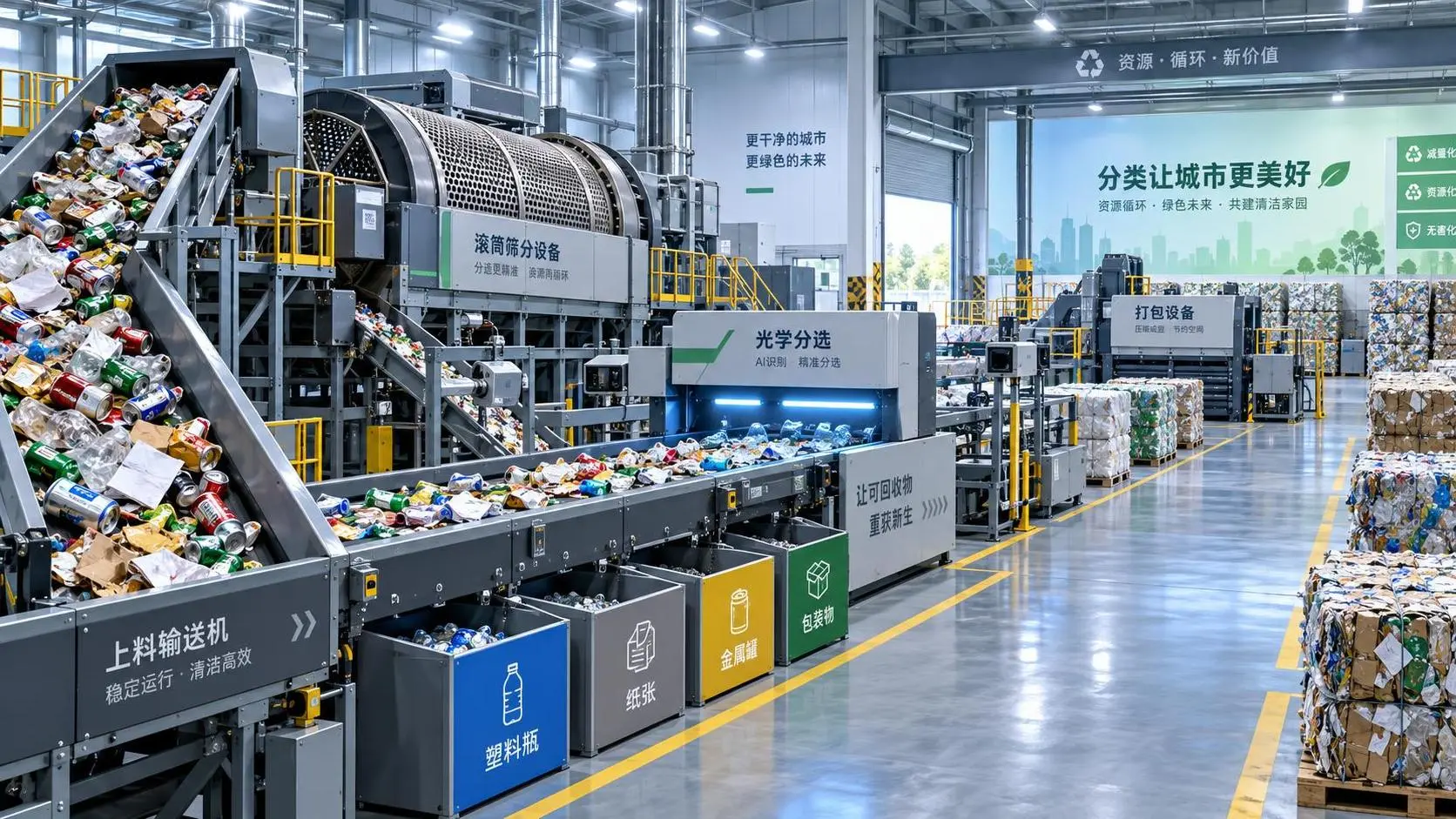
What throughput should municipal waste sorting equipment deliver?
Waste sorting equipment for municipal waste: learn how to set reliable throughput based on peak loads, material quality, uptime, and recovery targets.
What carbon neutrality means for corporate investment decisions
Carbon neutrality is transforming corporate investment decisions. Explore how lifecycle economics, efficiency, compliance, and resilience can drive measurable returns and lasting advantage.
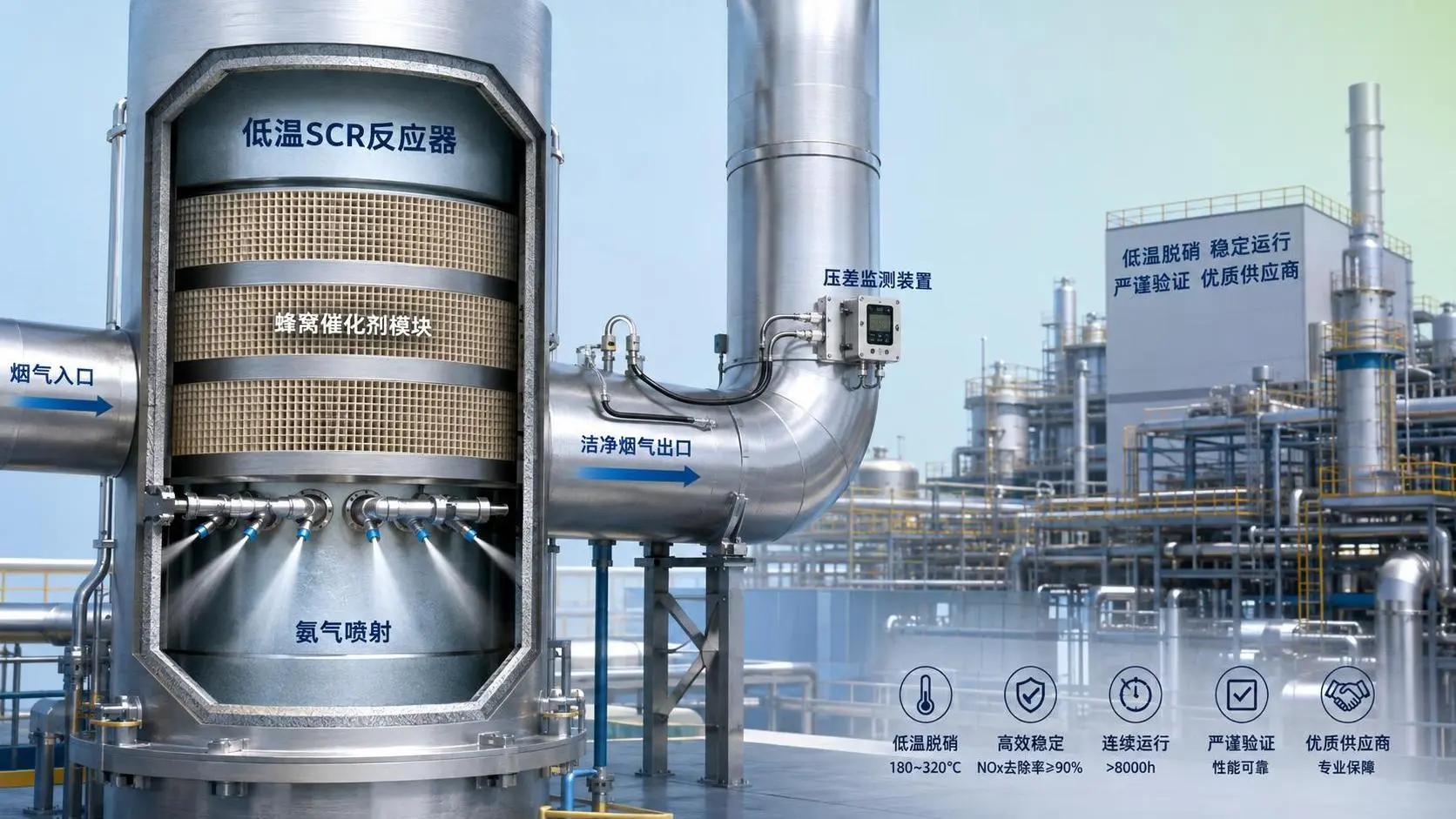
What to verify before choosing a low temperature SCR supplier
Low temperature SCR supplier checklist: verify catalyst temperature range, sulfur resistance, ammonia slip, pressure drop, lifecycle cost, and support before award.
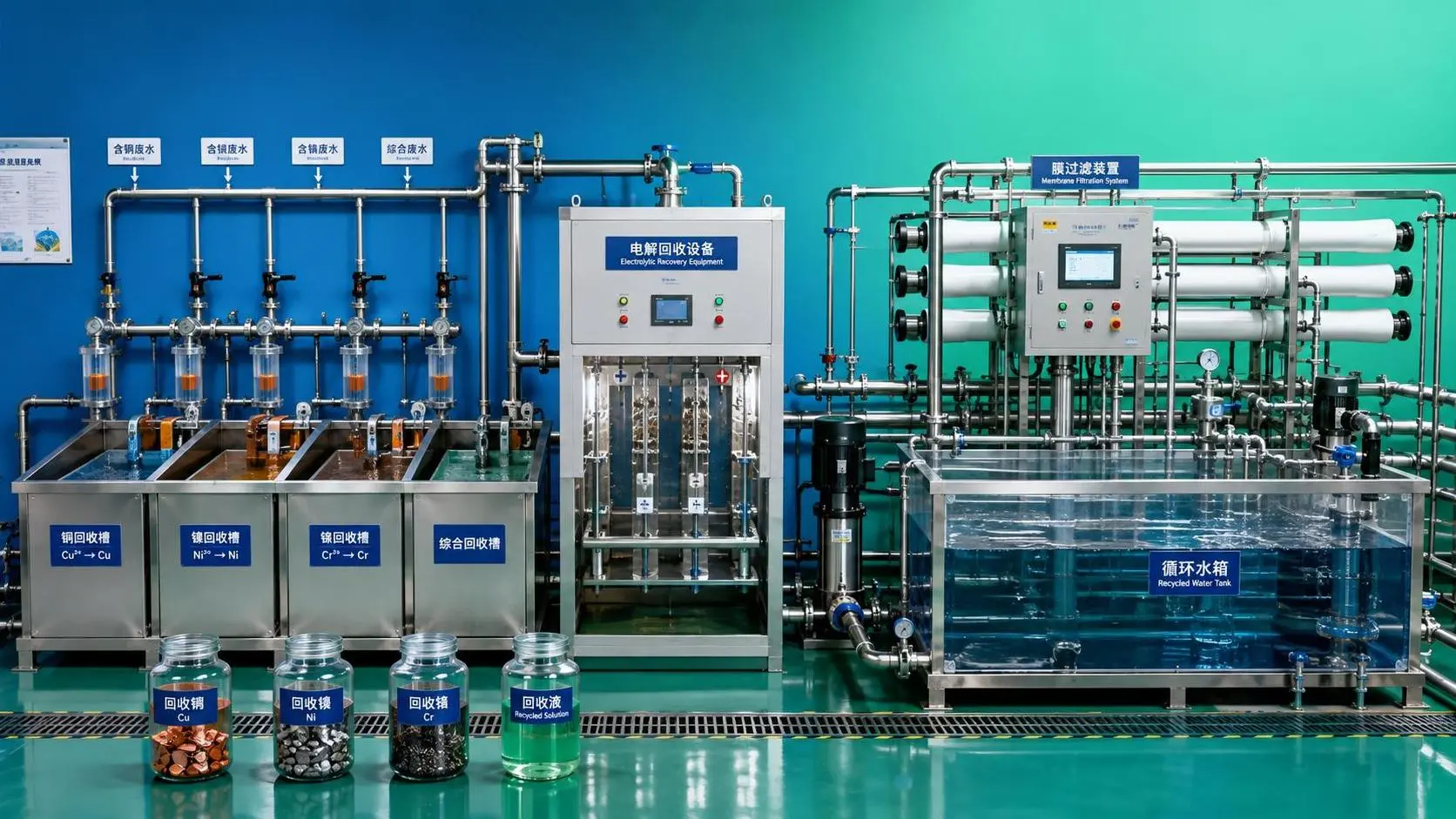
How closed-loop resource recovery for electroplating cuts metal waste
Closed-loop resource recovery for electroplating reduces metal waste, sludge, and water use through smarter stream segregation, recovery, and reuse strategies.
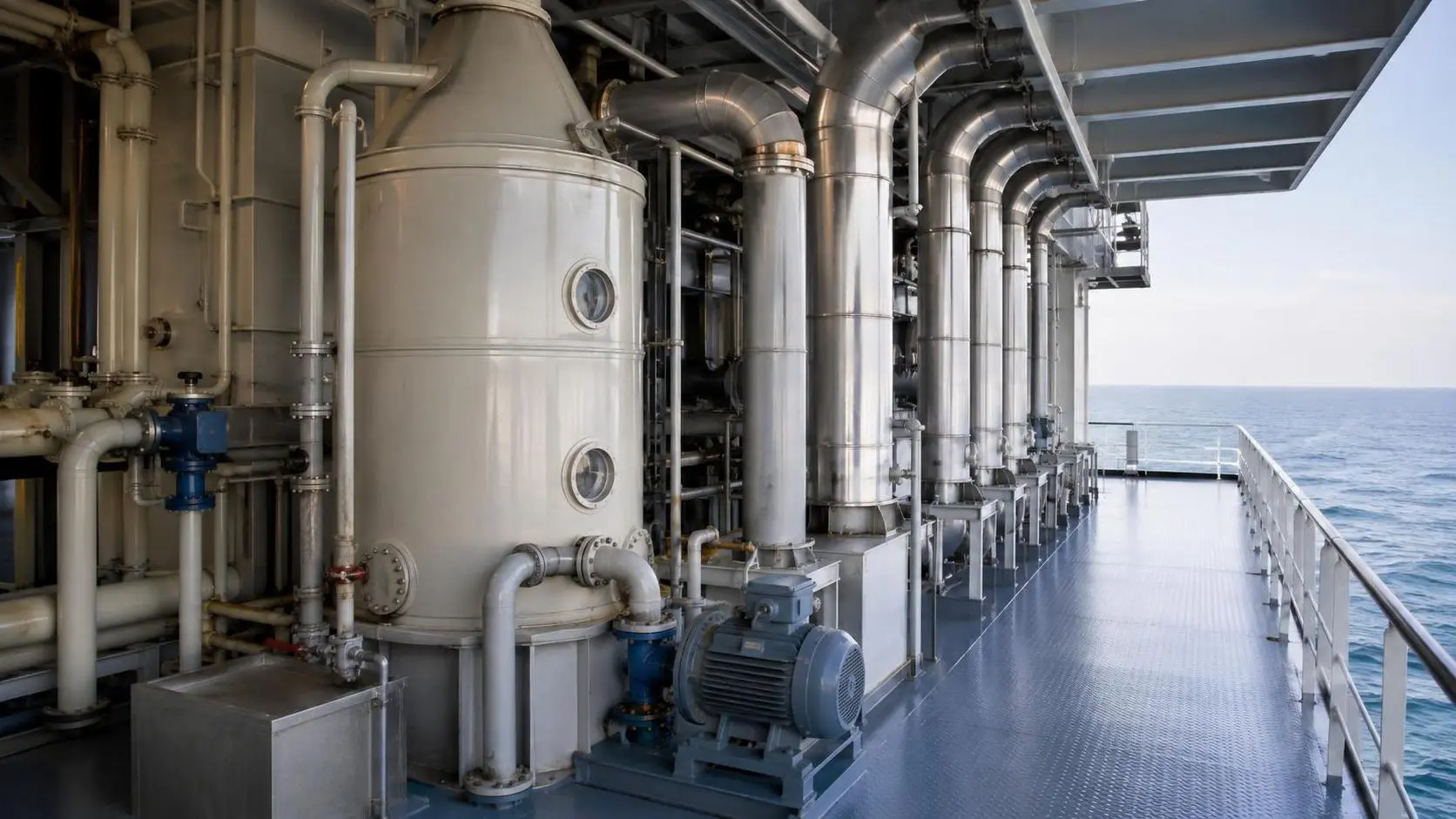
How to size flue gas cleaning systems for marine boilers
Flue gas cleaning systems for marine boilers: learn how to size for gas flow, sulfur load, backpressure, and compliance—improve reliability and reduce operating risk.
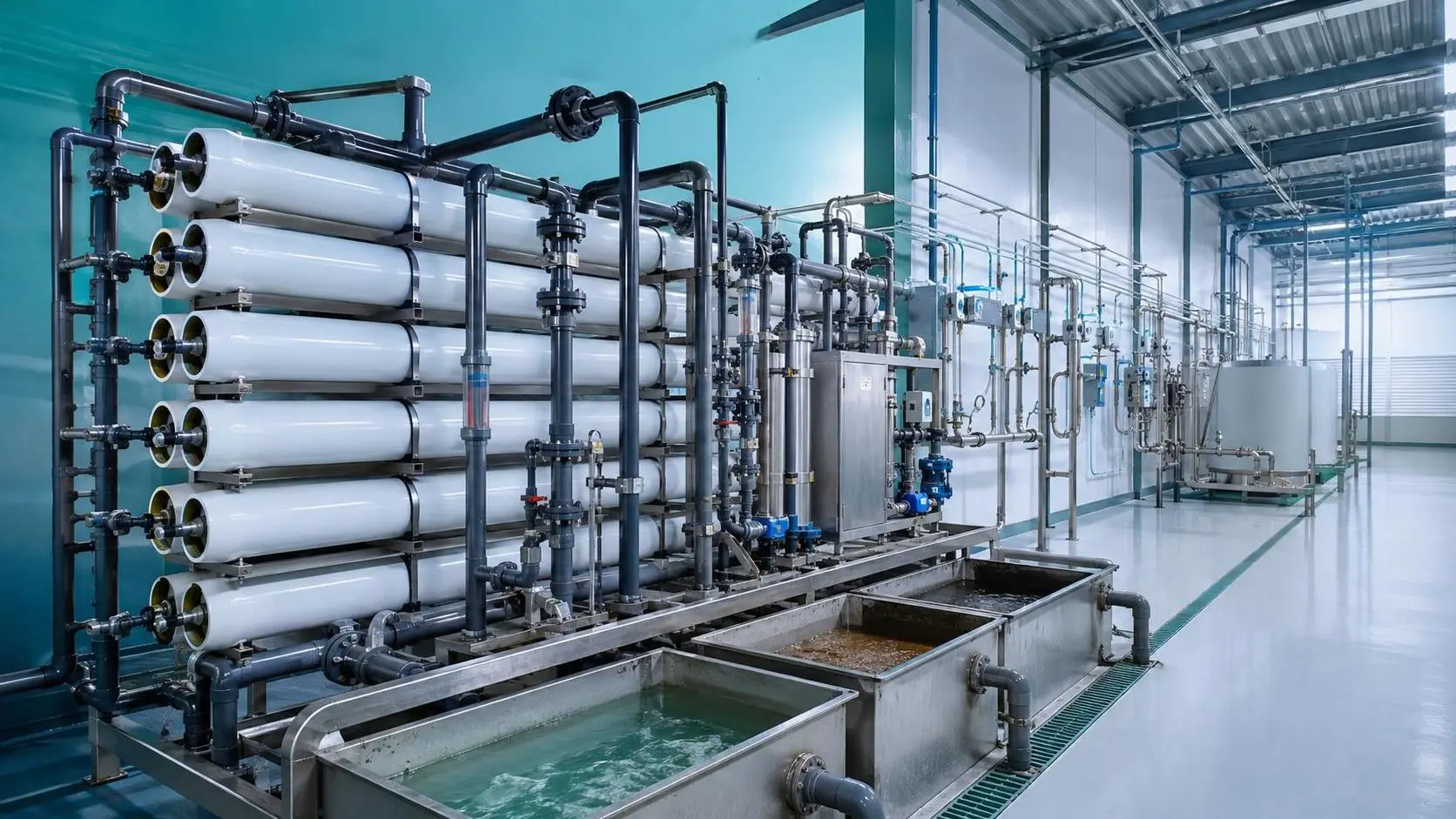
What compliance requirements apply to industrial wastewater recycling solutions?
Industrial wastewater recycling solutions compliance covers permits, reuse standards, discharge limits, monitoring, and residuals. Learn how to reduce approval risks and design a reliable, scalable system.