
Industry News
Curation by industry experts
Hot Articles
Popular Tags
Ecological Engineering in 2026: Practical Trends Shaping Water Projects
In 2026, ecological engineering is no longer discussed as a distant sustainability ambition. It is becoming a practical framework for water projects that must deliver regulatory certainty, stable performance, and defensible lifecycle economics at the same time.
That shift is especially visible in industrial wastewater, municipal reuse, seawater desalination, and resource recovery systems. Decisions now sit at the intersection of treatment chemistry, energy intensity, climate resilience, and compliance strategy.
For the wider environmental market, ecological engineering increasingly means designing assets that behave like connected infrastructure rather than isolated treatment units. The strongest projects align process reliability with circularity, emissions pressure, and long-term operating flexibility.
What ecological engineering means in water projects now
At its core, ecological engineering applies engineering discipline to environmental systems without treating nature, regulation, and industry as separate issues. In water projects, that means balancing purification performance with resource efficiency and downstream consequences.
A membrane train, an evaporator, a sludge line, and a brine outlet can no longer be assessed independently. Ecological engineering asks how each decision affects energy use, concentrate handling, compliance exposure, and future retrofit options.
This is why the topic matters across sectors. Large treatment plants, desalination hubs, waste recovery networks, flue gas systems, and even nuclear waste management are increasingly linked by one question: how to create closed, safe, and resilient environmental control loops.
Why 2026 looks different from earlier planning cycles
The current project environment is less forgiving than it was a few years ago. Water quality limits are tightening, financing is more selective, and public authorities expect stronger evidence on energy, carbon, and discharge pathways.
At the same time, climate volatility is changing design assumptions. Intake conditions, salinity swings, drought pressure, flood events, and industrial load variation are pushing older design margins out of date.
Another pressure point comes from trade and compliance mechanisms. Policies such as CBAM are making environmental performance part of industrial competitiveness, not just an internal environmental obligation.
This is where intelligence-led platforms such as ESD become relevant. Their value is not only in news distribution, but in connecting regulation, equipment evolution, treatment science, and bidding strategy into one usable project picture.
The practical trends shaping ecological engineering decisions
1. Compliance is moving upstream into early design
In many projects, compliance used to be checked near the end of design. In 2026, it is becoming an early filter for technology selection, site layout, chemical strategy, and residuals management.
That affects decisions on ZLD feasibility, brine minimization, sludge stabilization, nutrient recovery, and trace contaminant control. Ecological engineering now starts with permit logic as much as with process flow diagrams.
2. Water projects are judged by system efficiency, not unit efficiency
A highly efficient membrane step may still create an expensive project if pre-treatment is unstable or concentrate disposal is poorly planned. The same applies to advanced oxidation lines that solve one contaminant problem while inflating power and reagent costs.
System-level thinking is now central to ecological engineering. Successful teams evaluate full process interaction, including pumping, thermal loads, cleaning cycles, bypass scenarios, and solids handling.
3. Resilience is becoming a design metric
Resilience used to be discussed in broad terms. Now it is translated into redundancy logic, modular trains, digital monitoring, source-water variability planning, and faster recovery after upset conditions.
For desalination, this may involve intake robustness, membrane fouling tolerance, and energy recovery performance. For industrial reuse, it may center on feed variability, high-salinity peaks, and emergency recirculation capacity.
4. Resource recovery is changing project value models
Ecological engineering increasingly treats waste streams as secondary resources. That does not mean every project becomes profitable through recovery, but it does change how brine, sludge, heat, and by-products are evaluated.
This trend is strongest where water treatment intersects with solid waste systems, urban mining, pyrolysis, or AI-assisted sorting. Recovery logic is no longer separate from water planning, especially in integrated industrial parks.
Where these trends appear most clearly
Different project types show the same ecological engineering logic in different ways. The table below highlights where priorities are converging and what deserves closer attention during project evaluation.
These patterns also explain why ESD tracks both equipment intelligence and broader environmental strategy. In many large projects, the winning solution depends on knowing how membranes, catalysts, recovery systems, and compliance signals evolve together.
How to read technology readiness more realistically
In 2026, technical novelty alone is not a reliable project advantage. Ecological engineering works best when innovation is matched to operating reality, utility availability, staffing conditions, and failure tolerance.
A promising SWRO membrane may improve flux and selectivity, yet still underperform if pretreatment discipline is weak. An advanced thermal step may reduce liquid discharge, but create unsustainable energy exposure.
The more useful question is not whether a technology is advanced. It is whether the technology is controllable at the required scale, under the expected feed profile, within the likely compliance horizon.
- Check performance under variable feed conditions, not only design-point data.
- Compare maintenance intensity with local operational capacity.
- Test sensitivity to energy price swings and reagent supply risk.
- Review how residual streams affect future permitting.
Why cross-disciplinary intelligence matters more than ever
Water projects are now influenced by issues once treated as separate specialist domains. A desalination project may be shaped by carbon policy. A wastewater retrofit may depend on solid recovery economics. A reuse line may be judged by digital traceability.
That is the broader value of ecological engineering as a management lens. It encourages earlier coordination between process design, environmental compliance, commercial planning, and future upgrade pathways.
ESD’s wider field of attention reflects this reality. Large water treatment, solid waste recovery, flue gas control, heavy desalination, and nuclear waste management all contribute signals about reliability, circularity, and risk that water infrastructure can no longer ignore.
Useful checkpoints before the next project decision
Before locking design direction, it helps to test ecological engineering assumptions against a few practical checkpoints. These do not replace detailed engineering, but they improve early-stage judgment.
- Clarify whether the project target is discharge reduction, reuse expansion, recovery value, or resilience improvement.
- Map which future regulations could affect brine, sludge, emissions, or trace contaminants.
- Quantify lifecycle trade-offs between capital savings and operating exposure.
- Review which process steps create lock-in and which preserve flexibility.
- Use independent intelligence to compare technology claims with field behavior.
That last point is increasingly important. In a fast-moving market, strategic intelligence is not a supporting extra. It is becoming part of the engineering toolkit itself.
A grounded way forward
Ecological engineering in 2026 is best understood as disciplined integration. It connects process science, environmental boundaries, and commercial realism into decisions that can survive actual project conditions.
For water projects, the strongest next step is usually not chasing the most visible technology. It is building a clearer basis for comparison across compliance risk, system efficiency, resilience, and upgrade potential.
When those criteria are defined early, technology choices become easier to defend. That creates better alignment between engineering priorities, procurement logic, and long-term environmental performance.
In practical terms, the next review should focus on feed variability, residual handling, energy exposure, and regulatory trajectory. That is where ecological engineering moves from concept to dependable project value.
Recommended News
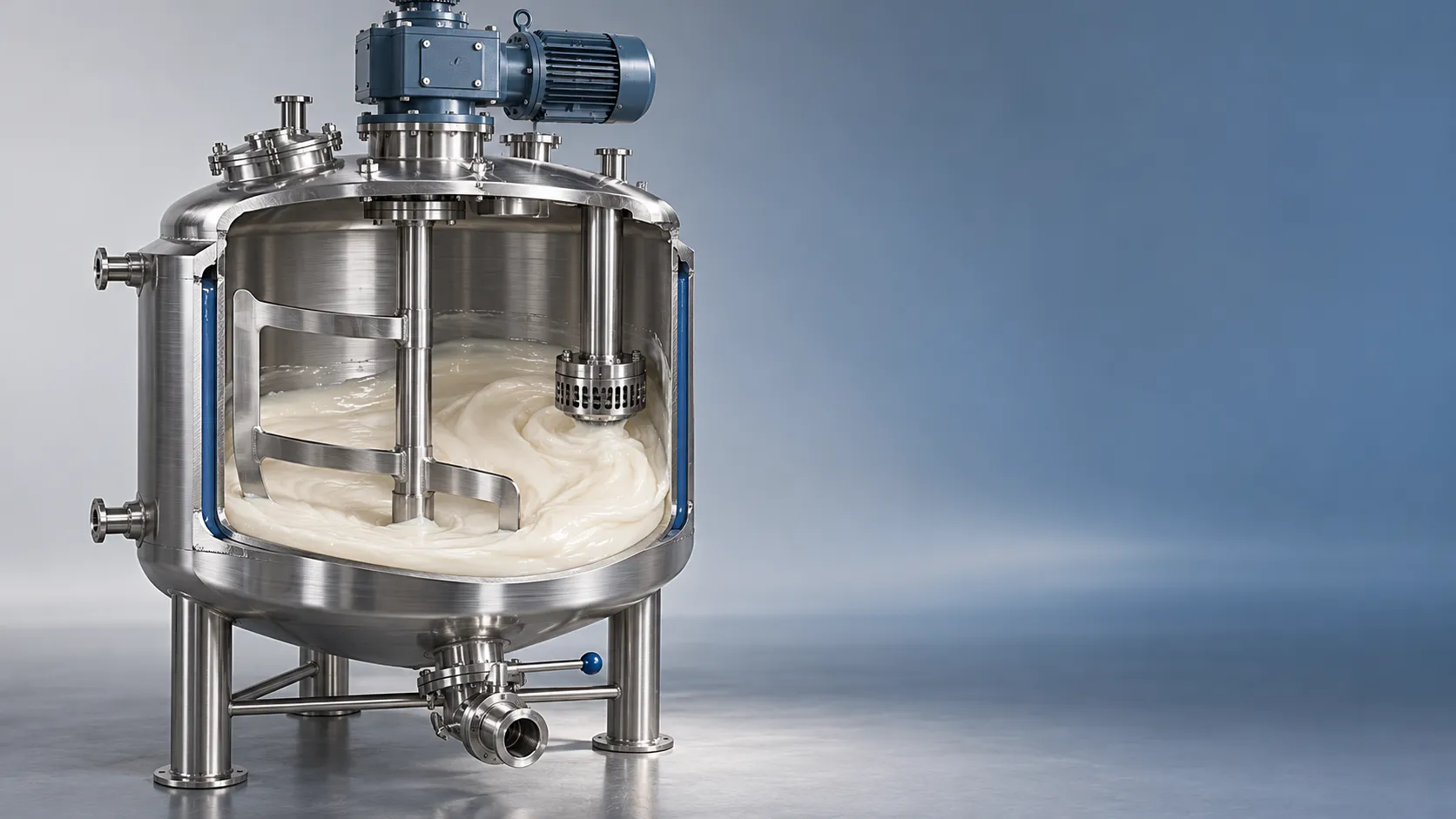
How to size ingredient mixing equipment for viscous formulations
Size mixing ingredient processing equipment for viscous formulations with expert guidance on rheology, torque, and heat removal. Learn how to select a system that delivers reliable batch performance.
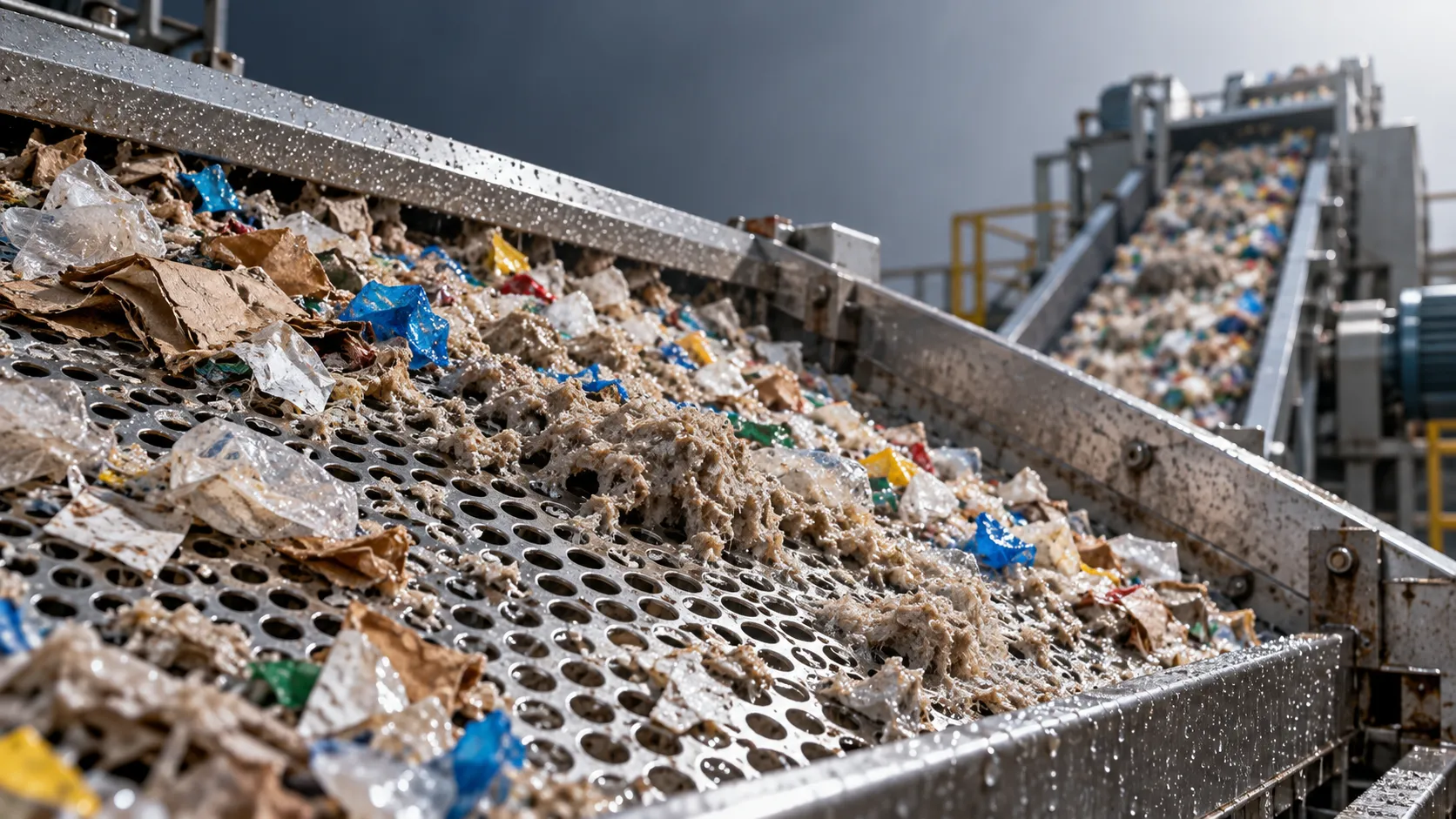
How moisture affects material separation in solid waste recovery
Improve solid waste recovery material separation by understanding moisture effects on screening and sorting. Discover practical ways to boost recovery, purity, and throughput.
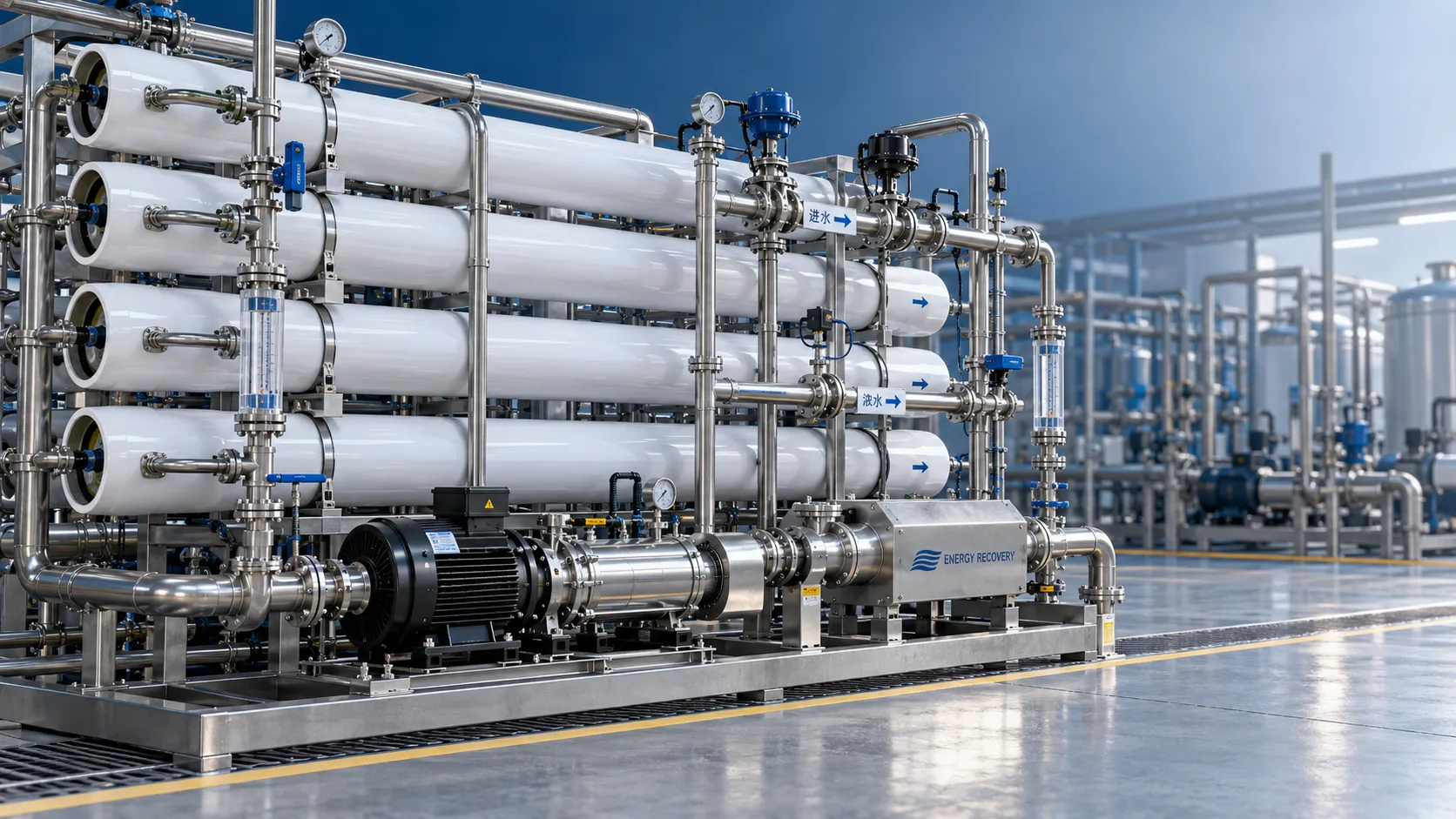
How to set recovery rates in seawater reverse osmosis system design
Explore seawater desalination systems engineering: learn to set SWRO recovery rates that balance energy, scaling risks, and water quality for reliable, cost-effective operation.
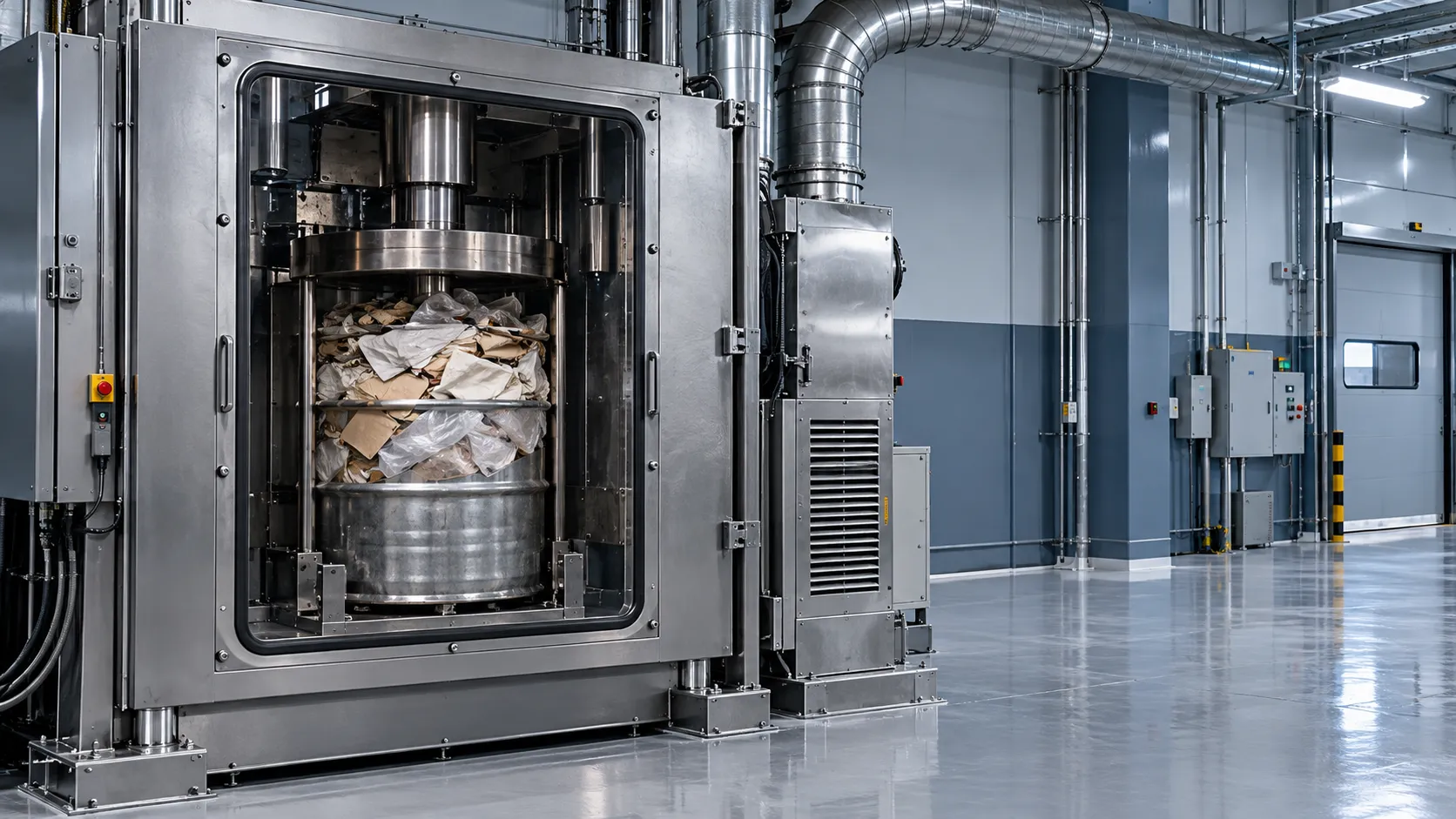
When is compaction suitable for solid nuclear waste treatment?
Is compaction right for solid nuclear waste treatment? Discover suitable waste streams, key safety checks, and disposal requirements to reduce package volume and optimize costs.
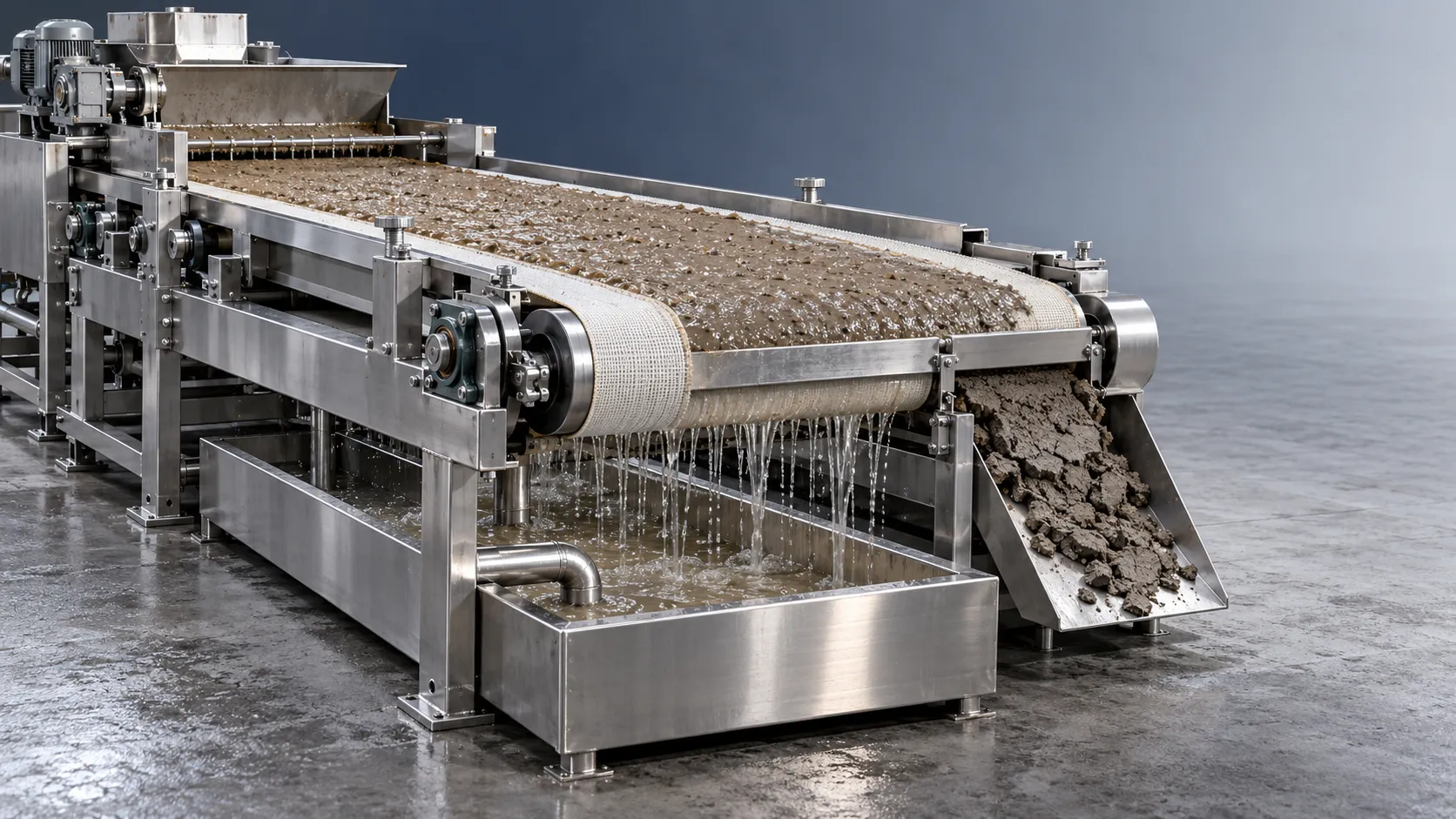
How solids concentration affects dewatering in waste recovery systems
Optimize waste recovery systems dewatering with insights on solids concentration. Learn to balance throughput, cake dryness, and solids capture while avoiding costly equipment overloads.
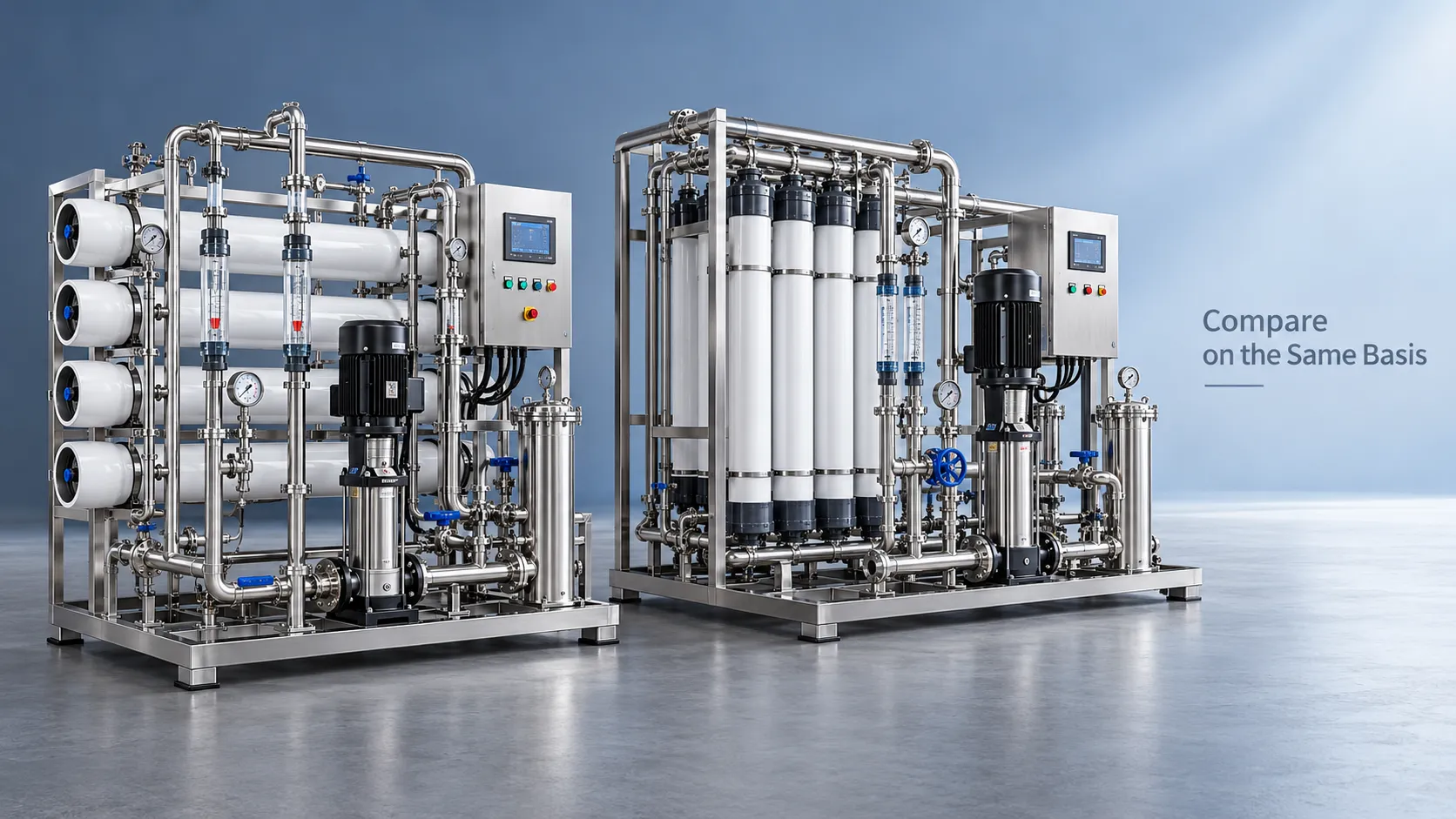
How to compare technical specs in an environmental equipment directory
Use this environmental equipment directory technical guide to compare capacity, energy use, compliance, and supplier evidence. Build a defensible shortlist and choose with confidence.
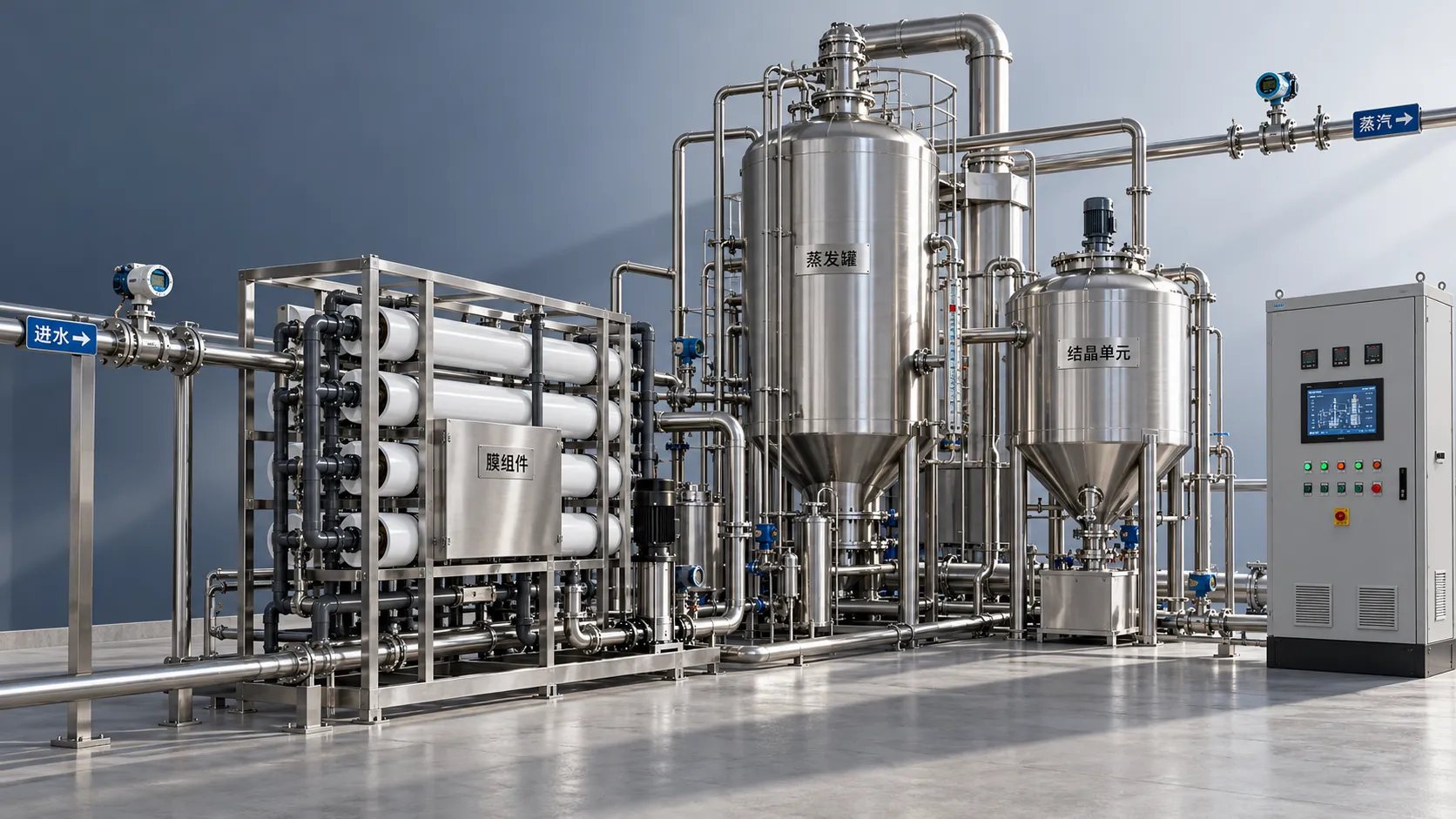
How to assess a zero liquid discharge equipment supplier’s energy claims
Assess a zero liquid discharge equipment supplier’s energy claims. Learn how to verify system boundaries, compare real costs, and demand testable guarantees before you buy.
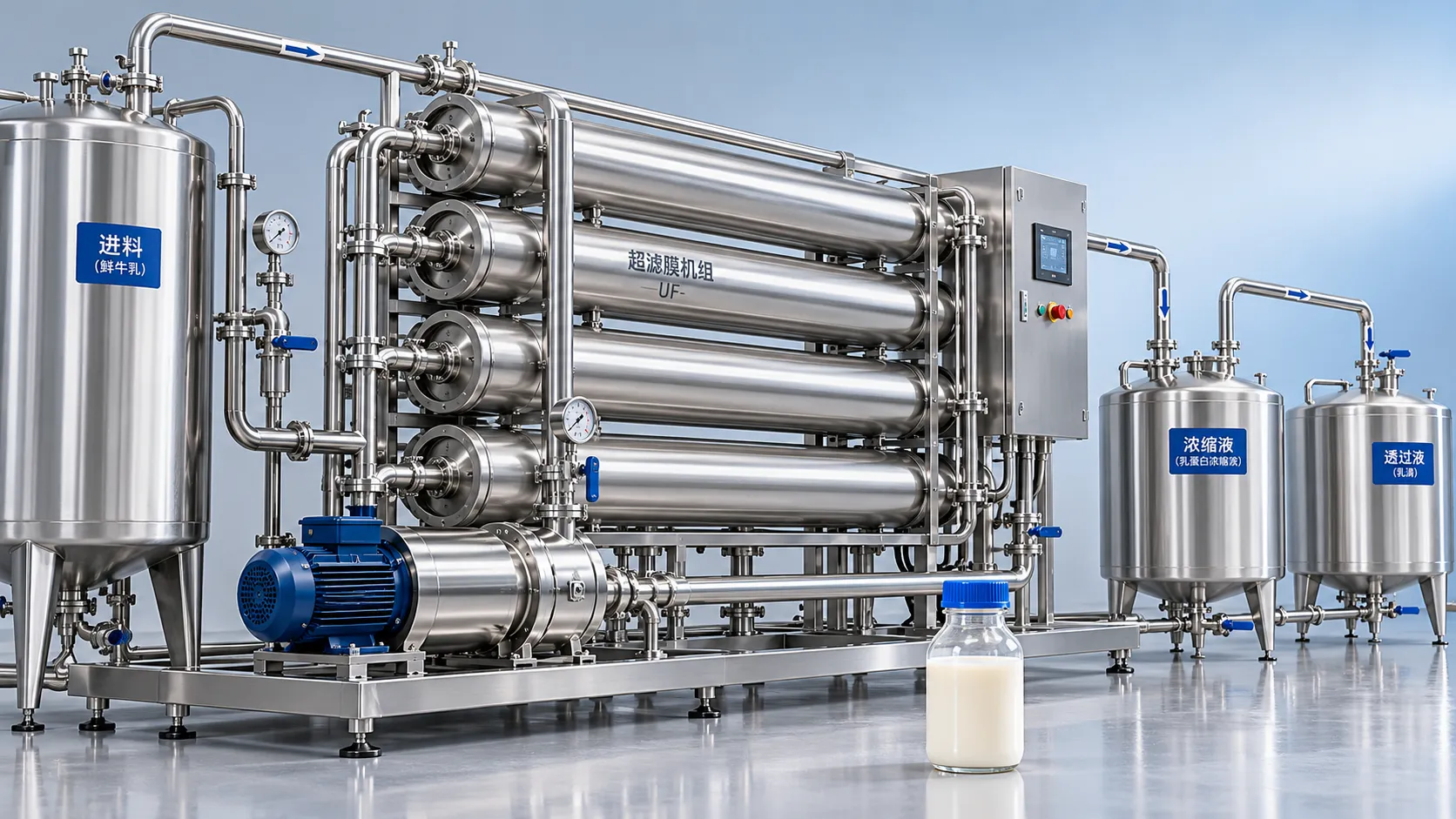
Which membrane filtration process suits dairy protein concentration?
Explore membrane filtration for dairy: compare UF, MF, and RO to select the right process for protein concentration, lactose reduction, and better recovery. Find your best fit.
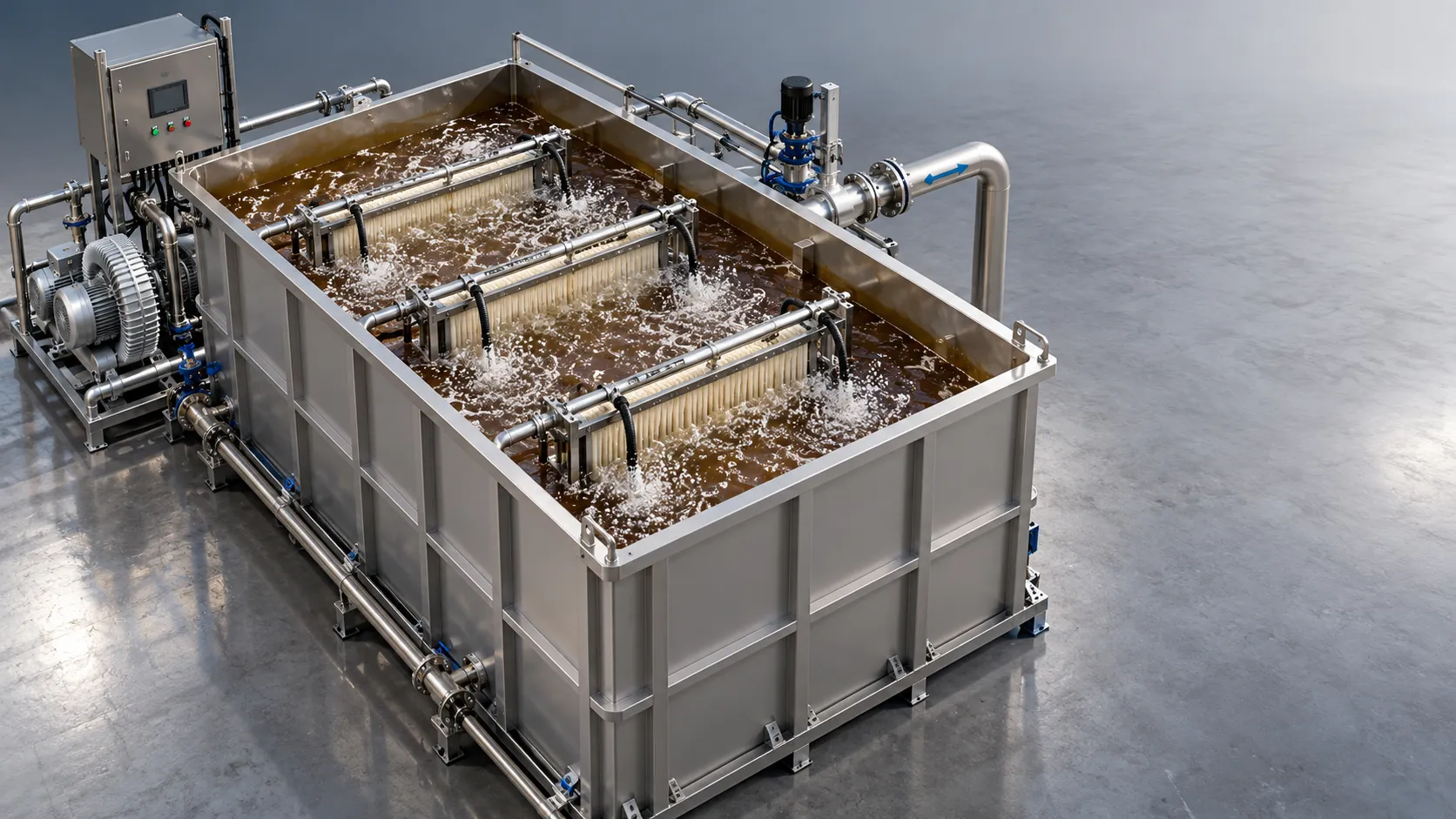
When is an MBR suitable for wastewater purification for bioprocessing?
For wastewater purification for bioprocessing, discover when an MBR fits your needs. Compare water quality, fouling risks, and lifecycle costs before investing.